







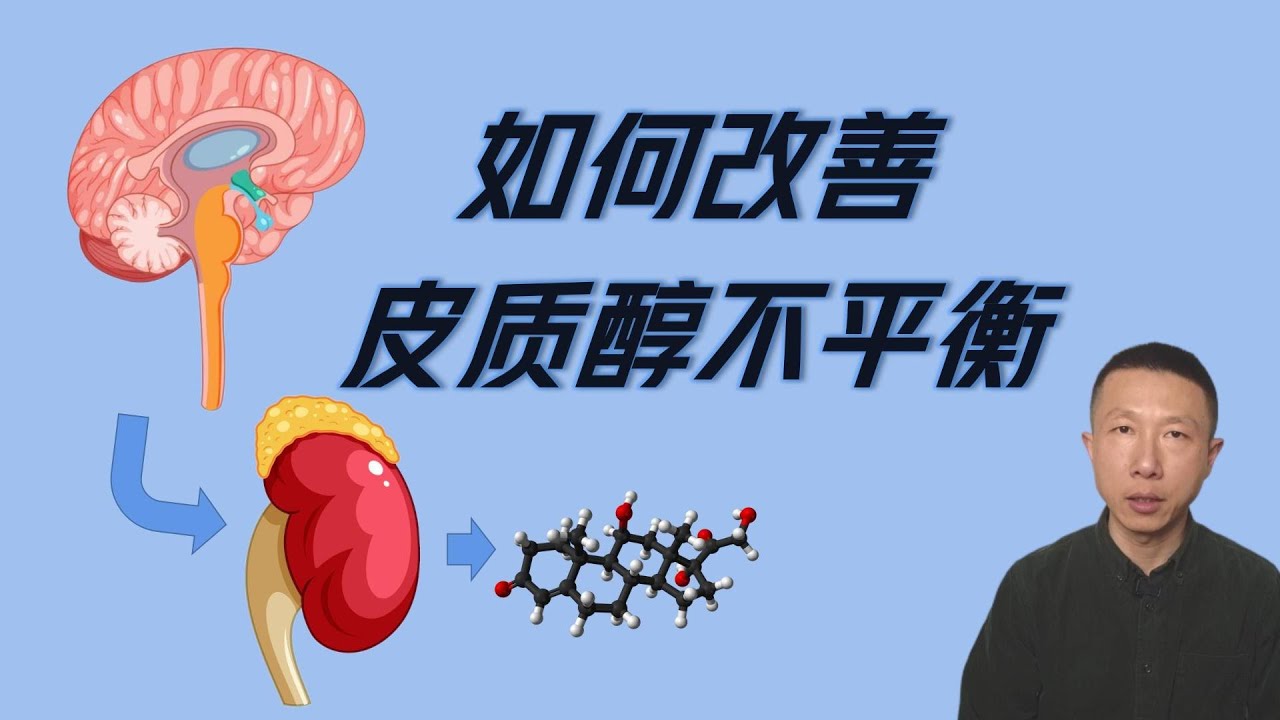









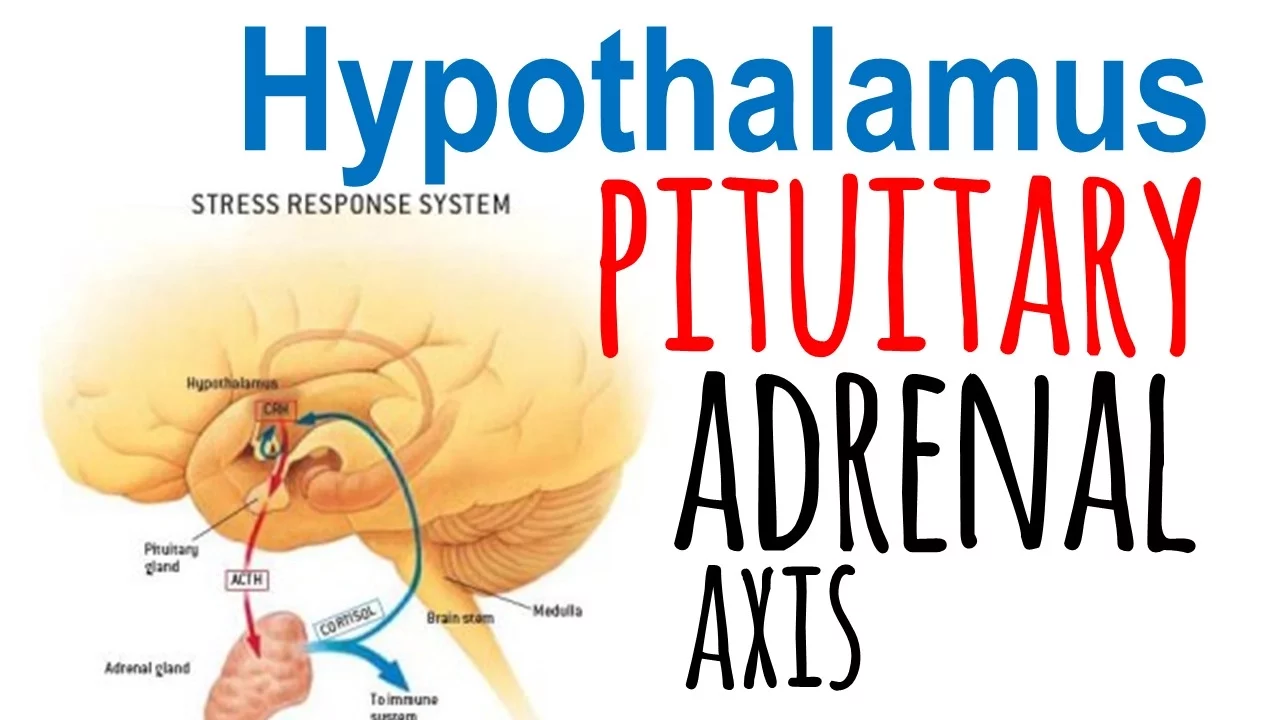


The HPA axis is a neuroendocrine system that regulates the body's response to stress through a cascade of hormonal signals: the hypothalamus releases corticotropin-releasing hormone (CRH), which stimulates the pituitary gland to secrete adrenocorticotropic hormone (ACTH); ACTH then acts on the adrenal cortex to release cortisol, the primary stress hormone that mobilizes energy by promoting glycogen breakdown in the liver, fat breakdown in adipose tissue, and protein catabolism in muscles, while simultaneously suppressing immune function; negative feedback mechanisms involving high cortisol levels inhibit further CRH and ACTH secretion to maintain homeostasis.
HPA Axis Explained: Hypothalamus-Pituitary-Adrenal in Stress
Added:Basic anatomy and function of the endocrine system, including how hormones are secreted and transported via the bloodstream.
The concept of biological homeostasis and how negative feedback loops operate to maintain physiological balance.
General neuroanatomy, specifically the location and primary functions of the hypothalamus and the pituitary gland.
The distinction between the immediate nervous system response (sympathetic 'fight-or-flight') and the slower, prolonged endocrine response to stress.
The physiological consequences of chronic stress and long-term elevated cortisol levels on the immune, digestive, and cardiovascular systems.
Clinical disorders associated with HPA axis dysfunction, such as Cushing's syndrome, Addison's disease, and major depressive disorder.
The pharmacological applications of synthetic glucocorticoids (e.g., prednisone) and how exogenous hormones disrupt endogenous feedback loops.
The interaction between the HPA axis and other neuroendocrine pathways, such as the Hypothalamic-Pituitary-Gonadal (HPG) axis.
70.6K views1.1Klikes7:36Original Release: 2022-12-21
in this video we'll talk about the HPA axis which is hypothalamus pituitary adrenal axis this is a major neuroendocrine system that regulates body's reaction towards stress so it involves hypothalamus pituitary and the adrenal gland now let's try to understand how this overall axis works and what are the function of these HPA axes so first of all from the hypothalamus there is a hormone known as corticotropine releasing hormone or crh which is secreted and ultimately it leads to the secretion of ACTH or adrenal corticotropic hormone secretion adrenal corticotropic hormone can go to the adrenal gland and it leads to the secretion of several uh corticosteroids including cortisol cortisol is the key hormone that regulates body's response towards stress it lead to several metabolic and immunologic changes anyway after a while when cortisol levels are too high body need to tone it down and thereby there is a negative feedback on pituitary and hypothalamus so this is the overall HPI axis in a nutshell now let's try to understand this in a bit more details so in the hypothalamus there are several nuclear regions so one of the neuroendocrine region is paraventricular nucleus shown here now crh is actually secreted by the neurons of paraventricular nucleus crh is released in response of stress and it's a I mean amino acid containing proteins has like 41 amino acids so overall corticotropine releasing hormone acts on pituitary so if we cut a cross section of the pituitary there are several regions inside the anterior pituitary and one of the region is known as corticotrope cells this corticotrop cell lead to production of the ACTH hormone so the corticotropine releasing hormone binds to the specific crh receptors which are G protein coupled receptors on the membranes of corticotrop cells eventually that lead to secretion of the ACTH hormone which is basically 39 amino acid long peptide hormone eventually this particular hormone acts on the adrenal cortex and lead to the secretion of cortisol anyway the specific region which produces corticosteroid is known as zoonophysicophesicular of the adrenal cortex now how exactly ACTH is working ACTH is again a peptide type of hormone it binds to G protein couple receptor present on the Zona fasciculata cells now it leads to exchange of GTP in place of GTP and the g protein gets activated which in turns activates adenylate cyclist which leads to production of cyclic amp thereby activation of protein kinase a protein kinase a can have long term and short-term effects protein kinase a can move into the nucleus lead to production of genes that are responsible for the metabolism of the cortisol or corticosteroids overall steroid hormone biogenesis and also the pka lead to short-term changes or immediate changes in order of seconds to minutes these changes allow cholesterol to get inside the cell once cholesterol is inside the cell steroid hormone can be produced remember that all these corticosteroid has a common precursor pool which is the cholesterol they are all cholesterol derivatives because they are steroids now cortisol has wide variety of effect on liver adipose tissue muscles and many other organs anyway in the liver it breaks down glycogen so it kind of lead to glycogenolysis and prevents the process of glycogenesis so it ensures that enough amount of glucose is present in the bloodstream during the stress because body need to respond towards that stress our brain need to work in that stressful situation so huge amount of blood glucose Supply is necessary also as per a second energy source adipose tissue is affected by cortisol so adipose tissue has stored fat which gets converted to free fatty acid eventually these free fatty acids can be broken down to produce energy and then in the muscle there are catabolic reactions which are favored for example breakdown of protein is favored and anabolism of protein is prevented now many of these uh building blocks of protein can be used to generate glucose further so overall what we understand cortisol lead to a widespread changes in the metabolism of the body anyway cortisol also affects the immune system and suppress it and thereby regulates a balance between inflammation and infection so cortisol decreases inflammation but increases the risk of infection it's a potent immunosuppressant so it is good when somebody is undergoing a graft rejection let's say so when somebody has taken a draft there are high chances that their immune system is going to reject that particular Graft in order to prevent that generally cortisol injections are given so cortisol suppresses the immune system and prevent The graft rejection in many cases cortisol specially inhibits the inflammatory cytokines and promotes the production of anti-inflammatory cytokines such as interleukin-10 and thereby it leads to its biological effect of immunosuppression anyway too much cortisol is also not good so body has to maintain a homeostatic level of cortisol or overall corticosteroid too much cortisol is seen in Cushing syndrome which is associated with many problems other than that people who are undergoing kind of adrenal gland tumors or people might be in corticosteroids they might show high level of cortisol which has adverse effect on the body let's see how the negative feedback loop works in the HP axis because for any hormonal Axis or any kind of regulated system a negative feedback loop is really important here the negative feedback loop starts with high level of cortisol in the blood so when the cortisol level is too high it gives a negative feedback on the pituitary first it prevents the secretion of ACTH when ACTH is low adrenal gland would produce less and less corticosteroids eventually for the long term suppression it leads to a negative feedback into the hypothalamus so it's basically a top-down control which is targeted by too much level of cortisol that pretty much summarized the HP axis and its regulation so if you like this video give it a quick thumbs up don't forget to like share and subscribe you can uh get more notes and uh flash cards in my Facebook page follow us on Instagram you can support our Channel using super tanks option you can pay via paytm Paypal UPI Etc see you in next video
Up Next

38:21
Psychophysiological Disorders: Psychological Factors Affecting Medical Conditions
@psychology2415
1.8K views•2023-06-28

48:47
Graphic Medicine: Comics for Collaborative Healthcare Communication
@nationalpatientadvocate
189 views•2023-12-04

10:28
Neuroanatomy: Central and Peripheral Nervous System Divisions Explained
@AKLECTURES
136.2K views•2014-09-20
3:05
Stages of Labor and Vaginal Birth | Childbirth Animation
@nucleusmedicalmedia
52.1M views•2017-08-18
Related Study Plans & Knowledge Roadmaps
Structured learning paths in Medicine
medicine
Abnormal LFTs: Diagnostic Workup & Pathology
01Liver Anatomy and Basic Physiology
02Introduction to Liver Function Tests (LFTs)
03Hepatocellular vs. Cholestatic Patterns
+ 3 more learning modules
12h6 modules
Explore Roadmap
medicine
Analyzing Blood Smears: RBC, WBC & Platelets
01Introduction to Blood Components & Smear Preparation
02Normal Morphology of Blood Cells
03Erythrocyte Pathologies & Morphological Variants
+ 2 more learning modules
12h5 modules
Explore Roadmap
medicine
Mechanical Ventilation: Waveforms & Alarms
01Anatomy and Physiology of Breathing
02Introduction to Mechanical Ventilation & Core Modes
03Ventilator Settings and Waveform Interpretation
+ 2 more learning modules
12h5 modules
Explore Roadmap
medicine
Neuro Exam: Localization & Stroke Syndromes
01Foundations of Neuroanatomy and Vascular Supply
02The Neurological Examination: Step-by-Step
03Principles of Neurological Localization
+ 3 more learning modules
18h6 modules
Explore Roadmap