














![Qué Es La Psiconeuroinmunología [ PNI ] 🧠](https://i.ytimg.com/vi_webp/9rFvPeV_JTg/maxresdefault.webp)












![Peter Joseph, ZDay 2016 "Where we go from here" March 26th, Athens Greece [ The Zeitgeist Movement ]](https://i.ytimg.com/vi/eyEP2H3QsII/maxresdefault.jpg)

Psychophysiological disorders are physical illnesses caused or worsened by the interaction of biological, psychological, and socio-cultural factors, including conditions like ulcers, asthma, hypertension, and coronary heart disease; research demonstrates that stress affects the immune system through biochemical pathways involving norepinephrine and corticosteroids, which can slow lymphocyte activity and increase susceptibility to illness, and effective psychological treatments such as relaxation training, biofeedback, meditation, and cognitive interventions can help manage these conditions by addressing the mind-body connection.
Psychophysiological Disorders: Psychological Factors Affecting Medical Conditions
Added:The foundational principles of the biopsychosocial model, which emphasizes the interaction of biological, psychological, and social factors in health and illness.
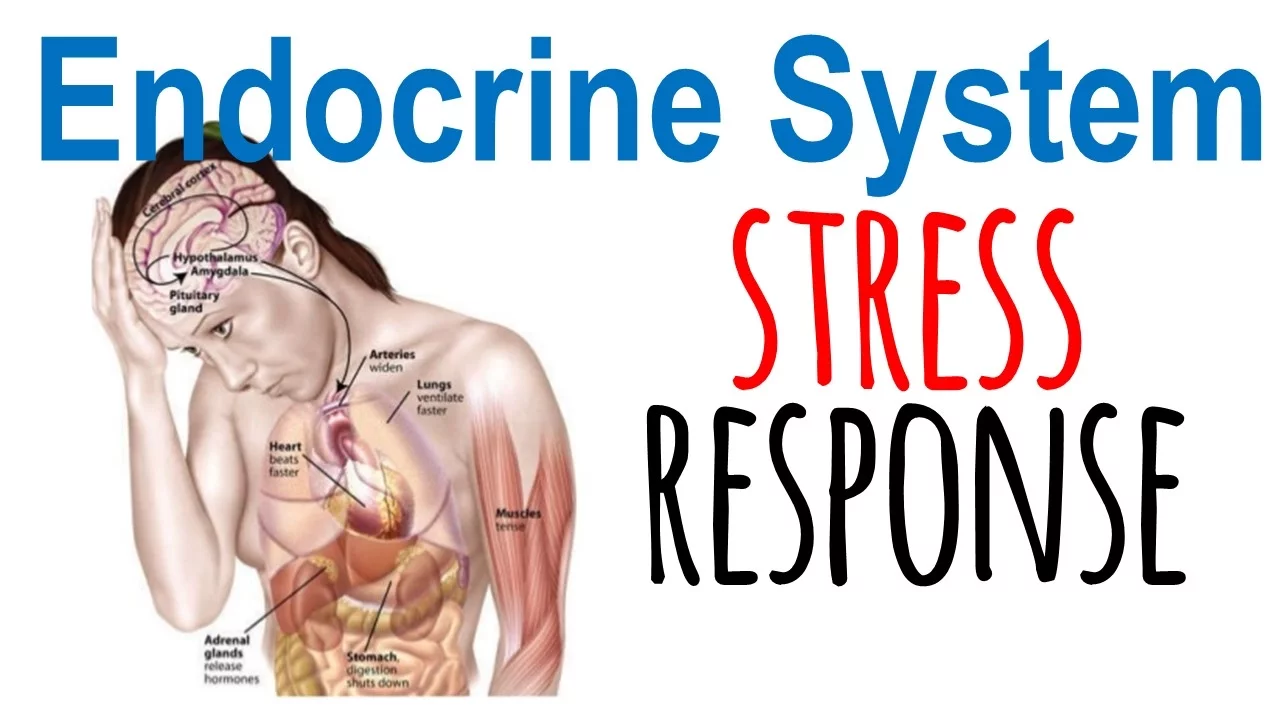
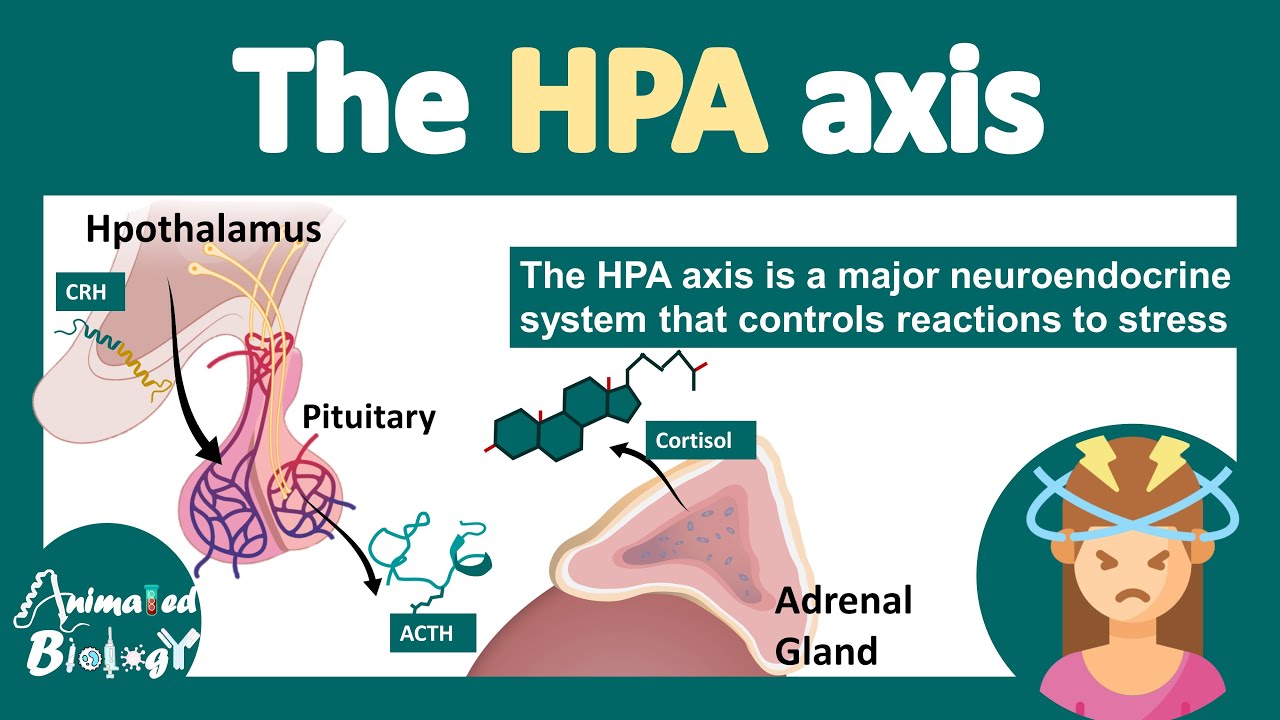
The biological mechanisms of the human stress response, including the roles of the autonomic nervous system and the hypothalamic-pituitary-adrenal (HPA) axis.
Basic knowledge of human physiology, particularly the normal functioning of the cardiovascular, respiratory, and gastrointestinal systems.
The conceptual distinction between somatoform disorders (physical symptoms without organic pathology) and actual psychophysiological or psychosomatic illnesses.
The field of Psychoneuroimmunology (PNI), focusing on the specific chemical pathways through which stress hormones suppress immune function.
Advanced clinical interventions for chronic illness management, such as Biofeedback, Mindfulness-Based Stress Reduction (MBSR), and Cognitive Behavioral Therapy for chronic pain.
The design of multidisciplinary integrated care models that facilitate collaboration between primary care physicians and mental health professionals.
Epidemiological research on how socioeconomic status, systemic stressors, and lifestyle factors correlate with the prevalence of hypertension and coronary heart disease.
1.8K views16likes38:21Original Release: 2023-06-28
psychophysiological disorders psychological factors affecting other medical conditions about 85 years ago clinicians identified a group of physical illnesses that seemed to be caused or worsened by an interaction of biological psychological and socio-cultural factors early editions of the DSM labeled these illnesses psychophysiological or psychosomatic disorders but DSM-5 labels them as psychological factors affecting other medical conditions the more familiar term psychophysiological will be used in this chapter it is important to recognize that significant medical symptoms and conditions are involved in psychophysiological disorders and that the disorders often result in serious physical damage they are different from the factitious conversion and illness anxiety disorders that are accounted for primarily by psychological factors traditional psychophysiological disorders before the 1970s clinicians believed that only a limited number of illnesses were psychophysiological the best known and most common of these disorders were ulcers asthma insomnia chronic headaches high blood pressure and coronary heart disease Recent research however has shown that many other physical illnesses including bacterial and viral infections may also be caused by an interaction of Psychosocial and physical factors let's look first at the traditional psychophysiological disorders and then at the illnesses that are newer to this category ulcers are lesions holes that form in the wall of the stomach or of the duodenum resulting in Burning Sensations or pain in the stomach occasional vomiting and stomach bleeding more than 25 million people in the United States have ulcers at some point during their lives and ulcers cause an estimated 6500 deaths each year ulcers often are caused by an interaction of stress factors such as environmental pressure or intense feelings of anger or anxiety and physiological factors such as the bacteria H pylori asthma causes the body's Airways the trachea and bronchi to narrow periodically making it hard for air to pass to and from the lungs the resulting symptoms are shortness of breath wheezing coughing and a terrifying choking sensation some 235 million people in the world 25 million in the United States alone currently suffer from asthma and most were children or young teenagers at the time of the first attack 70 of all cases appear to be caused by an interaction of stress factors such as environmental pressures or anxiety and physiological factors such as allergies to specific substances a slow acting sympathetic nervous system or a weakened respiratory system insomnia difficulty falling asleep or maintaining sleep plagues more than one-third of the population each year although many of us have temporary bouts of insomnia that last a few nights or so a large number of people 10 of the population have insomnia that lasts months or years chronic insomniacs feel as though they are almost constantly awake they often are very sleepy during the day and may have difficulty functioning their problem may be caused by a combination of Psychosocial factors such as high levels of anxiety or depression and physiological problems such as an overactive arousal system or certain medical ailments chronic headaches are frequent intense aches of the head or neck that are not caused by another physical disorder there are two major types muscle contraction or tension headaches are marked by pain at the back or front of the head or the back of the neck these occur when the muscles surrounding the skull Titan narrowing the blood vessels approximately 45 million Americans suffer from such headaches migraine headaches are extremely severe often nearly paralyzing headaches that are located on one side of the head and are sometimes accompanied by dizziness nausea or vomiting migraine headaches are thought by some medical theorists to develop in two phases one blood vessels in the brain narrow so that the flow of blood to parts of the brain is reduced and two the same blood vessels later expand so that blood flows through them rapidly stimulating many neuron endings and causing pain 23 million people in the United States suffer from migraines research suggests that chronic headaches are caused by an interaction of stress factors such as environmental pressures or general feelings of helplessness anger anxiety or depression and physiological factors such as abnormal activity of the neurotransmitter serotonin vascular problems or muscle weakness hypertension is a state of chronic high blood pressure that is the blood pumped through the body's arteries by the heart produces too much pressure against the artery walls hypertension has few outward signs but it interferes with the proper functioning of the entire cardiovascular system greatly increasing the likelihood of stroke heart disease and kidney problems around 9.4 million deaths around the world are caused by hypertension it is estimated that 75 million people in the United States have hypertension thousands die directly from it annually and millions more perish because of illnesses caused by it around 10 percent of all cases are caused by physiological abnormalities alone the rest result from a combination of psychological and physiological factors and are called essential hypertension some of the leading psychosocial causes of essential hypertension are constant stress environmental danger and general feelings of anger or depression physiological factors include obesity smoking poor kidney function and an unusually high proportion of the gluey protein collagen in a person's blood vessels coronary heart disease is caused by a blocking of the coronary arteries the blood vessels that surround the heart and are responsible for carrying oxygen to the heart muscle the term actually refers to several problems including blockage of the coronary arteries and myocardial infarction a heart attack coronary heart disease is the leading cause of death globally resulting in 7.3 million deaths each year in the United States nearly 18 million people have some form of coronary heart disease it is the leading cause of death for both men and women in the nation accounting for six hundred thousand deaths each year around 40 percent of all deaths the majority of all cases of coronary heart disease are related to an interaction of Psychosocial factors such as job stress or high levels of anger or depression and physiological factors such as high cholesterol obesity hypertension smoking or lack of exercise What factors contribute to psychophysiological disorders over the years clinicians have identified a number of variables that may generally contribute to the development of psychophysiological disorders you may notice that several of these variables are the same as those that contribute to the onset of acute and post-traumatic stress disorders the variables can be grouped as biological psychological and socio-cultural factors respectively biological factors one way the brain activates body organs is through the operation of the autonomic nervous system ANS the network of nerve fibers that connect the central nervous system to the body's organs defects in this system are believed to contribute to the development of psychophysiological disorders if one's ANS is stimulated too easily for example it may overreact to situations that most people find only mildly stressful eventually damaging certain organs and causing a psychophysiological disorder other more specific biological problems may also contribute to psychophysiological disorders a person with a weak gastrointestinal system for example may be a prime candidate for an ulcer whereas someone with a weak respiratory system May develop asthma readily in a related vein people may display favored biological reactions that raise their chances of developing psychophysiological disorders some individuals perspire in response to stress others develop stomachaches and still others have a rise in blood pressure research has indicated for example that some people are particularly likely to have temporary rises in blood pressure when stressed it may be that they are prone to develop hypertension psychological factors according to many theorists certain needs attitudes emotions or coping Styles may cause people to overreact repeatedly to stressors and so increased their chances of developing psychophysiological disorders researchers have found for example that man with a repressive coping style a reluctance to express discomfort anger or hostility tend to have a particularly sharp rise in blood pressure and heart rate when they are stressed another personality style that may contribute to psychophysiological disorders is the type A personality style an idea introduced a half century ago by two cardiologists Meyer Friedman and Ray rosenman 1959 people with this style are said to be consistently angry cynical driven impatient competitive and ambitious they interact with the world in a way that according to Friedman and rosenman produces continual stress and often leads to coronary heart disease people with a type B personality Style by contrast are thought to be more relaxed less aggressive and less concerned about time and thus are less likely to develop cardiovascular deterioration the link between the type A personality style and coronary heart disease has been supported by many studies in one well-known investigation of more than 3 000 people Friedman and rosenman 1974 separated healthy men in their 40s and 50s into type A and type B categories and Then followed their health over the next eight years more than twice as many type A men developed coronary heart disease later studies found that type a functioning correlates similarly with heart disease in women recent studies indicate that the link between the type A personality style and heart disease may not be as strong as the earlier studies suggested these studies do suggest however that several of the characteristics that supposedly make up the type of style particularly hostility and time urgency May indeed be strongly related to heart disease sociocultural factors the Multicultural perspective adverse social conditions May set the stage for psychophysiological disorders such conditions produce ongoing stressors that trigger and interact with the biological and personality factors just discussed one of society's most negative social conditions for example is poverty in study after study it has been found that relatively wealthy people have fewer psychophysiological disorders Better Health in general and Better Health outcomes than poor people one obvious reason for this relationship is that poorer people typically experience higher rates of crime unemployment overcrowding and other negative stressors than wealthier people in addition they typically receive inferior Medical Care the relationship between race and psychophysiological and other health problems is complicated on the one hand as one might expect from the economic Trends just discussed African Americans have more such problems than do white Americans African Americans have for example higher rates of high blood pressure diabetes and asthma they are also more likely than white Americans to die of heart disease and stroke certainly economic factors may help explain this racial difference many African Americans live in poverty those who do often must contend with the high rates of crime and unemployment that often result in poor health conditions research further suggests that the high rate of psychophysiological and other medical disorders among African Americans probably extends Beyond economic factors consider for example the finding that 42 percent of African Americans have high blood pressure compared with 29 of white Americans although this difference may be explained in part by the dangerous environments in which so many African Americans live in the unsatisfying jobs at which so many must work other factors may also be operating a physiological predisposition among African Americans May for example increase their risk of developing high blood pressure or it may be that repeated experiences of racial discrimination constitute special stressors that help raise the blood pressure of African Americans in fact some recent investigations have found that the more discrimination people experience over a one-year period the greater their daily rise in blood pressure looking at the health picture of African Americans one might expect to find a similar Trend among Hispanic Americans after all a high percentage of Hispanic Americans also live in poverty are exposed to discrimination are affected by high rates of crime and unemployment and receive inferior Medical Care however despite such disadvantages the health of Hispanic Americans is on average at least as good and often better than that of both white Americans and African Americans for example Hispanic Americans have lower rates of high blood pressure high cholesterol asthma and cancer than white Americans or African Americans do the relatively positive Health picture for Hispanic Americans in the face of clear economic disadvantage has been referred to in the clinical field as the Hispanic Health paradox generally researchers are puzzled by this pattern but a few explanations have been offered it may be for example that the strong emphasis on social relationships family support and religiousness that often characterize Hispanic American cultures increase health resilience among their members Or Hispanic Americans may have a physiological predisposition that improves their likelihood of having Better Health outcomes new psychophysiological disorders clearly biological psychological and socio-cultural factors combine to produce psychophysiological disorders in fact the interaction of such factors is now considered the rule of bodily functioning not the exception as the years have passed more and more illnesses have been added to the list of traditional psychophysiological disorders and researchers have found many links between psychosocial stress and a wide range of physical illnesses let's look at how these links were established and then at psychoneuroimmunology the area of study that ties stress and illness to the body's immune system our physical illnesses related to stress back in 1967 two researchers Thomas Holmes and Richard Rahi developed the social Readjustment rating scale which assigns numerical values to the stresses that most people experience at some time in their lives answers given by a large sample of participants indicated that the most stressful event on the scale is the death of a spouse which receives a score of 100 life change units lower on the scale is retirement and still lower is a minor violation of the law this scale gave researchers a yardstick for measuring the total amount of stress a person faces over a period of time if for example in the course of a year a woman started a new business 39 lcus sent her son off to college 29 lcus move to a new house 20 lcus and had a close friend die 37 lcus her stress score for the year would be 125 lcus a considerable amount of stress for such a period of time with this scale in hand Holmes and Rahi examined the relationship between life stress and the onset of illness they found that the lcu scores of sick people during the year before they fell ill were much higher than those of healthy people if a person's life changes totaled more than 300 lcus over the course of a year he or she was particularly likely to develop serious health problems using the social Readjustment rating scale or similar scales Studies have since linked stresses of various kinds to a wide range of physical conditions from trench mouth and upper respiratory infections to cancer overall the greater the amount of Life stress the greater the likelihood of illness researchers even have found a relationship between traumatic stress and death widows and widowers for example display an increased risk of death during their period of bereavement one shortcoming of homes in rahi's Social Readjustment rating scale is that it does not take into consideration the particular life stress reactions of specific populations for example in their development of the scale the researchers sampled white Americans predominantly few of the respondents were African-Americans Or Hispanic Americans but since their ongoing life experiences often differ in key ways might not members of minority groups and white Americans differ in their stress reactions to various kinds of Life events Research indicates that indeed they do one study found for example that African Americans experience greater stress than white Americans in response to a major personal injury or illness a major change in work responsibilities or a major change in living conditions similarly Studies have shown that women and men differ in their reactions to a number of Life Changes finally college students May face stressors that are different from those listed in the social Readjustment rating scale instead of having marital difficulties being fired or applying for a job a college student may have trouble with a roommate fail a course or apply to graduate school when researchers use special scales to measure life events in this population they find the expected relationships between stressful events and illness psychoneuroimmunology how do stressful events result in a viral or bacterial infection researchers in an area of study called psychoneuroimmunology seek to answer this question by uncovering the links between psychosocial stress the immune system and health the immune system is the body's network of activities and cells that identify and Destroy antigens foreign Invaders such as bacteria viruses fungi and parasites in cancer cells among the most important cells in this system are billions of lymphocytes white blood cells that circulate through the lymph system and the bloodstream when stimulated by antigens lymphocytes spring into action to help the body overcome the Invaders one group of lymphocytes called helper T cells identifies antigens and then multiplies and triggers the production of other kinds of immune cells another group natural killer T cells seeks out and destroys body cells that have already been infected by viruses thus helping to stop the spread of a viral infection a third group of lymphocytes B cells produces antibodies protein molecules that recognize and bind to antigens mark them for Destruction and prevent them from causing infection researchers now believe that stress can interfere with the activity of lymphocytes slowing them down and thus increasing a person's susceptibility to viral and bacterial infections in a landmark study investigator Roger bartrop and his colleagues in New South Wales Australia compared the immune systems of 26 people whose spouses had died eight weeks earlier with those of 26 matched control group participants whose spouses had not died blood samples revealed that lymphocyte functioning was much lower in the bereaved people than in the controls still other Studies have shown slow immune functioning in people who are exposed to long-term stress for example researchers have found poorer immune functioning among those who provide ongoing care for a relative with Alzheimer's disease these studies seem to be telling a remarkable story during periods when healthy people happen to have unusual levels of stress they remained healthy on the surface but their stressors apparently slowed their immune systems so that they became susceptible to illness if stress affects our capacity to fight off illness it is no wonder that researchers have repeatedly found a relationship between life stress and illnesses of various kinds but why and when does stress interfere with the immune system several factors influence whether stress will result in a Slowdown of the system including biochemical activity behavioral changes personality style and degree of social support biochemical activity excessive activity of the neurotransmitter norepinephrine apparently contributes to slowdowns of the immune system stress leads to increased activity by the sympathetic nervous system including an increase in the release of norepinephrine throughout the brain and body Research indicates that if stress continues for an extended time norepinephrine eventually travels to receptors on certain lymphocytes and gives them an inhibitory message to stop their activity thus slowing down immune functioning in a similar manner corticosteroids that is cortisol and other so-called stress hormones apparently contribute to poorer immune system functioning recall that when a person is under stress the adrenal glands release corticosteroids as in the case of norepinephrine if stress continues for an extended time the stress hormones eventually travel to receptor sites located on certain lymphocytes and give an inhibitory message again causing a Slowdown of the activity of the lymphocytes Recent research has further indicated that another action of the corticosteroids is to trigger an increase in the production of cytokines proteins that bind to receptors throughout the body at moderate levels of stress the cytokines another key player in the immune system help combat infection but as stress continues in more corticosteroids are released the growing production and spread of cytokines lead to chronic inflammation throughout the body contributing at times to heart disease stroke and other illnesses behavioral changes stress May set in motion a series of Behavioral changes that indirectly affect the immune system some people under stress May for example become anxious or depressed perhaps even develop an anxiety or mood disorder as a result they may sleep badly eat poorly exercise less or smoke or drink more behaviors known to slow down the immune system personality Style according to research people who generally respond to life stress with optimism constructive coping and resilience that is people who welcome challenges and are willing to take control in their daily encounters experience better immune system functioning and are better prepared to fight off illness some Studies have found for example that people with hearty or resilient personalities remain healthy after stressful events while those whose personalities are less Hardy seem more susceptible to illness researchers have even discovered that men with a general sense of hopelessness die at above average rates from heart disease and other causes similarly a growing body of research suggests that people who are spiritual tend to be healthier than people without spiritual beliefs and a few Studies have linked spirituality to better immune system functioning in related work researchers have found a relationship between certain personality characteristics and a person's ability to cope effectively with cancer they have found for example that patients with certain forms of cancer who display a helpless coping style and who cannot easily express their feelings particularly anger tend to have a poorer quality of life in the face of their disease than patients who do Express their emotions a few investigators have even suggested a relationship between personality and cancer outcome but this claim has not been supported clearly by research social support finally people who have few social supports and feel lonely tend to have poorer immune functioning in the face of stress than people who do not feel lonely in a pioneering study medical students were given the UCLA loneliness scale and then divided into high and low loneliness groups the high loneliness group showed lower lymphocyte responses during a final exam period other Studies have found that social support and affiliation may actually help protect people from stress poor immune system functioning and subsequent illness or help speed up recovery from illness or surgery similarly some Studies have suggested that patients with certain forms of cancer who receive social support in their personal lives or supportive therapy often have better immune system functioning and more successful recoveries than patients without such supports psychological treatments for physical disorders as clinicians have discovered that stress and related psychological and socio-cultural factors May contribute to physical disorders they have applied psychological treatments to more and more medical problems the most common of these interventions are relaxation training biofeedback meditation hypnosis cognitive interventions support groups and therapies to increase awareness and expression of emotions the field of treatment that combines psychological and physical approaches to treat or prevent medical problems is known as Behavioral Medicine relaxation training people can be taught to relax their muscles at will a process that sometimes reduces feelings of anxiety given the positive effects of relaxation on anxiety and the nervous system clinicians believe that relaxation training can help prevent or treat medical illnesses that are related to stress relaxation training often in combination with medication has been widely used in the treatment of high blood pressure it has also been of some help in treating headaches insomnia asthma diabetes pain certain vascular diseases and the undesirable effects of certain cancer treatments biofeedback patients given biofeedback training are connected to Machinery that gives them continuous readings about their involuntary body activities this information enables them gradually to gain control over those activities somewhat helpful in the treatment of anxiety disorders the procedure has also been applied to a growing number of physical disorders in a classic study electromyograph EMG feedback was used to treat 16 patients who had facial pain caused in part by tension in their jaw muscles in an EMG procedure electrodes are attached to a person's muscles so that the muscle contractions are detected and converted into an audible tone changes in the pitch and volume of the tone indicate changes in muscle tension after listening to EMG feedback repeatedly the 16 patients in this study learned how to relax their jaw muscles at will and later reported that they had less Facial Pain EMG feedback has also been used successfully in the treatment of headaches and muscular disabilities caused by Strokes or accidents still other forms of biofeedback training have been of some help in the treatment of heartbeat irregularities asthma high blood pressure stuttering and pain meditation although meditation has been practiced since ancient times Western Healthcare professionals have only recently become aware of its Effectiveness in relieving physical distress meditation is a technique of turning one's concentration inward achieving a slightly changed State of Consciousness and temporarily ignoring all stressors in the most common approach meditators go to a quiet place assume a comfortable posture utter or think a particular sound called a mantra to help Focus their attention and allow their mind to turn away from all outside thoughts and concerns many people who meditate regularly report feeling more peaceful engaged and creative meditation has been used to help manage pain and to treat high blood pressure heart problems asthma skin disorders diabetes insomnia and even viral infections one form of meditation that has been used in particular by patients suffering from severe pain is mindfulness meditation here meditators pay attention to the feelings thoughts and Sensations that are flowing through their mind during meditation but they do so with Detachment and objectivity and most importantly without judgment by just being mindful but not judgmental of their feelings and thoughts including feelings of pain they are less inclined to label them fixate on them or react negatively to them hypnosis people who undergo hypnosis are Guided by a hypnotist into a sleep-like suggestible state during which they can be directed to act in unusual ways feel unusual Sensations remember seemingly forgotten events or forget remembered events with training some people are even able to induce their own hypnotic state self-hypnosis hypnosis is now used as an aid to psychotherapy and to help treat many physical conditions hypnosis seems to be particularly helpful in the control of pain one case study describes a patient who underwent dental surgery under hypnotic suggestion after a hypnotic state was induced the dentist suggested to the patient that he was in a pleasant and relaxed setting listening to a friend describe his own success at undergoing similar dental surgery under hypnosis the dentist then proceeded to perform a successful 25-minute operation although only some people are able to go through surgery while anesthetized by hypnosis alone hypnosis combined with chemical forms of anesthesia is apparently helpful to many patients Beyond its use in the control of pain hypnosis has been used successfully to help treat such problems as skin diseases asthma insomnia high blood pressure warts and other forms of infection cognitive interventions people with physical ailments have sometimes been taught New Attitudes or cognitive responses toward their ailments as part of treatment for example an approach called self-instruction training or stress inoculation training has helped patients cope with severe pain in this training therapists teach people to identify and eventually rid themselves of unpleasant thoughts that keep emerging during pain episodes so-called negative self-statements such as oh no I can't take this pain and to replace them with coping self-statements instead for example when pain comes just pause keep focusing on what you have to do support groups and emotion expression if anxiety depression anger and the light contribute to a person's physical ills interventions to reduce these negative emotions should help reduce the ills thus it is not surprising that some medically ill people have profited from support groups and from therapies that guide them to become more aware of and express their emotions and needs research suggests that the discussion or even the writing down of past and present emotions or upsets may help improve a person's health just as it may help one's psychological functioning in one study asthma and arthritis patients who wrote down their thoughts and feelings about stressful events for a handful of days showed lasting improvements in their conditions similarly stress-related writing was found to be beneficial for patients with either HIV or cancer combination approaches Studies have found that the various psychological interventions for physical problems tend to be equally effective relaxation and biofeedback training for example are equally helpful and more helpful than placebos in the treatment of high blood pressure headaches and asthma psychological interventions are in fact often most helpful when they are combined with other psychological interventions and with Medical Treatments in a classic study ulcer patients who were given relaxation self-instruction and assertiveness training along with medication were found to be less anxious and more comfortable to have fewer symptoms and to have a better long-term outcome than patients who received medication only combination interventions have also been helpful in changing type A patterns and in reducing the risk of coronary heart disease among people who display type A kinds of behavior clearly the treatment picture for physical illnesses has been changing dramatically while Medical Treatments continue to dominate today's medical practitioners are traveling a course far removed from that of their counterparts in centuries past
Up Next

2:47
Vagus Nerve Stimulation: Science-Based Healing for Stress Relief
@DrWilliamLi
239.9K views•2025-07-27

48:47
Graphic Medicine: Comics for Collaborative Healthcare Communication
@nationalpatientadvocate
189 views•2023-12-04

10:28
Neuroanatomy: Central and Peripheral Nervous System Divisions Explained
@AKLECTURES
136.2K views•2014-09-20
3:05
Stages of Labor and Vaginal Birth | Childbirth Animation
@nucleusmedicalmedia
52.1M views•2017-08-18
Related Study Plans & Knowledge Roadmaps
Structured learning paths in Medicine
medicine
Abnormal LFTs: Diagnostic Workup & Pathology
01Liver Anatomy and Basic Physiology
02Introduction to Liver Function Tests (LFTs)
03Hepatocellular vs. Cholestatic Patterns
+ 3 more learning modules
12h6 modules
Explore Roadmap
medicine
Analyzing Blood Smears: RBC, WBC & Platelets
01Introduction to Blood Components & Smear Preparation
02Normal Morphology of Blood Cells
03Erythrocyte Pathologies & Morphological Variants
+ 2 more learning modules
12h5 modules
Explore Roadmap
medicine
Mechanical Ventilation: Waveforms & Alarms
01Anatomy and Physiology of Breathing
02Introduction to Mechanical Ventilation & Core Modes
03Ventilator Settings and Waveform Interpretation
+ 2 more learning modules
12h5 modules
Explore Roadmap
medicine
Neuro Exam: Localization & Stroke Syndromes
01Foundations of Neuroanatomy and Vascular Supply
02The Neurological Examination: Step-by-Step
03Principles of Neurological Localization
+ 3 more learning modules
18h6 modules
Explore Roadmap