









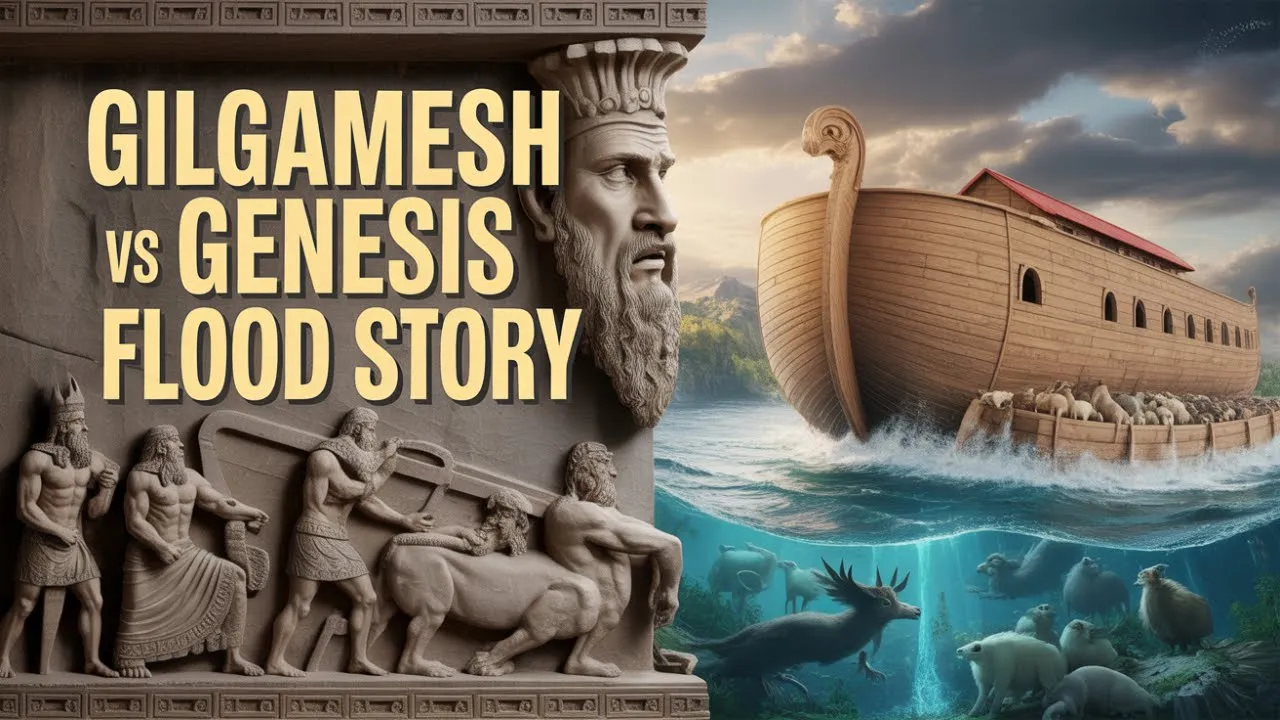







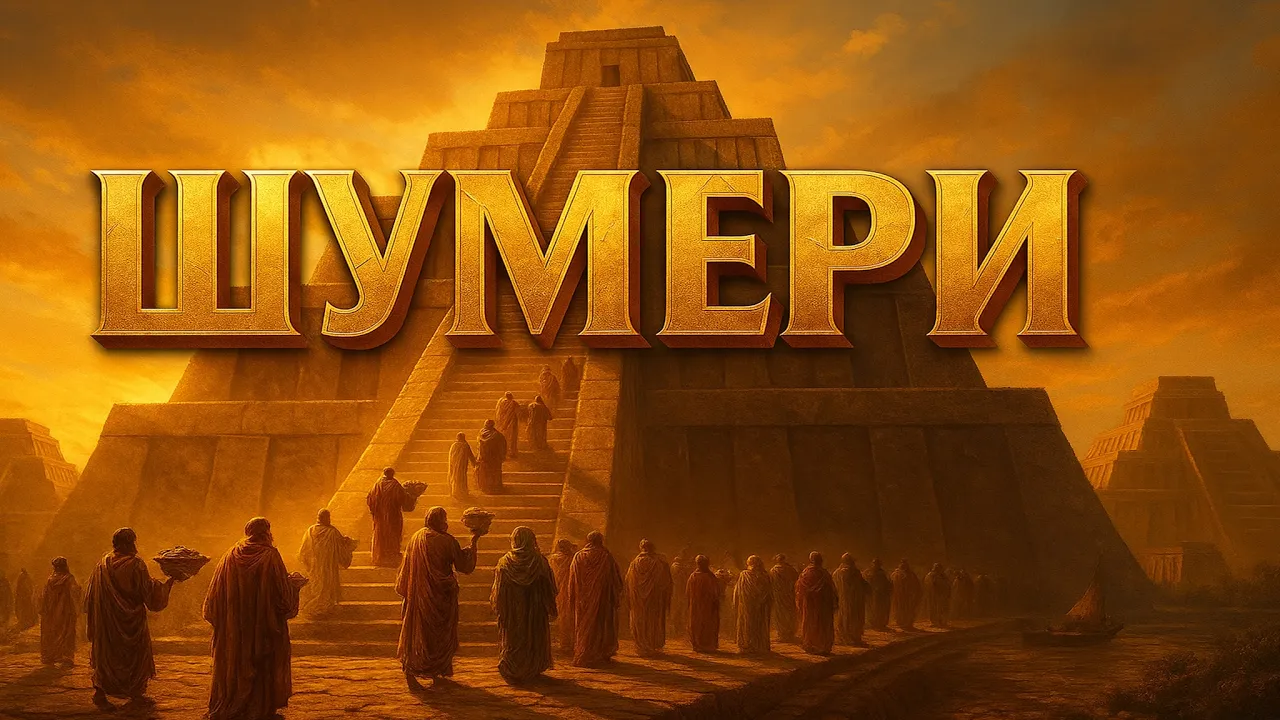

The Epic of Gilgamesh, dating back to approximately 2100 BCE and considered one of humanity's oldest surviving literary works, exemplifies Joseph Campbell's monomyth hero's journey through its detailed narrative of King Gilgamesh's transformation from a flawed ruler to a wise hero who accepts his human mortality; the story follows Campbell's twelve stages including the Announcement of the Quest, Supernatural Aid, Crossing the Threshold, Atonement with the Father, Meeting with the Goddess, Woman as Temptress, Death of the Companion, Crossing the Threshold again, Apotheosis, Road of Trials, Ultimate Boon, and Great Return, ultimately demonstrating that true heroism lies not in escaping death but in accepting human limitations and living a meaningful life.
Gilgamesh: The Epic Hero's Journey in Ancient Mesopotamia
Added:Hi, I’m Mike Rugnetta this is Crashcourse Mythology and today we’re returning to one of the world’s favorite texts, The Epic of Gilgamesh!
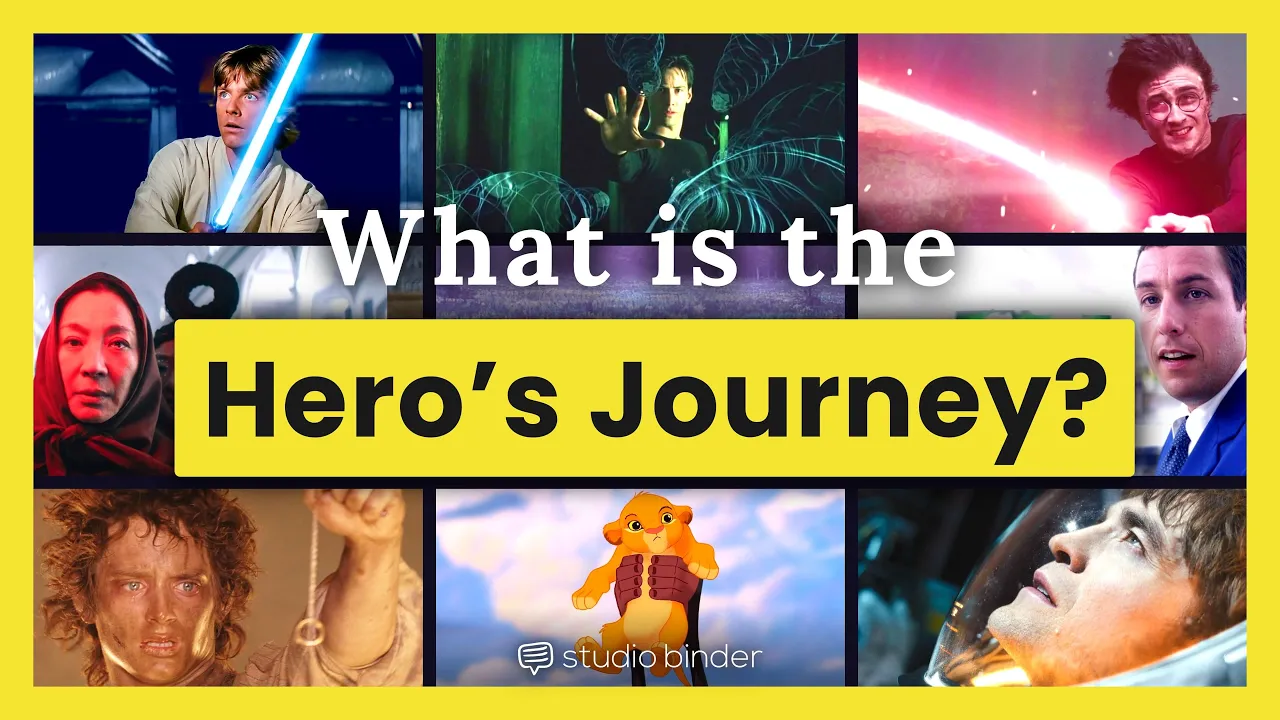
This is one of the oldest written stories in the world. And it’s a great illustration of Joseph Campbell’s monomythic hero’s journey introduced last episode. Plus it has sacred trees, lovestruck goddesses, and a fearsome demon named Humbaba. To Sumeria!
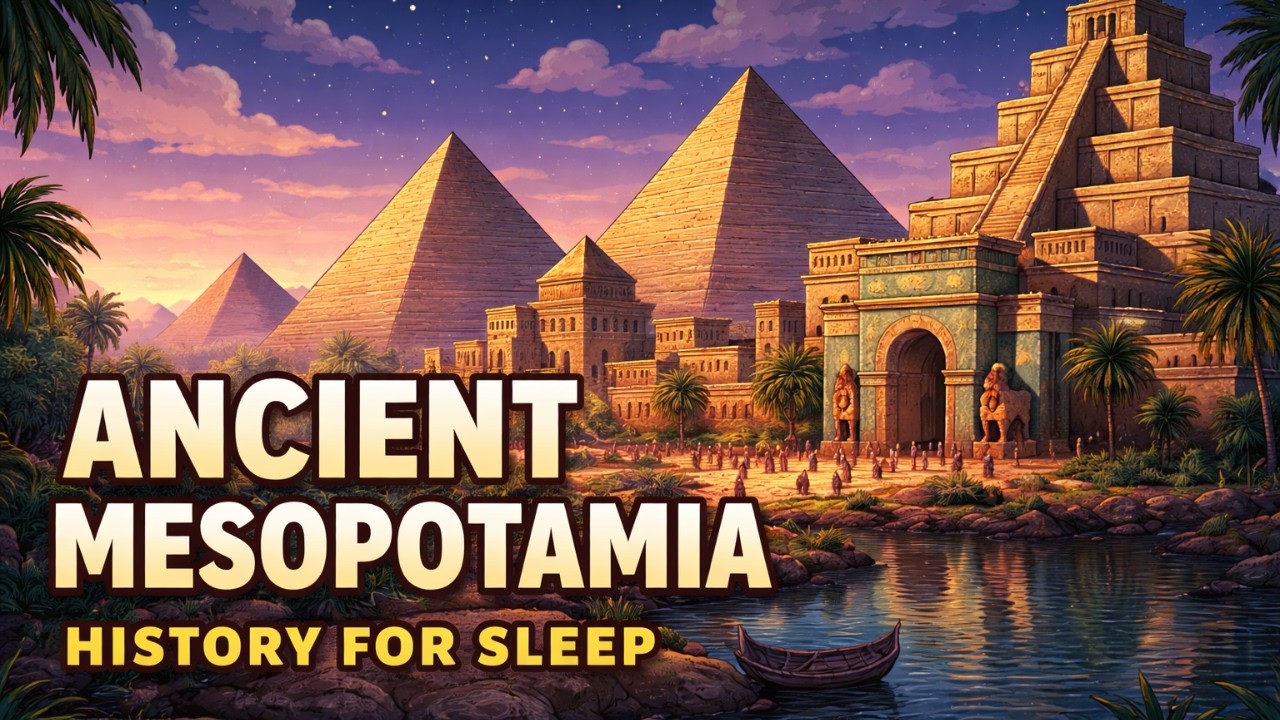
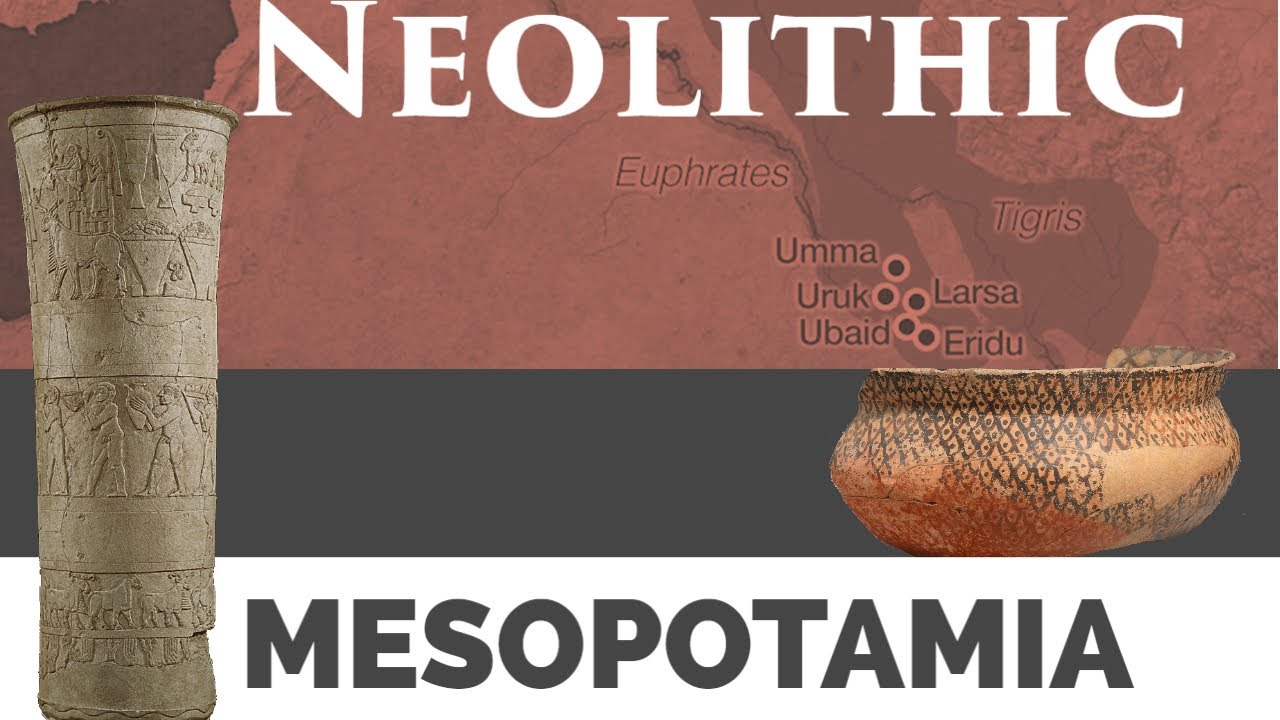
INTRO The Epic of Gilgamesh is more than four thousand years old. Written versions of the story date back to 2100 BCE, which gives it incredible historical value. For instance, several versions of the Gilgamesh story use both Sumerian and Akkadian names for gods, which shows -how the story might have passed orally between the cultures of ancient Mesopotamia. This could also be considered syncretism – when two religious traditions combine over time. In this episode, we’re gonna work from a version of the epic written around 1200 BCE, and see how Gilgamesh himself fits into the hero’s journey. A fair bit of warning though: in this story, there is a brief mention of rape. At the start of our tale, Gilgamesh is the king of Uruk, and he’s both a bad guy and a bad king. His subjects are unhappy, he disrespects the gods, and he’s a serial rapist. So, basically he’s the opposite of a hero.
But Gilgamesh, like many “heroes” has divine parentage – a goddess mom and human king dad. Somehow this makes him two-thirds god and one-third man? Try not to think too hard about the math on that one. But either way he’s still mortal, and that’s hard for him to accept. Eventually, Gilgamesh has a number of crazy adventures. He chops down some famous trees, and meets his best friend Enkidu, who helps Gilgamesh become a better man and a better king. When Enkidu dies, Gilgamesh goes to the underworld to try to bring him back. He fails, however, and then must admit that he’s human after all. In the end, Gilgamesh i s considered a hero not just for his incredible deeds, but for coming to understand and accept his true nature.
But ok, let’s backtrack. Because along the way, Gilgamesh manages to check off nearly every single heroic scene that we learned about in the last episode. We’re gonna count ‘em up, one by one. Play along from home! Every time you see a heroic scene, shout it out. But ugh, I’m pretty far away, so just make sure that you shout, like, really… REALLY loudly. So! Things get started in the Epic when Gilgamesh and Enkidu first meet. Right away they decide to wrestle each other, and realizing that they’re evenly matched, they reach a stalemate. This is a heroic trope in its own right (just not one of Campbell’s); think Robin Hood and Little John, Arthur and Lancelot, or Vin Diesel and Dwayne “The Rock” Johnson in Fast Five.
After dusting themselves off and becoming bffs, Gilgamesh and Enkidu return to Uruk to do kingly stuff. But Enkidu–who’s used to living in the wilderness–he gets bored.
Gilgamesh proposes they head to the forest and face off against a terrifying demon adversary: Humbaba. Yeah, it’s just, it’s not a very threatening name, I know. But trust me, he’s a big deal, very terrifying. But did you see what happened? This is what Campbell would call the Announcement of the Quest (1). To prep for the journey, Gilgamesh and Enkidu get Supernatural Aid (2) in the form of some special weaponry. Then they have a quick Refusal of the Quest (3) as Enkidu, who knows the power of Humbaba, tries to warn Gilgamesh: “Humbaba, whose shout is the flood weapon, whose utterance is Fire and whose breath is Death, can hear for a distance of sixty leagues through the forest, so who can penetrate his forest? Debility would seize anyone who penetrated his forest.” But Gilgamesh persists. Gilgamesh and Enkidu meet the Goddess (4), Gilgamesh’s mom Ninsun.
She’s not particularly happy with her son’s plan, but she blesses Gilgamesh and adopts Enkidu. In the forest Enkidu warns Gilgamesh about its gates saying how afraid he is to Cross the Threshold (5). But once again, Gilgamesh persists, and the two venture forth into the darkness of the forest...now deep in the Belly of the Whale (6).
And we’re going to follow them right in. Thoughtbubble, take us in there. Creeping through the pine forest, Enkidu and Gilgamesh prepare to confront Humbaba. Before long, the earth shakes and the sky goes dark. Humbaba is upon them! Humbaba is massive, with the face of a lion, or scales, or vulture feet, or a snake tail – depending on which version you read...but, nonetheless, very fearsome! Undeterred, Gilgamesh and Enkidu leap into battle. With Supernatural Aid (7) from the god Shamash, and some divine winds that bind Humbaba, Gilgamesh slays the demon and removes its head.
If you’re keeping score at home, this step is technically “Atonement with the Father (8)”. Humbaba can be read as a terrible, overbearing Father figure that must be, well, not so much atoned with as, you know, beheaded. After the glorious battle, Gilgamesh and Enkidu fell a bunch of sacred trees, build a raft, and sail home with Humbaba’s noggin. Once home, Gilgamesh takes a bath and puts on some royal robes in anticipation of his Meeting with a Goddess (9). In this case, the goddess is Ishtar, who definitely has a thing for Gilgamesh. She says: “Come to me Gilgamesh and be my lover! Bestow upon me the gift of your fruit! You can be my husband, and I can be your wife.” Gilgamesh refuses Ishtar’s advances, though – maybe he just wasn’t ready to share his fruit – which makes this scene Woman as Temptress (10). Insulted, Ishtar sends the Bull of Heaven to kill Gilgamesh, who with Enkidu, kills the bull. But Enkidu, who just does not know when to quit, slaps Ishtar with a chunk of said bull. Not. Smart. Friendo.
And with that beefy slap, Enkidu seals his fate. The life drains from his body, he gets sicker and sicker and... dies. Thank you Thoughtbubble. With Enkidu dead, Gilgamesh is at a turning point. He thought he’d finished his hero’s journey! After travelling to the ends of the earth, defeating his “dad”, and returning home with a gross bloody trophy… HE PUT ON ROBES! He was DONE! But now, with the loss of his best friend, Gilgamesh feels yet another call to adventure. So, he leaves Uruk to roam the country, wondering: “Shall I die too? Am I not like Enkidu? Grief has entered my innermost being. I am afraid of Death and so I roam open country.” Gilgamesh is on another heroic quest, this time to overcome death and live eternally. He resolves to find Utnapishtim, who you might remember from a previous episode – he’s the dude who was granted immortality after surviving the great flood. Along the way, Gilgamesh crosses the mountains that guard the rising and setting sun and confronts monstrous Scorpion men.
Crossing the mountains means another Crossing the Threshold (11) and crossing this threshold means Gilgamesh is in the Belly of yet another Whale, walking through ten leagues of darkness.
Eventually, stumbling through the dark, Gilgamesh has another Meeting with the Goddess. This time it’s Siduri, the goddess of beer and wisdom, two things that don’t often go together.
Siduri tells Gilgamesh that to meet Utnapishtim, Gilgamesh must cross lethal waters with the boatman Ur-shanabi. Gilgamesh thanks Siduri for the beer, sets off, and finds Ur-shanabi.
Immediately, Gilgamesh bashes Ur-shanabi over the head. Which just, that seems very, very rude – I mean, why would Gilgamesh treat Ur-shanabi so Ur-shabbily? [beat] Anyways, I suppose maybe clobbering is the only way that Gilgamesh know how to communicate with people who aren’t goddesses. In addition to bashing Ur-shanabi over the head, Gilgamesh smashes all of the “things of stone.” Which is unfortunate because it turns out that those “things of stone” are the tools Ur-shanabi needs to cross the water. So Gilgamesh has yet another task – he must cut down trees to make punting poles.
Finally, Ur-shanabi shows Gilgamesh how to use the poles to cross the lethal waters and reach Utnapishtim. But when he does Gilgamesh can’t exactly celebrate. Utnapishtim challenges him. He asks: “Why have you exerted yourself? What have you achieved? You have made yourself weary for lack of sleep, You only fill your flesh with grief, You only bring the distant days of reckoning closer. Mankind’s fame is cut down like reeds in a reed-bed Nobody sees the face of Death Nobody hears the voice of Death. Savage Death just cuts mankind down.” This isn’t...exactly... the the answer Gilgamesh was hoping for. Is Utnapishtim going to turn him away? Is he doomed to remain mortal? Gilgamesh persists, so Utnapishtim tells him his own story – about the flood, being chosen by Ea, the gods granting him immortality. And this is a revelation to Gilgamesh, the truth of immortality, and it serves as his Apotheosis (12). Utnapishtim decides if Gilgamesh really wants to be immortal – fine. But to prove his worth, he has to complete a Road of Trials (13) with just one, simple task. Gilgamesh must stay awake for six days and seven nights.
No problem, Gilgamesh says. Easy, he snorts. He plops down on a rock and–having walked in the darkness for over ten leagues–instantly falls asleep. Whoops!
Even though Gilgamesh failed his test, Utnapishtim gives him an out. If he really wants to avoid death there’s a secret plant, a root like a camel-thorn. If he can track it down, it’ll bring him great rejuvenation. This will be his Ultimate Boon (14).
So does Gilgamesh get his magic plant? Yes and no. He manages to find it growing deep underwater, and by tying stones to his feet, manages to sink down, snip a sample, and float back up to the surface. After this, he sets off for his Great Return (15) to civilization.
But. After all that. On his way home, Boon in hand...Gilgamesh decides that he should stop and take a bath. While he’s soaking, a snake slithers up, sneaks behind him, curls around the plant and disappears. As he towels himself off, he sees the plant is gone and is just... defeated. He sits down and weeps. Gilgamesh must return home empty handed.
So - what is heroism? Gilgamesh is a mighty warrior who stands up to terrible monsters and discovers the secret of immortality, but who ultimately fails in his quest. Over the course of the story he has almost all the experiences set forth in Campbell’s monomyth, sometimes more than once. But is this what makes him a hero?
Really, Gilgamesh is kind of an ambivalent figure. His journey has many successes, but also many failures. His bravery – or lack of respect – allows him to challenge and kill Humbaba, but also gets Enkidu killed. He proudly announces that he’s up to Utnapishtim’s challenge, but he simply isn’t. At the end of the epic, Gilgamesh comes to terms with his limitations as a human. This completes the journey, achieving the final, crucial step – having the power and wisdom to live a good life. Not an eternal life, but a good one. In Gilgamesh’s case, that means one where you aren’t a terrible king. Eva Thury and Margaret Devinney sum up Gilgamesh’s heroism pretty well: “Gilgamesh wants to escape human limitations, to get answers to questions not available to his contemporaries, and perhaps most importantly, he wants to overcome mortality both for himself and others. But ultimately his story shows us that, despite his extraordinary talents, in these matters he is not different from other humans. Thus, we see that it is precisely his human limitations that make him truly heroic.” So, is he perfect? No. Is he even a role model? Definitely not. But can he serve as a symbol for an aspect of the human condition, of growing past mistakes and accepting limitations? Maybe.
And perhaps THAT is what makes him a “hero”. Next week we’ll see just how many heroes might be lurking where you’re not expecting them. Oh! And also, we’re gonna talk about an army of flying monkeys that I may or may not call “my pretties”. Thanks for watching. We’ll see you soon!
Up Next

The Epic of Gilgamesh: Andrew George Lecture on Babylonian Literature
@HarvardMANE
2.7M views•2017-01-30

Street Haunting: Virginia Woolf’s London Essay Analysis
@ExtraLiteraryAffairs
146 views•2025-01-24
Frankenstein, Part 2: Romanticism and Critical Readings
@crashcourse
1.1M views•2014-04-03

1984: Orwell's Dystopian World and the Mechanisms of Totalitarianism
@AlternateHistoryHub
7M views•2017-03-04
Related Study Plans & Knowledge Roadmaps
Structured learning paths in Literature