



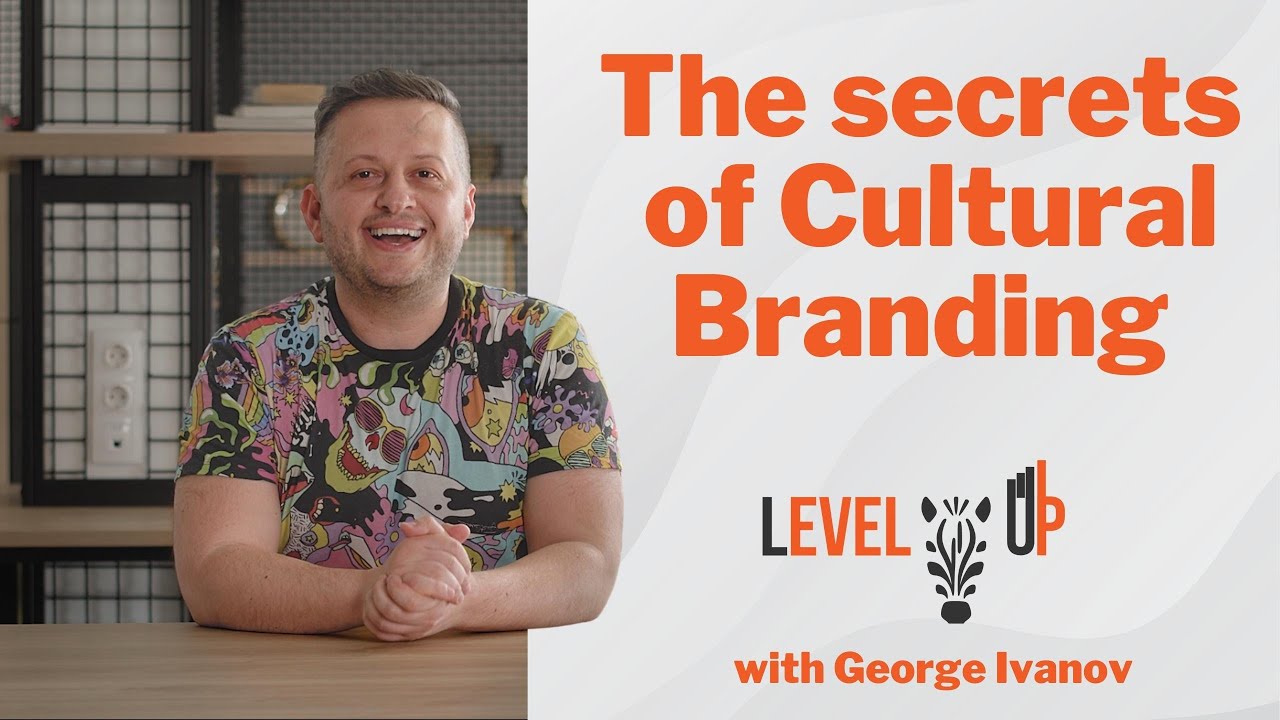














Cultural branding is a strategic approach where brands become powerful by advancing specific ideologies that resonate with societal changes, using authentic cultural codes and repurposing existing subcultural expressions to create emotional connections and build lasting brand loyalty during times of cultural tension.
Cultural Branding Strategy: How Brands Become Icons
Added:Traditional Branding Paradigms: Familiarity with cognitive (mindshare) branding and emotional branding to understand how cultural branding differs from these conventional models.
Sociological Concepts of Subcultures and Ideology: A basic understanding of how social groups form around shared alternative values and how dominant societal ideologies function.
Consumer Culture Theory (CCT): Conceptual knowledge of how consumers use brands to construct their personal identities and navigate social spaces.
The Role of Myth and Narrative: Understanding how storytelling, symbols, and cultural myths are historically used to address and resolve collective societal anxieties.
Analyzing Iconic Brand Case Studies: Deconstructing the historical trajectories of brands like Nike, Patagonia, or Harley-Davidson using Holt's cultural branding methodology.
Mapping Cultural Contradictions: Learning how to perform cultural audits to identify active ideological tensions and unmet psychological needs in contemporary society.
Brand Activism and Political Risk: Exploring how modern brands align with or navigate polarized socio-political movements and the potential backlash of cultural positioning.
Digital Cultural Branding: Adapting Holt's framework to the age of social media, online echo chambers, and decentralized internet subcultures.
17.8K views95likes5:46Original Release: 2015-01-06
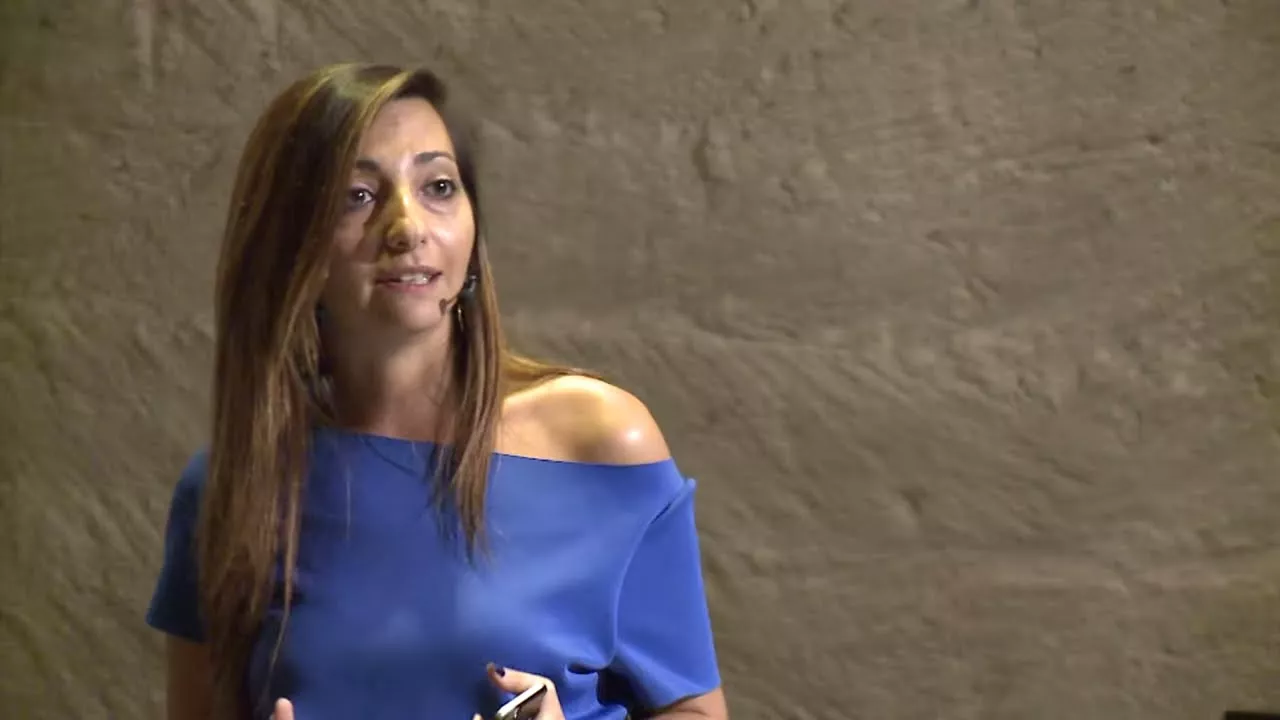
so cultural strategy is a book where we did two things one we we actually put the first book was an anger known as an academic and it's a model that I developed to be very pragmatic and useful for all of you but I didn't demonstrate that it was actually so so in the meantime we've done a ton of projects just kind of applying consulting projects I've done a bunch of and then working with Doug on some communications projects and so now we've got we had sort of an ideas factory approach we really tried to push the ideas and develop a really useful systematic but efficient model that really worked so the book has cases that kind of show how it works and in the model sort of unveiled and the more I think it easier to understand way to but then the other thing we did is really focus the book on innovation is when you talk about the innovation conversation here is it's really interesting being here because in the world that I usually hang out in which is more kind of client-side you know the innovation discussion is totally different it's a discussion around it's a very we called the better mousetraps model conversation it's a very economist ik engineering kind of conversation which is how can we approach new market spaces with new technologies that are really going to be you know step change in terms of functionality in terms of performance in terms of price so it's very much the world that's dominated by the Mackenzies and the boozers and so forth and now I guess now Design Thinking is becoming a buzz so maybe they bring I do and also but it's not a conversation that typically Communications firms have a lot of leverage in that conversation as much as we would love to so we really you know one of the reasons so motivations for writing this book is really to put you know a sophisticated more kind of culturalist branding approach on the table as a key way to do innovation the key way to build the big businesses of a decade or two decades onward and so that's what we're still on the same slide so I guess we'll use these so that's what I like to describe to you today okay my controlling this or is somebody else back ok all right where the thinking started I think first alone the old deck but that's ok ok so quick overview cheat sheet overview what of how Rams become icons to sort of get the flavor for this kind of strategy approach with a couple quick cases and then we'll move to cultural strategy and kind of go step by step in a little more detailed way with one of the cases one of the application cases that we worked on when the very first ones back in the day Fat Tire beer so the basic idea here if you look at these brands iconic brands they are powerful brands because they are cultural symbols that people identify with and that lead to all these nice emotional valence ah's and brand loyalty and all those things we like to measure how do they work by doing these historical studies what I tried to show and how brands become icons is that they you can explain them because for these kind of four interrelated components for reasons first the brand's advance an ideology it's a word the clients hate to hear you know it sounds like political it sounds not you know nice squishy emotional sort of word but brands are most powerful when they're advancing new ideas in society ideology Ben and Jerry's countercultural capitalism apples rebel creative entrepreneurship Patagonia's adventure environmentalists does body pauses and feminism which we'll talk about in a minute it's not any old ideology but it's the right ideology at the right historical moment so what we we to borrow from cultural sociology and cultural history to show that when there's really profound changes in society political demographic economic technological that shake up people's and identity moorings cultural symbols are the things we use to sort of more and you know pursue our identities these are the moments when people demand new cultural symbols and there is what those historical shifts created a man collectively for new ideology and really good expressions of those ideology so it's a very historical kind of approach to thinking about brand strategy that the content the actual content with which the brand goes forth and you know conveys that ideology is very important to obviously it's not here's the ten commandments I stand for this nobody would ever respond it has to be dramatized appropriately with right cultural codes and then in a credible authentic way so virtually all the brands that we've looked at and worked on mine what we call source material subcultures social movements sometimes the media's develop particular general media developed these particular ways of expressing the ideology and brands come and repurpose this material there's very few brands that are originating I always like to think that were artists and just coming up with these magical new ideas that have never been seen before but really brands the best of the brands are incredibly talented and efficient repurpose errs of culture that exists on the margin the right marginal culture to address the the cultural tension of the day so that's in you know there's a lot more detail here but even or not that is that is the model and however ants become icons
Up Next

24:50
Design as a Business Function: Bridging Intent and Scale
@TheIntentGap
633 views•2026-05-06

66:41
Web3 Social Decentralization: Farcaster Co-Founder on Crypto Social Networks
@levychain
1.5K views•2022-10-18

15:23
Decoy Effect: How Pricing Psychology Influences Consumer Spending
@bobinvestsUS
90K views•2026-01-05

17:30
The Planned Obsolescence of Light Bulbs and Tech
@veritasium
25.3M views•2021-03-26
Related Study Plans & Knowledge Roadmaps
Structured learning paths in Business
business
CPG Retail Strategy: Pitching & Trade Spend
01Foundations of the CPG and Grocery Ecosystem
02Retail Math and Designing the Pitch
03Securing Shelf Space & Category Reviews
+ 2 more learning modules
12h5 modules
Explore Roadmap
business
Pop-Up Retail: Strategy, Design & Execution
01Introduction to Pop-Up Retail & Strategic Goal Setting
02Budgeting, Site Selection, and Legal Essentials
03Experiential Retail Design & Visual Merchandising
+ 2 more learning modules
15h5 modules
Explore Roadmap
business
Reg CF: Startup Funding, Marketing & Launch
01Introduction to Equity Crowdfunding & Reg CF
02Platform Selection & Legal Preparation
03Crafting High-Converting Campaign Assets
+ 2 more learning modules
14h5 modules
Explore Roadmap
business
Productized Services: Scaling Solo Freelance
01Foundations of Productized Services
02Packaging and Scope Definition
03Pricing and Subscription Models
+ 2 more learning modules
15h5 modules
Explore Roadmap