


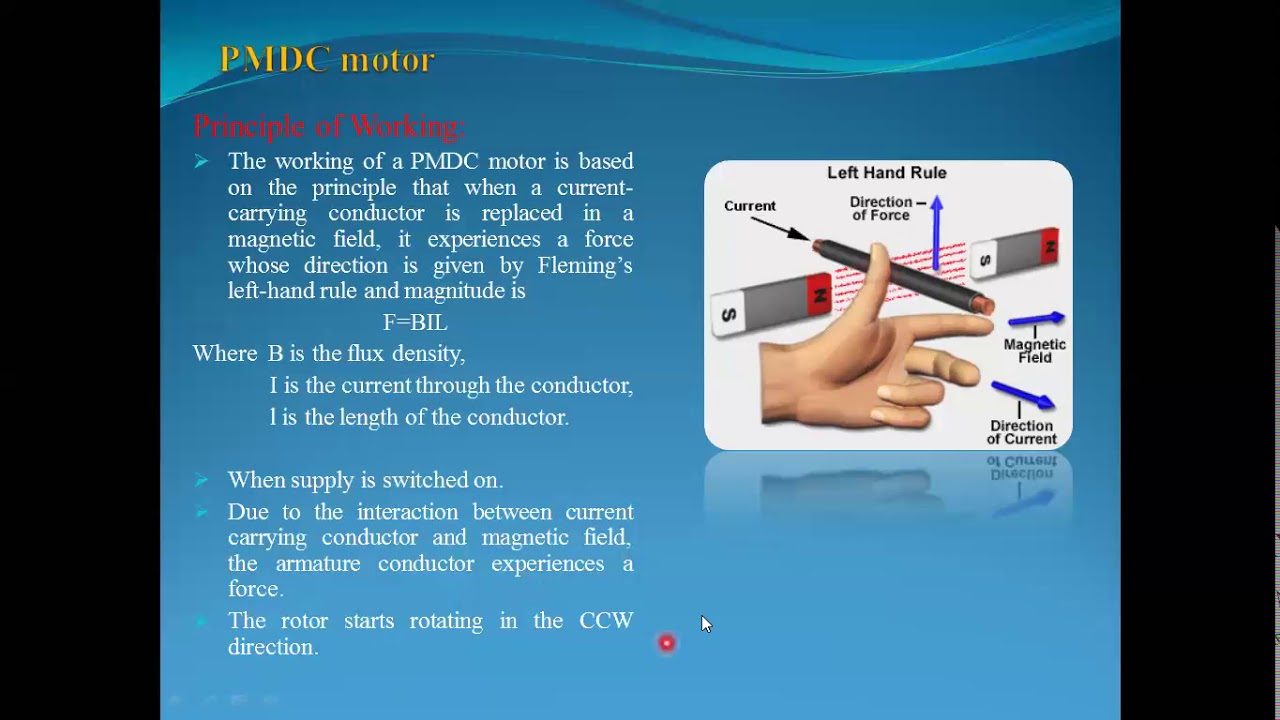

![[EPM421s] Special Machines– PMDC – Eng. Amr Salah – Spring '25](https://i.ytimg.com/vi/G4mtU9yCHuk/maxresdefault.jpg)

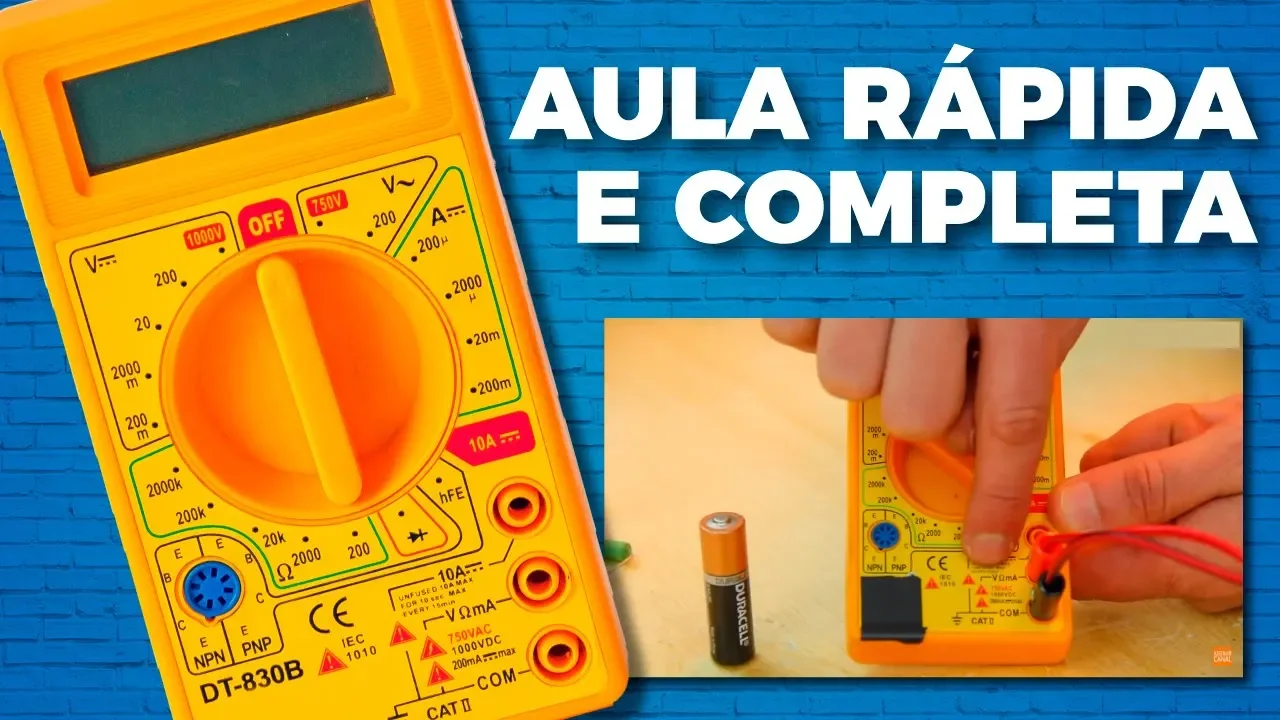

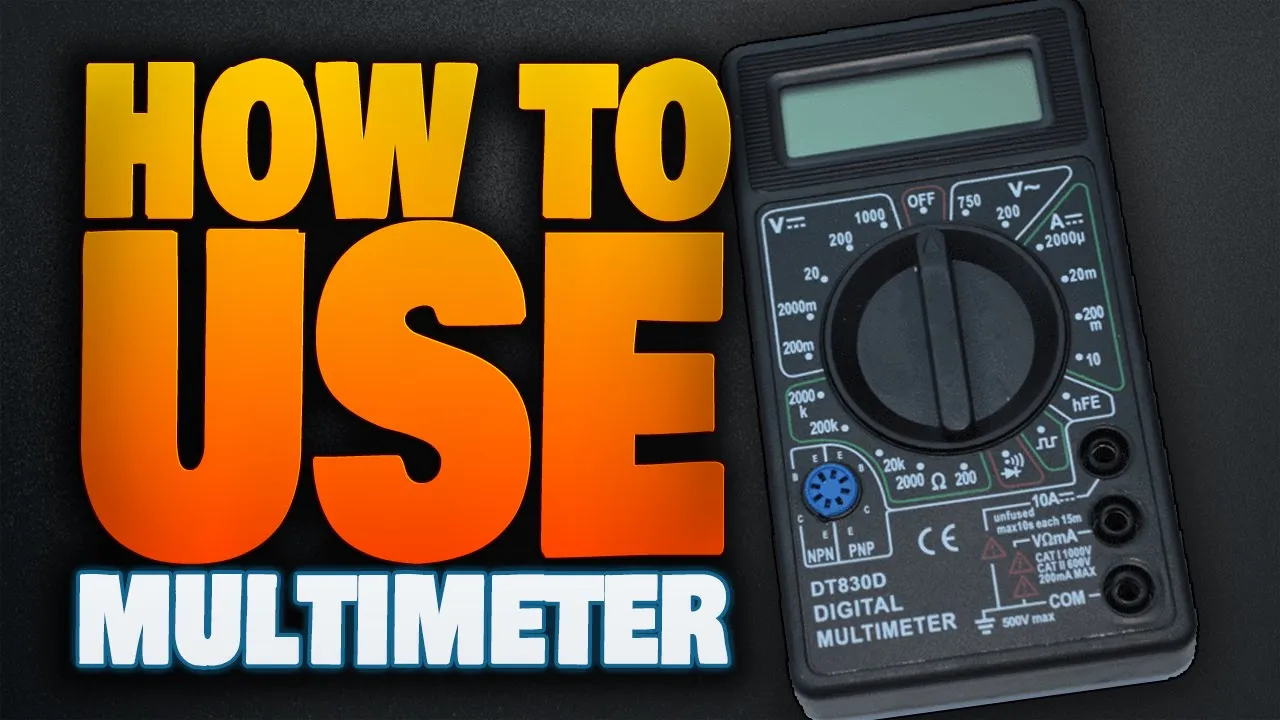
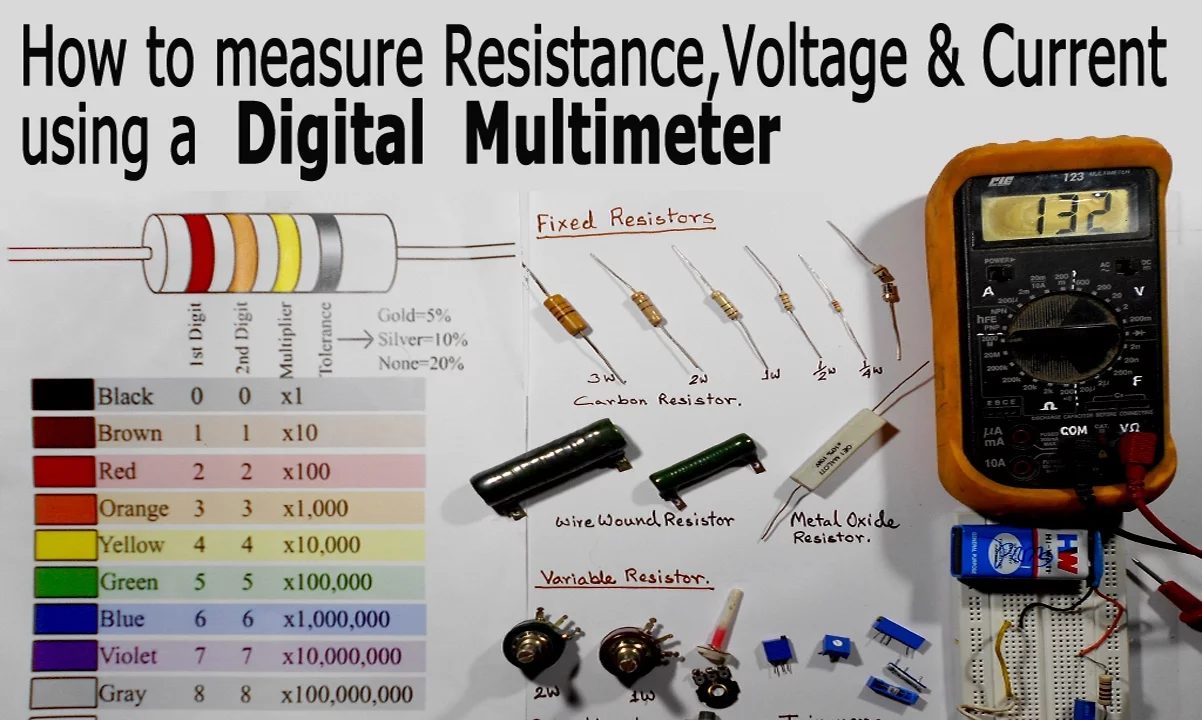







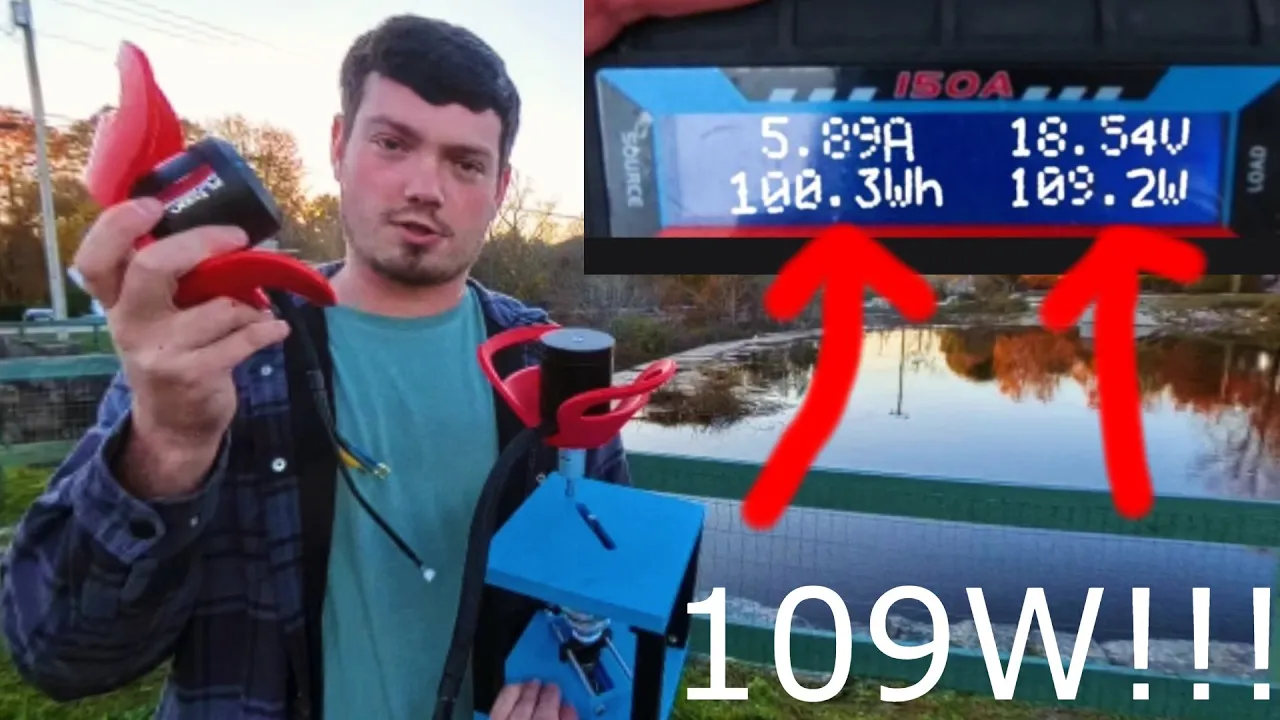
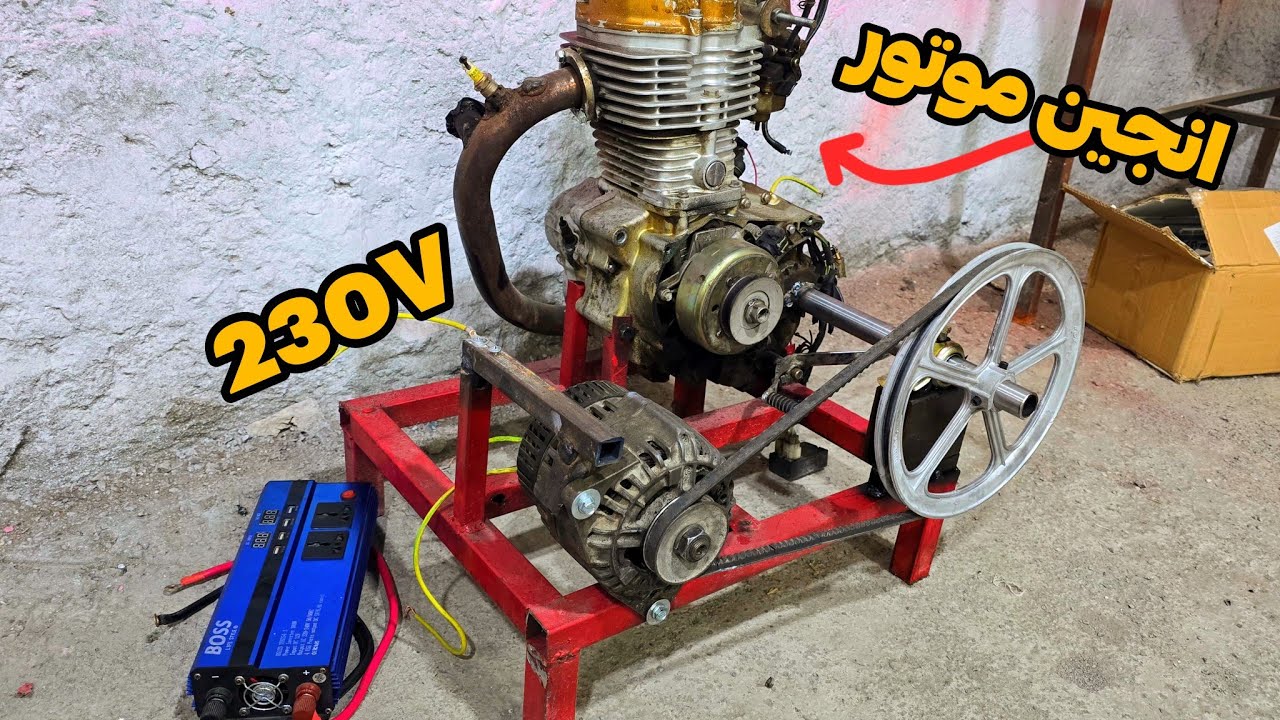

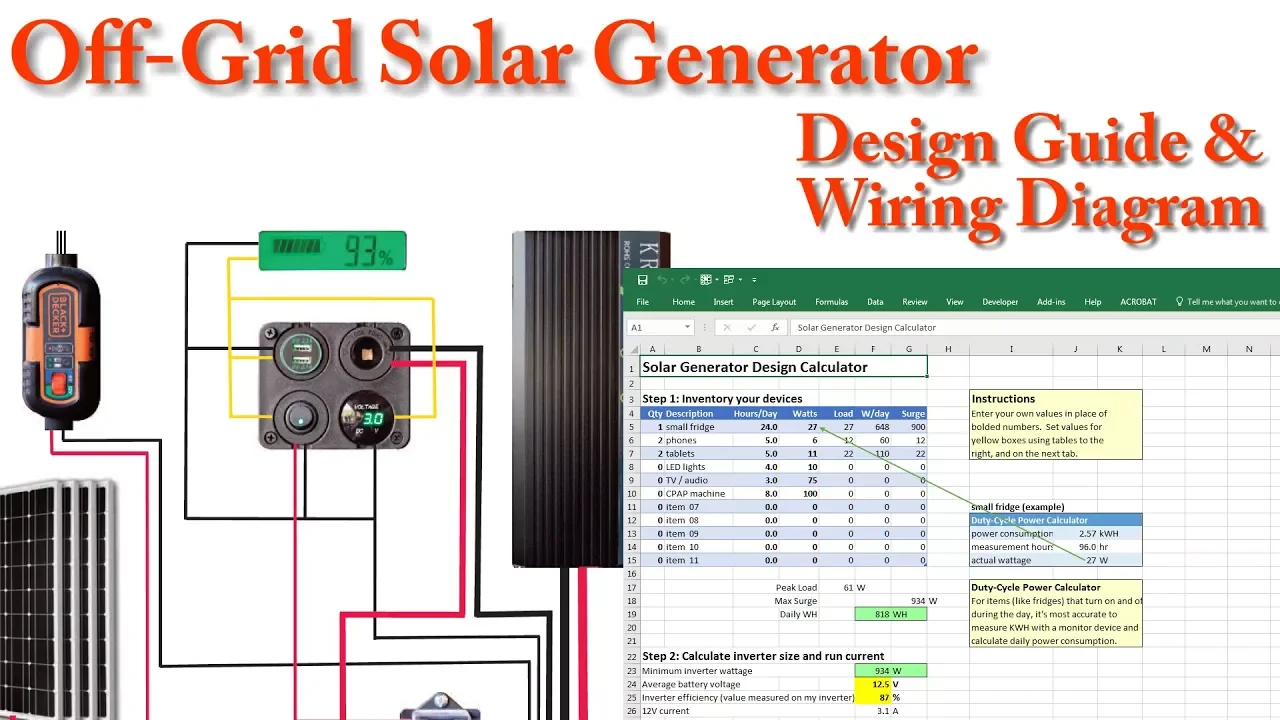



To test a DC motor as a generator, use a cordless drill to spin the motor at known RPMs while measuring output voltage with a digital multimeter; the voltage per RPM ratio determines generator efficiency, with higher ratios being better for wind applications where speeds are limited to 500-600 RPM, and a motor producing 10.9V at 380 RPM may be insufficient for charging a 12V battery but could work for 6V applications or hydro systems with gearing.
Testing a Treadmill Motor as a DC Generator for Hydro and Wind
Added:Understanding of Faraday's Law of Electromagnetic Induction and the basic principle of motor-generator duality.
Familiarity with Permanent Magnet DC (PMDC) motors and how they differ from AC induction motors.
Basic knowledge of electrical measurements (Voltage, Current, Resistance) and how to safely use a digital multimeter.
The concept of Rotational Speed (RPM) and its proportional relationship to generated Electromotive Force (EMF).
Designing and implementing charge controllers and voltage regulators to stabilize fluctuating generator output for battery charging.
Conducting load testing to measure output current and calculate the actual power curve (Watts vs. RPM) of the generator.
Mechanical coupling techniques, including gearboxes and pulley ratios, to match wind turbine blades or hydro runners to the motor's optimal RPM.
Integrating the DIY generator into a complete off-grid power system, including battery storage and safety fuses.
120.3K views156likes4:03Original Release: 2009-09-09
Hello. Today we're going to discuss um DC generators and more specifically we're going to discuss uh using DC motors for DC generators. In Texas for our wind turbine we used a a one of the larger amptech motors as a DC generator and that worked out pretty well.
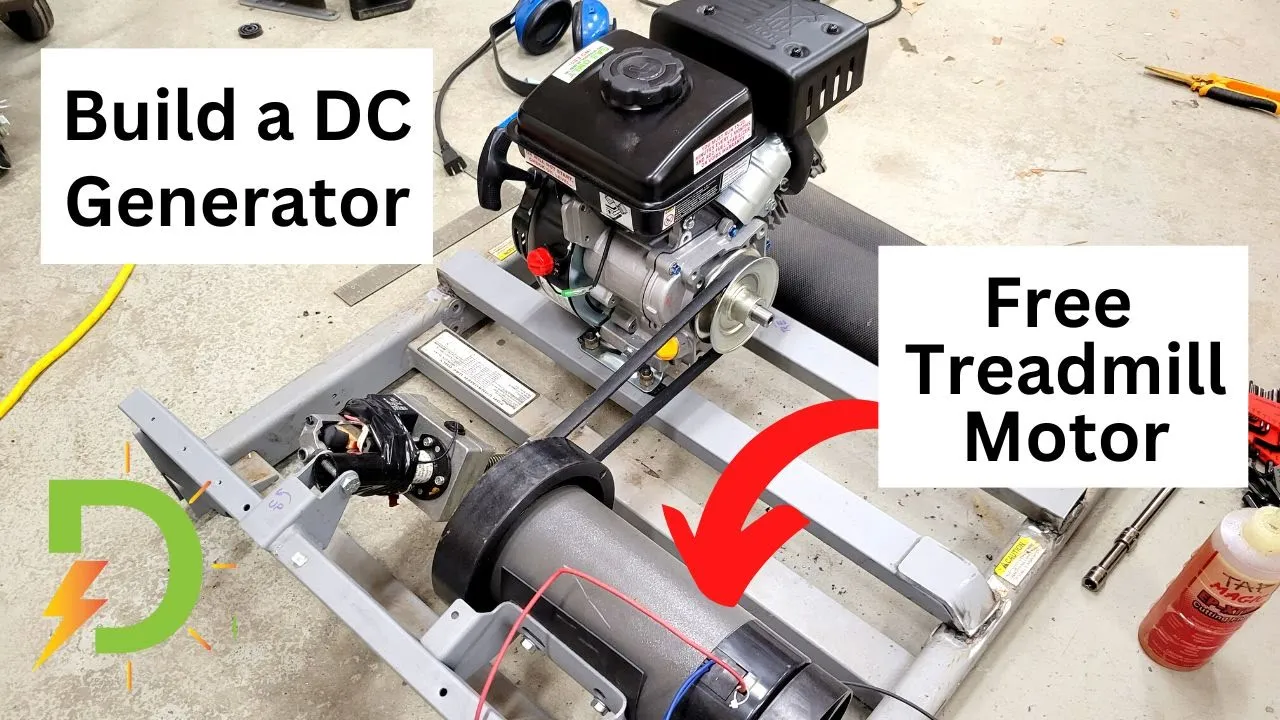
Um, for this for our hydro project, we're going to attempt using a treadmill motor. And more specifically, we're using a Shinfu treadmill motor. It's rated at 130 volts at 4500 RPMs. Um, when you're looking for a DC motor to use as a generator, you want one that puts out a good voltage to RPM ratio. So, the more voltage per RPM usually the better, especially for wind because you're really going to cap out around 500 600 RPMs at uh like 25 mph winds and your with your average uh blades. So, you really want to keep that in mind when you're looking for a unit.
That's why a standard car alternator would not be suitable. Um, we're going to show you how to test these guys um to see how many how many open circuit volts they put out per RPM. For this test, we're just going to use a uh standard cordless drill. These guys are kind of handy cuz they're usually rated approximately at how many RPMs they they turn at, you know, uh, full throttle, we'll call it. And this one's rated at 400 RPMs low and 1,400 RPMs high. I'm assuming we're going to lose about 10 to 30 RPMs even just just spinning the generator, you know, um with no load. Um so I figure it'll be our first test will be 380 RPMs. We're going to hook up our digital multimeter and uh test the output voltage. And just going to hook it right up to the terminals here and set it up.
And we're lucky on this uh treadmill motor, it has a back shaft that's sized a half an inch, so it'll fit in this chuck for testing. Just pick that up there. And here's our digital multimeter. And we're getting about 10.9 at I would assume 380 RPMs. Um, now that's not enough to charge a 12volt battery, but that gives you an idea of what you will need to charge a 12volt battery. Uh, you can do a 6volt battery and at full RPMs at around I assume 1480 or no actually uh 1380. We get about 38 volts. You're not going to be spinning that with a wind turbine, but you might be spinning that in a hydro application, possibly geared up.
Um, we're for our application, we are going to be doing hydro. And we actually have a Pelton turbine here.
And here's a a simple unit. You can get these online. Um, usually you're going to find this. This guy's made at small scale in like his machine shop.
It's a It's a pretty nice unit. It's got uh I guess you could call 12 spoons.
It's approximately 8 inches in diameter.
And I've already set up this uh treadmill motor with an arbor, so it'll bolt right on and spin up. We're going to we're going to put this inside a case and we're going to show you that in another uh YouTube video. And uh we'll show you how many watts it produces and you know the basic calculations that go into that. Uh thanks for watching.
Up Next

5:45
Wind Turbine Model from Cardboard: DIY School Science Project
@AntiquePencil
35.4M views•2018-09-23

12:54
Triumph of Orthodoxy Icon: Byzantine Art & History Explained
@BenCallan
2.1K views•2024-08-06

9:49
FastAPI vs Flask vs Django: Choosing the Right Python Web Framework
@TechWithTim
302.5K views•2024-05-26

1:42
Game of Thrones Opening Credits: A Cinematic Analysis
@gameofthrones
46.3M views•2011-04-18
Related Study Plans & Knowledge Roadmaps
Structured learning paths in General & Interdisciplinary Studies
general-studies
Elevator Engineering: History, Physics & Cities
01From Hoists to Safety Brakes: The Dawn of Vertical Lift
02Hydraulic vs. Traction: The Engineering Physics of Elevators
03Modern Speed, Safety, and Algorithms
+ 2 more learning modules
12h5 modules
Explore Roadmap
general-studies
Rubber: Material Science, History & Geopolitics
01Origins of Natural Rubber & Mesoamerican History
02The Chemistry of Natural Rubber & Vulcanization
03The Geopolitics of the Rubber Boom & Colonization
+ 2 more learning modules
12h5 modules
Explore Roadmap
general-studies
Containerization: Evolution, Logistics & Trade
01Ancient Trade & Bulk Cargo: Amphorae to Barrels
02The Industrial Revolution & Cardboard Packaging
03The Containerization Revolution: Malcom McLean
+ 2 more learning modules
12h5 modules
Explore Roadmap
general-studies
Textile Tech: Evolution, Labor & Global Impact
01Pre-Industrial Textiles: Handloom & Cottage Industry
02Mechanization: The Spinning Jenny to the Power Loom
03The Factory System & Global Labor Transformation
+ 2 more learning modules
10h5 modules
Explore Roadmap