












![[경제학 마인드 입문 072] 거시경제의 주요목표(용어정리), 완전고용, 물가안정, 국제수지의 균형, 경제성장 (윤지훈)](https://i.ytimg.com/vi/RciudMejeC8/maxresdefault.jpg)
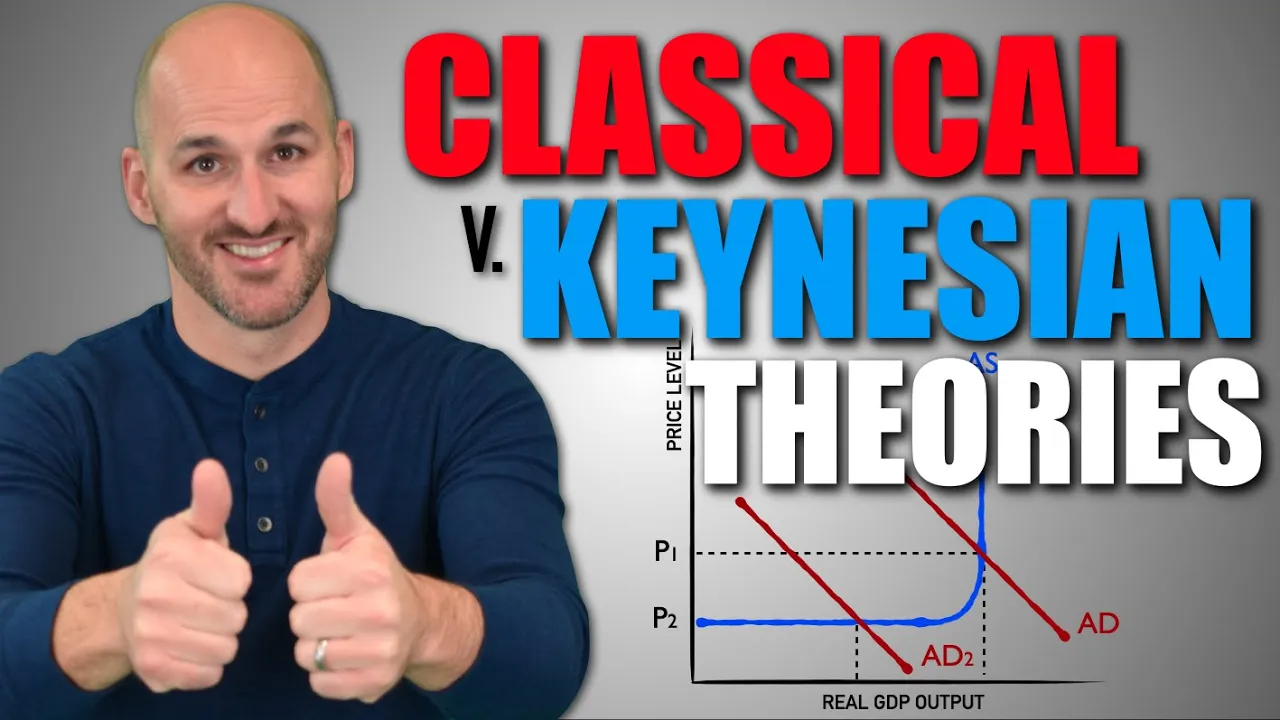












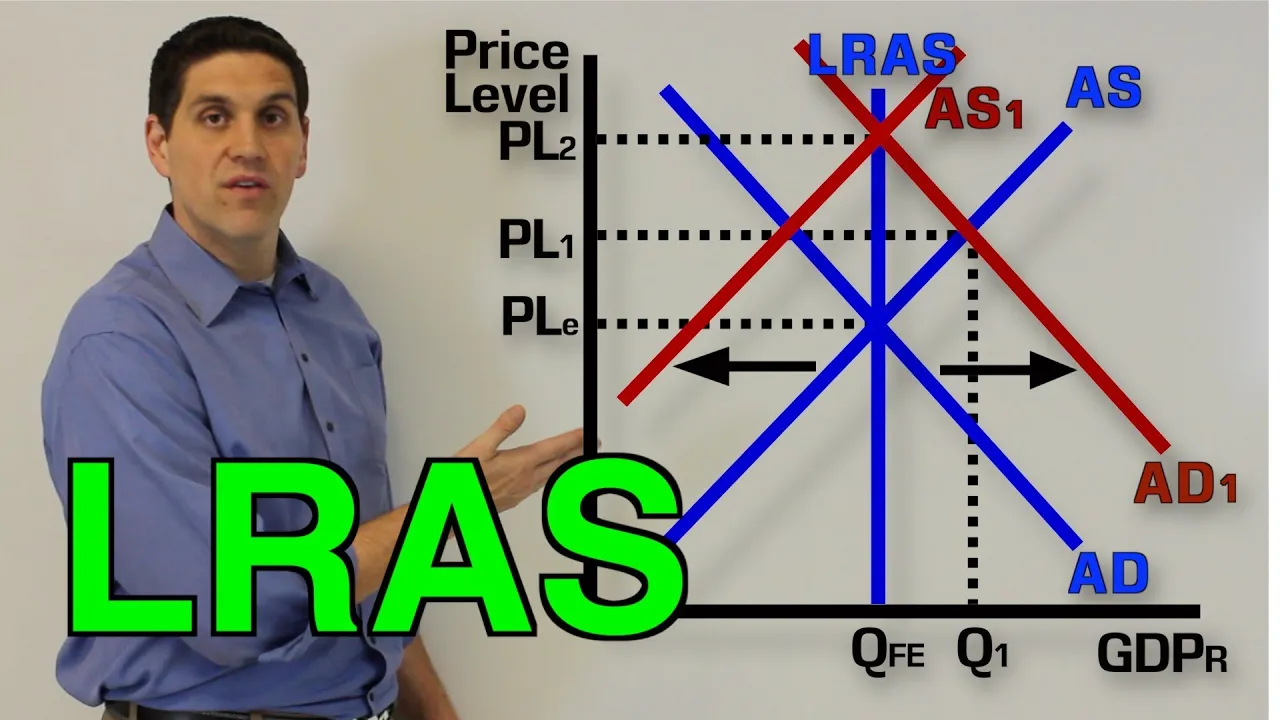
The classical model of aggregate supply and demand distinguishes between short-run and long-run economic behavior: in the short run, the aggregate supply curve (SRAS) is upward sloping and determined by production costs, while in the long run, the long-run aggregate supply curve (LRAS) is vertical at the full employment level of output, determined by the quantity and quality of factors of production. The classical model assumes wages are fixed in the short run due to minimum wage laws, unemployment benefits, and trade unions, but become variable in the long run as workers adjust their wage expectations. This framework explains how economies self-correct through market forces: during recessions, persistent unemployment eventually leads workers to accept lower wages, shifting SRAS rightward back to full employment; during booms, workers demand higher wages, shifting SRAS leftward. Classical economists conclude that demand-side management policies are ineffective for achieving sustainable full employment, as they only create inflation without increasing output, making supply-side policies the appropriate approach for long-term economic growth.
Classical AS/AD Model: Short Run & Long Run Explained
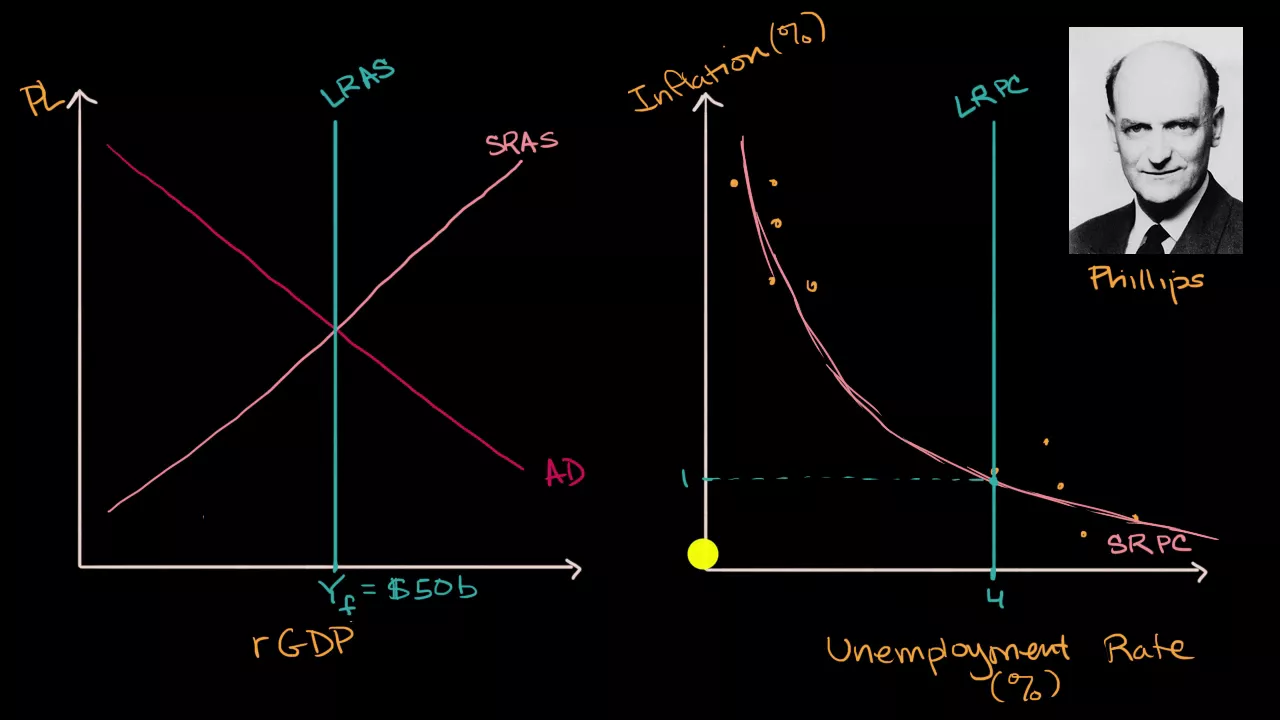
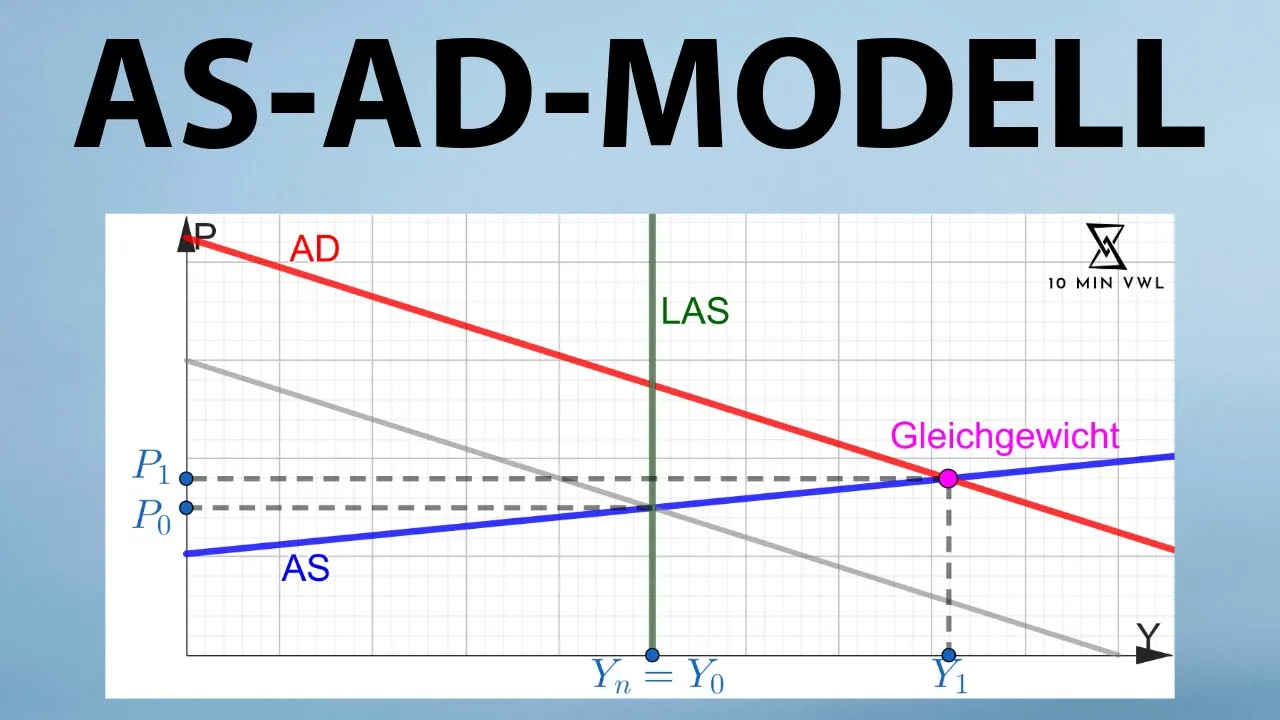
Added:hi everyone when it comes to aggregate demand and aggregate supply there are two different major schools of thought on this topic you have a classical school of thought which has a very unique interpretation of what aggregate supply it looks like and you have the Keynesian school of thought which has its own interpretation of aggregate supply both schools into an aggregate demand because of this vast difference between aggregate supply you have different ideas as to how the macro economy needs to be managed let's here look at the classical model start with some assumptions first in the classical model there is a big difference an important difference between the short run and the long run and that is taken in two different interpretations of aggregate supply as well so we have a short-run aggregate supply curve whose position is determined by costs of production in the economy so if cost of production rides maybe that's because of an increase in wages maybe that's because of an increase in the price of raw materials or commodities all the factors that are talked about on my previous video on the causes of inflation that sres will shift to the left and the SR ax curve is very simply upward sloping and we call it s ra s so the classical's I believe in this short-run aggregate supply curve but also a long-run aggregate supply curve this position is determined by the quantity equality and factors of production it's vertical because it represents the level of full employment in the economy the maximum output that can be produced by using all factors of production to their maximum potential sustainably so that is vertical because it represents one value of AB of the full employment level of output however if the quantity and quality of factors of production increased then the curve could shift downwards okay so that's the long-run aggregate supply curve and therefore there are two different equilibrium we can equilibrium or ad equals s ras that's the short-run equilibrium and we have a long-run equilibrium why ad equals L RS that's important both schools of thought do not different ad it's just seedless like this G plus X minus M downward sloping as we've learnt it no problems there the difference comes at the aggregate supply curve so short-run equilibrium and long-run and Gudrun straight away Keynes we disagree with all of that no difference in aggregate supply no difference between short and long run he would argue that's a lot of Tosh letter rubbish basically but fundamental assumptions in the classical model how the classical economist defines a short-run in the long run well the short-run is where wages are fit more generally that's what resource prices are fixed but to understand our model where wages are fit around the map and the long-run is where wages are our variable importantly there are no time frames put on the shorter in the long run we don't know when the long run will happen all we know is that when wages become variable and when workers accept higher or lower wages that's when we hit the long run in this one no time frame on that and the final thing here this is the conclusion of the model basically in the long run classical economists believe that an economy will always move back to or be at the full employment level of output there is no need for government intervention there is no need for excessive management in the economy the economy will self heal and return back to full employment on its own let's look how that happens we'll take two examples of an economy an economy in recession and an economy that's overheating in a boom and we'll see how in the classical model the economy will self heal and return to full employment let's take an economy here with a short for an equilibrium where 80 has SRS which happens to be at the full employment level of output so I could draw LRS going through the because we're making the assumption that that is the full employment level of output with a price level of p1 let's say for some reason aggregate demand shifts to the left from 81 to 82 that could be because of a sudden fall in investment that's it any component of AD may have suddenly fallen taping the economy into recession now the new short-term equilibria would be here where ad cuts SROs the newest ras curve and that will lead to a reduction in output and a lower price level but before that happens firms have got to think to themselves initially they were producing at full employment of wire thiol firms in the economy were getting together producing a maximum level rapper but that were the recession basically taking place with lower levels of demand in the economy firms have got to make a decision they can accept this lower level of output and produce less but now in sacking workers that will mean reducing the size of their workforce which maybe they don't really want to do so therefore if they want to continue producing at their full employment levels that maximum production levels well the only way to do that is to reduce their costs somehow demand is lower in the economy at 82 if they want to get back to wifey the only thing in that control is to reduce costs and to shift sres back here to the right to cut ad at this point which takes us back to the wifey level of output and why would they want to maybe continue producing their well they don't want to reduce the size of their workforce maybe because the workers they've got a skill they're trained a lot of money has been spent on actually getting them to a decent level of training getting into a productive part of the production process in which case getting rid of them is a bit of a waste so those are other key work is in set that's the case so they would like to continue operating or yov so what is in their control to shift SRS to the right what costs of production can they lower which can take them there well wages wages is a major cost for firms and that's something that employers have control over so they want to reduce their costs well they can cut wages by cutting wages sres can shift to the right taking the economy back to why I fee but that's not a viable option in the short run in the classical model why because wages are fixed in the short run for three main reasons one it could be that minimum wages are high in the economy which prevents by law weight is falling below it could be that unemployment benefits are quite high and generous in the economy whereby cutting wages might not make sense the incentive might then not be to continue working it might be just to accept employment and tape unemployment benefits but I think probably the biggest reason especially in advanced nations is a strength of trade unions with strong trade unions it becomes very difficult to cut wages trade unions fight against that in fact they fight for high wages they will never really accept lower wages which makes it very difficult firms to cut wages even in times of very low demand of recession so for that reason wages tend to be fixed in the short run and firms have got to accept its new equilibrium of lower output and therefore higher unemployment this is known as a deflationary gap or a recessionary gap so in the classical model this is a recession taking place right here and with it lower levels of inflation which is why to them is a deflationary gap who knows that could well be deflation in the inflation rate going negative and one of the characteristics here we see lower output and we see higher unemployment levels characteristics of a recessionary gap or deflation gap but keeping it in the classical model this will not be sustained in the long run in the long run wages become variable there is no we put on that but eventually wages book a variable why because with persistent unemployment what is revised down there wait expectations then you realize that the reason they're not getting work is because their wait expectations are too high and maybe that's stopping them actually get a job getting a job so eventually work is not to revise down on the way to expectations they accept lower wages which for firms reduces their cost of production and shifts sres to the right to SRS due and that takes the economy back to the full employment level of output but now I don't even lower price level P three and that's the key adjustment at a texas-based matter in the economy waste is become variable way to start the for reducing costs of production ticking and the economy back to why if he and wages become very well very simply because workers start to realize that maybe the high wages of the reason why they're stuck in in unemployment here the only way to solve that is to revise that wage expectations so in this model here whenever there is a recession it's okay because in the long term the economy yourself here what we do see a slight index lower demand pull inflation from p1 to p2 initiative and also lower cost push inflation p2 to p3 so the economy will South we're back to white feed but just with lower levels of inflation in the economy what about if the economy is only eating how does the classical model explain adjustments in the economy as a result of that in place well let's again redraw our axis where we'll show the price level and real GDP let's again take an economy with a short-run equilibrium which happens to be our full employment so the economy yet is settled and a full employment level a birth of YF e with a price level P wants the economy right now is in long term equilibria let's now say for some reason just to the right this time from 81 to 82 right really the short-term equilibria is going to be here at y2 with a higher price level hind amount of invasion and p2 now firms like this equilibrium a lot they like it because wages are still fixed in the short-run bear this in mind as I go through the explanation here so this new shorts manubrium implies that output can increase beyond the full employment level of output now that seems ridiculous how did that happen well remember full employment the unemployment rate is not 0% there is still some unemployment out there the frictional employed the structural employee are seasonally unemployed so that unemployed or it can be in advanced economies around 5% so therefore it is possible in the short-run to employ some of those people able to produce more than the full employment level of output maybe it's not employing fresh people that takes us to y2 maybe it's just existing workers working harder working overtime because remember again the way I feel a bit about that represents maximum use of factors of production at sustainable levels or maybe in the short so we can use our factors of production unsustainably maybe that's using workers to work instead of nine-hour days work 12-hour days unsustainable you're going to wear your workers out but in the short term it's possible to do that but the key thing is firms can produce a way to paying workers whether it's existing workers whether it's new workers they can pay them the same wage rate and why is that wait is the fix in the short run because what is a slow to adapt the slow to realize that either they're in scarce supply therefore they can drive up their wages they're slow to realize that oh they're working so much more they're working so much hard about the same wage rate and therefore I'm on they can actually bargain higher wages that they did if they wanted to and this led to realize that with inflation economy their bargaining power actually increases they can ask for higher wages and most likely will be given to them so in the short run they're slow to adapt which means the economy settles in the short run of this separate Librium producing more than wifey but classical economist argue now if you shift it into the right in a period of initiative full employment all that's going to happen is you see inflation this equilibrium here higher growth it's not going to be sustained eventually workers will change their wage expectations wages become variable in the long run and workers realize that oh I can demand high wages for the reasons I've said before and as soon as all workers start to do that and demand higher wages that increases costs of production the firm's shifting sres to the left from SRA x12 sres to taking the economy back to y fe but now with just a higher rate of inflation so initially we had demand-pull inflation from p1 to p2 and then we saw cost-push inflation it's wages increased this camp here is known as an inflationary gap for that reason and characteristics of an inflationary gap while you tend to see higher output beyond so greater than the full employment level of output and in tendency lower unemployment lower than the natural rate of unemployment characteristics then but not sustained not sustained or not sustainable in the long run as wages become variable bet all you see is that inflation increases which is why classical economists are known as supply-side economist they say that if the economy's at full employment which you will always be in the long run the only way to reduce the natural rate of unemployment to grow sustainably is through use of supply-side policies to ship long-run aggregate supply to the right demand side management expansionary demands our policies are not going to be useful at all all you're going to see is an increase in and no increase in full employment levels of output all right so that's the classical model of aggregate aggregate supply let's now compare that to the Keynesian model in my next video see that thanks for watching
Up Next
Classical vs Keynesian Economics: Key Differences Explained
@ECOHOLICS
73.2K views•2022-08-26
Impact of Yuan in Indo-Russian Trade Amid Sanctions
@WION
261.9K views•2022-07-01
Keynesian AS/AD Model: Sticky Wages and Fiscal Policy
@EconplusDal
235.6K views•2015-02-28

The Age of Easy Money: Fed & Inflation | Full Documentary
@frontline
21.2M views•2023-03-15
Related Study Plans & Knowledge Roadmaps
Structured learning paths in Economics