










![Lai-Sang Young: "Dynamics of the visual system" - Kevin Lin: "[..] modeling the visual cortex"](https://i.ytimg.com/vi/UffO0miUgxk/maxresdefault.jpg)









Vision is a complex process where the eyes collect light and send electrical signals to the brain, which then constructs our visual perception through specialized cells called rods and cones, and maintaining healthy vision requires specific protocols including getting morning sunlight exposure (2-10 minutes), spending at least 2 hours outdoors daily to reduce myopia risk, practicing smooth pursuit exercises, doing panoramic vision relaxation, and ensuring adequate intake of vitamins like A, lutein, and astaxanthin for long-term eye health.
How to Improve Vision: Science-Based Eye Health Protocols | Huberman Lab
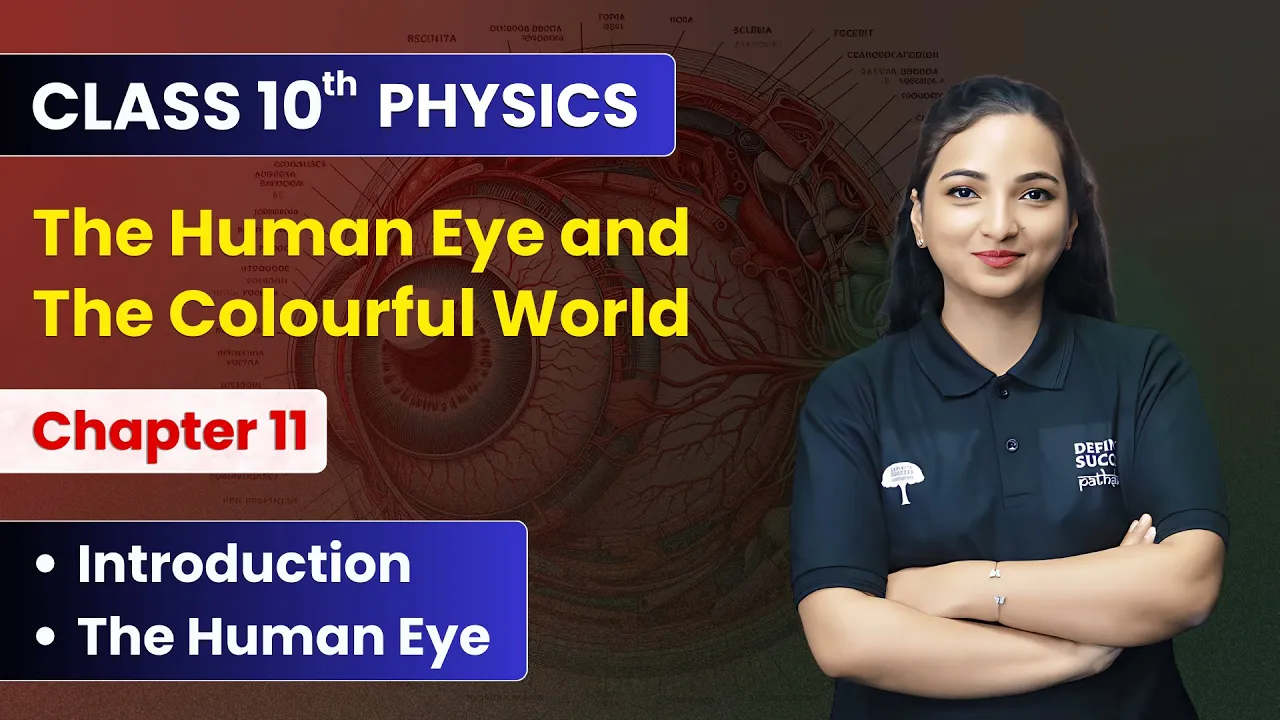
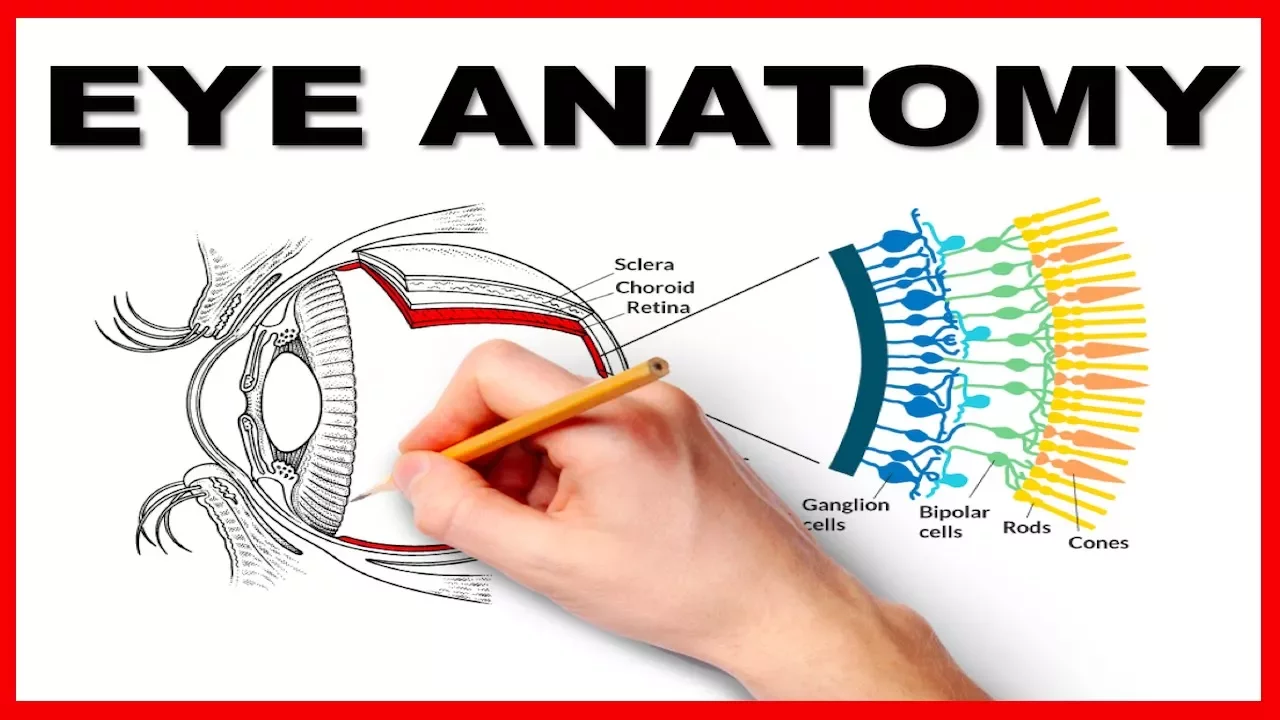
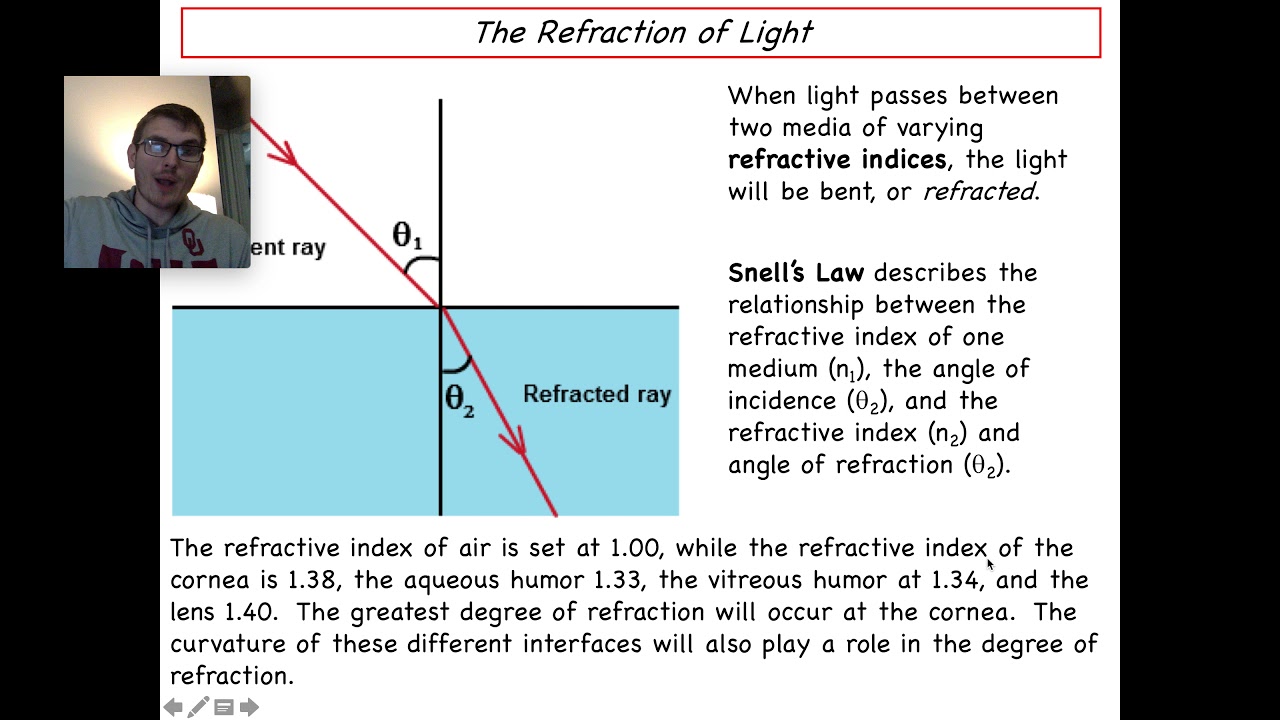
Added:Basic anatomy of the human eye, including the function of the cornea, lens, retina, and the optic nerve in focusing and transmitting light.
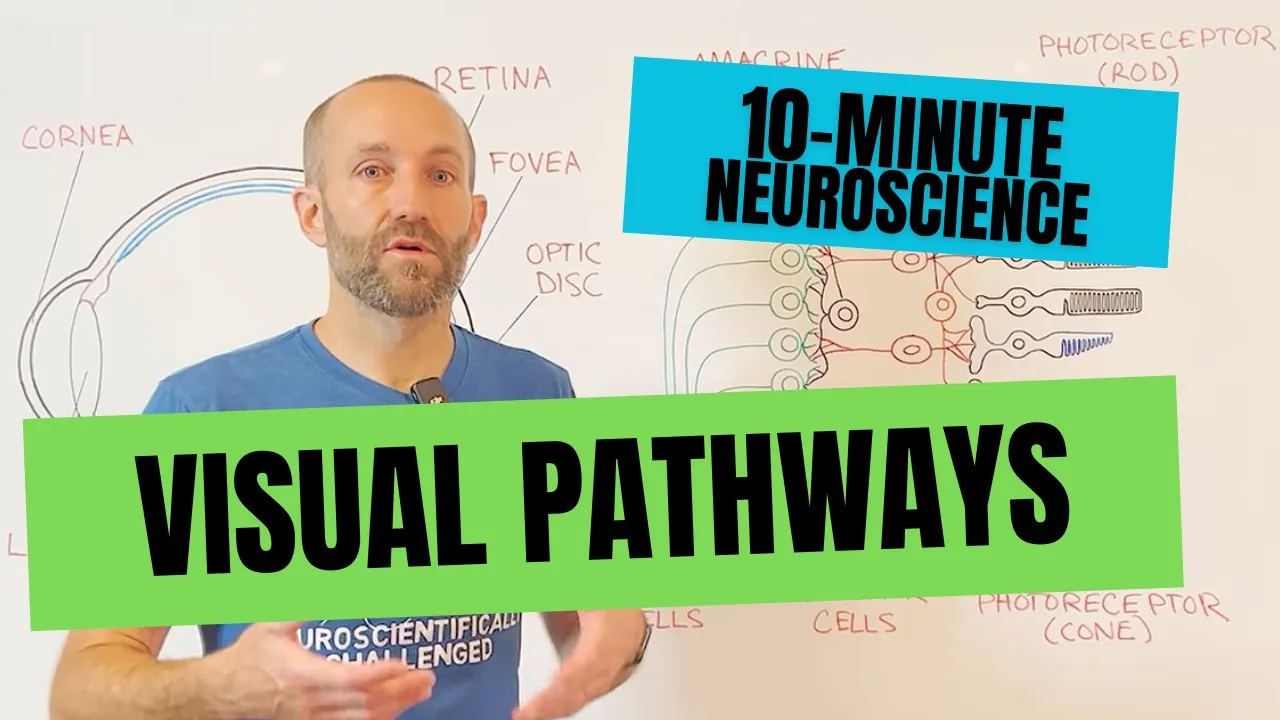
The fundamental differences between rod and cone photoreceptors and how they process light intensity, detail, and color.
The core concept of neuroplasticity, which refers to the brain's ability to reorganize and adapt its neural connections in response to training or environmental changes.
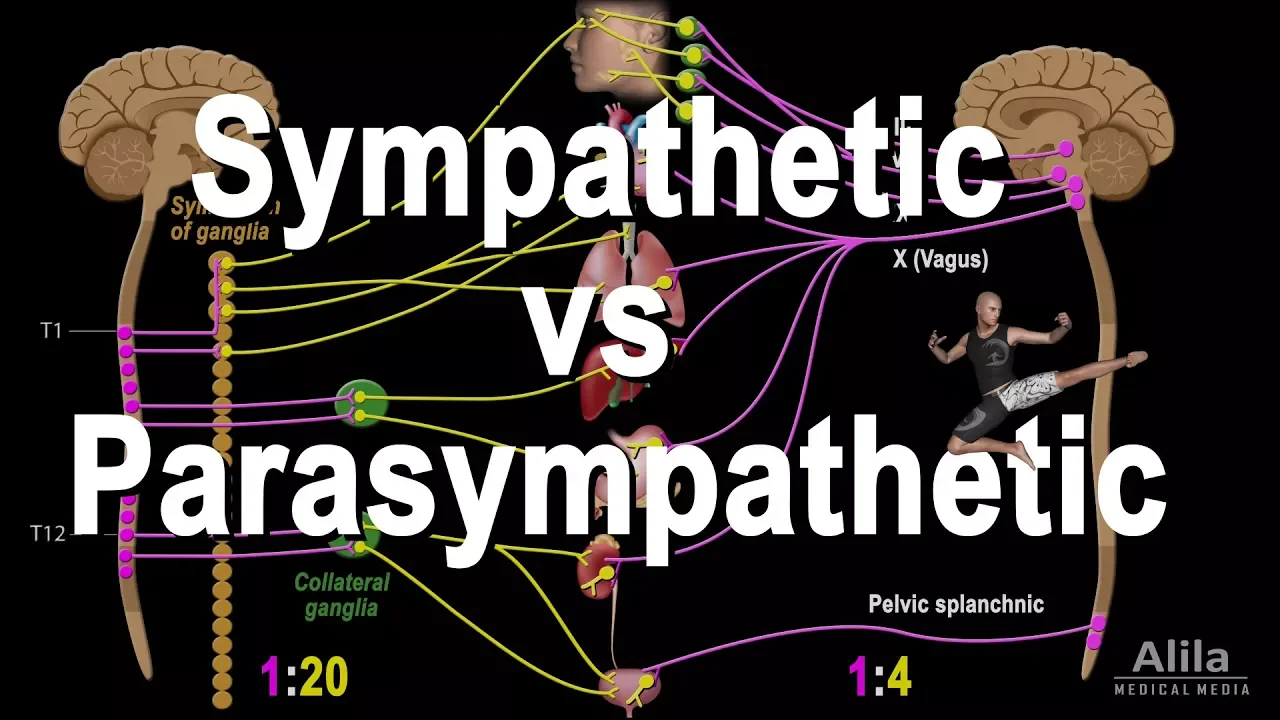
A basic understanding of the autonomic nervous system, specifically how sympathetic and parasympathetic activation affects pupil dilation and visual focus (accommodation).
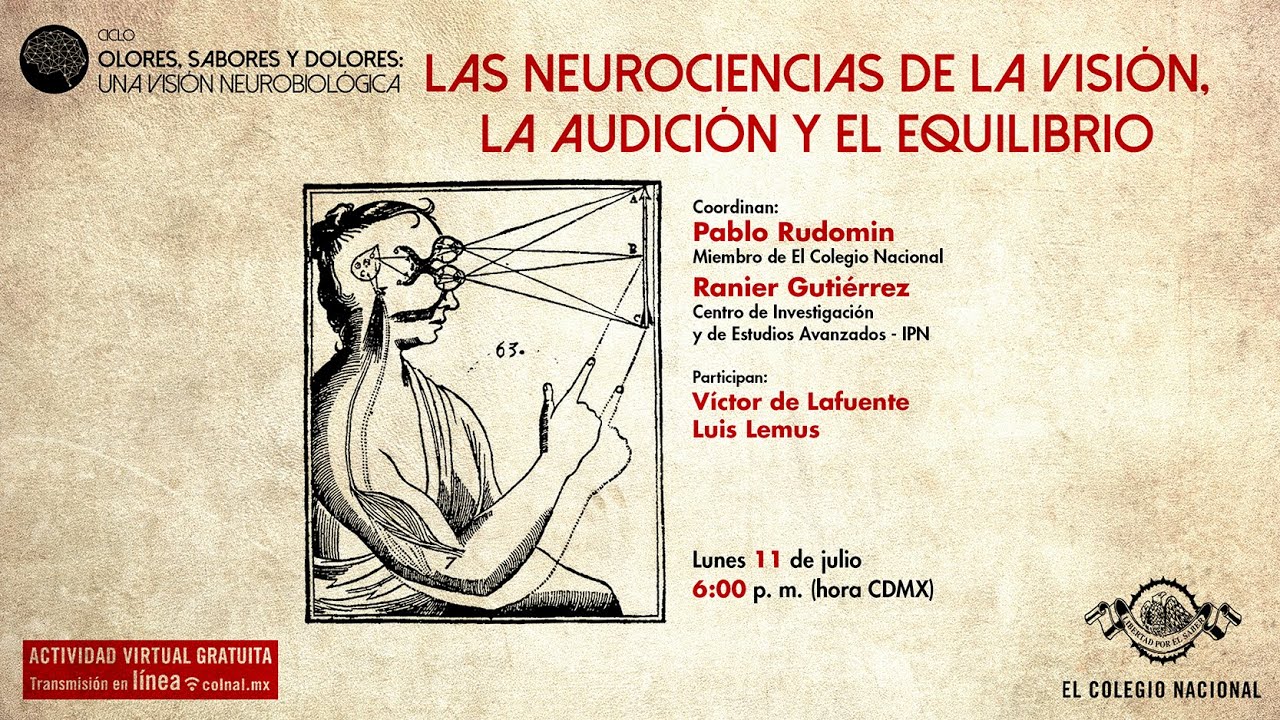
The advanced neural pathways of vision, exploring how visual information travels from the retina through the lateral geniculate nucleus (LGN) to the primary visual cortex (V1).
The role of intrinsically photosensitive retinal ganglion cells (ipRGCs) in circadian biology and how environmental light exposure regulates sleep-wake cycles and mood.
Clinical and behavioral protocols for mitigating progressive vision loss, including the science behind photobiomodulation (red-light therapy) and myopia-prevention strategies in children.
The integration of visual processing with the vestibular (balance) and proprioceptive systems, and how this multisensory integration can be trained to improve athletic performance.
227.1K views9Klikes29:30Original Release: 2025-04-24
Welcome to Huberman Lab Essentials, where we revisit past episodes for the most potent and actionable science-based tools for mental health, physical health, and performance. I'm Andrew Huberman, and I'm a professor of neurobiology and opthalmology at Stamford School of Medicine. This podcast is separate from my teaching and research roles at Stamford. It is however part of my desire and effort to bring zerocost to consumer information about science and science related tools to the general public. Today's episode is going to be all about vision and eyesight. A topic that's very near and dear to my heart because it's the one that I've been focusing on for well over 25 years of my career. When we hear the word vision, we most often think about eyesight or our ability to perceive shapes and objects and faces and colors. However, our eyes are responsible for much more than that, including our mood, our level of alertness, and all of that is included in what we call vision. What is vision? Well, vision starts with the eyes. We have no what's called extraocular light perception. While it feels good to have light on our skin, while it feels good to be outside in the sunlight for most people, the only way that light information can get to the cells of your body is through these two little goodies on the front of your face. And for those of you listening, I'm just pointing to my eyes. As many of you have heard me say before on this and other podcasts, your eyes, in particular, your neural retinas, are part of your central nervous system.
They are part of your brain. They are the only part of your brain that sits outside the cranial vault. In other words, you have two pieces of your brain that deliberately got squeezed out of the skull during development and placed in these things we call eye sockets.
Now, the eyes have a lot of other goodies in them that are very important, and those are the goodies that we're going to focus on a lot today. There's a lens to focus light precisely to the retina. There are also other pieces of the eye that are designed to keep the eye lubricated. You also have these things that we call eyelashes. Most people don't know this, but eyelashes are there to trigger the blink reflex.
They aren't just aesthetically nice.
Eyelashes are there so that if a piece of dust or something starts to head towards the cornea, the eye blinks very, very fast. It's the fastest reflex you own. We also have these things called eyelids. Now, eyelids might seem like the most boring topic of all, but they are incredibly fascinating. And today we're going to talk about how you can actually use your visual system to increase your levels of alertness based on the neural circuits that link your brain stem with your eyelids.
So let's talk about what the eyes do for vision. Basically the entire job of the eyes is to collect light information and send it off to the rest of the brain in a form that the brain can understand.
Remember, no light actually gets in past those neural retinas. It gets to the neural retina. And we have specific cells in the eye called photo receptors.
They come in two different types, rods and cones. Cones are mainly responsible for daytime vision. And the rods are mainly responsible for vision at night or under low light conditions generally speaking. These photo receptors, the rods and cones have chemical reactions inside them that involve things like vitamin A. And that chemical reaction converts the light into electricity within the eye, within the retina, there then a series of stages of processing and that information eventually gets sent into the brain by a very specific class of neurons. They're called retinal ganglen cells. Now, here's what's incredible. I just want you to ponder this for a second. This still blows my mind. Everything you see around you, you're not actually seeing those objects directly. What you're doing is you're making a best guess about what's there based on the pattern of electricity that arrives in your brain. Now, that might just seem totally wild and hard to wrap your head around, but think about it this way because this is the way it actually works. Let's take a an example of a color like green or blue. You have cones in your eye that respond best to the wavelength of light that is reflected off say a green apple. So you don't actually see the green apple. What you see is the light bouncing off that green apple and it goes into your eye and you see it and perceive it as round and green. But not because you see anything green. no green light arrives in your brain. What happens is your brain actually compares the amount of green reflection coming off that apple to the amount of red and blue around it.
What the brain is receiving is a series of signals, electrical signals, and it's comparing electrical signals in order to come up with what we call these perceptions. Like I see something green, a green apple, or I see red. So that's what I'd like you to understand about the way the eye communicates with the brain. I would also like you to understand that the brain itself is making these guesses and that those guesses are largely right. How do I know that? Well, they're right because when you reach out to grab a glass, most of the time you grab the glass and you don't miss. Right? Most of the time when you make judgments about the world around you based on your visual impression of them, it allows you to move functionally through the world. So the brain is doing these incredible things. It's also creating depth, a sense of depth. Even though what arrives from the retina is essentially a readout of a two-dimensional flat image, your eyes are slightly offset from one another. So that for instance, if I look at you, if you were standing right in front of me right now and I were to look at you, the image of your face, the light bouncing off your face to be more precise, lands on one eye in a slightly different location than it does in the other eye. And then the brain does math.
It basically does the equivalent of geometry and trigonometry and essentially figures out how far away you are from me, which is just incredible.
So the brain does all this very very fast and the brain uses about 40 to 50% of its total real estate for vision.
That's how important vision is. Now I want to talk about the other aspect of vision which is the stuff that you don't perceive the subconscious stuff. And then we'll transition directly into how you can use light and eyesight to control this other stuff because it's very important. And that other stuff is mood, sleep and appetite. And there are ways in which you can use these same protocols that I will describe in order to preserve and even enhance your vision, your ability to see things and consciously perceive them. So the protocols we will describe have a lot of carryover to both conscious eyesight and to these subconscious aspects of vision. And I just want you to understand a little bit more about the science of seeing of eyesight and vision and then all the protocols will make perfect sense. So as amazing as eyesight is, it actually did not evolve for us to see shapes and colors and motion and form. The most ancient cells in our eyes and the reason we have eyes is to communicate information about time of day to the rest of the brain and body. Remember, there's no extracular photo reception.
There's no way for light information to get to all the cells of your body, but every cell in your body needs to know if it's night or day. Now, I talked a little bit about this on the in the episodes on sleep, and this episode is not about sleep, but I want to emphasize that there is a particular category of retinal ganglen cell. Remember the neurons that connect the retina to the brain.
These are so-called melanopsin retinal gangling cells named after the opsin that they contain within them. They are essentially photo receptors. Remember before I said there are photo receptors and then these ganglen cells. Well, these melanopsin cells as the name suggests melanopsin have their own photo receptor built inside them. These cells retinal ganglin cells communicate to areas of the brain when particular qualities of light are present in your environment.
and signal to the brain therefore that it's early day or late in the day. They regulate when you'll get sleepy, when you'll feel awake, how fast your metabolism metabolism is, excuse me, your blood sugar levels, your dopamine levels, and your pain threshold. These melanops and gangling cells have been shown to set the circadian clock and to respond best to the contrast between blue and yellow light of the sort that lands on these cells when you view the sun when it's at so-called low solar angle when it's low in the sky either in the morning or in the evening. What does all this mean? The most central and important aspect of our biology and perhaps our psychology as well is to anchor ourselves in time to know when we exist. We know time at a biological level based on where the sun is. What does this mean for a protocol? It means see get that light in your eyes early in the day and anytime you want to be awake. So try and get as much sunlight in your eyes during the day as you safely can. need a lot of this light in order to trigger these melanopsin cells which would then trigger your circadian clock which sits above the roof of your mouth which will signal every cell in your body including temperature rhythms etc. So first things first your visual system was not for seeing faces motion etc. The most ancient cells in your eye which are there right now as we speak are there to inform your body and brain about time of day. So, you want to get that bright light early in the day.
Absolutely essential. 2 to 10 minutes.
Now, here's another reason to do this.
Getting two hours a day of outdoor time without sunglasses has a significant effect on reducing the probability that you will get myopia. Now, myopia or nearsightedness has to do with the way that the lens focuses light onto the retina. So, remember, your eye is an optical device.
You have lenses in your eyes and those lenses need to move. It's not a It's not a rigid lens like a glass lens. It's a dynamic lens. The eye can dynamically adjust where light lands by moving the lens and changing the shape of the lens in your eye through a process called accommodation. And if you understand this process of accommodation, you not only can enhance the health of your eyes in the immediate and long term, but you also can work better. You'll be able to focus better on physical and mental work. You will be able to concentrate for longer. So much of our mental focus, whether or not it's for cognitive endeavors or physical endeavors, is grounded in where we place our visual focus. Okay? What we look at and our ability to hold our concentration there is critically determining how we think. Now, accommodation is our ability to accommodate to things that are up close here or further away. And the way this works is that the iris and a and the musculature and a structure called the siliary body move the lens. So, when you look far away, okay, when you see things far away, your lens actually relaxes. It can flatten out and you'll notice that it actually is relaxing to look at a horizon. Whereas, if I look at something up close to me, like this pen or my phone or a computer screen or this microphone, it takes effort. You'll sense the effort. Now, some of that effort is actually eye movements because you have muscles that can move your eyes within their sockets. But a lot of the work, quote unquote, is neural work of the muscles having to to move and contract such that the lens actually gets thicker in order to bring the light to the retina and not to a location in front of it or behind it. So-called accommodation. Now, you might say, why are you telling me about accommodation?
Well, these days we're spending a lot of time looking at things, mainly our phones up close and computers up close and we are indoors. In other words, you are not giving your lens the opportunity to flatten out and for these muscles to relieve themselves of this work, but you are also training your eyes to be good at looking at things up close and not far away. And as a consequence, you are reshaping the neural circuitry in your brain. And it is not good. You want to get outside not just to lighten the load on your mind or to think about other things but to maintain the health of your visual system. In other words, you want to exercise these muscles. And that involves both the lens moving and getting kind of thicker and relaxing that lens. And the relaxation of the lens is actually one of the best things you can do for the musculature of the inner eye. So what's the protocol? You might be surprised, but for every 30 minutes of focused work, you probably want to look up every once in a while and just try and relax your face and eye muscles, including your jaw muscles, because all these things are closely linked in the brain stem, and allow your eyes to go into so-called panoramic vision where you're just not really focusing on anything. And then refocus on your work. If you are feeling tired, it actually can be beneficial to the wakefulness systems of the brain, including the locus ceruius and these areas that release norepinephrine to actually look up, to actually look up toward the ceiling. You don't want your chin all the way back, but to look up and to raise your eyes toward the ceiling and to look up and try and hold that for 10 to 15 seconds. It actually triggers some of the areas of the brain that are involved in wakefulness. So, if you're somebody who's falling asleep at your work, this can be very beneficial.
When things are up, we tend to be alert.
When everything's focused down, including our eyes, it tends to have a more suppressive or seditive type signaling to the deeper centers of the brain. How can you improve your vision?
How can you get better at seeing things?
Well, one way is to make sure that you spend at least 10 minutes a day total, at least viewing things off in the distance. So, that would be well over half a mile or more. Try and see a horizon. Try and get your vision out to a location that's beyond the four walls of your house or apartment uh or the doors of your car and the windshield of your car. I know that can be hard to do, but it's very valuable. So, try and see at a distance because it's good for your eyesight. It'll keep this lens nice and elastic and the muscles nice and strong that move the lens. And it has this relaxing component to it. Now, our visual system is exquisitly tuned to motion. Not just our self-generated motion, but the motion of things around us. And one of the things that it does is something called smooth pursuit.
Smooth pursuit is our ability to track individual objects moving, as the name suggests, smoothly through space in various trajectories.
You can actually train or improve your vision by looking at smooth pursuit stimulating. And that sounds really boring. Remember, the brain follows the eye. It follows the movements of the eye. It has to deal with that. And the neural circuits within the brain have to cope with changes in smooth pursuit. So, if you're doing a lot of reading up close, you're not viewing horizons, you're not getting a lot of smooth pursuit type stimulation from your life or you're just getting it within the confines of a little box on your phone, your vision will get worse. The idea is that you want to use the visual system regularly for what it was designed for and smooth pursuit is a great way to keep the visual and motion tracking systems of the brain and the eye and the extracular muscles working in a really nice coordinate fashion. So, what does this mean? The tool is spend two to three minutes doing smooth pursuit. There's some programs on YouTube. Um you can just look up smooth pursuit stimulus. Practice accommodation for a few minutes maybe every other day.
Just bring something in close. You'll feel the strain of your eyes doing that.
Move it out. You'll feel a relaxation point. Move it past that relaxation point where you will have to do what's called a virgin eye movement to maintain focus on that location as it moves out.
Bring it back in. Practice that.
Practice accommodation. And then be sure to give your eyes some rest. Get outside, look at a horizon, or do nothing. Just kind of let your eyes go soft. I guess what the yogis would call soft gaze. Practice a little bit of smooth pursuit. You don't have to be neurotic about this, but you if you do this often enough, meaning every other day, every third day or so, you can be the strange person on the plane or in the classroom doing this. You know that people might chuckle or look at you funny or or tease you, but that's okay because uh you'll be able to see when they are um losing their vision. Uh, so you'll get the last laugh. Let's talk about binocular vision and lazy eye. The young brain up until about age seven, but maybe even extending out until about age 12 is extremely vulnerable to differences in ocular input between the two eyes. My scientific great-grandparents won the Nobel Prize for discovering so-called critical periods, periods of time in which the brain is more plastic, more able to change. Those two guys, David Huvel and Torrson Weasel. Thank you, David and Torrrenston, forever changed the face of visual neuroscience and forever change the way we think about treatment of the young brain. It used to be thought that you wouldn't want to do a surgery on a young kid because of risk of anesthesia and young individuals, but we now know that you need to repair these imbalances. that even a few hours of oluding one eye early in life can lead to permanent, unless something's done, permanent changes in the way that the brain perceives the outside world such that when that eye is opened up again, the brain actually can't make sense of anything that's coming through it. It shuts down that visual pathway somehow. So, what does this all mean in terms of protocols? If you're a young person, do your best to get really good binocular vision, not just at level of your phone or your tablet, but also at distance. you will build strong binocular visual machinery in the brain and at the level of the eyes and the eye musculature. Now, if you're somebody who did have an occlusion, what's needed is to cover up the other eye to create an imbalance so that the weak eye, the so-called lazy eye, this sometimes referred to as amilopia, that eye has to work harder. Now, you might ask, what happens if you cover both eyes early in life? There are some like retreats and stuff where people go into caves with absolutely no vision. uh it creates hallucinations. We'll talk about why that is in just a moment, but here's my suggestion. Try and get balanced visual input through the two eyes. Almost everybody has a dominant eye. It usually doesn't relate to your dominant hand, although it can. And so for me, if I cover up my right eye, I see much less well, much more poorly. It's a little bit fuzzy and I have to work harder in order to see the camera, for instance, than if I cover up my left eye. And if you do have strong imbalances between the two eyes, which can be caused by cataract and lens issues, can be uh caused by neuromuscular issues, etc. to try and get those dealt with as early as possible by contacting a really good opthalmologist and ideally a neuroopthmologist. It's very common for young children, babies, to have an eye that um with strabismas that either deviates out or that deviates in. It is important to correct that if you would like to have balanced vision between the two eyes and for the brain to respond equally to the two eyes and to have I would say highfidelity quality vision.
Hallucinations are a property of the visual system and it was always thought that hallucinations arise because of overactivation or activation of certain aspects of the visual system. I just briefly want to mention a paper that was published by my good friend and phenomenal uh scientist and physicist for that matter Chris Neil who's up at the University of Oregon in Eugene. They studied LSD like compounds and discovered that hallucinations actually occur because portions of your brain become underactive. The visual portions of your brain are under stimulated. This is probably why when people go into these cave retreats, something I've never done, um I don't think I ever will do where it's completely black, pretty soon they start hallucinating. They start seeing things even though there's nothing there. The visual system is desperate to make guesses about what's out in the world. It's like the eager beaver of your brain. It's like, what's out there? What's out there? What's out there? So it turns out that hallucinations are an underactivation of the visual system and then a compensatory a compensation by which the visual system creates activity and hallucinations. So if you're in the dark long enough you start to hallucinate and see things. So that's a little note about hallucinations. One of the things that you can do to improve your vision and it's also kind of fun is to put a Snellin chart in your home. A Snellan chart is that list of letters. If you go to the dreaded Department of Motor Vehicles have you cover up an eye, read the the letters on the chart. The letters of course get smaller and smaller. They're trying to figure out roughly what your vision is. Cover up the other eye. You'll do that. This is something that's not often mentioned, but your performance on the Snellen chart will vary depending on time of day because your level of fatigue and your ability to control that accommodation and other mechanisms of the eye muscles will vary. So you can take it as an average. It's also a good thing if you're going to get your vision tested for corrective lenses or or maybe you're going to do laser surgery or something of that sort. If you're thinking about any of that to really get it measured by a professional, get your vision tested by somebody who really understands vision like an opthalmologist or a really good optometrist. If you put a Snellin chart in your home, you know, you can do that as part of your visual training. Now, this might seem excessively nerdy, but what is more important than your eyesight, right? Eyesight is so vital.
It's right up there with movement and our ability to move, to generate, to get up out of chairs and to walk and to run and to to take care of ourselves.
Eyesight and movement are the main ways that we are able to take care of ourselves and take care of others. When you start having compromised eyesight or compromised movement, people need to take care of us and we become much more challenged in moving through our daily life. So, while it might seem nerdy to have a Snellan chart in your home or to do a smooth pursuit exercise a couple times a week or to get outside for a few hours a day and do your reading or your laptop work there, preserving your eyesight and preserving your vision is one of the most lifeenhancing or quality of lifeenhancing things that you can do.
Now, of course, there are genetic factors and there are injury related factors that can compromise eyesight and our ability to see. And of course, this is the things I'm talking about today aren't going to solve all those issues, but they can have a tremendous positive impact if you're willing to do just a little bit of work. So, I want I do want to talk about a few other things that can uh perhaps improve vision. I want to dispel a few myths about stuff to take to improve vision. So, now you understand a lot about the biology of vision. You understand that light has to arrive at the retina and get converted into electrical signals. That process requires things like vitamin A, a fats, soluble vitamin. It requires things like the carotenoids. That metabolic cascade, the biochemical cascade is essential for vision. And this is why you've been told that carrots help you see better because they're high in vitamin A. There are a few simple things you can do to support your vision. First of all, it is true that eating vegetables, the dark leafy vegetables and things like carrots that have vitamin A in abundance and eating them in close to their raw form, so naturally occurring foods that contain a lot of vitamin A in their raw form can help support vision. Now, does that mean that if you ingest super physiological amounts of that stuff that it's going to make your vision that much better? No, but you do need a threshold level of vitamin A in order to see and in order to see well. Now, there's a lot of excitement nowadays about supplementation to help support the health of the visual system. But I want to talk about a molecule that's in a lot of supplements to support vision and there are some really good data on and that's luteine. What is this luteine stuff? Well, luteine is in the pathway that relates to vitamin A and the formation of the opsin, the photopigment that captures light in the back of your eye, literally absorbs light, pigment in your eye and converts that into electrical signals and allows you to see. And there is some evidence, I spoke to our chair of opthalmology, there is some evidence through quality peer-reviewed studies that supplementing with luteine can help offset some of the detrimental effects of age- related macular degeneration, but I want to emphasize but or emphasize however only for individuals with moderate to severe macular degeneration.
For people that have normal vision or with a just a low degree of macular degeneration, these studies did not see a significant improvement of vision from supplementing with luteine. And the other one is as Tax A TI N. What is Azacin? It's a really interesting compound. It's the red pink pigment found in various seafoods. Uh I'm not a big seafood fan, but like certain fish like the you'll see at the fish market will have that red pink pigment and it's also in the feathers of flamingos. It's structurally similar to beta carotene.
So it's very pro provitamin A but it has some chemical differences which may make it safer than vitamin A. Remember vitamin A is a lipid soluble vitamin. So it can be stored in our body for long periods of time. What is the deal with this as a you know what are its drawbacks? Well, it has a number of different effects, but the most notable for sake of this episode is the one on ocular blood flow. It does seem to increase the amount of ocular blood flow, so the blood supply to the eyes.
So, that makes it an interesting compound. It's also been shown to have positive effects on things like skin elasticity, skin moisture, skin quality, etc. Probably due to its effects on blood flow. So, luteine, acidoxin, a sax, t i n. So everything I've talked about today relates to studies that were done and published in quality peer-reviewed journals. That doesn't necessarily mean you want to run out and start taking the stuff that I've described or even doing the protocols I've described. I've given you an array, a pallet, a buffet, if you will, of things that you could do to try and enhance or support your vision depending on how good your vision is, your uh family history of vision and vision loss. your occupational hazards. You know, people that work with uh metal filings that are flying out of machines are going to have a higher uh degree of of vision um you know, risk to their visual system than will people who just do office work. Although, if you're doing a lot of office work, chances are you're not getting a lot of long view vision, your accommodation mechanisms are going to start to suffer over time.
I think we can reliably predict that.
So, I've tried to give you an array of behavioral tools, and we did touch upon some supplementation tools. I'd be remiss if I didn't say that because blood flow is so critical for the neurons of the eye. Remember, these are the most metabolically active cells in your entire body, the cells within your retina, because blood flow is required to get them the energy and nutrients they need. Having a healthy cardiovascular system, right? Doing endurance work, doing strength training work regularly is going to support your eyes and your brain and your vision.
It's indirect, but it's essential, right? It's necessary, but it's not going to be sufficient. You're going to have to do other things to support your eyesight as well. But having a healthy cardiovascular system because it's going to deliver blood and oxygen and nutrients to this incredible apparati on the front of your face, these two pieces of brain is going to support your overall brain health and vision over time. Last but not least, I want to thank you for your time and attention today. Your willingness to learn about vision and the visual system and the various things that you can do to help support the health and functioning of your visual system. And of course, I want to thank you for your interest in science.
[Music]
Up Next
9:26
Obstructive vs Restrictive Lung Disease: Key USMLE Differences
@DirtyMedicine
392K views•2016-12-04
32:45
Memory and Long-Term Potentiation | Physiology | MBBS Exam Prep
@doctutorialsmbbs
307 views•2025-08-27

99:47
Lymphatic System Science: How to Boost Health & Appearance
@hubermanlab
434.2K views•2025-10-27
3:05
Stages of Labor and Vaginal Birth | Childbirth Animation
@nucleusmedicalmedia
52.1M views•2017-08-18
Related Study Plans & Knowledge Roadmaps
Structured learning paths in Medicine
medicine
Interpreting PFTs: Spirometry & DLCO
01Respiratory Anatomy and Physiology Foundations
02Spirometry: FVC, FEV1, and Flow-Volume Loops
03Lung Volumes and Plethysmography
+ 2 more learning modules
12h5 modules
Explore Roadmap
medicine
Abnormal LFTs: Diagnostic Workup & Pathology
01Liver Anatomy and Basic Physiology
02Introduction to Liver Function Tests (LFTs)
03Hepatocellular vs. Cholestatic Patterns
+ 3 more learning modules
12h6 modules
Explore Roadmap
medicine
Analyzing Blood Smears: RBC, WBC & Platelets
01Introduction to Blood Components & Smear Preparation
02Normal Morphology of Blood Cells
03Erythrocyte Pathologies & Morphological Variants
+ 2 more learning modules
12h5 modules
Explore Roadmap
medicine
Mechanical Ventilation: Waveforms & Alarms
01Anatomy and Physiology of Breathing
02Introduction to Mechanical Ventilation & Core Modes
03Ventilator Settings and Waveform Interpretation
+ 2 more learning modules
12h5 modules
Explore Roadmap