


















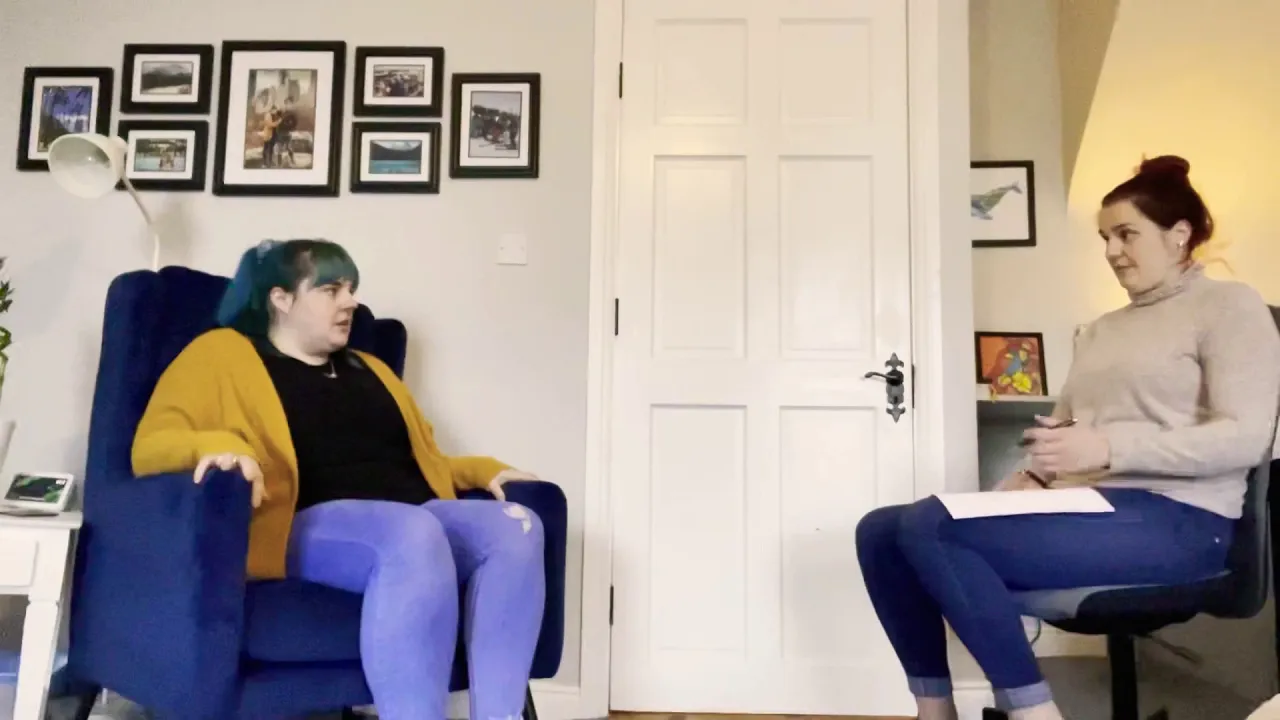


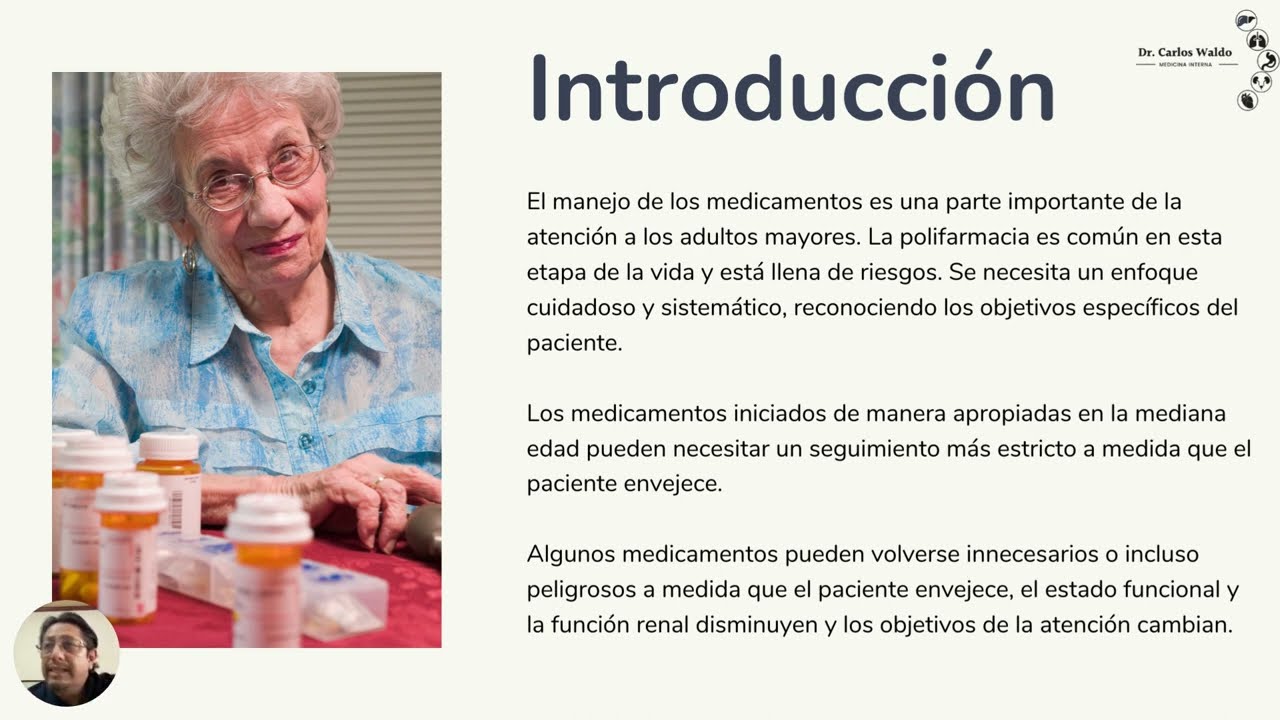




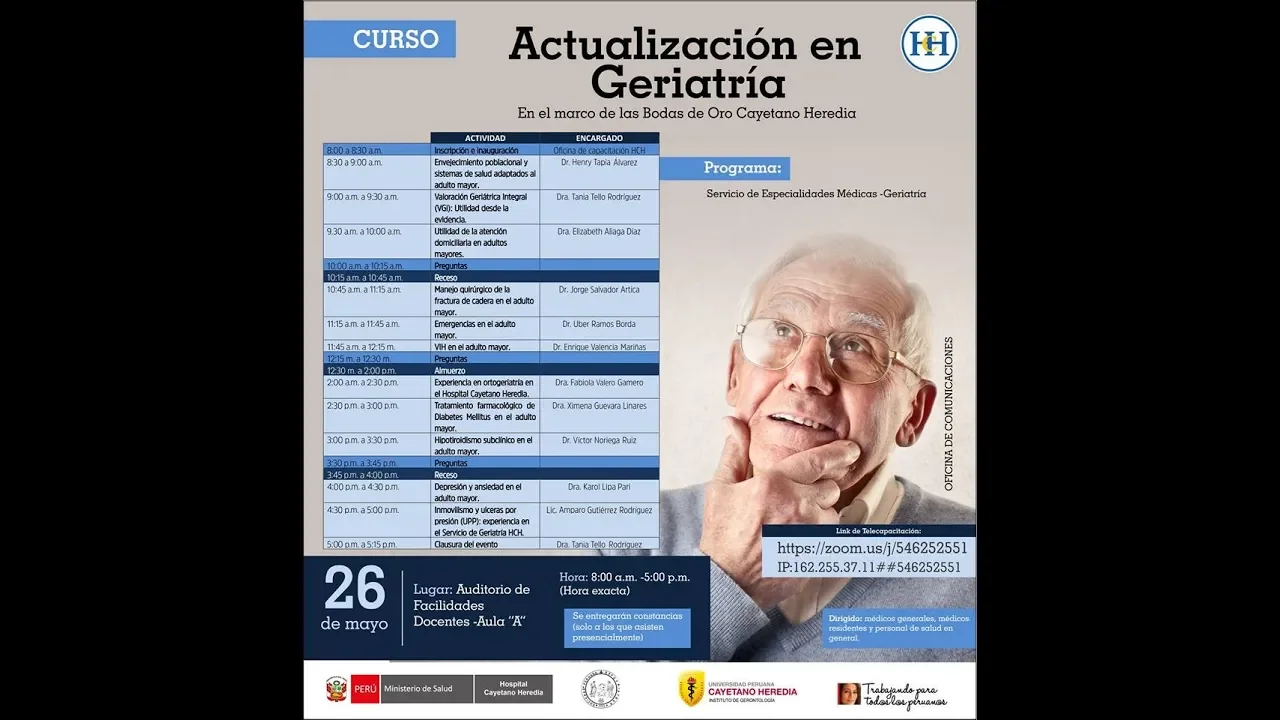


Comprehensive Geriatric Assessment (CGA) is an organized, multidisciplinary approach to evaluate older adults' medical conditions, mental health, functional capacity, and social circumstances, involving a team of healthcare professionals who conduct a full physical assessment and create a coordinated care plan; supported by 22 research trials across 10,000 patients, CGA has proven particularly effective for managing frailty, hip fracture recovery, and oncology treatment optimization, with the Clinical Frailty Scale identifying that mildly to moderately frail individuals (categories 4-6) benefit most from this systematic assessment approach.
Comprehensive Geriatric Assessment Explained by Experts
Added:The clinical definition and pathophysiology of frailty as a biological syndrome in older adults.
The core domains of geriatric medicine, including the 'geriatric giants' (such as cognitive decline, falls, polypharmacy, and incontinence).
An understanding of the multidisciplinary team (MDT) model in healthcare and how various disciplines collaborate.
Basic principles of patient-centered care and functional status assessment (ADLs and IADLs).
How to integrate CGA into specialized surgical and oncological care pathways (such as orthogeriatrics and oncogeriatrics).
Developing, coordinating, and executing multi-domain personalized care plans based on CGA findings.
Advanced pharmacotherapy in older adults, specifically focusing on deprescribing tools like the Beers and STOPP/START criteria.
Evaluating the health-economic impact and systemic benefits of implementing CGA in acute and primary care settings.
25.8K views222likes17:47Original Release: 2020-02-26
[Music] good afternoon everybody my name is Chris Dalton and as Michael introduced me I'm the candidate advanced nurse practitioner here in house cross and I'm going to give you a brief overview of comprehensive geriatric assessment and a lot of you've probably heard about it but just to kindly just give you a kind of a definition of what it is and where it's and Helen will go to where it's being shown to be beneficial so just to kind of introduce it it's an organized approach to assessment designed to determine an older person's medical conditions mental health functional capacity and social circumstances the purpose of it is to implement a coordinated plan of treatment rehabilitation support and long term follow-up the full evaluation of a frail older person by a team of healthcare professionals can identify a variety of treatable health problems lead to a coordinated plan of care and achieve better outcomes for the older person CGA originated in Horta geriatric services in Hastings in the 1960s when an auto geriatric surgeon collaborated with a geriatrician to manage or T the problems in older people with concurrent medical issues over the last thirty years it has evolved it's become more refined and it's been implemented in a number of fields with very successful outcomes and as I say Helen will go to that in the second part of the presentation it is the gold standard and best practice for managing frailty the National clinical program for older people recommends that all older all older adults identified as being frail and at risk of frailty should have a timely CGA performed and documented in their permanent healthcare record it's strongly supported by Sario strongly supported by research and 22 research trials involving 10,000 patients over six countries I to fight older adults that received CGA were more likely to remain living at home more likely to experience better cognition less likely to be institutionalized and less likely to experience overall deterioration so just looking at the slide here who performs the CGA well generally it does require a team approach but areas different dependent on the resources available to them teams can be made of any mix of the interprofessional team that identified there on the slide in most settings if available a geriatrician will have responsibility and for team leadership however it can be initiated by any member of the interprofessional team the team is responsible for the coordinated assessment discussion recommendation and implementation of a treatment plan and a full physical assessment of the older person is carried out together the team creates a comprehensive plan of care in collaboration with the patient and the family and that's very important again you have to have buy-in from the patient around kind of the interventions the goal-setting and the planned follow us so just the elements of it it's multi-dimensional and you can see here again from the slide all the aspects it uses an interprofessional approach the core domains include functional status mobility gait speed and we've we've heard a lot about that already this morning and review of the geriatric syndromes cognition polypharmacy and thoughts it's built a diagnostic and treatment process however performing an assessment is only one part of CGA the goal direction and the follow-through are critical components of it and this is this is what allows the older person to set their goals for example a goal for no other person may be that they want to be able to independently make a copy for themselves in their own home they may actually just want to be able to get back out of the house again if they've had a recent fall or even going to mass or being able to get back on the boss can be a real goal for an older person it allows the healthcare professional to determine if the goal sets are realistic and achievable and planned follow-up allows the team to assess the impact of interventions and make any necessary changes to the plan of care the four main dimensions covered in CGA should include you know a full assessment as I said already physical functional psychological and social support and the use of validated assessment tools and just make objective measurement better and you can determine whether or not there's improvement or those decline so just when you're doing a kind of you know a physical assessment of the person it's important to take in what's the presenting complaints you know past medical history have they had any recent Falls recent hospitalizations and but really what's very important and we look at it here just kind of the the medication review we know that polypharmacy in the in the older population is a serious concern after memory people in the clinic they come in with a list of medications that they've been on for a very long time and it's really about luck in our country are they do they need to be on them first and foremost when was the last review that they had are they able to adhere to the medication program sometimes making a phone call to the pharmacy to check if they're actually regularly fill in the prescription are they in a blister pack just to make it easier for them to take it but there the biggest question is do they need to be on all those tablets and important again and it was mentioned earlier you know in the old population are they in pain I think are they taking any regular analgesia or do they use non pharmacological methods of controlling their pain heat and cold packs ask about haribol remedies and over-the-counter medications again older people may not realize that these can have like adverse kind of reactions with their regular prescriptions that are taken often sometimes what we forget to discuss is advanced care planning again looking at how does it her see older person the ability to put their legal affairs in order what are their wishes and have they been able to express them to a family member when we look at a functional assessment we're going to kind of just an overview of their activities of daily living and you're really trying to establish how are they actually managing at home sometimes you know they don't give you the full picture and you have to ask probing questions like simple things are you able to have a bath or a shower and you might say what do you actually wash of the sink and so given them the option to tell you exactly how they're managed and sometimes if they are only able to wash it the sink because they can't get into the bath or institution they might be a little bit embarrassed that you might judge them so it's just kind of asking the questions in a way that you're going to gain their trust so there to give you a true picture of how they're managing we've talked a lot about balance and again it's important to take an in-depth history as often older people may not report afar if they haven't sustained any injury they may not even talk about it as being a fall and you often hear all the people say no I didn't fall I just slipped or I used myself down onto the floor you know to us that's that's a fall and and again just questions about do they ever get dizzy when they stand up around psychological psychosocial then just determine whether or not the other person is suffering from a little mood it could be a simple thing but they can't get out of the house causing them to feel very down and themselves establish weather day they take alcohol and again trying to get a clearer picture of how much alcohol are they actually taken like most of us when we go to the doctor when you say it saying it take two to three glasses a wine that's probably double that for what we say so kind of you know obviously intake of alcohol that can contribute to low mood and increase the risk of falling you also around mood and kinds of capacity you have to determine whether the older person has the capacity and the motivation to follow through with the treatment plan that you set in them the social piece is very important looking at their living arrangements other supports in place do they have meals on wheels do they have home health and if not could they be provided but again it's all about balance and like bother of the Paras and once you know so some older people just don't want strangers coming to their house and they may actually think you know that that's that's a job that their family should we do and you know providing them with that support but as we know that can increase kind of care or strain so again you have to just look into what is the kind of relationship with the carer do they live close by and are they supportive it says how does the older person manage their finances especially if there's evidence of cognitive impairment so just a quick look there are Kaidu who benefits most from ECE GA and just looking at the clinical frailty scale you're aiming to determine who would benefit most farmers you know and you can see clearly here that it ranges from categories one to nine I'm one to tree so that's kinda a your refit older person to your older person who's managing well with medical problems but but there get there fine they don't actually need a CGA and you see their category 7 to 9 so if you're severely foiled person to your terminally ill person they're more likely to require a long-term or palliative palliative care but the category there that we'd be most focused on around CGA would be the vulnerable the mild frail or the moderately frail because they're the people that we can kind of you know come in with with the assessment and kind of either reverse or treat and increase they're going to improve their function and maximize their stainer called for Lanka however the research does suggest that the specifics of the geriatric assessment process is less important than the very act of systematically approaching older people with the belief that improvement is possible I'm going to now pass you over to my colleague Helen Hill go to where it's it's been proven to have very successful outcomes thank you hello and my name is Helen Julie I'm clinical nurse specialist here in Harold's cross so for the purposes of this talk I just want to focus on three specific areas that CGA has proven to have positive outcomes for patients so first we will talk about frailty frailty where you have the multiple body systems have lost their inbuilt reserve or people feel like they have lost ground or not as robust as they used to be and frailty it can actually affect up to 10 percent of over 65 year olds but this rises to about 50 percent of the over eighty-five year olds and although it's more common in older people it's not an inevitable part of Aging so certain conditions can be treated or even reversed in some cases so it's very important to do our assessment to identify these areas moving on to hip fracture we heard a lot about hip fracture and fracture liaison services so using a CGA we can actually highlight modifiable medical conditions so um with our older population we're going to see more hip fractures occur and consequences can be have an adverse effect on their mortality so traditionally people may have just focused on the actual surgical aspect was with or to geriatrics you have collaboration between orthopedics and geriatricians and with the interdisciplinary approach management of hip fracture will ensure the appropriate treatment for the patient we looked at polypharmacy as well we're just am focused on polypharmacy because a lot of people who we were deal with are on multiple medications whether they actually need them still are not of course our consultant geriatrician heads but they're rationalizing those we look at risk of delirium if we have a baseline cognitive status we can then identify who would be at risk of developing a delirium and notices in the timely manner looking at adequate analgesia for the older population then we made a veer away from the opioid analgesic of respiratory depression confusion and maybe towards IV paracetamol has proven very effective choice of anesthetic and so for the more frail person a general anaesthetic might not be indicated they might be looking more for spinal or nerve blocks and those cohorts so postoperatively early mobilization is the key so you're hoping to get the patient immobilized on the day of or the day after surgery the earlier we can the better the outcome for the patient again looking at things like hydration and nutrition the person may have low body mass index before the fracture so if we can supplement their diet as we heard this morning with lysine and protein we can help build muscle mass looking at discharge plans we have to see what the setup of the patient was pre-op to see is there a chance the person can get back home living independently will they require rehabilitation do they need extra services put in at home so a plan needs to be put in as early as possible so of course addressing the cause of the hip fractures paramount we're looking if it was a fall why did the patient fall do they need a full Falls assessment and looking at their medication again it could cause Falls and bone health I suppose after a hip fracture we know the person no doubt has osteoporosis so appropriate treatment and adherence to treatment and toleration of treatment would be vital and by following the proper pathways as we can see there in the UK with the hip fracture database 30-day mortality rates have significantly reduced returned from 8.2 to six point four percent over about an eight-year period so very significant to have this collaborative approach preoperatively so with our increasing number of older people more people will require surgery so for elective surgery it gives us the time to optimize the person's function and identify any reversible medical issues so some of these are just repetitive again we're definitely we're going to look at their medications their cognition and falls nutrition continence what kind of care have they already set up at home so postoperatively how is our just discharge plan going to look are we going to have issues with discharge and will we need convalescence will the patient regain function afterwards we'll remain independent and by performing a CGA it can have a very positive impact on post-op outcomes and st. Thomas's Hospital in London and they had a proactive care of the older person undergoing surgery and in this cohort of people there were many multiple comorbidities but with comprehensive geriatric assessment and the holistic approach they reduced mortality rates reduced cider for such as pneumonia and actually reduced bed days by 4.5% which is very significant and cost-effective moving into oncology then so with a cancer a la half the diagnosed cancer Nootka cancer diagnoses are in the over 65 year old population so just age alone does not to tell us the person's ability or fitness to withstand chemotherapy or any aggressive therapies so by doing a CGA we can actually identify the fish older person there may be absolutely well-placed to withstand cancer treatments even it be included in clinical trials where maybe in the past an age may have been a cutoff point of course any core morbidities if things can be analyzed or reversed maybe treatments can be modified for those patients so if there's low body mass index they may be more at risk of toxicity or maybe with renal impairment so we may have to be very careful and modify the treatments but with the CTA evaluating it we were well placed to respond to any incidences in the timely manner provide interventions and improve the overall outcome so by doing the assessment is fabulous but you always have to implement the plan and have a follow-up to make sure the plan is work so just to recap you'd be glad to know so by doing our CGA we can identify issues such as frailty we've seen the figures there in how early diagnosis of frailty and interventions can have better outcomes with hip fracture oncology's surgery it can be used across a wide variety of areas these are just three areas we focused on today and our real overall goal is to maximize the hell out of the older person and not just assume all older people are frail because the prefilled and really benefit from active treatment [Applause]
Up Next

3:19
Polypharmacy in the Elderly: Geriatric Medication Safety
@medskl
45.2K views•2016-11-07

48:47
Graphic Medicine: Comics for Collaborative Healthcare Communication
@nationalpatientadvocate
189 views•2023-12-04

10:28
Neuroanatomy: Central and Peripheral Nervous System Divisions Explained
@AKLECTURES
136.2K views•2014-09-20
3:05
Stages of Labor and Vaginal Birth | Childbirth Animation
@nucleusmedicalmedia
52.1M views•2017-08-18
Related Study Plans & Knowledge Roadmaps
Structured learning paths in Medicine
medicine
Abnormal LFTs: Diagnostic Workup & Pathology
01Liver Anatomy and Basic Physiology
02Introduction to Liver Function Tests (LFTs)
03Hepatocellular vs. Cholestatic Patterns
+ 3 more learning modules
12h6 modules
Explore Roadmap
medicine
Analyzing Blood Smears: RBC, WBC & Platelets
01Introduction to Blood Components & Smear Preparation
02Normal Morphology of Blood Cells
03Erythrocyte Pathologies & Morphological Variants
+ 2 more learning modules
12h5 modules
Explore Roadmap
medicine
Mechanical Ventilation: Waveforms & Alarms
01Anatomy and Physiology of Breathing
02Introduction to Mechanical Ventilation & Core Modes
03Ventilator Settings and Waveform Interpretation
+ 2 more learning modules
12h5 modules
Explore Roadmap
medicine
Neuro Exam: Localization & Stroke Syndromes
01Foundations of Neuroanatomy and Vascular Supply
02The Neurological Examination: Step-by-Step
03Principles of Neurological Localization
+ 3 more learning modules
18h6 modules
Explore Roadmap