Polypharmacy, defined as the use of more than five medications simultaneously, affects approximately one-third of elderly patients who often have multiple chronic conditions; this practice increases the risk of preventable adverse drug reactions (25% of which are preventable), leading to unnecessary hospitalizations and reduced quality of life, primarily due to physiological changes in aging bodies that alter drug distribution, absorption, metabolism, and excretion, along with limited pharmacokinetic data from elderly populations; effective management requires regular medication reviews, vigilance for new symptoms, and deprescribing unnecessary medications to optimize patient outcomes.
Polypharmacy in the Elderly: Geriatric Medication Safety
Added:Deep Dive
Basic pharmacokinetics and pharmacodynamics, specifically how drugs are absorbed, distributed, metabolized, and excreted in the human body.

Crash Course 2nd Prof MBBS | Pharmacokinetics E01 | Dr Priyanka Sachdev | Unacademy NEET PG
10.2K
Pharmacokinetics is what the body does to the drug, while pharmacodynamics is what the drug does to the body. Pharmacokinetics has four parts: absorption, distribution, metabolism, and excretion. Absorption is the movement of drug from site of administration to circulation. For oral administration, acidic drugs are absorbed from the stomach (acidic medium) while basic drugs are absorbed from the intestine (basic medium). The body absorbs, distributes, metabolizes (converts non-polar to polar in liver), and excretes (via kidney) drugs.
Click to watch →

Pharmacology-Pharmacokinetics E01 | L1 | FMGE Dec'21 | Let's crack NEET PG | Dr. Priyanka Sachdev
81K
Pharmacology has two main branches: Pharmacokinetics (what the body does to the drug) and Pharmacodynamics (what the drug does to the body). Pharmacokinetics studies the four processes: absorption (movement from site of administration to bloodstream), distribution (movement from blood to site of action), metabolism (conversion of non-polar to polar forms in the liver), and excretion (elimination from body, primarily through kidneys). Only polar drugs can be excreted directly in urine because they dissolve in water. Non-polar drugs require metabolism to convert them to polar forms before excretion. The four branches of pharmacokinetics are: absorption, distribution, metabolism (bio-transportation), and excretion.
Click to watch →

Pharmacokinetics Summary || General Pharmacology || Pharmacology lectures || Ashish
2.4K
Pharmacokinetics describes how drugs move through the body, encompassing four key processes: absorption (drug entry into bloodstream, primarily via passive diffusion when un-ionized, with acidic drugs absorbed in the stomach and basic drugs in the intestine), distribution (drug spread throughout body tissues, measured by apparent volume of distribution; drugs with high Vd distribute extensively into tissues and are not dialyzable), metabolism (Phase I reactions like oxidation by CYP450 enzymes and Phase II conjugation reactions), and excretion (elimination from body, following zero-order or first-order kinetics). Bioavailability represents the fraction of administered drug reaching systemic circulation, affected by absorption and first-pass metabolism. Key clinical concepts include drug-drug interactions (e.g., rifampin inducing CYP450 reducing oral contraceptive efficacy, omeprazole-clopidogrel interaction via CYP2C19, warfarin-aspirin competition for albumin binding), and therapeutic drug monitoring for drugs with narrow therapeutic indices.
Click to watch →

Pharmacokinetic and Pharmacodynamic | Introduction to pharmacology | Made Easy
341
Pharmacokinetics studies what the body does to the drug through four stages: (1) Absorption - transfer from administration site to blood circulation, involving disintegration and dissolution for solid dosage forms, (2) Distribution - transfer from blood to sites of action based on target receptors, (3) Metabolism - conversion of lipophilic drugs to polar forms in the liver for excretion, and (4) Excretion - removal primarily through kidneys via nephrons. Drug administration routes include enteral (oral, sublingual, rectal - slower but safer) and parenteral (IV, IM, SC - immediate but more dangerous).
Click to watch →
![Pharmacology Lecture 2 (English) [PHARMACOKINETICS AND PHARMACODYNAMICS] in details](https://i.ytimg.com/vi/gpCauGdBWqY/hqdefault.jpg)
Pharmacology Lecture 2 (English) [PHARMACOKINETICS AND PHARMACODYNAMICS] in details
11.8K
Pharmacokinetics describes what the organism does to drugs, including absorption, distribution, metabolism, and excretion. Absorption is the movement of drugs from administration site into circulation, requiring crossing of cell membranes through filtration, passive diffusion, or active transport. The absorption rate constant and half-life determine how quickly drugs enter the system. Distribution involves movement into interstitial and intracellular fluids, with extent depending on lipid solubility, protein binding, and blood flow. Only free drug fraction can reach target sites.
Click to watch →
Deep Dive
The physiological changes associated with normal aging, particularly the age-related decline in renal and hepatic clearance.

20160802 Aging Pharmacology and Physiology
4.4K
Renal function declines with aging through decreased glomerular number, proximal tubule length/volume, and GFR. Creatinine clearance formula incorporates age (140 - age × weight kg / 72 × serum creatinine). Decreased muscle mass affects creatinine interpretation—serum creatinine of 1.1-1.2 may be normal in elderly women with reduced muscle mass. Hepatic blood flow and size decrease, reducing phase I drug metabolism capacity. Drugs with high hepatic extraction ratios accumulate. Protein binding changes alter free drug fractions, though standard liver function tests typically appear normal.
Click to watch →

Live CE Webinar Unique Impacts of Addictive Substances on Older Adults | CEUs
381
After age 40, kidney clearance decreases by approximately 1% per year and liver clearance decreases by approximately 8% per year in healthy abstinent adults. These declines are accelerated by unhealthy behaviors such as drinking alcohol or having fatty liver disease. The reduced organ function directly impacts the body's ability to break down and excrete medications.
Click to watch →
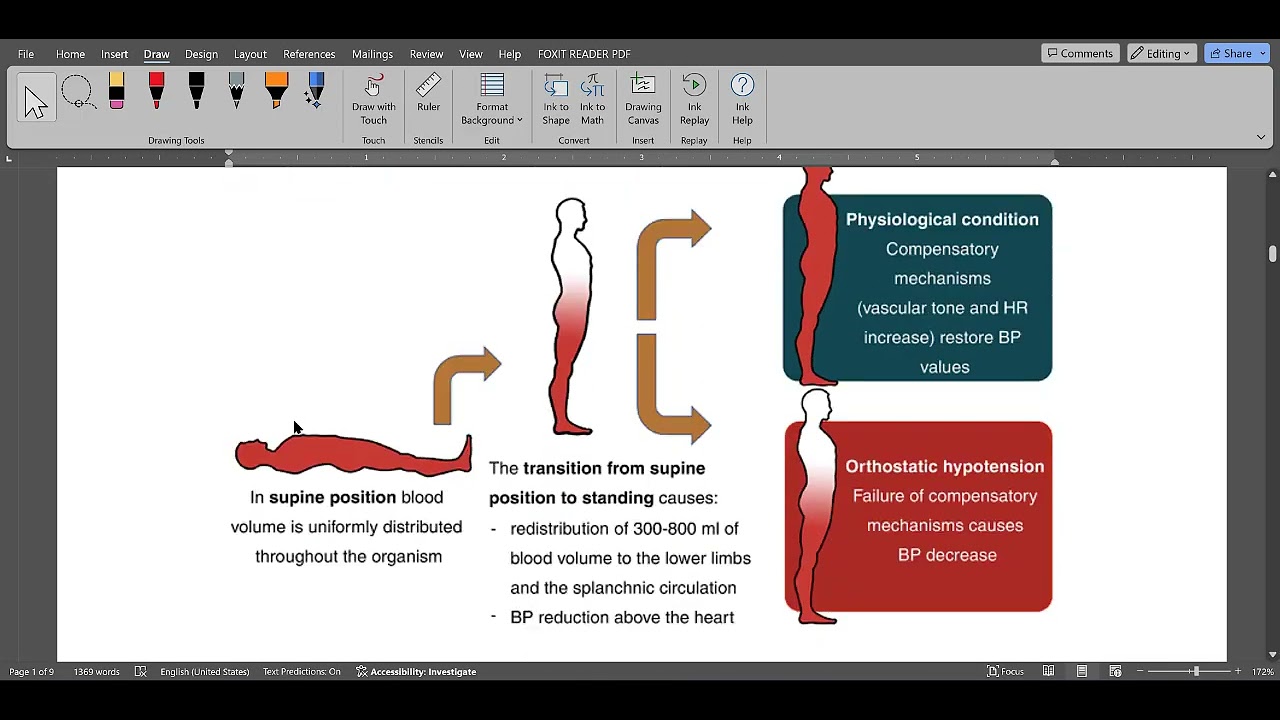
Geriatric pharmacology
1.8K
Hepatic and renal function decline significantly in elderly patients: (1) Hepatic metabolism decreases, particularly Phase I reactions (CYP3A4, CYP2D6, CYP2C9) more than Phase II; (2) Reduced hepatic blood flow due to arteriosclerosis affects drug delivery; (3) Renal function declines with reduced kidney size, nephron number, and glomerular filtration rate; (4) Reduced tubular secretion affects drug clearance. These changes require careful dose adjustments for renally and hepatically excreted medications.
Click to watch →
Geriatrics: Normal aging vs. pathological
184
Reduced glomerular filtration rate (GFR) is a normal physiological change in aging, with GFR declining progressively. For example, a 78-year-old with GFR of 48 may represent normal age-related decline. However, this does not mean the condition is benign; careful medication management is required because reduced renal function affects drug metabolism and clearance.
Click to watch →

Unique Issues in Diagnosis and Treatment of Addiction in Older Adults
932
After age 40, kidney clearance decreases by approximately 1% per year and liver clearance decreases by approximately 0.8% per year in healthy abstinent adults. These declines are accelerated by unhealthy behaviors such as drinking, fatty liver disease, and other conditions. Additionally, many drugs compete for the same liver enzymes (cytochrome P450 family), reducing the body's ability to break down and excrete medications. Cytochrome P450 enzyme activity declines about 16% after age 40 and up to 32% after age 70, further impairing drug metabolism.
Click to watch →
Deep Dive
The concept of multimorbidity, where patients present with multiple co-occurring chronic health conditions.

4tas Jornadas Académicas del Hospital Pasteur - Dia 1 - 24/11/2025
476
La multimorbilidad es una condición caracterizada por la coexistencia de múltiples enfermedades crónicas, dos o más, que generan una presentación clínica compleja que es mucho más que la suma de las enfermedades que coexisten en un individuo. Hay interacción entre esas enfermedades y entre los tratamientos que se brindan a los pacientes. El paciente multimórbido suele tener polifarmacia (muchos medicamentos interactuando al mismo tiempo), tratamientos contrapuestos, y condiciones que determinan fragilidad.
Click to watch →

Dr. Les Lee PhD thesis defence public lecture
842
The World Health Organization defines multimorbidity as the co-occurrence of two or more chronic medical conditions in one person, first published in 1976. The term 'comorbidity' has been used interchangeably, causing prevalence estimates to range from 12.9% to 95.1%. Comorbidity is a specialist concept with an 'index condition,' while multimorbidity is a primary care concept where all conditions are equally important. Three research gaps exist: definition (no consensus on number of conditions, types, data sources, or cut points), measurement (four methods exist but purpose is unclear), and outcome measurement (no consensus on important outcomes). Two conceptual frameworks guide research: patient-centered clinical methods (building positive clinician-patient interactions) and minimally disruptive medicine (achieving patient goals with minimal burden).
Click to watch →
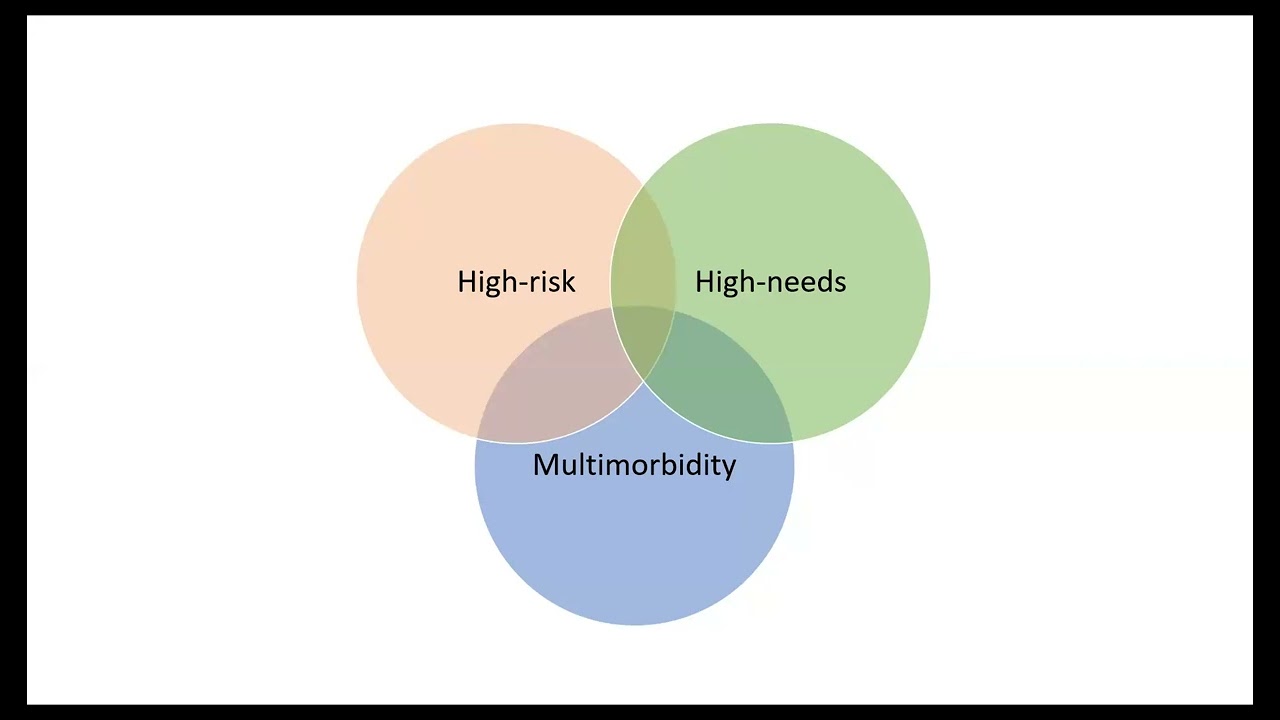
Mayuree Rao, MD "Multimorbidity/Prognostication"
140
Multimorbidity refers to the presence of multiple chronic conditions, though definitions vary significantly. Basic definitions simply count conditions (two or more as minimum, three as common threshold). More complex 'count plus' definitions incorporate body systems crossing, severity, symptom burden, and function. Indices like the Charlson, Elixhauser, and Gagne index weight conditions based on mortality risk. Prevalence data shows two-thirds of Medicare beneficiaries have two or more conditions, nearly 90% of veterans over 65 have three or more, and just under half of primary care patients over 18 have two or more conditions. Multimorbidity affects not just the elderly but also younger patients, particularly in VA settings where mental illness and chronic pain are common.
Click to watch →

Die Leiden des jungen Rainer W.
12.5K
Multimorbidity refers to patients who have multiple disease conditions simultaneously in one person. When a person has severe obesity combined with other health conditions, they are classified as multimorbide patients, meaning they face compounded health challenges from having several diseases at once.
Click to watch →

#181 The Multimorbidity Games
281
Multimorbidity refers to the presence of multiple chronic conditions in a single patient, typically more than one. The key challenge is that physicians can take two separate issues and make them seem like four, creating unnecessary complexity. The goal of managing multimorbidity is to streamline care and make things appear simpler rather than more complicated.
Click to watch →
Deep Dive
General definitions of adverse drug reactions (ADRs) and the fundamental mechanisms of drug-drug and drug-disease interactions.

L7: Adverse reaction and drug interaction; Pharmacology
130
Adverse drug reactions are harmful effects of medications, classified into predictable (Type A) and unpredictable (Type B) categories, with predictable reactions including side effects, secondary effects, overdose, supersensitivity, tolerance, addiction, etiogenic effects, cytotoxic effects, and drug interactions; drug interactions occur when two or more drugs affect each other's actions through pharmacokinetic (absorption, distribution, metabolism, excretion) or pharmacodynamic (receptor-level) mechanisms, producing outcomes ranging from additive to synergistic, potentiating, or antagonistic effects.
Click to watch →

Adverse Drug Reactions (complete) || Part 3 Unit 1 || Pharmacy Practice 7th semester
156.5K
An adverse drug reaction (ADR) is an unintended and harmful effect of a drug that occurs when taken for its intended purpose. The term 'adverse' means opposite to expectations. ADRs can result from various causes including expired medicines, overdose (taking more than prescribed), drug interactions, allergies, and stopping medication abruptly. ADRs are classified into predictable/dose-dependent (Type A) and unpredictable/idiosyncratic (Type B) categories. Type A reactions are common, dose-related, and often preventable, while Type B reactions are rare, unpredictable, and often more severe. Understanding these fundamentals is essential for safe medication use and patient safety.
Click to watch →

Les effets indésirables des médicaments _ Partie 1
2.2K
Adverse drug reactions (ADRs) are noxious and unintended responses to medications at normal therapeutic doses. The WHO definition excludes pharmacological inefficacy, while French and FDA definitions are broader, including overdose, withdrawal, and therapeutic errors. ADRs occur through four mechanisms: toxic (dose-dependent), idiosyncratic (genetic particularity), immune (allergic reactions), and pharmacological (off-target effects). Events independent of drug effect result from patient-physician interactions and are psychogenic. ADRs are classified as dose-dependent (Type A) or dose-independent (Type B). Type A reactions are predictable, dose-dependent, and preventable through proper dosing, with examples including NSAID toxicity, antidepressant anticholinergic effects, and anticoagulant bleeding. Causes include pharmacokinetic modifications, drug interactions (10-20% of events), and incorrect dosing. Type B reactions are unpredictable, occurring in limited subjects with severe consequences, including hypersensitivity and allergic reactions where anaphylaxis is most serious. Four types of hypersensitivity exist: Type I (immediate/anaphylactic), Type II (cytotoxic), Type III (immune complex), and Type IV (delayed). Prevention relies on thorough medication history questioning.
Click to watch →
GPAT 2026 Pharmacology | Drug Development and Adverse Drug Effects | GPAT 2026 प्रारंभ 2.0 | PW
4.9K
An adverse drug reaction (ADR) is defined as any untoward medical occurrence that takes place during the treatment period with the use of a pharmaceutical product. ADRs are classified into types: Type A (Augmented) are predictable, dose-dependent reactions related to the drug's pharmacological action; Type B (Bizarre) are unpredictable, non-dose-dependent reactions often idiosyncratic; Type C (Chronic) occur with long-term drug use; Type D (Delayed) appear after treatment discontinuation; Type E (End of Treatment) are withdrawal symptoms; Type F (Failure of Treatment) occur when the drug fails to achieve its therapeutic effect. ADRs can occur through mechanisms including exaggerated effects, altered effects, allergic reactions, genetic factors, and binding to unintended receptors.
Click to watch →

10- Adverse Drug Reactions(effects) and Drugs Interactions
194
Adverse drug reactions (ADRs) are unintended, harmful responses to medications at normal therapeutic doses, classified into five types: Type A (dose-dependent, predictable effects like increased drug action), Type B (idiosyncratic, unpredictable immune-mediated reactions like anaphylaxis), Type C (dose- and time-dependent chronic effects like adrenal suppression), Type D (time-dependent delayed effects like carcinogenesis), Type E (withdrawal effects upon discontinuation), and Type F (treatment failure due to drug interactions). Drug interactions occur when co-administered substances alter drug effects through pharmacokinetic mechanisms (absorption, distribution, metabolism, excretion) or pharmacodynamic mechanisms (additive, synergistic, or antagonistic effects).
Click to watch →
Prerequisite Knowledge
- Concept 01Basic pharmacokinetics and pharmacodynamics, specifically how drugs are absorbed, distributed, metabolized, and excreted in the human body.
- Concept 02The physiological changes associated with normal aging, particularly the age-related decline in renal and hepatic clearance.
- Concept 03The concept of multimorbidity, where patients present with multiple co-occurring chronic health conditions.
- Concept 04General definitions of adverse drug reactions (ADRs) and the fundamental mechanisms of drug-drug and drug-disease interactions.
Subsequent Learning
- Step 01Application of clinical screening tools for inappropriate prescribing, such as the Beers Criteria and the STOPP/START criteria.
- Step 02The systematic process of 'deprescribing', including tapering protocols and shared decision-making with patients.
- Step 03Medication reconciliation techniques and the role of interprofessional healthcare teams in managing transition-of-care risks.
- Step 04Advanced pharmacogenomics and how genetic variations in elderly populations influence drug response and personalized therapy.
Definition
ADR Risk
Harm Impact
Risk Factors
Data Gap
Body Changes
Deprescribing
Final Call
Definition
0:11Playing Section
- 1
Polypharmacy means using over five medications simultaneously.
- 2
Common among elderly, linked to multiple chronic conditions.
Appropriate Polypharmacy and the Risk of Undertreatment
While polypharmacy is frequently criticized for increasing the risk of adverse drug events, an alternative perspective emphasizes the clinical necessity of "appropriate polypharmacy" and warns against the dangers of undertreatment in older adults. Elderly patients often present with multiple complex, chronic conditions (multimorbidity). In these cases, taking multiple evidence-based medications is essential to manage symptoms, prevent disease progression, and maintain quality of life. An overzealous focus on reducing pill counts can lead to therapeutic undertreatment—where patients are denied beneficial therapies, such as cardiovascular preventatives, pain management, or osteoporosis treatments, solely due to fear of prescribing. Proponents of this view argue that instead of focusing strictly on the quantity of medications (deprescribing), clinical goals should center on optimized, patient-centered prescribing, recognizing that a high medication burden can be both clinically justified and highly beneficial when managed properly.
Deep Dive
Application of clinical screening tools for inappropriate prescribing, such as the Beers Criteria and the STOPP/START criteria.
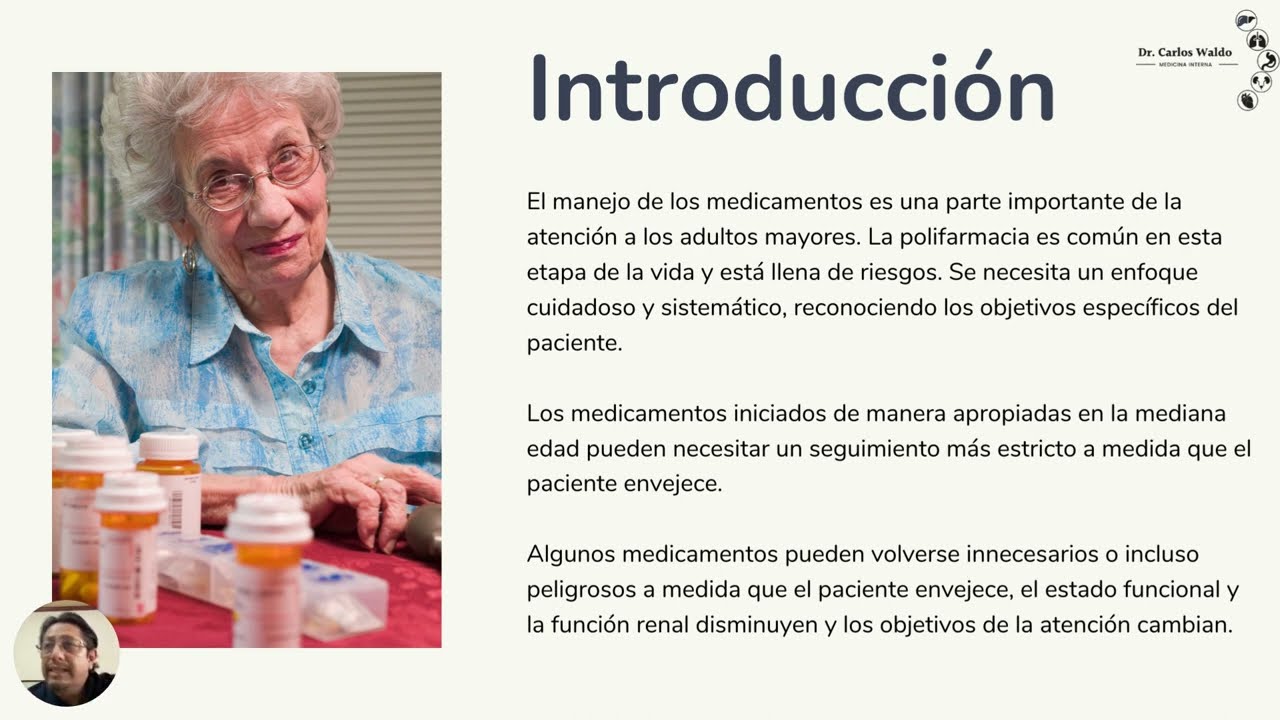
DE LA POLIFARMACIA AL USO RACIONAL DE MEDICAMENTOS EN LA TERCERA EDAD
901
Los criterios STOPP/START son herramientas para la prescripción en adultos mayores. STOPP (Screening Tool to Alert Doctors to Stop Medications) son medicamentos que se deben utilizar con mucha precaución o no utilizar. START (Screening Tool to Alert Doctors to Start Medications) son medicamentos que sí se deben utilizar y en qué momentos. Se dividen por sistemas fisiológicos (cardiovascular, respiratorio, nervioso, gastrointestinal, etc.). Por ejemplo: warfarina y ácido acetilsalicílico en fibrilación auricular crónica (START); digoxina mayores de 125 microgramos día a largo plazo en insuficiencia renal (STOP). Los criterios STOPP tienen actualización del 2023. También existen criterios de Beers (1991, actualizados en 2023 por la Sociedad Estadounidense de Geriatría) que incluyen una gran cantidad de medicamentos para revisar. Estas herramientas ayudan a identificar medicamentos que pueden causar daño en adultos mayores.
Click to watch →
AGS Beers Criteria for Potentially Inappropriate Medication Use: Todd Semla and Mike Steinman
2.1K
The drug selection process involves extensive literature review casting broad nets resulting in tens of thousands of articles requiring screening. Panel members nominate drugs warranting reconsideration, and the process balances comprehensive coverage with practical usability. The Beers Criteria and STOPP criteria have substantial overlap but differ in operationalizability—STOPP includes more implicit guidance while Beers has added clinical nuance. Both are complementary resources. A key limitation is the lack of explicit alternative recommendations, with the 2015 alternatives list facing challenges due to limited supporting evidence. Limited high-quality evidence demonstrates outcome improvements from using the Beers Criteria. Observational studies face confounding, and electronic alerts often get overridden. Nursing home de-prescribing studies show mortality and falls reduction benefits. Gabapentinoids are warned against co-prescribing with opioids due to respiratory depression risks, reflecting rising trends in dementia behavioral symptom management.
Click to watch →

Beers criteria and STOPP/START criteria
1.8K
The Beers Criteria and STOPP/START criteria are evidence-based tools developed to identify potentially inappropriate medications (PIMs) in older adults, helping healthcare providers avoid medications that may cause harm due to age-related physiological changes such as reduced liver and kidney function, increased medication sensitivity, and slower drug metabolism; these tools classify medications into categories requiring avoidance, caution, or withdrawal based on quality of evidence and strength of recommendation, thereby improving medication safety and quality of life in elderly patients.
Click to watch →

【薬のやめ方】薬をやめたい方のための、安心な薬のやめ方!
189.9K
The STOPP/CRT (Screening Tool to Alert Physicians to Prescribing Problems/Recommendations) and START (Screening Tool to Alert Physicians to Recommended Therapies) are evidence-based criteria used to evaluate medication appropriateness. STOPP criteria identify medications that should be stopped or reviewed, including: medications causing foot swelling, urinary difficulties, constipation, long-term use of certain antidepressants, long-term sleep aids, anti-diarrheal medications for unknown causes, pain medications for those with poor kidney function, and sleep aids for those who fall frequently. START criteria identify medications that should be started or continued. These criteria are primarily used by primary care physicians and family doctors to safely reduce medications in elderly patients.
Click to watch →

Concurso Rede Sarah Farmacêutico: Jornada de Questões - Farmácia Hospitalar com Alexandre Martins
3.6K
Critérios de Beers e STOPP/START são listas de medicamentos potencialmente inapropriados para idosos (acima de 65 anos). São ferramentas de avaliação de prescrição médica para evitar medicamentos que podem causar danos em idosos. O critério de Beers lista medicamentos que devem ser evitados, enquanto STOPP/START identifica medicamentos que devem ser iniciados ou suspensos em idosos.
Click to watch →
Deep Dive
The systematic process of 'deprescribing', including tapering protocols and shared decision-making with patients.
Whiteboard video on using the Acetylcholinesterase/memantine deprescribing algorithm
2.3K
Deprescribing cholinesterase inhibitors and memantine for dementia patients involves a systematic algorithm that guides clinicians through evaluating medication benefit, engaging patients and caregivers in shared decision-making, and implementing safe tapering protocols while monitoring for adverse effects; the process aims to reduce medication burden and harm while maintaining or improving quality of life.
Click to watch →

The steps involved in deprescribing – shared decision-making with patients
3.4K
Deprescribing is the planned and supervised process of reducing or stopping medications that may no longer be beneficial or may be causing harm, and shared decision-making is essential because it addresses the gap between clinical evidence suggesting medication reduction benefits and patient behavior patterns that often resist such changes; effective deprescribing requires clinicians to create awareness of options, discuss benefits and harms transparently, explore patient preferences, and implement decisions through staged approaches like 'pause and monitor,' while recognizing that cognitive biases, communication barriers, and patient fears must be addressed to achieve successful medication reduction.
Click to watch →

Lunchreferaat Less medicine more conversation Jesse Jansen
302
Deprescribing is the systematic process of identifying and discontinuing drugs where harms outweigh benefits within the context of patient goals, functioning, life expectancy, and preferences. It includes dose reduction and switching, not just stopping. It should be seen as part of the prescribing continuum requiring shared decision-making. However, deprescribing is more challenging than prescribing because stopping is counterintuitive and complex. There is little guidance on how to communicate about this with patients, and the speaker's team developed a framework for shared decision-making about deprescribing.
Click to watch →
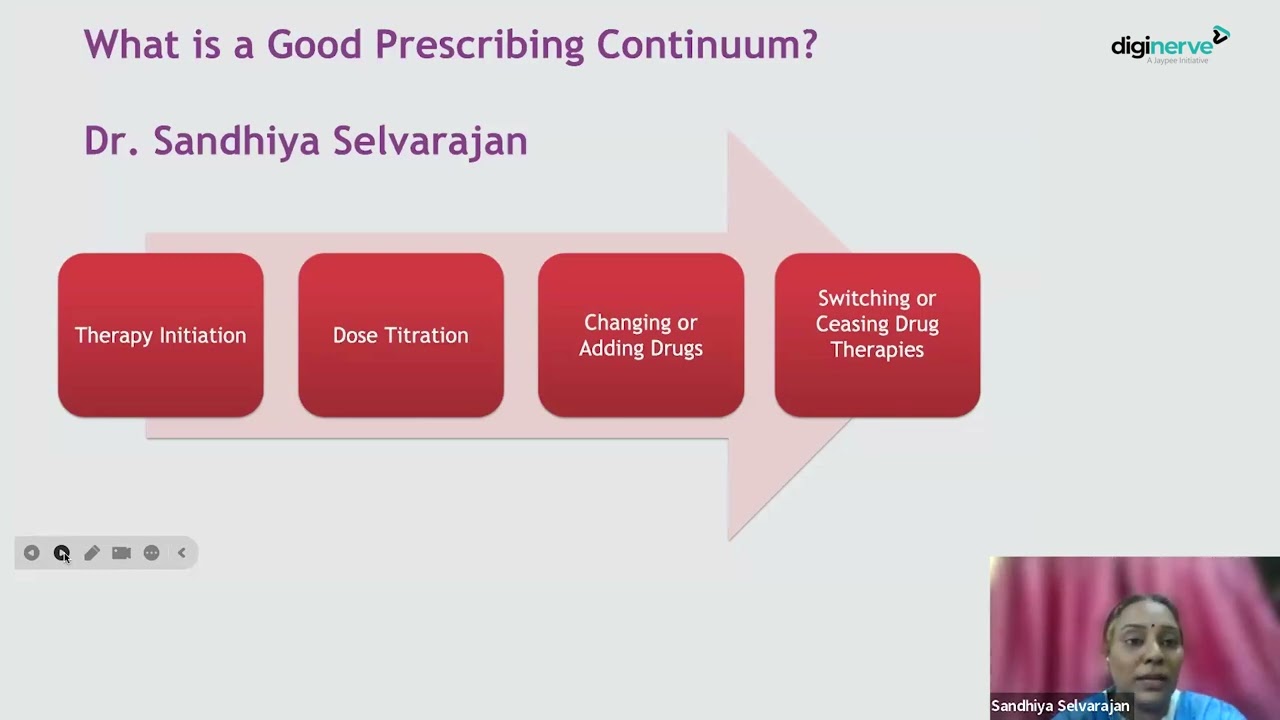
Clinical Pharmacology Insights into Patient Care Chat Show for APICON 2025
302
Deprescribing is a systematic process to identify and discontinue medications where harm outweighs benefit. Steps include: 1) Comprehensive medication assessment (actual drugs taken, not just prescriptions), 2) Identifying drugs without valid indication or causing harm, 3) Prioritizing for discontinuation based on least benefit/greatest harm, 4) Stepwise implementation (one drug at a time), 5) Monitoring for withdrawal symptoms or disease recurrence, 6) Ongoing follow-up. This requires patient discussion, consent, and continuous communication. Success depends on identifying which drugs are truly necessary versus redundant, and implementing changes gradually to prevent adverse effects.
Click to watch →
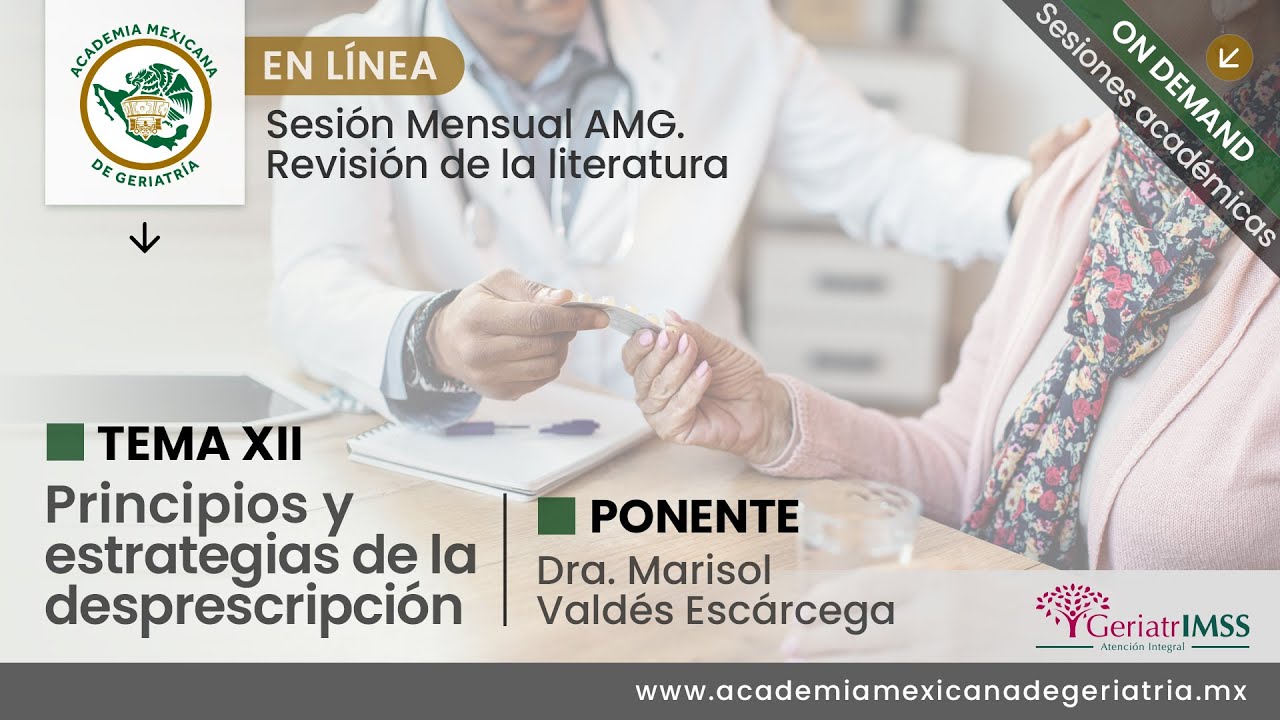
“Principios y estrategias de la desprescripción”
427
A systematic deprescribing algorithm involves: checking evidence-based consensus for medication use, evaluating indication validity for patient's age and disability, assessing if benefits outweigh adverse reactions, considering alternative medications, and evaluating dose reduction feasibility. Successful deprescribing requires thorough patient preparation: explaining medication-by-medication what will happen if each is stopped (e.g., risk of depression, falls, tremors). Patients should not be given prescriptions with only two medications when they have fifteen. Medications should be prioritized based on which cause the most harm, with negotiation allowing continuation of some medications (e.g., vitamins) that may be important to patients.
Click to watch →
Deep Dive
Medication reconciliation techniques and the role of interprofessional healthcare teams in managing transition-of-care risks.

Posiedzenie Parlamentarnego Zespołu ds. Adherencji
453
Medication reconciliation is essential for safe pharmacotherapy: (1) Current regulations require healthcare facilities to maintain electronic patient records, but only about 15% of facilities fully comply, (2) The current system only captures events registered in the system, not actual medication use, (3) Medication reconciliation should be implemented at three key points: pharmacy, hospital pharmacy, and clinical pharmacy, (4) Pharmacists should be integrated into coordinated care teams to conduct medication reviews and new medication introductions, (5) This interprofessional collaboration provides a complete picture of patient pharmacotherapy, including over-the-counter medications and supplements that patients may use.
Click to watch →

Novel Approaches to Care Coordination: The Key to Profitable Risk Models
202
Effective medication reconciliation leverages technology to quickly identify highest-risk patients for prioritization through methods including inpatient teams gathering intelligence from medical records, outbound calls, video visits, and having someone in the home bring all pill bottles for reconciliation. At each transition of care, pharmacist involvement is critical. In commercial ACO populations, 8.5% of patients drive 80% of costs, much of it behavioral health driven. Having a psychiatrist in weekly care team huddles for highest-risk patients helps care teams choose the right words and interventions, knowing when to keep trying and when to stop trying.
Click to watch →

Transitions of Care - Pre Discharge
118
Successful transitions of care require collaboration, communication, and anticipation of patient needs. Medication reconciliation and medication education are fundamental nuts and bolts activities that should be performed consistently as part of patient and family-centered care. The field must continue to identify high-risk patients and develop sustainable, scalable interventions. Challenges include medication-related issues, psychosocial and family complexities, unplanned and urgent transitions, and communication barriers. Partnerships with social work and other disciplines are essential for resolving these complexities.
Click to watch →

Saving Lives: Learning from Errors in Medication Reconciliation
210
Medication reconciliation is a systematic 3-step process performed at three critical moments—admission, transfer, and discharge—to prevent medication errors by comparing the patient's complete medication history (obtained through structured interviews, document review, and visual examination of medications like the Brown Bag Method) with new orders, identifying duplications, omissions, or discrepancies, and communicating changes clearly across care transitions; this process requires teamwork among nurses, clinical pharmacists, and physicians, and studies show 50% of hospital medication errors occur at care transition points.
Click to watch →

Meaningful Use Stage 2 Core & Menu Set Measures
377
Medication reconciliation requires performing reconciliation for more than 50% of transitions into your care (patients transferring in from another setting or being referred). Indicate transition/refer in via the create new encounter window checkbox or through the refer/transfer tab. To perform reconciliation, indicate medications the patient already has (pre-existing meds) or indicate no RX is taken. This updates the medication list with new medications for patients transitioning into your practice.
Click to watch →
Deep Dive
Advanced pharmacogenomics and how genetic variations in elderly populations influence drug response and personalized therapy.

Guiding Golden Years: Providers use the GeneSight test to Improve Treatment Outcomes in Patients 65+
158
Aging significantly impacts drug metabolism through interconnected physiological and genetic changes. Renal and hepatic function decline over time, along with reduced blood flow to organs. Additionally, genetic variations in cytochrome P450 enzymes decrease in expression and function. This multi-factorial effect means elderly patients process medications differently than younger individuals. For example, elderly poor metabolizers of venlafaxine show serum concentrations 18.8 times higher than younger poor metabolizers. CYP3A4 and CYP2D6 enzymes metabolize approximately 75% and 61% of medications respectively, making genetic testing valuable for predicting individual responses. Pharmacogenomic testing categorizes medications by risk level (green, yellow, red) to guide safer, more effective medication selection for geriatric patients.
Click to watch →

🌷pharmaco🌷les effet indésirable du médicament partie 01( اجي تفهم مع كل امور مهمة في Qcm )
273
This section covers genetic and individual factors affecting drug response: (1) Genetic polymorphism refers to variations in genes affecting drug metabolism; (2) Different individuals have different versions of metabolic enzymes, leading to variations in drug processing speed; (3) Slow acetylators may accumulate drugs to toxic levels, potentially causing adverse effects; (4) Age-related differences exist, with children having immature metabolic systems and elderly patients experiencing declining organ function; (5) Gender can influence drug metabolism and response; (6) Organ function (liver, kidneys) significantly affects drug metabolism and excretion; (7) Dose adjustments are necessary for patients with organ dysfunction to prevent toxicity.
Click to watch →

Pharmacogenomics and PharmGKB (May 2012)
6.8K
Pharmacogenomics studies how genetic variations in genes coding for drug-metabolizing enzymes (such as CYP2D6 and CYP2C19) and drug targets influence individual responses to medications, affecting both drug efficacy and adverse drug reactions; this field enables personalized medicine by allowing clinicians to select the right drug at the right dose based on a patient's genetic profile, as demonstrated by examples like codeine metabolism requiring CYP2D6 activation and clopidogrel metabolism dependent on CYP2C19 activity.
Click to watch →

Jendela Terapi, Efek Samping, dan Interaksi Obat
117
Pediatric patients are vulnerable due to immature organ systems and slow drug metabolism. Geriatric patients are vulnerable due to decreased liver/kidney function and altered drug distribution. Pharmacogenomics reveals that genetic variations in drug-metabolizing enzymes affect individual responses—slow metabolizers may experience increased adverse effects. HLA allele screening can identify individuals at risk for severe reactions, enabling personalized medicine approaches.
Click to watch →

Papel da Farmacologia e introdução de conceitos básicos e aplicados na prática clínica – 15/10/2024
238
Drug targets include enzymes, membrane receptors, cytoplasmic/nuclear receptors, ion channels, and transporters, but must match disease pathology. Multiple factors modify drug pharmacokinetics: body composition, drug interactions, food and beverage interactions, organ function, age, and smoking status. Genetic polymorphisms in drug-metabolizing enzymes create significant variability—individuals can be rapid or slow metabolizers, affecting drug efficacy and safety. Age significantly affects drug response—elderly patients have reduced drug clearance, increased sensitivity to CNS drugs, and narrower therapeutic margins. Specific genetic variants can alter drug response independent of pharmacokinetics, such as mutations in the beta-1 adrenergic receptor reducing hypotensive response to beta-blockers. Drug quality and batch-to-batch variability can significantly affect pharmacokinetics, with different lots producing substantially different plasma concentration profiles.
Click to watch →
Definition
ADR Risk
Harm Impact
Risk Factors
Data Gap
Body Changes
Deprescribing
Final Call
Definition
0:11- 1
Polypharmacy means using over five medications simultaneously.
- 2
Common among elderly, linked to multiple chronic conditions.
Appropriate Polypharmacy and the Risk of Undertreatment
While polypharmacy is frequently criticized for increasing the risk of adverse drug events, an alternative perspective emphasizes the clinical necessity of "appropriate polypharmacy" and warns against the dangers of undertreatment in older adults. Elderly patients often present with multiple complex, chronic conditions (multimorbidity). In these cases, taking multiple evidence-based medications is essential to manage symptoms, prevent disease progression, and maintain quality of life. An overzealous focus on reducing pill counts can lead to therapeutic undertreatment—where patients are denied beneficial therapies, such as cardiovascular preventatives, pain management, or osteoporosis treatments, solely due to fear of prescribing. Proponents of this view argue that instead of focusing strictly on the quantity of medications (deprescribing), clinical goals should center on optimized, patient-centered prescribing, recognizing that a high medication burden can be both clinically justified and highly beneficial when managed properly.
Basic pharmacokinetics and pharmacodynamics, specifically how drugs are absorbed, distributed, metabolized, and excreted in the human body.
The physiological changes associated with normal aging, particularly the age-related decline in renal and hepatic clearance.
The concept of multimorbidity, where patients present with multiple co-occurring chronic health conditions.
General definitions of adverse drug reactions (ADRs) and the fundamental mechanisms of drug-drug and drug-disease interactions.
Application of clinical screening tools for inappropriate prescribing, such as the Beers Criteria and the STOPP/START criteria.
The systematic process of 'deprescribing', including tapering protocols and shared decision-making with patients.
Medication reconciliation techniques and the role of interprofessional healthcare teams in managing transition-of-care risks.
Advanced pharmacogenomics and how genetic variations in elderly populations influence drug response and personalized therapy.
45.2K views307likes3:19@medsklOriginal Release: 2016-11-07
Polypharmacy is defined as the prescription, administration or the use of more than 5 medications at the same time.
Approximately 1/3 of elderly patients take more than 5 drugs, which correlates with the fact that more than 80% of elderly patients have more than 3 chronic conditions.
Furthermore, a conservative estimate is that at east 25-50% of older patients have drug side effects.
25% of these Adverse Drug Reactions (ADRs) are preventable.
The concern with polypharmacy stems from the increased risk of developing ADRs which cause unnecessary hospital admissions, increasing healthcare cost and most importantly, reducing the patients’ quality of life.
The risk factors for polypharmacy in the elderly are numerous, and include poor communication from doctors, cognition issues, deafness and poor eye sight, use of numerous over the counter medications and presence of multiple prescribers.
Further, because there is a paucity of pharmacokinetic and pharmacodynamic data from drug trials in the elderly, it is often difficult to foresee drug-drug interactions and subsequent ADRs.
Physiologic changes in old age also play a key role.
In particular, the reduction of body water content along with concurrent increase in fat content alters the distribution and accumulation of drugs in the system.
Further, alterations in the gastrointestinal absorption, hepatic metabolism, and renal excretion all serve to alter the way drugs behave in the body as well as how the body responds to their effects.
The way forward is to use every opportunity to review the patient’s medication profile, maintain heightened vigilance for new symptoms possibly cause by medication, and reduce unnecessary drugs known as ‘deprescribing’.
What is appropriate at one time, can become inappropriate at a later time, as in the instance of warfarin and its association with falls.
Deprescribing is a happiness pill for the doctor and the patient.
Swallow it with pride!
Up Next

20:48
SPICES Geriatric Assessment Tool: Nursing Best Practice Guide
@HIGN_NYU
149.9K views•2013-09-20

48:47
Graphic Medicine: Comics for Collaborative Healthcare Communication
@nationalpatientadvocate
189 views•2023-12-04

10:28
Neuroanatomy: Central and Peripheral Nervous System Divisions Explained
@AKLECTURES
136.2K views•2014-09-20
3:05
Stages of Labor and Vaginal Birth | Childbirth Animation
@nucleusmedicalmedia
52.1M views•2017-08-18
Related Study Plans & Knowledge Roadmaps
Structured learning paths in Medicine
medicine
Abnormal LFTs: Diagnostic Workup & Pathology
01Liver Anatomy and Basic Physiology
02Introduction to Liver Function Tests (LFTs)
03Hepatocellular vs. Cholestatic Patterns
+ 3 more learning modules
12h6 modules
Explore Roadmap
medicine
Analyzing Blood Smears: RBC, WBC & Platelets
01Introduction to Blood Components & Smear Preparation
02Normal Morphology of Blood Cells
03Erythrocyte Pathologies & Morphological Variants
+ 2 more learning modules
12h5 modules
Explore Roadmap
medicine
Mechanical Ventilation: Waveforms & Alarms
01Anatomy and Physiology of Breathing
02Introduction to Mechanical Ventilation & Core Modes
03Ventilator Settings and Waveform Interpretation
+ 2 more learning modules
12h5 modules
Explore Roadmap
medicine
Neuro Exam: Localization & Stroke Syndromes
01Foundations of Neuroanatomy and Vascular Supply
02The Neurological Examination: Step-by-Step
03Principles of Neurological Localization
+ 3 more learning modules
18h6 modules
Explore Roadmap