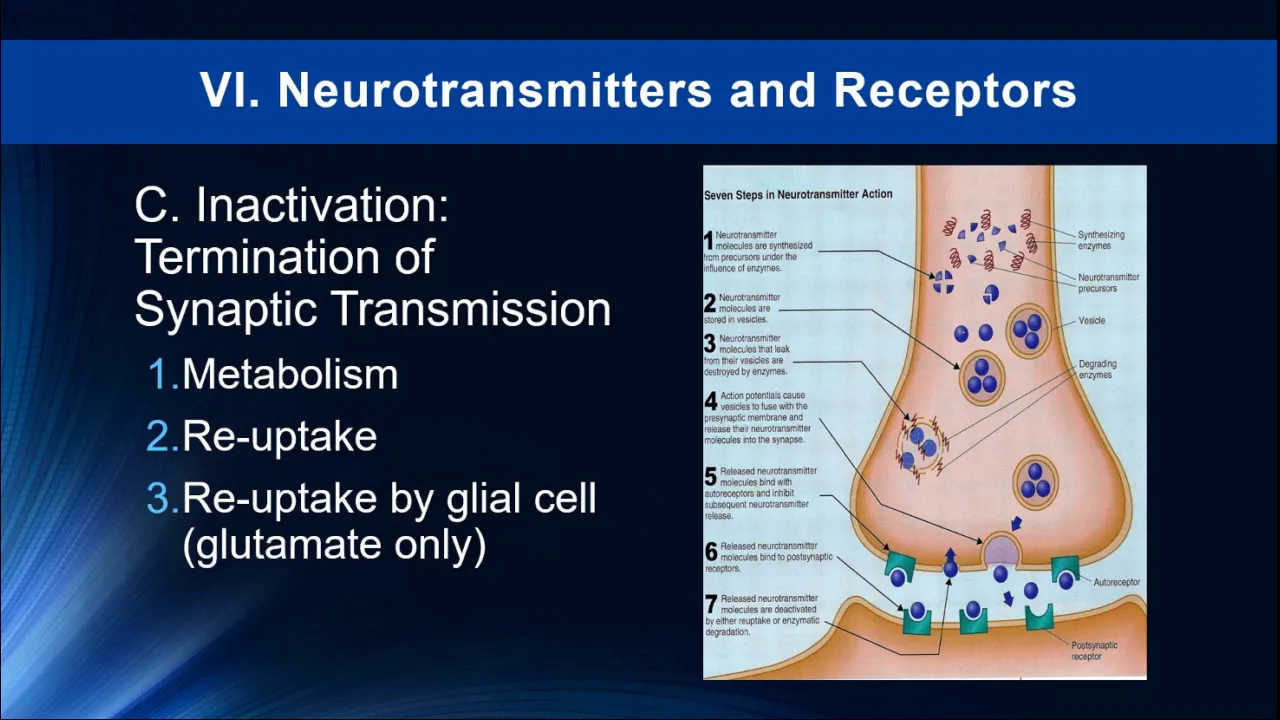









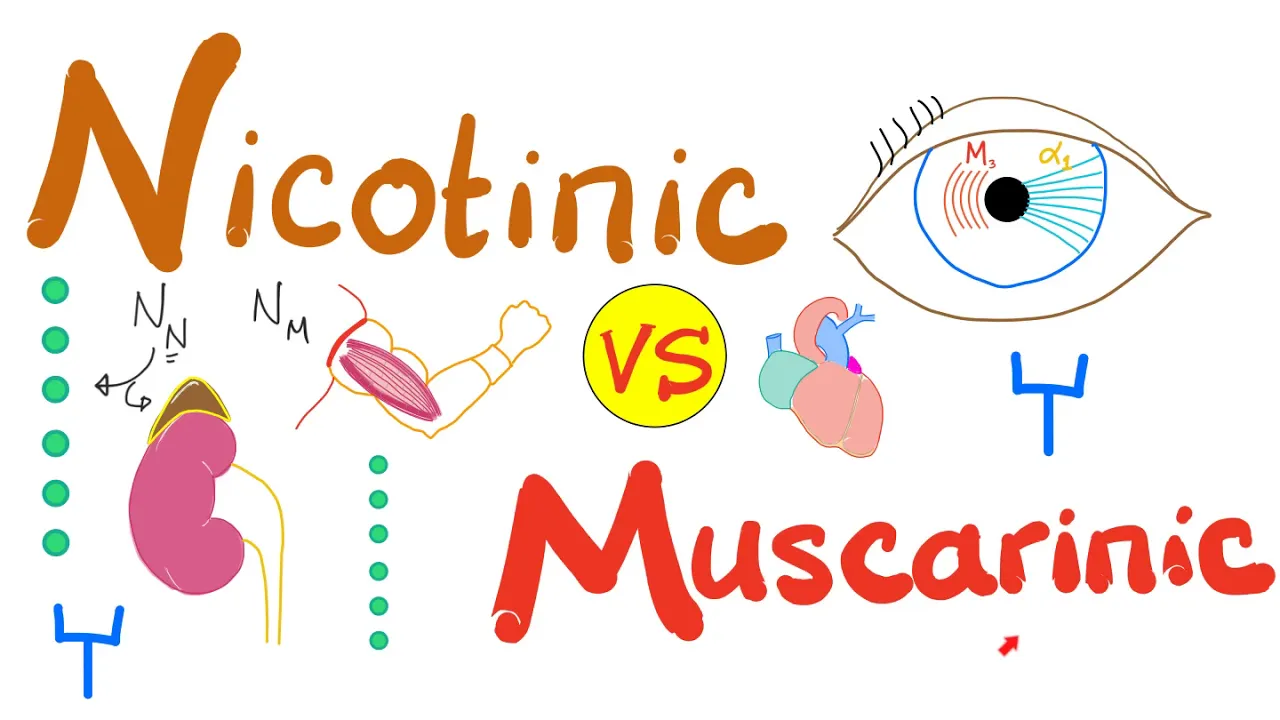
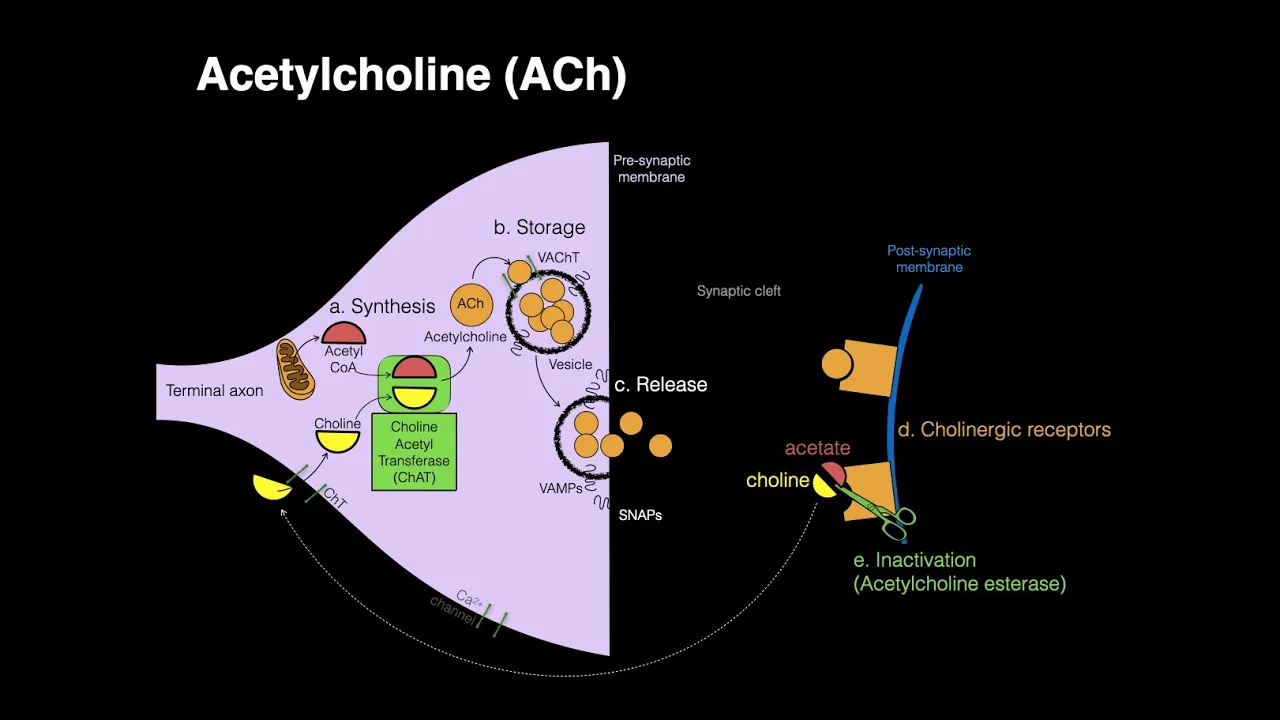


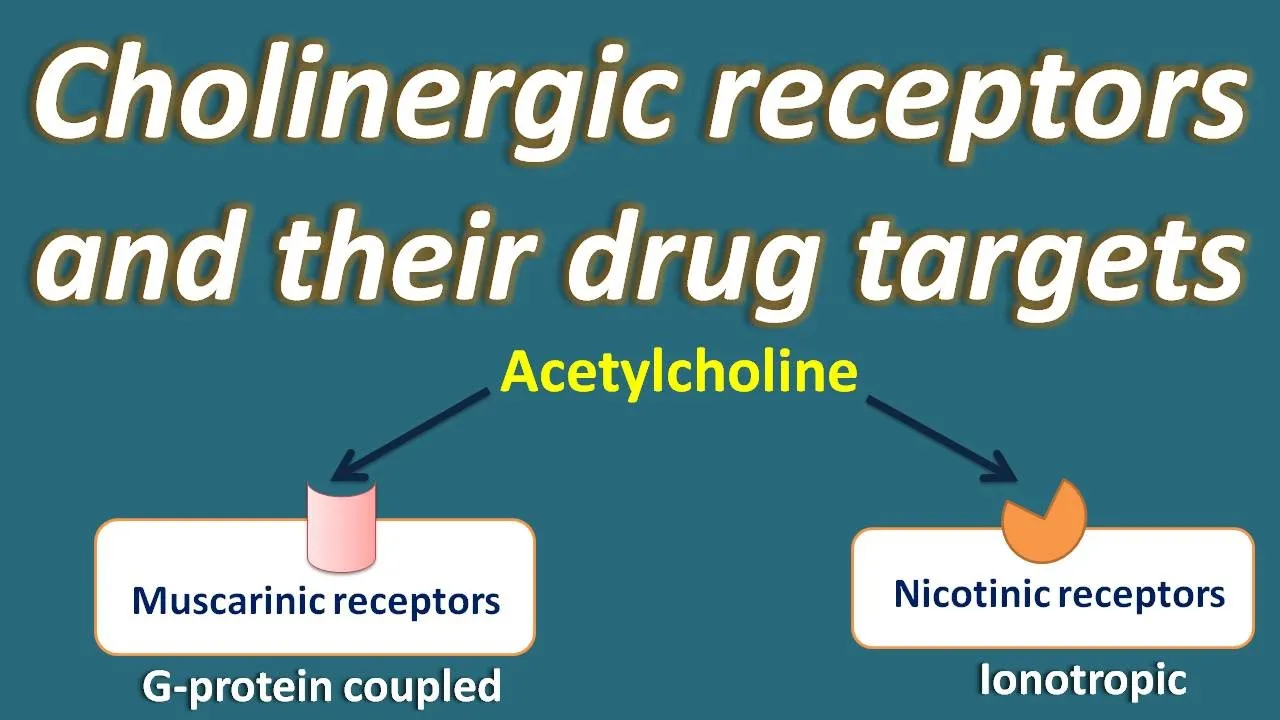




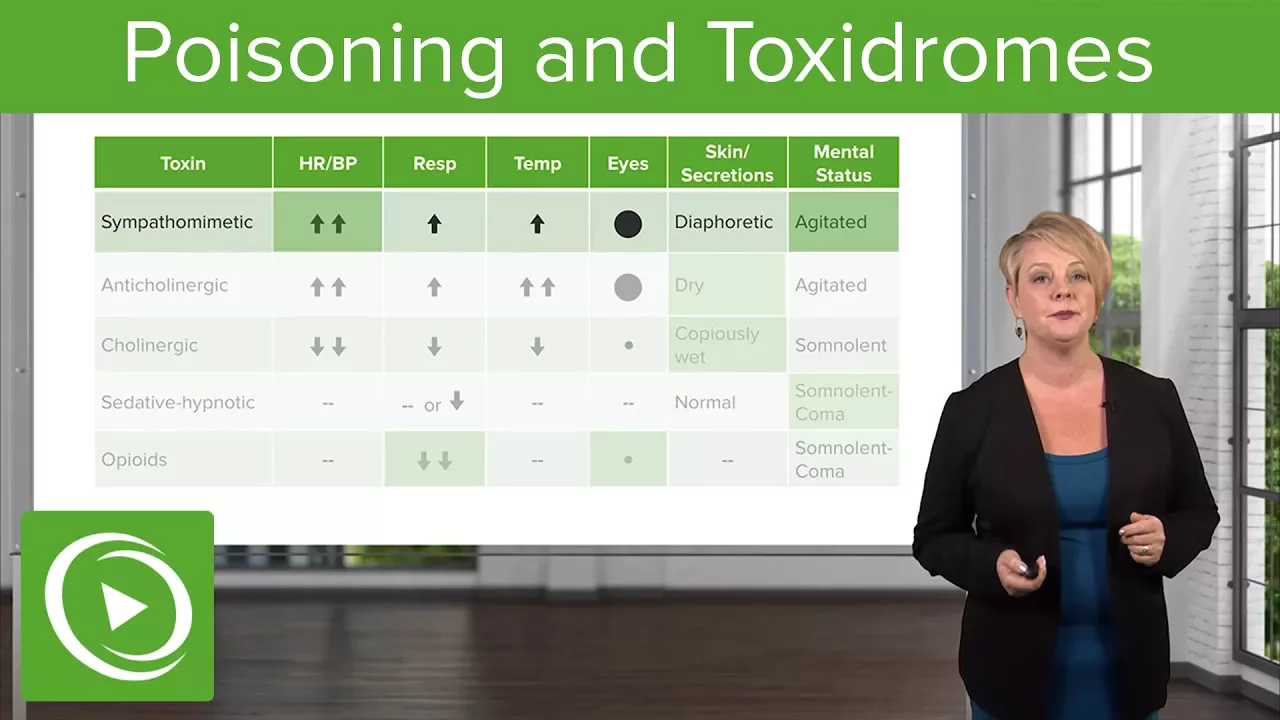


















Deliriant drugs, such as Benadryl (diphenhydramine), Datura, Scopolamine, Atropine, Nutmeg, and Dramamine, work by blocking acetylcholine receptors in the brain, which disrupts the brain's ability to distinguish between internal thoughts and external reality. Unlike psychedelics that distort reality while preserving insight, deliriant drugs replace reality entirely, causing users to perceive mundane hallucinations (like insects on skin or non-existent people) as completely real. This loss of insight makes delirium uniquely dangerous, as users cannot recognize their altered state and may continue taking the drug or acting on false perceptions. The physical symptoms include dry mouth, overheating, blurred vision, and urinary retention, while the mental effects range from confusion to full-blown psychosis. The danger is compounded by the accessibility of these drugs, which can be obtained from grocery stores or pharmacies without warning labels, and by the unpredictable nature of plant-based deliriants like Datura, where one dose may cause mild sedation while another could be fatal.
Deliriants: The Pharmacology of Anticholinergic Delirium
Added:I think we all already know what benadryil is. The most popular easy to access delirant you can get. And its popularity comes from how scary it is.
It's really good for if you have allergies or if you can't sleep. But at high doses, dyenhydramine stops behaving like a normal medicine and starts behaving like a full anticolinergic delirant. And that shift is where the horror comes from. The core thing to understand about benadryil is that it doesn't distort reality the way psychedelics do. It replaces it. People don't see patterns, colors, or symbolic visuals. They see fully formed ordinary things that aren't there. Insects crawling on their skin, people sitting in the room, text messages on phones that don't exist, cigarettes they can feel between their fingers. The hallucinations aren't announced as hallucinations. They feel mundane, boring, and completely real, which makes them uniquely dangerous. Users often try to interact with them without even realizing anything is wrong. This is where a lot of people get it wrong and assume Benendril is some kind of dark psychedelic. It isn't. Psychedelics tend to preserve insight. Even when things get intense, users usually know they're altered. Dienhydramine removes that insight. The brain's ability to distinguish internal thoughts from external reality just collapses.
Conversations happen with people who aren't there. Actions are taken based on false perceptions. Later, many users only realize something was wrong because time is missing or because they wake up injured. Physically, the experience is just as disturbing. Highdose styenhydramine causes extreme dry mouth, overheating, blurred vision, urinary retention, and a pounding heart. People describe feeling trapped in a body that's malfunctioning while their mind is drifting in and out of a fragmented reality. The combination of mental confusion and physical distress creates panic, but the drug also dulls the brain's ability to respond appropriately to that panic. You're scared, but you're also too impaired to fix anything. What makes Benadryil especially frightening is how accessible it is. There's no ritual, no dealer, no warning label that screams hallucinogen. It's a pink box at a grocery store. That accessibility helped fuel a cultural wave online where people framed it as a challenge or meme drug, especially on short form platforms. Many of the worst outcomes came from people who genuinely didn't understand that they weren't just risking a bad trip. They were inducing a temporary state that closely resembles medical delirium or acute psychosis. And the aftermath matters, too. Even when people survive the experience, it often doesn't end cleanly. Residual confusion, anxiety, sleep disruption, and lingering paranoia are commonly reported. Some users describe feeling off for weeks, like their brains learn how to break reality, and it hasn't fully forgotten how. One of the most disturbing aspects of Dyen Hydramine is how quietly it escalates. People don't usually jump straight into extreme doses. They start with sleep and then stronger sedation and then curiosity. And because the early effects are subtle, users often assume they're still in control, even as their judgment is already degrading. By the time the trip fully tips into delirium, the person taking it is often no longer capable of recognizing danger or stopping themselves. This is where a lot of emergency room cases come from.
Not because someone wanted to hurt themselves, but because they kept redossing while already impaired.
Dyenhydramine actively disrupts memory formation at high doses so people forget they've already taken it and take more.
The drug essentially creates the conditions for its own overdose. Users may wake up in a hospital with restraints on no memory of how they got there and injuries they can't explain.
To be fair, that is a very rare case of people going to the hospital just on, you know, a few benadrils, which that wouldn't happen. But one of the dangers about Benadryil is that if you take enough, your judgment kind of decreases and then you can keep taking more and then you can take a dangerous amount by accident. Another horror is how functional people can appear while completely detached from reality. Unlike many drugs that visibly incapacitate users, highdose hydramine can leave someone walking, talking, and acting with apparent purpose just based on hallucinational information. People have wandered outside in the middle of the night, attempted to drive, tried to fix imaginary problems, or interacted with real people as if they were a part of the hallucination. From the outside, it looks like extreme confusion or psychosis. From the inside, it feels normal. There's also a specific cruelty to the hallucinations themselves.
They're rarely fantastical or interesting. They're usually mundane and stressful. bugs, strangers, voices calling your name, objects that don't behave correctly. Many users describe trying to brush insects off their skin for hours, or repeatedly searching for items that don't exist. The fear comes from the benality of it. Nothing signals that this is a drug experience. So, it's not obvious that it's not real. It just feels like reality breaking down in a very boring, very exhausting way. And unlike psychedelics where people often report emotional insight or meaning afterward, beneal experiences tend to leave people with embarrassment, confusion, and shame. There's nothing to integrate, just gaps in memory and a vague sense that something went very wrong. That emotional aftermath is part of why many users don't talk about it openly, which ironically allows misinformation to keep spreading. Benrol matters in this video because it's the common entry point into Delirians. It's the proof that you don't need rare plants or exotic chemistry to experience this class of horror. You just need a drug that shuts off the brain's ability to tell the difference between what's real and what isn't and a setting where nobody realizes how bad things have gotten until it's already over. So earlier I described benadryil as an anticolineric delirant without fully unpacking what that means. So here's the actual mechanism and why it turns scary instead of just sedating. Okay, here comes Pi trying to pronounce scientific words again. So, I'm preparing for more hate comments. I'm going to try my best though. Okay, dyenhydrine blocks muscerinic acetylcholine receptors in the brain. Acetylcholine is one of the brain's core like reality maintenance chemicals. It's heavily involved in attention, memory formation, sensory filtering, and the ability to tell internal thoughts apart from external stimuli. When you interfere with that system strongly enough, the brain doesn't just get confused, it loses the scaffolding it uses to construct reality in the first place. At normal doses, benadryil mostly blocks histamine H1 receptors. And what this does is it causes drowsiness. And that's why it works as a sleep aid. But as the dose increases, the drug stops being selective. It begins to significantly block acetylcholine signaling throughout the entire central nervous system. This is the point where sedation turns into delirium. Delirium is not the same thing as hallucinationheavy intoxication. It's a state where the brain can no longer reliably distinguish between perception, imagination, memory, and expectation.
The reason benadryil hallucinations feel so real and why users lack insight is because the same neurotransmitter system that normally flags something as unreal is offline. The brain isn't seeing things. It's mislabeling internally generated content as external reality.
This also explains the memory loss.
Acetylcholine is critical for encoding new memories, especially short-term to long-term transfer. And when that process is disrupted, people can carry on in conversations, walk around, and perform actions without forming durable memories of it. That's why people often don't remember redossing, wandering, or being restrained in hospitals. The physical symptoms tie into the same mechanism. Acetylcholine also controls a lot of involuntary body functions.
Blocking it leads to the classic anticolineric toxiddrome. Dry mouth, blurred vision, overheating due to impaired sweating, urinary retention, and a racing heart. These aren't side effects layered on top of the mental effects. It's all just symptoms of the same system failing. What makes typhen hydroine especially dangerous is that it crosses the bloodb brain barrier very effectively. Some anticolinergic drugs mainly affect the body. Benadryil strongly affects the brain. That's why it can induce a mental state that closely resembles acute medical delirium. The same condition seen in severe infections, poisoning, or latestage illness. So when people describe benadryil as causing psychosis, it's not metaphorical.
Pharmacologically, it's pushing the brain into a temporary failure mode where reality monitoring breaks down.
Okay. Next, I'm going to move on to another drug, Dura. If Benadural shows how delirants can quietly erase reality, Dura shows what happens when that same mechanism becomes completely uncontrollable. So, Dura, Jyson, and Bugs mania are plants containing tropane alkyoids, primarily scopalamine, atropene, and hoskamine. These compounds attack the same acetylcholine system we already talked about with benadryil, but far more aggressively and far less predictably. The horror here isn't just the effects themselves. It's that there's no reliable way to know what dose you're taking. So, let me explain.
Unlike pharmaceuticals, these plants don't have consistent concentrations.
One leaf can be weak, the next can be lethal. Seeds, flowers, roots, and leaves all contain different amounts.
And those amounts change depending on soil, season, age of the plant, and even the time of day it was harvested. Two people can ingest what looks like the same amount and have completely different outcomes. Mild delirium versus days long psychosis or death. This unpredictability is why Dura has such a long historical footprint. It shows up in medieval poisonings, early anesthesia experiments, folk medicines, and witch ointments. It was never a recreational drug in the modern sense. Historically, it was feared, respected, and often used only in ritual contexts because people understood that once it started, there was no steering it. And that's the key difference from Benadril. Dura hallucinations don't fade in and out.
They lock in. Like me, I'm locked in.
67. With D [ __ ] [ __ ] With dyenhydramine, users sometime drift between clarity and confusion. With Dura, the brain often fully commits to the delusion. People don't just see things, they live inside a false reality for hours or days. Conversations happen with people who don't exist. Entire narratives unfold. Users may believe they're at home when they're not, believe they're speaking to friends who aren't there, or carry out complex actions based entirely on hallucinated logic. What makes this especially terrifying is that external correction often doesn't work. Telling someone they're hallucinating doesn't snap them out of it. The acetylcholine disruption is so deep that the brain cannot update its model of reality. From the inside, everything still makes sense.
Physically, Dtora pushes the anticolinergic effects to an extreme.
Severe overheating, complete inability to urinate, dangerously elevated heart rate, and loss of coordination are common. People have collapsed from hyperothermia without even realizing they were overheating. And hyperothermia is the opposite of hypothermia, by the way. Others have wandered for miles barefoot, disoriented and injured with no memory afterward. Emergency medicine treats dtoria poisoning as a medical crisis, not a bad trip. Hospitalization is common, restraints are common, and recovery can take days. In some cases, the delirium persists even after the drug should be gone, suggesting that the brain doesn't always bounce back cleanly. There's also no lesson people come back with. Unlike psychedelics, Dtora experiences are almost universally described as confusing, exhausting, and horrifying. Survivors often say it felt like being trapped in a nightmare they didn't even know was a nightmare. They thought it was real. Now, I want to move on to another drug, scopoleamine, aka devil's breath. By the time we get to scopoleamine, the mechanism behind delirant should feel familiar. It's one of the same tropane alkyoids found in Dura. But unlike the plant, scopylamine exists as a purified measured pharmaceutical that makes it useful in medicine and uniquely terrifying when misused. Medically, scopylamine is prescribed in tiny doses for motion sickness, nausea, and sometimes surgical sedation. In those controlled amounts, it works by gently suppressing acetylcholine activity in specific parts of the brain. The danger appears when the dose climbs past that narrow therapeutic window. At that point, scopylamine stops being selective and begins pushing the brain toward the same delirious failure state we've already seen, just faster and with more memory loss. This drug is where the infamous Devil's Breath stories come from online.
It's often described as a chemical that instantly mind controls people, turning them into obedient zombies who will hand over their wallets or follow commands.
That part is mostly exaggerated.
Scopalamine doesn't create literal hypnosis or magical compliance. What it does reliably cause is profound confusion, suggestability, and amnesia.
People under hydroscopical may appear calm, responsive, and cooperative, but they're operating without a stable sense of self or context. They don't fully understand why they're there, where they are, or what just happened 5 minutes ago. Afterward, they often remember little to nothing. See, I remember this drug because of the show White Collar, which if any of you guys out there watch that show, W shout out. That show is amazing. But there's an episode where they like use this as a as an interrogation method, you know, like a truth serum type thing. And it's it's probably over dramatized or exaggerated.
The guy isn't like just, you know, [ __ ] hypnosis drugged and completely unaware of anything. He just doesn't really know where he is. and he's very easy to be suggestible because he can trust people more easily. So when this evil lady is telling him that he can trust her and to tell her what she wants to know, he, you know, doesn't really have the cognitive ability to know that he shouldn't tell her these things. And back to how they don't really remember anything after that amnesia is some of the real horror here. Scopalamine is extremely effective at disrupting memory formation, even more so than dyenhydramine. Someone can talk, walk, and interact while laying down almost no memory trace. This is why it's been misused in criminal contexts. Not because it turns people into robots or anything crazy like that, but because victims may not be able to recall events clearly enough to explain what happened.
At higher doses, the experience becomes openly disturbing. Hallucinations emerge, but like other delirants, they're mundane and convincing rather than surreal. People often report seeing family members who aren't there, believing they're in familiar places when they really aren't, or carrying on tasks that only make sense inside a hallucinated narrative. Insight is typically absent. Physically, scopylamine can be just as dangerous as doura. Severe dry mouth, overheating, dilated pupils, heart rhythm disturbances, and agitations are common.
Because the drug acts quickly, the transition from slightly off to medically unstable can happen fast, especially if someone redossesses thinking nothing is happening yet. What separates scopylamine from plant-based delirants is its speed and clinical credibility. People trust it because it's a real medicine, and that trust makes misuse easier and more dangerous.
The same chemical that prevents nausea on a boat can at higher doses erase hours of memory and replace reality with a convincing hallucinated world. Okay, next I want to talk about another drug called atropene. Atropene comes from atropa belladana deadly nightshade along with related plants used across Europe for centuries. Historically these weren't fringe curiosities. They were common enough to be household knowledge, which is why they became so infamous.
People learned over and over that small amounts could be useful and slightly larger amounts could completely unravel a person. One of Atropene's earliest uses was cosmetic. Women used Belelladana drops to dilate their pupils, which was considered attractive at the time, hence the name Belelladana, meaning beautiful woman. That same pupil dilation is one of the clearest outward signs of anticolinergic toxicity. It happens because acetylcholine normally controls eye constriction. When that signal is blocked, the pupil stay blown open, vision blurs, and the eyes struggle to focus. But dilation was just the visible part. Internally, atropene was already disrupting the same systems we've talked about, memory, attention, temperature regulation, except without any understanding of why. People didn't know they were inducing delirium. They just knew the person became incoherent, agitated, overheated, and unreachable.
This is where atropene earned its reputation as both a poison and a medicine. In controlled doses, it could reduce secretions, treat certain heart conditions, or counteract other poisons.
In uncontrolled doses, though, it caused violent confusion, hallucinations indistinguishable from reality and physical collapse. The line between those outcomes was thin, and crossing it was easy. The overheating is especially important. Acetylcholine plays a major part in sweating and temperature regulation. So when atropene blocks that system the body can't cool itself properly, people become dangerously hot without realizing it. Historically this overheating led to deaths that looked mysterious. Sudden agitation followed by collapse long before anyone understood thermmorreulation. Mentally atropene induced delirium followed the same pattern seen with other delirants but with an added layer of severity.
Accounts describe people speaking to invisible figures trying to handle imaginary objects or wandering into dangerous environments while convinced they were somewhere safe. Again, insight was absent. The person didn't feel intoxicated. They felt normal inside a broken reality. Atropene matters here because it represents the origin story of delirants as a known danger. Long before benadryil boxes or escopalamine patches, people already understood that blocking acetylcyloline didn't just sedate you. It could dismantle perception, memory, and bodily control all at once. Now, what truly terrified early physicians about atropene wasn't just that atropene caused delirium. It was how persistent and unresponsive that delirium could be. Unlike alcoholic intoxication or opium sedation, Belladana poisoning didn't reliably fade with rest. People could remain confused, agitated, and hallucinating for days, long after ingestion. Historical case notes describe patients who could not be reasoned with at all. They answered questions confidently but incorrectly.
They recognized familiar faces yet spoke to them as if they were strangers. Some appeared lucid for brief moments only to collapse back into total confusion minutes later. This flickering clarity made caretakers believe recovery was happening right up until the patient deteriorated again. There was also a particular cruelty to the hallucinations. They weren't symbolic or dreamlike. People believed they were holding objects that weren't there, speaking to loved ones who didn't exist or performing routine tasks in an empty room. And atrophine poisoning also revealed something that we know now that doctors just didn't realize the time.
The mind and body were failing together.
Patients became dangerously overheated, severely dehydrated, and unable to urinate while being too confused to communicate that discomfort. Okay, moving on again. Now, I want to talk about a new drug called [music] nutmeg, which by the way is also a great note in perfumery. I don't know if you guys know this about me, but I collect fragrances.
Editor put up the picture of my collection that I'm going to send you on Discord. But nutmeg is actually used in like my third favorite perfume of all time, Shakha Oud. So, editor, put that [ __ ] on screen. It's beautiful. But what's not beautiful is the drug nutmeg.
Nutmeg is unsettling because it doesn't feel like a drug at first. It feels like nothing. And that delay is where the danger starts. Unlike the fast escalation we talked about with scopylamine or the immediate collapse seen in Belladona poisoning, nutmeg has a slow deceptive onset. People ingest it and then wait and wait and wait. Hours can pass with little more than nausea or mild sedation. This leads many users to assume it didn't work and take more, setting up a much worse outcome later.
The active compounds in nutmeg, including meristasin, don't cleanly target one system. The result isn't a sharp break from reality. It's a long smear deterioration. When the mental effects finally arrive, they're muddy and oppressive. Thought becomes sluggish. Time stretches unnaturally.
Anxiety creeps in without a clear cause.
Instead of vivid hallucinations, many users report being trapped inside distorted internal dialogue, unable to escape their own thoughts. This is where Nutmeg's version of deliran horror becomes clear. It's not dramatic, it's claustrophobic. People often describe lying still for hours, mentally fogged, uncomfortable, and unable to sleep.
Reality doesn't fully collapse the way it can with stronger anticolinergics.
But it also never stabilizes. The mind feels stuck between clarity and confusion, which makes the experience feel endless. Physically, the body load is often worse than the mental effects.
Severe dehydration, dry mouth, headaches, heart palpitations, and gastrointestinal distress are common.
And because the onset is slow, people often don't connect these symptoms to the nutmeg until they're already deep into it. There's no clear peak, just a drawn out period of misery that can last an entire day or more. Another disturbing aspect is the lack of release. With many substances, there's a rise and fall. Nutmeg often just drags on. People report feeling poisoned rather than intoxicated with lingering cognitive dullness, fatigue, anxiety that persists long after the main effects fade. For some, the worst part isn't the experience itself. It's the days afterward where their brain still doesn't feel right. One of the interesting things about nutmeg is how people actually end up taking it. It's actually kind of rare for people to go into it expecting in wanting this severe delirium. Most cases come from curiosity, aborted, or misinformation.
People reading that it's quote legal or quote natural or quote psychedelic if you take enough. And because it's a kitchen spice, the perceived risk feels low, which lowers caution right when caution matters most. People usually ingest it in crude ways, swallowing spoonfuls of powder, mixing it into drinks, or packing it into capsules to avoid the taste. The amounts people take are wildly inconsistent, and because nutmeg's active compounds are weak and slow, users often redose before anything even happens. By the time the effects finally arrive, there's no easy way to stop them or reverse them.
Scientifically, nutmeg is messy.
Maristasin and related compounds don't act as clean, direct delirants like atropene or scopolamine. Instead, they metabolize into multiple psychoactive byproducts that affect the brain indirectly and unevenly. Some of these interact with neurotransmitter systems involved in alertness, mood, and perception, while others stress the body itself. The result isn't a focused pharmacological effect. It's a kind of systemwide malace that includes mental fog, anxiety, and a physical toxicity all at once. This helps explain why nutmeg experiences feel so incoherent.
There's no clear hallucination narrative, no clean break from reality.
People often feel detached from their surroundings, but trapped in their own head with looping thoughts and an inability to rest. Even when hallucinations occur, they're usually faint, confusing, and emotionally flat.
More like misperceptions than visions.
The aftermath is where Nutmeg really earns its reputation. Many users report feeling cognitively dulled for days afterward. Difficulty concentrating, emotional blunting, lingering anxiety, and disruptive sleep. Some describe a sense that their brain is like out of sync even after the physical symptoms fade. Unlike substances where people feel a sense of relief or closure afterward, nutmeg often leaves only regret and exhaustion. Nutmeg also has a quiet notoriety in medical literature.
Emergency room visits related to nutmeg ingestion aren't common, but when they happen, they're usually marked by dehydration, tacicardia, confusion, and prolonged discomfort rather than dramatic overdose symptoms. and that makes it harder to identify and easier to dismiss. Another reason why people underestimate it. Okay, moving on to the sixth drug in this video. We're going to talk about cycllazine/diamond hydronate aka dramamine. So cycllazine and diamond hydrenate sit in an uncomfortable middle ground between benadryil and the classic delirants.
They're motion sickness drugs, not sleep aids, and that difference matters.
People don't usually take them expecting sedation. They expect calm, balance, and nausea control. At high doses, that expectation collapses into something far stronger. Like dyenhydramine, these drugs have anticolinergic properties, but their receptor profile isn't identical. In simple terms, they don't just disrupt reality recognition. They also interfere more heavily with systems involved in spatial orientation, body awareness, and internal logic. That's why people often describe dramine delirium as feeling alien rather than chaotic. Instead of vivid external hallucinations or internal looping misery like a nutmeg, users frequently report bizarre thought structures. Cause and effect stop lining up. Decisions feel correct in the moment but make no sense later. People describe being convinced of ideas that aren't emotionally charged or scary, just wrong, and only realizing how detached they were after it ends. This is one of the most unsettling aspects of these drugs. The delirium can feel oddly neutral. There may not be a panic or terror at first. Instead, the mind drifts into a low stakes, incorrect version of reality, where flawed logic feels perfectly acceptable. That false calm makes people more likely to wander, talk, or act without realizing they're impaired. Physically, these drugs still carry the anticolinergic burden we've already seen. Dry mouth, blurred vision, overheating, heart strain, but paired with strong disorientation. Because they're meant to suppress motion signals, the body can feel disconnected from space itself. People report feeling like gravity is wrong, rooms are tilted, or their body isn't fully synchronized with their movements. Another danger is that motion sickness medications are often combined unintentionally. People may stack them with other antihistamines, sleep aids, or cold medicines, not realizing they're compounding the same underlying mechanism. This stacking can push someone into delirium faster than expected, especially if they're already tired or dehydrated. The aftermath tends to mirror the experience. Lingering confusion, dullness, and a vague sense that thought patterns haven't fully snapped back into place. People often struggle to describe what happened because it didn't feel dramatic, just deeply incorrect. That makes these drugs harder to warn against. There's no single nightmare moment to point to.
Okay, the next drug I want to talk about are prescription anticolinergics.
Prescription anticolinergics are unsettling because they were never meant to be felt at all. Drugs like benstrapine and holy [ __ ] I had to put this on screen. Trihexinadil are used primarily in Parkinson's disease and to manage movement side effects caused by antiscychotics. Their job is narrow. rebalance motor control by dampening acetylcholine in specific brain circuits. When used correctly, they're not supposed to alter perception in any dramatic way. The horror appears when people push past that clinical intent. At higher doses, these drugs don't stay confined to motor pathways.
They begin to interfere with cognition, memory, and reality testing, the same breakdown we've already seen, but with a psychological tone that's often more severe. This is what doctors refer to as anticolinergic psychosis and it can look indistinguishable from a primary psychiatric episode. What makes these drugs especially dangerous is that some people do experience early euphoria. Not a psychedelic kind, but a flattening of anxiety, a sense of mental distance, sometimes even confidence or stimulation. That initial relief can feel meaningful, especially to people already struggling with mental health issues or medication side effects. It creates the illusion that the drug is helping right up until the mind destabilizes. When it collapses, it collapses a hard users can become paranoid, disorganized, and detached from reality. Hallucinations may appear, but more often the damage shows up as delusional thinking, false beliefs that feel internally consistent and emotionally convincing. People may believe they're being watched, tested, punished, or communicated with indirectly. Unlike panicdriven delirium, the state can feel purposeful, which makes it harder to interrupt. Another critical difference here is duration.
Prescription anticolinergic psychosis can last longer than expected, especially in people already taking psychiatric medications. The brain doesn't always rebound cleanly. Some users report symptoms persisting for days or weeks, requiring hospitalization and antiscychotic treatment to resolve.
Ironically, the very drugs these medications are prescribed alongside.
There's also a cruel feedback loop.
These drugs impair insight. So people experiencing early warning signs often don't recognize them as drug induced.
They may continue dosing believing the problem lies elsewhere. Stress, sleep, other people while the chemical cause goes unrecognized. Okay, moving on. So up to this point, every example has involved someone adding a substance.
Anti-csychotic withdrawal delirium is different. It happens when something is suddenly taken away. Certain antiscychotic medications have strong anticolinergic activity either directly or indirectly. When someone has been on them for a while, the brain adapts.
Acetylcholine signaling is already being suppressed and the nervous system compensates around that suppression. If the medication is stopped abruptly, that balance collapses. This form of delirium is rare, but when it happens, it's medically serious. People can become acutely confused, disoriented, and unable to recognize where they are or what's happening. Hallucinations can appear, but they're not the focal point.
The defining feature is global cognitive failure. Attention, memory, orientation, and reasoning all degrade at once. What makes this especially disturbing is how it looks from the outside. There's no intoxication, no substance abuse narrative, no clear explanation. Someone who is functioning days earlier may suddenly be unable to follow conversation, misidentify family members, or attempt unsafe behaviors because their internal model of reality is fractured. This is delirium in its purest clinical form. It fluctuates. A person may seem lucid for minutes, then completely lost. They may respond correctly to one question and fail the next. That unpredictability is one of the reasons delirium is so dangerous.
Caregivers can't rely on momentto- moment behavior. Physically, the body often mirrors the mental collapse. Sleep wake cycles break down. Autonomic functions destabilize, like a heart rate, temperature regulation, and coordination. The person is not just confused, they're medically vulnerable.
This matters for this video because it proves something critical. Delirans aren't an artificial category created by drug culture. Delirium is a real recognized medical emergency that emerges when the brain's chemical balance around acetylcholine is severely disrupted, whether by overdose, poisoning, or sudden withdrawal. In other words, everything we've been describing isn't hypothetical or exaggerated. It's the same state doctors fear in hospitals, nursing homes, and intensive care units. Because delirium dramatically increases the risk of injury, complications, and long-term cognitive decline. But we're not done with this video yet, guys. I still have a few more I want to talk about. So, now we're going to go into Aean Muscaria.
Amena muscaria sits in a strange place in drug culture because it sometimes gets talked about alongside psychedelics. And that misunderstanding is where the danger starts. This mushroom doesn't reliably produce one experience. It produces two radically different outcomes depending on preparation. And one of them belongs squarely in this video. The key compounds here are muskamal and ibotinic acid. Proper preparation involves converting ibotinic acid into muskimal through drying or heating. Muskimal primarily acts on GABA receptors producing sedative dissociative dreamlike effects. That's the version people romanticize in folklore and modern discussions. The problem is when that conversion doesn't happen. When amida muscaria is consumed raw or improperly prepared, ibotinic acid remains dominant. ibotinic acid is neurotoxic and excitatory. Instead of calm dissociation, it pushes the nervous system into agitation, confusion, and you guessed it, delirium. The mental state becomes unstable, disorganized, and unpredictable, much closer to anticolinergic delirium than to anything psychedelic. This is why reports around ammonita are so contradictory. Some people describe tranquil, introspective experiences. Others describe nausea, confusion, muscle twitching, hallucinations, and terrifying disorientation. And they're not talking about the same drug state. They're talking about different chemical profiles of the same organism. When ibotinic acid dominates, the horror resembles medical poisoning. People may experience severe nausea, vomiting, sweating, confusion, and altered consciousness. Hallucinations can occur, but they're often fragmentaryary and unpleasant rather than symbolic. Time perception collapses. Speech becomes slurred or incoherent. The body feels poisoned, not altered. What makes this especially dangerous is that users often don't realize which version they've taken until the effects begin. There's no clear warning sign. Once the toxic effects start, there's no simple way to correct course. Medical attention is sometimes required, especially if seizures, severe agitation, or prolonged confusion occur. Amanita Muscaria belongs in this list because it demonstrates a different path into delirant horror. Not through dosage escalation or misuse, but through chemical misunderstanding. This is why you pay attention in class. The same mushroom can act as a sedative or a delirant depending on preparation. And the difference isn't intuitive to most people. Okay. Next, I want to talk about anticolinergic polyarm pharmacy. So this example of delirant horror isn't a drug.
It's a pattern. So let me explain.
Anticolineric polyarm pharmacy happens when multiple medications each mild on their own quietly stack their effects.
An antihistamine for allergies, a sleep aid, a bladder medication, a motion sickness pill. None of them look dangerous in isolation. Together though they can push the brain into full delirium. This is most commonly seen in older adults like elderly people. Not because age itself causes delirium, but because aging brains have less chemical reserve. The same acetylcholine disruption that a younger person might tolerate becomes catastrophic in an older person. Memory collapses, orientation disappears, hallucinations emerge, reality stops holding together.
Clinically, this looks exactly like the states we've been describing all video.
Patients may suddenly believe they're in the wrong decade. They may speak to people who aren't there, attempt to leave the hospital, or become frightened by ordinary objects. Others grow stubborn and withdrawn, responding slowly or not at all. Delirium doesn't have one personality. It fractures people in different directions. What makes this horrifying is how unintentional it is. Like, there's no misuse and no curiosity, no people trying to take risks, just prescriptions and over-the-counter drugs interacting in a way no single label warns about.
Families often describe it as watching a loved one disappear overnight. And doctors treat this as an emergency because delirium isn't benign. It dramatically increases the risk of falls, infections, long-term cognitive decline, and death. Even when the medications are corrected, some patients never fully return to baseline. The brain remembers the collapse. Next, I'm going to talk about oxybutin. Oxybutin is unsettling because it shows how easily delirants can hide inside ordinary medical care. This isn't a drug associated with sleep, motion sickness, or mental health. It's prescribed for bladder control, urgency, spasms, incontentance. On paper, it has nothing to do with perception or reality.
Pharmacologically though, oxybutin is a potent central anticolineric. And unlike some earlier examples, its danger doesn't come from misuse alone. It comes from accumulation. At low doses, oxybutin reduces involuntary bladder contractions by blocking acetylcholine in smooth muscle, but it doesn't stay confined to the bladder. It crosses into the brain, where that same acetylcholine blockade begins interfering with attention, memory, and cognition. In younger patients, this might show up as brain fog, or confusion. In vulnerable populations, it can escalate much further. This drug is notorious in geriatric medicine because it's one of the most common triggers of acute delirium in older adults. Patients may become confused within days of starting it. Misplacing objects, forgetting conversations, becoming paranoid or agitated. In more severe cases, hallucinations appear, often involving people or animals that feel completely real. What makes oxybutin especially disturbing is how delayed the recognition often is. The symptoms don't feel like intoxication. They feel like sudden mental decline. Families described loved ones slipping rapidly, sometimes being mistaken for developing dementia or psychosis when the cause is pharmacological. Unlike drugs people abuse recreationally, oxybutin and delirium often lacks dramatic peaks.
It's a steady erosion of clarity. The person may still speak coherently, still follow routines, but their internal model of reality is quietly degrading.
That subtlety makes it dangerous.
Caregivers may not intervene until the delirium is advanced. There's also an emotional flattening that can accompany it. People describe feeling detached, unreal, or mentally distant even when hallucinations aren't present. This creates a disturbing limbo where the person is awake, conscious, and responsive, but not fully there.
Oxybutin belongs in this video because it reinforces the core theme that delirant horror doesn't require recklessness. It can emerge from routine treatment from a drug doing exactly what it was designed to do, just in the wrong brain at the wrong time for too long.
Next, I want to talk about first generation antihistamines beyond benadryil. One of the most dangerous misconceptions around delirants is that dyenhydramine is somehow unique. It isn't. It's just the most famous example of a broader older drug class that modern medicine has mostly moved away from first generation antihistamines.
Drugs like chlorophyram, promethazine, which I'm sure you know of, hydroxazine, and others were designed decades ago before receptor selectivity was a priority. They don't just block histamine, they interfere with acetylcholine, dopamine, and other systems to varying degrees. The result is that many of them sit closer to the delirant edge than many people realize.
What makes these drugs scarier than benadryil isn't that they're stronger, it's that they're less predictable. Some of them cause heavier sedation without obvious hallucinations at first. Others introduce confusion before sleepiness.
Some impair memory far more aggressively than perception. Because the balance is different for each compound, users can't rely on the same warning signs they might expect from dyen hydroine. The transition into delirium doesn't always look the same. Promethazine is a good example of this danger. It's often prescribed for nausea, cough, or as a sedative, sometimes even given in medical settings. At higher doses or when combined with other sedating drugs, it can cause profound confusion, agitation, and hallucinations, especially in children, elderly patients, or anyone already neurologically vulnerable. In those cases, the delirium can look sudden and severe. Chlorophenamine and other antihistamines are another quiet risk.
They're commonly found in cold and flu combinations, meaning people may take them without even realizing that they're ingesting an anticolinergic. Stack a few doses across a day, especially alongside sleep aids or motion sickness meds, and the cumulative effect can push the brain into the same failure state that we've been describing all video. What makes this class particularly disturbing is how normal the early effects feel. Mild sedation, slight confusion, dry mouth, nothing that screams danger. But underneath, the same reality maintenance system is being weakened. When hallucinations or disorientation finally appear, they don't arrive with drama.
They arrive already embedded in the person's perception of the world.
There's also a clinical pattern doctors recognize. Some patients become paradoxically agitated instead of sleepy. Instead of calm, they grow restless, anxious, disorganized. This is especially common again in children and older adults. And it's one of the clearest signs that the drug is pushing the brain toward delirium rather than sedation. These drugs belong in this video because they reinforce a hard truth. Benadryil is not a fluke. It's a representative. First generation anthistamines were built before medicine fully understood how fragile acetylcholine balance really is. Modern drugs try to avoid that problem and the older ones don't. [music] Next, I want to talk about tricyclic anti-depressants. Tricyclic anti-depressants are where delirant horror stops being survivable in the abstract and starts becoming immediately lethal. These are older anti-depressants drugs like oh god pronouncing words amatryptalene or amipramine and they developed long before modern safety margins were a priority.
Pharmacologically they're messy by design. They don't target one system they hit many at once and that's what makes overdose so dangerous. At toxic doses, tricyclic strongly disrupt acetylcholine signaling, producing the same delirium we've already talked about. Confusion, hallucinations, disorganized thinking, loss of insight.
From the mental side alone, they can look indistinguishable from severe anticolinergic poisoning. But unlike benadryil or plant delirants, triccyclics don't stop there. They also interfere with cardiac sodium channels, which are essential for maintaining a stable heart rhythm. As delirium sets in, the heart becomes electrically unstable. Arihythmias can appear suddenly without warning, even while the person is awake and moving around. This combination is what makes tricyclic overdoses especially horrifying in emergency medicine. A patient may arrive confused, hallucinating, and agitated, classic delirium presentation, and then abruptly seize or go into cardiac arrest. There's often very little time to intervene. Another dangerous feature is dose unpredictability. The gap between toxic and fatal is narrow.
Tricyclic were infamous even when they were first prescribed because relatively small overdoses could be deadly, especially compared to newer anti-depressants. This is one of the main reasons they're prescribed far less today. Mentally, the delirium itself is severe. Patients may be combative, paranoid, or completely disoriented.
Hallucinations are often chaotic and frightening, but the person lacks the ability to understand what's happening.
Like other delirants, insight is gone.
But here, the loss of insight directly interferes with life-saving care.
Patients may resist treatment, remove IVs, or try to leave while medically unstable. There's also a chilling overlap with what we discussed earlier about stacking effects. Tricyclic already carry anticolinergic load.
Combine them with antihistamines, motion sickness drugs, or those bladder drugs we were talking about, and the delirium intensifies while cardiac risk compounds. This stacking is one of the most dangerous intersections in toxicology. But now I want to talk about ICU delirium. ICU delirium is the crazy end point of everything we've talked about. What delirium look like when there's no curiosity, no drug use, and no choice involved. It's a real clinical state where the brain completely loses its ability to maintain reality and doctors treat it as a medical emergency.
At its core, delirium is a sudden breakdown in attention, awareness, and orientation. Someone who was mentally intact can become confused within hours.
They can't track time. They can't follow conversations. They may not recognize where they are or why. ICU delirium is that same breakdown but intensified by illness, stress, medication, [music] and environmental overload. In the ICU, the brain is constantly under assault.
Severe infection, inflammation, pain, sleep deprivation, oxygen changes, dehydration, sedatives, painkillers, and anticolinergic medications all pile on at once. The neurotransmitter balance that keeps perception stable, especially acetylcholine, collapses. The brain can no longer filter sensory input or anchor thoughts to reality. Clinically, this shows up in two main forms. Some patients become agitated and terrified.
They pull at tubes, try to escape, or fight staff because they genuinely believe they're in danger.
Hallucinations are common. People, animals, threats, and they feel completely real. Reassurance doesn't work because the brain just can't process it. Others become quiet and withdrawn. They stare, respond slowly, or stop responding at all. This version is easier to miss and actually more dangerous. These patients aren't calm.
They're cognitively shutting down, and many patients fluctuate between the two.
From the inside, survivors describe ICU delirium as a waking nightmare. Time doesn't make sense. Sleep and wake blur together. Hallucinations aren't visions.
They're entire false realities.
Hospitals turn into prisons. Staff turn into enemies. Machines become weapons.
The brain fills in gaps with fear and demeaning because they can't tell it's real anymore. One of the most disturbing aspects is false memory. People remember things that never happened with total certainty, conversations, abuse, betrayal, while real events never properly store. Even after recovery, some patients are left with vivid memories of experiences that didn't happen. Scientifically, ICU delirium is a global brain failure. Acetylcholine drops. Dopamine rises. Inflammatory signals flood the brain. Sleep architecture collapses. Sensory filtering breaks. The same systems disrupted by deliran drugs fail here just from multiple directions at once.
Doctors fear ICU delirium because it isn't just distressing, it's dangerous.
Patients who develop it are more likely to die stay hospitalized longer and suffer long-term cognitive decline. Some never return fully to who they were before. ICU delirium belongs at the end of this video because it strips away all mystique. This is what delirant horror looks like without drugs, without myths, and without exaggeration. Just a human brain pushed past the point where it can keep reality intact and sometimes unable to fully rebuild it afterward.
Up Next
Geriatric Pharmacology: Safe Prescribing & Beers Criteria
@WIFamilyMedicine
1.6K views•2019-05-10

Graphic Medicine: Comics for Collaborative Healthcare Communication
@nationalpatientadvocate
189 views•2023-12-04

Neuroanatomy: Central and Peripheral Nervous System Divisions Explained
@AKLECTURES
136.2K views•2014-09-20

Stages of Labor and Vaginal Birth | Childbirth Animation
@nucleusmedicalmedia
52.1M views•2017-08-18
Related Study Plans & Knowledge Roadmaps
Structured learning paths in Medicine