
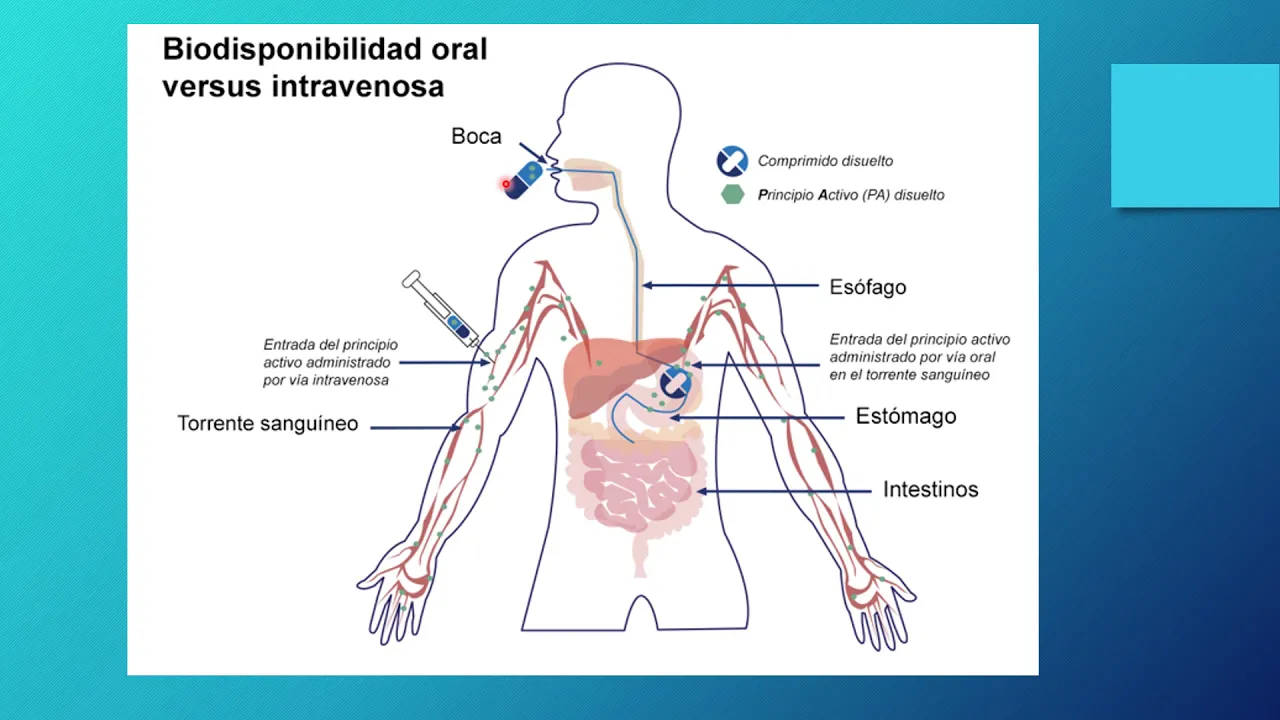













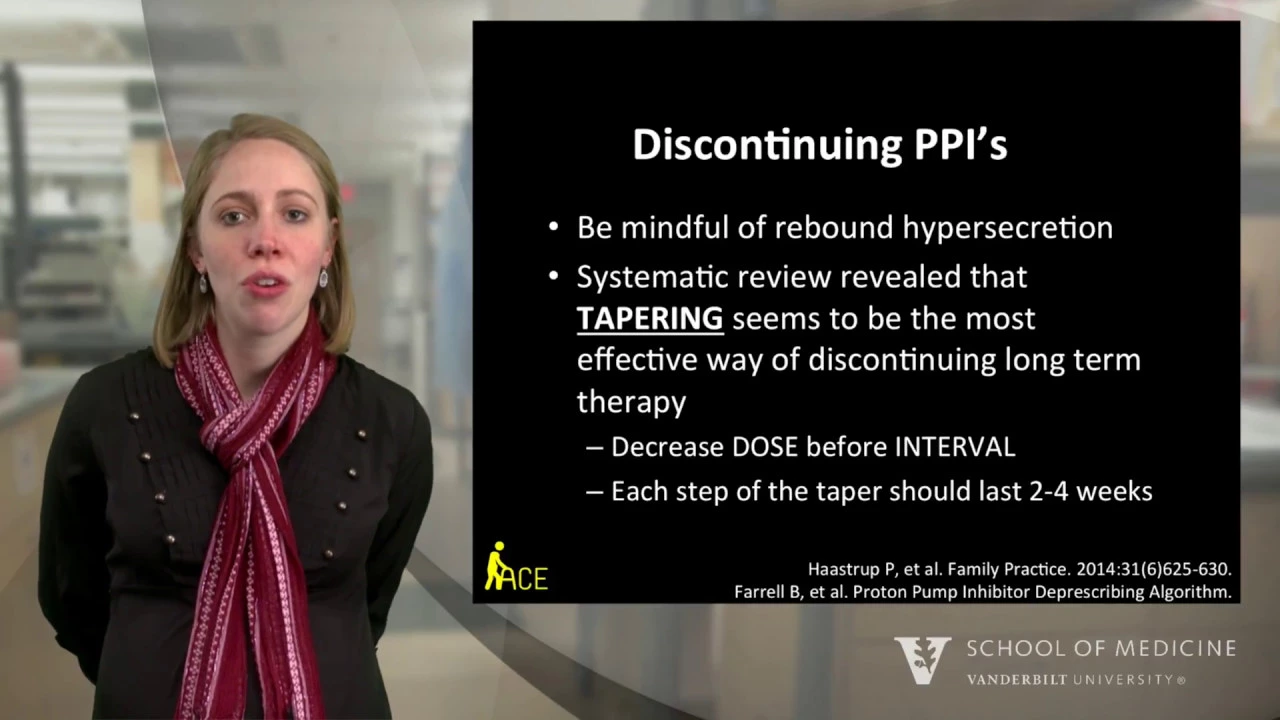









In elderly patients, drug distribution is most significantly affected by aging due to decreased body water (from ~70% to 40-50%) and increased adipose tissue, while absorption remains relatively unchanged; therefore, healthcare providers should minimize anticholinergic medications (such as diphenhydramine, oxybutynin, paroxetine, and certain SSRIs) which disproportionately affect cognition and increase delirium risk, avoid NSAIDs and COX-2 inhibitors due to cardiovascular and renal risks, limit proton pump inhibitors to 8 weeks to prevent hypomagnesemia and osteoporosis, and consult evidence-based guidelines like the Beers Criteria to identify inappropriate medications and optimize prescribing safety in older adults.
Geriatric Pharmacology: Safe Prescribing & Beers Criteria
Added:Basic principles of pharmacokinetics and pharmacodynamics (ADME processes) in a standard adult population.
Normal physiological changes associated with the aging process, particularly renal, hepatic, and cardiovascular decline.
The clinical concept of polypharmacy and the general mechanisms underlying drug-drug and drug-disease interactions.
Familiarity with common chronic conditions in older adults, such as cognitive impairment, hypertension, osteoarthritis, and sensory deficits.
Clinical application of the STOPP/START criteria as a companion tool to the Beers Criteria for medication optimization.
Structured protocols for safe deprescribing, including tapering schedules for high-risk medications like benzodiazepines and proton pump inhibitors.
Designing non-pharmacological management plans for common geriatric syndromes, such as chronic insomnia, anxiety, and behavioral symptoms of dementia.
Analyzing complex patient case studies featuring multimorbidity to balance guideline-directed medical therapy with geriatric safety guidelines.
1.6K views27likes56:58Original Release: 2019-05-10
so the new bearish criteria just came out hot off the press in January he had have not seen them just email me and I'll send you the article I also wrote a small but a commentary for practice update on the new beers criteria thank you so we'll talk about pharmacological principles and how they are affected by normal aging changes talk about common prescribing errors that we make drug drug interactions and then how to approach safe prescribing and older adults which pharmacologic kinetic is least affected by aging they're all affected to some degree but which one is least affected absorption distribution metabolism or elimination for things absorption distribution metabolism and elimination all right yes so absorptions least affected it takes longer for us to absorb the food or the drugs that we take in but motility also slows as we get older that's why we have a lot more constipation in our older adults so overall absorption is about the same it just takes longer so that has implications with mealtime insulin for example the analogues that take effect very quickly within 10 minutes can oftentimes lead to hypoglycemia and our older adults who take much longer to absorb the food at mealtime drug distribution is definitely affected we are born with about 70% of body water at age 80 women have about 40% of body water men about 50% they have more muscle mass so the water soluble drugs have reduced distribution and the muscle mass as we get older is largely replaced by adipose tissue so fat soluble drugs are much more much longer stored in older adults and can release for much longer periods of time so fat soluble drugs are particularly psych medications except for lithium protein binding can also be decreased in older adults and that affects medications such as phenytoin warfarin digoxin and we'll talk a little bit more about protein binding later on then a liver metabolism decreases these apoptosis of the liver cells but also decreased perfusion to the liver cells so if you take an extract of an older liver and compared to a younger another liver and you run the reactions in a lab the metabolism is the same however if you have it in vivo then older adults definitely have decreased metabolism on the liver level and that effects medications that are cyp for 50 metabolites and drug elimination is definitely a decrease in you all recognize that there is apoptosis of the nephrons particularly the long ones that concentrate the urine most effectively but elimination just is decreased and there's higher rate of dehydration for several reasons and higher rate of constipation also impairing elimination so creatinine clearance we can calculate without in Cockroft calls most of our labs calculate creatinine clearance using the mdrd the modification of diet and renal disease and in comparison they're pretty much the same for most purposes but if you get a lab back where the creatinine clearance is right around 30 and you have to adjust let's say an antibiotic and a septic patient then you might want to recalculate it using the Cockroft golf formula which is a little bit more accurate in older adults to see if you're falling above or below the thirty to adjust the antibiotic but for most purposes the mdrd is fine to use so the absorption is least affected by older adults so this is one of my patients at the time she was 92 and presented with mental status changes which medication is least likely to cause status changes who thinks oxybutynin how about after now zolpidem and meperidine me majority rules you did very well with that yes so most of those are anticholinergic medications and they affect older adults disproportionately more just think we don't have a lot of acetylcholine floating around in our brain so that if we interfere with that by you giving an anticholinergic medication it really can decrease the cognition and impair impair judgment or cause delirium these are the categories that fall into anticholinergic medications and they're all on the beers list and that includes diphenhydramine which is over-the-counter hydroxyzine or meclizine which we often tend to give to older adults for dizziness so instead of giving that ask how much water are you drinking could it be dehydration that's causing the dizziness this is a table that you can pull up online of various medications anticholinergic effects and it's really amazing what medications are on there venlafaxine warfarin has mild anticholinergic effects but of course the big ones are in the bladder medications like in our patient the oxybutynin and - histamine I have an anticholinergic and in paradeen do you still use meperidine at this hospital no good it has been taken off the formulary in most hospitals at UW it is still available metoclopramide we should not be using either at least not over 12 weeks and then h2 blockers and that has changed with the last iteration of the beers criteria in January used 2 h2 blockers where to be avoided in all adults they revised that and said not to be used in patients with dementia or with delirium because of the anticholinergic effects but for most patients most older adults who are cognitively intact h2 blockers are acceptable and that gives us an option for tapering off patients off of proton pump inhibitors we tell a lot of efforts effects and we'll talk more about those in a minute so long-term proton pump inhibitors can cause hypomagnesemia osteoporosis aspiration pneumonia ZDF I mean a number of things so we should really try to limit the length of proton pump inhibitors and the bearish criteria recommend eight weeks some of our patients do need to stay on the long term such as patients with Barrett's esophagus of course but try to limit the proton pump inhibitors it's even a community-acquired pneumonia and we don't really know why that is so there are lots of studies out there before pneumonia so this association says no other studies have shown that there is an association I don't know but I would advocate to avoid the proton pump inhibitors if we can increased risk with recurrence c-diff especially in combination with several other drugs and so like I said in patients with Barrett's patients who need to use corticosteroids and maybe also blood thinners might be good candidates to use proton pump inhibitors or now the h2 blockers if the patient is cognitively intact so if you try to get somebody off long-term proton pump inhibitors taper them slowly and then use them and acids to bridge them because there is a hypersecretion of acid after you stop the proton pump inhibitor for about three or four days and I've worn my patients off that when I get them off of the proton pump inhibitor I'll tell them go ahead and take tums but if they say oh I've tried that before and it didn't work then I usually Bridge them and I used to bridge them with with Terra fate but now that we have h2 blockers available as well we could use those as well and that just coat the pair of fate just coats them so that they don't feel that hypersecretion as much and then it goes away after a couple of days tricyclic antidepressants are on the beardless are highly anticholinergic and we don't routinely use them anymore if you have to use one nortriptyline is the least offensive for our older adults the antimuscarinic were used to be touted when they came on the market about 20 years ago the drug reps would say oh they're not into cholinergic they're under muscarinic well the effect is the same on the patients there is some data that trois PM doesn't across the blood-brain barrier but in reality I have seen delirium from it just the same so try to avoid these instead tell the patient that they need to drink lots of fluid early in the day because a concentrated urine is very irritating to the bladder and can cause incontinence so it's counterintuitive and my patients will often tend to say are you crazy I'll never get out of the bathroom and I'll say just try it you know give me a give it a chance and most of them say when they come back say it really worked and of course avoiding bladder irritants such as caffeine yes yeah so paroxetine is anticholinergic and that's why we should not use it in older adults it's on the beers list other SSRIs are better choices in older adults my first choice is citalopram because it's generic it's cheap it has few drug interactions but because the QT prolongation I will move to a citalopram when it becomes cheaper it's now generic but it's still much more expensive than citalopram so thanks Kafka in 1916 also already said you know prescribing medication is easy communicating with our patients is difficult so trying to get our patients off of medications and use alternative treatments is the challenge anti-spasmodics muscle relax and also contribute to that are very anticholinergic and neuroleptics the older the first generation neuroleptics also increase have highly anticholinergic effects and sometimes we still use Bennigan's for nausea but with the dance-a-tron now if we're using less of that and parkinson's medications when you think of delirium it's an imbalance between dopamine and acetylcholine so I either an absolute or a relative excess of dopamine and an absolute or relative and deficit of acetylcholine can cause delirium so if you decrease this you can co-lead even more if you increase the dopamine even more you lead to delirium and you increase that imbalance and that's how Parkinson's medication can cause delirium can cause hallucinations so titrating those medications very carefully is important so meds to avoid and Parkinson's patients are particularly the entacle antipsychotic medications but if you need to use them then the least offensive ones are quetiapine clozapine which we don't use because the blood is gracious and prevents arenes as a new kid on the block we don't have a lot of data on that yet and it's quite expensive muscle relaxants are highly anticholinergic and are on the beer so this should not be used in older adults so what can we do for muscle cramps we launched a study about 15-20 years ago looking at mustard for muscle cramps but before we enrolled our patients we made sure that their potassium level was normal and we put them all on calcium twice a day for osteoporosis prevention and we never enrolled anybody because everybody's muscle cramps went away with the calcium so I have been using calcium twice a day for muscle cramps for years with good success and I even have gotten some of my paraplegics off of the baclofen with using calcium and if necessary I'll also add some magnesium at bedtime it's a little bit sleep promoting and it would interfere with the absorption of the calcium because both okay my bivalent cations so you don't want to give them together so calcium twice a day and magnesium at that time I just calcium carbonate and it is the most so calcium carbonate contains 40% of Elemental calcium compared to the calcium citrate at 21% so you get more bang with you for your buck for by far the most patients that is fine the only time that you would need to use calcium citrate if somebody is on proton pump inhibitor and really have suppressed all of their acid and they don't eat meals joopa during the day because as long as it's taken with a meal calcium carbonate is absorbed just as well as the calcium citrate and even with acid suppression as long as it's taken with a meal so calcium carbonate is by far my first risk and be careful with calcium citrate most formulations require two pills to get the 500 milligrams of Elemental calcium because the molecular moiety is just so much larger benzodiazepines are on the beers is should not be used and also the Z drugs they have a lot of devastating effects including cognitive impairment and delirium but they also suppress REM sleep and REM sleep is critically important to work things up emotionally so in the 1950s and 60s a week when we didn't really know and didn't have any better drugs we used to give these medications in response to a brief reaction a lot but that oftentimes led to then prolonged grief because people never really worked up their grief because they suppress their REM sleep and if you suppress REM sleep long enough you end up with depression so try to avoid these medications individual patients might benefit from a dose of lorazepam to get on an airplane for example or to undergo a procedure or if they're really anxious about the dentist then you know that's fine just don't use it on a regular basis and there seems to be a cumulative relationship with causing dementia long-term the non benzodiazepine hypnotics are also on the fiercest and should not be used this is the study that showed increased risk of dementia there are multiple studies out there a couple of them in here on also on medical energy and anticholinergics and dementia seem to be cumulative throughout life so be careful with how much benadryl you give your patients and this showed actually also temporal lobe atrophy on MRI with increased use of canonical energic medications so definitely been today as a teens and anticholinergic medications have been implicated with dementia there's very strong evidence for that possibly with proton pump inhibitors statins and alpha blockers there are some studies that promoted other studies have refuted it so stay tuned but just be careful in using these drugs that are on the Bears list so a lot of adverse drug reactions occur with our medications the biggest implicated are warfarin and insulins because a pepper was glycine Yin because of bleeding risk so the red flag list of medications is the beers criteria in this country and I'll talk a little bit about the start-stop criteria in Europe that is used there but the vish criteria came into being underdog our beers in 1992 and were revised repeatedly over the years initially it was thought oh it's just an expert opinion but since 2012 it's a highly evidence-based document and at the time they base it on 25,000 studies the revision then added another 20,000 studies in 2015 and the latest one this year added another 17,000 studies and that's because more and more older adults are included in research studies historically they were excluded because it's difficult to get consent and somebody who's not cognitively intact they have a lot of medications a lot of comorbidities that can confound research studies so they were historically excluded but there was a big backlash and we've included a lot more patients and research older patients and research studies because we're using these medications and older patients so there is much more data available now so the start and stop criteria are the ones in Europe and the latest iteration of that was in 2015 and these are the resources that are 80 stocked criteria and 34 start criteria and these are the major differences between the start and stop criteria and the beers criteria so in Europe under the stop criteria digoxin is considered to have no benefit it actually has been shown to increase mortality by 25% the beers criteria still allow digoxin at low doses the the SSRIs are on the beers on the stop criteria because of hyponatremia they're not on the beers criteria except for paroxetine as you have pointed out but be careful with hyponatremia and all patients on psychotropic drugs but if it's antidepressants antipsychotics benzodiazepines all psych drugs cause hyponatremia it's at full wellbutrin so secretaries are actually pretty easy to remember they're all fat soluble except for lithium they're all perfectly clear except for lithium they're all they are cause hyponatremia except for wellbutrin so three zeros with psychosis these are the start criteria those are recommendations of what you use in older adults and that includes patients on a fib should be on blood thinners patients with CHF should be on ACE inhibitors and so on so this is a number of inappropriately used medications in hospitals in 2014 and the buddhist criteria identified about half of the inappropriate medications about 58% the stop criteria identified about 50% and the combination would have identified 75% so my big push is to just get all together at the same table and come up with one big document orthostatic hypotension can be pretty devastating in our older adults with alpha blockers so be careful especially the first four weeks after starting alpha blockers and even tamsulosin can cause orthostatic hypotension even though it's up on one a specific to the prostate other potent vasodilator such as that per mo and i feta peen can cause or thursday sis and are on the business because they can cause watershed infarcts and the territory right between the anterior and the middle cerebral artery when you're decreasing perfusion of the brain so spur on a lactone and higher doses can cause hyper hyper Kaylee Nia and that's because in older adults the kidney our kidneys are not as good at getting rid of potassium as they are in younger adults trimethoprim is contraindicated and patients with severe renal failure because it is really cleared and can cause hyperkalemia as well dextromethorphan and quinidine can fault and drug interactions it's a new drug that has been touted for pseudobulbar affect so these spontaneous crying and laughing episodes that can occur in our older adults I have not found it helpful and what I have usually done is if I've got a request by a family or staff to use the this new drug for a suitable by effect then I would try the patient just on dextromethorphan because for a few days that's good enough until to see why people are 50 revs up and you really need to use the quantity and in my trial of maybe a dozen patients that have tried it on for the first three days I saw no benefit and it should take but I have a benefit right away so I have not found it very helpful there's also something that's showing that that it can help with delirium and I have not found that either so digoxin should not be used in higher doses and in patients with renal impairment even lower doses need to be used and sometimes we can get away with it just once or twice a week so be very careful and check levels if you have somebody through an impairment on digoxin and then desmopressin is a fairly new medication that is being touted for a nocturia and it can cause hyponatremia so older adults are at higher risk of dehydration because not only do we not feel thirsty as we get older but we also don't make enough into diuretic hormone in our brain you to drop off ptosis of our brain cells even if we made enough antidiuretic hormone or use desmopressin nasal spray to increase that diuretic hormone our kidneys are not capable of concentrating the urine as effectively because the long nephrons have atrophied so using desmopressin is not effective and I've admitted to patients when I was a hospital service over Christmas with hyponatremia and I asked them who were on this medication and I asked was affected for there nocturia and they said not we didn't doing made any it made no difference so I have not used it and I would caution you if your patients ask about it if you do prescribe it follow up closely with them and check their sodium level they were admitted with delirium from hyponatremia and this is a couple of studies showing no benefit of digoxin and increased mortality by 25% which led the stop criteria to just avoid digoxin altogether rain control is better than rhythm control in atrial fibrillation so the antiarrhythmics are on the barrenness and should not be used if your cardiologist puts your patient on a antiarrhythmic monitor looking very closely it usually takes about four to six to eight weeks to show any CNS active side effects for the level to cross the blood-brain barrier at high enough at a high enough threshold so monitor your patient a few weeks out after they've started these medications at the beginning you won't notice anything but then a few weeks out there often tends up a taxi AFOL get confused so caution your parent patients about it and you monitor them closely blood thinners use them with caution aspirin made the list now that we have more data showing often the lack of benefit in older adults except in patients with with diabetes who are over 70 aspirin should not be used for prevention and then rivaroxaban was added to the beers criteria this year in addition to the gabba gabba gabba on which has been on the beers criteria in the past because the increased risk of bleeding so the dough acts are direct acting anticoagulants they were compared to warfarin in the therapeutic range 62 to 65 percent of the time in the studies that led to the FDA approval so that's what then showed that well the benefits are more so with the dough acts than they are with warfarin however at UW our therapeutic range at 79% of the time and warfarin and between two and three for a fifth so if you compared the dough acts with warfarin at 79 percent is a therapeutic range then warfarin would come out ahead so know your your institutions therapeutic range and then choose yes if your patient is difficult to control and warfarin definitely the dough back would be a better option but if your patient is easy to control and stays in the therapeutic range then staying with warfarin and older adults is definitely more beneficial and subsequent studies that have come out did not look at therapeutic range when they compared warfarin with dou X and they showed great benefit over by the no X over warfarin but again they did not look at the first reading range and one study out of Taiwan then post talk looked at the therapeutic range and their therapeutic range was 20% so you know especially looking at data from other countries where the care may not be as as good we have to be very critical about those studies that are coming out barbiturates are at high or high risk and we don't really use those in our patients anymore the ones with the star are those that we don't really use anymore so this is a is our a 92 year old she has the mental status change is the only medication that she's taking as the lnder Nate she has no allergies she had some super pubic tenderness her urinalysis shows two-plus leukocyte esterase and has positive nitrites to numerous to count white cells and no RBC's do you start empiric treatment or do you wait who would stretch who would put her on throw a method from so from the foxes all who would put her on cipro how about natural branch on how about amoxicillin and how about wait until you get cultural results all right great yeah especially because she only has really to to identify errs on the McGurk criteria she has suprapubic tenderness and some mental status changes but other than that she really doesn't qualify for even a UA a much less so yeah it could be just dehydration but let's say she also has another side effect she had another symptom she has burning and frequency so that would then give her the make your criteria which would you use then who would use trimethoprim who would use cipro which was not your parental and who would use amoxicillin okay yeah so you're right not to use natural fur Antron because it only works in the urinary tract and you know that she already has bacteria in the blood because she hasn't all status changes so either the bacteria or the inflammatory cytokines have crossed the blood-brain barrier to cause delirium so we need something that's systemic trimethoprim you have to be careful with protein bound drugs but she's not on any protein bound drugs so this would be a good option for her cipro is not a good option you're right about that high risk of delirium and older adults and c-diff high risk and amoxicillin the problem with that is because she has nitrites positive we're probably dealing with a gram-negative bacteria because granny I guess bacteria turned that writes into nitrites and therefore we would want to cover gram negatives so maybe using augmentin rather than amoxicillin might be a better choice and I would probably not wait because she has mal status changes if I think that she has a UTI but if she doesn't have the make your criteria symptoms and I would wait and sit and see how hydration does just give her some fluids either orally or by IV and these are the migrant make your criteria for your review and sounds like you already know that it's exactly an excellent let's talk a little bit about pain management I usually start off with sched tylenol but I also use a lot of topical such as lidocaine topical NSAIDs so long cause it's over-the-counter now it's a nice patch if I need to or if we need to we can add opioids but titrate very carefully and avoid in the paradeen benzodiazepines at the end of life can be adjunct to pain medications and can potentiate the pain medication effects so think of that and try to avoid any medics with antidotes dopaminergic actions who are using or dance-a-tron for the most part now in patients with behavioral problems and dementia use non medication first and I have to give you a top on on dementia before so leaves the hand over hand that I showed you at the time but in terms of medication management one study showed a couple of studies have shown that tylenol is quite effective in managing behaviors and older adults with dementia and that is because many patients with advanced dementia cannot even perceive pain much less expressed that they have pain so they don't even know that they have pain so we have to think for them and I usually just start off with schedule tau enough to see if it makes a difference in their behavior now that also had a lot of good success with that then also SSRIs have been shown to be just as effective as antipsychotics for behavioral problems in dementia that's usually my next go to medication if behavioral interventions and Tylenol have not helped studies have shown no effect with trazadone and valproate but an individual patient that i have seen some good effects with both or either of them so try them if it doesn't work please stop these medications I just started rounding this week on a patient who was on six different medications for her behavioural problems and what happened is that that she was started on one and it didn't work and then another one was added and one was added and none of them really worked because she's still having severe behavioral problems but we don't know which one didn't work because it's a little bit better so the family is hesitant to stop anything so it's a real battle now so something doesn't work don't just add something but move laterally stop it and these medications that you try will have an effect within two or three days so don't wait for weeks to followup with your patient these families are going through a lot of suffering in the meantime so be very responsive as you make these changes the rise of PAMP yeah I have seen almost immediate response with us yes you don't have to wait those 30 days like we do with depression yes I have seen dramatic improvements right away lorazepam has not been shown to be beneficial and I never found it helpful either until I moved to Wisconsin and and I have found a lot of my older women who were closeted alcoholics really respond to lorazepam in the late afternoon rather than when they had their party and nobody knows about it because the patient never admitted to it so I will try lorazepam in a given patient and see if it works and in a few patients I've had some amazing responses but you know if it doesn't work again don't use it anymore carbamazepine I have also found beneficial in an individual patient but very little evidence for that so that would be way down on my list also on the beers list is are they non-steroidal anti-inflammatory medications so prostaglandins are vasodilators and faiths a prostaglandin antagonists so they cause vasoconstriction not a problem in a 20 year old but if you only have three coronaries and you took off two of them the end the paper and the patient ends up in heart failure same thing on the kidney level if you constrict the the arterioles in the kidneys you can end up in renal failure so don't use NSAIDs and our adults increased risk of CHF exacerbation a fib with insights cardiovascular deaths and also Cox inhibitors same effect Cox inhibitors have only GI protective benefits over n sites for the first six months after six months they lose even that and they have the same effect on the heart that kidney and the brain yeah 65 is usually the cutoff that we use for this but you all know you have some individual patients who are chronologically maybe 50 but biologically more like 85 and then you have some 80 year old marathon runners who are more like you know 40 year olds although they still have some of those aging changes those normal aging changes that can affect them but I'll probably be a little bit more more tolerant in those so yeah use your judgement but as a cut-off we use 65 for heart failure avoids two that she lost us all and of course NSAIDs cox-2 inhibitors the Glitter zones avoid dpp-4 inhibitors there was one study that showed that I just did a study converting almost sixty percent of my patients from insulin to DPP force and I hadn't know its CHF exacerbation in my patients so stay tuned um opioids we sometimes use for pain make sure that you treat constipation proactively if you start them on an opioid start them on an automatic agent such as me relax like chilo sorbitol or whatever you use avoid stimulant laxatives but sometimes of opioids you have to use them but always start off with osmotic agents first and morphine is the preferred opioid in elderly there's no ceiling dose to morphine - actually most opioids except for codeine and codeine is on the beer system should not be used in older adults also post operatively think that as the pain decreases you have to scale back on the opioid receptors so if you have somebody with a hip fracture and then hip replacement they might need a lot of opioids the post-operative days but then two or three days later as their pain improves scale back on the opioids because otherwise you have some of the center side effects occur so if the pain receptors are not gobbling up the opioids then the free opioids lead to itching nausea and other symptoms so if the patient complains of itching or nausea instead of giving them benadryl and a dance-a-tron think of scaling back on the opioid because they may not need as much anymore tramadol has been added to the beers list this year because of hyponatremia but also it causes hypoglycemia Falls and ataxia and trauma Don my experience has been turning out to be a lot like propoxyphene darvocet used to be many years ago it's been taken off the market probably fifteen years ago now but it takes up to four weeks to show some of the side effects of tramadol so a short-term it's okay probably but if you can have a patient that needs opioids long-term don't use time at all it has a lot of side effects the hyponatremia comes from the SNRI portion or the SSRI effect remember all psych drugs can cause hyponatremia except for what you train so the hypoglycemia wasn't tramadol can occur even in non diabetics which is really scary increased mortality with tramadol and renal and hepatic failure which opioid to use them so morphine is our first choice in older adults but if the patient has significant renal failure the metabolites of opioid can build up and cause CNS side-effects so try to avoid that and then fentanyl is probably the safer choice for those patients but fentanyl is not first-line in older adults with the wrinkling of the skin and less subcutaneous fat the absorption is more erratic and older adults so oftentimes I don't have much success with fentanyl so in with the opioids patients get tolerant to all effects except one which one persists is it respiratory depression is it constipation is it sedation nausea vomiting or itching you're right so constipation does not go away everything else patients get tolerant to after about three days after the dose increase so you can titrate up and up enough and you don't get the itching you don't get the respiratory depression but you've continued to get worse and constipation gabapentin and pre Gavilan made the beers list gabapentin was on the beers list the last roll around in 2015 pre gabilan made it this year as well except in low doses and very low doses so like a hundred milligrams of gaba pension however i have not found it to be very effective patients oftentimes say that they're getting better and then I encourage them to get off of it after six months and when I stop it they're not getting worse and my experience and I've taken probably well over 100 patients off of their gabapentin only one patient got worse she had post herpetic neuralgia in her eye and when I papered her down she got worsen and I'll put a put her back up she got better I just kept her on her neurontin but everybody else I tapered off the pre Gavilan or the gaba Penton and they did not get worse so try it in your patients these are not good drugs they cause a lot of side effects confusions and our older adults so drug drug interactions to avoid especially gabapentin OIG's with opioids and opioids with benzos high overdoses high sedation risk and respiratory depression risk hormones that are on the beers list are androgens they have not been shown to be of any benefit and a growth hormone can increase glucose levels and lead to diabetes but also cause a thrill just edema lots of other side effects oral estrogen should not be used in older adults vaginal estradiol is fine desiccated thyroid we don't really know how much thyroid medication in each pill the patient gets so it's difficult to titrate and a one word about thyroid medicine keep the TSH between 4 & 6 and older adults that reduces the risk of osteoporosis skin thinning muscle atrophy and afib those are the new guidelines from the thyroid Association that came out in 2014 yep 2014 so and BMJ article just recently also said that if the TSH in just screening patients and asymptomatic patients comes back less than 10 just repeated within a year and it normalizes in more than 90% of patients so be very careful in starting patients on synthroid verify make sure that they're symptomatic make sure that they really need it and then keep the TSH between 4 & 6 if they are on medications my gaze increased mortality we don't use it anymore we don't know other if other appetite stimulants also increase mortality there's nothing any patient outcomes data we only have weight data yea they increase weight but maybe they also increase mortality the sulfonylureas the long-acting ones cut cause severe hypoglycemia so they're on the Bears list and then the sliding scale insulin should not be used and most of us have moved away from that anyway in older adults we already talked about the anticholinergic side effects of the antipsychotics the older generation but even the newer generation and psychotics should not be used in older adults high risk of mortality mostly from infections we don't really know exactly the mechanism but also cardiac mortality there's a black box warning for them so medications that can cause SIADH we already talked about the site drugs that can cause hyponatremia but all diuretics and any angiotensin medication can contribute to it use ACE inhibitors arms sprung lactone and so on many still familiar areas can cause SIADH and many enter convulsions and we already talked about tramadol so if a patient comes in with hyponatremia look at their medications first in more than 90% of our older patients it's medications very rarely is it a small cell lung cancer and even more rarely is it polydipsia because our older adults never drink that much it might be the case in a psychotic patient who is in their 20s or 30s but not in older adults so don't restrict their fluid intake to stop the medications if not because in this hyponatremia medications are contribute to falls is a long list of medications a lot of categories and the new ones that were added where the SNRIs to the business but in individual patients what are we going to do you know we're not supposed to use some of it SSRIs not know is not good okay try sick clicks you know we just have to bite the bullet and just monitor our patients if they're Falls increased change the medication move laterally so inappropriate prescribing is very prevalent don't feel bad if you've found some of the medications that you're using on the list it's okay but try to stop these medications in our patients they have more than willing to stop and this study 92% of patients were willing to stop medications so bring it up to them and say how much you stopped the proton pump inhibitor how bad we stop this or that medication let's talk a little bit about drug drug interactions if you do have a drug drug interactions try to adjust the dose try to eliminate one of the medications and always monitor when you're adding a new medication for drug drug interactions so which drug could be added to warfarin without interaction who thinks synthroid who thinks phenytoin how about come at the Prem sofa metoprolol and digoxin very good you got the right metoprolol is the answer so warfarin and sulphate drug interacts with sulfa drugs because of protein binding macrolides because the cy p450 system and metabolism same thing with quinolones insights because of the high bleeding risk with warfarin and insights and then phenytoin and amiodarone are both protein bound and also see why people metabolized by the same mechanism digoxin verapamil and neo Tehran awful slow pulse rate low pulse rate bradycardia and phenytoin and sulfur drugs are both protein bound so can interact quinolones and theophylline calcium magnesium and iron supplements are all divalent cations and remember how I said you'd only give them magnesium and the counts room together because of divalent cations same thing with quinolones we know about doxycycline and the tetracyclines they interact with divalent cations but also theophylline and quinolones so if you have a patient on calcium or magnesium to stop the medication while they're on the antibiotic and then resume it when they get off that's the safest also for potassium sparing medications be careful in the use of ACE inhibitors arms and Sirona lactone and trimethoprim has also been shown in patients with renal impairment - cause hyperkalemia and then lithium can can cause toxicity with ACE inhibitors ARBs and loop diuretics by interfering with the renal function so renal clearance is decreased up with you and then steroids with n sites high risk of bleeding so try to avoid it but if you have to have somebody on both of those medications that might be a patient as candidate for and acid suppressing medicine either approach on top inhibitor or h2 blocker so our a 92 year old with the creation of 1.1 and declarants of 23 can take a normal dose of which of these medications is it alendronate cipro citalopram trimethoprim or lithium excellent and you got it it's a telecon is the right answer yeah so so tell primacy Patek with my tablets like all psych drugs except for lithium and all the others are really metabolized so you need to make adjustments for it so start low and increase slowly establish a diagnosis avoid treating symptoms focus on the quality of life of our patients primarily rather than treatment of of diseases and look for therapeutic duplication try to stop medications check for over-the-counter medications and supplements that might interfere with the medications anticipate problems give the patient some anticipatory guidance of what side effects to expect and then talk to the patient and the caregiver of what to expect see the patient regularly review the meds at every visit attempt to use one drug to you in the treatment of more than one condition communicate with other prescribers making your cardiologist or nephrologist avoid using more than one drug from a class with similar actions and in conclusion make sure to calculate the renal clearance avoid anticholinergic medications drug distribution metabolism and elimination in the elderly increases the risk of drug interactions and consult the ATS beers criteria any questions or comments yes what level would you yeah so I don't get excited until it gets less than 125 so I'm much more tolerant than most people are zones a patient is not symptomatic not falling and those kind of things but it will normalize very rapidly after you stop the medication within a couple of days it will increase I mean the next day you will already see arise and then be normal in a couple more days it also depends on how long the patient has been on the medication of course but I see a very rapid return to normal yeah exactly there are several books out there but they are not very up-to-date I would always just ask a pharmacist then some pharmacists are better at keeping up with over-the-counter and supplements and others but you know there are some books out there but they're big dated and you know things change all the time so I don't have a good answer for you sorry youth next invasion [Music] yeah I usually use low-dose oxycodone because then I don't have the tylenol attached to it and I can type the schedule the tylenol and use the oxycodone as needed and I usually just give a half a pill and recently I started one patient on a very low dose because the family said she got the mirrors on a half a pill of oxycodone so I actually gave the liquid engaged point 0.5 milligrams so I started really really low and she tolerated that and got pain relief so just homeopathic doses just take a whiff okay yeah it's that greatly good yeah do you ever use [Music] yeah so I usually use the estimated GFR that's reported in our labs I use it for the majority of my patients and it's severe as reasonably accurate however if you follow right at the border where you have to adjust the medication so for example for many antibiotics you have to adjust up or down at a creatinine clearance of 30 and if you have a pretty sick patient then I would do the cup rough calls to get a more accurate reading of the premium clearance so I know which way to fall dose the antibiotic up or down you have a critically ill patient you don't want to under dose them if they're not so sick I would fall on the under dosing side but you know use your judgment but yes you're right so by far the most part I use the EGFR I don't do it but all my clinics are doing it and are requiring our patients to do it and you know in the nursing homes or in assisted living we're controlling the medications so it's a not it's a moot issue but in most of my older adults I don't do it because I'm not worried that they're selling it that's what you want to get the urine drug screen for to make sure that they're taking it and not selling it but my older adults just don't now I might do it in a patient who is exceeding what I expect them to take we're having questioning things then I would do it but not routinely family members absolutely exactly and you know often times I will address it with my patients if I'm escalating their drugs and they're saying they're not getting pain relief I'm saying do you think your daughter might be replacing your opioid with vitamin C in your pill box you know I had wrested with them but it's pretty rare that that happens yeah you know I'm in a regular clinic now and I am struggling with my older patients and in a 20-minute visit and then sometimes I'll bring them back with the longer visit 40-minute visit but yeah it's a challenge and I have really found limiting the amount of information I cover in a given visit is very very helpful so I I train my patients to come in with a list and then we'll address the first three items on that list and then we'll schedule an appointment for follow-up for the rest of the items and for my items that I've added so yeah it's a challenge absolutely and geriatric so there is some there are some data out there for most geriatric clinics they use 30 minutes visits and 60 minutes for new patients but of course we don't get paid with significantly more for that so that's why geriatricians make less money than the average family after an internist yeah it's a problem thank you everybody [Applause]
Up Next

56:45
Enhancing Geriatric Assessment: Frailty, Gait, Cognition, and Falls
@BCCFP
55.3K views•2012-12-03

48:47
Graphic Medicine: Comics for Collaborative Healthcare Communication
@nationalpatientadvocate
189 views•2023-12-04

10:28
Neuroanatomy: Central and Peripheral Nervous System Divisions Explained
@AKLECTURES
136.2K views•2014-09-20
3:05
Stages of Labor and Vaginal Birth | Childbirth Animation
@nucleusmedicalmedia
52.1M views•2017-08-18
Related Study Plans & Knowledge Roadmaps
Structured learning paths in Medicine
medicine
Abnormal LFTs: Diagnostic Workup & Pathology
01Liver Anatomy and Basic Physiology
02Introduction to Liver Function Tests (LFTs)
03Hepatocellular vs. Cholestatic Patterns
+ 3 more learning modules
12h6 modules
Explore Roadmap
medicine
Analyzing Blood Smears: RBC, WBC & Platelets
01Introduction to Blood Components & Smear Preparation
02Normal Morphology of Blood Cells
03Erythrocyte Pathologies & Morphological Variants
+ 2 more learning modules
12h5 modules
Explore Roadmap
medicine
Mechanical Ventilation: Waveforms & Alarms
01Anatomy and Physiology of Breathing
02Introduction to Mechanical Ventilation & Core Modes
03Ventilator Settings and Waveform Interpretation
+ 2 more learning modules
12h5 modules
Explore Roadmap
medicine
Neuro Exam: Localization & Stroke Syndromes
01Foundations of Neuroanatomy and Vascular Supply
02The Neurological Examination: Step-by-Step
03Principles of Neurological Localization
+ 3 more learning modules
18h6 modules
Explore Roadmap