







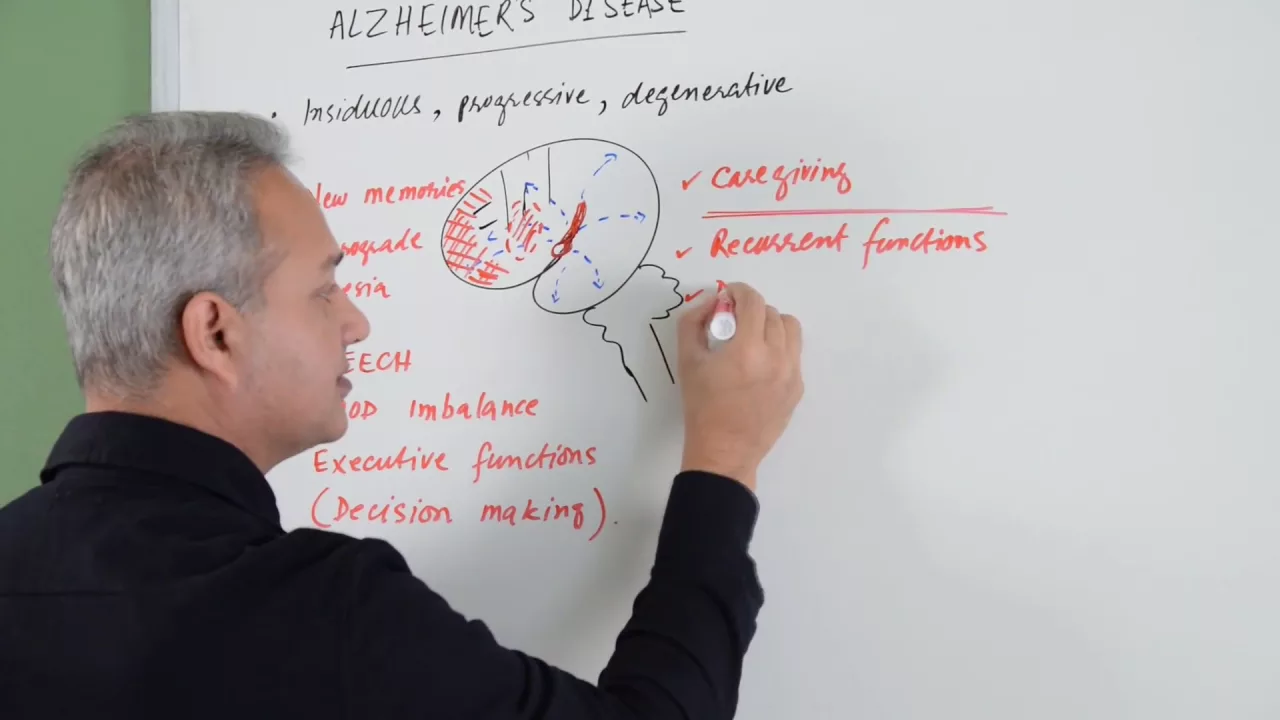


















The brain has a specialized waste clearance system called the glymphatic system, discovered in 2012 by Danish researchers, which uses cerebrospinal fluid (CSF) flowing through channels wrapped by astrocytes to remove waste like amyloid beta proteins; this system becomes highly active during sleep when astrocytes shrink, creating more space for CSF to penetrate brain tissue and clean out metabolic debris, with recent discoveries confirming that humans possess lymphatic vessels in the brain's dura mater that may connect to this waste disposal network.
The Brain's Waste Removal System: Glymphatic & Lymphatic Discoveries
Added:Basic Neuroanatomy and Glial Biology: Understanding the roles of neurons and glial cells, particularly astrocytes and their end-feet.
The Systemic Lymphatic System: Familiarity with how the body's peripheral lymphatic system drains interstitial fluid and assists immune function.
Cerebrospinal Fluid (CSF) Circulation: The production, flow, and traditional protective functions of CSF within the brain's ventricles.
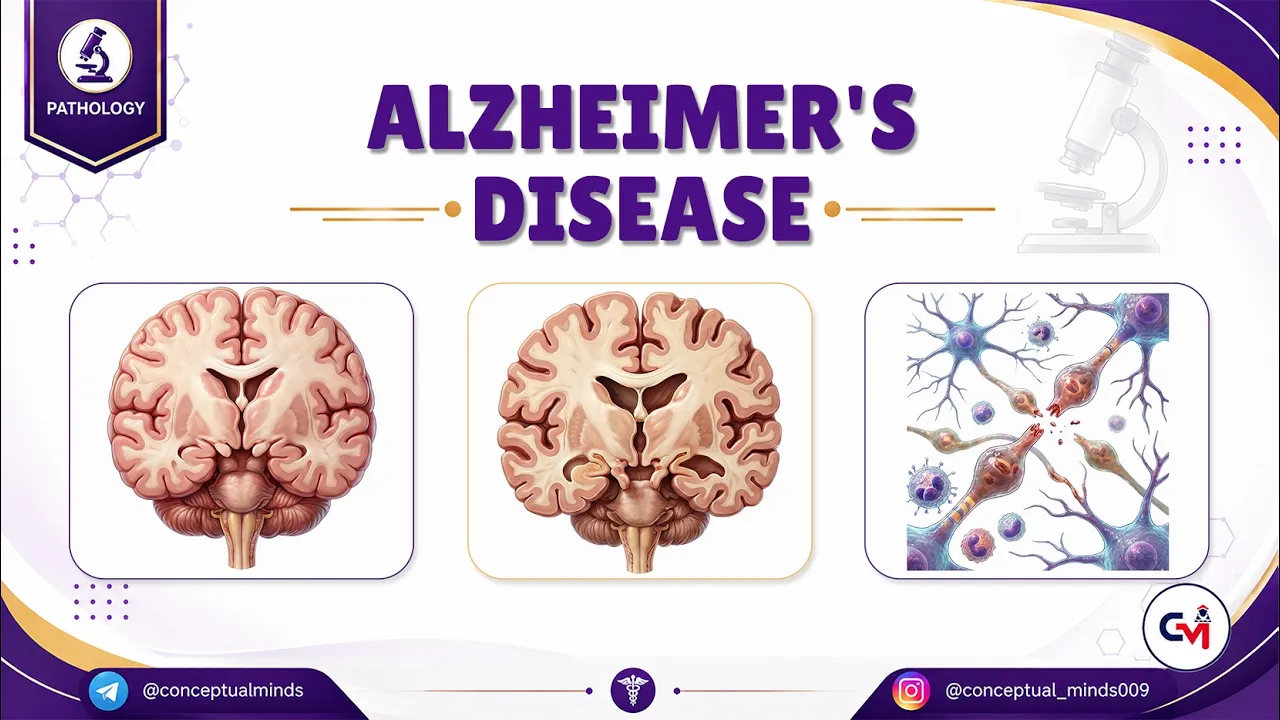
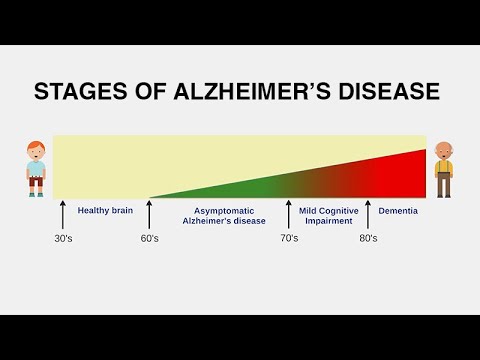
Pathopathology of Alzheimer's Disease: Awareness of the accumulation of metabolic waste products, specifically amyloid-beta plaques and tau tangles, in neurodegeneration.
Aquaporin-4 (AQP4) Channel Regulation: Investigating the specific membrane water channels on astrocytes that facilitate convective fluid exchange.
Sleep Architecture and Neurological Health: Analyzing how specific sleep stages, particularly deep slow-wave sleep, optimize the glymphatic clearance rate.
Meningeal Lymphatics and Neuroimmunology: Exploring the anatomical pathway linking the central nervous system to the peripheral immune system via meningeal vessels.
Therapeutic and Lifestyle Interventions: Studying clinical applications, such as sleeping postures, pharmacological agents, or non-invasive stimulation, designed to enhance brain waste clearance.
Translational Neuroimaging: Learning about advanced imaging modalities (like contrast-enhanced MRI or DTI-ALPS) used to measure glymphatic function in living human subjects.
81.9K views2.3Klikes6:41Original Release: 2017-11-12
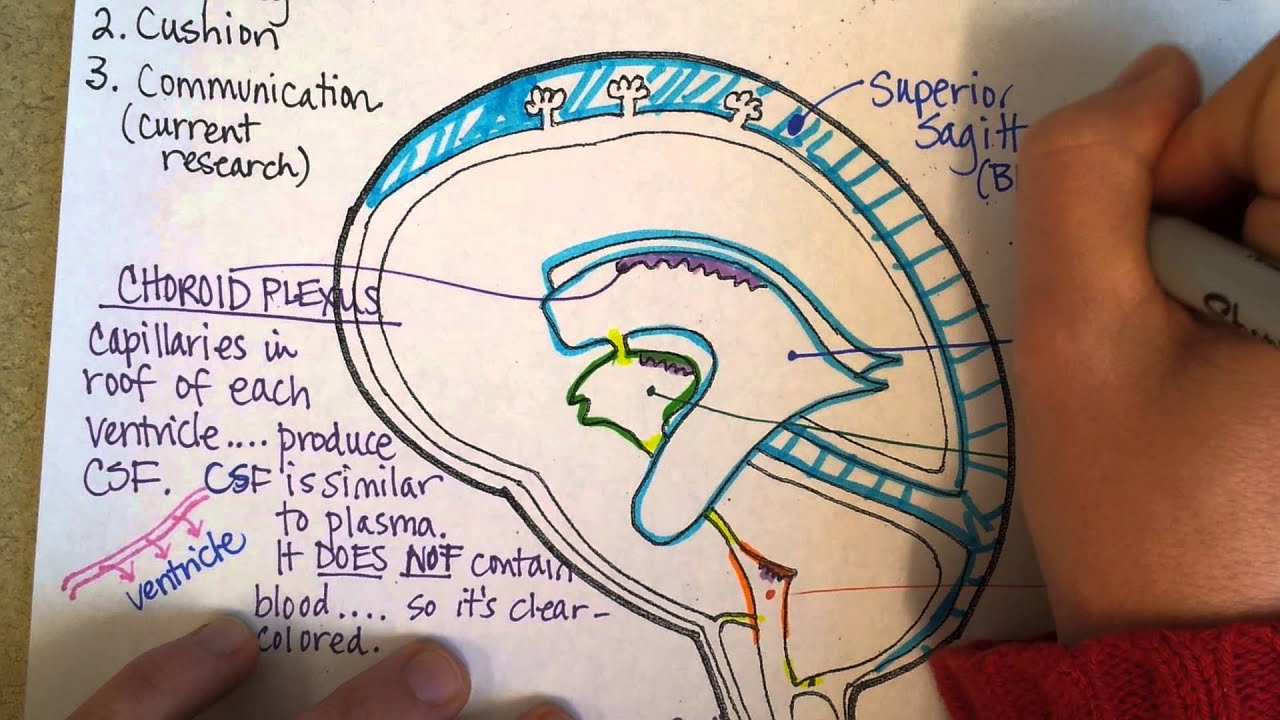
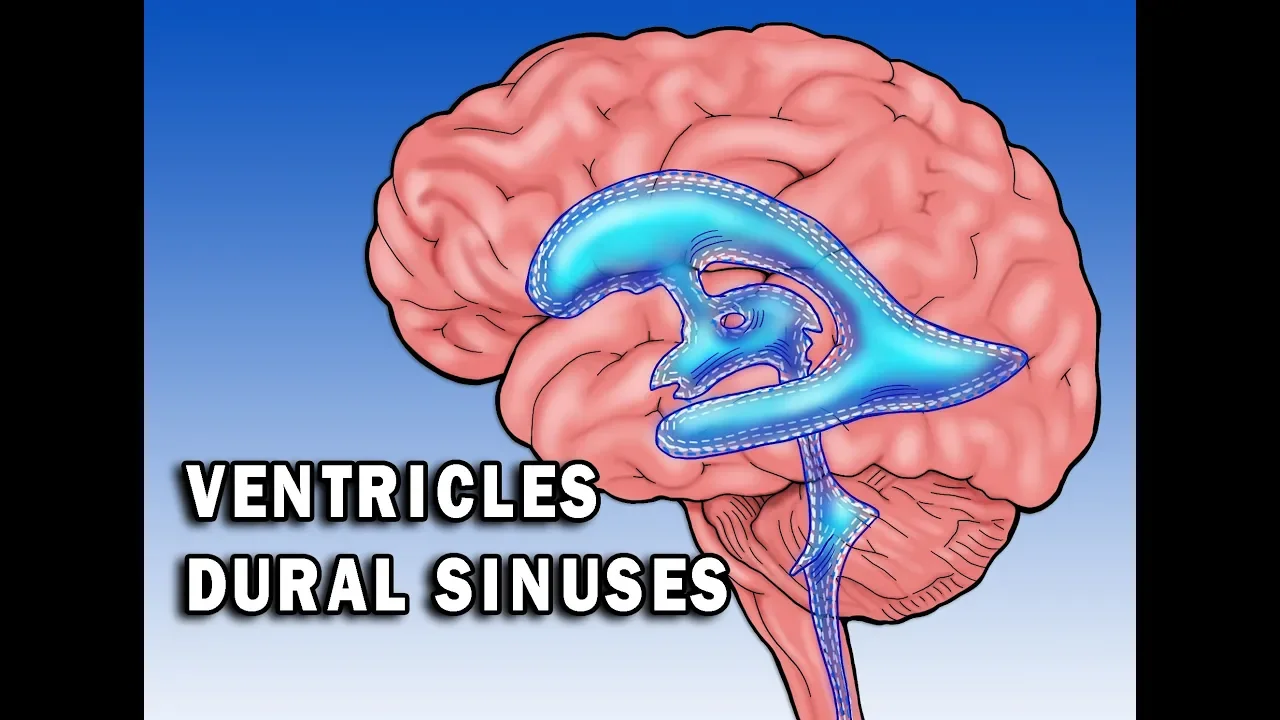
the brain is a living organ it needs nutrients and water to function every day but the brain also generates waste junk that needs to be cleared out and disposed of so how does your brain take out the trash hey there brainiacs I'm alie astrocyte and this week we've got some exciting new research about the brain's lymphatic system yet another way that your brain cells are taking care of business let's start with the basics you've probably heard of your lymph nodes and you probably know they get inflamed when you're feeling sick but did you know that lymph nodes are actually full of a fluid called lymph that's right it's not named after some super old physician see we're pretty juicy creatures we've got all kinds of fluids circulating in our body to help keep us alive lymph is a clear fluid similar to blood plasma that circulates through the lymphatic system it carries proteins through the body and importantly acts as part of the immune system clearing out debris from dead cells and hauling bacteria to the lymph nodes so they can be destroyed and disposed a the lymphatic system goes all over the body except to the brain we thought for a long time scientists and doctors didn't see any evidence that the lymphatic system went all the way up into the brain instead they believed that another fluid in the brain called cerebrospinal fluid or CSF took care of those functions instead CSF is another clear colorless liquid circulating around our brain and spinal cord and filling the hollow parts inside the brain called ventricles it acts like a sort of cushion for the brain protecting against damage as it sloshes around in our skull it also plays a role in immune function and we think cleaning up waste the brain produces a lot of CSF every day about half a liter which is about this much and we're pretty sure that it filters out into the rest of the body but scientists are still working on figuring out how exactly CSF is produced and where it eventually goes in 2012 Danish scientists make an nadir guard and her lab coined the term glue maduk system when they published an exciting study they clarified how CSF could be helping the brain to clear out waste and maybe giving a hint at why sleep is so important for our health and most exciting of all it involves astrocytes dr. meter guards graduate student dr. Jeffrey Iliff was trying to figure out how the brain clears out debris if it's not connected to the lymphatic system so he decided to inject dye into the CSF of mice to track the flow of the fluid using a technique called two-photon microscopy a high-tech kind of microscope that lets researchers get a clearer look at deeper tissue levels they found the CSF actually flows around the blood vessels of the brain and this flow of CSF seems to be dependent on the astrocytes and specifically the processes they wrap around the blood vessels of the brain when researchers deleted a key astrocyte protein aquaporin for a water transport channel it had a big effect on the flow of CSF knocking it down by 70 percent even more interestingly mice that didn't have aquaporin for protein weren't able to clean out amyloid beta protein very well and since amyloid beta clumps together and plays a big role in Alzheimer's disease this could have pretty big implications for understanding neurodegenerative disorders not long after they published their research another paper came out that showed the flow of CSF increases when mice are sleeping and that's because the astrocytes of the brain actually shrink leaving more space between the brain cells so more CSF can get into the nooks and crannies of the brain it's sort of like moving the couch when you're vacuuming so it could be that one of the reasons sleep is so important for our health is because it lets our brains go into their deep cleaning mode cleaning out all of the junk between ourselves so we wake up nice and refresh all of this seems like pretty good evidence that our CSF is acting kind of like the lymphatic system of the brain but not connected to the rest of the body but recently a new paper came out to confirm what some scientists have thought for years the brain does have lymph vessels we just haven't seen them yet in 2015 a group at the University of Virginia we're trying to better understand how the brains immune system works by studying how it moves immune cells around by staining mouse brains for endothelial cells the cells that line blood and lymph vessels they were surprised to find new vessels in the heavy leathery membrane surrounding the brain called the dura mater on closer inspection they realize that these new vessels looked more like lymph vessels not blood vessels and they housed important immune cells these results were a pretty big deal for mice but we still didn't know if humans had them - until now a team of scientists at the National Institute of Neurological Disorders and Stroke ni NDS for short just published a study where they tracked special dyes in the brain one dye that could leak out of blood vessels into the nearby tissue and one that couldn't then they use an MRI machine to track where those dyes ended up the dye that didn't leak acted exactly as expected and showed the blood vessels but the dye that did leak revealed new unexpected vessels lying right alongside the blood vessels showing a separate structure entirely this is some of the first modern evidence that humans do have limp vessels in their brains though it's not the first time it's been proposed the lymphatic system is a critical part of our immune system and if it's actually able to get into our brains this could have huge implications for all kinds of diseases from multiple sclerosis to Alzheimer's disease now scientists have to figure out how the lymph fluid gets into the brain where it goes after and whether or not it's even connected to the flow of CSF and the rest of the glymphatic system each piece of the puzzle will help us better understand the importance of our brains garbage disposal in keeping the brain healthy and how we can fix it when things go wrong thanks for watching this episode of neuro transmissions if you liked it hit that thumbs up button and subscribe to learn more about exciting new brain research head over to patreon if you want to see how we created this video until our next transmission I'm Oh site over and out [Music]
Up Next
8:05
Fluid and Electrolyte Physiology: Body Compartments Overview
@armandohasudungan
682.4K views•2018-09-04

50:12
Bacterial Communication: Quorum Sensing and Biofilm Formation Explained
@JHUAAP
12.6K views•2011-06-28

6:48
Understanding Synapses: Electrical and Chemical Transmission
@neurotransmissions
63.8K views•2015-11-15
7:08
Bacteriophages: Earth's Deadliest Killers and Future Antibiotics
@kurzgesagt
34.6M views•2018-05-13
Related Study Plans & Knowledge Roadmaps
Structured learning paths in Biology
biology
RNAi: Biogenesis, RISC & Gene Silencing
01Molecular Biology Foundations: DNA to Protein
02Introduction to RNA Interference (RNAi)
03Molecular Biogenesis of miRNA and siRNA
+ 2 more learning modules
10h5 modules
Explore Roadmap
biology
Mycorrhizae: Signaling, Biophysics & Ecology
01Foundations of Mycorrhizal Symbiosis
02Molecular Signaling and Root Colonization
03Biophysics and Bioenergetics of Nutrient Exchange
+ 1 more learning modules
11h4 modules
Explore Roadmap
biology
Circadian Clocks: TTFL, SCN & Periphery
01Foundations of Molecular Biology & Gene Expression
02Introduction to Chronobiology and Actograms
03The Core TTFL: Molecular Architecture of the Clock
+ 3 more learning modules
14h6 modules
Explore Roadmap
biology
Population Genetics: Math, Drift & Selection
01Genetic & Probability Foundations
02The Hardy-Weinberg Principle and Baseline Models
03Mathematical Modeling of Natural Selection
+ 3 more learning modules
18h6 modules
Explore Roadmap