


![[수면다큐] 135분 우주 특집🪐|137억년 전, 우주의 탄생부터 시작해, 숨겨진 우주의 비밀을 파헤치다|당신은.. 곧 잠에 듭니다|다큐프라임|#골라듄다큐](https://i.ytimg.com/vi_webp/lumM4x1vImA/maxresdefault.webp)




![The ONLY unintentional ASMR voice you'll need to sleep tonight | David Butler talks Space [No Music]](https://i.ytimg.com/vi_webp/1tkM-Ml7hwE/maxresdefault.webp)














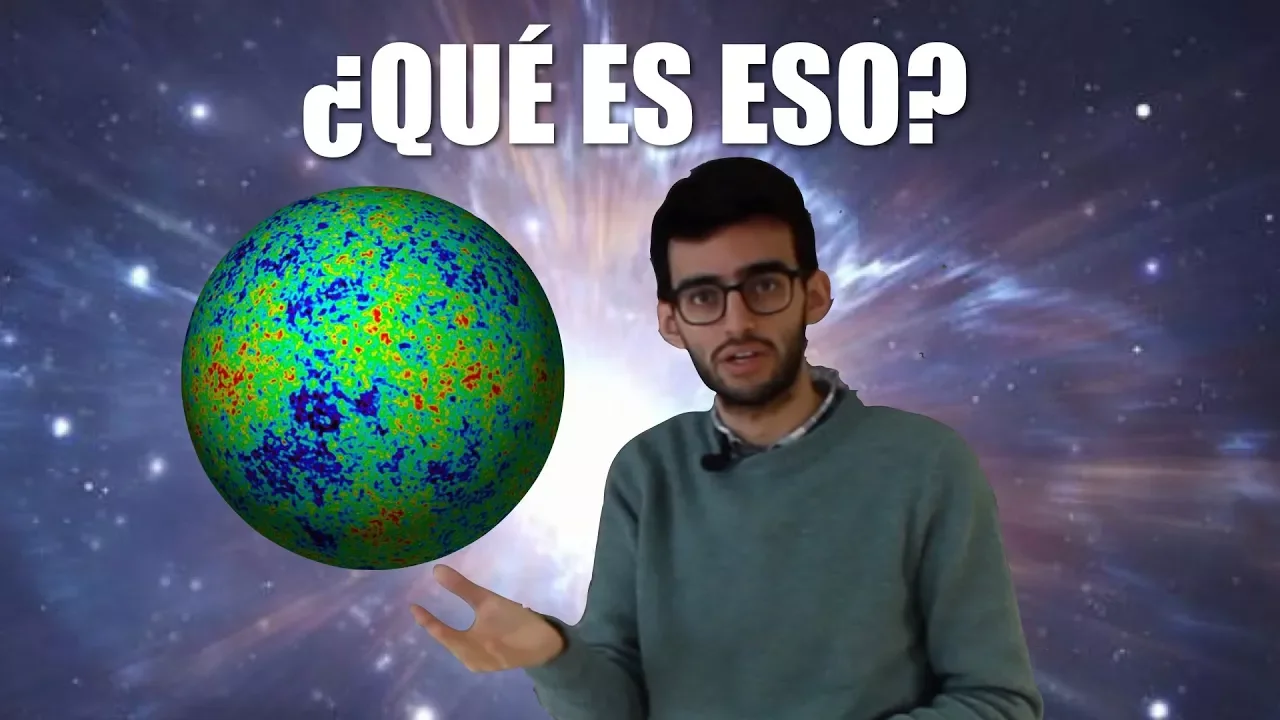

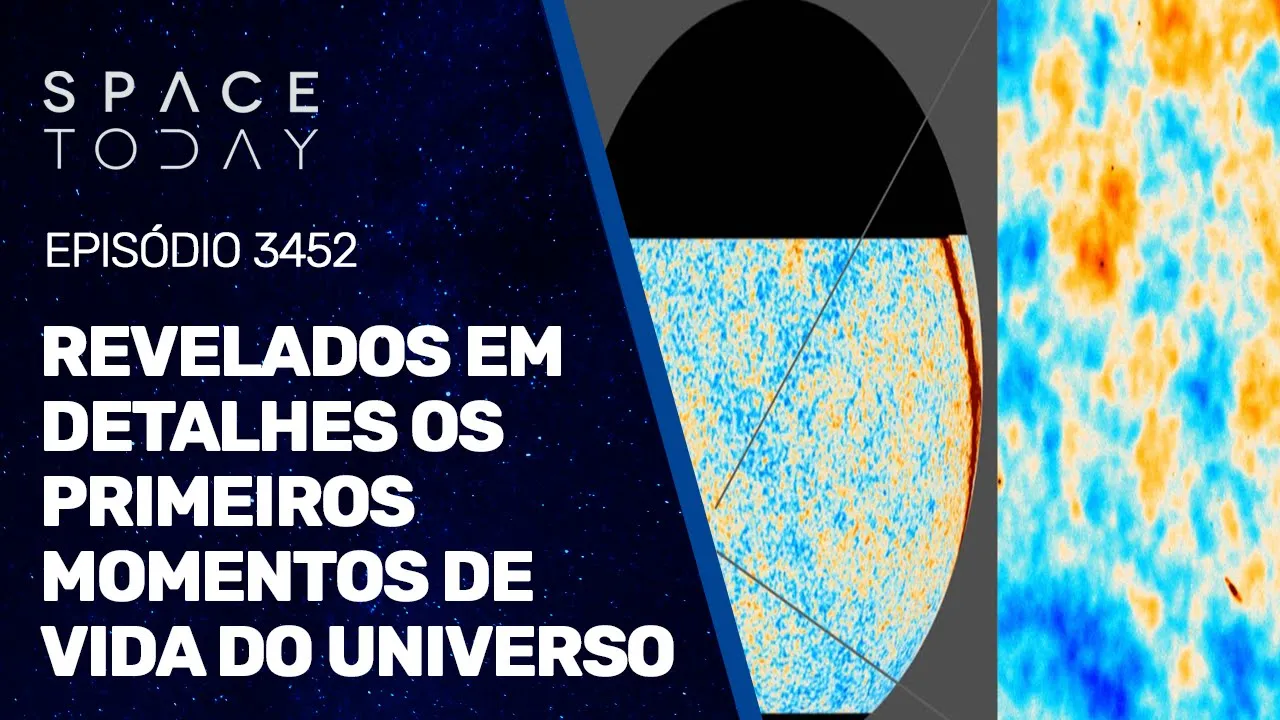




The visible universe is structured as a cosmic web of galaxies, galaxy clusters, and superclusters connected by filaments with vast voids in between, with dark matter comprising approximately 85% of cluster mass and dark energy driving the accelerating expansion of space; this structure emerged from tiny density fluctuations in the early universe, which grew through gravitational collapse and caustic formation to create the large-scale structures we observe today.
Cosmology & Distance Measurement: Galaxy Clusters to Dark Energy (4K)
Added:Understanding of Einstein's General Theory of Relativity, specifically the concept of mass warping spacetime, which underpins gravitational lensing.
Familiarity with the Doppler Effect and the concept of cosmological redshift, explaining how the expansion of space stretches light waves.
Basic knowledge of the cosmic distance ladder, including the role of Cepheid variable stars and Type Ia supernovae as standard candles.
Fundamental astronomical concepts, such as the scale of galaxies, the electromagnetic spectrum, and the distinction between baryonic (visible) matter and dark matter.
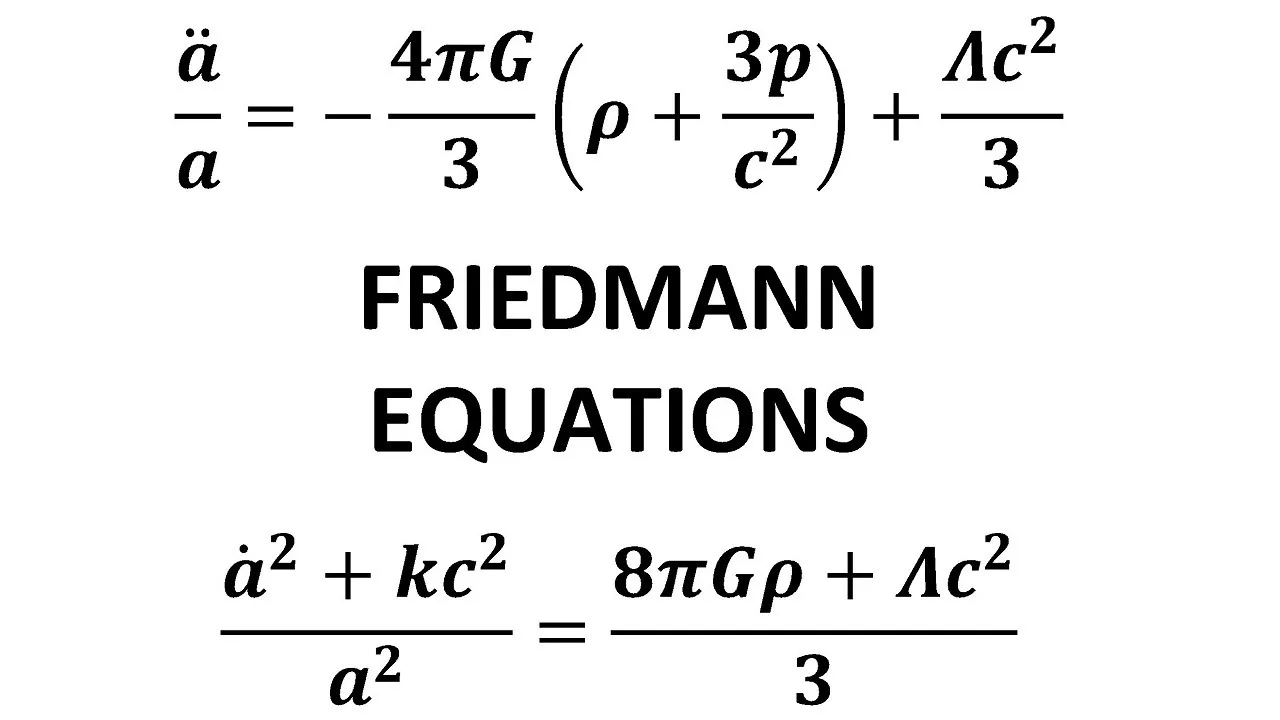
Deep dive into the Friedmann-Lemaître-Robertson-Walker (FLRW) metric and the Friedmann equations governing the expansion dynamics of the universe.
Investigation of the Cosmic Microwave Background (CMB) radiation, its anisotropies, and what it reveals about the early universe and precision cosmology.
Study of the Lambda-CDM (Cold Dark Matter) cosmological model, including the ongoing scientific debate surrounding the 'Hubble Tension'.
Exploration of the proposed physical natures of Dark Energy (such as the cosmological constant vs. quintessence) and modern dark matter detection experiments.
2.3M views21.5Klikes40:37Original Release: 2020-11-08
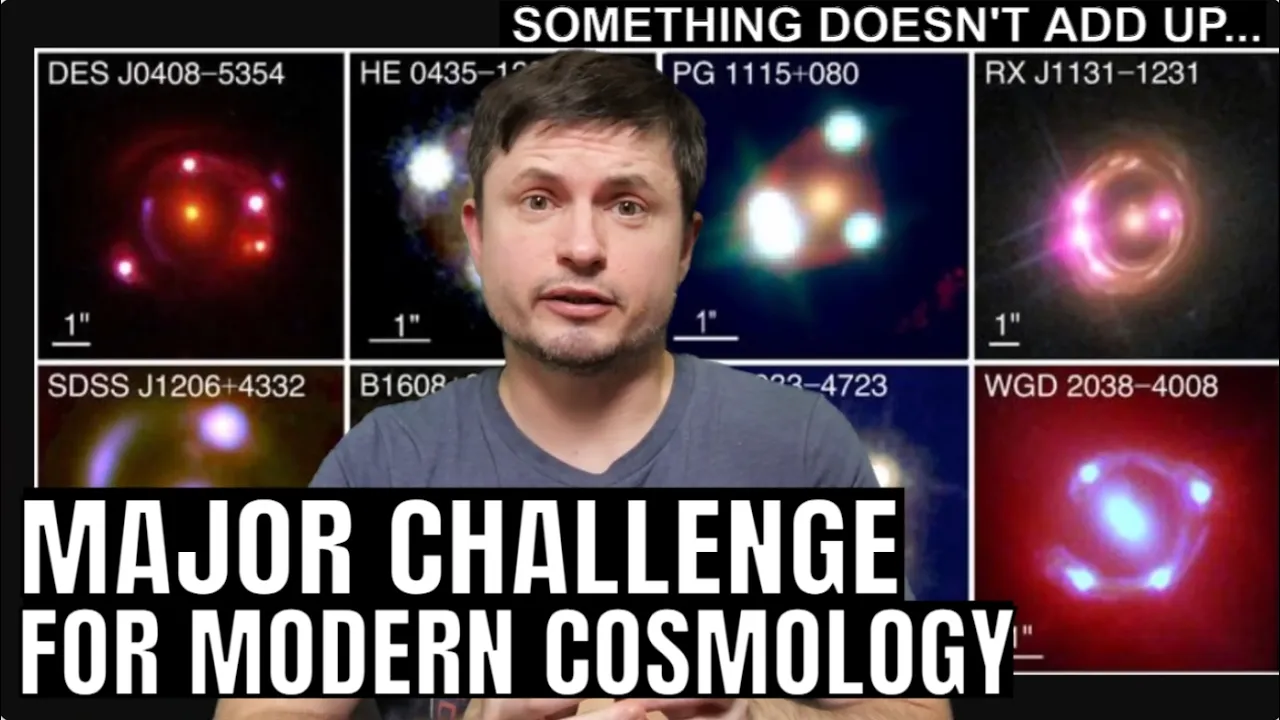
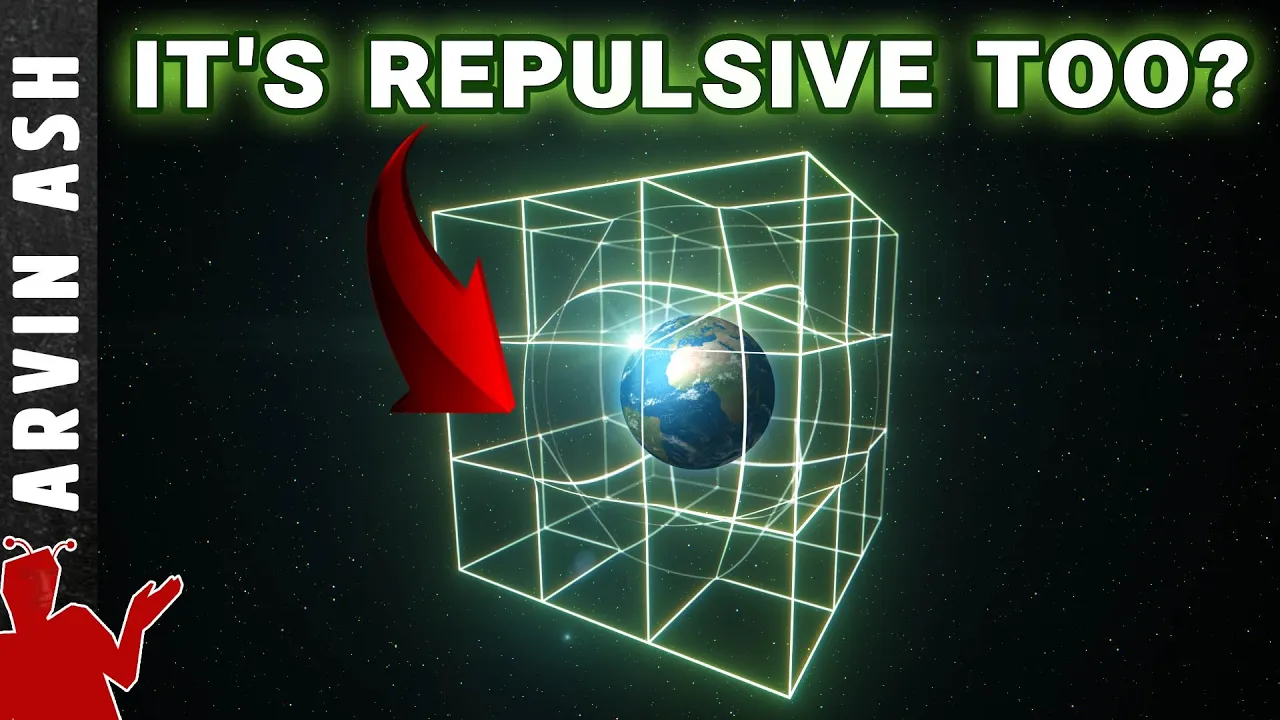
in this final segment we'll go beyond the seven percent covered by local superclusters and examine the universe as a whole at the end we'll quickly review all the territory we've covered since we began our journey exploring the dimensions of the earth so let's start with a look at some of the objects photographed by hubble that lay beyond our local superclusters this optical image shows the massive galaxy cluster able 2029 this galaxy cluster has a red shift that indicates that it is 1 billion light years away the large elliptical galaxy visible in the center of the image is ic 1101 it is the largest galaxy ever seen it is 6 million light years across 60 times larger than our milky way and it contains around 100 trillion stars [Music] you might recognize ngc 4319 it is a galaxy in the virgo supercluster of interest now is the small light at the upper right is the quasar called marcarian 205 it's 1.1 billion light years away mukarian is a relatively nearby quasar many quasars reside much further away quasars are the intensely powerful centers of distant active galaxies powered by a huge disk of particles surrounding a supermassive black hole as matter from the disk falls inward some quasars including this one have been observed to fire off super-fast jets into the surrounding space in this picture one of these jets appears as a dusty streak measuring some 200 000 light years in length despite its great distance 3c273 is still one of the closest quasars to our home it was the first quasar ever to be identified and was discovered in the early 1960s quasars are capable of emitting hundreds or even thousands of times the entire energy output of our galaxy making them some of the most luminous and energetic objects in the entire universe [Music] of these very bright objects 3c273 is the brightest in our skies this is a combined eso very large telescope and chandra image of the newly discovered galaxy cluster called el gordo it consists of two separate galaxy subclusters colliding we are seeing what this cluster looked like when the universe was only half its current age hubble is a supernova machine for probing the early universe [Music] here's a type 1a it found that's approximately 8 billion light years from earth if you recall type 1a supernova represent one of our most important standard candles because they are so bright we can see them from very far away in 2013 hubble broke the record in the quest to find the furthest type 1a with the discovery of sn uds 10 wil a supernova that exploded more than 10 billion years ago at a time when the universe was in its early formative years and stars were being born at a rapid rate the image at the far left shows the host galaxy without the supernova the middle image taken a year later reveals the galaxy with the supernova the supernova cannot be seen because it is too close to the center of the host galaxy to detect the supernova astronomers subtract the first image from the middle image to see the light from the supernova alone shown in the image at the far right you'll remember the einstein ring we saw around eso 325-g004 in our segment on local superclusters the ring was the image of a more distant galaxy the arc shape was created by the bending of the background galaxy's light by the gravity of the massive foreground galaxy the process is called gravitational lensing because the mass between us and the background galaxy behaves just like an optical lens this same light bending leads to the warping of light from distant galaxies as the light encounters supermassive galaxies on their path to us here's a clip that shows how this lensing works on a grand scale a distant galaxy would be seen here on earth directly if there were no intervening massive cluster to bend the light but with such a cluster the light from the distant galaxy gets bent into rings and arcs that continue on to the earth [Music] this is able 1689 2.2 billion light years away it's one of the most massive galaxy clusters known its gravity acts like a 2 million light year wide lens in space here again we see how the gravitational field surrounding this massive cluster of galaxies acts as a natural lens in space to brighten and magnify the light coming from very distant background galaxies in this photo the galaxy is visible twice because its light followed two separate paths around able 68 before reaching us this is a close-up look at the brightest distant magnified galaxy in the universe known to date it is one of the most striking examples of gravitational lensing in this image the light from a distant galaxy nearly 10 billion light years away has been warped into a nearly 90 degree arc of light in the galaxy cluster the galaxy cluster that is bending the light buys 5 billion light years away [Music] and here's another cluster 5.7 billion light years away these foreground galaxy clusters are magnifying the light from the faint galaxies that lie far behind the clusters themselves these faint lens to galaxies are around 12 billion light years away it's the gravitational lensing that allows us to see that far back in time without the magnification these galaxies would be invisible for us this hubble image shows a massive galaxy cluster about 4.6 billion light years away along its border four bright arcs are visible these are copies of the same distant galaxy nicknamed the sunburst arc it's almost 11 billion light years away its light is being lensed into multiple images by strong gravitational lensing the sunburst arc is among the brightest lensed galaxies known and its image is visible at least 12 times within the four arcs here's a closer look at three of them the lens makes various images from 10 to 30 times brighter this allows hubble to view structures as small as 520 light years across a rare detailed observation for an object that far away until the early part of the 20th century it went without saying that the matter we see is most of the matter there is that would be protons and neutrons with accelerating electrons creating the light we see [Music] but that came into question in the early 1930s when fritz zwicky a swiss astronomer out of caltech studied the coma cluster 321 million light years away with a thousand galaxies spanning 25 million light years in diameter he looked at it in a number of ways two of which are very revealing in one he used galaxy motion to calculate mass and in the other use galaxy luminosity to calculate mass his processes are not precise but they do provide ballpark figures for the mass of the cluster for motion he had the cluster galaxy's radial velocities from the doppler shift in the light we see he then generalized them into their three-dimensional velocity dispersion statistical equivalent this galaxy motion gives us the kinetic energy for the cluster zoiki used the well-understood varial theorem that has the kinetic energy of a system equal to one-half its gravitational potential energy this allows us to solve for the mass of the cluster this is the mass as measured by its gravitational effects [Music] the second way he calculated the cluster's mass was to use the cluster's luminosity you may recall from our discussion on the hertzsprung-russell diagram and are how far away is its segment on distant stars that there is a relationship between a star's mass and its luminosity we can use that relationship to estimate the mass of groups of stars by measuring their luminosity we use the mass to light ratio of the sun as the base for comparisons zwicky measured the luminosity of the average galaxy in the coma cluster using a mass to light ratio of three he calculated its mass when he multiplied the average times a thousand galaxies in the cluster he came out with a number that was over a hundred times less than the mass calculated by the varial theorem based on gravity in other words the motion of the galaxies in the cluster indicated a mass that was over a hundred times the mass from luminous matter zwicky concluded that either the laws of gravity as we know them newtons and einsteins did not work for volumes as large as the coma cluster or the luminous matter is only a very small part of the total matter of the cluster he called the rest of the matter dark matter and suggested the gravitational lensing could help quantify this dark matter but back in the 1930s nobody believed him with this new understanding about the possibility and impact of dark matter astronomers turned their attention to galaxy clusters like the one studied by zuwiki in 1936 our case in point galaxy is known as the bullet cluster the varial motion of its galaxies indicates that a collision has occurred two massive clusters have passed through each other millions of years ago and member galaxies are now flying apart if we zoom in a bit closer we can see the telltale arcs of more distant galaxies lensed by the gravity of the bullet cluster counting the lens objects and the estimated amount of light bending involved for each one a map of the area containing most of the mass of the cluster can be superimposed we have used blue to indicate the locations where the vast majority of the matter must be located in order to get the observed lensing [Music] here we have the clusters hot x-ray emitting gas detected by the chandra x-ray observatory the two pink clumps contain most of the normal matter sometimes referred to as baryonic matter or matter made up of protons and neutrons the bullet-shaped clump on the right is a hot gas from one cluster which passed through the hot gas from the other cluster during the collision when we superimpose the dark baryonic and visible components of the cluster's mass we get the full picture the galaxies and the dark matter have traveled a great deal further than the gas this indicates that the galaxies and dark matter in the two colliding clusters did not interfere with each other in other words they passed through each other without slowing down on the other hand during the collision the gas clouds were slowed by a drag force similar to air resistance this combination had the effect of separating the gas from the dark matter this separation is considered to be direct evidence that dark matter exists measurements indicate that the galaxy clusters on average have 85 percent dark matter 14 percent intergalactic gas and only one percent stars [Music] in 2014 a team of astronomers found a supernova in this galaxy cluster over 5 billion light years away the supernova actually happened in a galaxy 4 billion light years beyond that making it 9 billion light years away the huge mass of the foreground galaxy and galaxy cluster bent the light from the distant supernova creating four separate images of the same explosion the images are arranged around an elliptical galaxy in a formation known as an einstein cross following this discovery astronomers modeled several possible gas and dark matter distributions in the galaxy cluster each model predicted that another image of this supernova will appear in the cluster but they had different time estimates ranging from 2015 through 2025 in december 2015 it appeared for the first time in history the time and location of a supernova was accurately predicted we actually saw the supernova happen instead of detecting a flash in the sky and turning telescopes to its location we had the telescopes already focused on the correct area and recorded the event from beginning to end this was powerful evidence for dark matter in the late 1920s edwin hubble discovered that except for a few nearby galaxies all galaxies were moving away from us and the further away they are the faster they are moving along with the assumptions that there are no preferred places and no preferred directions in space this means that all galaxies not bound together by gravity are moving away from each other the flow of all galaxies away from each other with faster velocities the further away from each other they are cannot happen in a fixed volume because in a fixed volume some reference frames would have to have distant objects heading towards them for others to have them moving away it can only be explained if the space that these galaxies exist in is itself expanding here's a one-dimensional example to illustrate why this is the case consider an eight meter circle with marks one meter apart if we are at the top mark and all the other marks are moving away from us then from other points view marks are getting closer the system is not homogeneous [Music] but if the apparent motion is due to the amount of space expanding we get a different picture here the marks hold their position on the line but the line grows let's say each meter on the line expands to two meters over the course of a minute we see that the distance between adjacent marks goes up one meter and their apparent velocity as seen by each other is one meter per minute but more distant marks have increased their distance in velocity by more than that and they're further away any two marks are the more their distance and velocity have increased and most importantly this will be the same no matter which mark is used for the reference frame in order to illustrate the point this example uses an expansion rate that is 74 000 trillion times greater than the actual expansion rate as determined by the hubble constant the real expansion is very slow if we take a look at what the expansion does to one meter we see that it would take a million years to expand by just seven millionths of a meter that's way too slow to ever notice or even measure in a lab in a lifetime and it is why it's so easy to overcome it with local gravity out to the andromeda galaxy [Music] it should be noted that this expansion of space itself does not pull apart objects that exist in that space a meter stick does not expand that's because the size of the meter stick is determined by the forces that hold it together and these forces are not changing [Music] expanding space has significant implications for measuring distance here we are zooming into gnz11 the most distant object ever found the galaxy's redshift combined with hubble's law gives us the distance the light traveled 13.4 billion light years and we know the speed of light so the time traveled was 13.4 billion years we normally say that the galaxy is therefore 13.4 billion light years away [Music] but during its long travel time space expanded considerably in fact gn z11 was less than 2.7 billion light years away from us when the light started its journey and the galaxy is now over 30 billion light years away [Music] in order to calculate these distances we need to know how the universe expanded during the light's journey note that if a galaxy is far enough away its apparent velocity will be faster than the speed of light and its light would never reach us it would be beyond the physical visible horizon for the universe it's not that it is moving through space that fast it's just that more space is being created per second between us and them then light can traverse in one second plugging in the numbers we find that all galaxies beyond 14 billion light years could never be seen here gnz 11 is now 32 billion light years away so the light that is leaving gnz 11 now will never reach us after hubble discovered the universe was expanding it was assumed that it started off with a tremendous expansion rate and because of the gravitational attraction of all the matter in the universe the expansion would be slowing down two major efforts were started in the late 1990s to prove that the universe's expansion was decelerating both groups used distant type 1a supernova as their standard candles supernova provide a luminosity reading that enables us to determine their distance via the inverse square law this distance is called the luminosity distance [Music] type 1a supernova also provide a redshift reading that gives us the distance by a hubble's law luminosity and redshift combined can tell us if the universe's expansion rate is constant decelerating or accelerating here's how it works first we measure the luminosity of a distant type 1a supernova like sn1994d and measure its redshift then we map the distance between us and the supernova over time if the expansion rate is constant the luminosity distance and the redshift distance will be the same [Music] but if the expansion is slowing down the expansion rate in the past would have been greater than what we see now which means it would have taken a shorter time to expand from its size at light emission time to its present distance compared to a non-accelerating universe this would result in a shorter light traveled time shorter distance traveled and a brighter observed supernova compared to a non-accelerating universe [Music] by the same token if the expansion is speeding up the expansion rate in the past would have been smaller than what we see now which means it would have taken a longer time to expand from its size at light emission time to its present distance compared to a non-accelerating universe this would result in a longer light travel time larger distance traveled and a dimmer observed supernova compared to a non-accelerating universe this is what both studies found the universe is expanding and the expansion is accelerating [Music] in order to more precisely analyze our expanding universe modern cosmologists place a grid over three-dimensional space we treat the distance between two galaxies r as a constant then we set the grid's scale factor a equal to 1 at the present time and vary it to account for changes in distance over time instead of changing r now consider a cube enclosing a volume of space containing some number of galaxies with our scale factor approach the amount of matter inside the volume remains the same as the volume increases or decreases but the matter density goes down when the scale factor increases and it goes up when the scale factor decreases we see that the matter density depends on the scale factor unlike matter that moves through space photons are attached to the space they propagate through so an expanding space will impact photons in a way that does not affect matter here's a cubic volume of space with a photon inside the photon's wavelength lambda is equal to the length of the cube a its energy is equal to planck's constant times the speed of light divided by the wavelength as the wavelength increases with an increase in the scale factor the energy decreases unlike matter where it remained constant we see that the energy density also depends on the scale factor in fact we see that the scale factor a is the only variable in other words the history of the universe comes down to the history of the scale factor and the history of the scale factor depends completely on the contents of the universe and how that content affects the space it exists in when we observe light from distant galaxies we are seeing the light from the stars in those galaxies and that light has absorption lines the same lines measured in a lab give us the wavelength of the light at the time it was emitted a stretching of the wavelength creates a shift in the spectral lines to the red for our nearby galaxies light travels for a relatively short period of time so the stretching due to space expansion is small our use of the doppler effect that shifts spectral lines as the basis for determining radial velocities provides excellent measurements but as the distance increases to hundreds of millions and billions of light years space expansion becomes the dominant factor in either case we continue to measure redshift z as the difference between the wavelength emitted and the wavelength observed divided by the wavelength emitted in this hypothetical example we have an object with a redshift equal to six [Music] once a model for the change in the cosmic scale factor over time is specified redshift gives us a great deal of information for now we'll assume a flat matter-dominated universe first redshift gives us an object's receding velocity with our model we have the object moving away at six times the speed of light redshift also gives us the actual cosmic scale factor at the time the light was emitted it gives us the age of the universe at the time the light was emitted and it gives us the amount of time the light was traveling redshift gives us the distance to the object at the current time and it gives us the distance to the object at the time the light was emitted you can see why astronomers rely so heavily on redshift measurements we now ask what could be accelerating the expansion of the universe in how small is it video book chapter on the higgs boson we covered how so-called empty space is actually filled with matter and energy fields [Music] we model the waves in these fields as quantum harmonic oscillators and given the heisenberg uncertainty principle the zero point energy for any wave in the field must be greater than zero [Music] we have seen that radiation and matter in the universe are diluted as space expands but zero point vacuum energy does not dilute in fact the total amount of vacuum energy increases as the volume of the universe increases in a small universe it would have little impact but today it is estimated to be around 70 percent of the energy density of the entire universe this zero point quantum vacuum energy is called dark energy and it is enough to force the cosmos into its accelerating expansion as we observe the space around us we see our solar system our galaxy and our local group of galaxies first we then see significant numbers of large well-formed galaxies in our local supercluster the further out we see the further back in time we go and the further back in time we go the more we notice a reduction in the size and structure of the galaxies eventually we reach as far as the first galaxies to ever form from the first stars that started to shine before that was just hydrogen and dark matter no light was being created for us to see [Music] as we look back in time we are also looking back at an ever shrinking volume because the universe was getting smaller and its temperature was getting hotter eventually it reached 3000 degrees at that point hydrogen atoms began to disassociate into protons and electrons and space became opaque coming back the other way the surface where the transition from opaque to transparent occurred is called the surface of last scattering at that time all the photons in the universe were released these photons are still with us today we see them all across the sky in tremendous numbers they are the cosmic microwave background photons cmb and they tell us a great deal about the past present and future of the universe here's a projection of the celestial dome as seen by the wilkinson microwave anisotropy probe factoring out all local and local group motion the mapping preserves the relative sizes of the surface objects the key observation is that the light fits the black body radiation curve perfectly this gives us the temperature of the radiation today it is 2.725 degrees we know that at decoupling it was 3000 degrees so the temperature has been reduced by a factor of one thousand one hundred so the universe has expanded by a factor of one thousand one hundred times since decoupling the black body radiation formula also gives us the number density of cmp photons there are over 400 million of them in every cubic meter of space throughout the cosmos this is a thousand times more than all the photons from all the starlight ever created by all the stars and all the galaxies for all the billions of years that stars have been shining the cmb redshift tells us that the light we see now was only 42 million light years away from our location when it was emitted it traveled for just under 13.8 billion years to reach us and its starting location is now 46.5 billion light years away making the diameter of the visible universe 93 billion light years the planck satellite measurements detected small amounts of temperature deviation the image uses color to show variations from the average with blue for 200 millionths of a degree through green and yellow to red which represents plus 200 millionths of a degree that temperature deviation comes to one part in a hundred thousand these temperature deviations come from equally small mass density deviations in the plasma at the time of decoupling we see large structures small even tiny structures and giant structures we even see structures within structures at every scale in other words they're quite fractal these differences in the cmb are what led to the large-scale structures such as galaxy clusters filaments and voids that we see today for example a very tiny spot of red on the surface of last scattering representing a small decrease in mass density in that region we'll have expanded 1 100 times to the size of the coma cluster today just how the universe evolved from small scale matter deviations at the time of decoupling to filaments of superclusters and vast voids can be explained by a physical process called caustics originally developed to explain light behavior it works just as well for protons and dark matter [Music] i see this phenomena in my own backyard the lines at the bottom of a swimming pool are examples of caustics caused by small waves on the surface of the water and when we extend this to three dimensions we get curved surfaces with increased density that intersect along lines that intersected points this is the web-like pattern we see in the large scale universe by collecting distances to thousands of galaxies in a narrow strip of the sky it is possible to produce a slice of the universe like this one from the 2df galaxy redshift survey in 2003 the survey looked out into the universe to 3.5 billion light years [Music] between 2000 and 2008 the sloan digital sky survey conducted one of the most ambitious and influential surveys in the history of cosmology over eight years of operations it obtained deep multi-color images covering more than a quarter of the sky and created a three-dimensional map containing more than one million galaxies these are the color enhanced slices through the survey's three-dimensional map of the distribution of galaxies earth is at the center and each point represents a galaxy galaxies are colored according to the age of their stars with the redder more strongly clustered points showing galaxies that are made of older stars the outer circle is at a distance of 2 billion light years the region between the wedges was not mapped by the survey because dust in our own galaxy obscures the view of the distant universe in these directions working with the virgo consortium of scientists from the max planck institute in germany the survey put every data point into a supercomputer and produced the largest 3d image ever created here we are zooming into and panning across that image here you cannot see individual galaxies or even galaxy clusters what we see are super clusters linked together in filaments or walls in a gigantic cosmic web in this view of the cosmos the great virgo supercluster is just a dot there are more stars in the universe and there are grains of sand on all the beaches of earth this is the big picture of our universe as we understand it today we've come a long way from our start triangulating and directly measuring sizes in my backyard in our segment on the earth in this segment we split redshift our final rung of the cosmic distance ladder into two parts the original was based on the doppler effect the second is cosmological redshift based on the expansion of the universe it is important to remember that this kind of redshift can only provide distance information if we have a cosmological model for the expansion and we do it's called the lambda cold dark matter benchmark model it is covered in depth in the how old is it video book all this reminds me of edwin hubble's own words in 1936 they are still appropriate today thus the explorations of space end on a note of uncertainty and necessarily so we are by definition in the very center of the observable region we know our immediate neighborhood rather intimately with increasing distance our knowledge fades and fades rapidly eventually we reach the dim boundary the upmost limits of our telescopes there we measure shadows and we search among ghostly errors of measurement for landmarks that are scarcely more substantial the search will continue not until the empirical resources are exhausted need we pass on to the dreamy realms of speculation
Up Next
75:23
The First Seconds After Big Bang: Cosmology Explained
@fermilab
155.1K views•2020-09-01
61:17
First Billion Years of the Universe with the Square Kilometre Array
@iaaudc
121 views•2022-05-26
30:06
Gravitational Lensing Explained: Galaxies, Quasars, and the Hubble Constant
@howfarawayisit
98K views•2023-06-07
6:10
Gamma-Ray Bursts: Cosmic Snipers Explained | Astronomy
@kurzgesagt
15M views•2016-07-31
Related Study Plans & Knowledge Roadmaps
Structured learning paths in Astronomy
astronomy
Reionization: Pop III Stars, IGM & 21cm Line
01Foundations of Cosmology & the Early Universe
02Population III Stars & Cosmic Dawn
03Physical Mechanisms of Reionization
+ 2 more learning modules
17h5 modules
Explore Roadmap
astronomy
Planetary Rings: Dynamics, Roche & Resonances
01Foundations of Gravity and Orbital Mechanics
02Tidal Forces and the Roche Limit
03Structure, Composition, and Collisions
+ 2 more learning modules
10h5 modules
Explore Roadmap
astronomy
Asteroseismology: Stellar Waves, Ages & Cores
01Foundations of Stellar Astrophysics & Wave Mechanics
02Stellar Oscillation Modes: P-modes and G-modes
03Mathematical Framework of Asteroseismology
+ 2 more learning modules
35h5 modules
Explore Roadmap
astronomy
Adaptive Optics: Physics, Engineering & Control
01Foundations of Wave Optics and Wavefronts
02Atmospheric Turbulence & Optical Distortion
03Wavefront Sensing Technologies
+ 3 more learning modules
35h6 modules
Explore Roadmap