


![Totipotent, Pluripotent & Multipotent Stem Cells - What is the Difference? [Cell Potency]](https://i.ytimg.com/vi_webp/6vkFU5dWjTU/maxresdefault.webp)
















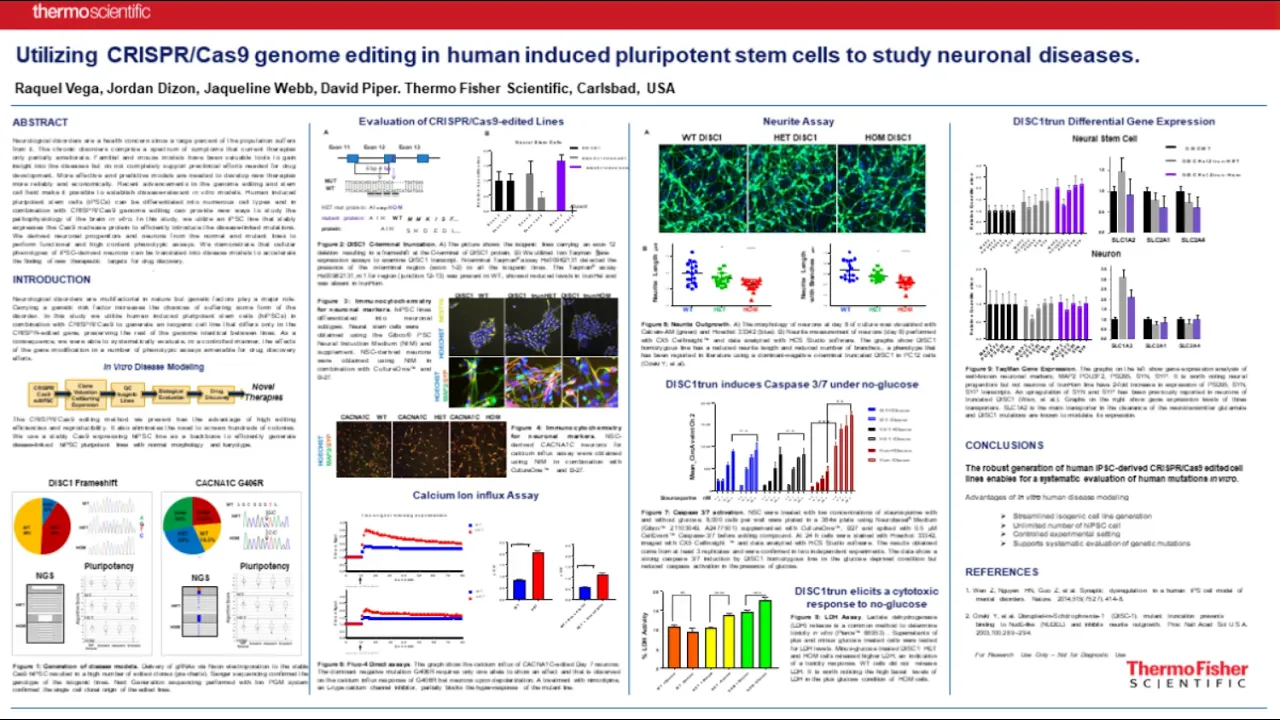

Induced pluripotent stem cells (iPSCs) are created by reprogramming adult cells (such as skin or hair follicle cells) back to an embryonic-like pluripotent state using four transcription factors (Oct34, Klf4, c-Myc, and Sox2), known as the Yamanaka factors, which allows these cells to be differentiated into any desired cell type for potential applications in regenerative medicine, drug testing, and disease treatment.
Induced Pluripotent Stem Cells: How iPSCs Are Made and Used
Added:Basic stem cell biology, specifically the definitions of pluripotency, multipotency, and cellular differentiation.
The central dogma of molecular biology, including how transcription factors bind to DNA to regulate gene expression.
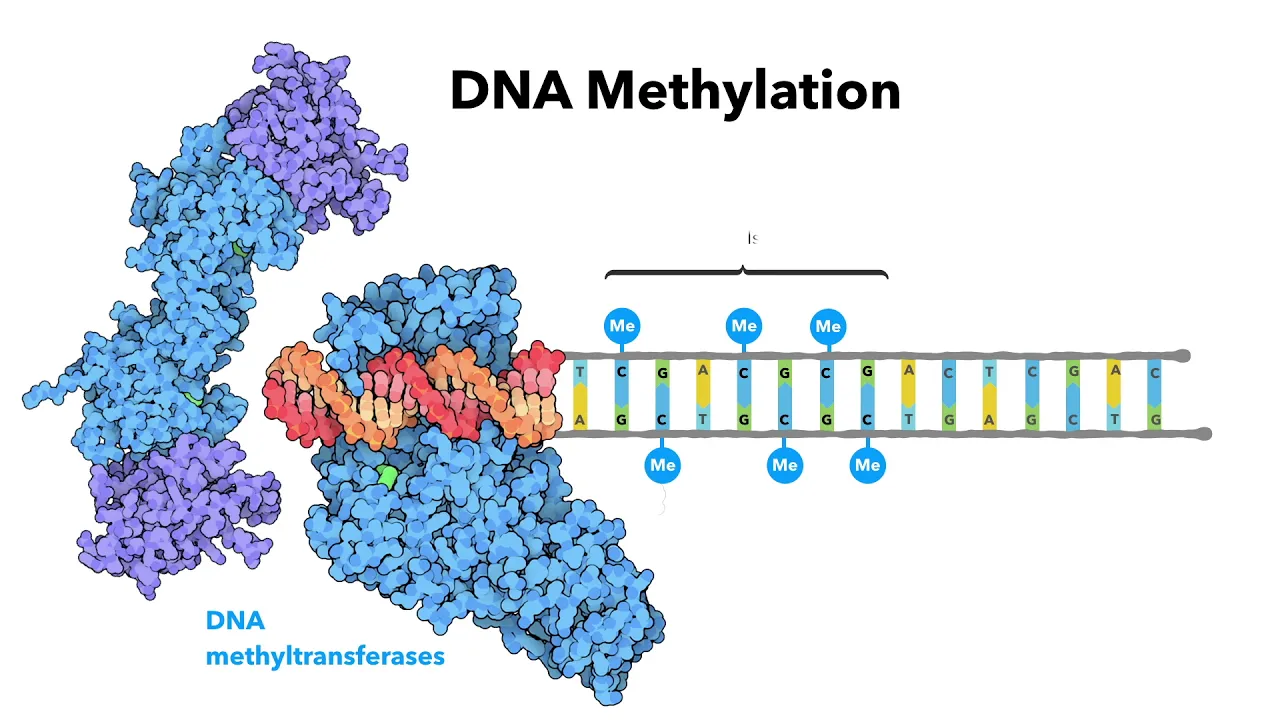
The concept of epigenetic regulation, including how DNA methylation and histone modification determine cell-type identity without altering the genetic sequence.
The fundamental differences between somatic (adult) cells and embryonic stem cells (ESCs).
The specific molecular mechanisms of the Yamanaka factors (Oct4, Sox2, Klf4, and c-Myc) in achieving pluripotency.
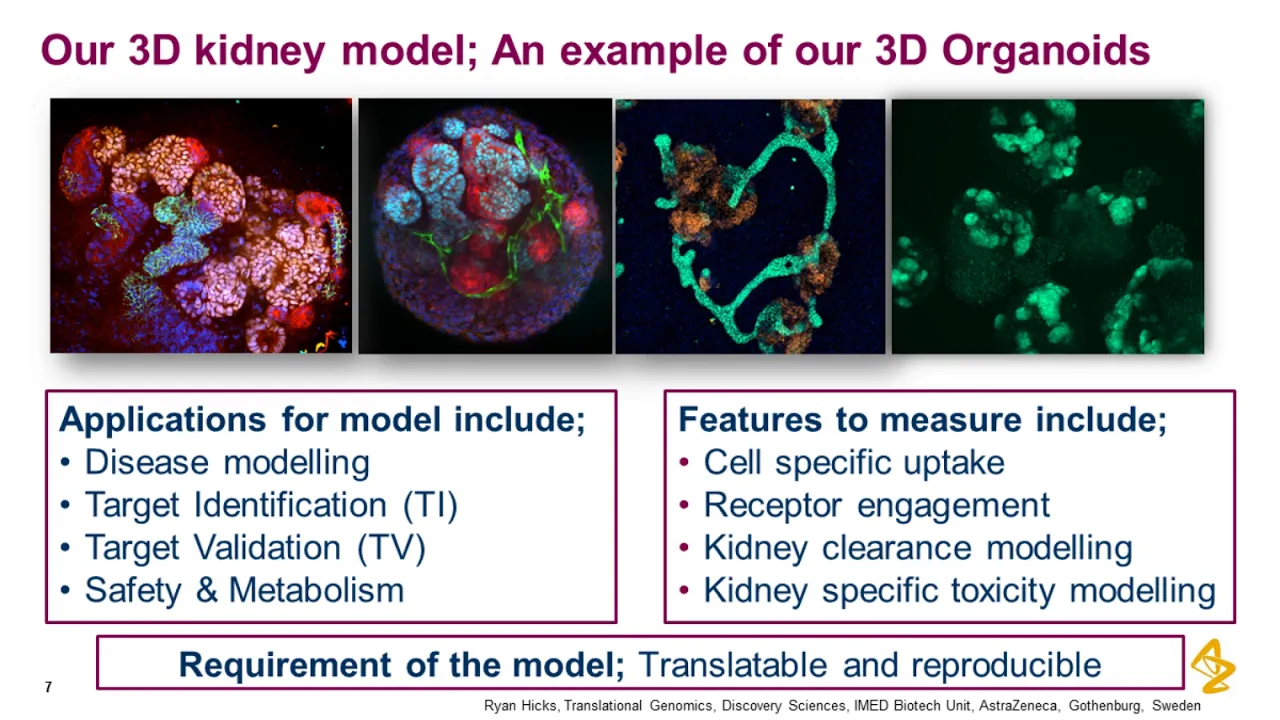
The generation and application of 3D organoids derived from iPSCs for advanced, patient-specific disease modeling.
The translation of iPSC technology into clinical trials, including challenges like tumorigenicity (teratoma formation) and genomic instability.
The integration of CRISPR/Cas9 gene editing with iPSCs to create isogenic cell lines for precise drug discovery and gene therapy.
5.5K views142likes4:18Original Release: 2022-09-01
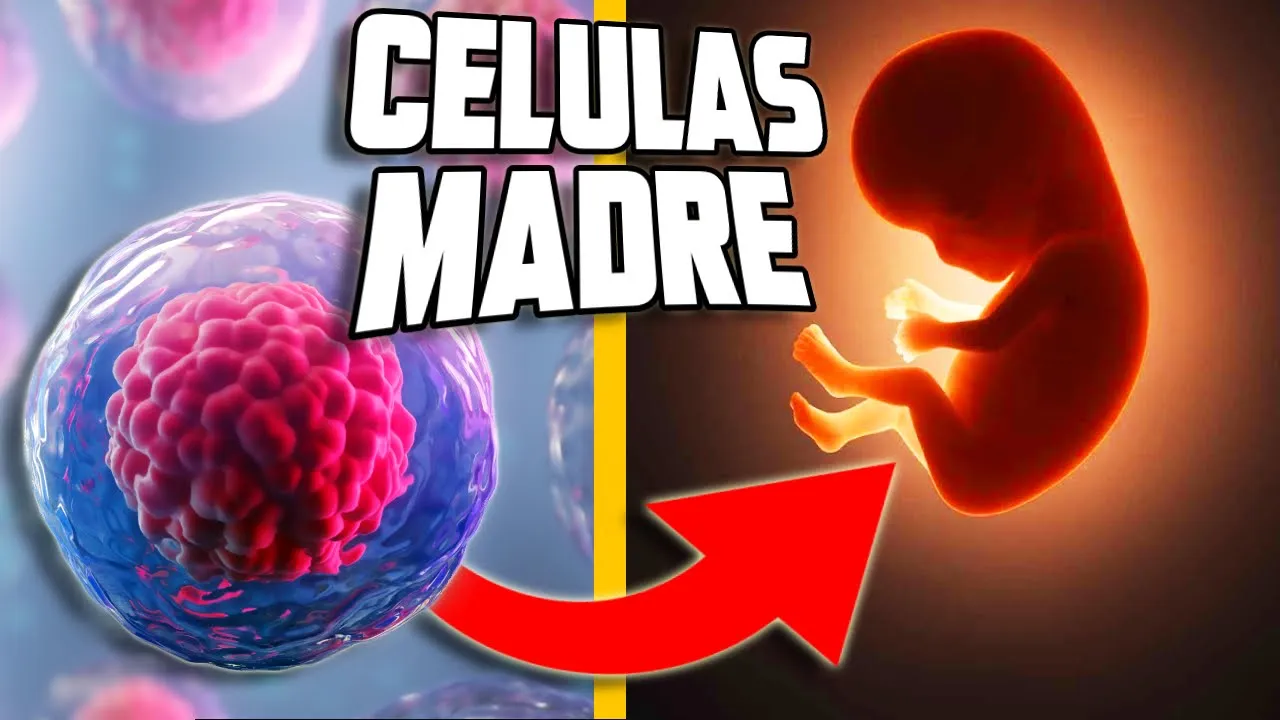
induced pluripotent stem cells you may have heard these words thrown around in articles about regenerating organs or making human tissue but what actually are they and how do they work let's start from the beginning cells are the building blocks of all living tissues they come in a variety of shapes sizes and functions stem cells are a generalized type of cell from which specialized cells develop they can either make copies of themselves or they can differentiate into any tissue like the brain or the liver or the heart or anything else if we go even deeper we can talk about embryonic stem cells which are basically the earliest cells in an embryo before they start to differentiate into specific tissues and organs we call them pluripotent to mean that they have the ability to become any cell type in the body so far so good but what does it mean to induce pluripotent stem cells as you can imagine harvesting embryonic stem cells is not that easy and it comes with a range of ethical issues so in 2006 researchers came up with the idea to make their own stem cells in a lab without the need for embryos sure enough their idea became reality in 2012 sir john gurdon and shinya yamanaka jointly received the nobel prize in physiology and medicine as they discovered that mature cells can be reprogrammed to act like pluripotent embryonic stem cells the procedure is surprisingly simple a hair follicle or a very small piece of skin is collected from a patient then it's placed on a dish and four proteins called transcription factors are added they are nicknamed the yamanaka factors and they are oct34 klf4 cmic and sox2 after a few weeks the cells are reprogrammed to look and behave just like pluripotent stem cells so now we have a petri dish full of pluripotent stem cells what can we do with them we take a page out of the developmental biology book and effectively guide the stem cells to become whatever we want them to become we place them in a soup or culture medium that simulates our desired final tissue and we add the growth factors that are expressed during development so if we want to make a motor neuron we add the chemicals that normally transform an embryonic stem cell into a neuron and same for any other cell type we follow the body's recipe to make any tissue we desire now i know this sounds a bit like magic and it totally blew my mind when i first encountered it but there are in fact some obstacles and rules to follow it takes months to go through the entire process and the reprogramming efficiency is not great but it is an extraordinary feat of science to be able to just collect a piece of skin or a strand of hair make it behave like a pluripotent stem cell and then just instruct it to become a completely different type of cell so what's next at the start of this video i mentioned that you have probably heard of ipscs in the context of making artificial organs and that is definitely an area of research but there is clinical trials and instead just test drugs directly on the differentiated cells finally ipscs can be used in cell or gene therapies ipsc-based treatments have been researched for a large number of diseases such as parkinson's disease als diabetes or various blood and heart diseases i hope you enjoyed this video and learned something new today about induced pluripotent stem cells thank you for watching don't forget to like comment and subscribe for more science content
Up Next
77:30
iPS Cells: A New Era of Medicine by Nobel Laureate Shinya Yamanaka
@NobelPrizeII
126.7K views•2017-09-17
14:12
Quantitative Real-Time PCR (qPCR): Principle, Method & Data Analysis
@animatedbiologywitharpan
129.2K views•2023-09-06
23:33
Microbial Degradation of Plastics: Biodegradation Pathways & Sustainability
@majeedhammad
2.9K views•2021-04-11
16:04
CRISPR and Genetic Engineering: How Gene Editing Works and Why It Matters
@kurzgesagt
30.5M views•2016-08-10
Related Study Plans & Knowledge Roadmaps
Structured learning paths in Biotechnology
biotechnology
AAV Production: Transfection, Prep & qPCR
01Introduction to Gene Therapy and AAV Biology
02Mammalian Cell Culture: Suspension HEK293 Cells
03Upstream Bioprocessing: Triple-Transfection Optimization
+ 2 more learning modules
18h5 modules
Explore Roadmap
biotechnology
Building Gut-on-a-Chip: PDMS, Cells & TEER
01Foundations of Microfluidics and Gut Anatomy
02Cleanroom Fabrication & PDMS Soft Lithography
03Epithelial Cell Culture and On-Chip Seeding
+ 2 more learning modules
26h5 modules
Explore Roadmap
biotechnology
Optimizing CFPS: E. coli Extract & Yield
01Fundamentals of Molecular Biology and Translation
02Introduction to Cell-Free Protein Synthesis (CFPS)
03Preparing E. coli Crude Lysate (The Extract)
+ 2 more learning modules
19h5 modules
Explore Roadmap
biotechnology
Haematococcus PBR: Design, Stress & Astaxanthin
01Biology and Life Cycle of Haematococcus pluvialis
02Bench-Scale Photobioreactor (PBR) Design and Engineering
03Culture Media Formulation and Inoculation
+ 2 more learning modules
15h5 modules
Explore Roadmap