




![٥-حل كتاب المرشد احياء🌹مراجعه نهائيه dna و rna ] البيولوجيا الجزيئية](https://i.ytimg.com/vi/6862irtv9LQ/maxresdefault.jpg)



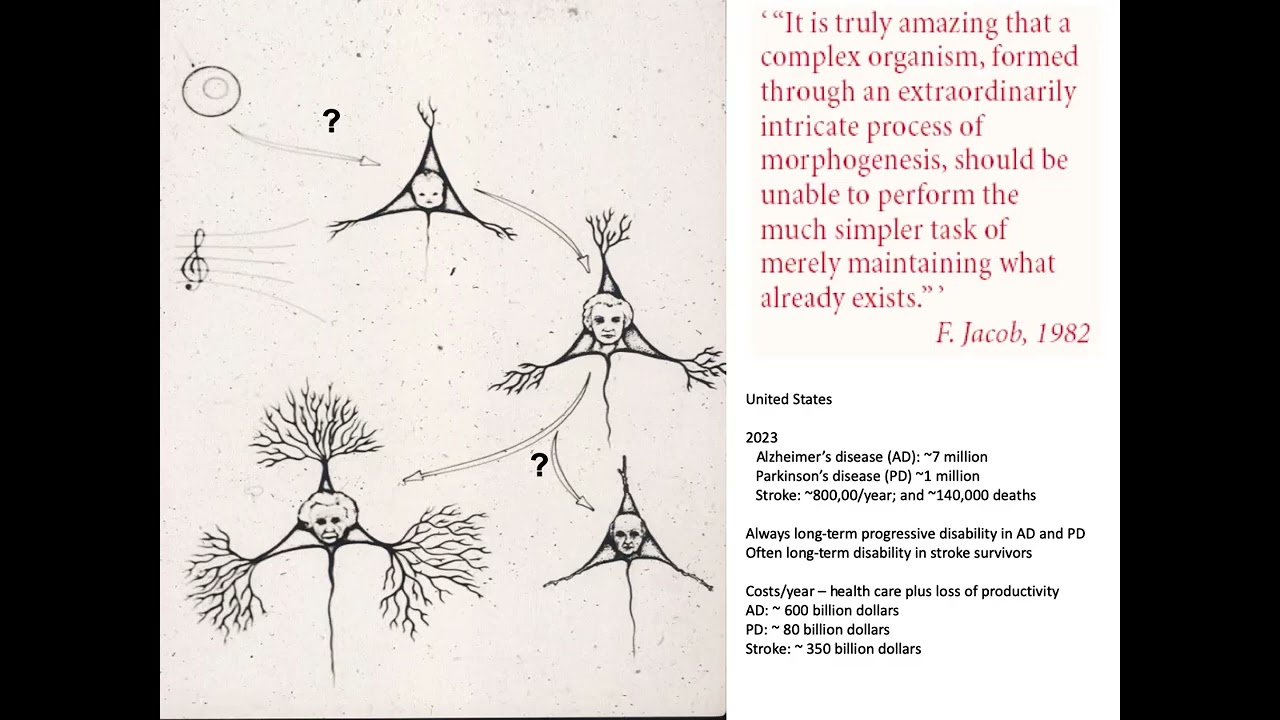


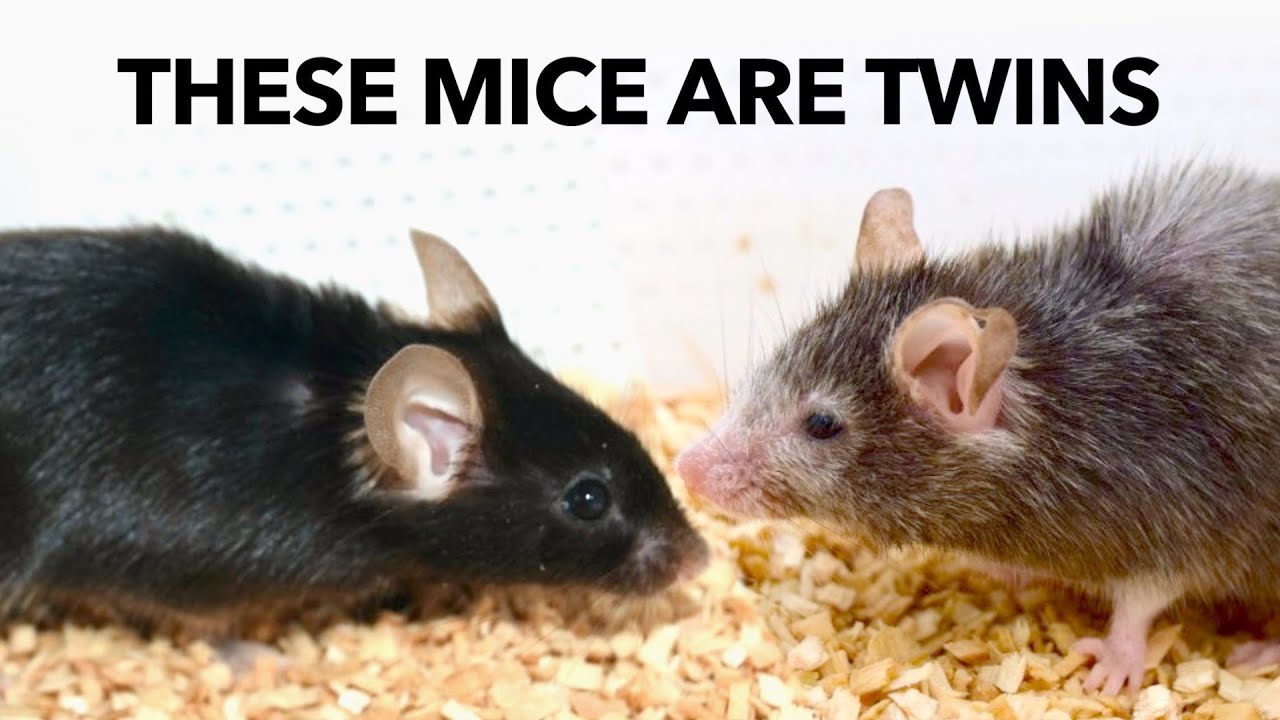



Aging results from the accumulation of molecular damage over time, with no inherent biological program for death; instead, evolution has shaped lifespan based on survival trade-offs, where larger animals and those with better survival strategies (like flying bats) tend to live longer. While breakthroughs in understanding aging mechanisms—such as caloric restriction mimetics, senolytic drugs targeting harmful senescent cells, and cellular reprogramming techniques—are advancing rapidly, achieving true immortality faces significant challenges including the brain's limited regenerative capacity and the complexity of coordinating systemic repairs across all body tissues simultaneously. The theoretical possibility exists, but realizing it requires overcoming formidable scientific, ethical, and philosophical obstacles.
Why We Die: The New Science of Aging and the Quest for Immortality
Added:my name is Seth Lewis and on behalf of Harvard University division of science the Harvard Library in the Harvard bookstore I'd like to welcome you to the latest installment in our science book talk lecture series I'm thrilled to introduce tonight's event with finy ramach Krishan who's presenting his latest book why we die the sorry sorry we're good all right why we die the new science of aging and the Quest for immortality before we get into the book few things to keep in mind our next event is Monday May 13th Sean Carol joins us again for the second installment of the biggest ideas in the universe quanta and Fields um so that's that'll be fun if you like that um for more information and to stay up to date on all things Harvard science book talks make sure to subscribe to our newsletter follow us on Twitter and check out our YouTube channel where we post the videos and recordings our event tonight will consist of a discussion followed by 10 to 15 minutes for questions and answers at that time we'll come around with some microphones if you raise your hand we'll come to you and then lastly once tonight's event concludes we'll make our way upstairs to Jefferson 450 for a reception and a book signing um chees cubes all the fun stuff and now it's my pleasure to introduce our speakers Binky ramach chrishan shared the 2009 Nobel Prize in chemistry for uncovering the structure of the ribosome a member of the National Academy of Sciences vinky runs his research group gr at the MRC laboratory of molecular biology in Cambridge England from 2015 to 2020 he served as the president of the Royal Society one of the world's oldest scientific organizations he's the author of The Frank scientific Memoir Gan machine joining him in conversation is Antonio regalato Antonio is a reporter at MIT technology review where he covers genetic engineering inv vitro fertility and Longevity research before joining MIT review he lived in sa Paulo where he wrote about Science Tech technology and politics in Latin America for science National Geographic and other Publications from 2000 to 2009 he was a science reporter at the Wall Street Journal and a foreign correspondent tonight they'll be discussing why we die a lively delve into death and the science of mortality covering the recent breakthroughs in scientific research minky's book examines The Cutting Edge efforts to extend lifespan by altering our genetic makeup but might death serve a necessary biological purpose what are the social and ethical costs think you will tell us so without further Ado the floor is to our speakers there [Applause] you well thank you and first of all thank you for hosting this lecture uh Jeff it's really a pleasure to be here uh this is probably a hall far more familiar to my son who is an physics undergraduate here from 94 to 98 before he decided to become a chist so I like to joke that he and I are both failed physicists but anyway uh here I am and uh I want to tell you in about 20 minutes uh some key sort of highlights uh about longevity uh that are described in my book so the first thing is that lifespans can vary uh enormously so uh if you look at for example the mayfly here uh it's the record holder at the short end it lives only for a day uh butterflies like the Monarch can have a rather variable uh lifespan depending on which uh phase of the cycle they're in but then there are others which live very long so at the Other Extreme is the Greenland shark which lives for over 400 years uh which is an impressive thing for a vertebrate and here's a galapagus: raises the possibility that's there's a Galapagos tortoise walking around now which might have encountered Darwin so uh there you go so um the question is why what is this variation in lifespan due to after all we're all made of the same material DNA and proteins and lipids and so on and how and of course we're all subject to all of them is subject to chemical assault so how come some species live over 400 years years another dies in a day well there is one interesting correlation and that is a correlation between lifespan and size in mammals so if you look at mammals the larger the mammal on average the you know it's more likely uh to live a longer time and there's an evolutionary reason for it and that explains really uh the you know evolutionary basis of lifespan and that is that that you can think of Aging which results in death as an accumulation of chemical damage to our molecules and cells now we're subject to this chemical damage from the time we're conceived so it happens even in utero all the way through our lives until there's some critical systems failure and we die now because of that uh Evolution has you know all life forms have evolved very sophisticated damage correction mechanisms and repair mechanisms and these mechanisms take up energy they take up resources and energy in order to uh produce them to maintain them Etc now if you're a mouse which lives for about two years in the wild um it doesn't make sense for evolution to have selected for EXT extraordinary efforts to maintain the m Mouse so that it doesn't age and lives for a very long time because that Mouse in the wild is going to be killed off by a predator or starve to death or or drown or something long before it ages so in that case it's more favorable for evolution to select for rapid growth and maturation and Rapid production of lots of Offspring because ultimately all Evolution selects for is Fitness which is the uh efficiency with which you can pass on your genes of course if you're a large animal then the equation's different it does pay because you can live a longer time have more time to find one or more mates and and produce Offspring over a longer uh lifespan uh this isn't the entire story because there are outliers and I'll talk about a couple for example there's this Branch bat now bats are about the same size as mice in fact even smaller Branch bat you could hold in a in the palm of your hand lives for 40 years compared to two years for a mouse now the reason is bats can fly so they can escape Predators they can forage over a much wider area and therefore it does make sense for them to live longer they'll be able to produce more offspring over a longer life similarly like this bird this coatu lives for 80 years which is a pretty respectable lifespan for for a bird for animal that size but birds in general live longer than terrestrial animals of about the same size so just one thing one lesson is that Evolution there is no program to die Evolution just doesn't care what happens to you as long as you know you're fed and you've passed on your genes that's you know a fundamental uh lesson uh From Evolution there are animals that appear not to a for example uh there's an animal called the Hydra freshwater animal and another one called The Mortal jellyfish now these animals apparently do not have what's called biological aging and that means in in specific terms there's a there's a phenomenon called Gumpert law which says that the rise and mortality with age is exponential that is to say when you're 10 it's very unlikely that you're going to die uh in the Years uh from 10 to 11 but if you're say 95 there's a very good chance you won't make it to 96 okay and so so that's uh that's the this exponential gers law and these species don't show gers Law apparently but it turns out even in these species if you wait long enough you do observe Aging for example Galapagos tortoises were thought not to age but you know old galap tortoises are growing blind they have very slow movement they have skin wrinkly skin and or wrinklier skin and infections and so on now the way these animals do it is by constantly regenerating uh their tissues and this is a little bit like plants you can take plants you can cut them off and they'll regenerate you can cut off a starfish's arm and it'll regenerate and they're that's slightly different from us mammals which have very limited more limited capacities uh for regeneration so the question is how long do we live how long can humans live well life expectancy has more than doubled over the last 100 or 150 years but it turns out that even in olden times people lived for very long periods for example there are composers who've uh known to have lived to you know being almost 90 years old you know 200 years ago and so maximum LIF span may not have changed that much uh over the years even if average lifespan which is due to uh eliminating infectious disease infant mortality better Public Health better treatment of many uh other diseases of old age like heart disease and cancer that's gradually increased our average uh life expectancy but in terms of Maximum life expectancy the record holder is this woman Jean calmon who who apparently well into uh until she was past a 100 used to smoke a cigarette and have a glass of Port every day after lunch uh which you know I wouldn't recommend that you follow but she also um consumed over a kilo of chocolate a week and I I could get behind that actually I think so she lived for 122 years and died in 1997 and um but nobody else in the last 30 years there's no record of anyone else living past 120 so the feeling and very few people make it past 110 in fact here in uh Boston there's a New England centenarian study uh headed you know of which Tom pearls is a co-director and uh you know the number of centenarians has not actually gone up significantly even though the number of Cent centinary number of people over 110 has not gone up significantly even though the number of people over 100 has been going up due to uh Health advances and um so I would say the natural biology limit is probably about 110 and beyond that uh you're really struggling and nobody really seems to have made it past 120 except for this unusual French woman so um the other thing I'd like to uh say point out is that breakthroughs and understanding aging have come from the strangest people and places the one thing I that is really striking is many of the advances have come from studying fundamental biology in areas completely unrelated to longevity or aging their curiosity driven research that explores uh you know major Pathways they've often come at it from unexpected angle one of the pathways I discuss in the book is the tour pathway which is a major metabolic pathway had the people who you know initiated it had no clue that it would have such a big uh you know do to do with aging and they've also come from very strange people and places and I I want to just give you a couple of examples so um one favorite of the anti-aging Community uh is a drug called rapamycin which you know maybe we can get into later uh when we talk now rapamycin was discovered completely accidentally because a group of Canadian scientists went to Easter Island because they felt that the natives of Easter Island weren't getting tetanus so maybe there was something in the soil that was protective so they looked at a bunch of soil bacteria to ask if they could isolate anti-microbial compounds one of them called Ramy after Rapa which is the name for Easter Island um turned out to be an antifungal compound and it was worked on at a uh company in Canada called irest uh by a guy named suren seel and he was interested in it and he wanted to see if it had other properties and it he collaborated with people at the National Cancer Institute showed it had anti-tumor properties and he wanted to work on it but at this at some point Iris got bought by WTH which was in New Jersey and they all had to close down the lab and move to New Jersey and nobody was interested in Rapa or his his bacteria but he was a rather stubborn guy so he grew up a huge batch of this bacteria that produces rap ofy in packed it in an ice cream C Carton and stored it in his home freezer with a label marked don't eat presumably for his children so and then he moved to to um you know w and persuaded his people to continue working on it and it turned out to have immunosuppressive and anti-inflammatory properties and was then became an approved drug for imos supression for gra transplant for organ transplant victim uh for patients and so um it became very useful and then people wanted to ask how did it work and how does it you know what's its Target and that led to the discovery of of T and the T pathway which then led to uh it's uh dis you know the discovery that it had uh potential anti-aging uh properties now another uh Big Field uh in longevity and aging is Alzheimer's as we as we get older one of the biggest risks today is that eventually if we live long enough we may many of us may get dementia and dementia is a disease of protein uh malfunction and possibly of protein aggregation and this is related to uh a set of diseases called pron diseases where proteins uh undergo a transformation into an abnormal form and start to uh Aggregate and and and cause uh malfunction now the earliest kind such disease was was called kururu which was a disease present in the natives of New Guinea this is Papa New Guinea which is just North of Australia and an American scientist named Carlton gek went to do a fellowship at in Melbourne and then he was sent by his adviser McFarland B brunett and well I think he wanted to go to investigate this weird disease called Kuru that was prevalent among these tribes in uh Papua New Guinea and he was one of the people who realized that it uh that these tribals were actually the foray tribe were had this practice of cannibalism they would uh eat the brains and other organs of their ancestors as part of a ritual uh ceremony and uh you know there was some connection some anthropologists had made this connection and gesek then showed that you could take uh brains of infected uh you know Kuru victims and then transmit the Disease by that extract by brain extract and he did that in uh chimpanzees and it was the first example of a transmission ible uh disease in that way and you know Alzheimer's could well be a preon disease we just you know nobody you know we don't go around eating the brains of Alzheimer victims but uh it has all of those uh characteristics gesek is also interesting because he has the unfortunate distinction of being both a Nobel laurate and a convicted child molester so because he brought back some of these young boys from the uh tribe to live with him in outside in uh in Frederick where near Washington DC now finally I want to say there's a huge explosion in longevity research with both real advances and some rather dubious claims now the reason there's an explosion is because all societies are aging and people are living longer and fertility rates are going down with the result that the population age distribution is skewing towards older people so it's extremely important that uh we find ways to have people remain healthy and productive and and and independent uh as we age and so all uh developed countries are are investing uh considerably in aging research of course there's also a lot of private money uh with some of these motives but not necessarily exactly the same motiv but this is the age distribution uh curve this is where we are now and you can see that it's fattening up at the older end uh predicted by uh in 2066 and this of course has led to a proliferation of literature there have been over 300,000 papers uh in the last 10 years so uh you know A Book Like Mine even even though I worked on it for three years could cover only a minuscule uh fraction uh of This research and it's not published just the mainstream uh big journals but there is whole proliferation of journals devoted to longevity and new ones are are cropping up uh every day and along with that there are about 700 startups which uh you know have longevity as a goal of one kind or another and um you know some of them will say they're really about healthy aging and not about life extension uh and then there sort of various uh mixtures and uh you know there are tens of billions of dollars uh invested uh in these startups uh many of them within you know a few miles radius of this place okay and um along with that there're also dubious claims you know so for this is from Tom Czech who's written a book about RNA and Tel and he and you know he he gave me the slide which says you can length you know talir shortening is considered one of the Hallmarks of aging and uh so there there you can go on amazon.com and you'll have lots of you know things you can buy that will apparently lengthen your telr but of course you know these are not FDA approved they're no clinical trials it's not clear what their uh basis is now at the same time there are some promising approaches now one of the things that the ancient Community agrees on is caloric restriction for so uh it turns out that if you uh restrict animals to the bare minimum calories that they need to survive without losing weight or starving then those animals often will have uh reverse many of the symptoms of Aging uh they will uh if you look at some of the markers of Aging that will also change and so there's a lot of effort to ask can you mimic the effects of caloric restriction and Ramy that drug I mentioned is is one such drug but of course rapamycin is an immunosuppressant so you remember you have it will also has the potential to make you prone to infections the wound healing is it has many other uh side effects as well and people are trying to figure out uh what to do now another uh interesting area uh that I discuss is is this thing called parabiosis where you can connect an old animal with a young animal so that their blood supplies are joined and this means that the blood is going from The Young animal into the old animal and then coming back round again and it turns out that these animals it's a rather grotesque experiment and the earlier versions of this were even more grotesque where they hadn't socialize the animal and one animal bit off the head of the other animal to which it was attached because it didn't like being attached to him but anyway they do things differently now and what they found is that um the blood of the young animal helps to reverse many of the symptoms of Aging in the older animals so the older Animal benefits from The Young Blood and it's also true that the young animal worsens uh from the old blood and this has led many labs to launch uh large scale investigations into what is it about Young Blood uh that's different and which of these factors that are different are actually beneficial and and if so how do they act so you can see this is a very long-term program H but that didn't stop a number of companies as soon as these reports came out number of companies started up uh getting young donors to donate blood extracting the plasma from them and selling it to rich people uh for transfusions and um you know one of these companies was shut down by the FDA and then it opened up under a different name and then when the CEO was asked about it he said well look the trouble with clinical trials is they take too long you know we don't want to wait until you know uh for clinical trials so so that is some sort of the attitude in some cases and it hasn't stopped some people from taking matters into their own hands and this is Brian Johnson a tech billionaire who decided to keep uh you know keep it all in the family so to speak because he got transfusions from his son and he also gave blood to his father so it's a sort of intergenerational blood transfusion uh progress and this is a guy who spends I think about $2 million a year on longevity efforts you know to keep and his goal is to not age and he wants to defeat aging and uh but but he I think he stopped the blood transfusion because he said it wasn't really actually improving his markers but he thinks it's still you know ought to work you just have to figure out uh how to do it so and then another aspect is that many of our cells become enter a stage called sence this happens all the time but as we old as we get old we tend to accumulate ccent cells these are a problem in themselves but they're also problem because they secrete inflammatory compounds know that actually are meant to attract the immune system to the site uh of action and that has a deliberate uh purpose but as we age it becomes a problem you get this large scale uh systemic inflammation and people have found that if you can specifically target ccent cells then that does improve uh the symptoms of Aging so this whole field C senolytics is another big Area of Aging and the final thing which I think is most challenging but also uh one of the most exciting is something called cellular reprogramming and we all know that you know we start off from a a single cell which then divides and then eventually differentiates until a full grown animal the baby uh is born and during this process uh the initial cell divides into two cells which divid a mult number of cells and in the early stages if you were to take any one of those cells that cell has the potential to form any kind of tissue so it's called a plop poent uh stem cell because it can generate any kind of tissue but later on you get more specialized stem cells for example these hematopoetic stem cells can only generate any of the cells of the blood system but that's a large number of cells but still it's a a limited number for example all of the cells of the immune system and red blood the precursors of the red blood cells all come from metapoetic stem cells then there are other cells which generate all of the cells of the nervous system including neurons and glea and so on and so as we age both the number and the quality of stem cells declines so we get stem cell depletion and the remaining stem cells are what are called clonal they're descendants from a very few stem cells which have not necessarily been selected for uh you know ideal properties the rather they're the stem cells that happen to reproduce faster and so um that is a problem now people have figured out that you can take fully developed cells differentiated cells and actually make them go backwards in development and these are the most famous experiment was by scientist named yamanaka who showed that only four factors alone could take an adult cell all the way back to plop poent stem cells now of course if you try to grow these ploton stem cells you often get teratomas which are cancer you know cancerous tumors so it's it's not you know there is a cancer risk with these things and there is also the problem that if you uh so to get around this people are trying to reprogram it so these St Cells Go backwards only a little bit and not all the way back to PL plop poons and uh but then you know you're doing dealing with a population so you're not sure that everything is just going to be going back a little some of the population may go back all the way even though the treatment uh was transient so this is a field that has shown some very promising results in animals uh but you know applying it to humans I think is going to take time it's going to take time to establish safety long-term effects all of these things so uh I think I'll stop there and maybe we can have a conversation [Applause] [Music] thank you yeah where be like oh I see this already copy here um yeah so I am uh Antonio I'm a journalist at MIT technology review I like to write about uh longevity schemes in particular when they involve billionaires I should point out that I read many of Antonio's articles in the process of writing this book and I actually reached out to him to steal one of his great lines in in my book right I I'm a sort of a science reporter so I'm always contacting scientists they don't always uh as often reach out to me especially not Nobel Prize winners who want to check a footnote so I was very impressed um and so the one word I would use about the book is scrupulous uh this is a scientist who is not a gerontologist he's from outside the field he doesn't have skin in the game in that sense um but who's decided to assess it assess modern molecular biology really in the light of aging and uh I would say one book to read is this one if you want to know what the questions are and what the facts are because scrupulous is not really a word that's so often used uh in this field as as we heard but I I do want to know why you got um interested I mean many of the people in this field uh some some of them young some of them old you know it's at some point uh they realize that everybody's going to die and once they figure that out um they really think that that is the biggest problem that there is and that they should dedicate themselves yeah so I I was interested probably for a v variety of reasons one is of course it's a big existential question and I think humans have wondered ever since we were humans why is it that we have to die one day why do we age and why do we die and why do different species last for very different lifespans you know those who own pets know that they're long going to outlive many pets many generations of hats and but for most of our existence as a species uh there was nothing we could do about it and the other interesting thing is I think we may be the only species that's aware of our mortality other species are aware of death but not necessarily that they have a an expiration date you know on them and so that was one one reason to explore that and I also felt that molecular biology had made real advances in understanding aging over the last few decades for much of its existence as a science it was regarded with some disdain by mainstream molecular biologists you know in fact uh one famous uh molecular biologist Gary rkin who's from around here uh you know found that you know he was working on these uh you know mutations uh in in the worm and he found that one of his mutations was involved in longevity and he's quoted as saying oh great great I'm in aging research now my IQ is going to have every year I'm in it you know so so anyway so that was the thing but I think things have changed and you know there is you know more rigor partly because the ni and the MRC and others are really encouraging research in in aging and Longevity so a lot of mainstream biologists including Gary rkin have gone into it and at the same time there's a huge amount of hype and I think you know you're as familiar as I am and I thought you know somebody who's objective and who doesn't have you know an anti-aging company I'm not selling a product the only thing I'm selling is this book um and that's you know after I wrote it so um so I think you know I think that was the idea is to try and take a hard look at the field yeah well a lot of the books in this in the space have very different titles it's how not to age ageless hack your body clock Young Forever these are books that I saw recently at a book display why we die it's a little bit discouraging let's face it but I still have the same question in the age of molecular biology Gene editing genetic engineering um do you think that it is possible to stall aging uh that immortality is is Within Reach because uh as you say Evolution didn't plan for death it's just sort of an accident so maybe we can solve it I think that is the feeling of the what I would call extreme optimists in in the U in the field um I I I think there's no physical or chemical law uh that says you have to die after a fixed amount of time for example we know that species even vertebrates can live over 400 years now if you look at the metabolism of these species very different from ours many of them have very slow metabolism uh they they're quite different so the question is whether you can tackle the agent processes uh and still keep us as as who we are as humans and um whether then we can do that in a safe and effective way the question of whether we should is a is a whole different thing which is philosophical but I think it's theoretically possible but I would put it on the same category as sort of we can also there's no physical or chemical law saying we can't colonize uh other galaxies or out of space or even Mars you know so and I would put it on sort of that that level you know and it would it would require huge breakthroughs which we haven't made uh yet right but why is it a hard problem I mean you you brought up embryonic stem cells I mostly write about embryos and crisper babies and stuff and so I've become very aware that immortality is all around us because we may die but cellular life you know barring an asteroid strike is not going to stop so the immortality is is right here right before us and you know Dr yamanaka even knows the four factors to endow a cell with that so why is it that we can't extract that from sure I I think the reason is that uh we're a very complex system it's unlike treating a single cell or a single line of cells like germ cells uh which have evolved mechanisms to minimize damage but I I also think germ cells do age but the but what we're doing is combining efficient mechanisms of repair so that they don't age as fast as somatic cells with a brutal selection process I mean what people don't realize is that you know first of all women are born with well over a million uh pre you know germ line cells and yet uh you know by the time a menopause it's declined to uh essentially zero and that's because this brutal selection in the in the process of going from the germline precursor to the actual you know egg that's you know ready for fertilization uh in each uh menstrual cycle so you know it's not clear that you can do that with a somatic body you know we're not you know able to apply that sort of brutal selection process and if we were able to somehow delay aging or reversing you'd have to do that in a coherent way so all of the systems in the body uh are able to do that and then there's one final frontier where uh you have a brain where uh regeneration doesn't actually occur you know and naturally and if you regenerate would you be able to regenerate all of the states and connections that make the brain what it is you know the the memory the the you know cognition Etc that the brain has uh that's really an a a sort of Unsolved problem and so I think you know yes you can do it for single cells you can might be able to do it for uh simple tissues even um to do it for the whole body over a very long period I think could be a real challenge but I agree that you know there are optimists in the field some again not very far from here uh who you know uh you know think this is a solvable problem well you know longevity it's a very selfish concept because it's about me right it is about me um but it's not the only way to achieve longevity like some famous composers you mentioned their name is still on our lips um through the reproduction of the genetic information that we have so I'm kind of interested in more speculative versions of immortality for instance cloning like you know you can buy an insurance on a cow and if your cow dies they'll get you a new cow same genetics pretty similar cow yeah and then maybe with one of these chat gpts you could train it on all your uh best ideas and best jokes and things you always say I mean it is finite so for another person that would be a very convincing replica of you not maybe we're thinking too narrowly about immortality and that it's actually again I feel like it's right here I could get cloned and I could get inside the computer yeah but that's you know you know it's not so far off from having Offspring you know but the real the reality is those clones are a bit like your Offspring they may be they may have descended from you but they're not you it's you are a particular you know V you know individual and so I think the reason we fear death is not because you know of this theoretical immortality the reason we fear death is we don't want to lose our existence as as an individual as a unique individual and I want to just paraphrase you know Woody Allen although I I know that he's been cancelled but but it's a but it's a great line which is that uh he said look I don't want to live on in the hearts and minds of my fans I want to live on in my apartment you know and he says I don't want to be immortal through my works I want to be immortal by not dying and so you know I I think um that's that's really I think a lot of what's dve what's Driven human culture I mean all human humans have been obsessed about immortality or and death for a long time you could argue many of the religions all have different versions of immortality you know some Rel abrahamic religions believe that the the body will resurrect itself corporally and they insist on burial uh traditionally other religions say well the body might disintegrate but you have this Soul this would be the equivalent of you know dumping your brain you can think of that as as some sort of a soul and uh you know dumping your brain onto some other uh you know form material form so I think you know this is just part of human culture yeah um we're gonna open it up into questions in just a second there'll be somebody running around with a microphone so get your questions ready make them short please um let's see uh one subject that arises well uh this company Alto labs for instance I wrote a story about them the first one I I forced them out of stealth which was a lot of fun that was a big article but then they got very upset they said no we're not about uh life extension or Rejuvenation even though it's like basically in their name you know Rejuvenation programming they say we're about health span okay so Health span is is maybe some more achievable concept and I don't know if you guys have seen the movies Logan's Run this like a classic 70s movie it's Utopia every is having a great time and then when they're 30 uh there's a ceremony and they get killed so they have perfect health until 30 this is what you call compression of morbidity morbidity tell us I mean this seems like a more realistic goal so let's hear about compression morbidity so this is a very interesting thing so if you ask the NIH or the MRC what is their goal they'll say their goal is healthy aging not life extension okay so the idea is that you know as we age we're acquire lots of morbidities we get you know heart problems we get diabetes you know some of us get cancer uh you know we may eventually get dementia and so these are all the morbidities of old age and we also get Frailty we get osteoarthritis aches and pains Etc so the question is can we keep people uh healthy for a larger fraction of their lives so that as we age we continue to healthy but without increasing lifespan the the problem with that concept it's a very nice concept but the problem with it is that virtually every medical Advance has led to an increase in longevity as well as increase in healthy years so that the number of years that we spend with these morbidities of old age has not actually gone down it may even have gone up slightly because you know it's it's sort of slowed down and so the real question is can we increase health span uh and keep that morbidity period very actually shorten that morbidity period so we're still dying on average at about the same age but we're staying healthy for a longer time so we're compressing that morbid period I'm not sure uh you know it's achievable uh there's no reason to think that we could do that because also what will happen is people you know if you have a perfectly functioning machine like the you know you're perfectly healthy what would suddenly cause you to decline and drop dead you know there's no there's no logic uh to that so it could be that we're simply postponing that the one fact that I and that I've come across during writing this book that suggests it might be possible in some people is that um Tom pearls told me uh and he runs the New England uh centenarian study that uh and he's published uh data which show that if you look at these people who live very long people over 105 or 110 it turns out they're extraordinarily healthy well into over 100 for most of their lives and go to a rapid Decline and then you know die so they've somehow uh compressed morbidity but these people may have some unusual combination of genetics and uh life history uh it's not something that might be generally applicable uh to the population so um I I think it's still an open question of course Aldis Huxley did it before Logan's Run even in Brave New World you know everybody lives very healthy and then they're taken to some you know sort of like a a death ceremony you know they and then they're all put to sleep uh when their time comes well that's a perfect compression of morbidity and also in our ancient history when we were hunter gatherers we had also very high compression of morbidity we were healthy healthy healthy and the moment that we acquired any defects we wouldn't be able to hunt or you know and we' just starve to death and and or be attacked by a predator and and so our decline would be extremely rapid but that's not the compression we want we we we're looking for you know living extremely healthily and then one day dying in our sleep and that's not you know necessarily achievable so uh do we have a question anybody uh lots of questions um maybe we'll start at the bottom and then go [Music] upwards hello uh thank you for this fantastic uh presentation and discussion uh I would like to to uh to get your thoughts on um on perhaps leveraging um the mechanisms of protein translation uh to to treat aging and age related diseases for example uh improving the Fidelity of the translation or the rate of translation or some particular proteins uh this is a great question uh for Beni because discover of the thing that does the translation so so it turns out the translational control is a is a fundamental process in several aspects of Aging in particular uh uh a broad phenomenon called proteostasis which is maintaining The Ensemble of proteins you have in your cell in the correct uh stochiometry and functional form and when that breaks down uh then you do have aging and in fact some of these Pathways like the Tor pathway actually uh partly work by shutting down Global protein synthesis because there's an accumulation of dun functional proteins and so it pays to to shut down or slow down protein synthesis while you uh which makes it easier to deal with the problem and uh there are other Pathways which uh when the cell faces stress and you know accumulation of unfolded proteins which happens with age is one such stress uh they can also use a different mechanism called integrated stress response which shuts down uh protein synthesis so there are people working and all of these are drug targets by the way so there are so you know I felt a little bit like the character in one of Muller's uh plays who found that suddenly late in life he discovered that all his life he had been uh talking in pros and and I feel like you know accidentally I I I'd been working in an area related to longevity research there we are thanks for the Fantastic talk um so one of the questions I had was uh do we have an estimate for uh how much of a role external chemicals in the environment play a role in sort of triggering initial conditions that then ultimately lead us to disease because one of the things that I understand from you know about the DNA is that we do have very good you know mechanisms that have evolved as you mentioned in the beginning you know for DNA damage repair um but one of the things that speeds up DNA uh you know DNA damage is you know external mutagens and things like pfas you know which are which is becoming a talking point so do we have an idea of how much this factor contributes and whether you know actually addressing it will sort of help longevity I don't I don't know uh the in terms of quantitatively I don't know I do know that if you have extreme exposure for example to carcinogens or radiation then you're dramatically increasing the mutation rate but one of the big discoveries in the DNA damage field was by Thomas lindal who showed that you could have DNA in just pure water and it would still accumulate thousands of DNA damage events uh in the course of a day and so um that and and that really provided the rationale of why DNA damage um repair DNA repair is so essential and so conserved from bacteria uh to humans because it's a n DNA damage is a natural process of life itself and I think what these other chemicals and do is is perhaps increase that basal you know add on to that Bas on rate uh thank you for this talk um I've always understood aging as uh an increase in entropy uh because of my background um but you're saying that there is no physical law that says that there is aing is that then a misunderstanding or is no it's not a misunderstanding it's a slight confusion about the second law of Thermodynamics which applies in a closed system where there's no energy input and if you apply external energy input then of course uh you can always reduce entropy and that's all living systems uh the reason that they're able to uh you know reduce entropy in cases is is by applicate they all require external uh energy and uh I mean we all know this from your attic or your hard drive if you don't expend energy you know you get entropic buildup and but if you really actually put in energy you can you know keep entropy low um so I think that's the the real reason that uh you know you can't just say it's you know entropy will take over of course many of these systems that correct damage which require energy are not perfect so it's possible that over the very long run you know you may not be able to outrun the entopic contribution okay and so even if you manage to say circumvent this 120e limit there might be a limit uh later on youve just slowed it down by by these processes hi my name is Frank Gillette um going back to the health span set of ideas um what about the sort of many practical suggestions to sleep a full night's sleep um avoid eating too much fish with mercury in it you know there's a bunch of very practical things that are sort of a preview of these Health span ideas which seem to have good science behind them um you know staying aerobically fit um turns out strength training is now coming up in the things you should do to improve your health span so where does that fit into all your thinking or is is it taking all that as a given it's a great question because near the end of my book I try to I I've said that the the trio uh including ones you mentioned the trio of a healthy and moderate diet so you're avoiding obesity avoiding uh all of those things and and having a a healthy diet with a good proportion of nutrients and fiber uh regular exercise and I take your point about uh weight training because that uh really helps to build muscle mass and loss of muscle with age results in Frailty that's one of the causes of Hallmarks of aging and and and eventually death and then getting a good night's sleep it turns out many of the repair mechanisms uh in biology occur during sleep and sleep we associate with a having eyes and a central nervous system uh it's not true they very primitive animals also undergo essentially the the molecular biology equivalent of sleep and and so sleep is a very highly conserved process throughout Evolution and it's because it involves you know these repair mechanisms so all of these are very important the the couple of things I didn't mention in the book one is uh getting health checks for some of the key indicators of Aging for which we have actual remedies for example high blood pressure high cholesterol these are things that can actually improve health uh with old age uh you know and and so and there are sociological indicators for example uh you know it turns out that longevity is also inversely correlated with loneliness you know and social isolation uh things like that but but you know there somewhat hard to separate cause from effect uh I think [Music] hi yes thanks again for the great talk so I was curious at the beginning when you were saying that a lot of the advances came from strange and unusual places and people so these days in science say with the startup culture or with all the different journals of Aging that you showed that were cropping up how can scientists and to an extent funding agencies keep their eyes open or account for that information coming from more unusual places yeah I I think this is of course a serious problem but I would say the good side is that uh certainly where I work in the UK and in the US and in countries like Germany there is a certain broad-mindedness uh from funding agencies about what constitutes useful science and all of these compan I mean NIH is the National Institutes of Health and MRC is the medicine research Council and yet they support a large amount of basic fundamental biology even the National Cancer Institute National aging Institute big fraction of its uh research would be a fundamental cell biology or molecular biology and it's a recognition that we need to understand the fundamental basis of things before we can understand or even to interpret uh what goes wrong and I think that but we should always keep that in mind because there's always pressure often from Congress or governments to try and get more directed research in and what we should point out and it's a very easy case to make uh is the importance of fundamental science and always reserving some fraction of the budget for uh really basic research and I'm happy to say that you know the hard use Medical Institute Again Medical in its name or the welcome trust in in Britain also take a a similarly broadminded uh view hi and I'm wondering what your point was by mention Dr Caron G Shack's work on for tribal people the can cannibalism kill people actually it's anti- longevity so I was wondering what your point linking anti- longevity to longevity well no no this cannibalism they weren't actually killing each other and eating them they were these were ancestors who died and they they had this ritual consumption of some of the organs of the ancestors immortality ritual and so the idea was that the ancestors would live on within themselves you know that was the idea their well it caused them this disease you know in the problem was if the ancestor was infected with the disease and they didn't and they had either died of it or they didn't know about it but they had been infected then you you would inadvertently acquire the disease as a kind of infection you know it's not not inevitable you know there there's an obvious interest in the scientific causes of aging and then there's an obvious interest in the economic aspects that we all face Thinking Beyond that and I'm sure you did that if we were to achieve indefinite age did you think about how that would feel I you know this is a very personal thing and and you know there are I'm I'm I you know I have to say there are plenty of people who view mortality is a problem to be solved because they're quite happy to live want to live forever they I I I joke that you know uh these are people who love their lives so much that they don't want the party to end and uh you know he said it best when he said you know some of these people when they were young they wanted to be rich and now that they're rich they want to be young okay and so um so I have to say that um my view is that you know if you look at big creative efforts in many fields certainly in The Sciences but in many fields it's often come when people are young you know and that's when big huge breakthroughs have been made you look at uh really big discoveries and ask when did this happen how old were these people when they uh made this discover it's often when they were young uh Kazo ishiguro whom I got to know over the last few years has said this even applies to writing he outraged all his fellow writers by saying you know uh most people have written their best novels by the time they're uh 40 and he gave a whole list of people including toll story with War and Peace and so on so so why does this happen and one Theory one idea that isuru had is that it's not about the health of our body or even our brains it's the fact that when we're young we're facing everything for the first time so everything is novel we we don't have preconceived biases uh we're we're fresh we're more open to to uh ideas to interpretations and that's all part of creativity and of course cognitive decline does occur uh with age there's no question about it you know if you if you're my age and want to learn you know abstract algebra break topology it's going to be a a very uphill climb so so I think you know that that is a a fact so I my feeling is if we have the same group of people living very long you can't be reproducing at the same rate or you know people won't die but people will keep being uh born that'll lead to a population rise that's also not terribly sustainable given what the Earth is facing today uh so the alternative is you have the the stagnant society and you know I I think I think regeneration is good for for everything including uh culture and Society I should say the last two chapters of the book really get into some of the sociological questions he gets right into them I mean we have there's declining birth rates I mean I you know the fertility rate in the United States you know it's like it's just person is creating in their lifetime like point eight new people which isn't enough to yeah um to keep it going so uh we're already headed a little bit towards this scenario of like super low birth rates longer life um and inverted demographic pyramids which could have problematic consequences last question last question hi thank you um so I have two questions my first question is you mentioned couple promising approaches and I'm wondering if um if the molecular mechanisms behind some of these approaches are known for example you mentioned Romy mimics caloric restriction do we know anything about its molecular mechanism that's my first question yeah and my second question is I once read in a book that turtles have longer lifespan because they have a very low respiratory rate I think some turtles they breath like 0.3 breasts per minute for example so is there any scientific basis yeah so in general there's a very strong correlation between metabolic rate and and and Longevity so it's inversely related so if you have very high metabolic rate uh then you're you're more likely to die quickly and it's also related to size because it turns out smaller animals have a higher metabolic rate and it is true that the turtle but also the boohead whale that I uh well the Greenland shark certainly has a very low metabolic rate and in fact it's so slow that it you know it's amazing that it can actually find things to eat you know so you know so so um which is not what you would think of for a shark but anyway uh so that's one thing and I'm sorry I forgot the first so you mentioned a couple different oh rap so Ramy is the target of rap is tor which is the the reason it's called tour is T stands for Target of rapis and so and so um it is actually uh what Ramy acts on it's a kise which you know involves a a big long Cascade which uh has widespread metabolic effects including shutting down uh protein synthesis but that's only one of its many uh effects so uh many of these targets are known and uh you know the other one which is another uh drug that's been touted a lot is called isib which acts on an aspect of controlling protein translation uh again you know sort of related to my field and um that's um also the target is very well known so great uh thank you so much vany I'm gonna [Applause] yeah I can't resist reading a quote that I found in the book it's actually a quote from Barbara aronri which you quote uh and it says you can think of death bitterly and with resignation and take every possible measure to postpone it or more realistically you can live life you can see life as an interruption of an eternity of personal non-existence and sees it as a brief opportunity to observe and interact with the living and ever surprising world around us so thank you everybody for spending a little bit of your Interruption here and if you can afford a bit more in the reception thanks [Applause]
Up Next
Animal Migration Explained: Why Animals Move | Science for Kids
@SciShowKids
859.9K views•2016-11-16
Bacterial Communication: Quorum Sensing and Biofilm Formation Explained
@JHUAAP
12.6K views•2011-06-28

Enteric Nervous System Explained: The Gut's Brain | Neurobiology Lecture
@alumniu6029
438 views•2018-09-12
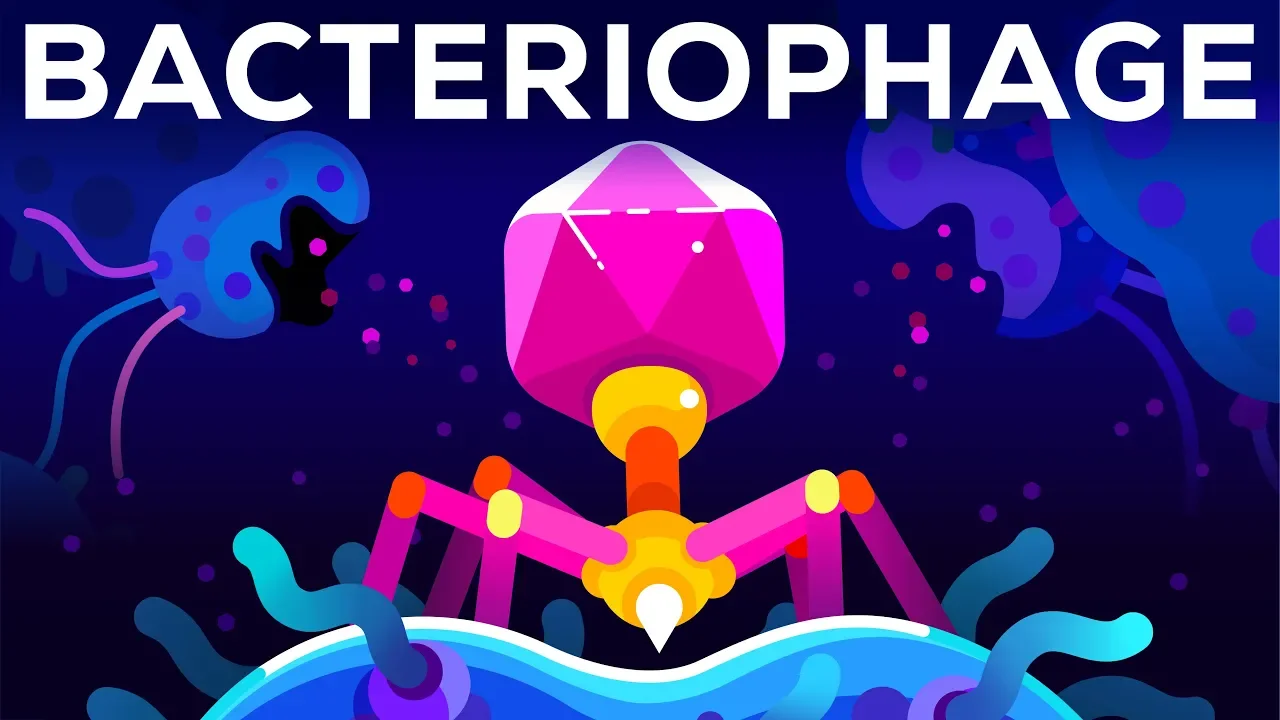
Bacteriophages: Earth's Deadliest Killers and Future Antibiotics
@kurzgesagt
34.6M views•2018-05-13
Related Study Plans & Knowledge Roadmaps
Structured learning paths in Biology