














![[الفيزياء النووية]الفصل الثامن / مؤيد سليم الزيدي.](https://i.ytimg.com/vi/FMti2yGYv38/sddefault.jpg)

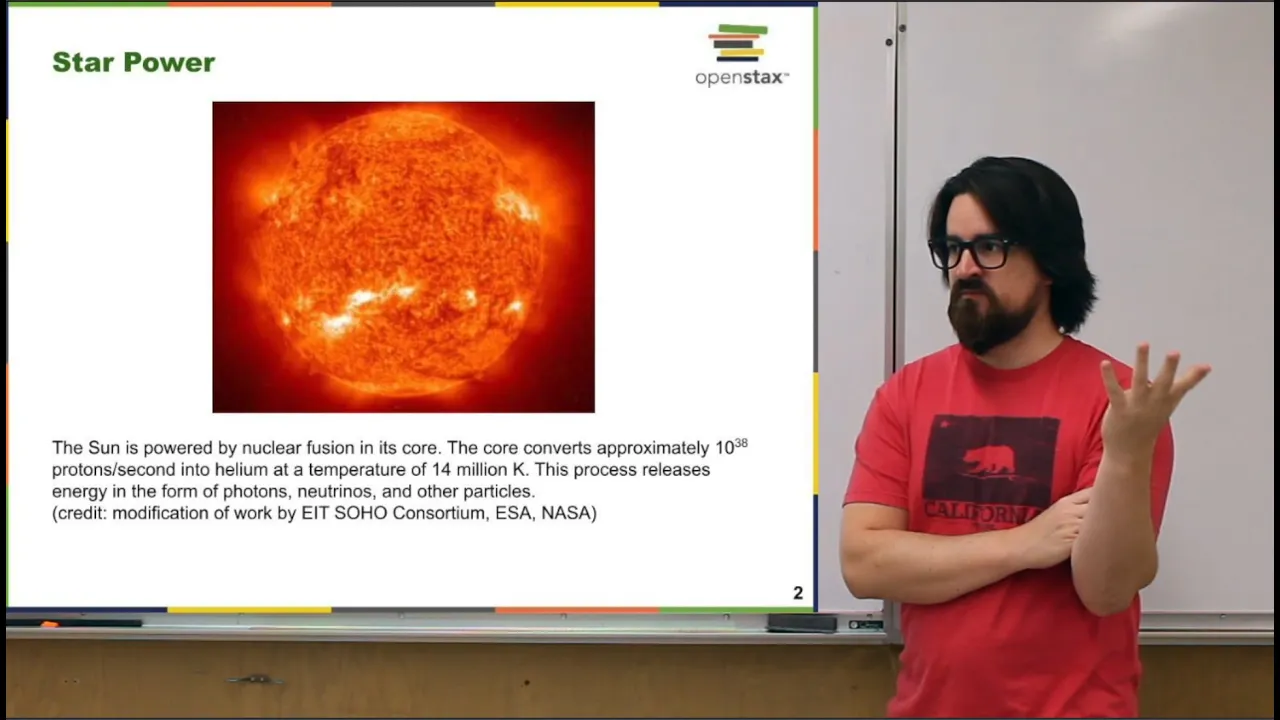

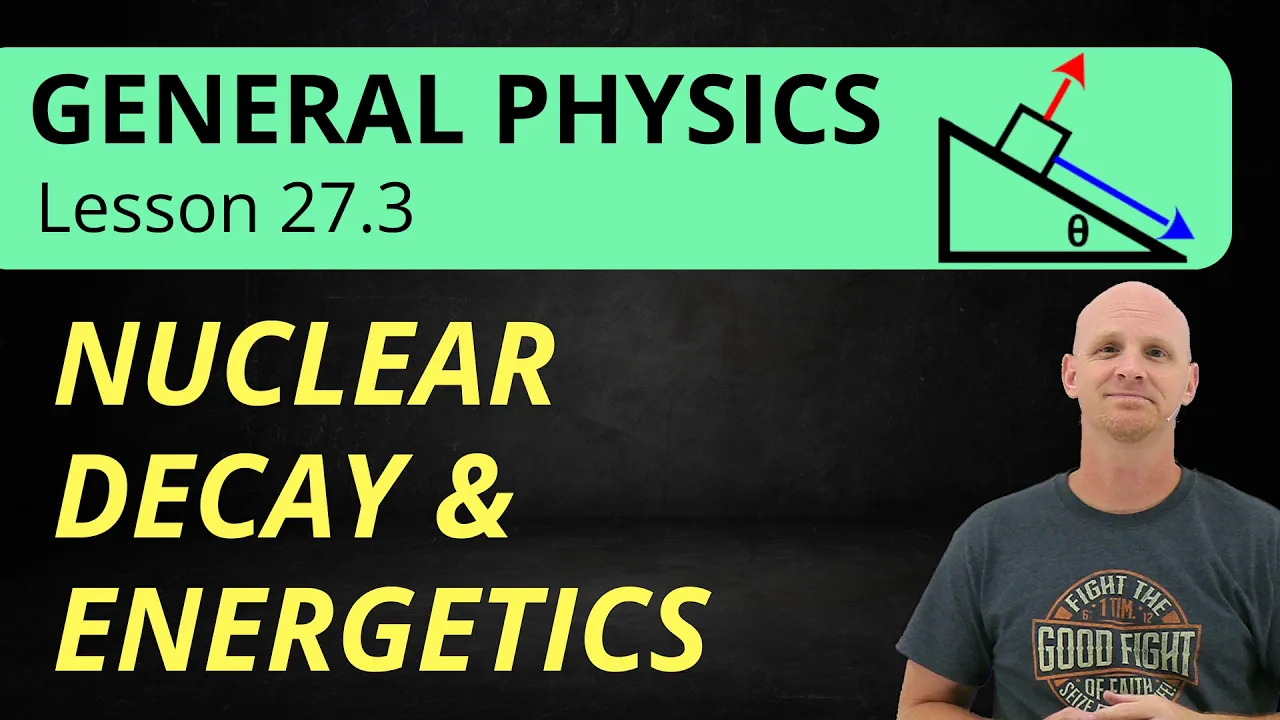



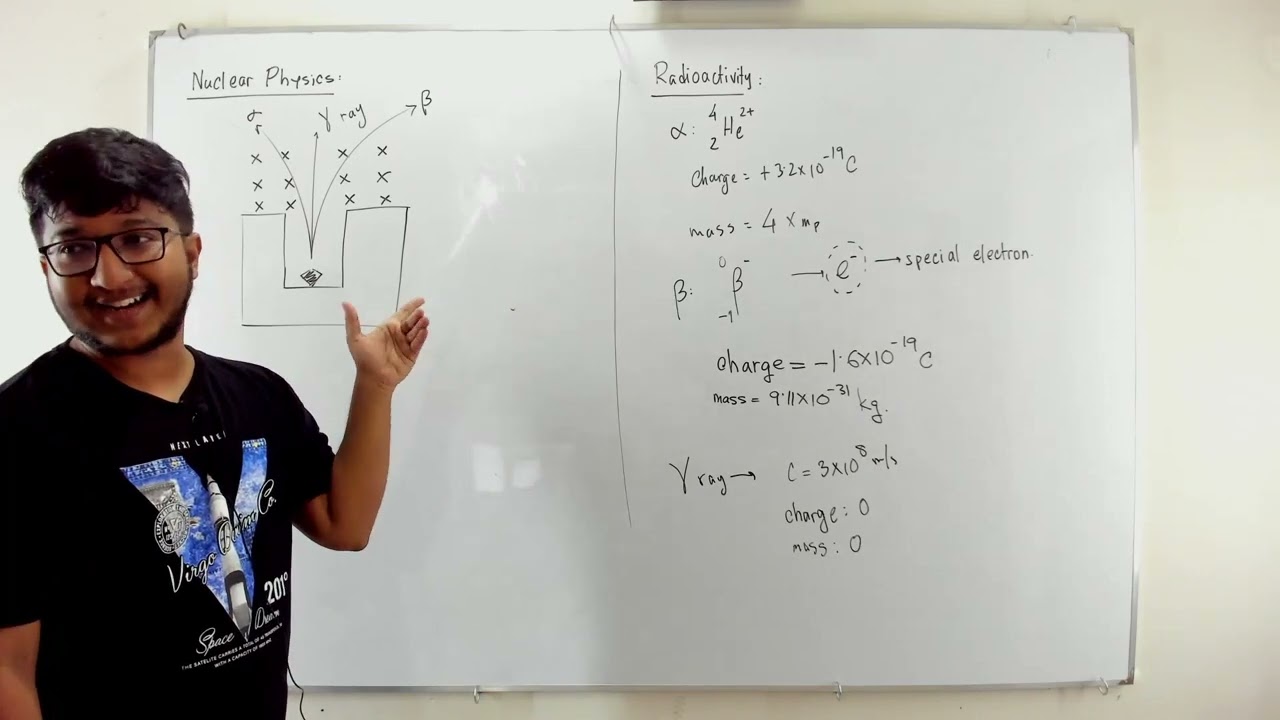




Mass defect is the difference between the expected mass of a nucleus (calculated from individual proton and neutron masses) and its actual measured mass, and this missing mass is converted into binding energy that holds the nucleus together according to Einstein's equation E=mc²; since 1 unified atomic mass unit equals 931.5 MeV/c², binding energy can be calculated by multiplying the mass defect in atomic mass units by 931.5 MeV/u.
Mass Defect and Binding Energy Explained | IB Physics
Added:Basic nuclear structure, including the definitions of protons, neutrons, nucleons, atomic number (Z), and mass number (A).
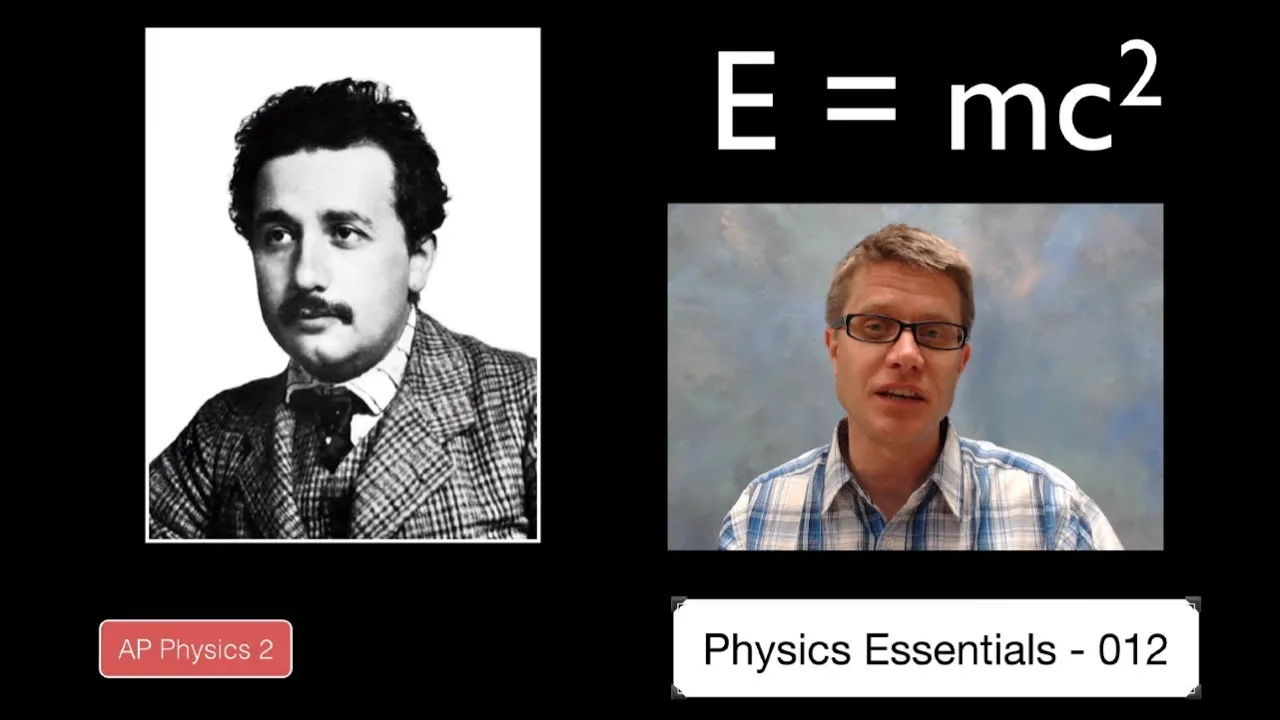
Einstein's mass-energy equivalence principle, specifically the conceptual understanding of E=mc².
Common units of measurement in nuclear physics, such as the unified atomic mass unit (u) and mega-electronvolts (MeV).
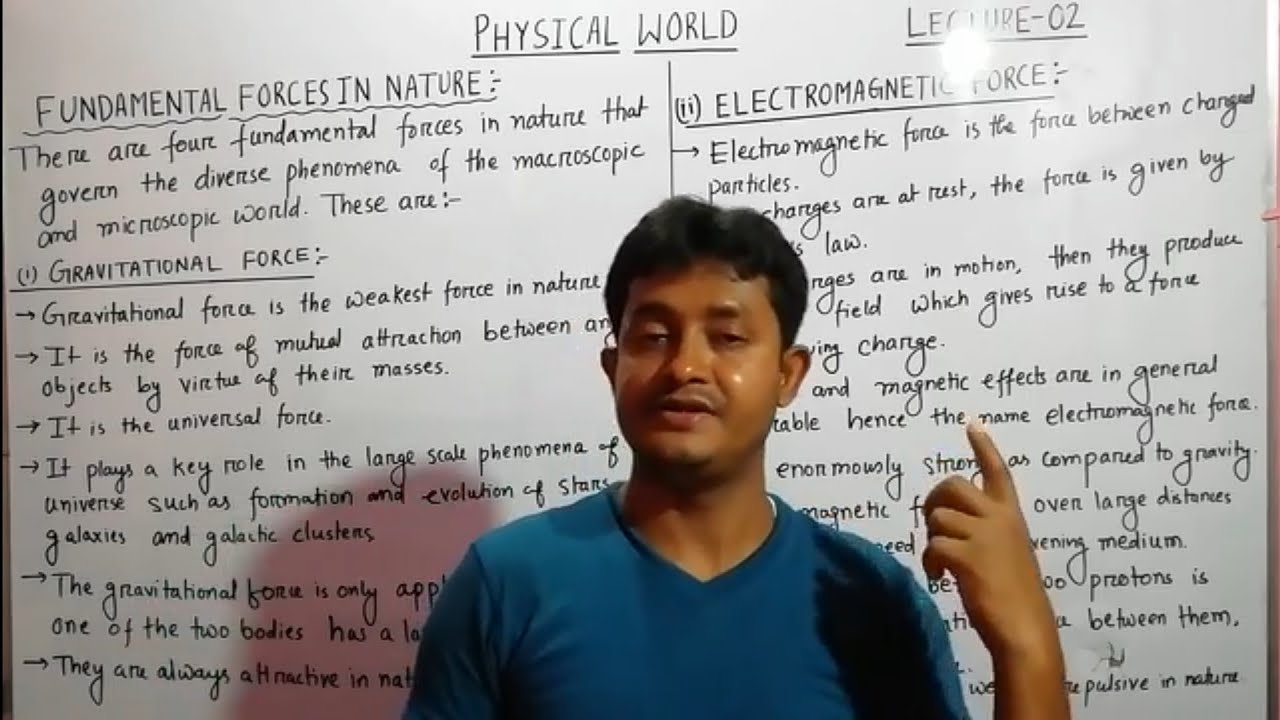
The fundamental forces of nature, particularly the electrostatic repulsion between protons and the opposing strong nuclear force.
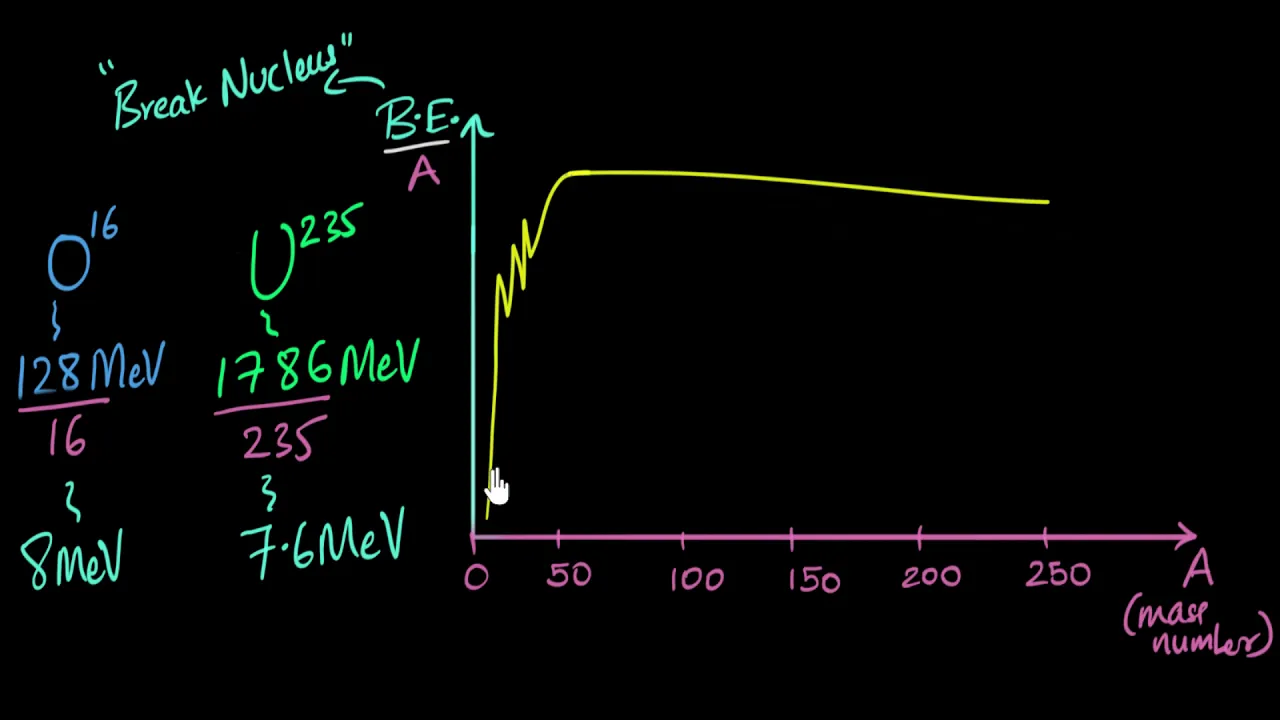
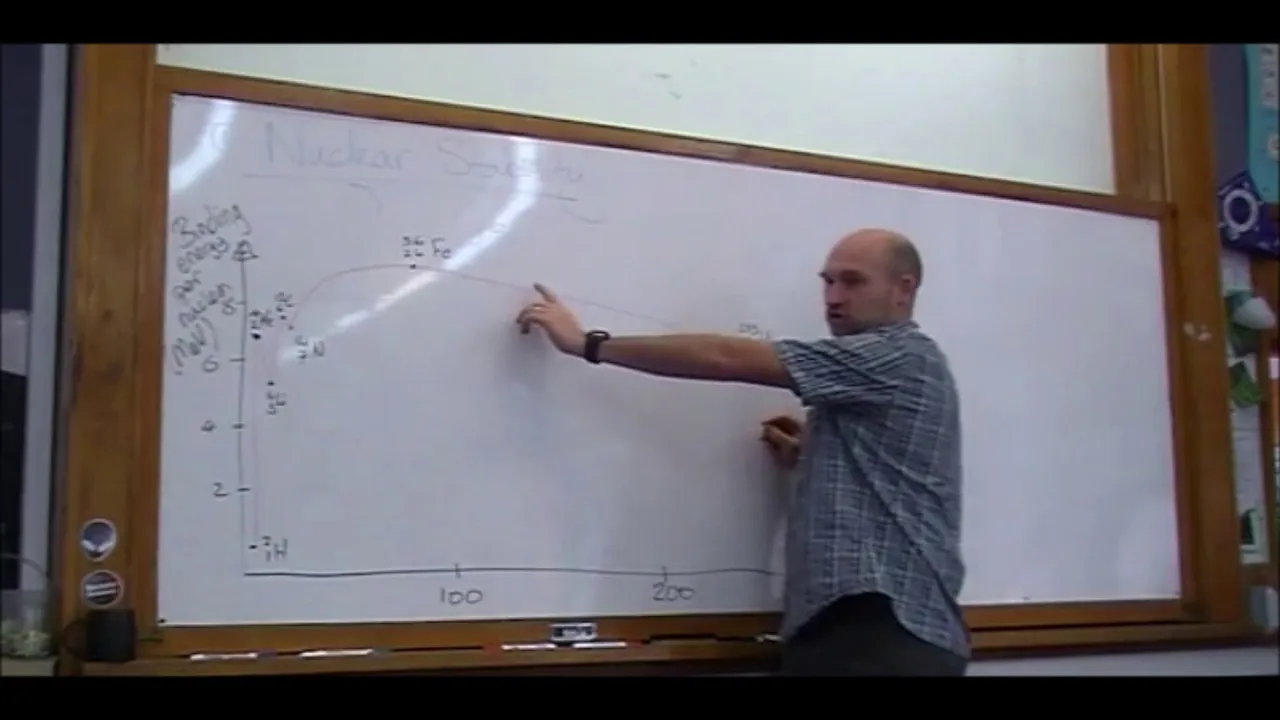
The binding energy per nucleon curve and its significance in determining nuclear stability, particularly around Iron-56.
The mechanisms of nuclear fission and fusion, explaining how energy is released by moving towards more stable nuclei.
Quantitative calculations of energy released (Q-value) in radioactive decay processes, including alpha, beta, and gamma decay.
Real-world applications of nuclear energy, such as the operation of nuclear fission reactors and stellar nucleosynthesis.
39.3K views552likes12:23Original Release: 2020-11-28
this lecture is about mass defect and binding energy before we talk about these concepts i need to introduce the unified atomic mass unit we just write that as lowercase u this is a unit used for measuring very small mass we use it to measure the mass of nuclei protons and neutrons so 1u is equal to 1.661 times 10 to the negative 27 kilograms the reason we use this is that when we're working with very small objects like protons and neutrons it would be kind of a pain to write out tens with these very low exponents for every single mass that we record so instead we just record them in unified atomic mass units this is the mass of a proton and a neutron in an atomic mass unit and this is what they would be in kilograms but i'm going to focus on atomic mass units for now to introduce mass defect i'm going to start with this question based on these masses of protons and neutrons what would we expect the mass of a carbon-12 atom to be and for now i'm going to ignore the mass of electrons just because they're so small so i know that a carbon-12 atom has six protons based on the symbol that i'm looking at and the number of neutrons is equal to the nucleons minus the protons so there are also six neutrons so this is something like what the carbon-12 nucleus would look like if i know there are six protons and six neutrons in the nucleus i could just multiply six by the mass of a proton and six by the mass of the neutron to find the expected mass of the nucleus so when i do that i find that the nucleus i would expect to have a mass of 12.095646 u and that makes sense right i've got six protons so i multiply the mass of a proton by six i've got six neutrons so i multiply the mass of a neutron by six and then i add those two things together to get the expected mass of the nucleus the strange thing and the theme of this lecture is that that expected mass is actually not the mass of the nucleus for carbon 12 the actual mass of the nucleus is actually just 12.00 so i can see some mass is missing i have less mass in the nucleus than the mass of the individual protons and neutrons that make it up and that's strange i find that the missing mass is equal to u 0.095646u this is what i would call the mass defect of the nucleus so the mass defect of a nucleus is the difference between the expected mass of the nucleus based on the number of protons and neutrons and the actual mass of the nucleus to find the mass defect you're just going to take those three steps that i've listed on the left it's just like what i did in that first example i can run through four more examples where i find the mass defect of each using their number of protons and nucleons and the actual mass of the nucleus so this would be step one finding the number of protons and neutrons this would be step two finding the expected mass of the nucleus and then step three is subtracting the actual mass from the expected mass and so each final number there is the mass defect of that atom before we go on i just need to say that the unified atomic mass unit was actually based on the exact mass of a carbon-12 atom scientists knew there were 12 nucleons in the atom so they divided the mass of the atom by 12 to get 1.661 times 10 to the negative 27 kilograms which they set equal to one unified atomic mass unit so this is why a carbon-12 atom is exactly 12u you may have noticed it was strange that that was equal to exactly 12.000 u so this is the reason why it's because u was defined as being exactly 1 12 of a carbon-12 atom before we talk about binding energy i need to talk about e equals m c squared which is easily the most famous physics equation in existence but at the same time many people don't actually understand what it means this is how it appears in the ib physics data booklet this just means a change in energy is equal to a change in an object's mass multiplied by c squared what this equation means is that mass can actually be changed into energy and vice versa you can actually destroy mass by turning it into energy and the amount of energy we can transform mass into is equal to the mass multiplied by the speed of light squared remember that lowercase c is a symbol for the speed of light if this sounds strange to you it's because you probably haven't ever seen it in person mass changing into energy very rarely happens on earth it mostly happens in nuclear reactions this equation does imply that a huge amount of energy is contained in even just a little mass for example the mass of a pen is.006 kilograms and if we imagine that we were able to get all of the energy that exists in the mass of this pen out of the pen if we were able to convert all of the mass of the pen into energy to figure out exactly how much energy that would be i can just plug this into e equals m c squared where again c is 3.00 times 10 to the 8th meters per second when i multiply that out i get about 5.4 times 10 to the 14th joules which is a really gigantic amount of energy that's equal to about 500 kilotons of tnt just to visualize this a little bit more if you go to the website nuke map you can actually enter in a nuclear explosion with the exact amount of kilotons of tnt that you would like it to be equal to so if i drop a nuclear bomb worth 500 kilotons of tnt on my home city of washington dc i can see that it basically destroys the entire city so that one little pen actually contains enough energy inside of its mass to destroy an entire city which is pretty wild and this is actually the basis of how nuclear bombs work as well i've left a link to the nuke map website in the description of this video so e equals m c squared is telling you that you can transform mass into energy and there is a huge amount of energy contained within mass the problem is that it's very difficult to change mass into energy we can now talk about the binding energy of an atom so the binding energy of a nucleus is the energy required to combine individual protons and neutrons into the nucleus some of the mass of protons and neutrons is lost to create the binding energy so this is a situation where mass is changed into energy using e equals m c squared so this is what happened to the mass defect this is where that missing mass of an atom goes so binding energy is always equal to mass defect times c squared as an example if we have six individual neutrons and six individual protons and we want to combine them into a single carbon-12 atom i know that before anything happens their individual total mass is going to be the sum of all the masses of the individual protons and neutrons so that mass is 12.095646u and when you combine them into a carbon-12 nucleus they actually sacrifice some of their mass and turn it into binding energy energy that holds them together in the nucleus so they're less massive than they were before and now their total mass is equal to exactly 12u so the mass defect here is.09564 so that's exactly how much mass was changed into binding energy to hold these particles together in the nucleus so that they won't repel each other and to figure out exactly how much energy this is i'm going to change this mass into kilograms so i can use it in e equals m c squared and usually we like to record binding energy in electron volts or mega electron volts because that's a more manageable number and just a quick note if you're confused about how i'm converting from joules to electron volt i've left a link in the description of this video to my lecture on how to go from joules to electron volts so converting this to an electron volt and then to a mega electron volt gets me a final answer of 89.4 mega electron volts so these protons and neutrons started off as individual particles with a total mass and then to combine together they actually had to sacrifice some mass and turn that mass into energy and they had to sacrifice exactly enough mass to create 89.4 mega electron volts of binding energy to hold them together in the nucleus that last step where we went from a unified atomic mass unit to a kilogram to a joule to an electron volt to a mega electron volt was a lot of steps and we actually don't need to follow every one of those steps every single time we do a problem because if you have a mass in unified atomic mass units to convert it to kilograms you multiply it by this factor label and then you can multiply by c squared to get the energy and then you can convert from joules to electron volts and then from electron volts to mega electron volts and that will be the energy contained in that mass in mega electron volts because you would always have to multiply by the exact same factors here you can actually combine them all into just a single value which is 931.5 mega electron volts per c squared over 1u and that will also get you the energy in mega electron volts so one unified atomic mass unit will always be equal to 931.5 mega electron volts per c squared and that unit makes sense because we know that because energy is equal to mass times the speed of light squared the mass will be equal to the energy divided by the speed of light squared so it makes sense that we have a unit of energy per c squared and this value is actually given in the ib data booklet so you will never have to memorize this when you're doing problems you just have to understand what it means that one unified atomic mass unit is equal to that amount it literally means that according to e equals m c squared if you convert one unified atomic mass into energy you get exactly 931.5 mega electron volts so this is all the information that's given about protons neutrons the atomic mass unit and e equals m c squared in the ib physics data booklet so you can see that the proton and neutron rest mass are actually already given as energy values and you're also given the unified atomic mass unit in energy as well i just need to go over two notes on binding energy before we go into some practice problems so binding energy is the amount of energy that nucleons lose in order to bind together this means binding energy is also the energy that needs to be added to nucleons to separate them into individual nucleons so binding energy is the minimum work required to completely separate nucleons of an atom as well as the energy that the nucleons themselves need to sacrifice in order to bind together so when nucleons bind together they sacrifice some mass so they're also sacrificing some energy into binding energy and if we want to separate those nucleons we have to add in some energy from outside to give them back that energy that they lost to binding energy so they can exist as individual separate atoms again so whenever a question asks how much energy is required to separate the nucleons of an atom it means what is the binding energy of the atom this other note that you have to remember is that the force involved in holding nucleons together is the strong nuclear force which i discussed in a separate lecture on the four fundamental forces which is linked in the description so here you just need to know that there's a connection between binding energy and the strong nuclear force where adding binding energy increases the strong nuclear force holding the nucleons in place we can now move into some example problems example one says what is the minimum work required to completely separate the nucleons of this atom so remember the minimum work required to separate the nucleons is just a code word for the binding energy they mean the same thing so i just need to find the binding energy and to do that i'll start by finding the mass defect and i start that by finding the total mass that i would expect this to have so i have 92 protons 143 neutrons so this is the mass i would expect the atom to have and then i subtract the actual mass to find the mass defect which i can see is one point eight six four five five seven u and then i just have to convert that to energy by multiplying it by a factor label because i know that in a unified atomic mass unit you have exactly 931.5 mega electron volts per c squared so when i multiply that up this is what i get and then just plugging that into e equals m c squared that gets rid of the c squared so i'm left with 1737 mega electron volts so that's the minimum work required to completely separate the nucleons of this atom example number two says what is the total binding energy of this atom so i'm going to solve this problem in a slightly different way than the first one there's no reason why i'm doing this other than to show you a different method you can use but because you know the energy contained in the mass of a proton and the mass of a neutron you can use that to find the total energy in all of the mass before these protons and neutrons combine and then i can convert the actual mass into the energy that's contained inside of it so if i subtract the energy of the actual mass contained in the nucleus from the original energies of the original protons and neutrons i get the change in energy of their mass which is actually equal to the binding energy so 485 mega electron volts would be equal to the binding energy of this atom so that's another method you can use for finding binding energy example three says the binding energy of this nucleus is 1580.43 mega electron volts what is the actual mass of this nucleus so here i'm not given the actual mass i'm given the binding energy so i'll start by finding the expected mass and once i do that i can use e equals m c squared and the binding energy to find the mass so if i convert this mass back to unified atomic mass units using a factor label i find that it's equal to 1.696650 atomic mass units so i know that the original mass minus the binding energy mass is going to be equal to the actual mass of the nucleus so when i subtract that this is what i get so that will be the actual mass of this nucleus in example four the mass defect of an atom is 2.202107 times 10 to the negative 28 kilograms what is the binding energy in mega electron volts so to find that energy in joules i just multiply the mass by the speed of light squared and this is what i get so just convert that to electron volts using a factor label and then convert to mega electron volts using another factor label so this is the answer that i get for the number of mega electron volts in that mass defect so that's the binding energy of that atom so that was your intro to mass defect and binding energy
Up Next
10:48
Nuclear Stability: Neutron-to-Proton Ratio and the Band of Stability
@Chemin10
33.2K views•2015-07-17

12:53
21cm Hyperfine Transition in Neutral Hydrogen: Radio Astronomy Basics
@AaronRobertParsons
12.4K views•2011-10-13

32:32
NMR Spin Physics I: Zeeman Effect, Resonance Condition & Larmor Frequency
@nptel-indianinstituteofsci8064
2.3K views•2024-01-17

27:14
Entropy and the Second Law of Thermodynamics Explained
@veritasium
27.5M views•2023-07-01
Related Study Plans & Knowledge Roadmaps
Structured learning paths in Physics
physics
Nuclear Physics (Decay, Fission & Reactors)
01Atomic Structure and the Binding Force
02Radioactive Decay and Half-Life
03Nuclear Fission Mechanics and Chain Reactions
+ 2 more learning modules
12h5 modules
Explore Roadmap
physics
Soft Matter (Polymers, Colloids & Rheology)
01Foundations of Soft Matter & Thermal Forces
02Polymer Physics and Macromolecules
03Colloids, Surfactants, and Self-Assembly
+ 2 more learning modules
38h5 modules
Explore Roadmap
physics
Analytical Mechanics: Lagrangian & Hamiltonian
01Mathematical Foundations: Calculus of Variations
02From Newtonian Mechanics to Constraint Dynamics
03The Principle of Least Action & Lagrangian Mechanics
+ 3 more learning modules
28h6 modules
Explore Roadmap
physics
General Relativity (Spacetime & Cosmology)
01Foundations of Relativity: Special Relativity
02The Geometry of Spacetime: Equivalence Principle & Curvature
03Einstein's Field Equations: The Mathematics of Gravity
+ 2 more learning modules
55h5 modules
Explore Roadmap