


















![Jak pamięta Twoje ciało? Uwolnij lęk i emocje z ciała, cz. II [Podcast #23]](https://i.ytimg.com/vi/9GBaxRfreDM/maxresdefault.jpg)




Fear is generated by highly conserved survival circuits in the brain, primarily involving the amygdala, which detects danger and triggers automatic responses like freezing and autonomic arousal; these circuits operate through Hebbian plasticity where sensory inputs converge in the lateral amygdala and strengthen connections that produce fear responses, with different cell populations (trigger cells and storage cells) mediating rapid responses versus long-term memory formation, and feelings emerge when consciousness monitors and interprets these survival circuit activities.
Joseph LeDoux: Our Emotional Brains | Copernicus Lecture 2011
Added:Basic neuroanatomy of the limbic system, with particular emphasis on the role of the amygdala and hippocampus in memory and emotion.
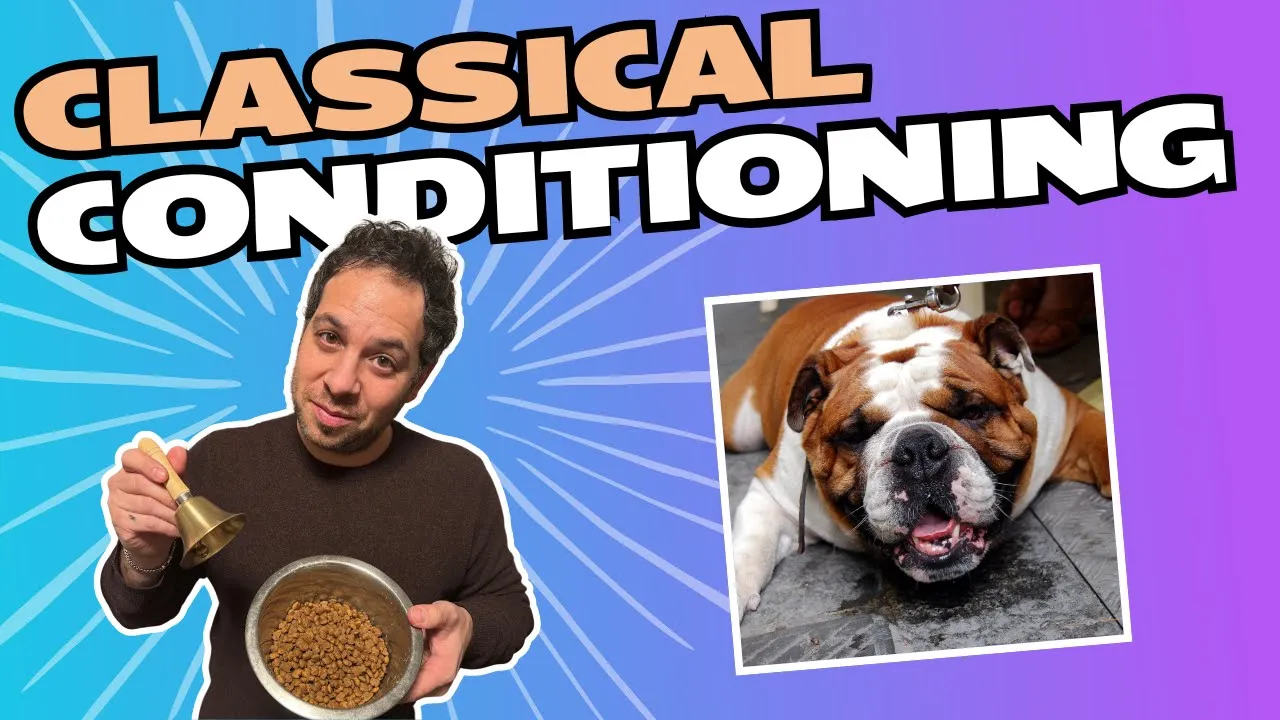
The concept of classical conditioning, specifically Pavlovian fear conditioning, as a behavioral paradigm used to study learning and threat responses.
Fundamental principles of synaptic transmission and neural pathways, to understand how sensory information travels to the brain's processing centers.
Historical psychological theories of emotion (such as James-Lange or Cannon-Bard) to contextualize modern neuroscientific perspectives on emotional processing.
The clinical application of fear conditioning research, such as exposure therapy and the neural mechanisms of fear extinction learning.
The concept of memory reconsolidation blockades (e.g., using beta-blockers like propranolol) as a novel treatment for anxiety disorders and PTSD.
LeDoux's dual-system theory of fear, which distinguishes between unconscious survival circuits (threat detection) and the conscious subjective feeling of fear.
The impact of chronic stress and trauma on the prefrontal cortex-amygdala pathway, explaining the neurobiology of anxiety disorders.
36.8K views261likes1:36:36Original Release: 2011-12-14
it is my great pleasure to open the Copernicus lecture and when up opening it I would like to say a few words about two people who are the most important people tonight Nicholas Copernicus and Joseph LeDoux well Nicholas Copernicus is quite a right to be with company with Joseph LeDoux of course about Nicholas Copernicus we could say a lot of things and spend all the night commemorating his achievement but I will focus only on one small episode which I must say always track merely when I think about Copernicus and crackle as you know very well Copernicus was student here at the jagiellonia University in Krakow and when he studied here in Krakow he managed to buy two books only two books at that time books were extremely expensive and he managed to buy these books only because his rich uncle who was a bishop on the northern part of Poland gave him enough of money at that time one book was as expensive as approximately one village and these two books which he bought when here in Krakow these two books are now preserved in Nuremberg in Germany are the following two books the first one is the Alphonse ein tables and the second one is Euclid's elements alphonsine table is a sort of collection of astronomical data at that time the most exact astronomical data of that time position of stars and you euclidean elements are of course the basis of geometric language in which the book of nature is written as remarked by Galileo and these two things of the rational basis experimental basis and theory and theory are two legs on which every science serious science stands also the neuroscience and here is where Joseph LeDoux enters the stage he's as we know a neuroscientist and a professor of neuroscience and psychology at New York University his work is about study of the neuron neural basis of emotions especially fear and anxiety his work has elaborated in detail how the brain detects and response to danger and lands and forms memories about the threats jhagadu has received a number of awards including the vison foundation International Prize in cognitive science there's a Louie signora price and the Presidential Citation for contributions to the study of the emotional brain from the American Psychological Association only to name a few he is the author of several best-selling books among others the emotional brain and the synaptic self how our brains become who we are Joseph LeDoux is a fellow of the American Association for the Advancement of science a fellow of the New York Academy of Science and a fellow of the American Academy of Arts and Sciences and last but not least Joely do is also a member of the a mcgee Deloitte's a band of scientists that plays original songs about mind and brain and mental disorders the lyrics of which are often inspired by his research and now we'll listen to his talk about our emotional brains and let's guess whether it will be in the form of a standard lecture or perhaps kind of lyric and music I invite thank you Michael it's wonderful to be back in Cracow it's been 13 years since I've been here and thank you for organizing this conference and Boris also thank you and yosik is the thread that ties all this together because when I was here 13 years ago I met him he ended up coming to my lab to do research and now he's grown on to become a resident in psychiatry didn't weiu and I'm glad to be back here with him and with other friends from NYU and colleagues and friends from all over the world it's a great pleasure to be here and to be talking to you this afternoon about a topic that I care a lot about the emotional brain and so let me just talk at the beginning about why we should care about emotions I mean for one thing they make the significant events in our lives worth living they mark these events and a life without emotion would be no life at all in many ways we are our emotions and yet in spite of this emotions isn't always a topic that is popular in psychology and neuroscience and why should we care about how the brain makes emotion I mean can't we learn everything we need to know about the mind without going into the brain that was an approach that was has been popular from time to time but I think that we can understand a lot by understanding by studying things to the brain for one thing understanding the emotion of brain enriches our understanding of who we are I mean if there's something we can learn about how our minds work by studying the brain then we should go in that direction and try and figure it out pathological emotions which are the cause of much human distress are associated with alterations in the brain and if we can figure out how these alterations are occurring perhaps we can develop better therapies both psycho therapies and formica logical and perhaps even other therapies in the future so let me just talk to you for a few minutes about how I got interested in emotions I was a graduate student in the 1970s and that was a time when there wasn't very much work on emotion especially in neuroscience there was work in psychology but it wasn't really having much of an impact in the study of the brain and like most people at the time I thought that emotions were the center of mental mental life and behavior so that is most laypeople but not most scientists so I decided that that was something I wanted to get involved with trying to figure out how the brain makes emotions so why would that why what's there so little work on emotions at this time I think there are a couple of reasons one in psychology and brain science had both sort of been converted by the religion of cognitive science which didn't view emotions as a very interesting or important topic I probably shouldn't say it that way the emotions were thought of as a topic that was outside the domain of cognitive science so it just wasn't being studied under the idea of the computer metaphor and so forth it so forth the dominated cognitive science but the other answer is that there was already an explanation of how the brain makes emotions and that seemed to be perfectly good this was the so-called limbic system theory in which the brain was divided in are the higher parts of the brain were divided into two parts one was the new part of the brain the neocortex which is the part of the brain that involved in our thinking planning decision-making and so forth it's where we have language and cognition and then older parts of the cortex that are layered below the neocortex and presumed to be evolutionarily older I don't have a pointer but you can just if you follow the the seahorse there which is the hippocampus hippocampus was based on the Greek word for sea monster so the seahorse is there if you follow it around all the way around it wraps around under the neocortex and forms a rim and Ram is a Latin Latin word and for rim is limbus and so this became the limbic cortex the old cortex of limbic cortex because of this structural characteristic of it and at some point it was concluded that this might be the the seat of our emotions this conclusion was made by Paul MacLean it was the culmination of a lot of ideas and research that had come before and McClane's idea was that the this old cortex and subcortical areas that are connected with it like the hypothalamus which is just above the seahorse there Hyp the amygdala which is a little bit above there it's not label very prominently it wasn't a very big part of the limbic system these subcortical structures connected with the old cortex formed what MacLean called the limbic system which was the seat of emotion he said the limbic system was involved in emotion and not cognition the neocortex was involved in cognition and not emotion both of those things quickly became false and yet the idea of the limbic system persisted and the limbic system was actually a pretty good hypothesis about the separate evolution of certain higher cognitive functions like language and thought as distinct from emotion which predates these higher cognitive functions evolutionarily but it ran into trouble for one thing it was never unequivocally defined as to how you would identify what a limbic area was and what it wasn't so pretty soon the original definition of areas connected with the old cortex began to run into trouble when it was discovered that parts of the so-called new cortex exist in pre mammalian form so there there are precursors to what became new cortex in reptiles and birds which sort of throws a monkey wrench in little the whole thing because new cortex was supposed to be new with mammals and their variety of other problems one was many limbic areas were defined on the basis of connectivity with the hypothalamus but once it was discovered that so-called neocortical areas are connected with the hypothalamus as well as the lowest parts of the brain and even the spinal cord the limbic system by that definition began to include the whole brain so in the absence of a clear way of defining what the limbic system is it's been hard to really accept that as a firm conclusion another problem is that it didn't really tell us anything about how any particular emotion was mediated by this system it simply said that emotion in general was mediated by the Olympics so tried to explain all emotions at once in one kind of big idea and while that's a laudable goal it really hasn't worked very well because as you look through the limbic system for an explanation of fear or joy or any other emotion you can't really find it so let me now just backtrack for I'm going to go through a couple of themes that were apparent to me when I first got started doing this work and that I still sort of adhere to one is that I decided because the limbic system had failed to explain emotions by being a theory of all emotions that I was going to work on one emotion and the emotion I chose to work on was fear that way I didn't have the problem with defining emotion which had never really been defined in the limbic system theory or other brain theories very well so instead of like trying to define what emotion was I just picked one thing that everybody agrees is an emotion which is fear and decided to study how the brain does that and one good reason for doing that is that they're very good tasks that you can use to study so-called fear responses in an animal brain and this allows us to go into the brain and understand a lot about how the brain is making something like fear and the other theme was that I had the idea of borrowing the information processing approach from cognitive science to try and think about emotions like fear not as a subjective state of experience in other words not the feeling of being afraid but instead as a way of studying how the brain detects danger and response to danger so there must be some kind of a emotional processing Network that detects the danger in the world and then orchestrates responses that produce those responses so this is totally compatible with the information processing approach in psychology but we're applying it here to - to emotion rather than to cognition in general so you know this raises the question of what is emotion James Russell was one of the participants in this conference once wrote that everyone knows what emotion is until they're asked to defined it and that's kind of the way things are the other famous comment that somebody may know who said this I can't remember at the moment but there are meant as many theories of emotion as there are emotion theorists which kind of states the the state of the we'll call it art at this point rather than science but yet there are some things that you know that we you know if we go back to this idea that everyone knows what emotion is until they are asked to define it let's just say everyone knows what emotion is so you probably can guess what this emotion is just assume you know it's sadness and you can see that in this person's face you can see the baby's face and I can see that a mass doesn't have to be a real human even line-drawing and you can even see it in body posture so it's not just a facial thing it's things that it's something that you can identify in a variety of ways what exactly are we talking about with sadness so we have this inner feeling that each of us can individually experience and then we have an outer response that we can measure now long ago William James describe these popularized this distinction probably existed long before but this distinction between emotional experience or feelings on the one hand and the expression of emotional responses bodily responses that happen at the same time that we have these experiences like you know a behavioral response to these expressions of emotion and accompanying changes in the autonomic nervous system and stress hormones and other things that may be released at the same time so this raises the question of whether there is a core thing called emotion that's accounting for both of these things so we use the term emotions where these both of these bodily feelings and for the bodily responses and for the feelings but there's as far as I can tell there's no one kind of core thing that really connects these in some kind of obligatory way for one thing we can in studies of of humans you can show that people can have emotional responses to stimuli that they don't see or experience in any way and without ever having any kind of feeling about it so you know activation of the systems that produce emotional responses don't cause necessarily bodily responses and we can also have internal feelings that don't get measured or don't get expressed in any way that we can obviously detect in some cases so what I want to do is sort of maybe separate these things out and also the correlation between bodily responses and feelings people have measured these things like Peter lang and others and he finds that these these correlations are very weak so let's throw out the hypothesis that the brain mechanisms that underlie feelings and bodily responses are distinct they can interact directly but they're separate things and we need to separately think about them so if this is true there's no emotion system there systems that are responsible for various things that we label as emotional but there is an emotional system per se so let's start with feelings so understanding feelings is a very important thing obviously it's you know as humans this is what we think of emotions as in many ways animal studies are central for making progress in terms of detailed brain mechanisms but we have done we don't have any way of really studying feelings in animals we don't even know if animals experience anything I mean you you can probably assume that they must have some kind of experience you know but as the philosophers have told us for example Thomas Nagel and famous book what does it like to be a bat well it's like being a bat something that a human can never understand or experience because only a human a human can only know what it's like to be a human a bat can only know what it's like to be a bat so if the bat has feelings or a rat has feelings that's something that is peculiar to that organism and can't be penetrated by the mind of another organism but even if we could be sure that animals had feelings study of animals would only tell us about human for the mechanisms that make human feelings possible are also present in the animal brain and if they're the same mechanisms that make feelings possible in the human brain so but from what we know the about the mechanisms of consciousness in general this may not be the case because areas of the brain like the dorsal lateral prefrontal cortex that are tend to be for example if you do imaging studies of people and show them stimuli that they don't recognize they they aren't consciously aware of the prefrontal cortex isn't activated but if they're allowed to be aware of the stimulus the Performa cortex is activated this is true of emotional stimuli or non emotional stimuli so because the pre-flood this dorsal lateral prefrontal cortex is especially well developed in humans less developed and other primates and believed to not be existent in other mammals we have reasons to be suspicious about the nature of feelings and other animals that if they if they do have feelings they're not likely to be the kinds of conscious experiences that we have when we have a feeling so feelings have to be studied I think in people this is something that you know we can and should do in people and something that you know may not be the most profitable thing to pursue in animal studies what about emotional responses well behavioral and physiological Bayville and physical physiological responses can be studied similarly in humans and animals so this is something that we can definitely profitably profitably study in animals and and really make some progress and be able to quite things across animals and humans so all those these are not necessarily totally reliable or valid indicators of human feelings they are useful in indexing the activity of the brain circuits that control them the brain circuits that control these emotional responses would like to do is just call these survival circuits for the moment so survival circuits include at a minimum systems involved in defense energy nutrition maintenance fluid balance thermal regulation procreation the goal of each of these systems or circuits is to evaluate or appraise the significance of a current or an anticipated challenge the trigger responses that are appropriate to the computed meaning of that stimulus or situation so each circuit is tuned to certain kinds of environmental classes of environmental and our internal physiological stimuli in the presence of such stimuli a set of more or less innate responses and physiological adjustments are released in the effort to cope with this immediately present challenge that the organism is facing these stimulus response connections are implemented by computational networks that evaluate the stimulus value on the basis of innate programming so there are certain things that will elicit these kinds of evaluations innately in people you run across a snake on a path it will probably startle you and scare you a bit the cry babies crying other things that are you know we don't have a lot of innate programming in humans but we have some things that are innately programmed to elicit emotions in us so on the basis of these innate programming in a program or on the basis of past experience that leads to the formation of associations between innately significant events and novel stimuli these these survival circuits are activated so these computations are circuit specific so that if you activate a defense system a nutritional system or procreational system different systems will be activated by different kinds of stimuli the triggers of fear don't activate the stimuli triggers don't activate the system of eating or our sex the survival circuits are highly conserved in mammals and constitute a kind of species into a independent way of defining emotion systems now you may be saying well those things you talked about aren't emotion systems but I'll address that later so here's an example of a very highly conserved circuit emotion circuit or the survival circuit in the mammalian brain this is the the sexual or procreational circuit in mammals the hypothalamic and other forebrain areas involved in sexual behavior the detection of sexual stimuli the elicitation of respond on the basis of these stimuli all these computation are the same throughout mammals horses dogs cats rats in spite of this the responses aren't necessarily always expressed the same way so in rats the female has to adopt a posture called lordosis where she sways her back in a certain way in order for the male to penetrate if she doesn't do this she can't the male can't penetrator and they can't have intercourse and she can't be impregnated so in order for her to do this she has to be in a certain hormonal state which only occurs during her cycle if she's not in that part of her cycle she can't have sex this is not the case in primates primates can can engage in sex any time but they have relatively stereotyped behavioral postures as well as somewhat different than what you see in rats each species basically has a somewhat stereotyped way of responding engaging in sex and feeding and so forth so rats do it one way monkeys do it a different way people do it all sorts of ways and so the point is that the the way the responses are expressed is not what's conserved across species but the circuit that is controlling these activities is what's conserved that's why in a ways the circuit is the the perhaps the only element that can tell us about the conserved nature of these systems across evolution we can use the behavior to access these systems in a species specific way and in a species general way but we have to recognize that across species the responses may differ even though the circuits are highly conserve now that's not to say there are no subtle differences in the brain that would that don't differ because obviously for the female rat to adopt a load orcses posture there has to be something that makes it happen but in general the the circuits I believe a more conserved than the behavioral responses themselves so I've already said that so what I want to argue is that neither responses nor feelings are a good way to characterized emotions in a species general way now this is just a sidetrack this is work from die Elin and David Anderson this is showing two of these survival circuits in action what they're able to do is to use special metabolic marking techniques in this case they're activating a gene expression in response to either they're having mice either fight or mate and they'll either make first so this is a male so he's either put with a female and he makes or he's put with an intruder and he fights or you do it in the other way and it's all counter balanced and everything but this is looking at the role of the hypothalamic areas in in certain hypothalamic areas in mating and fighting it's kind of like you know marriage you mate you fight or you might fight then mate or whatever so it's the interaction of these two systems and they're able to go at it in a very precise way so what you can see is that where the arrows are the we've got mating on the bottom row and fighting just above it and then the control group is on top so look in the I don't know that the second column from the right as you're facing here you see that there the ventromedial hypothalamus there is activated in both cases so you might be tempted to conclude that you know this area is involved in both mating and fighting but using very precise techniques what they were able to do and I won't go through the details of this line is they're able to show that different cells are involved in mating and fighting so even though the same areas activated it's different cells that are involved in mating and fighting so why this is relevant is that if this were for example a functional imaging study you would see a blob there and you would see the same area activated in both cases but underlying all that would be some very specific cellular responses and each of those cells may have different kinds of synaptic contacts this is not a put-down of imaging at all it's just we all recognize the limitations of imaging but what it justice that we really have to do this kind of animal research to go into the details of how specific circuits are operating because even within an area there are cellular differences and molecular differences perhaps that account for the different behaviors that are that are that this particular area is involved with so for example if we see something like the amygdala being activated in fear and joy rather than concluding that the amygdala is a universal emotional computer what we should do is go into the brain and study whether the joy circuits and the fear circuits are actually the same within those blobs and there's a lot of work going on now that is attempting to do this kind of thing I focused on the fear angle but other people are working on the the positive or repetitive angle but what I want to do now is move away from these words because I think the words are gonna get in into the way as we begin to try and study these emotion words as we begin to try and study these things in more details so but let me go through a few more things here first and these survival functions have their origin in primordial single-cell organisms in some cases for example with it's here we have a petri dish it has bacteria in it and you probably can't see this very well but in the top panel the bacteria are sort of randomly dispersed but if you squirt acid okay anyway on the top the the bacteria dispersed on the bottom someone is sweared of acid in there and they all move to the side so obviously the bacterias aren't afraid of the acid they're their nature is such that they have the ability to detect harmful chemicals in their environment and also to detect useful chemicals because they have to have nutrition and energy and all of that to stay alive as well so these kinds of basic functions of survival go back to the most early the earliest forms of life and as you evolve more complex forms of life with specialized cells and specialized systems it's only an elaboration of this primordial life-sustaining capacity in people obviously you pour acid in the swimming pool they all move out as well do they move out because they're afraid or because they're like the bacteria which they have these detective these detection systems obviously this is kind of a trivial example and I don't need to make too much about it except to say that the brain can detect danger and respond to danger without the mind having to be engaged so again as I said survival circuits are highly conserved in mammals in fact throughout vertebrates as well there's a lot of this conservation and here's some exact this is kind of contradicting what I said before about the response is not being conserved but it's not that responses are conserved but the they're not always conserved but here are some examples of I didn't know what the shark is doing here but these it looks like the same thing anyway all right anyway let's this animal was obviously expressing displeasure or unhappiness or rage or whatever in terms of whatever else is out there and so is this guy and so is this guy so the you know we have these things are really hardwired into the nervous system this and as I said before the stimuli that elicit these responses can be either innately program or can be learned from experience and I've already said this about the outward response is not being universal but this is one kind of response it is fairly Universal throughout mammals the the fight flight response involving it's controlled by the brain obviously the brain detects danger hormones a release the autonomic nervous system is activated muscles are tense and so forth all of these responses occur in a very stereotyped way because there's a system in the brain that's orchestrating all of this so what if some of the consequences of activating one of these survival circuits and while I just told you some of the consequences is one these downstream areas involved in the control of behavioral autonomic and endocrine responses in the periphery are activated another is that arousal systems in the brain such as mono immune systems like norepinephrine and dopamine serotonin in the brain stem are activated these release the their chemicals throughout the the brain and cause a state of arousal or activation within the brain you also get the activation of motivational systems involved in goal directed instrumental behaviors and nikos talked this morning at the conference made me think about something else that i need to build in here which are these more impulsive behaviors as well which are goal-oriented but not pre-programmed or in advance in a way now the motivational systems are interesting because you know we don't usually think of activation of emotive motivational systems as emotional but motivation and emotion are continuous an emotional stimulus elicits this brain activity and bodily responses and then your brain finds itself in the state of danger and you're now motivated to take action to do something about your gonna run up the tree you're gonna run away are you gonna do whatever you have to do to deal with the the danger so emotions elicit motivations but being in a motivational state can also elicit emotions the activity of all of this is monitored and assessed in cortical areas involved in working memory like the dorsal lateral prefrontal cortex and other areas and integrated with information retrieved into working memory about this this current state the external context long-term memories and so forth and all of this is put into a mental conglomeration that is I think what what a feeling actually is it's the representation of all this stuff about what's happening in the brain in the body in the environment the memories being retrieved in all of this put together labeled as a fear or whatever in and that's that's what our emotional experiences maybe or at least could be a large part of it this widespread activation and coordination and monopolization of brain resources occurs so in a situation of danger your brain needs to put all its eggs in the basket of staying alive so everything gets coordinated many brain systems of active are working together to ensure that you survive this moment the body's systems are co-opted to help deal with this danger so you have blood in the fight flight response you have blood moving from the gut and skins areas that don't need them blood at the moment to areas that do need the blood like the arms and legs to perform the fight-or-flight response for example the and Joe through this kind of widespread coordination and integration the survival of the organism is enhanced so while the survival circuit activities correlated with feelings and humans feelings of the result of this separate evolutionary force that's made it possible for the brain to be aware of its own activities its own behavioral responses of the environmental context in which all of this occurred but but both fall under this rubric of emotion we end up with a lot of confusion so I think by separating the mechanisms of feeling from the separation of the survival from the survival circuit mechanisms the study of motion may move forward in a more coherent way so one thing I think that's important is you know we there was a time in neuroscience and psychology where these homeostatic mechanisms had a prominent role both they've sort of like lost favor as being just sort of physiological underpinnings not very interesting not where the action is and but I think it's important that we you know maybe bring homeostasis back to the forefront homeostasis also has lost some value because of the concept of a low stasis which is the change in homeostatic values as stress develops and so forth but I just want to make a plea for the return of homeostasis in a way so these homeostatic mechanisms are carried out implicitly or unconsciously if survival circuits are important components of our species general aspects of emotion then we're never not emotional that just to address yo Dean's comment this morning in his lecture he asked the question are we ever not emotional I would say if perhaps not because these systems are always monitoring the environment monitoring our internal states adjusting things so we're constantly making adjustments even though we're not consciously aware of those adjustments so from emotion is used to refer to conscious feeling States we're never non emotional during these homeostatic processes but we can become emotional when the brain becomes aware of survival circuit activity through either internal processing in the brain feedback from the body observation of one's own behavior and the physical and social context of the moment the memory of the context the memory of past context and stimuli and the predicted context of the future so all of this gets put together and it's this monitoring or this this awareness of all these things that are going on that constitutes the feeling and this is I think something that is as I've said several times already this is very different from the evolutionary system the systems that evolved to generate these responses that ultimately participate in feelings but a feeling is much much more complicated involves many other processes so let me give you some objections and I probably don't have them all but here are a few objections to some of the things I've talked about one it's you know you might say well I've just repackaged basic emotions theory so basic emotions theory tries to find brain mechanisms that account for emotions but it does this on the basis of words that are derived from our introspective experience so we look for a system in the brain that's responsible for fear joy anger love happiness sadness surprise disgust and many other things the what we often do is as you if you're in a basic emotion theory its theorist you would use the a person's ability to characterize these emotions on the faces of people to identify you know which emotions can be recognized around the world now as James Russell has pointed out many of these many of these kinds of studies are done by giving a people a multiple choice of is this anger sadness or fear and if instead of giving them a multiple choice like that they're just asked to spontaneously generate the emotion or identify with the emotion is their performance drops way down so you know people can identify these things and if they if the examples are really really stereotyped I think it's probably fairly easy but it there are some problems with this approach and the the main problem though is that we're looking we're using these words derived from my introspective experience to go looking in the brain for things that began to evolve with single celled organisms and I think this is start you know the why should we expect the most complex part most complex functions of the human brain language and the newest part that that's based on the the newest parts of the the brain and evolution to be able to access these evolutionarily old systems that have been around much much longer so very said this so as you know as as as bad as this might be if we're looking for emotion systems in the human brain it's totally useless if we're going into the rat brain how do we find joy or love or happiness in the rat brain we can but what we can do in both a human brain and a rat brain study these the the survival circuit functions defense energy nutrition fluid valence thermal regulation procreation and I'll tell you why that's important in a minute so standard emotions another objection might be that standard emotions are not included in my list no anger no joy pleasure circuit as you see here this there's no anger joy pleasure circuit but aggression is in the view that I'm trying to promote here is defined by the context in which the aggression occurs so aggression in an attempt to protect oneself from harm as a function of the defense circuitry aggression related to competition for mates part of the reproductive circuitry aggression towards prey species part of the nutrition circuitry so aggression is not one thing there are lots of different kinds of aggressions we heard in the last lecture in the conference earlier today so why would we you know why would there be an aggression circuit there isn't an aggression circuit their aggression circuits related to specific forms of aggression same with joy and pleasure there's no joy pleasure circuit they are aspects of joy that are involved that are related to eating drinking sex and so forth and these are reinforcing events but they're reinforcing events related to specific homeostatic mechanisms and that's where they derive their reinforcing value from so what I'm trying to do is reclassify things on the basis of these survival circuits basically so by focusing on the subjective state anger or joy or pleasure other theories are glossing over these underlying details of emotional processing for the sake of converging on a single word that symbolizes diverse underlying States immediate mediated by the different circuits okay other objections complex emotions aren't included I don't have empathy jealousy remorse but unless these can be shown to be based on circuits that are conserved throughout the million species they're not part of the account that I'm trying to deal with here if they can then we can account for them in some way and what about emotion and emotion and motivation I've already talked about this but I mixed them together so eating and drinking circuits usually discussed in the context of motivation not emotion but motivation and emotion are always intertwined emotional stimuli are motivating motivational states alter the sensitivity to emotional stimuli they then they're called incentives when this happens and the relevant motivational state the stimulate that related to food grab attention when we're hungry ignore these stimuli I'm sorry when we are hungry we attend to these stimuli but when we're full we ignore these stimuli so the activation of a motivational system will to noon your your antenna to certain kinds of incentives and make you more aware of those these incentives are basically emotional stimuli they're gonna be processed by these emotional and survival circuits and activate these hardwired responses that then become consumed Ettore responses the incentive part is the part where you're looking and trying to satisfy the motivational state that's arisen and then you consume it by these hardwired responses all right let me just summarize some of what I've gone through so forth so brain circuits involved in key survival functions are highly conserved in mammals included our defense Nutrition fluid balance procreation thermal regulation etc these circuits are and their functions are organized similarly in spite of the fact that they can control different behavioral responses in different species when one of these circuits is activated a global synchronization or monopolization of brains resources occurs the circuits evolved not to create feelings but to perform these survival functions the global activity triggered by the activation of these circuits is what emotion refers to motivation and emotion are continuous someone we repeat that sits already did it feelings result when consciousness witnesses one of these global states the nature of the feelings and an organism's is a function of the kind of conscious capacity its brain has with the possibilities ranging from none and a single-cell organism to a lot in humans feelings and humans are greatly influenced by our capacity for semantic categorization provided by language the particular circuit that's active can be instantaneously overridden by activity in other circuits so defense normally Trump's feeding from deprivation is severe than feeding overrides defense so if you're really hungry you have to go out into the world and take a chance that you might be in by somebody else to get food so circuits can also be partially inhibited and can also be Co active as Nico mentioned this morning you can have multiple emotions or multiple motivational states simultaneously which leads to complex multiple emotions so all right so that's most of what I wanted to say is relatively new now what I want to do is is talk about one particular example of one of these two of these survival circuits and that's the defense system now the defense system is in its job is to detect danger and control hard-wired responses that help the organism stay alive so I'm you and switching gears now and not going to be talking about even though most of my scientific career I've talked about fear what I want to do is talk about defense rather than fear especially in the context of what I've just been telling you but to want to do is try to avoid implying that we're studying free these fearful feelings and animals or people and much has been learned about this defense system using Pavlovian fear conditioning in which a neutral stimulus acquires the capacity to elicit defense responses after it occurs with an aversive stimulus Pavlov initially called this defense conditioning but later researchers turned to fear conditioning as the terminology so we're going back to Pavlov's original terminology here so here's defense conditioning in action so the rats in a chamber it hears the sound nothing much happens if the sound is paired with an electric shock then after a few pairings one is sufficient then the rat will express these fear responses defense responses to the sound itself so some of the characteristic responses are freezing behavior autonomic nervous system activity the release of stress hormones these occur after conditioning but not before to the tone and and they occur in the presence of a cat or in the presence of the tone after conditioning so the response is you know a rat our person doesn't have to learn how to be afraid or doesn't have to learn how to defend what it has to learn is what to be what to express defense in the presence of it we learned what stimuli are dangerous and that's the key thing that we want to study through this defense conditioning is what stimuli or how stimuli acquire these aversive meanings so this kind of defense conditioning is universal throughout the animal kingdom I think every animal that I don't of any animal that's ever been studied that hasn't shown this kind of conditioning what the first example that I know of in the and then the fly was bhaiya Dean dude I distinguished participants here yeah Dean studied this in terms of genetic alterations in fly behavior Eric Kandel Nobel prize-winning work was based on the marine snail all the rest of these are vertebrate animals and in every vertebrate animal including humans and we'll hear more about the human brain and defense conditioning from this Phelps tomorrow but every animal this is all right that should be that should say brain somehow the transformation didn't occur it you know we can follow the way this works by tracing the conditioned stimulus through the brain to the conditioned response and in every animal that has been studied that has an amygdala the amygdala is the centerpiece of the system the conditioned stimulus is processed by the amygdala to produce the conditioned response so this is the the appraisal system in the brain here it for this kind of emotional stimulus so the stimulus is detected the responses occur doesn't matter what kind of stimulus you use and we heard about regina studies of odor conditioning earlier but tones lights context odors all can be used it doesn't matter what you measure as the output response of the behavior autonomic hormonal responses and doesn't matter what kind of animal you do the studies in the amygdala is a key part of this defense conditioning system now these guys don't have an amygdala so they they learn they do their for defense conditioning in a different way so you know we could put the the chain of events even further back I don't know if the bacteria learns anything but somewhere between single-cell organisms and other invertebrates this ability to detect danger and learn about novel dangers by associate forming associations between dangers and novel stimuli appears in early in vertebrate evolution and somehow has continued in vertebrate evolution through the presence of an amygdala and fish all the way through humans so the amygdala is here in this example so the hike was walking through the woods he's about to step on the snake he freezes his blood pressure and heart rate began to accelerate the stimulus goes into a way station in the lower part of the brain called the thalamus and then it will go to the cortex where the person can perceive the snake but it also gets to the amygdala directly from the thalamus so this provides a quick and dirty input to the amygdala the in this case we see something that's roughly snake-like but it could be a stick on the ground rather than the snake and the person in this context would probably also halt if you saw you know if you were walking along there was a curved snake or curved stick on the ground you might halt over that so the idea is that through this pathway we can't distinguish the stick from the snake but evolutionarily we're better off treating sticks of snakes and snakes a stick so we don't step on it and then through this pathway we become we can evaluate whether it is in fact a snake sometimes we talk about these is unconscious and conscious pathways my thinking on this has evolved considerably since published this in the emotional brain in 1996 I think probably both all of this is unconscious and until the information reaches prefrontal cortex or other neo cortical areas it isn't represented in consciousness but in order to get to the prefrontal cortex it has to go through these visual cortex areas not to the amygdala but from these visual cortex areas to prefrontal areas so we while the cortical areas are the route to conscious awareness of the stimulus the cortical areas are not necessarily that the cortical processing of the snake is not necessarily a conscious stimulus that activate the amygdala alright so the amygdala is that really a real thing the amygdala has a lot of different parts they're at least a dozen different nuclei within the amygdala and this is just a few of them shown here and two of them that two of they're particularly important or the lateral nucleus here the LA it's a triangular structure sitting here at the top of the amygdala in the rat and then the central amygdala which is a circular structure here now we can study these things very well in the in the rat brain but the techniques for studying these in the human brain are not quite there yet Paul Whelan and Liz and others are attempting to be able to image these different nuclei in the human brain but we aren't quite there at this point so in order to get to the nuclei and certainly to get inside the nuclei into the cells and synapses we still have to do animal research but as you see here damage to the amygdala the entire amygdala or the central or the lateral nucleus disrupts fear of conditioning but none of the other amygdala lesions has any effect so really we only need two parts of the amygdala lateral in the central nucleus sometimes we divide the amygdala into two parts a basal lateral and asset remedial but these are not very useful characterizations it's dividing the the amygdala in half is not very doesn't provide enough information because it's really the lateral and central litter that are key not these the rest of these structures so information comes in from the outside world into the lateral nucleus the lateral communicates with the central nucleus directly and by way of other intrumental or connections and the central nucleus controls the outputs so damage to the central amygdala disrupts all of these fear responses damage to areas that the central amygdala is connected to disrupt one or the other responds but not all of them but things get even more complicated because it's not the entire lateral amygdala that's involved in the formation of the Association so the in order for learning to occur this is true of any kind of associative learning there has to be some way in the brain for the two things that you want to associate to come together so in the case of the tone and a shock or si s in the US the two stimuli have to meet up somewhere in one place they meet up is in the lateral amygdala but only in the dorsal half of the lateral amygdala so the CS and us converge in the dorsal half but not in the ventral half so we started with the brain we identified the amygdala is key we identified the lateral amygdala as important because it gets the sensory input and now we've divided the lateral amygdala into two parts and it it gets even worse because they're within the dorsal half of the lateral amygdala here's the the dorsal half one lateral amygdala again we have two populations of cells one that we call trigger cells that's located in the apex here of the triangle these cells learn rapidly and then reset they go back to baseline then right below them are these storage cells these learn more slowly but they hold on to the memory see these never go back to baseline they stay elevated these are back to baseline but these stay elevated and what's important is they stay elevated after the rat has been to therapy so the rat has been given cognitive behavioral therapy or extinction training and here he no longer is expressing fear responses this therapy was successful so he's not showing any fear to the or she was in fear I have to say diffidence now he's not showing any defensive behavior here but his amygdala cells these lateral amygdala cells down here in the ventral part of the dorsal half still remember the danger this is important because people with phobia can be successfully treated but then the phobia can always be brought back by stress and this is true in rats as well so phobias are always in the brain once they're acquired there's just a matter of whether they're accessible or not by the outside world so again trigger cells in the storage cells now to learn more about how all this works we can take the amygdala out of the brain put it into a dish and study it artificially so we can create learning in the amygdala and by making this amygdala cell this black dot here think that it's getting a tone and a shock so as far as the cell knows it's the the rat is hearing a tone right now all we're doing is electrically stimulating the pathway that brings the tone to the lateral amygdala cell so obviously the cell doesn't know whether it's in the dish or in the in the rat in the real world and so it's just getting synaptic inputs in either case so we're synaptically activating the cell while at the same time it's getting depolarization by injecting current into it so when when the when the rat gets a foot shock these cells these amygdala cells will fire a strong response in other words an action potential is generated in the cell because the calcium comes into the cell trigger and sodium comes in and triggers the action potential inside the cell causing a strong electrical response during that action potential the influx of coat of calcium allows a weak input to strengthen so this is what's often called the hebbian hypothesis although the great Polish team of scientists canoe or ski also had a similar idea around the same time so according to the heavy and hypothesis weak inputs that don't normally produce these action potentials become strengthened if the weak input is activating the cell at the same time that the strong input is depolarizing the cell so sorry I'm out of sequence here that's if I can get to the right spot okay so here we have a weak stimulus coming in it's releasing neurotransmitter the strong stimulus is coming in and activating action potentials this is opening up channels that allow calcium to come into the into the synapse here where the tone this is the tone synapse this is the shoc input calcium comes in this allows the activation of certain enzymes that go to the cell nucleus lead to gene expression and protein synthesis proteins come back and insert new alpha receptors and do all sorts of things at the synapse that make this connection now stronger so the idea is that the weak becomes strong by being associated with the strong so the strong stimulus produces certain biochemical changes inside the cell that strengthened the connection that the weak cell is normally makes and through this kind of strengthening an association is then formed so that the weak stimulus the tone when it gets to the cell can now trigger an action potential in the cell and then initiate the activate the lateral amygdala which can then the information can then flow to the central nucleus activate all of these responses and the animal would then express the fear response so the circuitry that we've identified here in the rat has been used to then go and look into the reptile brain to find whether a similar kind of circuitry is available it's it's much harder to study these things in reptiles the behavioral tasks are not as good the anatomy is not quite as well worked out so my colleagues in Spain took the anatomy that we've worked out in the in the rat and used for example connectivity with brain stem and other areas to identify what the central new might be and to use connectivity with sensory structures to identify what the lateral nucleus might be this is not LA and in the usual sense this is the PD VR is the lateral amygdala of the reptile the SAT is the central amygdala and in spite of the what we see here is a conserved circuit the behavioral response that the circuit activates is different going back to a point I made earlier the survival circuit is the same but in the lizard what you see is something called tonic immobility or playing dead which is more of a kind of limp body rather than a freezing response which is very stiff body response so the same circuit can control different kinds of outputs in different species but the circuit remains the same or is conserved even across reptiles and mammals in this case all right so can we I want to talk some more about creating artificial memories because this is an exciting and new area so we've been taking advantage of a new technique involved what's called optogenetics that called I saw Roth at Stanford has been as developed and popularized through various studies that he's been doing and Josh doe Hanson in my lab I began to use these techniques and basically what you do is you you take a light-sensitive molecule in this case channelrhodopsin and you couple it to a virus and inject that into the amygdala so the virus then takes that into the amygdala cells and then you take the the cannula out let the animal recover let the virus get incorporated for a few days and then you put another pipette into the amygdala in this case it's a fiber-optic cable a very tiny fiber-optic cable and when you shine the light in the amygdala what will happen is the cells will now fire action potentials so here's an example at this point each of these is a laser light impulse shined into the amygdala after the after the channelrhodopsin has been incorporated and you see these very precisely timed action potentials these are different stimulations each rose as a repetition of this long stimulus consisting of multiple pulses but you see that each pulse elicits action potentials and if you then measure gene expression in this case see false activation in the lateral amygdala what you see is that on the side where the laser light was activated the cells are showing functional activity whereas on the other side there's no activity so this is just a proof that we can do this kind of thing skip that but the key thing is can we now use this to create learning I told you a few minutes ago that under this kind of heavy and Kenard ski hypothesis if you depolarize neurons while they're getting a weak input then something happens that makes the weekend put strong so what we're going to do is get rid of the electric shock to the feet in the rat and instead just artificially depolarize these amygdala cells with the light while the rats listening to a tone this is a real rat not a brain slicer so the rat is hearing a tone and the cells are being deep polarized by the light and what you can see is that when this happens over over these four blocks of trials here the rat learns to be expressed these defense responses in the presence of the tone so the first block there's no there's no the cs is alone by the second if I said then for trials in each block by the second block the cs has been paired with the with the light several times and you began to see a freezing response by the third block you have more and by the fourth block you know of some learning here that's pretty substantial the control animals have the the channelrhodopsin inserted but the sort has the the bar the viral thing inserted but it's just a fluorescent protein and no channelrhodopsin is inserted in there and you see no learning if you insert the channelrhodopsin and shine the light but you don't pair it with the tone you just separate those in time you still give the same number of tones and the same number of light stimulations no learning occurs there either so we can create learning in this artificial way now the the learning is measurable it's significant and so forth but it's not as robust as normal learning so one hypothesis is that this is based on the work of Kendall and others is that in addition to needing this kind of heavy and plasticity you also need a neuromodulator to boost hebbian plasticity to get normal levels of learning so in other words in a real brain in an a very aversive situation like this in addition to the tone and the shock meeting up in the amygdala the shock is going to activate brain stem mono amine systems like norepinephrine and so forth and cause them to release their chemicals throughout the brain these chemicals will then release be released in the amygdala where they can potentiate the hebbian plasticity that's occurring and so the question is if we if we boost the mono a means during this kind of artificial stimulation do we boost the learning and let's skip that because I don't need to just talk about that if we do that well this is what this is showing is if we block the mono a means we reduced the learning and that's if I have the other slide no don't yes and if we give the if we give a drug that enhances norepinephrine we boost the learning so we can either block or reduce learning or boost learning by manipulating the norepinephrine system simultaneously with this kind of heavy and artificial learning process so let me turn to another relatively new area of research this is a study that Linnea Ostroff is recently published and what you're looking at here is a pretty picture but it's not just a picture this is real data so what she's done is used an electron microscope to take thousands and thousands of pictures in sequence of a neuron each of the imagine each imagine this picture has lines going across it so each line would be one picture and so there are thousands and thousands of pictures going across here and by using these electron microscopic pictures stacking them up together she's recreating a dendrite coming in at this synapse right here I'm sorry this is a presynaptic axon terminal coming in forming a synapse on a dendrite right here all these little blue purple spots are neurotransmitter vesicles so they they contain your transmitter that will be really probably glutamate that will be released when this presynaptic neuron is depolarized the action potential coming invading the the axon will release the vesicles into the synapse the synapse the vesicles will open up spill their transmitter into the synapse bind to postsynaptic receptors here on the dendrite and produce postsynaptic responses here so we see a lot of things here this is the spine apparatus this is dendritic spine spine apparatus in the spine the yellow is the smooth endoplasmic reticulum the blue is the mitochondria here in this case the color coding is not right that's why it looks a little funny here but what while this is a nice picture what she is showing in this study is that she can actually manipulate the structure of these neurons by doing this kind of defense conditioning so in one case what she's doing is increasing the size of the synapse by producing this fear conditioning or defense conditioning procedure on the I'm sorry this is what we're seeing here is an increase in poly ribosomes these are protein synthesizing elements in the dendrite so this suggests that there can be some protein synthesis in the in the dendrite but that's not the main thing I want to say here and this is neat let's go to the dislike okay so what was the the key point that these are small but they're significant events and what we're talking about here are small changes in the size of a spine now a spine itself is a very small thing and what we're looking at not just the spine but the postsynaptic density on the spine which is incredibly small and so what we're seeing is an increase in the postsynaptic density after fair conditioning and a decrease after safety conditioning safety conditioning is where the tone predicts the absence of shock by doing this a bunch of times the animal learns that no shock is going to occur so with fear conditioning you get an increase in the postsynaptic density with safety in conditioned so these are actual structural changes that we can see through these kinds of techniques so the brain is changing physically during learning when we learn it's not just in our minds it's in our brains and send our synapses and here we are identifying specific synapses in the amygdala that show these structural changes so one last area to it someone tell me the time ten minutes so this here we have the circuits we've been talking about so they're in the inputs are coming in from the thalamus and cortex activating the reactions here freezing autonomic hormones and so forth and then neuromodulatory networks which can provide feedback here so these we call emotional reactions because a stimulus occurs and a response is automatically expressed but in an emotional situation as I said earlier we're not only reacting but we're also motivated to take action so this guy is watching the stock market crash in 2008 in October 2008 so he's going to run up to his office and change his stock portfolio before it gets too bad he's going to take action here so how do we study this in our ramp so we use avoidance conditioning you know avoidance conditioning was the primary way that fear was studied for many many decades and it it didn't lead to very clear understanding what was going on because it's a very complicated procedure to involve two steps one is the animal go undergoes defense conditioning at the beginning and then it has to learn to perform an instrumental response so let's take a look at that so the rats in the chamber it hears the tone the tone is paired with the shock so then it's going to freeze every time it hears the tone but over time it learns that if it crosses it makes a movement and that eventually it learns if it crosses it can when it hears the tone it can avoid the shock so it's learning two things one that the tone is associated with the shock and two if I move to the other side of the chamber when I make a response that I won't get the tone and won't get the shock either so obviously in order to do that you kind of have to begin to extinguish the freezing response a bit so that you can take a movement but the fact that he's shocked will make him jump and move around and he'll cross over just to avoid the shock itself and when he does that the tone goes off so what the what the termination of the tone is is a reinforcer what it's doing is reinforcing this instrumental response that that is performed so the rat learns to perform this response to turn the tone off not to escape the shock but to turn the tone off and there are other experiments that show that this is the case which I won't go into so just take my word for it so as I said you have to extinguish you're freezing a bit before you can take action you can't act if you're frozen in fear so as the fear response is extinguished the avoidance response is learned now in contrast to what's required for the initial defense conditioning port the the lateral amygdala is required that the central amygdala is not instead the basal amygdala is required so in what we've been talking about before it's the lateral and central nucleus for the reaction learning or for the Association that leads to reactions but for the the use of that Association to control actions it's the lateral and the basal amygdala that's important so csus gets combined here converged in the lateral amygdala of that association then goes to the central amygdala to control reactions and to the basal amygdala to control actions so somehow this reaction circuit has to be inhibited in order to get the action out this is too complicated I'm gonna skip it but this is how we began to have begun to think about this so here's the the first part that we've already talked about the basal and I'm sorry I put the basal amygdala on a different position here now but lateral essential is here now lateral to basal is here the basal connects with the ventral stray the nucleus accumbens and this allows us to get into these instrumental circuits and the stride and the control actions neuromodulators norepinephrine dopamine acetylcholine serotonin were all released by the shock and by the CS after conditioning so that it modulates all of these circuitry and so we have these these parallel systems for controlling reactions and actions which are able to take apart through these animal studies like this and perhaps this will tell you about some of her studies that have done something very similar in the human brain but I want to just make one more point here in an avoidance study usually there's about twenty to thirty percent of the animals that never learn and these are what we call poor performers so these these animals simply couldn't learn to perform the avoidance response so our hypothesis was that if we lesion the central amygdala the animals would then be able to learn the avoidance response because the idea was that these are the pathological rats they're frozen in fear so bad that they can't learn to take action so in Legion the central amygdala and to our surprise even though they they hadn't really been performing the avoidance response they had learned how to avoid and as soon as the central amygdala was lesion and then they were tested they started showing avoidance and then learned it even better but they already knew the answer by the time we had made the lesion so the this is kind of a you know an implicit form of learning where it's not even expressed behaviorally in a way but it's very important because it suggests that if we can somehow rain in the central amygdala through drugs or through psychotherapy it might allow more adaptive forms of behavior to to proceed more effectively and for therapy itself to proceed more effectively so very important is that we can give these animals a simple drug like propranolol which blocks the adrenergic norepinephrine system and get the same result the animals that can't avoid can learn to avoid if they have proper animal not prepare alal is often as classically used for high blood pressure but it can also be used for stage fright and other purposes and it can be used cases to treat aspects of post-traumatic stress disorder as well so basically we're kind of reducing the state right of the fear of the experimental context and and the tone here in the rats allowing them to then perform the avoidance response and to learn more effectively so I just want to close with by saying we've done a lot of studies which I don't have time to go into but a lot of our work is is emphasizing the importance of the studies of the animal brain for being able to improve therapy in various ways both psychotherapy behavioral therapy cognitive behavioral therapy as well as drug therapy we do a lot of work on something called memory reconsolidation which is the attempt to block the restore egde of memory after it's retrieved so that the memories then don't elicit emotional responses later this has proved to be very effective in rats both and blocking these fear kinds of memories but also in affecting rats craving for drugs and other kinds of things so it's a potentially very important area of research it's been shown by Liz and others to also work in the human brain and so we do a lot of this work with an eye towards helping therapy proceed more effectively and many other people in my field such as Michael Davis are working on this as well trying to figure out how to make cognitive behavioral therapy more effective so let me just close with a few summary points about some of these survival systems or motion systems they contribute to survival they engage the whole organism they synchronize a monopolized brain's resources of an active they inhibit non-relevant brain function so in a situation of danger sexual behavior sexual systems and and feeding systems and other things are inhibited but as I said as as the motivational changes take place in other words as hunger increases to a certain point then feeding has to then trump the defense system but under most standard conditions the defense system will trump almost everything else because you have to stay alive there won't be any more eating drinking sex so forth and so they put the the conditioned stimulus potentiates these motivational systems as Randy gal Estelle said in his his wonderful book in 1980 the organization of action and then feelings are the conscious witnessing of our interpretation witnessing and interpretation an appraisal of all these organism ik states and the environmental context and the memories and so forth that are being elicited so these are some of the people that have contributed all this and thank you very much and I apologize for talking so long but they gave me a two-hour talk so thank you Joe for such a nicely tuned piece of scientific music thank you and now we have some time for questions or comments so please Guardian you always have something to say I'll pay you later so I encourage you well but that's not because of what you said that's not so it seems to me that the term appraisal is used in two different ways one of them in your last slide or the one before the last you use the phrasal as a conscious appraisal but I think that the president is something more general that includes also implicit appraisal which means the brain does it without you knowing so can you comment on that on the difference between yes I I didn't let's see how I used it in last night say yeah yes awesome right so but eyerly err I called I said these these survival circuits of basically processing or appraisal networks that that are tuned to certain kinds of pre wired stimuli and generate these hardwired responses so I think the you know each of these survival systems is an appraisal system but I think we should probably find a different word so you know rather than appraise does sort of imply kind of you know makes you it draws you towards the higher end of that concept so maybe evaluation or something like that but yeah I agree that most of the appraisals taking place in the brain are unconscious and it's only the conscious the last steps that lead to feelings that involve the high order cognitive appraisal yes please in some y'know pathogenetic role you mentioned some knowledge energic system and also glutamine our success the glutamatergic system and the most frequently used drug drugs for the anxiety disorders serotonin selective certain Arab take inhibitors this is serotonergic drug right I yeah I was just trying to compress things a bit but we've done Studies on SSRIs and you know one of the mysteries about antidepressant medications is why they take so long to act and so we tried to address begin to address this question by looking at whether acute versus chronic treatment with SSRIs would effect this kind of defense conditioning procedure and what we found was that an acute injection of an SSRI citalopram increased fear or increased freezing in this in the paradigm but a chronic injection over 20 days reduced freezing and this is very similar as you know to what you see in patients where you can have increased agitation and anxiety at the beginning of treatment so in addition what we found was that the the chronic treatment was associated with a change in the regulation of glutamate receptors over the long period so this also begins is also consistent with what I think a lot of people believe which is that the SSRIs need serotonin as an entry point but their therapeutic effects have nothing to do with serotonin thank you possibly so regarding this last last conclusion feelings are the conscious witnessing and interpretation of the organismic state well I know your research is not about that but I I do believe you might have some thoughts if we look at the feelings from this perspective that means that well we know what we know about witnesses that you know the changes what good witness will tell you about the event closer so would witness if someone witness is a witness of of an event they may change their the reporters story so which you will agree with the view that having the same or similar underlying organismic state may voke different feelings in an individual across yes well the organismic state is and the context right so the context can change can interact with the organism ik state to determine what it is you're gonna feel right so you could have the same kind of yeah if we go back to the Schachter singer theory of emotion where their idea was that in a situation that has an ambiguous it's ambiguous to the person but there's physiological arousal that's been generated the person looked to the environment to explain the organism ik state that they're in so i you know i think the there's value to that point of view obviously that's not the whole story about where feelings come from but I think that that's certainly component of it that they are that the social and physical environment in which an organism ecstatic errs will determine what you feel so in your talk you talked about the if you're in a social context where you know child and mother are together that can reduce the the fear response that the child feels when anxiety response that the child feels when intruder when an intruder comes into the room or another a stranger comes into the room so the in that case the mother is doing the social buffering so the art of the outside world in that case is modifying what the how the situation will be perceived in responded to please do not feel dominated by the first row but the first row please don't afraid the rest of the room I'll just make one comment while we're waiting but you know there lot as we said to begin there are a lot of motion theories and I think probably most theories are correct and some you know about some aspect of emotion and we just don't have a big theory yet that is going to explain everything and that's something I think that we're still waiting for people like Niko Freud I have done amazing jobs of trying to synthesize all of the psychological literature on this but it's very you know complex and we need to need to approach it from lots of angles from the brain from psychology psychiatry many angles literature philosophy all of them and that's why we have this whole conference which brings in the humanities as well as the sciences into the topic of emotion some more questions and comments second row question it's not not my line but it's just my hobby question is if cosmic rays cosmic waves affect functioning of brain and air and how quantum quantum mathematics is applied to functioning of brain Michael well I'm so I can't even begin to answer I think it's just like like another mutation like a mutation yeah because yeah it can change some perturbation some perturbation cause some perturbations I will pray my cell phone yeah and certainly in cosmic way it played an important role in our evolution because the earth and all organ is were exposed to cosmic radiation from the very beginning third room all right please no physics please I just need to need on the form you know to express my question in a good way you were saying about on the based on the example on the four of the phobia what I understood that some parts of the amygdala can learn from that it it kids from the outside what the stimulus and that then it kind of changes the structure and for instance some some very strong stimulus can modify it in a way that it stays like the phobia and I was thinking you know if we know how it works and what kind of stimulus can modify it for instance we can also in a way influence the amidala by positive emotions or any other things and it will also modify the whole structure so I was thinking by knowing it we also can we can assume that we can influence the brain for instance by language creating certain chemical States for instance emotions and so on and I was thinking if we know that how we can use this knowledge to kind of accelerate and to make it better and faster and more suitable the therapy for instance of disorders like phobia and that kind of emotional disorders what would you say about that yes I mean you know one of the things that therapy tries to do is to reduce fears and anxieties and one way to do that is to expose the person to the stimulus that's harmful or that they're afraid of so a patient who's afraid of snakes can be gradually exposed to snakes you know first you go to the same building with us and a snake then you're gonna go into the room the next day you go a little closer eventually you go very close and do this kind of cinematic systematic desensitization you then finally are able to you know not be so terrified of snakes so what you're doing is changing the way the brain is responding to the snake so if it's a large stimulus you can do also counter conditioning where you pair the stimulus with something positive rather than negative you can try to change the memory of the stimulus and that's something we're trying to do in our research where for example people who are exposed to some sort of trauma some small percentage about 20 percent 25 30 % develop post-traumatic stress disorder and so there are specific trigger cues that activate that the symptoms of PTSD some of the symptoms and if you can reduce the ability of those cues to trigger the the fear and emotional reactivity that they experience then you can allow them to more successfully go through therapy because they're not so traumatized by these trigger cues so we're trying to find ways to reduce the meaning of those stimuli and more effectively allow them to engage in other aspects of therapy so I'm not sure I'm answering your question but you know there's a lot of work being done to try and alter the way the brain responds to emotional stimuli in one way or another through kind of basic science studies we can also try to apply that inverse ways to studies of normal individuals and them to people with public with serious problems and you know Liz and I have collaborated for many years on taking animal research to studies of healthy individuals normal individuals and then that because we have a solid understanding of how these things are working in the normal rat and in the normal person we can then try to move this into Clinic in to some extent this is the last opportunity since we have only five minutes left for our discussion we have a very strong deadline this time in Russell the nature of extinction if I understood early on you talked about the connection between and in phobias the connection is retained an extinction so that it can be re instated with phobia later when you're talking about heavy and mechanisms and these beautiful diagrams you talked about weakening of the actual connection between the conditioned stimulus and at the post synapse so which of those is the nature of extinction or both well so extinction is when we were weakening that wasn't through extinction that was a different stimulus that is unpaired so it signals the absence of shock so that's not reversing anything that's simply learning that the tone predicts safety rather than prediction extinction is for the most part thought of as new learning so it's not the elimination of the old Association it's the creation of a new Association that inhibits or overrides that at the previous one and that involves connections between the prefrontal cortex and the amygdala so I think we should thank you once more thank you I make one more comment I forgot to mention that there's a there's been a lot of very good brain research in Poland on the amygdala was done in the 1960s this is about von Berg I think she was a student of canoe or skis but if you're interested in this whole topic she did many many seminal studies of the amygdala I think in dogs for the most part in Warsaw in the 1960s and 70s em and now we should join together to thank our audience thank you very much for coming here and this is not the end of our encounter the following is tomorrow we start at nine o clock in the building of the Polish Academy of the art of sciences so see you tomorrow at nine
Up Next
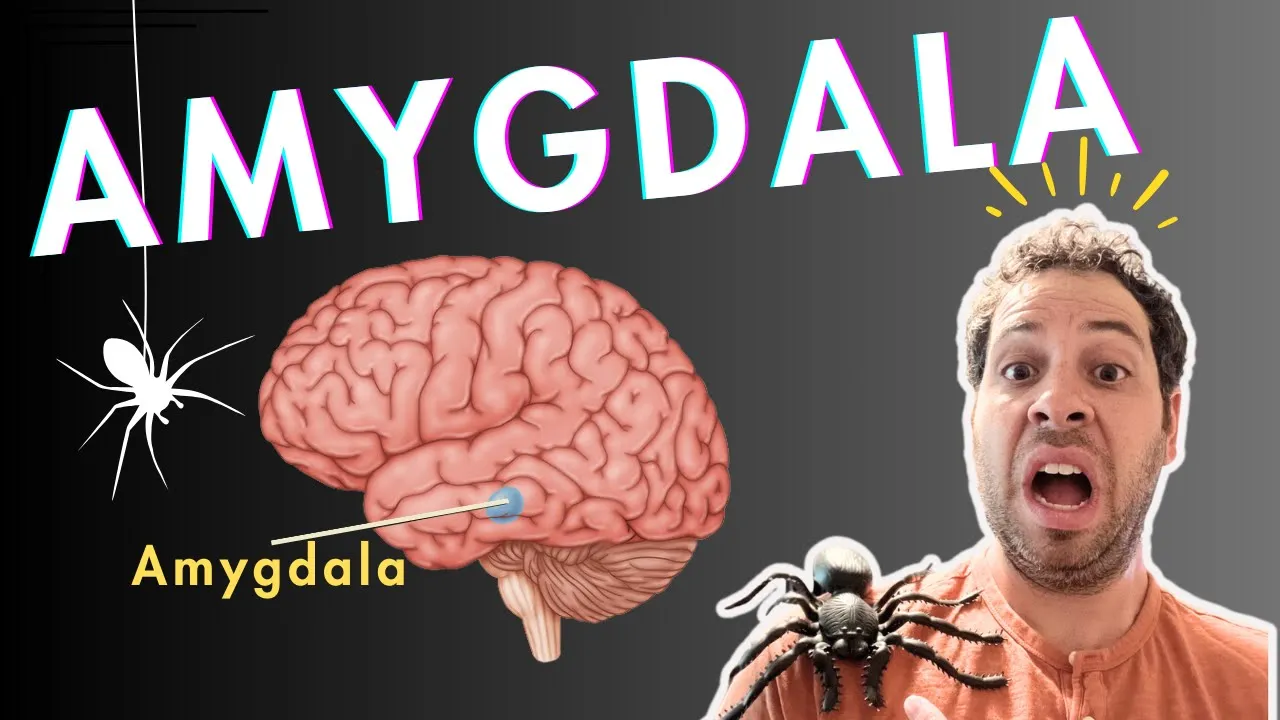
19:50
Amygdala and Fear Conditioning: Role in Threat Response
@PsychExplained
164.5K views•2021-03-10
21:55
Deciphering Neural Circuits Controlling Anorexia in Mice | Richard Palmiter
@AllenInstitute
2.3K views•2011-10-10

4:10
Vagus Nerve (CN X): Anatomy, Nuclei & Functions Explained
@Alilamedicalmedia
305.2K views•2022-10-31
13:03
How Exercise Benefits Your Brain: Science Explained
@TED
11.4M views•2018-03-21
Related Study Plans & Knowledge Roadmaps
Structured learning paths in Neuroscience
neuroscience
Appetite Regulation: Brain Circuits & Hormones
01Foundations of Endocrinology and Brain Anatomy
02Introduction to Energy Homeostasis
03Peripheral Signals: Leptin, Ghrelin, and Insulin
+ 2 more learning modules
14h5 modules
Explore Roadmap
neuroscience
Neuroeconomics: Value, Risk & Brain Mechanisms
01Foundations of Neuroscience and Brain Anatomy
02Introduction to Neuroeconomics and Subjective Value
03Dopaminergic Prediction Errors & Reinforcement Learning
+ 3 more learning modules
18h6 modules
Explore Roadmap
neuroscience
Spatial Navigation: Cells, Grids & Brain Maps
01Foundations of Brain Anatomy and Memory
02Place Cells and Head-Direction Cells
03Grid Cells: The Brain's Coordinate System
+ 2 more learning modules
12h5 modules
Explore Roadmap
neuroscience
BCIs: Neural Decoding & Prosthetic Control
01Neuroscience Foundations: How the Brain Signals Intent
02Signal Acquisition: Recording the Brain's Activity
03Neural Decoding: Translating Brain Waves into Data
+ 2 more learning modules
25h5 modules
Explore Roadmap