




![कठोर दायित्व का सिद्धांत ।। Strict Liability [Part - 1] || Law of Torts || #youtube](https://i.ytimg.com/vi/vb5U5iY0qpo/sddefault.jpg)




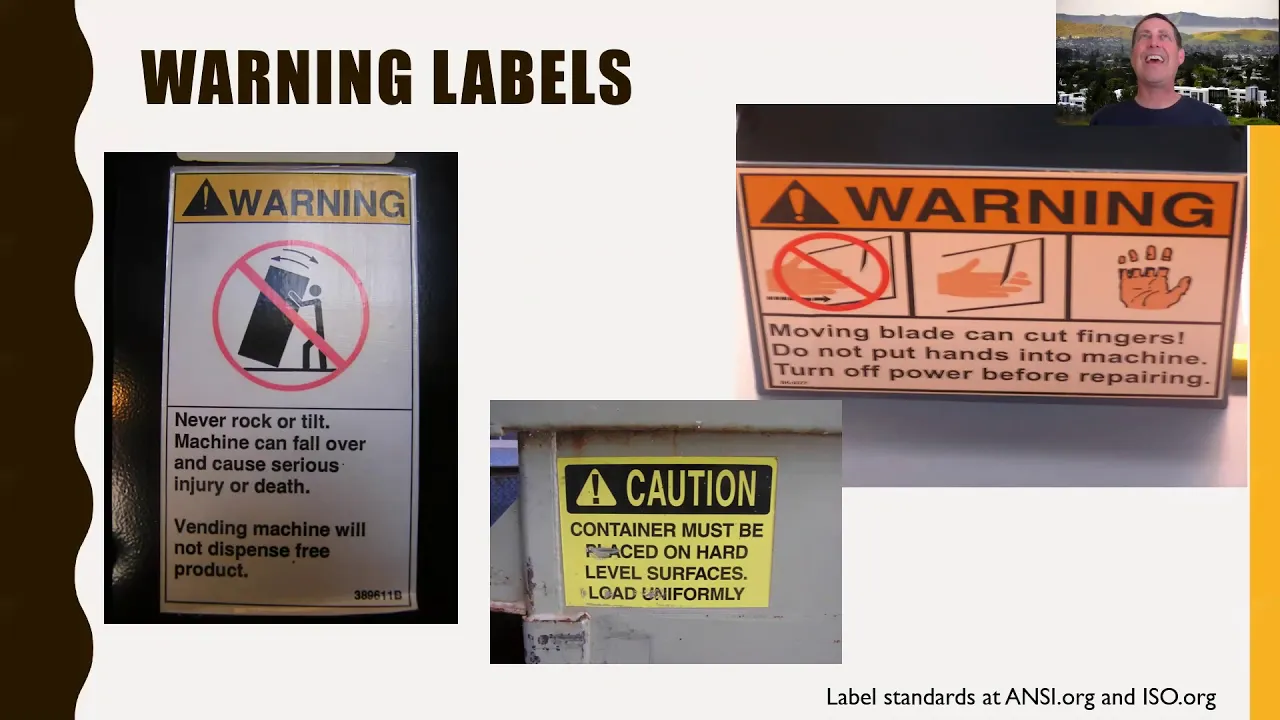

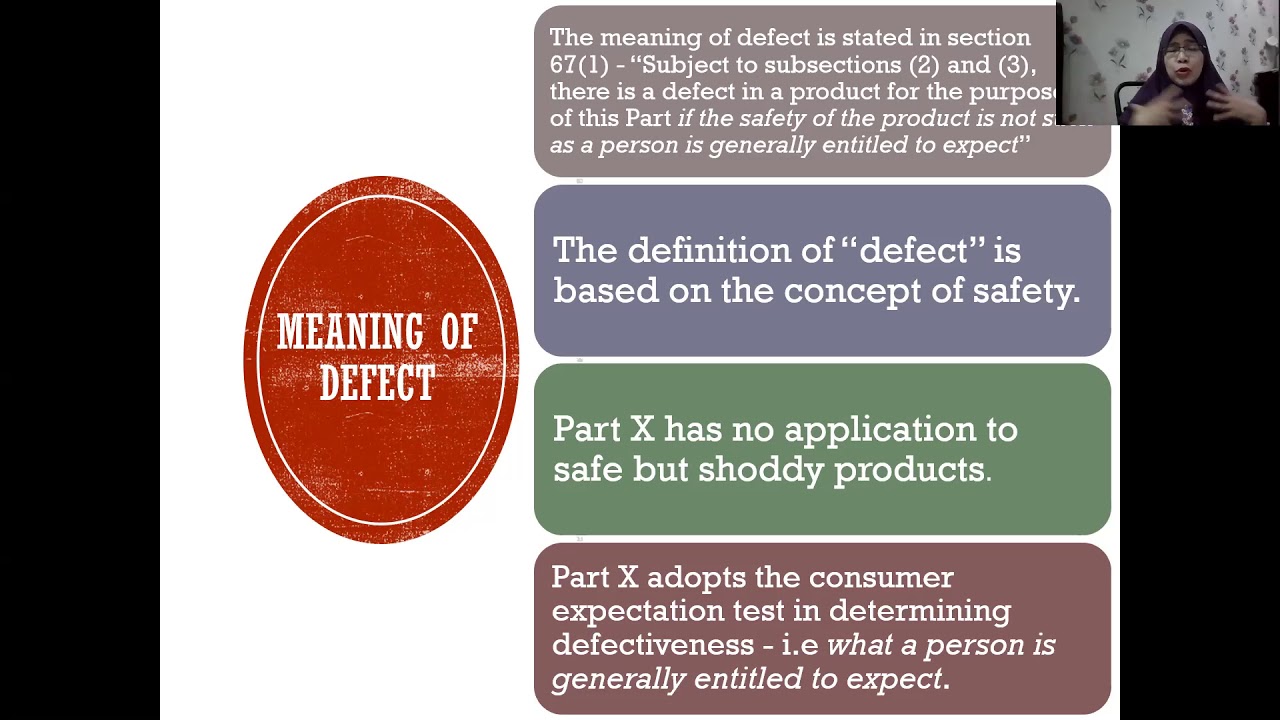


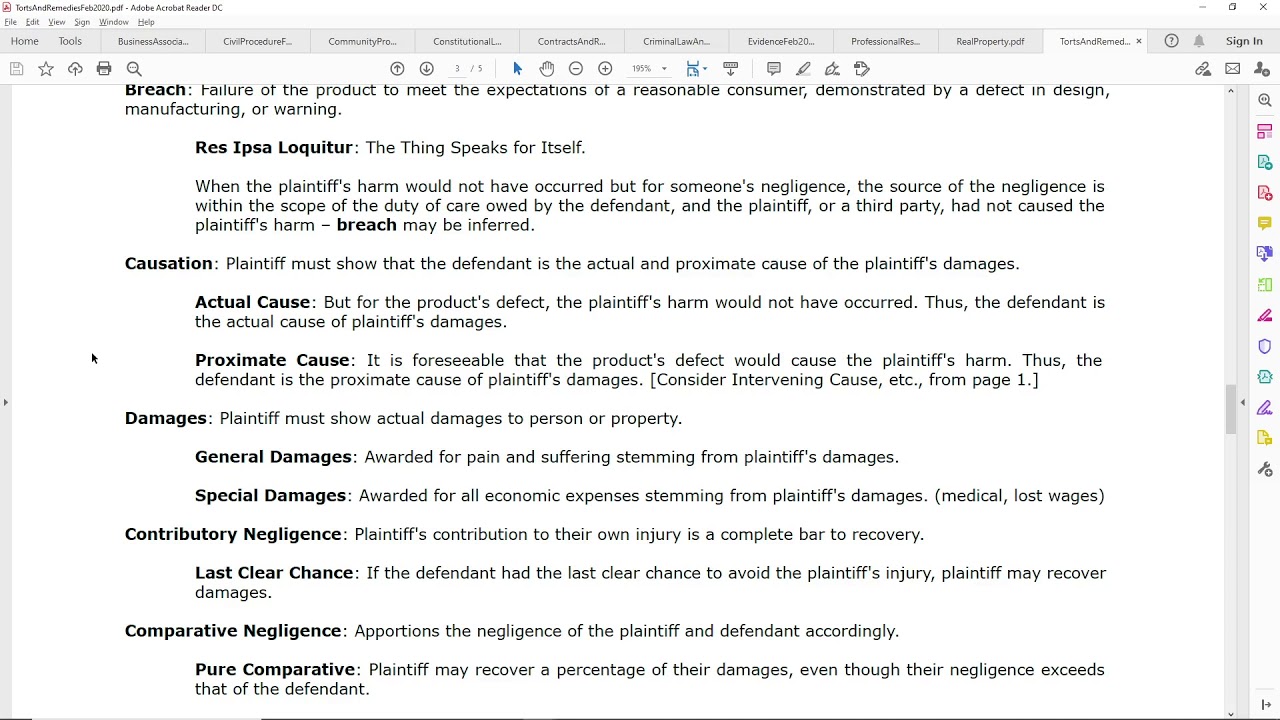










Product liability law holds manufacturers and sellers strictly liable for injuries caused by defective products, with manufacturing defects being the most basic category where a product departs from its intended design or malfunctions during normal use; unlike negligence standards which require proof of fault, strict liability applies because modern manufacturers are better positioned to ensure product safety than consumers, and this doctrine incentivizes producers to maintain quality control throughout the manufacturing process.
Product Liability Law: Manufacturing Defects Explained
Added:Basic understanding of Tort Law, including the distinction between civil wrongs and criminal acts.
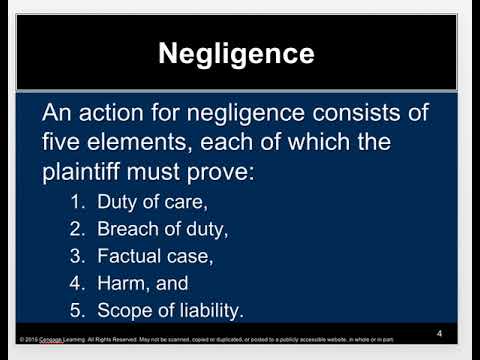
The fundamental difference between negligence-based liability (which requires proving a breach of duty) and strict liability (liability without fault).
An introductory concept of the commercial supply chain (manufacturers, wholesalers, and retailers) and how goods flow to consumers.
Basic civil litigation concepts, such as the roles of the plaintiff and defendant, and the burden of proof.
Analysis of other categories of product defects, specifically design defects and failure-to-warn (marketing) defects.
Exploration of common affirmative defenses in product liability cases, such as product misuse, assumption of risk, and substantial alteration.
Study of the economic loss rule and how damages (compensatory and punitive) are calculated and awarded in product liability lawsuits.
Examination of class action lawsuits and mass tort litigation arising from widespread defective consumer products.
21K views208likes14:47Original Release: 2021-06-28
module 1 introduction to product liability introduction product liability is the liability of manufacturers and sellers of products for harm caused by the products they sell historically the principle of caveat emptor Latin for buyer beware meant that sellers had very little legal responsibility for products once they were sold if a buyer wanted to guarantee regarding the quality and safety of the product such protections had to be stipulated in a contract between buyer and seller unless the buyer could show fraud or misrepresentation the seller would generally not face liability for defective products however in the modern era of specialized large-scale manufacturing and technological sophistication the law recognizes that consumers are at a disadvantage when it comes to evaluating the conditions of goods offered for sale manufacturers and retailers are in a better position to inspect and understand the quality and reliability of merchandise in the marketplace in light of this reality courts and state legislatures have assigned liability to those engaged in the business of selling or distributing products for the manufacture and sale of defective products types of defects there are three recognized categories of defective products each has a distinct definition of what is considered a defect and each employs its own standards for determining liability however they all operate on the principle that if a user of a product is injured in the normal course of using the product and the harm was a result of a defect in the product the victim has grounds for a products liability suit the first type of defect is a manufacturing defect when a product is manufactured improperly an injury results from the defect the victim of the harm can seek to recover damages from the manufacturer evidence of a manufacturing defect can be demonstrated by showing that the product was not designed according to specification or is otherwise unreasonably dangerous the second category of defective products is design defects a product can be legally defective even if it is designed according to specifications if the design itself makes the product unreasonably unsafe and an alternative design would have reduced the risk to the consumer finally a product can be considered defective due to a failure to warn consumers of foreseeable risks posed by the product this form of product liability is actionable when the risk could have been avoided by providing adequate instructions or warnings regarding the use of the products warrantees another ground for a claim of product liability is breach of warranty a warranty is a representation by the seller that the goods on offer have certain qualities if the goods fail to live up to the promise of the seller the purchaser can successfully sue for breach of warranty note that a warranty for goods does not require that the seller explicitly make claims about the nature of the products under certain conditions warranties for the quality of the goods are implied by the fact of the goods being offered for sale or by other attendant circumstances manufacturing defects the most basic type of product liability claim arises when a product is defective because something goes wrong in the manufacturing process a defect can be almost anything from using a component that is too large or too small too rigid or too weak to an improper assembly of the component pieces if it is an error in the process and the product poses a risk to users as a result it is considered a manufacturing defect to bring a products liability case against the manufacturer a plaintiff must prove three things first that the product in question was defective second that it had the defect at the time it left the defendants control and third that the harm suffered was a result of this defect since manufacturing processes are often highly specialized enterprises courts may require expert testimony to establish the elements of a claim based on a manufacturing defect however products can be imperfect in many ways and to different degrees there are varying standards that courts use to determine whether a product is considered defective for liability purposes departure from design specifications one pervasive definition of a manufacturing defect is that a product departs from its intended design under this test a plaintiff proves that a product is defective by comparing the product as sold to the way it was designed to be produced practically this can be done by showing that the product did not conform to technical specifications to take an example a plaintiff who claimed to be injured by a faulty wrench entered the blueprints for the wrench into evidence these blueprints set forth highly specific measurements for the manufacturer of the wrench including the dimensions and thickness of particular parts the plaintiff was able to meet the burden of showing a defective product by demonstrating that the wrench he purchased departed from these design specifications by a significant measure since it is not always possible to obtain formal specifications courts have allowed a broader deviation from the norm test to prove a manufacturing defect if a product does not match the quality of identical products when the products are highly standardized mass-produced this can serve as evidence of a defect the existence of such a defect can be proven based on comparison with other products of the same manufacturer or the same product produced by another manufacturer in this way a properly manufactured product can be evidence of a defect in another product which has the same design but was manufactured differently note that a deviation from design can be used to demonstrate that a product is defective and that it had this defect when it left the control of the defendant however the plaintiff still must demonstrate that this defect caused the injury in question malfunction theory one limitation to the deviation from design test arises when the product that caused the harm is damaged or destroyed in the process in these cases the plaintiff and the plaintiffs experts cannot compare the product in question against its proper design to address these circumstances a second test for product defect has been developed this test relies on inferring the existence of a defect from the circumstances of the product malfunction rather than directly from physical evidence of the product itself this is called the malfunction theory according to this approach if a plaintiff can show that he or she was using the product normally at the time of the injury then there is no need to prove the existence of a specific defect in the product a case that is instructive for how the malfunction theory works involves a fire that destroyed a motor home since the vehicle was completely consumed there was no physical evidence to inspect that could directly attest to a defect however the court ruled that under the circumstances the existence of a defect could be established through circumstantial evidence specifically the court noted the following factors that argued in favor of inferring the existence of a malfunction first there was no evidence that the vehicle had been misused or damaged prior to the fire second the vehicle was relatively new with little wear and tear so that it is unlikely a fire would be ignited during normal use unless there was a defect in the manufacturer finally even though the plaintiff could present no direct evidence of a defect the plaintiffs expert identified a number of specific manufacture defects which could have caused the motorhome to ignite in another case a soda manufacturer was found liable for injuries suffered by a waitress when a glass bottle she was holding exploded in her hand even though she could not demonstrate direct evidence of a defect the court relied on the fact that a glass soda bottle does not ordinarily explode in one's hands unless the bottle has a defect these are the types of factors that courts will examine to determine when the malfunction theory can be used by the plaintiff to meet the burden of demonstrating the existence of a manufacturing defect strict liability and negligence in manufacturing defects to prevail in a product liability suit for a manufacturing defect the plaintiff must prove that a defectively manufactured product caused harm however in most cases she need not prove that the defect arose due to a lack of care or poor quality control in the manufacturing process when it comes to manufacturing defects sellers are said to be strictly liable for the products they sell and so are liable regardless of whether the victim can demonstrate fault on the part of the defendant the strict liability standard stands in contrast to the alternative negligence standard which remains the controlling test in other areas of product liability law negligence in its earlier form products liability was an extension of the negligence principle in torts in tort law people have a duty to exercise due care when their actions can foreseeably lead to harming others if they breach this Duty they can be held liable for the damages caused by their actions the court relied on this rule of negligence in the well known case of Macpherson vers Buick when the plaintiffs car collapsed due to defectively manufactured spokes he sued the car maker for damages the court rejected Buicks argument that it could not be held liable because it had no contractual obligations to the plaintiff instead the court held that by offering products for sale in the marketplace the manufacturer had a duty of care to foreseeable users of their product since the car was negligently manufactured and the defective spokes made driving the car perilous the car maker breached the dooty and could be held liable atif or the consequences under the negligent standard if a manufacturer fails to exercise due care in the manufacture of a product the manufacturer is liable for damages caused by his or her negligence strict liability today with regard to manufacturing defects most jurisdictions have rejected the negligence standard in favor of strict liability in a landmark products liability case Greenman vs. Yuba Power products the defendant was injured while using a power tool plaintiffs experts argued that the injury was a result of defective screws in the power tool however there was no clear evidence of negligence on the part of the manufacturer still the court held the manufacturer liable on the grounds that the product was placed on the market with the knowledge that it would be used without further inspection the court interpreted this as an implied guarantee that the product was not defective and so found the manufacturer liable even without evidence of negligence this rule has been generalized on the principle that offering goods for sale carries with it an implicit representation regarding the condition of the product so a party that sells a product with the manufacturing defect which makes it dangerous is liable for damages even if all possible care was exercised in manufacturing the product there are a few reasons for the shift from the negligence standard to strict liability first as the production of goods became more specialized it became more difficult for users of the goods to demonstrate that the products were manufactured negligently also courts recognized that modern manufacturers are in a better position to inspect the quality of goods offered for sale than our ordinary customers so they impose the standard of strict liability to give incentives for producers to take steps to ensure that their products will be safe for users over time the rule of strict liability for manufacturing defects has become standard across almost all jurisdictions note that strict liability does not apply to all cases of defective products it does not apply to people who only occasionally may offer something for sale so hold a defendant strictly liable the seller must be one who is engaged in the business of selling or distributing this type of product however strict liability does attach to all parties in the chain of Commerce involved in bringing the product to market this includes product retailers who offer the product for sale even if they had no role in manufacturing the product and had no ability to inspect it prior to sale second the product must reach the customer without substantial changes from the condition in which it was sold modifications after sale can preclude liability for injuries note also that the rule of strict liability only applies to cases of manufacturing defects other areas of products liability law such as design defects and failure to warn require a showing that the defendant acted unreasonably under the circumstances unlike for manufacturing defects plaintiffs in these cases can argue against liability claiming their actions met an appropriate standard of conduct used goods another area where the negligence standard remains is used goods the law assumes that consumers expect that previously used products are more likely to contain defects than new ones so most jurisdictions agree that even if the defective product was purchased from a retailer who regularly engages in such sales the proper standard for used Goods is negligence rather than strict liability however this rule is not absolute whether strict liability or negligence applies can depend on the context if a used product is marked for sale as is and it is significantly cheaper than a new product would be the buyer should understand that the product is being offered without the usual protections against defects the circumstances are different however if used Goods offered for sale are marketed as being refurbished or remanufactured or as nearly new consider a rental car company that advertises its cars as being new models with low mileage in cases such as these even though the products have been previously used since the buyer can expect the products to be as free from defects as new ones the seller may be strictly liable in the following modules we'll look at product liability based on other theories including defective design failure to warn and breach of warranty
Up Next

4:02
Product Liability Claims: Manufacturing Defect, Design, Failure to Warn
@USLawEssentials
7.5K views•2021-12-14

4:27
US Secondary Sanctions Impact on EU Businesses and Blocking Legislation
@Bureauvandijk
1.6K views•2019-03-20

15:47
Hearsay Rule in Evidence: Hearsay Fundamentals (Module 6)
@LawShelf
16.8K views•2021-07-02

24:42
Police Interrogation Tactics: False Confessions & Legal Reform
@LastWeekTonight
7M views•2022-04-18
Related Study Plans & Knowledge Roadmaps
Structured learning paths in Law
law
Self-Defense Law: Imminence & Castle Doctrine
01Foundations of Self-Defense Law
02Imminent Threat & Reasonable Belief
03The Principle of Proportionality
+ 3 more learning modules
12h6 modules
Explore Roadmap
law
Defamation Law: First Amendment & Actual Malice
01Introduction to civil torts and the First Amendment
02Elements of Defamation: Libel and Slander
03Public Figures vs. Private Individuals
+ 2 more learning modules
8h5 modules
Explore Roadmap
law
Hearsay Rule: Trial Evidence & Exceptions
01Introduction to Trial Evidence & Courtroom Basics
02Demystifying Hearsay: The Core Definition
03Non-Hearsay: Exclusions Under FRE 801(d)
+ 3 more learning modules
14h6 modules
Explore Roadmap
law
Medical Malpractice: Law, Liability & Care
01Foundations of Tort Law and Civil Liability
02The Four Elements of Medical Malpractice
03Defining and Proving the Standard of Care
+ 2 more learning modules
12h5 modules
Explore Roadmap