


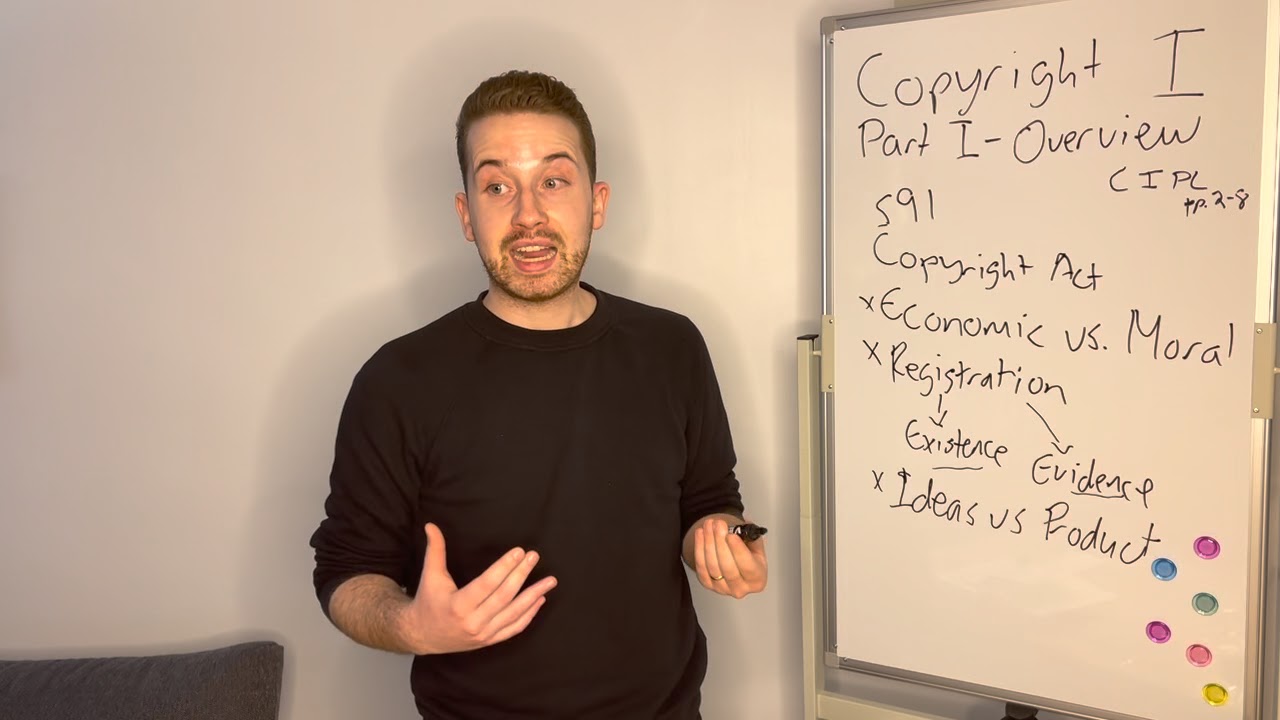
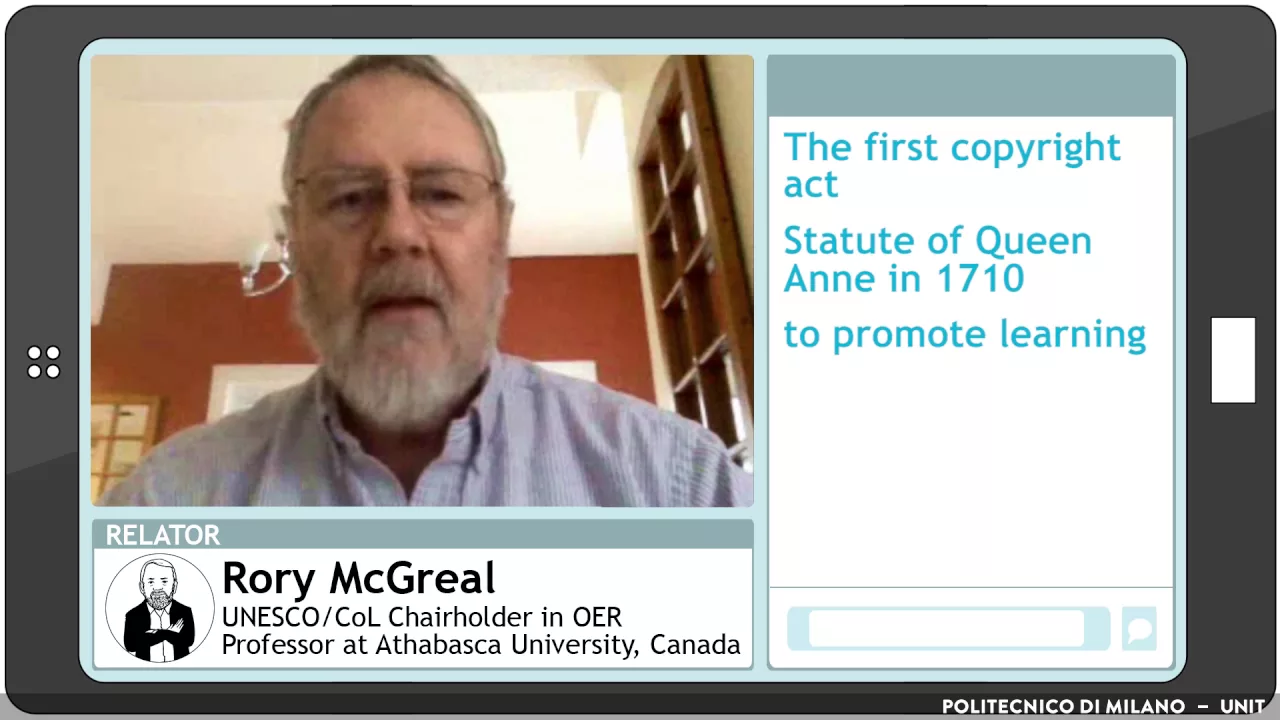












Copyright law, originally designed to incentivize creativity by granting temporary exclusive rights to creators, has evolved into a system where extended terms and corporate lobbying have created an 'anti-commons' problem that restricts cultural access and stifles new creative works derived from existing cultural heritage.
The History and Impact of Copyright Law in Creative Industries
Added:Fundamental concepts of Intellectual Property (IP), including the distinct definitions and purposes of copyrights, patents, and trademarks.
The historical origin and dual purpose of copyright law, particularly the balance between incentivizing creators and serving the public interest.
Basic legal terminology associated with copyright, such as 'public domain,' 'infringement,' and the distinction between an idea and its expression.
The concept of 'Fair Use' (or 'Fair Dealing' in some jurisdictions) as a limitation on exclusive copyright ownership.
The impact of the Digital Millennium Copyright Act (DMCA) and digital rights management (DRM) on contemporary internet culture, piracy, and content creation.
Alternative licensing frameworks, such as Creative Commons, copyleft, and open-source movements, designed to foster collaboration and accessibility.
The complex copyright challenges posed by emerging technologies, particularly generative artificial intelligence, machine learning training data, and algorithmic ownership.
Case studies of landmark copyright lawsuits in music, visual arts, and software to analyze how courts interpret 'transformative use' in practice.
316.8K views14.4Klikes19:53Original Release: 2021-04-23
this video is brought to you by mine what's up wisecrack michael here when searching for a video on youtube you may have seen this or maybe you've heard about the copyright held twitch streamers have recently been facing copyright claims in legal battles are everywhere from record label suing youtubers to youtubers suing television executives to the entire music industry threatening to sue twitch for doing such a bad job monitoring music copyright claims over the past 20 or so years there have been so many copyright cases that congress actually created a small claims court for people to duke it out over intellectual property and even worked it into the second coveted stimulus bill so it's worth asking a couple questions here first how did we get here and second is our current set of copyright laws good or bad and for who so join us as we try to figure it all out while getting increasingly angry at disney in this wisecrack edition on copyright what went wrong while the average person will probably never have to battle a huge corporation over a copyright claim there are plenty of other reasons we should be mindful of our relationships with big businesses when you shop online or sign up for a service your financial and personal data can be stored by companies without you having any control over it this week's sponsor mine can help you reclaim that information saving it from a potential data breach the process is quick and simple once you sign up using your email you can see an overview of how many companies are holding your information i personally had 256 companies listed which is crazy because i can't even name 256 companies mine then shows you your footprint where you can see each individual company that holds your data and what type of service they are if you click see more you can see how often you use the service the potential risk of a security breach and what type of info it has access to this one has access to my financial info and with data breaches being a far too common occurrence i don't want sensitive data to be stored unless absolutely necessary from there you can request to reclaim your data and it's as simple as that you can visit your reclaims at any time to review the messages you sent see their status or to cancel a request take control of who has your information by looking into mine today click the link in the description to check it out now back to the show now one of the reasons copyright is so interesting is because it creates an inherent conflict on one end it protects your creative work from being ripped off and sold by others let me see hello lawsuit but on the other hand it can actively stifle people from remixing or reacting to other creative work in a way that's entertaining and we can understand that conflict best by looking at the man whose company basically created our modern intellectual property landscape walt disney see in 1928 walt created the character oswald the lucky rabbit for universal studios oswald was a huge hit but when disney approached universal about making more oswald cartoons he found out that the studio was already working on new oswald shorts without him and because they own the rights he couldn't do anything about it walt walked away fuming and without the rights to this adorable bunny it was then that disney vowed to only work for himself and that he would own exclusive copyright to all the characters he and his company created and now disney owns the copyright to uh basically every character any of us have cared about for the past 30 years so way to be walt anyway as the story goes in a fit of rage on his train ride home disney developed a brand new character that would belong to him and him alone mickey mother mouse and despite some inexplicable sartorial choices mickey was an unprecedented success being in control of his own intellectual property disney did what copyright laws should encourage he made more mickey mouse stuff and that worked out pretty well for him and examples of copyright gone right are everywhere in 1990 for instance screenwriter art buckwald sued paramount pictures for stealing his idea and turning it into coming to america he won the lawsuit and then settled with paramount for nine hundred thousand dollars which was probably in their budget after the film brought in 288 million dollars and if someone takes your song and just repost it on youtube you can either get the ad money from it or block it entirely and that's probably a good thing so while copyrights have been super useful for many creators these days it seems like it has a dark side that is so much stuff is protected by that sea in a circle that a lot of folks think it's stifling creativity and making it impossible for artists to create new work derived from or inspired by existing culture to get back to walt not only is he an example of why protecting your creative work is important he's also an incredible example of the perils of copyrighting things to eternity see in 1937 disney released his first feature feature-length animated film based on a story entirely concocted by his big beautiful brain which is definitely not frozen in a vet hidden beneath the pirates of the caribbean ride at disneyland sure maybe i'm joking the story of snow white was totally taken from the brothers grimm who themselves got all their stories by traversing the german countryside interviewing grandmas about how to scare kids he takes his great sharp scissors out and then cuts their thumbs clean off dwight white it's not just snow white the disney company for all its aggressive copyright enforcement a berkeley school has been ordered to pay up for playing a disney movie at a children's event just loves borrowing other people's stories from the public domain meaning they're not copyrighted and are free to use for example mulan was based on a chinese legend the little mermaid on a han's christian anderson story the jungle book on rudyard kipling's characters and the list goes on and on this isn't necessarily bad but here's the grift when disney pulls from the public domain to make a movie they then copyright their story and characters making it nearly impossible for the next storyteller to pull from the same influences try writing the next little mermaid and you'll see what we mean but don't expect us to pay your legal fees but arguments over intellectual property are way older than mickey mouse in fact copyright disputes outdate the printing press in his epigrams the ancient roman poet marshall complained about receiving no profit from the booksellers who peddled his popular poems and in 6th century ireland a literal battle that cost 3 000 lives was fought over a dispute about a copied manuscript but copyright laws didn't develop just to settle disputes in court and without bloodshed we sampled them from them but it's not the same baseline uh like it goes that's the way theirs goes change they were also seen as a way to incentivize people to keep churning out exciting new work and boy was that a success welcome to the space change okay but intellectual property orgy with basketballs aside we do want to encourage the guy who made beethoven to make that as well as beethoven's second and third and fourth and fifth big paw plus big break a christmas adventure and treasure trail and this is exactly what the founding fathers had in mind when they baked copyright law into the constitution like a lot of things in this wrinkly old scroll the clause wasn't super specific but it clearly indicated that congress could use copyright restrictions to incentivize writers and scientists to create original works it reads congress shall have power to promote the progress of science and useful arts by securing for limited times to authors and inventors the exclusive right to their respective writings and discoveries laws enacted under the copyright clause created limited monopolies that is monopolies which give authors a good run but don't last forever early policies were deeply informed by a utilitarian theory of property ownership the idea is inventors and authors should be rewarded proportionally to how useful their creation is to consumers and also that people make more useful stuff when they don't have to worry about people stealing it of course the logic behind this isn't exactly perfect it's kind of like arguing that if disney wasn't able to copyright his own work he would have been too lazy to create anything ever again and maybe that's true but as anyone who's gone to a show at denny's nose not every artist is in it for the money still english philosopher jeremy bentham argued the copyright laws incentivize inventors to make cool stuff by offering them a monopoly on the profits he wrote that without the assistance of the laws the inventor would almost always be driven out of the market by his rival who finding himself without any expense in possession of a discovery which has cost the inventor much time and expense would be able to deprive him of all his deserved advantages by selling at a lower price this all seems pretty reasonable incentivize talented and smart people to make things by giving them the exclusive ability to profit off their idea and then once they've milked that little eureka moment for a long time or you know die it goes into the public domain so someone else can riff on it what i'm saying is if you ask the framers of the constitution if dr seuss's kid should be able to make money off of cartoons adapted from his books 30 years after his death my guess is they'd say nah but seuss's estate does still control and profit off of all sales of his books and all derivative content and because the zeus is still control what can be done with suicide p we can't enjoy the star trek dr seuss mashup book the masses were begging for so what the fly happened here's the thing until the early 1830s copyright terms only lasted 14 years and even by the time disney created mickey mouse copyright only lasted 28 years with an option to renew for another 28 years that would have meant mickey mouse would have become public domain in 1984 but not so fast in 1976 congress gave the copyright act a complete overhaul with some guidance from a team of disney lobbyists see walt was dead his head was again not frozen and stored beneath the pirates of the caribbean ride in disneyland and the company's copyright on their iconic character was set to expire soon they weren't too crazy about losing ownership of their coveted revenue generating glove enthusiast the resulting 1976 act increased the term of copyright protection from 28 years to the life of the author plus 50 years all in all the lobbying efforts of disney and other corporations kept mickey locked up in cinderella's castle until 2003.
goofy pluto and donald also got their disney prison sentences extended and it also became way easier to get sued for selling a crocheted pattern of them sitting in disney jail which i've i've never visited but universal jail you know and if you haven't noticed mickey mouse is still not in the public domain that's because in 1998 the copyright term extension act or ctea was passed again extending works for 70 years after the author's death and also protecting corporate works for 95 years from their original publication or 120 years from their creation whichever expires first which means flow won't be public property until like 2125 so guess that makes that screenplay i wrote illegal anyway people literally call this law the mickey mouse protection act because duh according to legal scholar lori richter disney spent 6.3 million dollars lobbying for the extension they even set up a political action committee the disney pack and donated to senators who would eventually sponsor the ctea this was coupled with lobbying efforts from other folks like musician george gershwin's estate which was and still is very concerned that gershwin musicals might be sampled in rap music okay dude this all resulted in yet another extension for mickey as well as a handful of other characters that would have been in the public domain by now but maybe you're thinking so what if disney wants to keep control of its characters well one criticism is that disney is keeping control of characters adapted from the public domain and that's really bad for art poo snow white the little mermaid cinderella allied in hercules sleeping beauty mulan they were all taken from works that were in the public domain which means they were available to the public and were not protected by copyright sure nowadays you could try to make your own version of mulan but barring the rare exception it's remarkably hard to have much success when a multinational corporation has a virtual monopoly on the characters you're creating and the story you're telling that said you can certainly try mockbusters aside a bigger issue than disney raiding the public domain while contributing nothing to it is that the copyright extensions they lobbied for have made hundreds of thousands of lesser-known works completely unavailable and inaccessible they just sit there copyrights extended companies holding on to them to maybe one day turn them into something who knows what creative derivative work might have come from them after all great works ranging from gurtha's faust to west side story were also derivatives of other stories many scholars feel that copyright extension well beyond an author's death is far from utilitarian increases in copyright protection can actually harm the public more than they benefit authors especially when those authors are dead and definitely not frozen beneath the pirate ride and the new authors are multinational corporations one argument lobbyist and copyright enthusiasts use is something called the tragedy of the commons argument coined by garrett hardin in 1968 the tragedy of the commons stipulates that open shared access to a resource would cause overuse and destruction of that resource so like open farmland an idea being open and shareable will only be harmful but research shows that copyright correlates more with the disappearance of works than with their availability to the masses in his study how copyright keeps works disappeared scholar paul heald analyzed large samples of both amazon books and songs and found that shortly after works are created and propertized they tend to disappear from public view only to reappear in significantly increased numbers when they fall into the public domain and lose their owners like cow marvel is totally sitting on countless forgotten villains and heroes who may never return to print or make it to the big screens or how there hasn't been a movie yet about namor the king of atlantis because of copyright disputes between marvel and universal another legal scholar michael heller calls this the tragedy of the anti-commons heller argues that while privatizing a commons might stop wasteful overuse it can also cause wasteful under use that is to say when everything is copyrighted and the landscape becomes so fragmented it becomes very difficult to make something new the public can't access these things but competitive copyright owners don't collaborate with each other either it might be helpful to think about the public domain as a warehouse of ideas which authors can reuse sample change and incorporate into other works if the warehouse isn't well stocked people don't have pre-existing cultural materials to work from some of europe's most well-regarded composers wrote incredible pieces by freely cribbing music that no one particularly owned and take this little tune you might remember from the lion king it comes from an old church gregorian chant that would also make its way into a famous piece by mozart and then hector barely owes another by franz liszt [Music] and then another by gustav holst [Music] and then the sweeney todd musical [Music] and a jethro tall track that is to say ideas spreading freely is often but not always a very good thing but the real tragedy is that another warehouse of ideas is fully stocked but no one's allowed in there except the owner who checks in like once every 20 years the one saving grace that sometimes lets us breach the anti-commons at least in art and media is something called fair use it permits the use of unlicensed copyrighted work under certain circumstances like parody education commentary and criticism it's how wisecrack gets away with showing clips from lots of movies and tv shows without getting sued so far the underlying argument for fair use is as utilitarian as jeremy bentham's position on copyright types of reuse under fair use are allowed because they benefit the public as a whole and they don't hurt the original creator in any measurable way the downside of fair use is that it's a legal defense that means that if you want to fight a copyright strike by claiming fair use you have to go to court unless the owner backs down there everything is evaluated under a complicated set of criteria how much of the copyrighted work is used what is its effect on the market how much is it transformed going to court may or may not be worth it for either party involved but in some cases it's probably better than paying unaffordable licensing fees to studios having anti-commons doesn't just mean that we never see character crossovers from competing companies anymore it's way scarier than that because intellectual property isn't just art and books and media it's also things like drug patents heller gives the example of a drug company that found a potential treatment for alzheimer's disease in order to develop it they needed access to dozens of other patents the owners of those patents demanded exorbitant sums of money and some even blocked the whole deal the company was never able to get access to the patents the drug which might have saved millions of lives sits on a shelf it kind of seems like all these patents and intellectual property rights are not benefiting the public between terrifying stories like that and artists feeling smothered by giant corporations that own everything it's not surprising that a host of groups have popped up advocating for changes ranging from the elimination of bio patents to the legalization of peer-to-peer file sharing these include creative commons which advocates for more flexible and open copyright laws so that creators don't have to resort to fair use as a defense others argue for the complete abolition of copyright laws and encourage creative piracy until those laws change groups like the league of noble peers promote the movement against intellectual property while pirate cinema literally screens movies without licensing them meanwhile mickey mouse is set to enter the public domain in 2024 the jury's still out on if disney lobbyists will convince congress to extend copyright terms again hopefully they won't and we can finally release our limited edition mickey jailbreak merch but what do you guys think should we abolish copyright altogether or change the laws to give a little more flexibility to creators and artists let us know in the comments big thanks to our incredible patrons slam that subscribe button like your mickey mouse trying to break out of the patent office and don't forget to ring that bell and as always thanks for watching later [Music] you
Up Next

11:03
Patent Trolls Explained: The Abuse of the US Patent System
@LastWeekTonight
9.2M views•2015-04-20

105:00
The Internet's Own Boy: Aaron Swartz Documentary (2014) | Digital Rights & Activism
@moviemaniacs
2.4M views•2014-07-01

9:49
FastAPI vs Flask vs Django: Choosing the Right Python Web Framework
@TechWithTim
302.5K views•2024-05-26

1:42
Game of Thrones Opening Credits: A Cinematic Analysis
@gameofthrones
46.3M views•2011-04-18
Related Study Plans & Knowledge Roadmaps
Structured learning paths in General & Interdisciplinary Studies
general-studies
Elevator Engineering: History, Physics & Cities
01From Hoists to Safety Brakes: The Dawn of Vertical Lift
02Hydraulic vs. Traction: The Engineering Physics of Elevators
03Modern Speed, Safety, and Algorithms
+ 2 more learning modules
12h5 modules
Explore Roadmap
general-studies
Rubber: Material Science, History & Geopolitics
01Origins of Natural Rubber & Mesoamerican History
02The Chemistry of Natural Rubber & Vulcanization
03The Geopolitics of the Rubber Boom & Colonization
+ 2 more learning modules
12h5 modules
Explore Roadmap
general-studies
Containerization: Evolution, Logistics & Trade
01Ancient Trade & Bulk Cargo: Amphorae to Barrels
02The Industrial Revolution & Cardboard Packaging
03The Containerization Revolution: Malcom McLean
+ 2 more learning modules
12h5 modules
Explore Roadmap
general-studies
Textile Tech: Evolution, Labor & Global Impact
01Pre-Industrial Textiles: Handloom & Cottage Industry
02Mechanization: The Spinning Jenny to the Power Loom
03The Factory System & Global Labor Transformation
+ 2 more learning modules
10h5 modules
Explore Roadmap