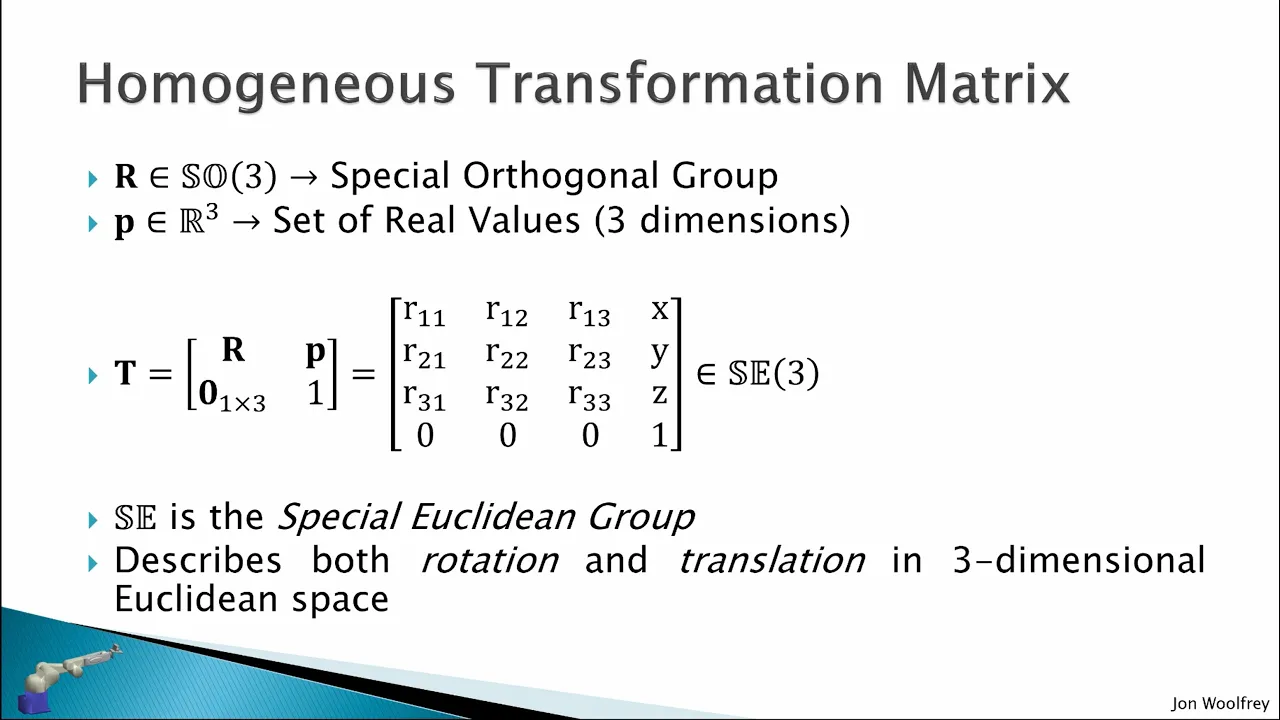
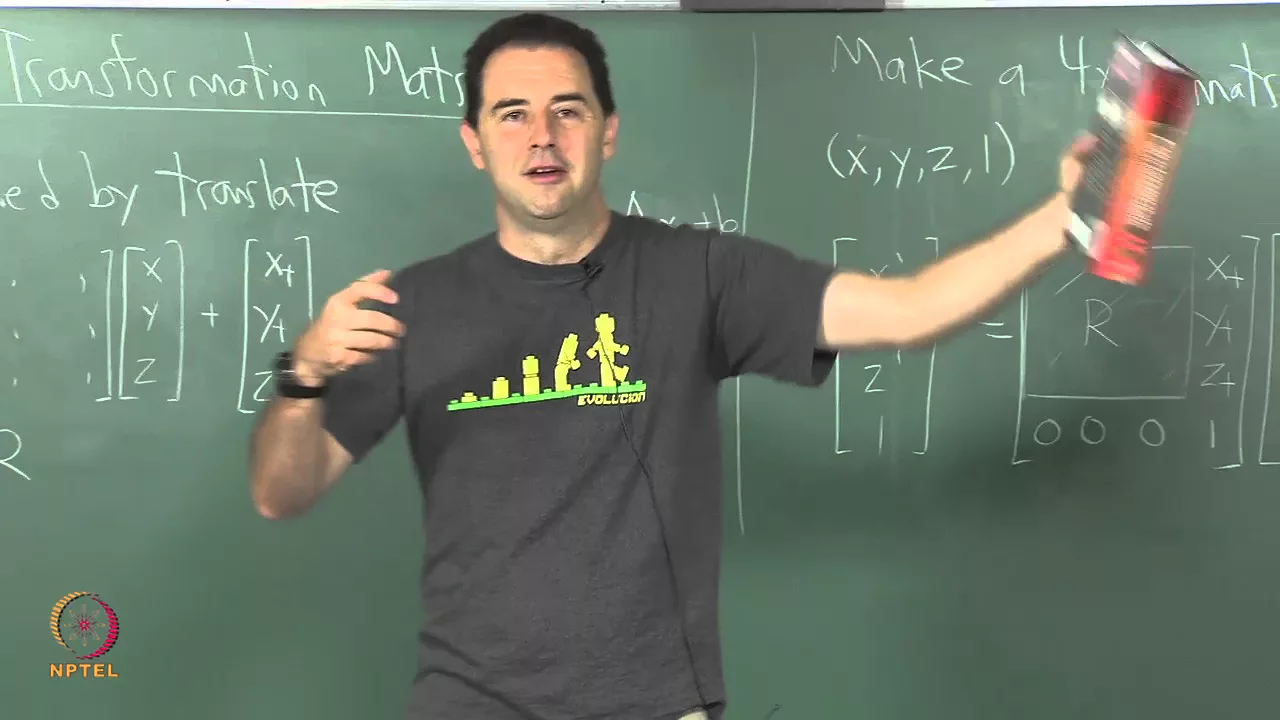






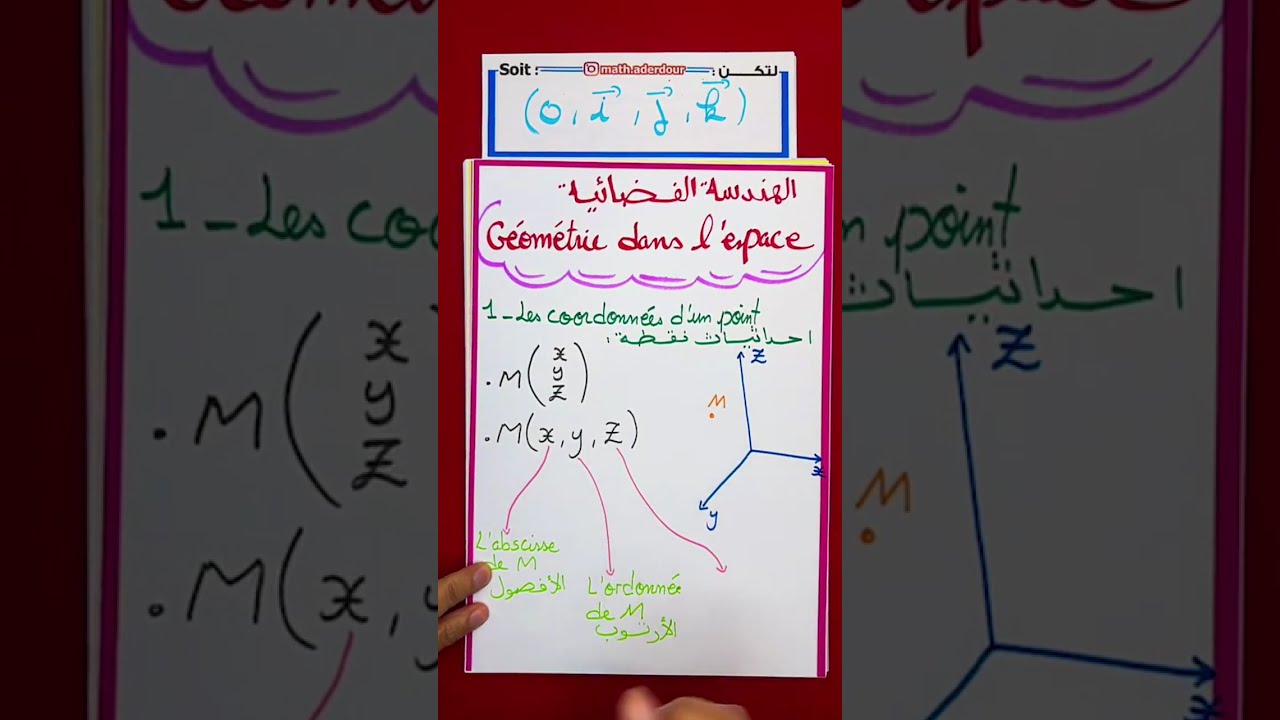
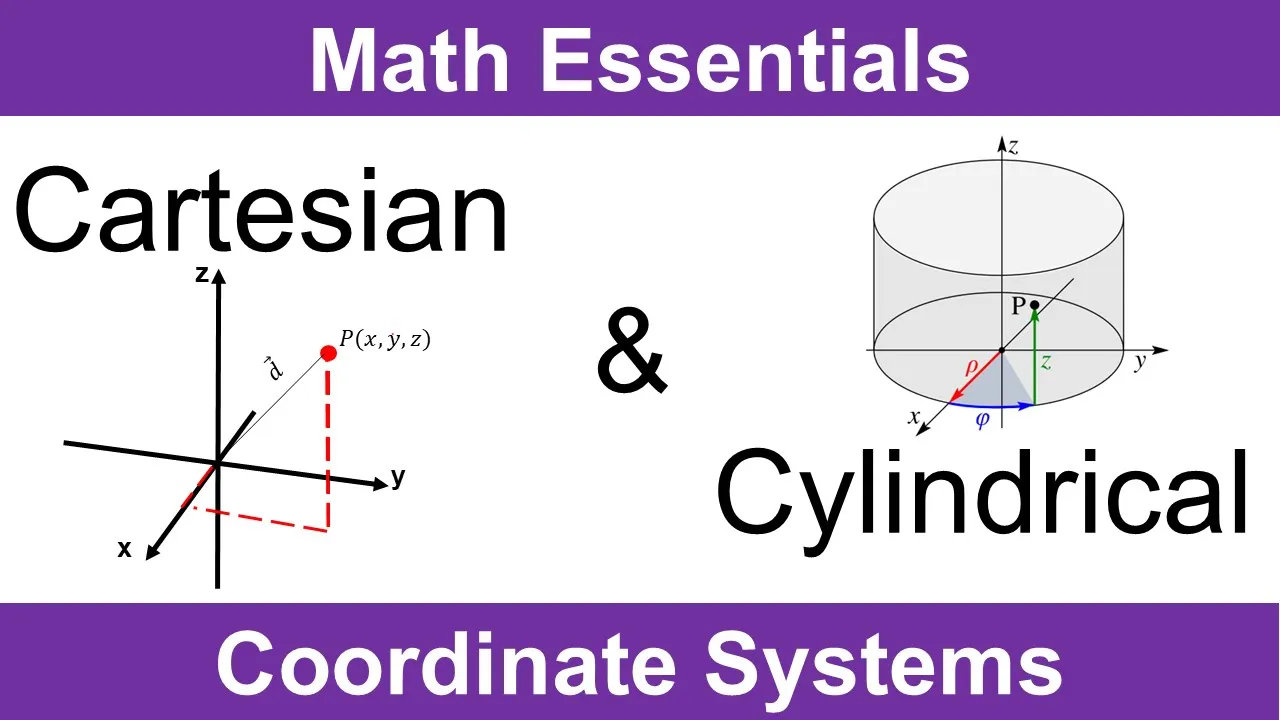











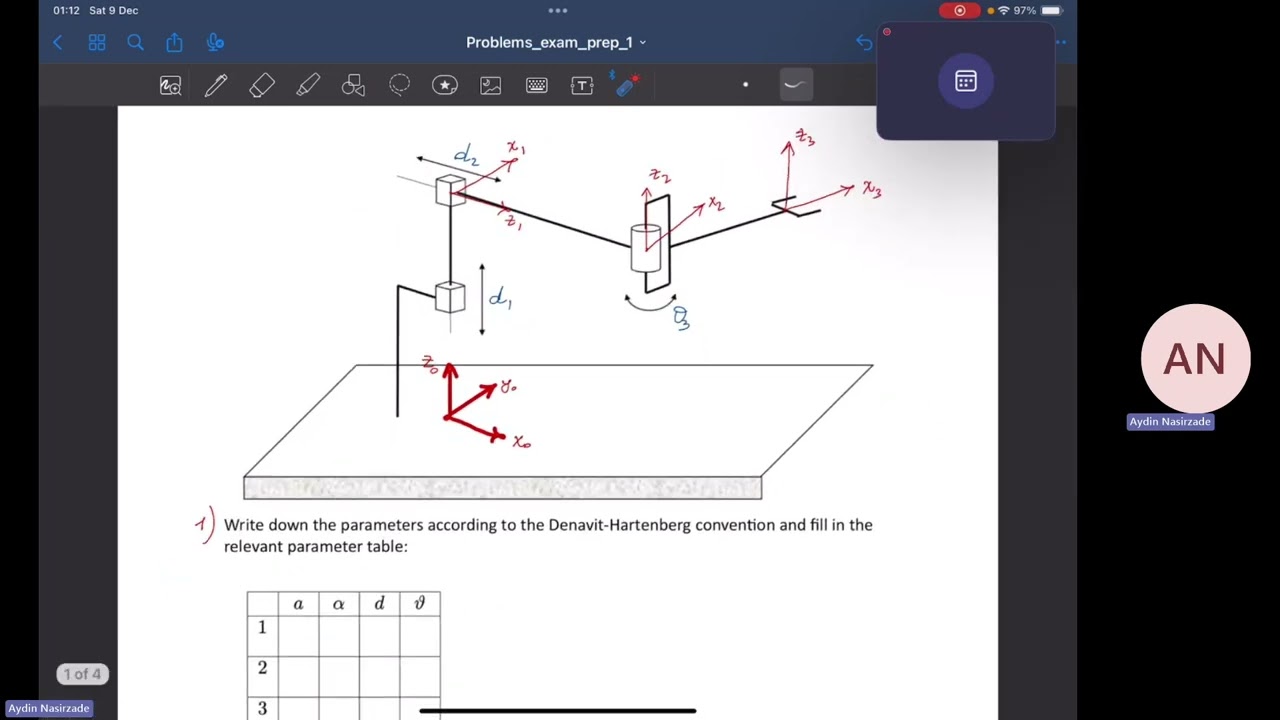





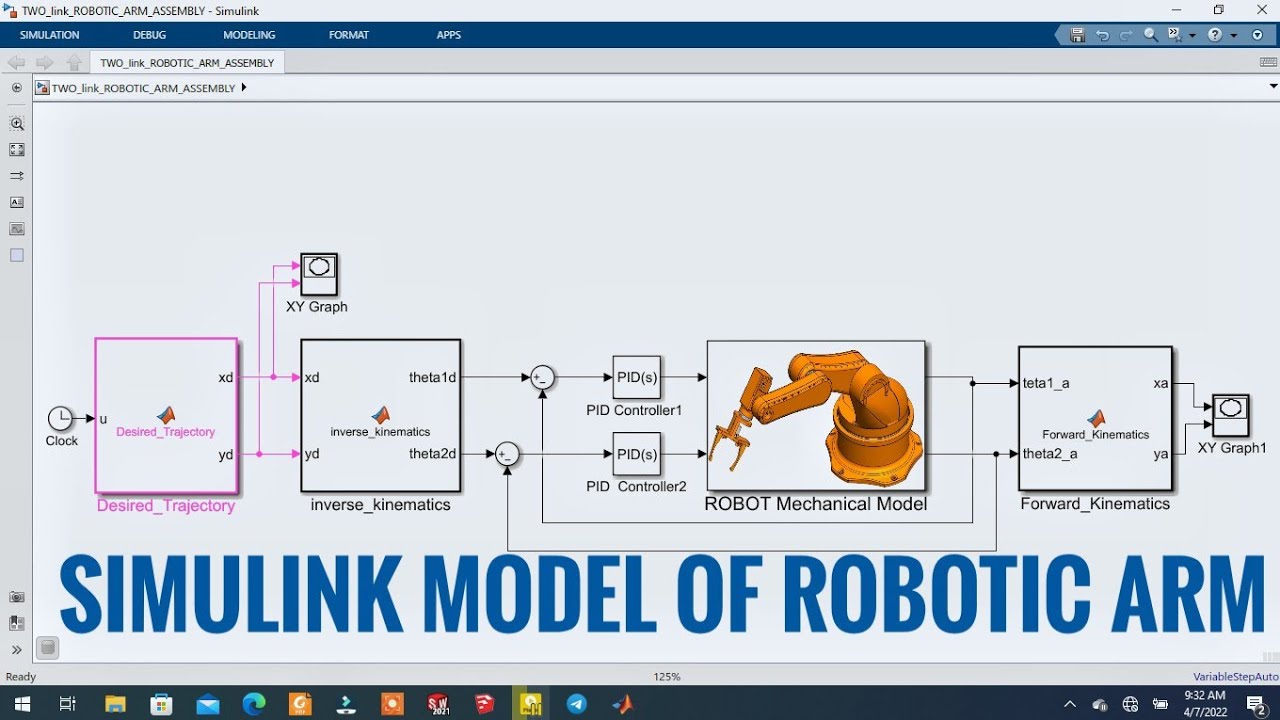



The Denavit-Hartenberg (DH) parameters provide a systematic method for assigning coordinate frames to robotic manipulators, enabling the computation of forward kinematics. The four DH parameters—link length (a_i), twist angle (α_i), offset (d_i), and joint angle (θ_i)—describe the relative position and orientation between consecutive joints. By following the DH convention (aligning z-axes with joint axes, placing origins at common normal intersections, and orienting x-axes perpendicular to the plane containing successive z-axes), engineers can derive transformation matrices that map joint variables to the end-effector position and orientation. This framework is essential for understanding robot motion and forms the foundation for computing the Jacobian matrix, which relates joint velocities to end-effector velocities.
Robotics Lecture: Frame Attachment & Forward Kinematics
Added:[Music] This presentation is delivered by the Stanford Center for Professional Development. Okay, let's get started.
So today we're going to the zoo and um this video segment uh which comes from 93 uh this is from Nagoya University. It's quite interesting. The moving style of gibbons shown in this video is called brachiation. The brachiation robot is a dynamically mobile robot modeled on the gibbon. It moves from branch to branch swinging its body like [Applause] them. The brachiation robot which we have developed has two arms and no body.
The total length is 1 m and the total weight is 4.8 kg.
The arms and grippers are actuated with DC motors through harmonic drive gears. This is the movement without actuation. At first, the robot doesn't know how to move at all. Now, the robot is going to learn how to locomote to the next bar. Motion planning of such a robot is a difficult problem because of its non-holomy. Our robot is able to generate desirable motions by itself using our new huristic method. The algorithm is based on trial and error of animals and human beings to obtain better motions. After the motion learning process, the robot can locomote from branch to branch forward and backward.
The posture of the robot is measured by gyroscopes built into the arms and the joint angles are measured by encoders.
The robot is calibrating its gripper position and closes it when it approaches the target bar. This motion is so-called the underhand motion. The robot can perform another motion called the overhand motion. This motion is naturally more difficult than the underhand motion because the robot has to stop the turning of the arm against the gravity force and the movement is liable to become unstable. However, our robot also succeeded in performing continuous overhand locomotion. It needs more torque than the underhand motion, but this is more efficient motion with respect to time and energy consumption.
When the robot fails to catch the target bar, it can recover by swinging with arms to obtain energy by a method based on parametric excitation. By continuously performing two motions, namely the motion to control the swing amplitude and the motion to approach the target, the robot can catch the target bar from any initial state.
[Music] Indeed. Well, this project continued and probably you will see some more about it. All right, let's get back to this. We're almost there. So, today I'm going to cover u a few examples. uh I know this is uh maybe boring uh topic but we really need to understand how we can do frame assignment because this is the only way you can uh generate the forward kinematics and what we're going to see is that once we have the DH parameters essentially we will have the forward kinematics which means we know the position and orientation and little later in fact on Wednesday we will see uh how this can help us finding the Jacobian and later on we will see how can we find the dynamics. So these are very important parameters. Once you define these parameters you define your robot uh kinematics you need to add the masses and few additional things inertas and then we we have all the models.
Okay. So you remember last time I discussed u the attachment of frames uh and we emphasized the fact that we have those axis of the joints that are going to play an important role because those axis will provide us with uh first of all the information about the distance between axis which is the common normals. So we identify these you have one here, one here, one here and when they are intersecting basically that distance uh is zero and that point is very important. Then we continue with finding all the origins which are defined. Do you remember how do we define the origins? Anyone?
Hey, how do we define the origins for for the first? So we we take the intersection of the common normal with the previous axis and that give us this origin, this origin etc. We said the the joint axis will be aligned with the z-axis. So we are selecting our z-axis along those axis.
So we have Z1, Z2, Z3, Z4, Z5.
Okay. And we said once we have those Z-axis, we have the origin. Now we take uh X to be along the common normal or perpendicular to the plane containing the successive Z-axis. Okay.
And that is uh in this case we're going to have those axis and we also defined the different parameters the four DH parameters two distances and two angles a it's called what the length of the links length links length and this is the distance between the ZI axis. So AI is the distance between ZI and ZI + 1 measured along the XI axis.
Okay. Alpha I is the angle between these two Z-axis. The same axis ZI and I + one measure about X I in the right hand direction.
And the two other parameters are one of them is variable either the D which measure distance between X-axis. So it's measuring the distance from the previous X to the current X I along the ZI axis.
And this could be a prismatic displacement or a constant offset. And the last one is this is the most common thing that we're going to see. It's the joint angle because those most of those joints are revolute joints. And we're going to measure this angle about the ZI axis between X I minus one, the previous X and the next X. So I'm going to take an example and we're going to work out this example. And this is a typical example of the things that you have in your homework in midterm in finals. These are simple examples that we we try to design. So simple enough so you can solve them and also um interesting enough with the different difficulties of assignment and and everything uh in them. So you see this red frame we are introducing we are giving you a frame uh we are calling it X5Z5. This is a frame attached to the end of factor. This is our task and the the goal is to find the transformation from the base to that frame. So we need to find the DH parameters up to this frame. And this frame is given to you here. It can be not given we can ask you to assign it but we are giving you uh the lost frame. So also I should notice this is the typical way we describe the kinematics uh of uh schematic kinematics of a robot. And I'm not sure if all of you are familiar with it but what you see here is that you have an axis. This is the joint axis. This representation uh describes a revolute joint the output of which defines the next axis. So this is coming at the output of joint one and the sliding joint here that slides like this is a prismatic joint.
So we represent it this way and the output is coming to define the link that leads to the next joint. So if I can get my cursor back. So this is the output and here you have the next revolute joint. When we represent it this way we mean that the axis is perpendicular to the plane. When we represent it here we we say the axis is in the plane.
Okay. And the output is defining what is this joint? Revolute joint. And the output of the revolute joint is connected to the end factor. Yeah.
So this prismatic joint actually is sliding along this axis. You see uh these two points. These are the sliders.
So it it moves so it moves to the left and to the right.
Z axis for the prism joint that is out of the plane. Is that different? So we we have only here one joint that has an axis coming out of the plane and this one is the revolute joint. You're asking me if we have uh the case of prismatic joint that is coming out of the plane.
Uh well that might happen. uh and you will see the the figure there there is a way of of representing that but uh when we do it we we usually uh use a sort of 3D representation to show you how it's coming out of the plane. So one thing an important thing to to to remember is this is not a mechanism describing one configuration. You should try to imagine how this mechanism is moving. So you have to somehow uh capture the fact that if we rotate about the first axis the end of factor will move out of the plane. You see that it rotates about the first axis if it slides. So just move each axis and see the end of factor motion. Can you see that it slides? Now if you rotate about the third joint what is going to happen? we move in the plane if we were in that configuration and when we move about the last joint we go out of the plane about that axis you see that so uh you need really to imagine that motion because if we go to analyze the workspace of the robot you need to fill that workspace and you need to find a way to imagine the three-dimensional motion of this uh mechanism and find the volume that is spanned by uh the motion of the end of factor. Now what we need to do is to do the frame assignment and we are going to start by assigning origins and and z-axis and uh in this case we have a lot of things that are already there. So you see the first joint axis the second one what particularity about those axis we have. So joint one and joint two are intersecting intersecting. So the intersection point is going to be an important point in this case. Joint three and joint two are they intersecting? So they are sort of what the axis are exactly I mean they are sort of parallel basically you you they are in two parallel planes. And uh the next one, the last joint is intersecting with the revolute joint number three. So we call this mechanism revolute prismatic revolute revolute and that's RP RR.
Okay. Any questions here before we start? Good. All right. So, let's start. And uh I'm going to start by putting the Z-axis and uh the origins. So, the Z1 is along axis joint one. Z2 along Z2. Z3 is coming out of the plane. Z4 is along that rotation.
And there is basically no question all of these are directly assigned very simple and we are introducing already a distance and this is coming from uh in fact it will be clearly defined when we we put the origins.
So origin one is there but could you explain why we are selecting origin one at that point at the intersection of axis one and axis 2. Yes because it minimizes number of variables that you've got. Well they're all zero.
I didn't I was not asking about origin zero. For origin zero you're right. But for origin one this is imposed because you have the intersection of Z2 and Z1 at that point. This point becomes the origin of frame one. So 01 is imposed but we put 0 the origin of frame Z at that location because we want to minimize the number of parameters. If we put O lower or higher, we will have a distance that we need to account for it in the parameters here. So for origin three I mean the next origin O2 O2 comes to be here. If we and how how did we assign it at this location? It is the common normal intersecting with axis Z2 we get O2. What about O3?
Mhm. What is going to be the second?
So O3 will be somewhere here.
Here. Yeah.
Okay. All right. Okay. So far so good. Now O4. So how do we define O4 is uh along the common normal between Uh-huh. Did what did you say between?
So when we define three, we said it is the intersection of three with four, right? For four, it is four and five. So because we defined five, we have the common normal between the two. How many common normals you have? Infinite. So we have a choice. We can put O4 in different location. We're going to select O4 there. And that will contribute to uh as we will see to minimizing the number of parameters.
Okay. Now let's introduce those parameters.
So you are given this problem but there are not enough I mean so what is what is uh a z is the distance between which axis [Applause] 01 and they are coincident so it's zero Okay. Now what about A1? So it is again distance between the Z-axis 1 and two zero. What about uh two and three that will give us A2. So there is some distance. So there are distance that are not written on the figure and we are going to introduce them. So you introduce any time those distances. So now we are going to need a parameter that describe the distance from O2 to 03 and that distance we we just put an L. You call it L whatever L L2.
We are going to need that distance which is actually depending on the location of 05 and we are going to need this distance to 05 to access five the distance between the x-axis.
I'm sorry.
Well, the this uh you you you you will see this will come to be associated with the with the following frames. That's why we are putting that indices you're not going to use D L uh you're not going to have need for an L3. Okay.
So when we start building the the table, so we're going to to need to assign the x-axis. I mean, so far I'm I'm introducing those parameters without really assigning the axis and deciding what are the signs of those parameters.
But what we need to do is to put the x-axis. So what is the first one x1?
Where is X1 going to be?
So it will be X1 is perpendicular to so it's perpendicular to the plane containing Z1 and Z2. So it could be in or out of this plane. We are selecting X1 out. If we select X1 in that is fine.
But that will change the sign of the the angle between the X1 and the following X. So X2 X2 is how how do we define X2?
It is along the common normal and it point from O2 to 03 and that is X2. You see X2.
Okay. A lot of fun. Now X3. Where is X3?
Z3. Z4.
intersecting same direction. It could be in the same direction as X3 or in the opposite direction. We are putting X3 in that direction up. You agree? If you put it down, the angle will change when you measure it and that account for it. And since then its relation to X4 will be accounted for.
Everything is fine. And X4 because we selected O4 there. X4 will go from O4 to the axis Z5. So it will be down.
Okay. So it is along the common normal from four to five.
All right.
So now I'm going to show you the table and you are going to see all the parameters and I think you have them in your hand.
So but I wanted to see if you can compute them without checking your your table. Can you do that without looking?
So don't look and let's try to find uh to find a few of these parameters.
So if we were to find the parameter alpha 2. So this is alpha 2. So what is alpha 2? Alpha 2 is an angle between axis 2 and three, right?
Measured about x2. So you you go from two to three. You see axis two. You see axis three. And you're measuring about x2. So how many how what is the the angle? 90 plus or minus minus because you're going this way. Okay. All right. So I'm going to show you the table and then let's check more little more just to make sure you so was it minus alpha 2 is minus 90 so that is correct um in the configuration shown in this configuration could you give me what is the value of theta What is theta 1?
Zero zero. That's correct. Why? Theta 1 is measuring measuring an angle between the x-axis between x from x0 to x1 about the z-axis and the two are coincident in this configuration. What is the variable in joint two? What is the variable in joint two? D2. So if I I think about a variable Q1 Q2. So Q1 is theta 1 Q2 is D2 the variable. So what is the value of Q2 in the configuration shown? It's about this.
So I don't know how many inches that is the configuration shown.
Okay. So you you just measure it and and that would be the configuration shown.
What is what about theta 3? What is the value of theta 3 in the configuration shown?
Theta 3 is measuring from X2 to X3 about Z1. X2 is you see X2 to X3.
You see x2 it's up and x3 is up. They are positive.
Okay. All right.
So let's do something more. Sir, can you go back? Yeah. Uh wondering about D4. D4 because the as you've labeled origin four.
Okay, D4 is the distance between X3 and X4. Where is X3 and X4?
It's zero. So it's zero. Ah, so this this here [Applause] How come this is not corrected? Where is it? Let's fix it.
Thank you.
Yes, there was that question.
Yeah, I had I had another question in the reader. You said that a convention would be to um pick your intersecting axis x to be so that the alpha was always positive. Is that or did I misread that?
Uh well you you you you I I I I don't think you you need to uh I mean you cannot maintain that. So I mean there are so so many different frames you cannot keep your al you pick it for the first one and then you it becomes uh negative in the next one. So I don't think this is possible. You cannot you you can never maintain the sign of the alpha. So always from the from x i minus one to i would always be so you propagate from yeah so I mean as long as you you can you you you have a choice and you can select it positive then you do it and and that is fine but if you put it negative it is fine as well. I mean it's it's overall uh if you start with the minus the way you assign your x in or out will change the sign but uh any selection you you make uh in or out will result in the same answer because the angles will account for that there was a question here.
Okay. All right. Okay. Well, I'm going to take a more more realistic example and this is uh a real robot. Uh we will see this robot uh here later. Uh this is the Stanford Shyman arm. Vic Shyman designed and built this robot. This is a six degree of freedom robot. It's among the few robots in the world that has a prismatic joint. So the third joint on this robot is translating. So when you pull here you are uh moving along this axis the axis of translation. So this is a prismatic joint and uh it has this wrist that has three degrees of freedom three intersecting axis. Actually uh as you walk in and out you can see a yellow arm uh in the museum exposition on the first floor and you can see this arm over there.
So what we're going to do, we're going to find the forward kinematics for this arm. And this uh is going to require us to go through uh the DH parameters first. But then we are going to compute these uh transformation associated with the DH parameters to find all the transformation for this row. But then we multiply them out and find X, Y and Z at the end of factor and find this orientation of the end of factor. We're giving the joint angles and the prismatic joint location. All right, we're ready. Yes. All right. So, first, how can we do this? Well, we need a schematic. We need uh to to see these joints axis and we need So, here is a schematic that we're going to use. Uh it is sort of 3D.
So in this case uh the first joint so always we are using the the same concept you have a rotation the output is going to the next joint a rotation.
So let's let me explain. So the first rotation the the first rotation of the arm this rotation about this axis here and then this is connected to the second one. So I'm showing it this way. So this here is in the plane containing this axis and this is orthogonal to it. So when we rotate about this axis this whole structure rotate. Okay. And when we rotate about this axis the following structure will rotate about this axis. Now this whole structure translates in and out along this joint.
The output of this joint is attached to the three joints revolute joints that are intersecting at this point. and that form the wrist structure. So this is in the wrist you have the last joint joint six, joint five, joint four and joint three is prismatic. Joint one and two are orthogonal and joint one rotate the whole structure. Joint two rotate uh the structure following uh about this axis.
So you have these two first intersecting axis. So do you see this mechanism now a little bit? Now the last three joints are going to affect the orientation. So when we think about this this is when we move this structure and the intersecting point is here. So this this point of is the intersection this structure rotate about this axis.
It rotates about this axis. This is joint five. So joint four is like this. Joint five is along this axis. And joint six is along here. So if you put your hand here and rotate this, you rotate about the Z-axis. If you pull it out, it will rotate about this axis. And if you extend it completely and rotate your joint six, this joint six and joint four will become aligned. That is this joint and this joint become aligned if you rotate this up and make this joint and this joint parallel. And this is a special configuration, a bad configuration. We call it kinematic singularity. Because when we move this joint up and the two are aligned, we cannot rotate anymore about this axis. We are locked. It's called wrist lock. So when joint five is equal to zero. Okay. So we're going to do the forward kinematics and uh place the first axis. You agree?
Z1 Z2 going to be a long second J3. I wonder why I put it there.
Z4, Z5, and Z6.
Okay, any question about the Z-axis? So now we have our Z-axis. These are the axis of the joint. Along the axis of the joint, we place this axis and obviously we place Z0 to be aligned with Z1 in that configuration. And that places the origin Z1 Z0 at the same origin Z2. Why the origin is there?
Where is Z3? Okay.
4 5 Oh, already. So, this point is going to be the origin of three, four, five, and six. All of them. Okay.
common normals perpendicular to one two x1. You see it 1 2 z1 z2 x1 2 and 3 x2.
Now 3 4 5 and six. So x2 is the common normal on in the plane two and three. Now three and four we Yes. Um why is it x2 is downward not up? We can put it upward.
We can put it upward.
Okay. So it doesn't matter. It doesn't matter.
So uh if you if you put it upward or down downward uh all what that changes is the alpha angle and the theta angle uh and the following angles and everything will be accounted for. So there is no problem.
So X3 will be along Z6, X4 and X5 is perpendicular to five and six. So it will be selected this way. You can select it the other direction and six is selected along the same direction of five. So we are saying this is the position theta 6 =0.
Okay. Obviously x0 is going to be selected here. If we select it in the opposite direction it will introduces a theta that is different from zero. Here the theta 1 is equal to zero.
So we introduced distances. Now we need a distance between the x1 and x2 axis. This is d2. We need a distance between the origin uh of z2 and z3. And what else we need? I think that is what that's it. We just need these two parameters. Okay.
And here we have our definitions to assign and find the values. So this time I'm going to introduce these one by one.
Yes. I don't really understand here is that you don't have any information left about the distance between for example the wrist joint and the manipulator. So the wrist joint and manipulator like the end of the Oh, that last So we we didn't introduce the last frame here.
Yeah. So there is no frame Z7. Uh we did not introduce it and this frame Z7 could be introduced later in any way without any problem. the the point 04 03 I mean that intersection point is part of the link the last link so it is just the first point on that link and anything you you select later would be fine because you are not introducing any variable it's a constant transformation this is what I said last time uh because the end of factor is here we can think about this point but we might think about the end of the tool held by the end of factor So that frame is always changing. So most of the time what we do is we compute the transformation to the rest point and then we do an additional transformation for the task. Okay. So we're going to do the first one and we need alpha 0 a 0 d1 and theta 1.
So, so we we can start like and just we fill it or quickly. So, what is alpha 0?
Y alpha 0 is the angle between z-axis. Which ones?
0 to one and they are coincident. So, zero. And what about a zero because the intersecting and what about d1? D1 is what? Distance between x-axis zero. Anything left?
Theta 1. So what is theta 1?
Huh?
Okay, good. Theta 1 and it is equal to in this configuration zero is zero because x0 and x1 are constant. So as we rotate we are going to rotate x1 away from x0 and that will give us the variable.
Okay number two wait let's start from the other side. What is theta 2? It's variable. It's theta 2. What about d2?
D2 measures the distance between Between what?
D2 between what X's X1 and X2 X1 and X2 you see D2 so it's D2 and what about um I shouldn't put D2 I should put L2 next time make it D2 equal L2 yeah I I always didn't I mean I never liked the use of D2 two later on I call it row two. So we we are really not confused with with D the constant but anyway we call it D2. I'm not going to confuse you with that D2 could be a variable here. It's a constant. What about U A2? I mean A1.
Why? A measure distance between A1 will measure 1 to two. 1 and 2 are intersecting.
Okay. So the variable was alpha. Why it's - 90?
What is this alpha 1? Alpha 1 is measuring the angle between one and two. Z1 and Z2. You go from Z1 to Z2 about X1.
So right this way minus 90. So if you put X1 on the I I don't remember whose question was that if we put the X you will just get a different angle but now on the following one you are going to account for it. So you you you get positive the first but you pay for it later.
Okay. Okay. Three is uh what is theta 2 for three? I mean what is theta 3 for the third joint? Theta 3 x2 to x3. So x3 is down.
x2 is down.
Measure about Z3. Z3 is this way.
H. Anyone can tell me what is theta 3 for joint 3? Zero. Everyone sees it. Zero.
Well, how come x2 is facing down? But from the transformations, it looks like it should be facing the same way x1's facing.
Okay, let's look at it. Uh, well, you said x2. Mhm. Okay, so uh x2 is facing down because it is perpendicular to the plane containing z2 and z3. Right. So it could be up or down.
Do we need to say theta 2 I guess plus 90? Well if you put it up x2 if you put it up the transformation between x1 and x2 will change and then from 2 to 3 will change but right now with this selection I mean once you had a selection you are accounting for it. So now x2 and x3 are parallel. The angle between them is zero. So theta 3 will be zero. What about d3? d3 is the distance between the x- axis, right? x- axis x3 to x.
And what is this distance between X3 to X4 along the Z3? This is the displacement. This is the you see as you move translate this prismatic joint you are going to slide D3. D3 will increase. So it's the variable. So it is d3 the variable and uh so z d3 a is the zero a is between the z axis this is zero and alpha is 90°. So alpha 3 is measuring Z3 and Z4 and this is 90° about X4. Okay.
Now once you reach this location three actually you have the transformation to frame three which is at the intersection point of the wrist and basically you have your position of the endector. I mean the the position at the intersection at the wrist point and this position is not going to change anymore because all the other frames are going to have the same origin. So this distance between the origin here and here is going to remain the same later. What's going to change with the next joints is the orientation of this frame. how these joint move will affect the orientation of the interfactor. So Z4 will have only one variable theta 4 and Z5 will have a theta an alpha 4 that is equal to - 90°. The alpha is the angle between Z 5 and Z6. And the last one 90° with theta 5. Theta 6. Okay. Yeah. Why is it for I equals to 2, you have a D2 there. Shouldn't it be like L2? because it's saying fix.
I I I didn't hear that. Why Why is it for i= 2 you have d you have d2 under di it's not a variable. Oh d2 is not variable. Uh yeah I I I talked about it earlier. I if you want I can change it online but so call it L2 please. Uh, I'm sorry. It's So, every year I have to change it. I forget to do it. Maybe I can do it. Can I do it? Can you do it like? Wow. I can do it. All right. All right. That's better. That's better.
All right. Now we have the table. Well, you're going to do few of these and there will be always one more column configuration shown and you have to remember that you're looking at this configuration and you start to move it a little bit and look what is the value of the variable. Okay.
So now that we have Oh, I have to change the next one. All right.
Later. Okay. So each of these each of these um I'll do it now because I'm sure I will forget after. Now let's do it this way and save it.
I'm sorry.
Oh, yeah. Thank you. Okay. So now every row that you have here for 1 2 3 4 5 6 is going to give you a transformation.
you're going to use this information and you're going to have a transformation.
So if we go here, we're going to find the transformation from this is not one, this is I. My god, what is happening to this? Someone didn't find all the mistakes. All right, so this is going from I to minus one. This is the transformation that you are going to compute as a function of your alpha, a d and theta. So you have these four parameters and you are going to use them to compute these transformations. Okay? And as long as you you are doing the assignment following this convention, you can apply this formula. So we're going to start.
Here is the table and we do the first transformation. You have 5 minutes. I'm kidding. So let's do the first transformation. And the first transformation is very simple. The only thing on the first row that is variable is theta 1. And you can find theta 1 cossine theta 1 minus sin theta 1 sin theta 1 and cosine theta 1. and then you have a one here. So this is what you obtain. The transformation from frame one to frame zero is simply a rotation about the z-axis. Okay. And the origin is zero.
The same origin. All right. Now the next transformation is going to be from frame two to one not to zero. You have to be careful. So it will involve only one variable and that transformation involves cosine 2 and sin 2 and because the origin is different you see D2 appearing which is now should be L2. Oh my god have to this is going to this is going to be really tough if if we keep going with this. I cannot even change it. All right. All right. What about 3:12 is so the transformation 3 to2 involve only this variable D3. There are no variables in the rotation. There are 90° which gives you cosine and sine of zero. and then basically you get constant and the only transformation involved there is D3 the only variable.
Okay. So we continue 4 to 3 5 to 4 and 6 to 5.
Okay. Have you written everything down?
We have it. Okay. Now, how can we compute the the forward kinematics? So, we're going to multiply that is we're going to say the total transformation from frame n to frame zero is we start from n minus one to one 1 z and we reach frame zero. Multiply them out. So, Here is 1 to 0. Here is 2 to 0. How did you obtain 2 to 0?
Now to do this multiplication, you can start from here.
You can multiply n minus one by this and you get one matrix. you multiply this and there are many ways of do this doing this multiplication but I'm going to to just emphasize the fact that we are going to do it in a specific way because later the way we will do it we will find intermediate computation that will help us find the Jacobian. So the Jacobian actually we will see that the Jacobian relies on this vector that is the Z vector of the rotation in frame Z. So we need the Z vector in frame Z. In order to find the Z vector in frame Z, we will start doing this multiplication by taking 1 to 0 2 1 by 1 to 0. That give us 2 to 0. And now I have the vector Z2 in frame Z. This is Z2 in frame Z. And this is Z3 in frame zero. You see it this vector. So this vector is going to play a very important role later. So we do the multiplication always this way. We take 1 to 0, 2 to 0, 3 to 0 by just multiplying one matrix by the previous one. So we start from the left and do the multiplication. You question good. Okay. Well, when I reach 30, look what we have here. This represent the rotation of frame three with respect to frame zero.
This is X3 in frame zero. Y3 in frame zero. Z3 in frame zero. And this is what the origin of frame three in frame zero. Okay. Now notice this is going to remain the same as we continue because we selected the same origin. So the origin will not change.
So four to zero. You see that last column is the same. So this last column here cos sin 1 d3 s2 - s1 d2. Well, if you go here, it is the same. It is the same. It is the same.
But what is growing is what is this?
What is this?
What this represent?
Transformation six in zero. What is this? This is the end factor lost frame.
Frame six I have X, Y and Z6. Z6 in frame zero is so complicated. You have the s cosine of one cosine of two cosine of four sine of five. All of this are the component to compute the component of that last vector Z6 in frame zero. This is it's X component, Y component and Z component.
You see it? Now this these three columns are the rotation matrix from frame six to frame zero. Now in this transformation I have everything about this lost frame.
We have the x-axis component in frame zero, the yaxis component in frame zero, and the z-axis component. I'm not showing you these two because there is no room. And the origin of frame six with respect to the origin of frame zero. So you have everything. So now you can form a set of parameters to describe your position and orientation. You can say I would select X Y Z to represent my end factor position and then for the orientation what are you going to select? Pick something. So what options we have? Do you remember we we had this in the first lecture I think or the second lecture. We have angles like three angles quaterian angles or direction cosiness.
What are the direction cosiness? These just pick these. you you have 1 2 3 4 5 6 7 8 9 numbers that will give you your direction cosiness representing uh essentially all the parameters in the rotation matrix involved with the orientation.
So, so this is what we're going to do.
Going to put the position XP, the coordinate of the position. I will use cartisian coordinate X, Y, and Z. And that will be these three. And now I'm going to use the three columns R1, R2, R3 to represent the rest. So this is big. This is big.
And this is big. So what I'm showing you is the smallest part. So this is what this is the Z6 axis in frame Z. This is the Y6 axis in frame Z. And this is X6 axis in frame Z. All right. So the forward kinematics if we don't care about the orientation is very simple.
But if we care about the orientation and we do care about the orientation, it is not very easy to capture. And now go ahead and find me the three angles associated with these. Right? How do we do that?
Well, we go and say this matrix rotation matrix is identified to three rotations and we compute the inverse of the cosine alpha. you remember beta and then we make sure it's not zero no singularity and then we we extract alpha and and gamma and and all of that requires you to take those values numerical values once you plug because what does it mean C1 cosine theta 1 right so you plug you measure theta 1 from your encoder you get the value of that and you you have now cosine theta 1 and sin and theta 2.
So the orientation part is quite interesting and that is going to be all the way interesting as we go to the Jacobian. In fact, this part the Z vector is very very important because as we will see later the Jacobian is going to be formed by just the Z vector Z1 in frame Z2 in frame Z4 to the end. That gives you half of the Jacobian matrix. And the other half of the Jacobian matrix turns out to be just simple differentiation of these three X Y and Z coordinates.
So once we understood the forward kinematics in term of the position and orientation and then once we understood how when we move the different joints when we produce velocities at the joints we affect the endector velocity with linear and angular velocities then we are going to be able to create this transformation between joint velocities to endector velocities that uses the knowledge of the axis of rotation of different joints. This vector is important because about this vector that we have the velocity of the joint the zaxis. You remember we selected rotation about the z-axis. So the theta 1 is measured about the z-axis and that is going to play a very important role.
Okay, any questions?
All right. Well, I'll see you on Wednesday and we will start working with the Jacobian.
Up Next
Bio IK Rig Control for Robot Puppeteering in Unity
@Will_Huff
832 views•2020-12-16

MathWorks Virtual RoboSub Simulation Environment | Webinar 2026
@RoboNationInc
209 views•2026-03-10

Introduction to Robotics | Stanford CS223A Lecture 1
@stanford
744.4K views•2008-07-22
Micromouse: The Fastest Maze-Solving Robots on Earth
@veritasium
23.5M views•2023-05-24
Related Study Plans & Knowledge Roadmaps
Structured learning paths in Robotics