









![애프터이펙트 #13] Duik Bassel 기초_1강 / 캐릭터 리깅 / 듀익바셀 / 애팩리깅 [맨땅그래픽]](https://i.ytimg.com/vi_webp/Z2Dzs4g9Y58/maxresdefault.webp)
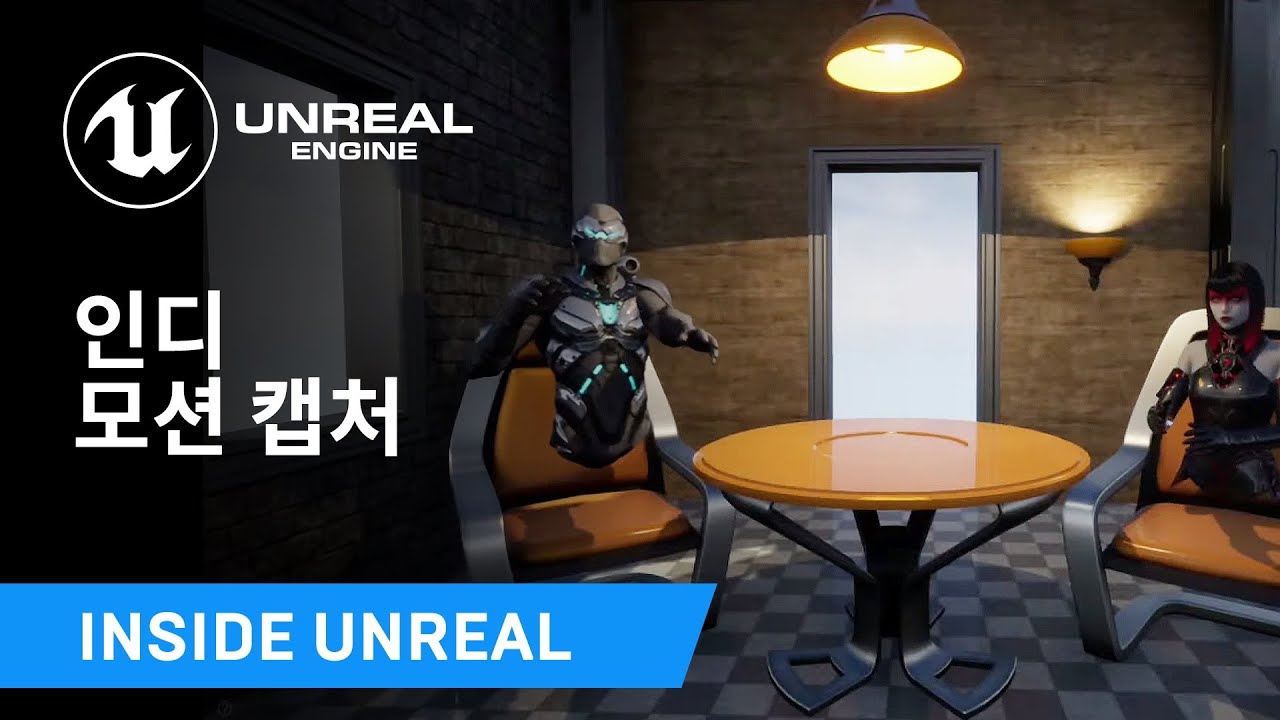
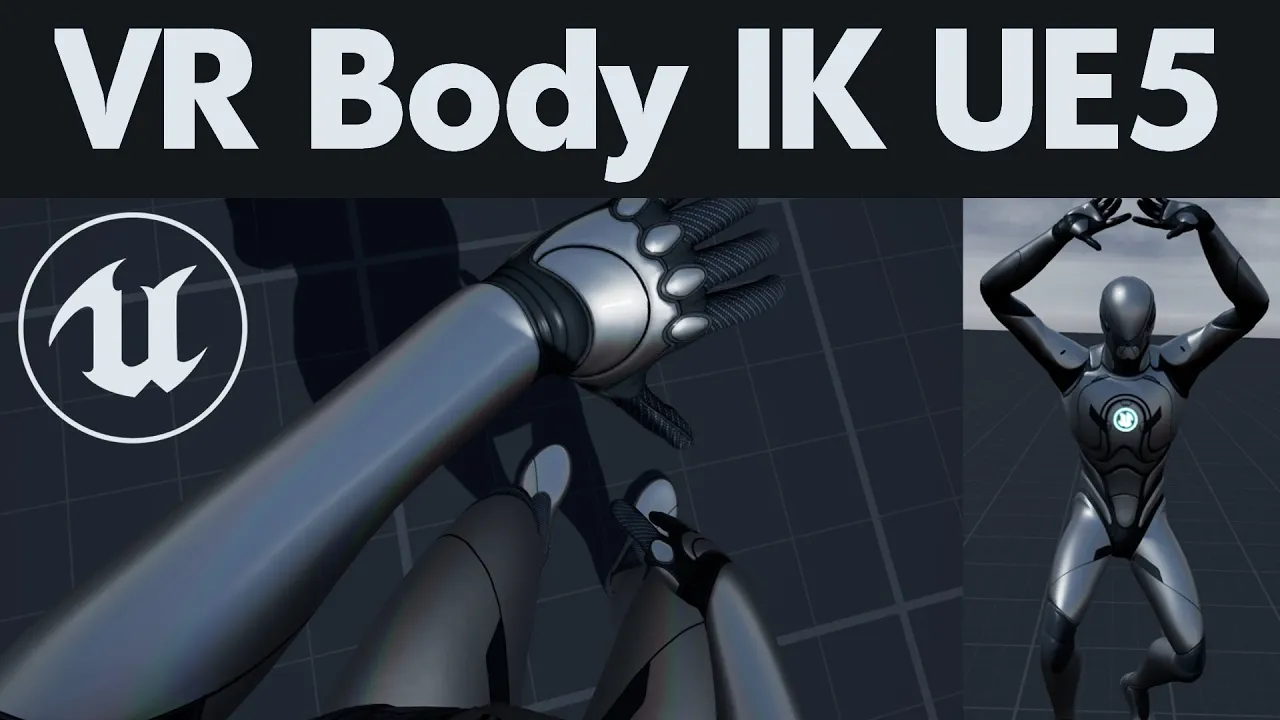

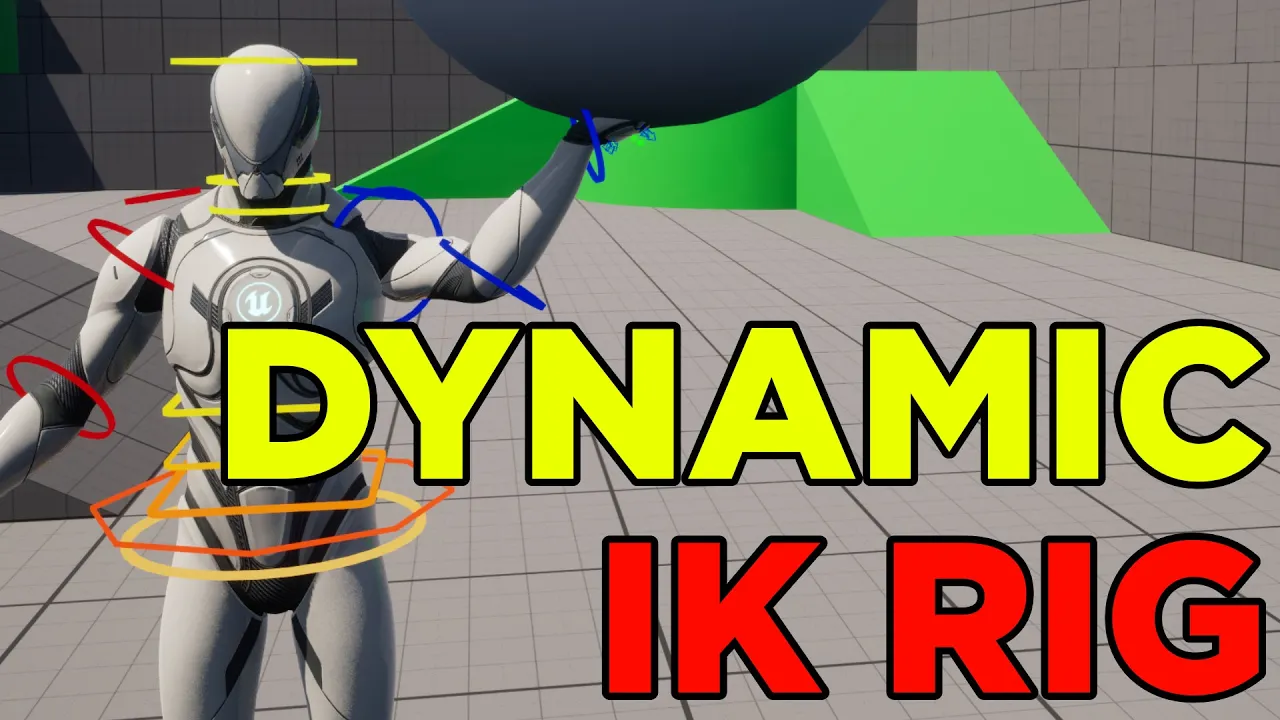



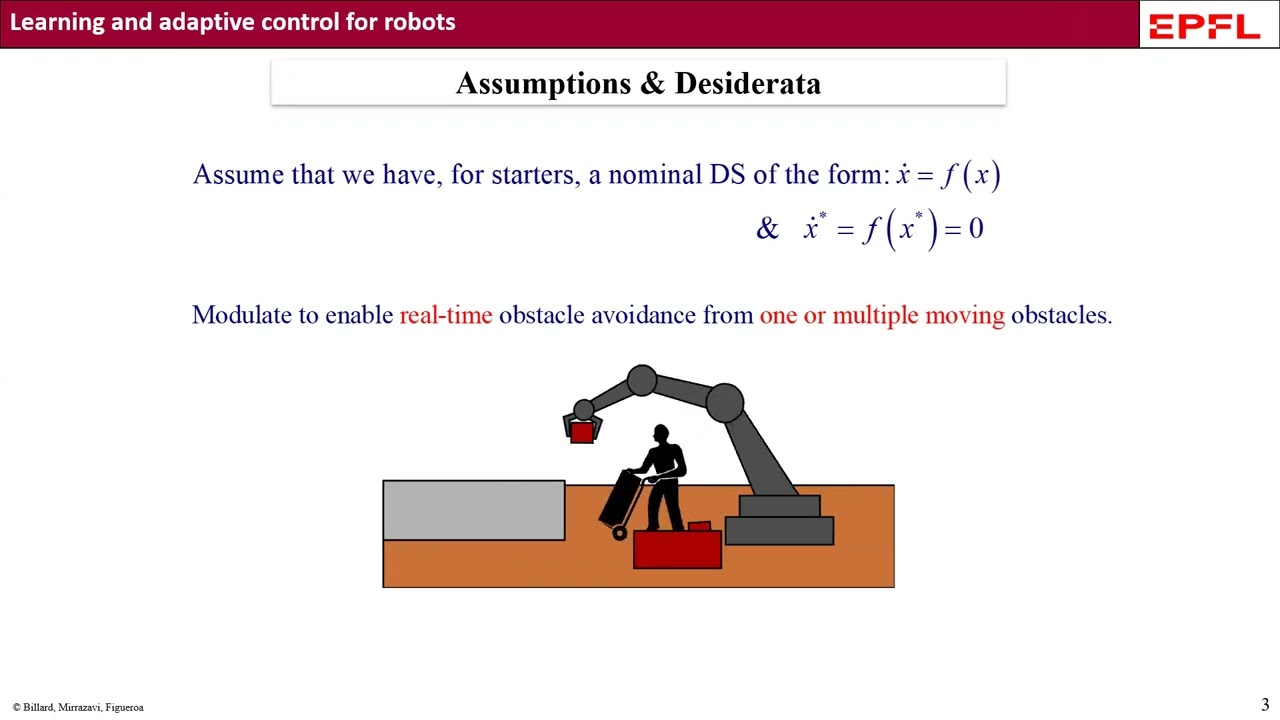



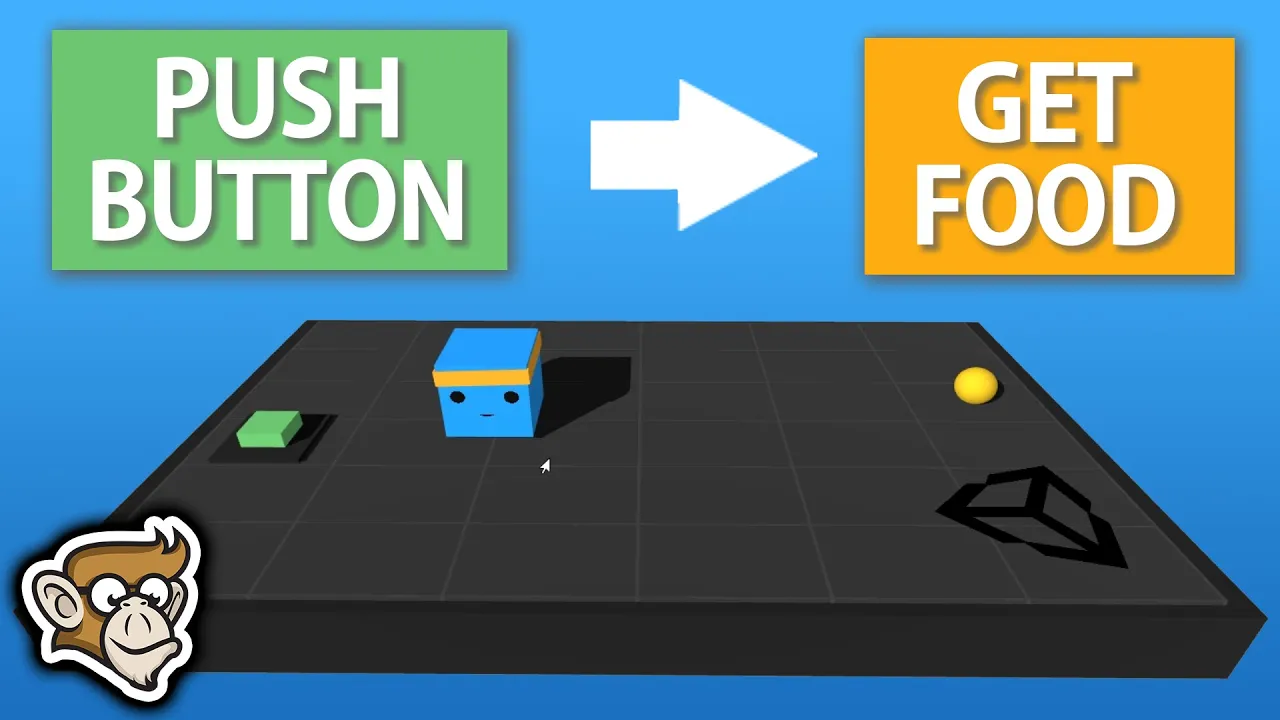


In Unity with Bio IK, end effectors (goals) control character movement by applying rotational values to joints, and their influence can be balanced through weighting to prevent erratic motion; without proper constraints, end effectors may cause the entire rig to move unpredictably, as demonstrated when the character's feet flopped without constraints.
Bio IK Rig Control for Robot Puppeteering in Unity
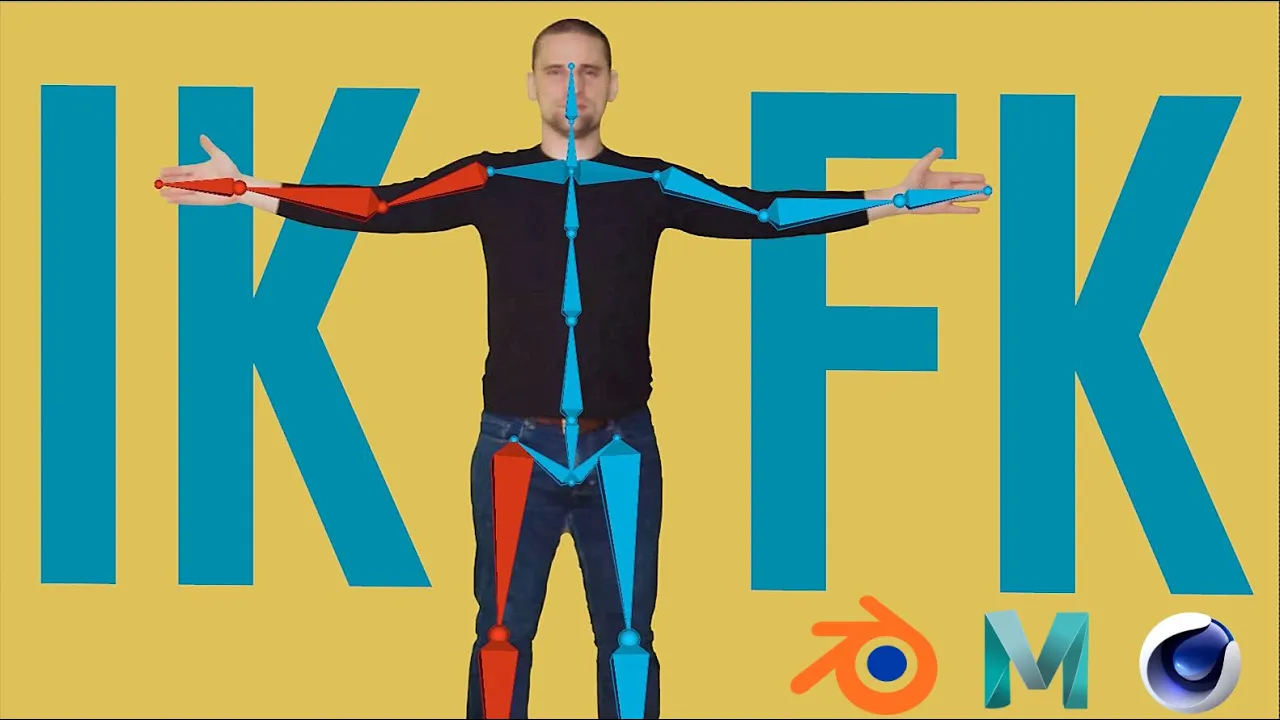
Added:Fundamentals of Inverse Kinematics (IK) vs. Forward Kinematics (FK) in 3D computer graphics.
Basic proficiency with the Unity Game Engine, specifically hierarchy management, components, and basic C# scripting.
Understanding of 3D rigging concepts, including skeletal joints, bones, and end effectors.
Elementary concepts of robotics kinematics, such as Degrees of Freedom (DoF) and joint rotational limits.
Integration of real-time input devices (like VR controllers or motion capture suits) to drive the IK end effectors.
Connecting Unity-based puppeteering to physical robots via ROS (Robot Operating System) for hardware-in-the-loop simulation.
Advanced Bio IK features, including obstacle collision avoidance, goal weighting, and multi-task optimization.
Applying reinforcement learning (using Unity ML-Agents) to train autonomous agents based on the established IK rig.
832 views18likes5:47Original Release: 2020-12-16
everybody will hear quick update got the JD rigged in Lightwave and then brought into unity and then I've set the bio iCade rig onto it and adjusted all the rotational values for every single joint then after I did that I created some goals or end effectors depending on what you'd like to call them and I'll show you how those work so I've got two to setup one for the wrists over here and this also has a look at applied to it so his head will look at the end effector and then there's another one over here then we have two down here on the legs I have the two legs turned off for now because it has a tendency to the way I've rigged it without any constraints makes the feet a little floppy and they flop around a little bit but I will pause the video a little bit later and turn those on so you can see everything kind of moving around so let's go into game mode I did manage to figure out how to bring the in defectors into the game mode so we've got a nice clean interface but I can grab this guy and he spins around then JD tries to look to see where it is order to go must be behind me it's in front of me so that works great and then I can grab this little guy here same thing with this arm he's trying to move it around with that one and let me pause the video and I'll turn the end effectors on for the feet okay we're back and now we've got all these different end effectors active you could see that he looks like he's kind of swimming or doing whatever that's because both these end effectors are all for these end effectors are affecting the whole rig so you can control that by weighting w e IG HT ing waiting each one of them giving them more power so you can give less power to more power to the other so the effect the whole break a little less crazy like this but I can move his like forwards backwards can walk maybe it's a little animation rig but yeah he just kind of looks like he's just hanging out we'll take you out of game-mode into scene mode so you can see the rig I'll back out a little bit there we go we can see the end effectors doing their thing here and get forward so you don't see the camera rig so same thing here and we can also add rotational values for some of the end effectors so they can bend let's move this over whoa hey there we go I think I lost one of my end effectors for the legs um left like goal that's inside the foot okay so you can see this a little bit better as far as you know you know I don't have it JD so I don't know what the limits are on the joints so I guess that a lot of these they might be wrong but you can but this this is actually not connected to defeat this is connected to his ankle the feet themselves actually do have a rotational value of a negative and a positive 30 degrees but like I said I think you need to connect a constraint to that so that the constraint will keep the the feet from keep the feet flat and keep them from rolling because when you turn them on they definitely roll like crazy because it's just the end of the eye catching so any where is that is that I did try to figure out how to do how to create a root goal for his chest so he could just move his chest around and then he could do some pretty cool magical things but I don't know if this particular rigging system will allow us to do that the route which is used that usually is the hips on a bipedal setup doesn't exist on G JD so I couldn't quite figure out how to fit it into the rig so anyways this has gone longer than I thought was gonna go so I'm gonna leave here and I will fiddle faddle with it a little bit more but I was gonna put it up for you guys to download and play around with it and see if you have any other ideas or oops it looks like he's flying
Up Next

2:01
Teleoperating a UR5 Robot with Oculus Quest 2 VR
@erwinkendo
516 views•2022-08-31

14:50
Autonomous Sailboat Heel Control: N4N1 Field Tests
@meholden
456 views•2025-03-14

11:04
How to Build a Self-Balancing Robot: Arduino Nano & MPU6050
@easytechzones
16.8K views•2022-03-09
25:22
Micromouse: The Fastest Maze-Solving Robots on Earth
@veritasium
23.5M views•2023-05-24
Related Study Plans & Knowledge Roadmaps
Structured learning paths in Robotics
robotics
Robotic Sailboats: Arduino, Sensors & Tacking
01Sailing Physics and Aerodynamics
02Arduino Programming and Electronics Basics
03Sensors and Actuators Integration
+ 2 more learning modules
35h5 modules
Explore Roadmap
robotics
Building Delta Robots: Kinematics & Pico
01Foundations of Delta Robots & Mechanical Design
02Electronics and Microcontroller Setup with Pi Pico
03Delta Robot Kinematics and Coordinate Math
+ 3 more learning modules
65h6 modules
Explore Roadmap
robotics
Building Ballbots: Dynamics, Kalman & LQR
01Embedded Electronics & Omniwheel Actuation
02Ballbot Kinematics & Rigid Body Dynamics
03IMU Sensors & Kalman Filter State Estimation
+ 2 more learning modules
42h5 modules
Explore Roadmap
robotics
Micromouse: Hardware, PID Control & Flood-Fill
01Electronics & Teensy Microcontroller Basics
02Sensors and Actuators: Motors, Encoders & IR
03Precision Movement: Implementing PID Control
+ 2 more learning modules
35h5 modules
Explore Roadmap