




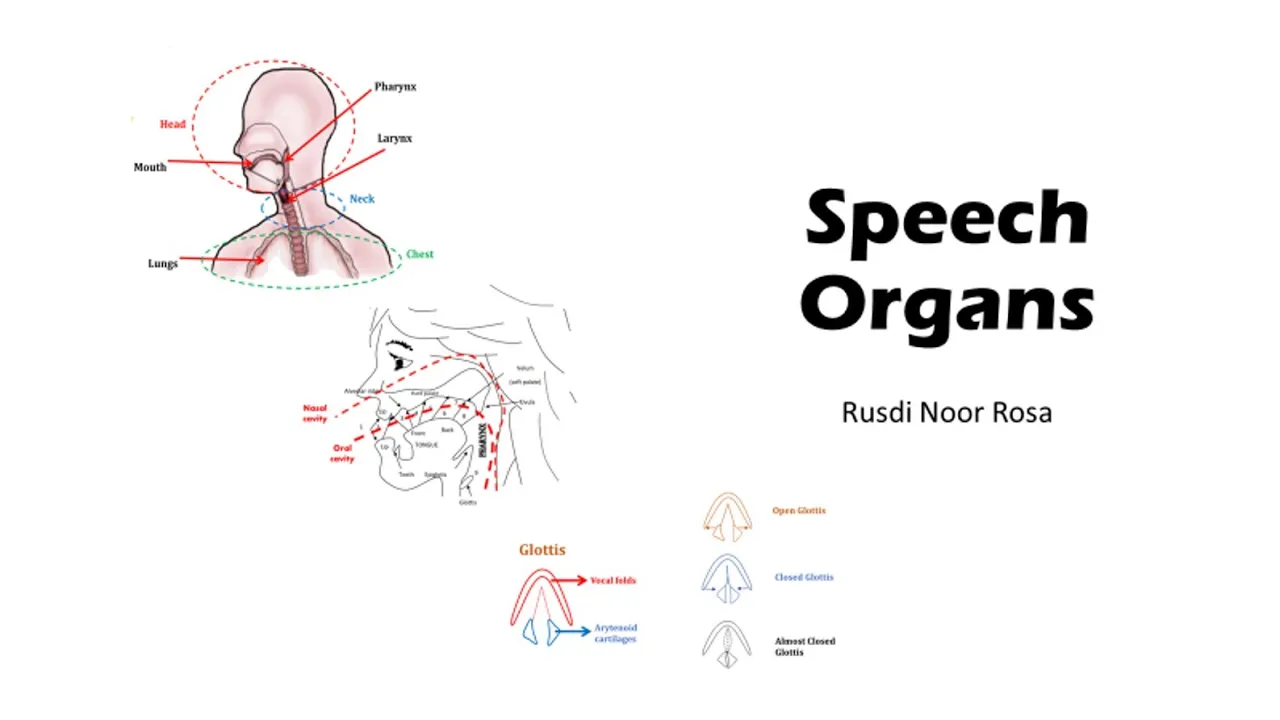

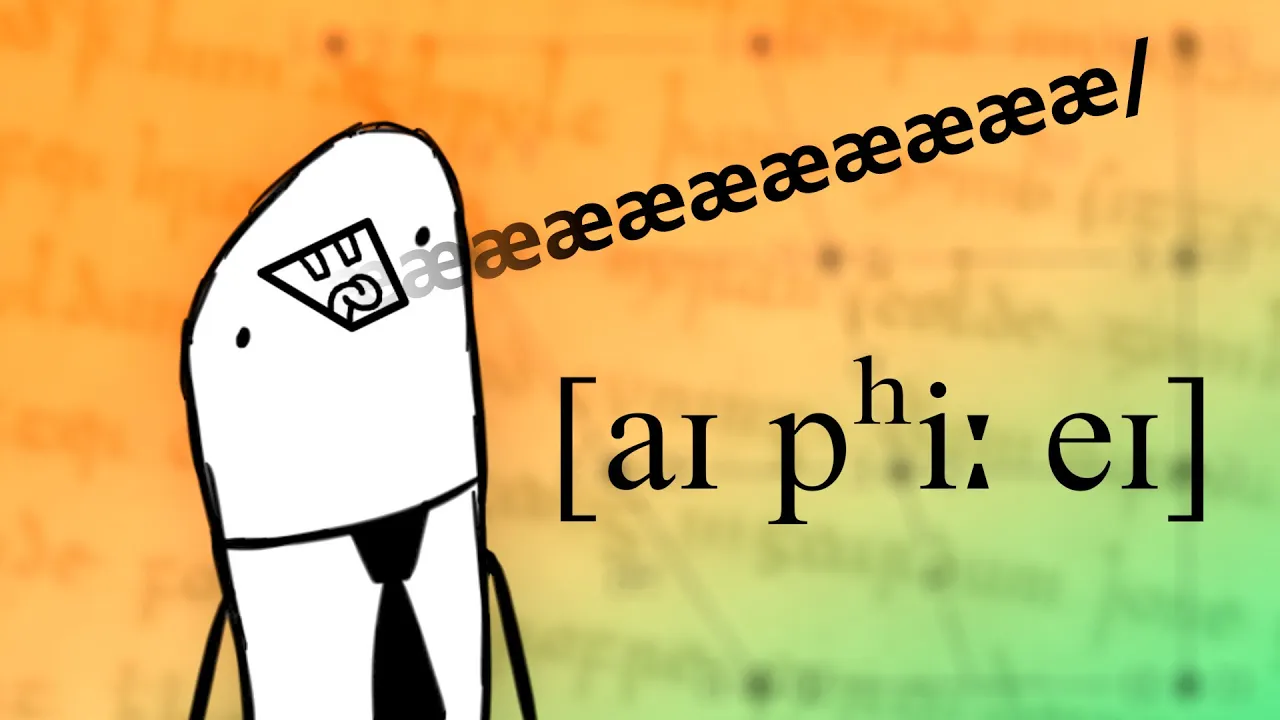
![Phonetics: Intro to linguistics [Video 2]](https://i.ytimg.com/vi_webp/GLBsvdaR_ow/maxresdefault.webp)


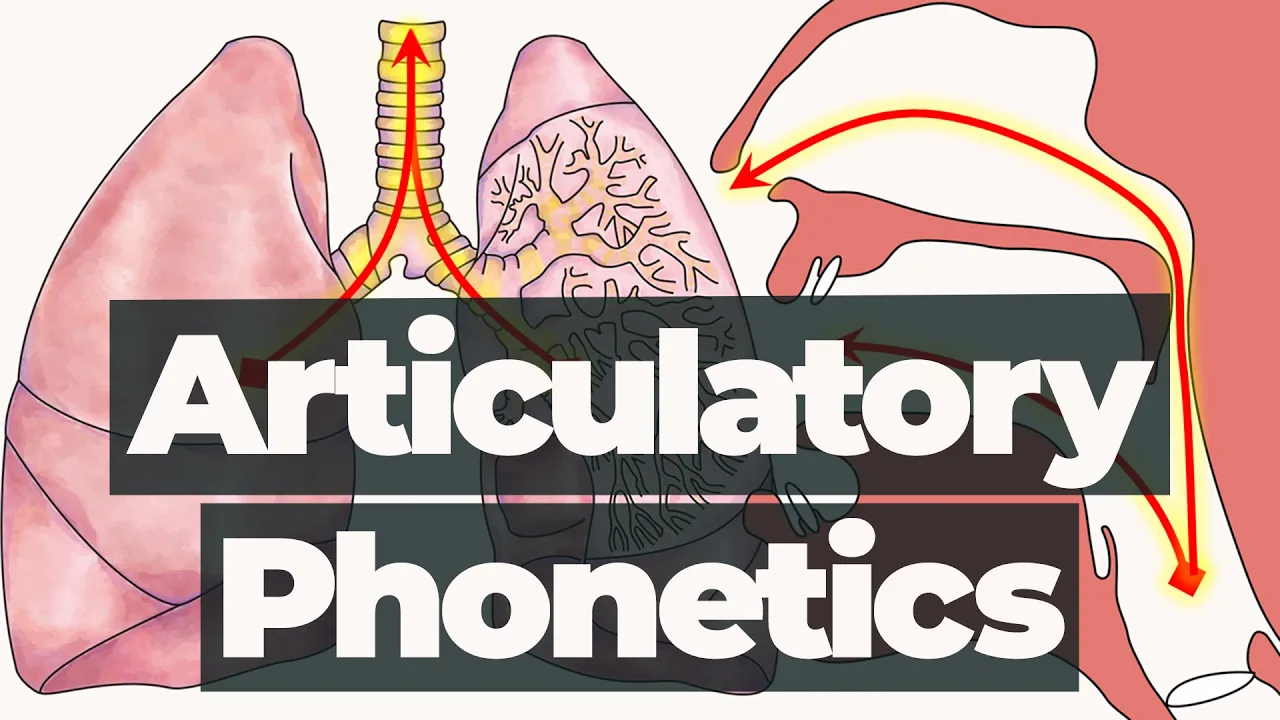
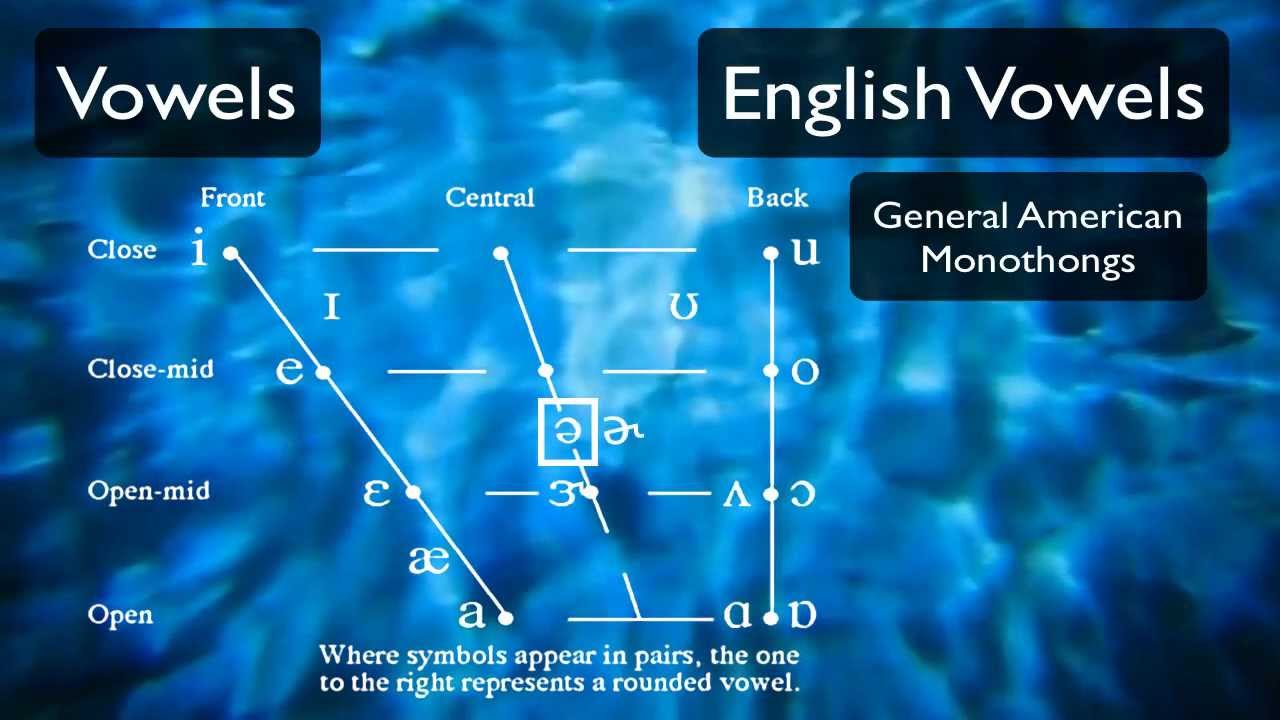
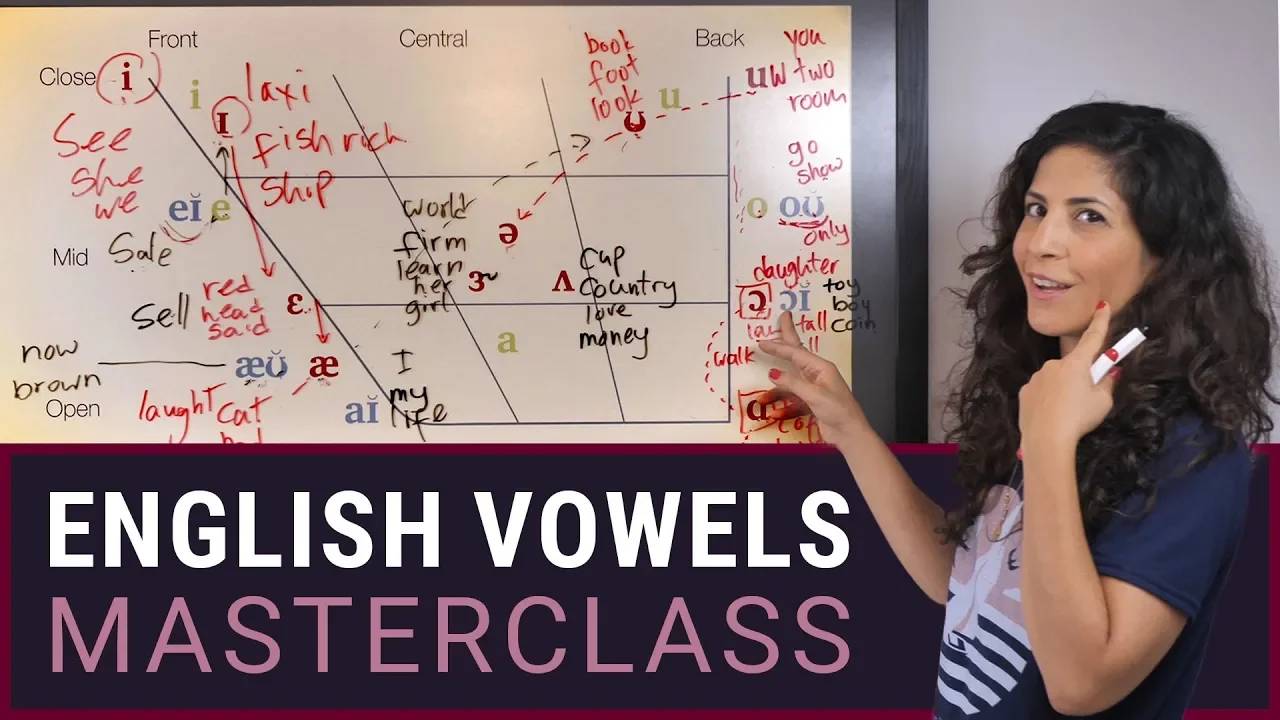

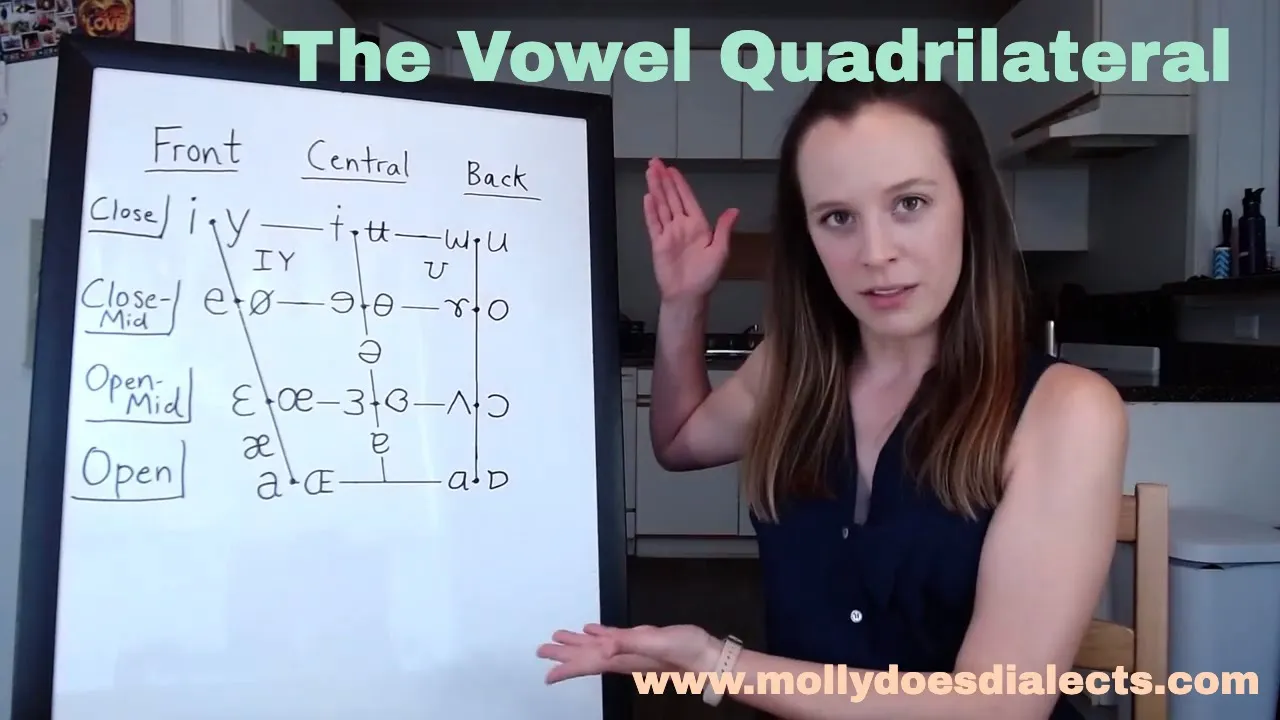













Linguists describe vowel sounds using three key criteria—height (how high or low the tongue is in the mouth), backness (how far front or back the tongue is positioned), and roundedness (whether the lips are rounded)—in that specific order; vowels are categorized as either monophthongs (single vowel quality) or diphthongs (two vowel qualities), with North American English serving as the primary reference for this phonetic analysis.
Articulatory Phonetics: Describing Vowels in North American English
Added:Understanding the basic distinction between vowels (unobstructed airflow) and consonants (obstructed airflow) in speech production.
Familiarity with the anatomy of the vocal tract, particularly the active articulators like the tongue, lips, and jaw.
An introduction to the concept of the International Phonetic Alphabet (IPA) and how spelling differs from actual speech sounds.
Basic knowledge of articulatory phonetics as a branch of linguistics that studies how humans produce speech sounds.
Mapping North American English vowels onto the official IPA Vowel Chart (the vowel trapezoid).
Distinguishing between monophthongs (pure vowels) and diphthongs (vowels that transition from one target position to another).
Understanding the phonological distinction between tense and lax vowels (such as the difference between the vowels in 'bead' and 'bid').
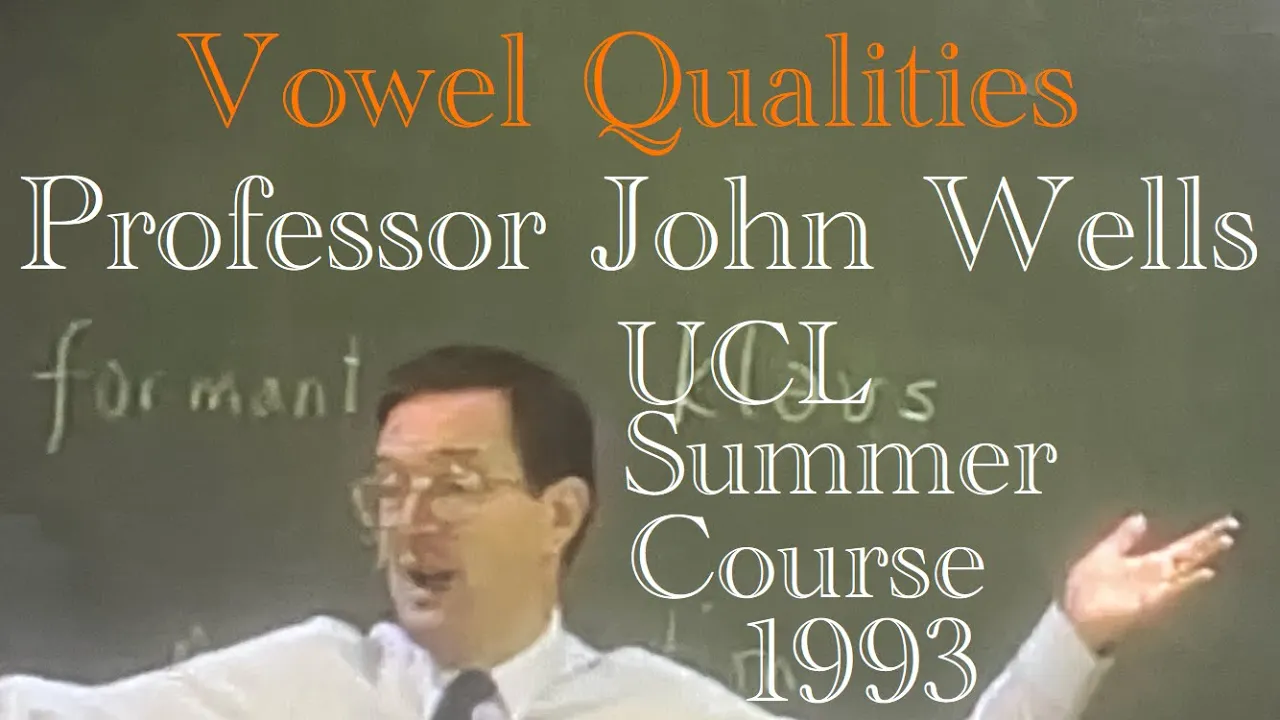
Exploring acoustic phonetics, specifically how vocal tract resonance produces formants (F1 and F2) that correspond to vowel height and backness.
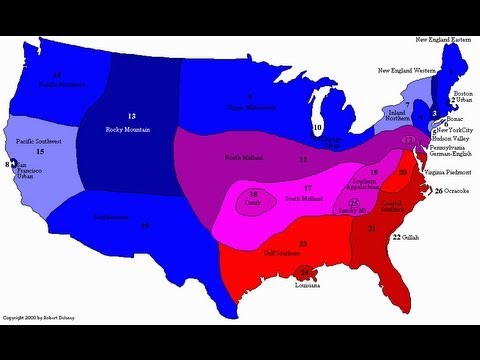
Applying vowel classification to the study of sociolinguistics, regional dialects, and vowel shifts in North American English.
798.6K views16.5Klikes5:03Original Release: 2015-02-04
Hey everyone thanks for joining us. Welcome!
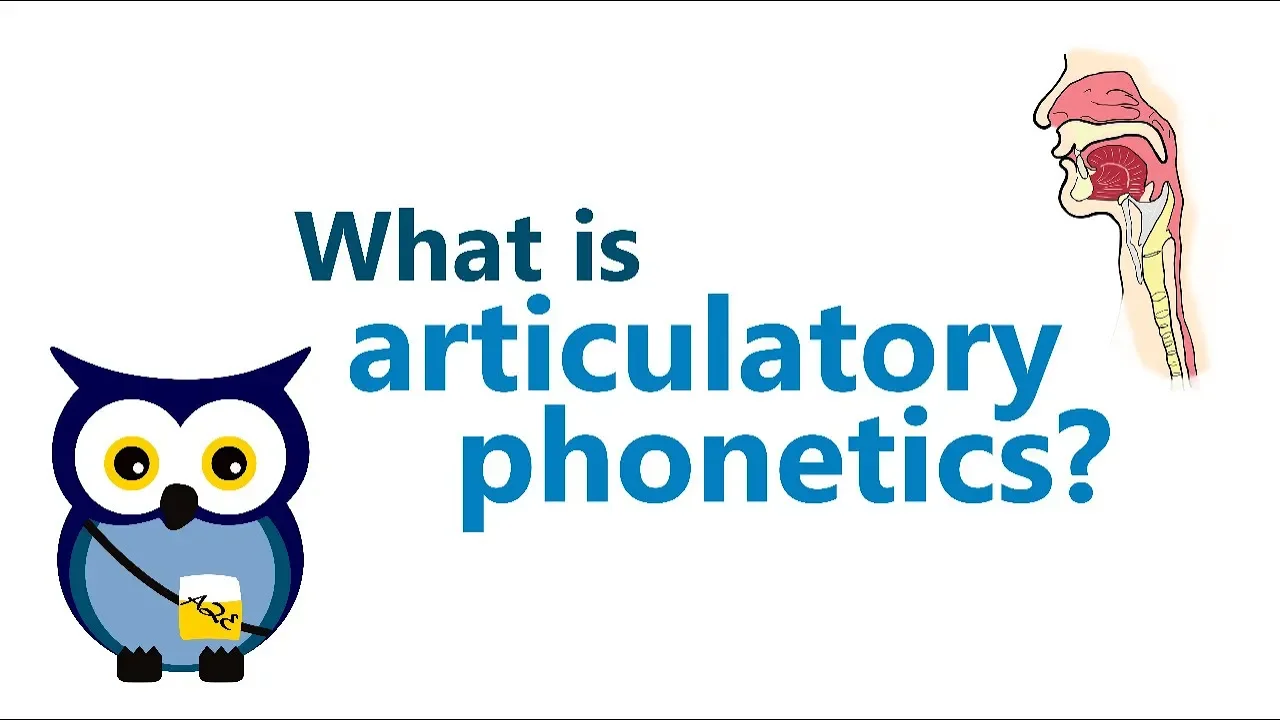
So today we'll be talking more about articulatory phonetics, which again is the study of the production of speech sounds in the vocal tract.
If you haven't already, please take a few minutes to look at our other videos in this series on describing consonant sounds and navigating the international phonetic alphabet.
In this video we will be talking about how linguists describe vowel sounds.
Just a couple of notes. First again like in the constant video we will only be talking about the phonetics of spoken language rather than sign languages and we will be talking about the vowel sounds as they are used in North American English.
There are two types of vowel sounds: Monophthongs and Diphthongs.
Monophthongs involve one vowel quality and diphthongs involve too vowel qualities.
When linguists are describing vowel sounds, we have to rely on a different set of criteria for what we used in describing consonants because remember, vowels do not involve the constriction of airflow in the vocal tract.
so our tongue doesn't approach an anatomical landmark like they do with consonants so the three criteria that linguists use when describing vowel sounds are height, backness and roudedness.
Let's talk about each of these in turn.
Height refers to how high or or low the tongue is in the mouth when producing the vowel.
For example, consider the vowel sounds, [i] and [a].
If you say both of these vowels in succession, you should feel your tongue going up and down as you say [i], [a], [i], [a], [i], [a].
In terms of height, vowels are either considered high, mid, or low.
[i] is an example of the high vowel.
[ɑ] is an example of the low vowel.
Backness refers to how far front or back the tongue is when producing the vowel.
As with vowel height, this can be tricky as it takes some practice, but consider the vowels, [i] and [u].
If you say these vowels in succession, you may notice that your tongue is moving forward and backward as you say [i] [u] [i] [u] [i] [u].
In terms of backness, vowels are either considered front, central or back.
Remember that [i] is a high vowel but it's also a front vowel.
while [u] is a back vowel.
The third criteria that linguists use when describing vowels is roundedness.
Roundedness means whether or not the lips are rounded when producing the vowel.
This is something that's very easy as you can feel and see when you are producing a rounded sound, or when the person that you're talking to is producing a rounded sound.
so again take the two sounds that we just used.
[i] and [u].
[u] as you can clearly see and feel is a rounded vowel whereas [i] is not a rounded vowel.
[i] [u] [i] [u] [i] [u] Just like with consonants there is a specific order that linguist use when describing vowel sounds.
It is height, then backness, then roundedness.
For example, [u] is a high back rounded vowel.
[Ê] is a low front urounded vowel.
Remember, so far we've only been talking about monophthong vowels.
If you want to categorize diphthongs in terms of these criteria we must do so for by starting vowel quality as well as the ending vowel quality.
But we won't worry about that in this video.
Alright so what do we cover in this video?
We talked about the criteria that linguist use when describing vowel sounds, and the order that those criteria must appear in, and that's pretty much it for this video.
Be sure to check out our other videos and describing consonant sounds and how to navigate the international phonetic alphabet.
I hope you enjoy this video. Thanks for watching.
Up Next

6:14
Articulatory Phonetics: Consonants Explained
@ubcvisiblespeech9115
1.6M views•2015-01-28
36:52
Constraint Interaction in Optimality Theory: Epenthesis & Deletion
@Vidyamitra
180 views•2018-08-20

8:59
Forensic Linguistics: How Language Solves Crimes | PBS
@pbsstoried
1M views•2024-01-25

21:32
Accent Expert Explains U.S. Regional Dialects | Part 1
@WIRED
9.3M views•2021-01-21
Related Study Plans & Knowledge Roadmaps
Structured learning paths in Linguistics
linguistics
Optimality Theory: Tableaux & Constraints
01Phonological Basics: Sounds, Syllables & Rules
02Foundations of Optimality Theory: GEN, CON, and EVAL
03The Constraint Inventory: Markedness vs. Faithfulness
+ 2 more learning modules
15h5 modules
Explore Roadmap
linguistics
Morphosyntactic Alignment: S, A & P Systems
01Foundations of Syntax: Transitivity and Arguments
02The Linguistic Variables: Mapping S, A, and P
03Nominative-Accusative Alignment
+ 3 more learning modules
12h6 modules
Explore Roadmap
linguistics
Analyzing Sign Language: Phonology & Syntax
01Foundations of Sign Language Linguistics
02Phonology: The Five Parameters of a Sign
03Morphology: Word Formation and Classifiers
+ 2 more learning modules
14h5 modules
Explore Roadmap
linguistics
Pragmatics: Speech Acts, Grice & Politeness
01Introduction to Pragmatics: Meaning in Context
02Grice’s Cooperative Principle & Implicature
03Speech Act Theory
+ 2 more learning modules
14h5 modules
Explore Roadmap