













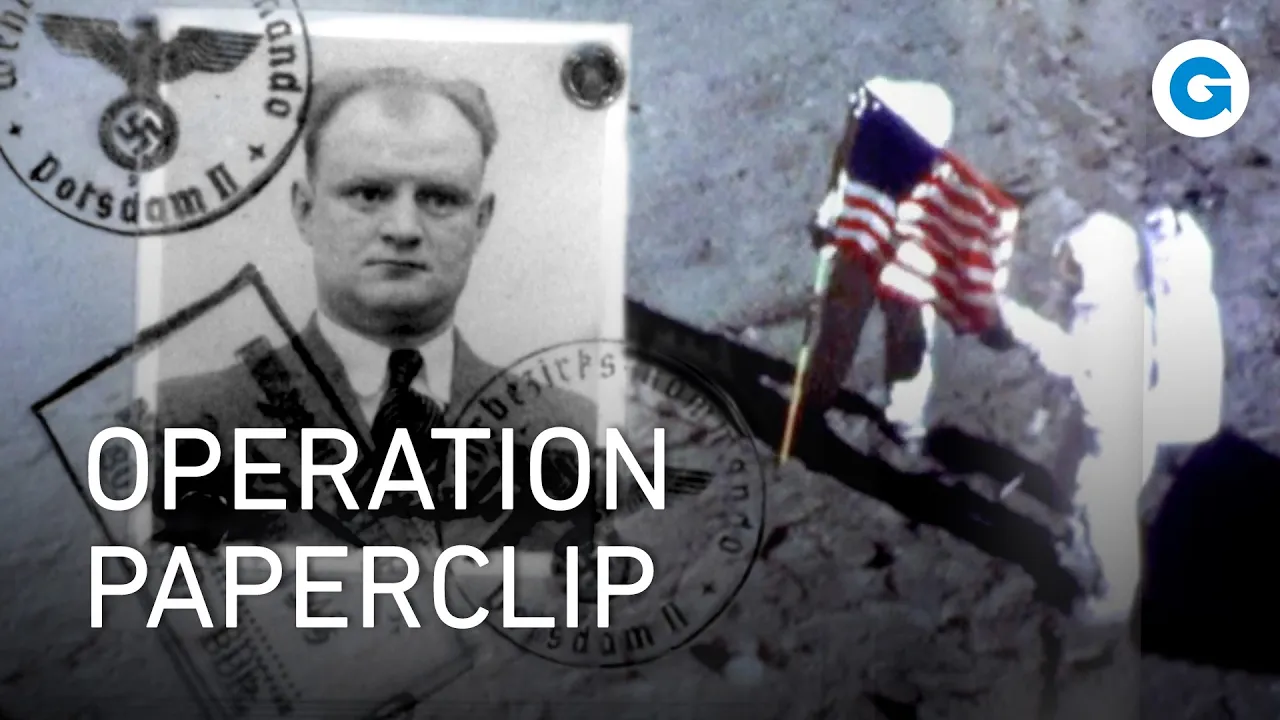


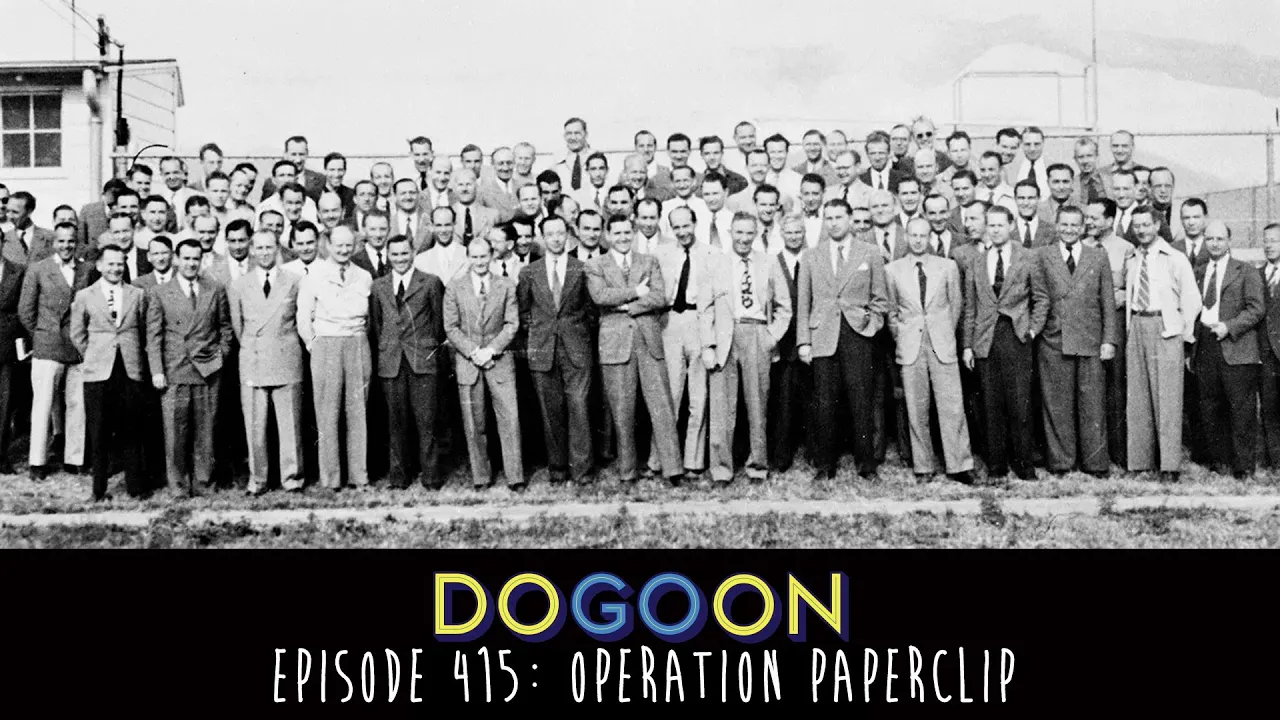


Operation Paperclip was a secret US intelligence program (1945-1959) that recruited over 1,600 Nazi German scientists, engineers, and technicians, including Wernher von Braun, to work for the United States before they could fall into Soviet hands; despite President Truman's initial prohibition on hiring former Nazis, the program circumvented this restriction by purifying the scientists' records and granting them security clearances, ultimately contributing to American technological superiority in rocketry, jet aviation, and space exploration, including the Apollo moon landing program.
Operation Paperclip: Nazi Scientists and the US Cold War Legacy
Added:The geopolitical landscape of post-World War II Europe, specifically the emergence of the bilateral tension between the United States and the Soviet Union.
The fundamental ideological differences of the Cold War, primarily capitalism and democracy versus communism.
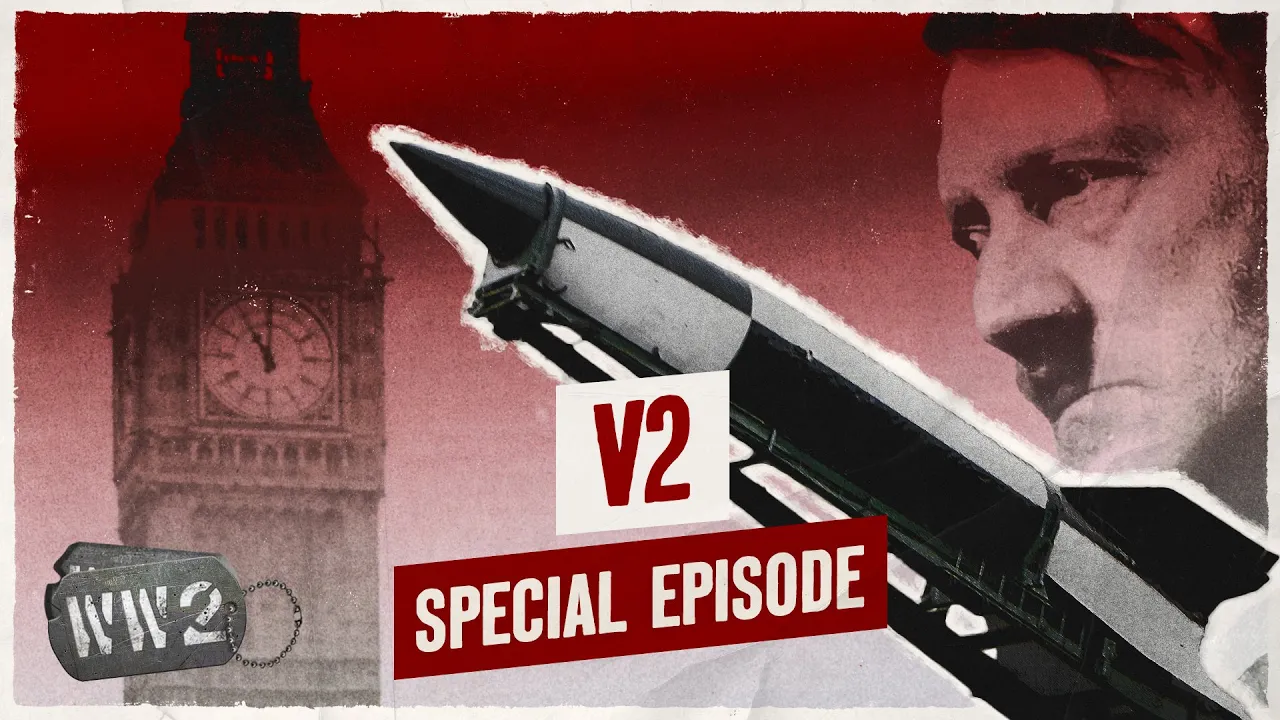
Germany's technological advancements during WWII, particularly the development of the V-2 rocket, which was the world's first long-range guided ballistic missile.
The purpose and outcomes of the Nuremberg Trials, establishing the context of war crimes and accountability that existed alongside these secret recruitment efforts.
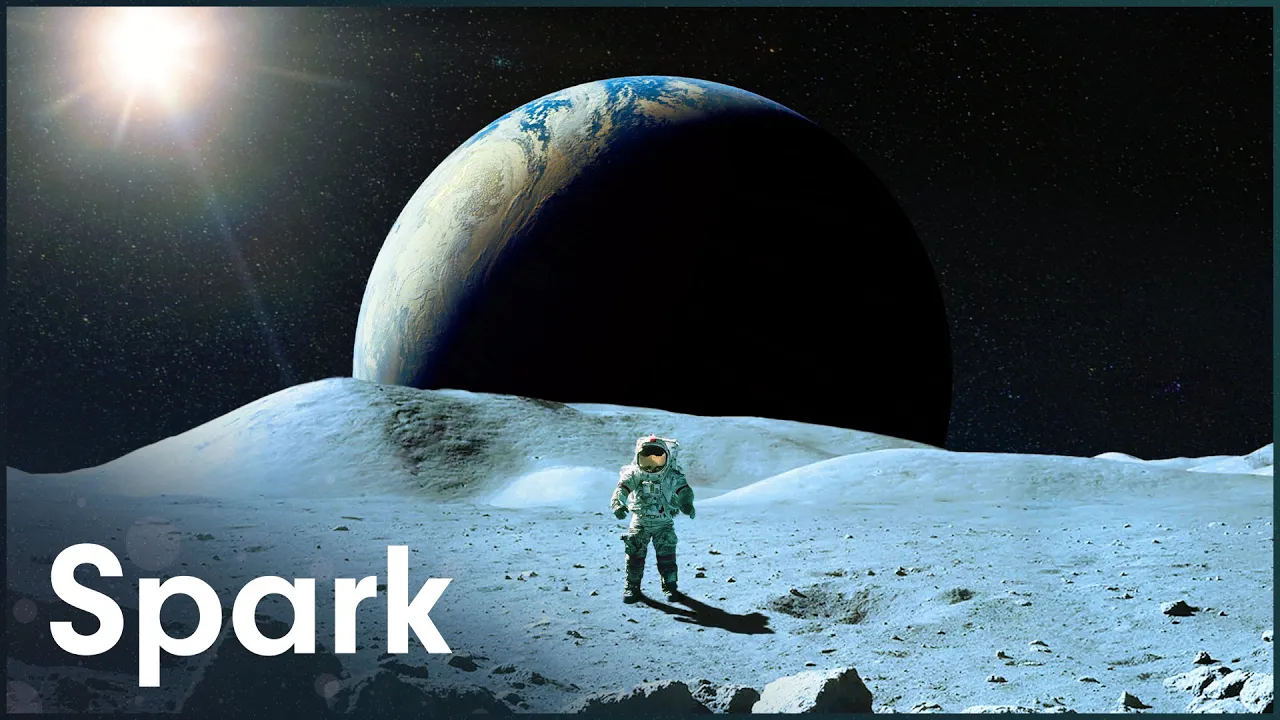
The history of the Space Race and the creation of NASA, focusing on how recruited scientists directly contributed to the Apollo program and the Saturn V rocket.
Operation Osoaviakhim, the Soviet counterpart to Operation Paperclip, to analyze how the USSR similarly recruited and relocated German specialists.
Ethical frameworks in science and politics, examining the moral compromises of prioritizing national security and technological dominance over justice for war crimes.
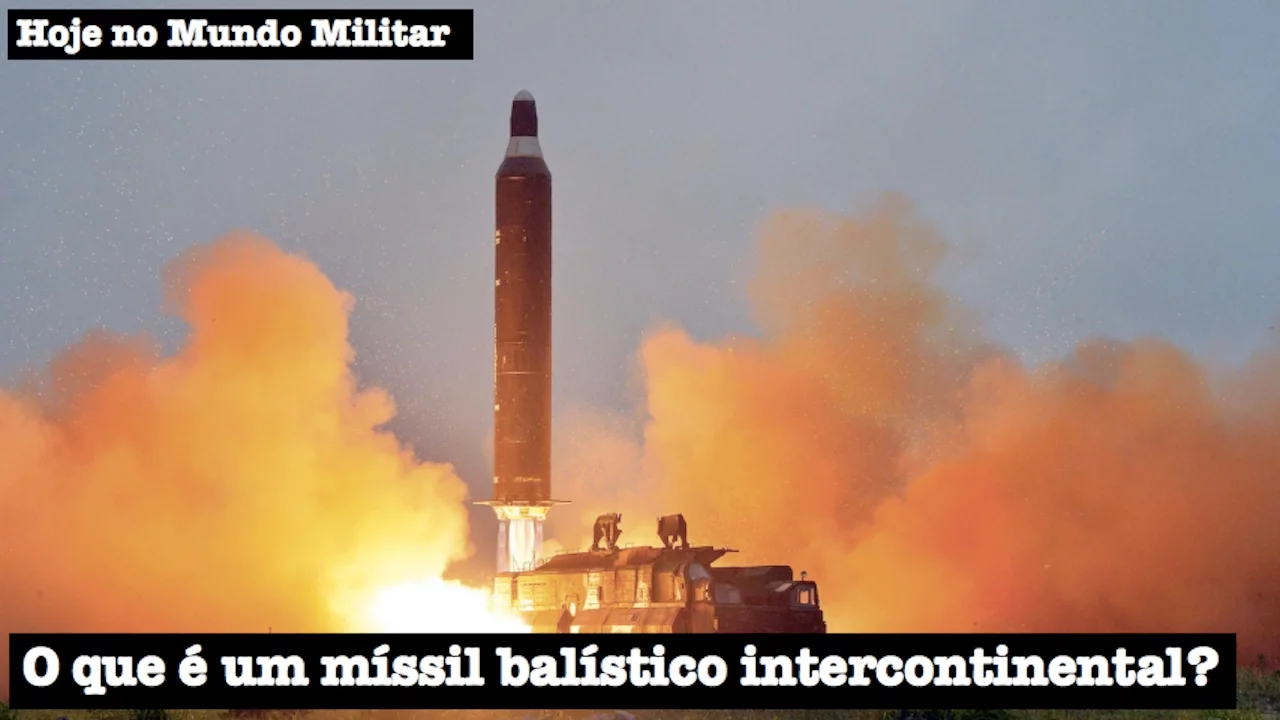
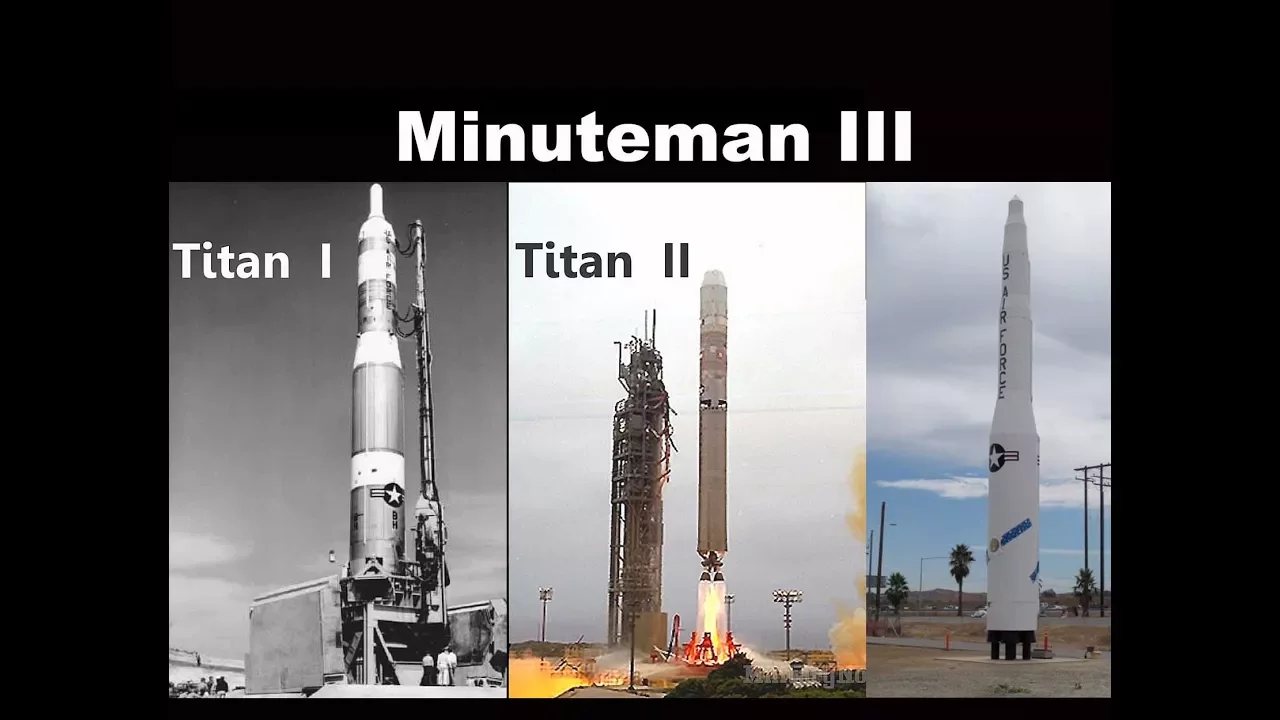
The evolution of Intercontinental Ballistic Missiles (ICBMs) and how the military technology acquired in this era shaped modern nuclear deterrence strategies.
99.6K views4.1Klikes11:34Original Release: 2022-09-14
foreign World War II was not just a war of inhumanity and a total annihilation it was a war of technology and science Nazi Germany led the world in various technological innovations all of which were sought after by the Allies both Western and the Soviet. When The War ended and that included the people who helped create them. How did the United States and Great Britain obtain the best and brightest minds behind Hitler's Wonder Weapons and science? Why did they want them? What was the result of Operations Lusty and Paperclip? And why was Operation Paperclip so controversial long after the war was over? Hello I'm Colin Heaton former soldier, Marine Corps scout sniper, history professor, historian and book author and we will answer these questions and other issues on this segment of Forgotten History.
Before the end of World War II British and American intelligence put a plan together to collect as Much German technology and the men who created it as possible and hopefully beat the Soviets in the process. These two programs were called Operation Lusty and Operation Paperclip. Operation Lusty was the scramble for German technology especially jets such as the Messerschmitt 262, biological and chemical warfare, rocket aircraft such as the Messerschmitt 163 Comet and their new silent running type XX! and type XXIII electric U-boats in addition to other scientific experiments and intelligence experts. Operation Paperclip was all about getting the top minds in Nazi Germany all the top scientists, developers, intelligence specialists and engineers before the Soviets did. Throughout history conquering nations occupied and appropriated everything within their dominions as spoils of war. Collecting German technology and the men who created it was just a continuance of the age-old practice. The great difference was that the American and British methods were for the most part devoted to preventing future wars healing fresh wounds, they focused upon building new alliances to prevent the spread of communism and beating the Soviets in the technology race and coming Cold War. But the Western Allies also wanted the men behind the weapons and science and the list was drawn up from the known persons building Adolf Hitler's Wonder Weapons programs. They compiled a very long and detailed list that numbered over 1600 names. Following Allied troops in the advance was the Combined Intelligence Objective Subcommittee or CIOS which started confiscating documents, materials, machinery and interrogating German experts to weed out all but the best. Operation Paperclip started before the war ended under the direction of the Office of Strategic Services under General William "Wild Bill" Donovan and overseen by the Joint Intelligence Objectives Agency. Just as Operation Lusty was to deny German technology to the Soviets Paperclip was meant to deny them access to the men themselves; the race was on. Before the German surrender the U.S Counterintelligence Corps was already scouring prisoner of war camps, hospitals, refugee camps, looking for anyone on that list. Making the situation easier for the Americans and British was the fact that every German preferred captivity in the west as opposed to being in Soviet hands and for good reason. The Joint Chiefs of Staff and the chairman General George C Marshall saw the value in these operations as did others. How would you feel knowing that these were the men who helped expand the lethality of the war? President Harry S. Truman agreed with the plan yet only signed the authorization for Paperclip on August 7 1945, but he expressly forbade the inclusion of anyone who was a member of the Nazi Party. The problem with that decision was that anyone who was not a member of the National Socialist German Workers Party held any meaningful position or had a security clearance to work on the top secret projects. General George S. Patton was aware of Paperclip and supported the project. In fact Patton defied the order to not use former members of the Nazi Party in any occupational capacity. Patton ignored the order and collected as many experts as he could, so Truman's position on this matter made absolutely no sense and Donovan as well as the future CIA director Alan Welsh Dulles knew it. There had even been a discussion with General Dwight D. Eisenhower as to making sure that these top most wanted Germans were kept safe from harm. They understood that Truman's ridiculous order would have severe consequences in the short term. Some of the most wanted and talented Germans such as rocket scientist Dr. Vander von Braun, Dr Arthur Rudolph and space medical specialist Dr. Hubertus Struckhold just to name a few, would have been cast adrift and possibly fall into Soviet hands. Many of them would have probably voluntarily gone to the Soviets just to have a job and a decent quality of life rather than be unemployable and outcasts in their own country. What do you think of that possibility of the Soviets gathering these men instead of the United States? This was because former officers and party members were barred from civil service jobs, academia and any meaningful profession that would have included science and aerospace professions. Donovan, Dulles and others quietly circumvented and ignored Truman's edict. Had they not the United States would have been set back decades on the developments of rocket and jet aircraft, submarine and ground-launched intercontinental ballistic missiles, high altitude and pressure G-suits for air crews and so on. In order to get around this provision the OSS and JIOA under the direction of Dulles removed all references of the Nazi Party affiliations of those brought into the fold, in essence their files were purified to make them clean of any NSDAP affiliation. As a result Operation Paperclip so called for the paper clips that attached the new pages of their sterilized identification papers then cleared these men from scrutiny and allowed them to obtain the top secret security clearances required in order to work in the United States. Von Braun and other rocket scientists were brought to Fort Bliss Texas and White Sands Proving Grounds New Mexico as War Department special employees to assist the U.S Army with rocket experimentation. The best example is von Braun who later became the appointed director of NASA's Marshall Space Flight Center and the primary creator of the Saturn V rocket which placed American astronauts on the moon. There has been great scrutiny over the last several decades in the United States and Great Britain giving these Nazis a pass and a good life given the fact that all of their Industries caused great suffering, destruction and at least in a small way benefited from slave labor during the Holocaust. What most people seem to forget is that these scientists had no control over the labor force they were given and it seems quite hypocritical as well. People still buy Volkswagens Porsches Mercedes and BMWs and Fflash their status without a single thought to those companies that also used slave labor as did Ford and General Motors with their European companies. People still use Bosch Siemens Krupp and IG Farben products all of which used even larger numbers of slave labor and some of their specialists were brought here as well. Does this episode make you think twice about buying products from these companies? Most people will say no as that was long ago but let's look at what we did benefit from as a result of Operation Paperclip. We enhanced our knowledge of jet aviation, synthetic fuel production, infrared technology. We inherited advanced emission detection systems used by the Luftwaffe night fighters, advanced aerodynamics, liquid fuel rocketry, and ballistic missile development. We obtained guided missile technology, advanced understanding of virology and bacteriology and various other areas of science and a wealth of Intelligence on the Soviet military from Major General Reinhardt Galen and others learning of their intelligence methods and their order of battle. Had the Soviets captured von Braun Major, General Walter Dornberger and many others we would not have had the Redstone Rocket program. There would not have been a Mercury, Gemini and later Apollo programs. We would not have been the first nation to land on the moon the space shuttles may have never been developed. In the words of Air Force General Michael Collins who along with Buzz Aldrin and Neil Armstrong was part of the three-man Apollo XI mission for the first manned moon landing quote; "The Russians had some Germans and we had some Germans but we had the best Germans and had we not brought them here the history of the world would be very different. We were just lucky that so many wanted to come here and that we welcomed them. The Russians could get an object to the moon but it was von Braun and the others who made sure that we could get back and that was what mattered most," end quote. Likewise we would not have had the Polaris missile and the later generations of intercontinental ballistic missile submarines called boomers that patrol the world's oceans keeping our enemies in check, and satellite technology is also a question mark. The opposite would be true. The Soviets would have been the first to land men on the moon despite the fact that they did launch the first satellite Sputnik on October 4th 1957. They would have built the first space station and developed the first submarine launched long-range missiles for delivery of atomic weapons before the West. It seems ironic that the technological advances with which Hitler and the Third Reich sought to win a desperate war ended up being the genesis of a new world order that has for the most part preserved the world from another global catastrophe. Yes these former Nazis helped create the greatest arms race in history but the guarantee of mutually assured destruction was the most stabilizing factor in preventing another world war. Even the Korean, Arab Israeli, Vietnam and Gulf Wars among many other conflicts such as the War on Terror were basically geographically contained non-nuclear affairs. It is in this regard that the Germans who flew the world's first combat jets and launched the first ballistic missiles and created the science to help airmen survive we're not just practitioners of aerial warfare and masters of technology. They also in their own way played a major role in the future of world peace. In essence without Operation Paperclip we would probably not be the leaders of the Free World and the Bastion of global security, if we even existed as a nation at all. We hope you enjoyed this segment of Forgotten History. Please click like and subscribe for free and please stay tuned and be engaged and informed. Send us comments if you have questions or even show ideas and we will respond to all requests and comments as soon as we can thank you
Up Next

58:49
NASA's Birth & Moon Race: 1957-1961 Historical Archive
@NASASTIProgram
2.3K views•2011-12-23

33:02
The Great Schism of 1054: Causes and Consequences
@SacredCathedrals
113.5K views•2026-02-19

12:11
King Leopold II and the Congo Free State Atrocities
@FORGOTTENHISTORYCHANNEL
219.1K views•2023-06-07

17:05
Understanding the Cold War: Superpower Conflicts and the Road to Détente
@OverSimplified
46.1M views•2019-01-24
Related Study Plans & Knowledge Roadmaps
Structured learning paths in History
history
Byzantine Iconoclasm: Theology, Art & Politics
01Foundations of Byzantium and Early Christian Images
02The First Iconoclasm: Leo III and the Crisis of Images
03Empress Irene, Nicaea II, and the Second Iconoclasm
+ 2 more learning modules
9h5 modules
Explore Roadmap
history
Iranian Revolution (Causes, Events & Legacy)
01The Pahlavi Dynasty and the Roots of Discontent
02The Spark of Rebellion and the Rise of Khomeini
031979: The Fall of the Shah and the Climax of the Revolution
+ 2 more learning modules
8h5 modules
Explore Roadmap
history
Mali Empire: Mansa Musa, Trade & Timbuktu
01Foundations of the Mali Empire
02The Trans-Saharan Gold and Salt Trade
03The Reign and Pilgrimage of Mansa Musa
+ 1 more learning modules
6h4 modules
Explore Roadmap
history
1947 Partition: Politics, Borders & Legacies
01Foundations of British India and the Divide
02The Political Negotiations and the Mountbatten Plan
03Drawing the Boundary: The Radcliffe Line
+ 2 more learning modules
8h5 modules
Explore Roadmap