










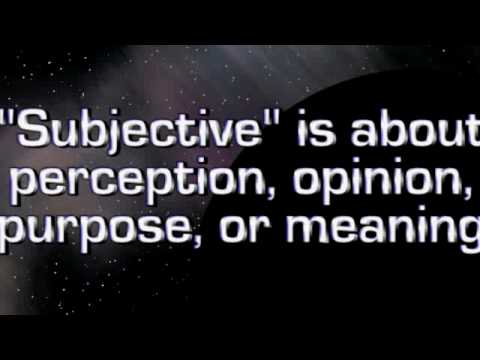











In medical anthropology, disease refers to the biomedical, objective understanding of bodily disorders based on biological science, while illness encompasses the subjective patient experience, including how individuals perceive, interpret, and give meaning to their condition; this distinction is crucial because it reveals that different cultural groups perceive and respond to health conditions in varied ways depending on their worldviews, social organization, and economic circumstances, as illustrated by Tamil refugees in Norway who found traditional Ayurvedic medicine more effective than biomedical approaches for their conditions.
Disease vs Illness: Key Concepts in Medical Anthropology
Added:Basic understanding of medical anthropology as a discipline that studies human health, healthcare systems, and biosocial adaptation.
Familiarity with the biomedical model, which views health primarily through physiological, biochemical, and physical pathology.
An introductory understanding of culture and how shared beliefs, values, and practices shape human perception of the body.
The fundamental distinction between objective physical states and subjective, lived human experiences.
The concept of 'sickness' as the third element of the medical anthropology triad, representing the social and structural expectations of being ill.
Arthur Kleinman's Explanatory Models of Illness, which analyzes how patients and clinicians interpret and negotiate treatment plans.
The study of cultural syndromes (culture-bound syndromes) that manifest uniquely within specific cultural contexts.
The application of cultural competency and structural humility in clinical settings to bridge the gap between biomedical providers and patients.
Critical Medical Anthropology (CMA) and how political economy and structural violence shape both disease distribution and illness experiences.
1.2K views0likes11:06Original Release: 2023-09-26
concepts of disease and illness a lecture so a little bit of background thinking about kind of some of the philosophical assumptions when we bring a biomedical perspective to things like disease and illness I mean generally speaking in biomedicine there's going to be a distinction between the subjective mind of the patient their thoughts and feelings their Consciousness and so on and their body right the kind of objective existence of substance and mass of of their body and these can be thought about as two really different kinds of domains how a patient perceives some kind of disorder in biomedicine is often thought of as subjective and distinct from the kind of actual objective bodily disorder in which they perceive so a subject may say a patient may say in a subjective sense that pain exists in the right or left side of the abdomen so biomedical doctors believe they have a special method right this is grounded in biology and thrown in scientific method to kind of transcend the subjective perceptions of a patient their own feelings and thoughts and so on and kind of perceive the body objectively if we're talking about pain in the right or left side of the abdomen right they can get to a physical disorder in one of the body subsystems let's say whether I'm in Oregon like a liver or stomach and so this idea really kind of informs this concept of disease and concept of illness in anthropology so we make a conceptual distinction between disease and illness because disease that category includes the biomedical understanding of a disorder um but just what we kind of talked about there the structure and function of the the human body and it includes the science of biology and how it understands the the body and so on but we think critically about some of those assumptions we have to recognize that disease and biomedical understanding does come out of a particular way of understanding the body a particular cultural way of understanding the the body and has that degree of subjectivity of any particular perceiver of the body it's just a dominant medical system biomedicine and brings a biological and medical system of thought that has this role of objectivity it's a powerful system it is able to have great input right on the world has a great capacity to affect change and so on but it it is not just something that exists out in the world you have to be trained to think and see like a biomedical practitioner in the same sense than any particular person from any cultural background through learning develops a way of understanding the body so disease is this notion of a biomedical understanding that specific way of seeing particular kinds of disorder particular kinds of suffering through that biomedical lens through the lens that connects to a biological understanding in contrast the concept of illness really refers to human beings patience the subjective sense of of their experience of any one particular disease it can be the way that they perceive it and the way that they attribute meaning to it so if we're thinking about a condition like fibromyalgia well it can be perceived and experienced in very different ways for different people people can have very intense pain very intense fatigue intense depression can require hospitalization and others can have very different kinds of symptoms that are very mild mild kinds of pain and they don't have fatigue and don't have depression and so on and in this sense we're talking about the illness not just the biomedical understanding of fibromyalgia but a individual experience of those diseases how it affects them how they perceive it health it can take on meaning for for them so disease illness are really important in medical anthropology and they they play a role in relation to culture so we know if we start thinking about illness that disease is perceived and acted upon by different cultural groups in different ways depending on your world view so so if we think about the biomedical worldview as one kind of world view there are many kinds of World Views in among human populations throughout the world and so there are different beliefs and values and knowledge about what the human body is a worldview can present a very different way of understanding suffering of understanding disorder same thing we can think about for social organization other important component of culture biomedical understandings of disease carry with them a particular form of social organization so universities and hospitals and non-governmental organizations and so on the relationship between a doctor and a patient right in a hospital or clinical setting but depending on the population in question depending on the community in question the organization right between people can be very different and there can be different norms and rules and expectations of behavior including treatment and cure when there is the presence of disease when there is an illness experience and the illness concept can be very useful when we are trying to understand maybe what somebody would not extend the term medicine to or the practice of medicine too a patient understands illness the way that they relate with others potentially traditional healers let's say and illness allows us to think through that in a way that disease um cannot right disease being tied to that biomedical understanding well once we free ourselves from the biomedical understanding someone would maybe uh seeking out certain kinds of healers right in certain kinds of treatments that don't fall into the social organization of Doctors Hospitals universities and so on that we just talked about and of course if we're thinking about culture the kind of base of cultures economics and so depending on the economics of a particular Community how they're producing their way of life how they're Distributing goods and services how they're consuming they may or may not have access right to a biomedical system and that way of life how they go about living May inform right the way that they interact with each other and that the way that they view the world if it's not a society that's fully industrialized is not affected by let's say scientific knowledge image of biology and so on there's going to be the presence of very different kinds of understandings and so illness is a way that we can conceptualize that without the baggage without the assumptions right of biomedicine so one example we can think about in the notion of disease and illness and why they're useful for an anthropologist is the work by Anne Siegfried gronzeth in in Norway and in Norway there are significant social policies uh significant humanitarian policies and Norway accepts many refugees from a lot of different parts of the world and so during and after the Sri Lankan Civil War many refugees fled to Norway and for a variety of different illnesses salt assistance from biomedical doctors but in her research she's showed how the doctors have argued that often in many cases there isn't disease present and had that many of the reported conditions are psychosomatic that is they are psychological rather than referring to some kind of bodily biological disorder and in turn Tamil refugees have felt that the medical experience with biomedical practitioners with doctors nurses and so on was very alienating for them it wasn't very effective in resolving the concerns they had the illnesses that they had and they spoke to and ground Sith about the way they've appreciated the effectiveness of treatments of various illnesses their own Tamil cultural medicine that really draws on I the ayurvedic system that you find in South Asia and places like India that will prescribe various kinds of dietary changes to deal with with illness different kinds of herbal medicines and massage with with oil they found this effective for treating and reducing the illnesses that they had so in this kind of context right it's very useful to tease apart disease as the biomedical understanding of disorders and suffering versus illness right Which is less ethnocentric less dependent on a particular biomedical understanding so in conclusion we're teasing apart illness and disease illness kind of traditionally being that kind of objective understanding of a of a bodily disorder and illness being a kind of subjective understanding and perception of it thinking critically we can challenge diseases objectivity and illnesses subjectivity we can see the the subjective aspects of a biomedical understanding of disease and we can see objective foundations for experiences of of illness as we said illness and culture are very conceptually interwoven we could again thinking critically also look at how disease and culture are conceptually interwoven the kind of way of life right that makes a disease orientation understanding possible both disease and illness in that sense would be informed by various worldviews social relations and economics the kind of point I think being and particularly with the example or case study that I spoke about for Norway and for Tamil refugees a too narrow idea of biological disease really doesn't always help us as anthropologists understand various kinds of human suffering and human disorder uh what what that disorder really is and how it may be best treated for them
Up Next

9:47
Medical Anthropology Explained: Definition, Careers & Examples
@AliviaBrown
20.3K views•2022-02-27
38:41
Astrobiology Through an Anthropological Lens: Field Insights
@georgiatechastrobiology
128 views•2021-04-14
4:45
Proxemics Explained: The Study of Personal Space
@Vox
536K views•2016-07-05
10:38
Psychology of Internet Trolling and Pranks Explained
@AzzyLand
10.7M views•2017-12-20
Related Study Plans & Knowledge Roadmaps
Structured learning paths in Anthropology
anthropology
Space Anthropology: Analogs, Culture & Habitats
01Foundations of Space Anthropology & Cosmic Imaginaries
02Extreme Isolation & Micro-Societies in Orbit
03Space Analog Habitats & Earth-Based Simulations
+ 2 more learning modules
15h5 modules
Explore Roadmap
anthropology
Legal Anthropology: Customary Law & Pluralism
01Foundations of Legal Anthropology and Social Justice
02Legal Pluralism: Coexisting Legal Systems
03Customary Law and Indigenous Dispute Resolution
+ 2 more learning modules
15h5 modules
Explore Roadmap
anthropology
Global Tourism: Gaze, Authenticity & Heritage
01Introduction to the Sociology of Tourism
02The 'Tourist Gaze' (John Urry)
03Staged Authenticity in Tourism
+ 3 more learning modules
14h6 modules
Explore Roadmap
anthropology
Modern Kinship (ART, Adoption & Chosen Family)
01Foundations of Kinship and Family
02Assisted Reproductive Technologies (ART) & Relatedness
03Transnational Adoption and Global Kinship
+ 2 more learning modules
12h5 modules
Explore Roadmap