


























Piercing the corporate veil is a legal doctrine that allows courts to hold business owners personally liable for company debts when they fail to maintain proper separation between personal and business finances, keep adequate records, follow corporate formalities, or operate the company as a legitimate business; courts apply a three-prong test (alter ego determination, justice requirement, and equity consideration) and examine eight factors including commingling of funds, inadequate capitalization, and misuse of company assets to decide whether to pierce the veil and strip limited liability protection.
Piercing the Corporate Veil: Personal Liability for Business Owners
Added:The concept of separate legal personality, which establishes a corporation as a distinct legal entity separate from its owners.
The definition and primary benefits of limited liability protection in modern business structures like LLCs and Corporations.
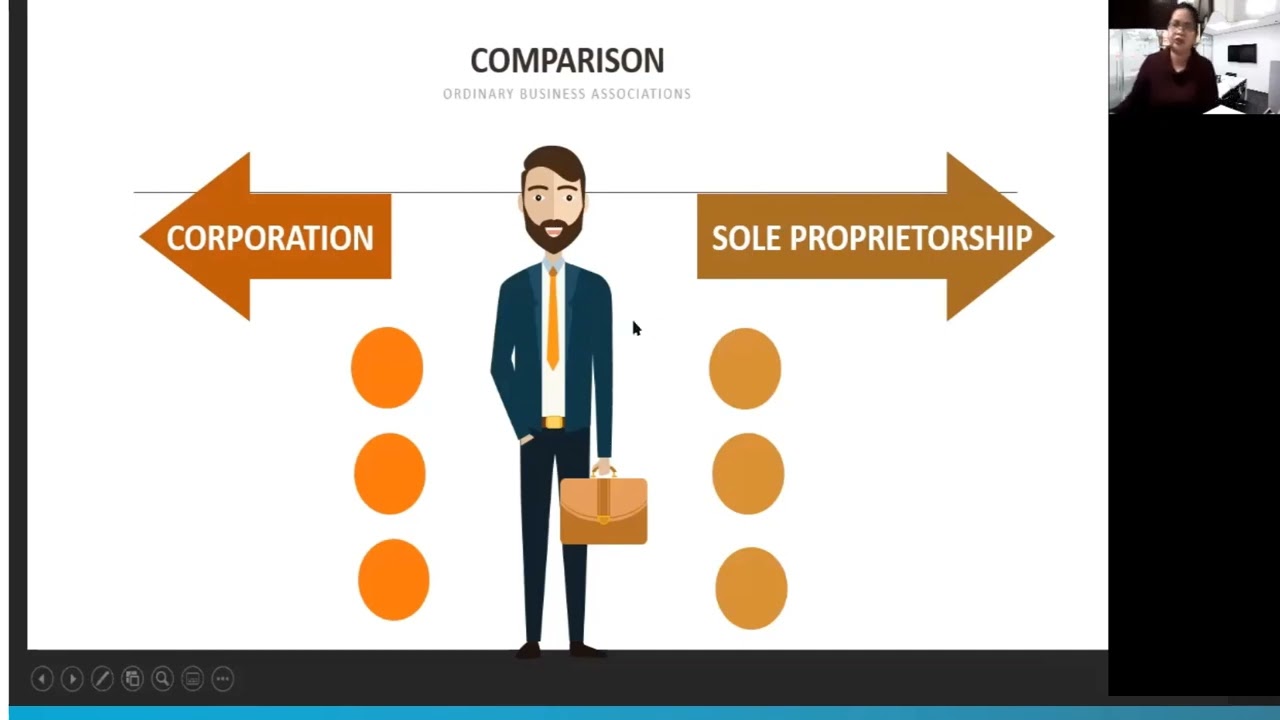
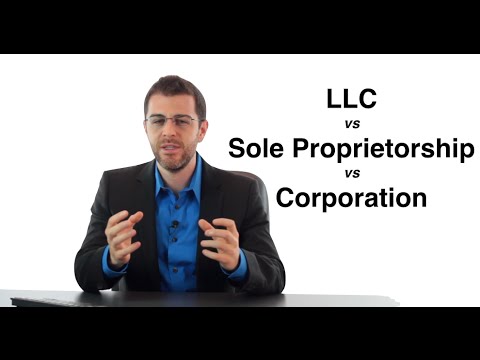
The basic differences between business entity types, particularly Sole Proprietorships versus registered entities (LLCs and Corporations).
The fundamental role of corporate formalities, including the separation of personal and business finances and keeping corporate records.
Detailed legal doctrines and tests used by courts to pierce the corporate veil, such as the 'Alter Ego' and 'Instrumentality' doctrines.
Best practices for corporate compliance, financial separation, and operational hygiene to maintain liability protection.
Analysis of landmark judicial precedents and case studies involving successful and unsuccessful veil-piercing attempts.
Advanced asset protection strategies, including the implementation of holding companies, subsidiary structures, and trusts.
20.8K views367likes6:57Original Release: 2014-09-02
Hi everyone. I'm attorney Aiden Kramer with the law office of Aiden H. Kramer in Colorado and you're watching All Up In Your Business. In this episode of All Up In Your Business, I'm going to be talking about piercing the corporate veil. Piercing the corporate veil is a way to hold owners of a company personally liable for the obligations of the company. Now, normally owners, meaning members of an LLC or shareholders of a corporation, the owners typically their personal assets are protected from the liabilities of a company. So, if a company gets sued or if they owe money to creditors, the personal assets of the owners are completely protected from those debt.
But under certain circumstances, a court will pierce the corporate veil and hold the owners personally liable. A court will apply a three-prongong test to determine if it's appropriate to pierce the corporate veil. The first prong is determining if the entity, the company, is the alter ego of the owner. I'm going to get into a little bit more detail about what alter ego means in just a minute. The second prong is if justice requires it because the company was used to either defraud creditors or to avoid legitimate claims of a creditor. The third prong is if equity requires it.
Basically, it's up to the court's discretion to decide whether or not it is the right thing to do to pierce the corporate veil. So, let's get back to that alter ego thing. As if the three different prongs wasn't enough, alter ego has eight different factors that will be looked at to determine if the company was actually the alter ego of the owner. Now, with these eight factors, it's going to be sort of a balancing test. You don't have to have all eight factors, and no one factor is especially more important than any of the others. So, a court's going to look at all of them and weigh them all and determine based on those if piercing the corporate veil is appropriate. The first factor is whether the company is being operated as a legitimate business entity. So, if you've created a corporation or an LLC, but you're not actually operating any type of business under it, that's going to look bad. The second factor is whether there's any co-mingling of funds and assets. So if there are multiple businesses that the funds are being passed back and forth between or if the owners are comingling their personal assets with the assets of the business, that's bad. So it's important to keep assets and funds of a company separate from those of the owners and from any other companies that the owners may be involved in. The third factor is whether adequate records have been kept. So, records about how the company's run, bookkeeping records, human resource records, anything showing really that this is a legitimate business, it's being run legitimate. All of those records are important to be kept. If they're not, that will look poorly on the business owner and will lead to a stronger likelihood of piercing the corporate veil. The fourth factor is whether the nature of the business facilitates misuse of the business. So if the employment structure or if the management structure makes it easy for an owner to abuse or misuse the company, that's going to be a negative factor in piercing the corporate veil.
The fifth factor is if the company is under capitalized. So if the company has a lot of debt but not really any money to pay off the debt, it leads one to believe that there may be some misuse and some intent to purposefully not pay off creditors. That is a factor against the owners and may lead to piercing the corporate veil. The sixth factor is whether the company is merely a shell of the business owners. So, if the business isn't being operated as a real business, the business doesn't have any actual assets, that's going to make it look like the company is just kind of a shell of the owners and may lead to piercing the veil. The seventh factor is disregarding corporate formalities. So, in a corporation, if minutes aren't being kept, if adequate corporate records aren't being kept, that can also lead to piercing the veil. Similarly, in an LLC, if there's no operating agreement or if the owners aren't acting within the terms of the operating agreement, that can lead to piercing the veil as well. So, if the bylaws of a corporation or the operating agreement of an LLC require the owners to do specific things or act in a certain way, the owners have to do that in order to protect their personal liability. And finally, the eighth factor is whether the assets and the funds of the company are being used for non-comp purposes.
This is kind of similar to co-mingling funds. So if the owners or the owner is using company assets for personal use, is paying their own bills out of company funds, or vice versa, if they're paying company bills out of their personal funds, all of that leads to an increased likelihood that the owners will be held personally liable. So those are the eight factors that a court will look at to determine if a company is really just the alter ego of the owners. And if it is, then there's a pretty strong likelihood that the court will allow piercing the corporate veil or the LLC veil and will hold the owners personally liable for the debts and obligations of the company. So, all of this to say, if you own a company, if you own a corporation, if you own an LLC, make sure you're doing things by the book, you're doing things properly, you're following the rules that you're supposed to follow, keeping good records, keeping business assets separate, just do what you think is right, and you'll probably decrease the likelihood of piercing the corporate veil. That's all for this episode. If you have any questions or comments, go ahead and leave them below.
If you'd like to speak with me personally about making sure you're running your business in the proper way and accurately protecting your own personal assets, go ahead and contact me. My phone number and email are below.
Otherwise, thank you so much for watching. I'm Aiden Kramer and I'll see you next time.
Up Next
6:17
Piercing the Corporate Veil: Legal Doctrine Explained
@LawShelf
55.2K views•2020-04-06

4:27
US Secondary Sanctions Impact on EU Businesses and Blocking Legislation
@Bureauvandijk
1.6K views•2019-03-20

5:27
Forensic Phonetics: Speaker Identification in Legal Cases
@nptel-nociitm9240
539 views•2025-03-19

24:42
Police Interrogation Tactics: False Confessions & Legal Reform
@LastWeekTonight
7M views•2022-04-18
Related Study Plans & Knowledge Roadmaps
Structured learning paths in Law
law
Self-Defense Law: Imminence & Castle Doctrine
01Foundations of Self-Defense Law
02Imminent Threat & Reasonable Belief
03The Principle of Proportionality
+ 3 more learning modules
12h6 modules
Explore Roadmap
law
Defamation Law: First Amendment & Actual Malice
01Introduction to civil torts and the First Amendment
02Elements of Defamation: Libel and Slander
03Public Figures vs. Private Individuals
+ 2 more learning modules
8h5 modules
Explore Roadmap
law
Hearsay Rule: Trial Evidence & Exceptions
01Introduction to Trial Evidence & Courtroom Basics
02Demystifying Hearsay: The Core Definition
03Non-Hearsay: Exclusions Under FRE 801(d)
+ 3 more learning modules
14h6 modules
Explore Roadmap
law
Medical Malpractice: Law, Liability & Care
01Foundations of Tort Law and Civil Liability
02The Four Elements of Medical Malpractice
03Defining and Proving the Standard of Care
+ 2 more learning modules
12h5 modules
Explore Roadmap