

















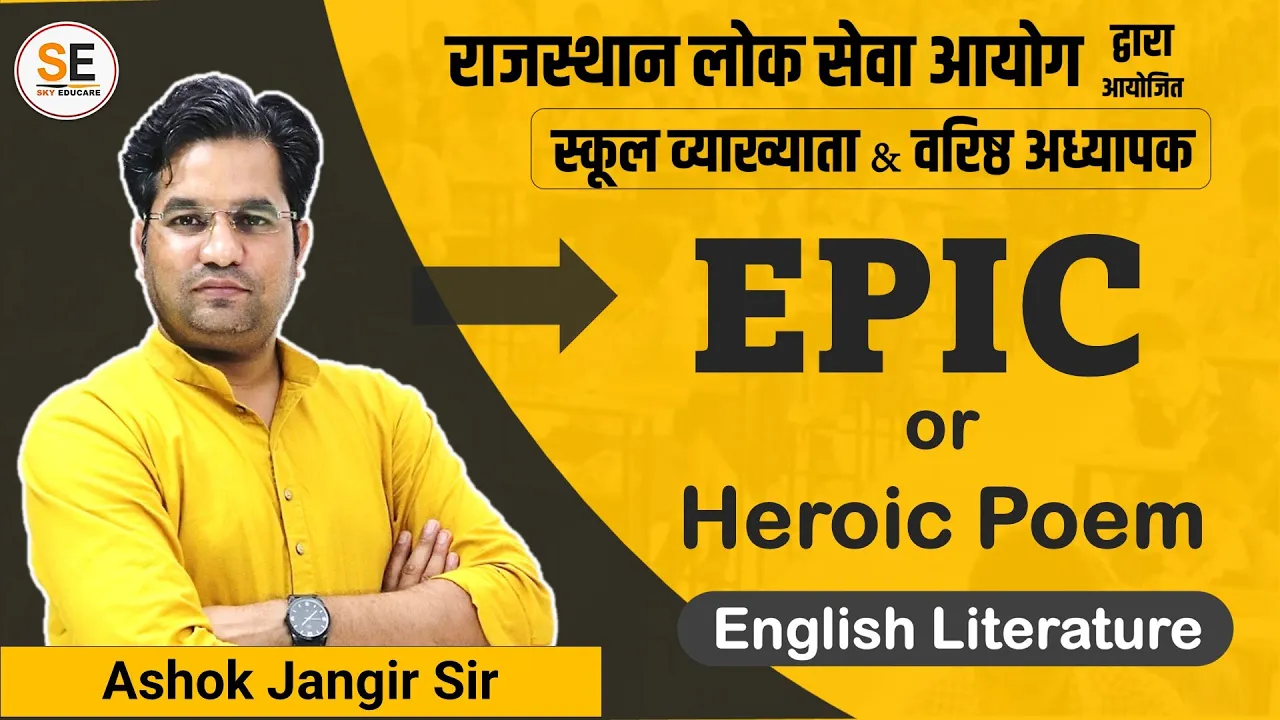






An epic is a long narrative poem characterized by four defining features: it addresses great and serious subjects, uses elevated language, centers on a heroic or quasi-divine figure whose fate determines the destiny of a tribe, nation, or humanity, and features deeds of valor or superhuman courage; additionally, epic poems possess nine essential characteristics including in medias res openings, vast settings spanning multiple nations and the universe, invocations to the Muse, statements of theme, epithets, long lists, formal speeches, divine intervention, and heroes who embody the values of their civilization.
Epic Poetry: Aristotle's Definition & Characteristics | UGC NET English
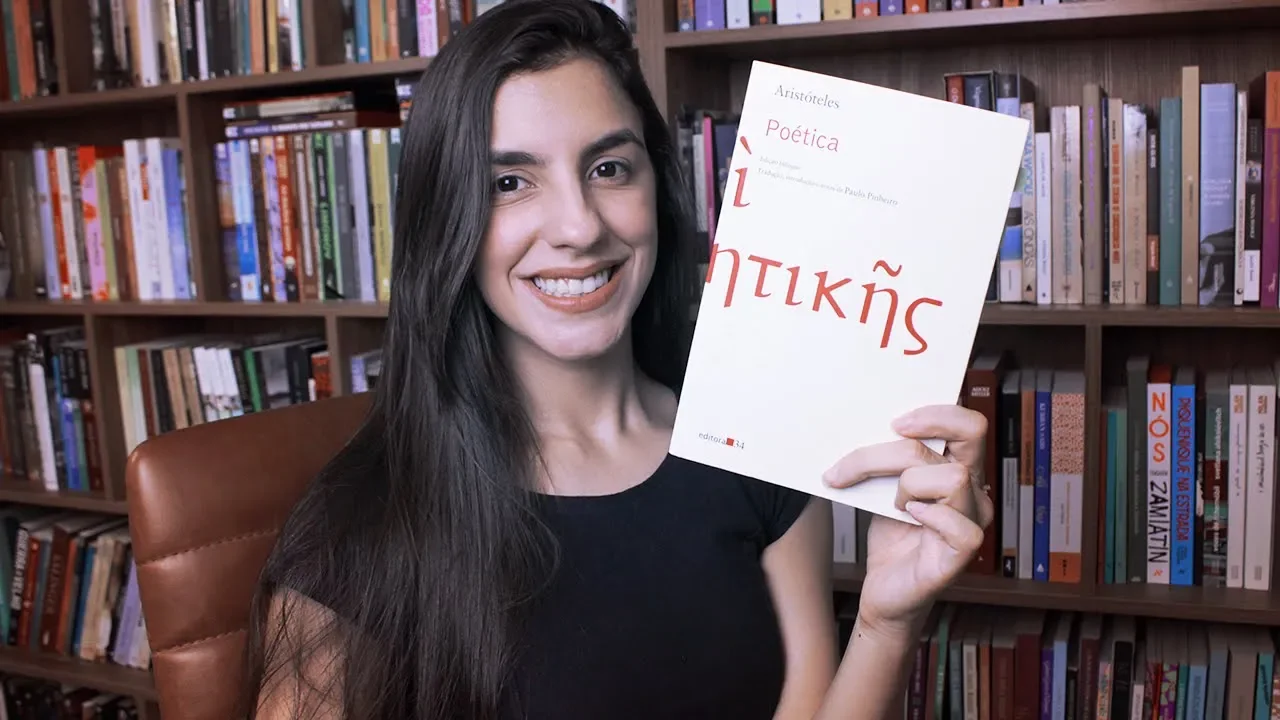
Added:Familiarity with Aristotle's 'Poetics' and his foundational role in classical literary criticism.
A basic understanding of the distinction between major classical literary genres, particularly drama (tragedy) and narrative poetry.
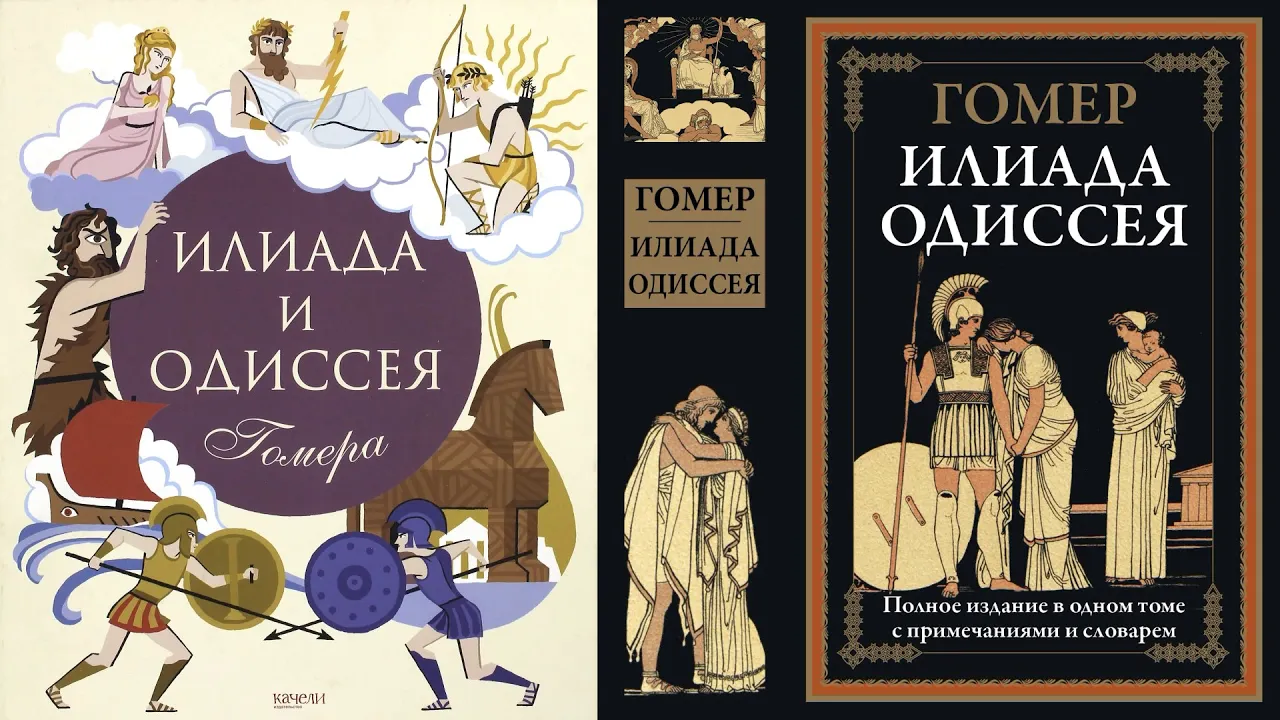
General knowledge of primary classical epics, specifically Homer's 'Iliad' and 'Odyssey', which serve as Aristotle's primary exemplars.
An understanding of basic narrative concepts such as plot structure, characterization, and poetic meter.
Analyzing Aristotle's comparative evaluation of Epic poetry versus Tragedy as outlined in 'Poetics'.
Applying Aristotelian epic characteristics to post-classical and literary epics, such as Virgil's 'Aeneid' and John Milton's 'Paradise Lost'.
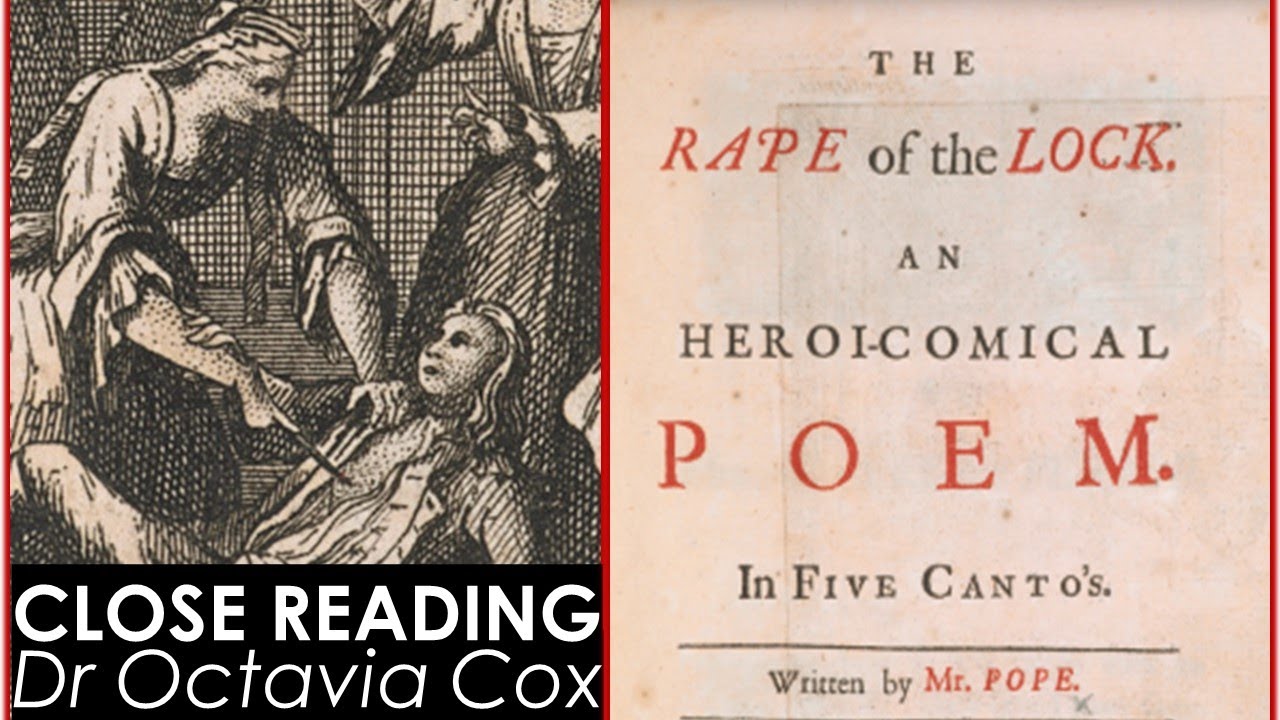
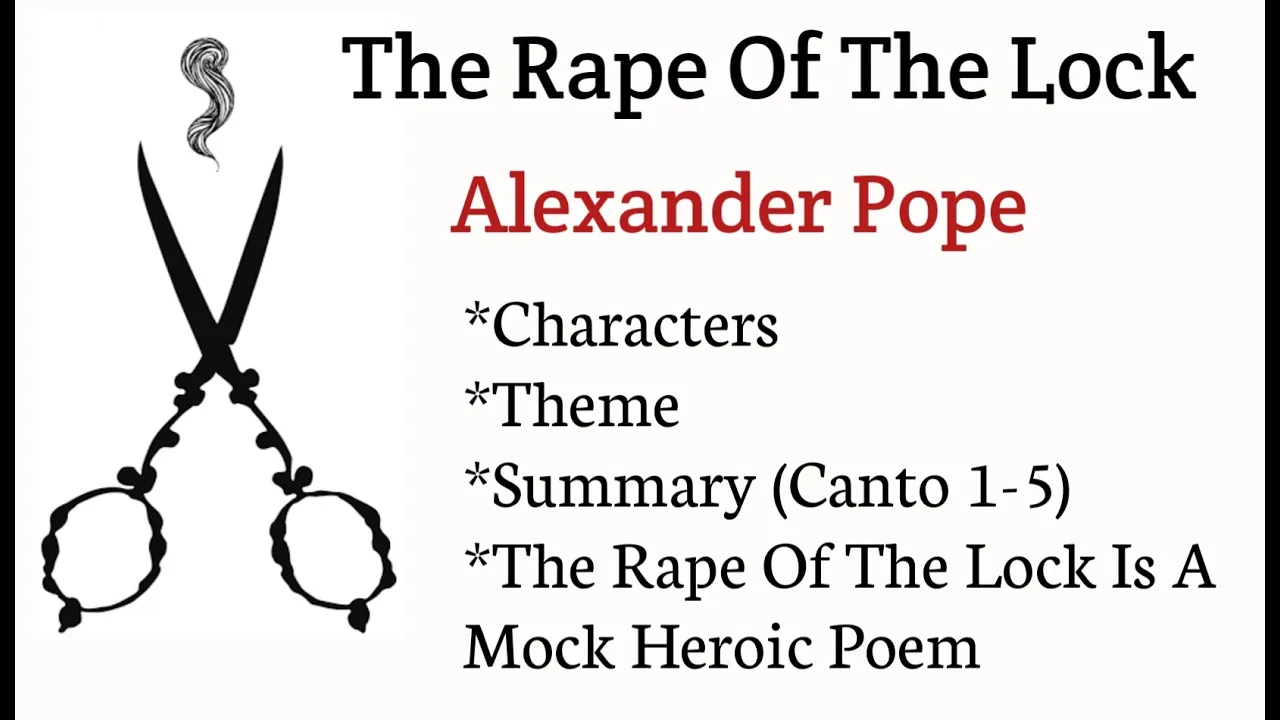
Exploring the Mock-Epic genre (e.g., Alexander Pope's 'The Rape of the Lock') to see how classical conventions are satirized.
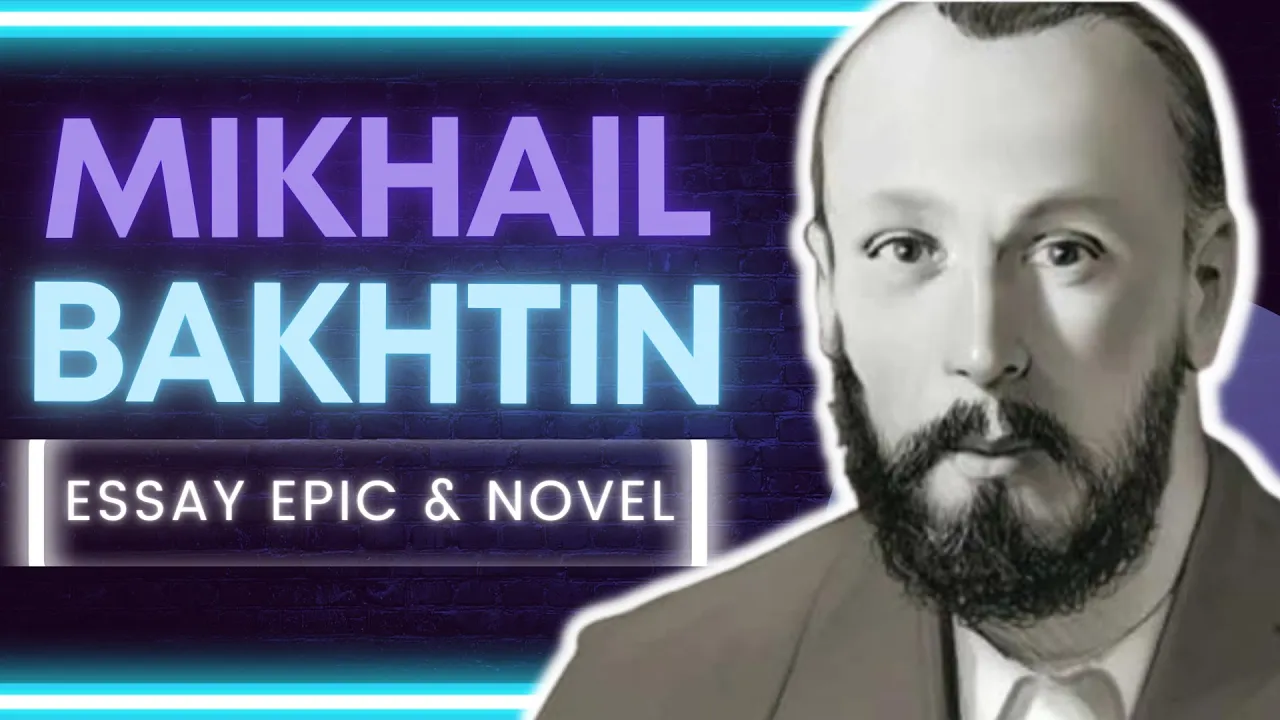
Studying subsequent critical theories of the epic genre, such as Mikhail Bakhtin's essays contrasting the epic and the novel.
Practicing UGC NET English exam questions specifically targeting classical criticism, epic conventions, and Aristotelian terminology.
345 views12likes7:12Original Release: 2023-03-29
[Music] my name is Nadeem Khan welcome to uncommon literature today we are going to talk about an epic an epic is a form of poem which is beautifully defined by Aristotle in his book called The Poetics today I am going to tell you the definition and characteristics of an epic into small easy points so first we will talk about the definition of an epic so I have divided it into four points so let's have a look at them the first point says that epic is a long narrative poem it is long it has a narrative like story plus it has a great and serious subject so this is one of the most important points that an epic deals with are great and serious subject not with the small things or small topics the second Point says that it is narrated in an elevated style so the language or the style of writing the appear is very high class the elevated style means that the language of an epic is very Hi-Fi and not of common public language okay further the second Point says it is centered on a heroic or quasi Divine figure so the hero of the epic poem is almost a Divine Life figure quasi Divine means similar to Divine and the fate of a tribe Nation or the human race depends on the actions of this hero so you have to understand whatever this hero does has the fate of an entire nation tribe or the human race so the hero is very important in an epic poem third point is the hero is a figure of great National or even Cosmic importance usually the ideal man of his culture so by the last race you can understand that the hero is the ideal person of a culture so everybody can relate with the hero and whatever he is doing will do for the betterment of his entire community the fourth Point says that the action consists of Deeds of Valor or superhuman courage basically the action should be of courageous Deeds for example battle in most of the Epic you have the battle scenes as well you can take the example of Mahabharata for DC and The Iliad so this was the definition of an epic into four simple points now we will move to the characteristics of an epic poem so these character states are the essential points which make a poem an epic poem so in all the FH you will find these nine characteristics definitely so the first one is that it opens in middle of the things in Latin the phrase is nvidia's risk so it means the action of an epic poem does not open from the beginning so when you open the first page the you read some lines and you realize that some action has already taken place before you even started the poem and as you go further the poet will tell you definitely what happened beforehand so this is a style to start the action from the middle and not from the beginning okay second Point deals with the setting of the epic poem that it deals with a setting which is bars and it covers many nations and the underworld and the entire universe so the setting of an epic poem has to be dealing with multiple Nations or sometimes even with the entire universe the third point is very important that it usually starts with an invocation to Muse so what is invocation you have to pay attention to this point in many of the Epic poems for example The Iliad and the rape of the law and also Paradise Lost all these poems are epic and they all start with an invocation to Muse it is a sort of new technique of The Poets to start their poems and to ask for the inspiration from The Muse Muse is a kind of goddess who can Inspire the poet to complete the task undertaken okay next is that it starts with a statement of the theme so usually in the invocation the poet includes one statement which tells you the theme of the entire epic poem so this is also a technique of an epic poem the fifth point is the usage of appetite appetite is a kind of one word or can be a phrase which is used to mention a person instead you know they don't use the name of the person or the thing but to use the appetite for that person or a thing for example in Iliad Homer uses Swift footage for Achilles and by using the appetite the poet can tell the name of the person also at the same time the characteristic of that person as well the sixth point is that it includes long lists basically most of the Epic poems you will find inside the text only that there is a very long list or it can be Multiple List okay so in The Iliad you have the list of the names of the soldiers which goes on for writing three four pages okay the seventh feature says that it should have long and formal speeches an epic poem should have long and formal speeches in order sometimes to motivate the people sometimes to you know start a kind of a new thing basically I give you very good example of this if you have seen bahubali the beginning in during the war time baahubali when he sees that his soldiers are retreating he sees them and gives a more motivational speech on death he says what is with you so what is that actually the whole speech is long and it motivates all his soldiers to fight back again okay so in most of the Epic poems you will find the long and formal speeches formal here is used to show the language should be good okay the language should be elevated again the eight point is that the epic poem also has divine intervention on human Affairs basically it means that on Earth you have some conflict going on among these humans but at the same time the gods are also watching their actions and they are also coming down to intervene the human Affairs basically Sometimes they come down to help their devotee Sometimes they come down to make a settlement between the people so there can be different reasons but divine intervention is important element of an epic the last point is that the hero embodies the values of a civilization so it means that the hero should reflect the entire values of his civilization the people related to that hero should relate with that protagonist and he they should identify themselves with him so this is the last and important point of the Epic so in this video I made you understand the definition and characteristic of an epic poem If you like this kindly subscribe to my channel if you have write in the comment section thank you so much
Up Next
13:45
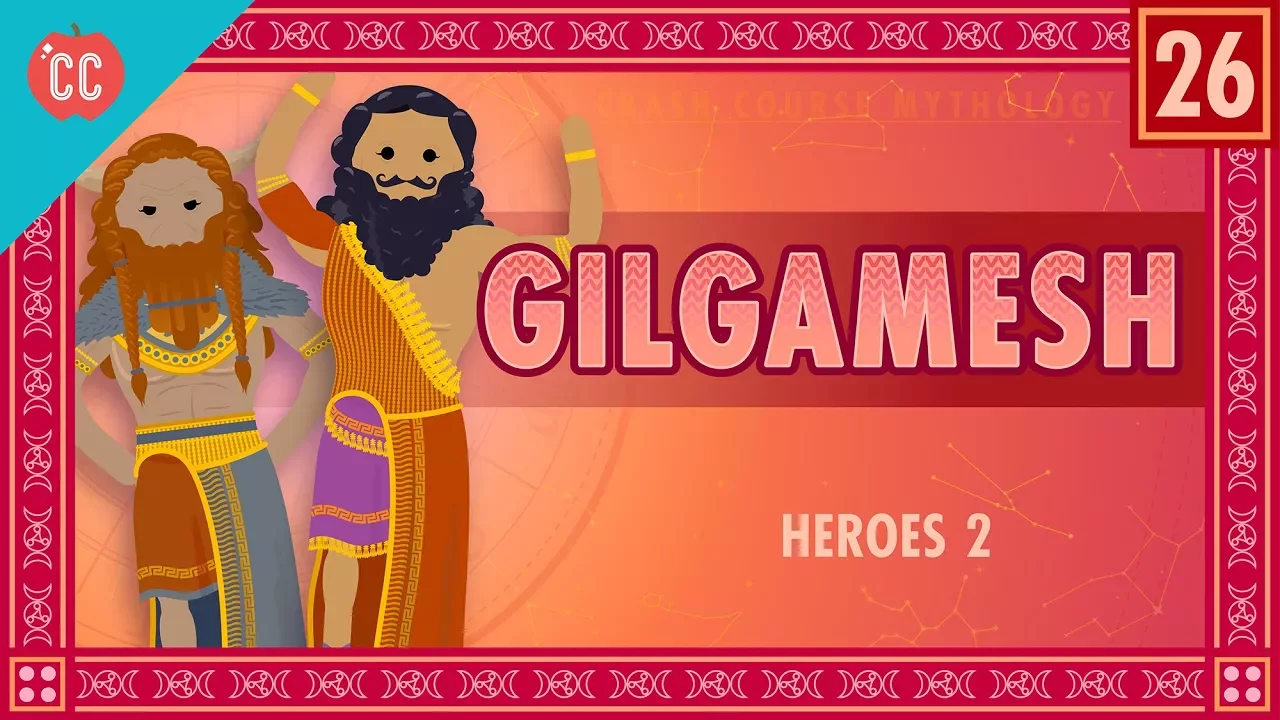
Gilgamesh: The Epic Hero's Journey in Ancient Mesopotamia
@crashcourse
3M views•2017-09-08

13:43
Formalism in Literary Criticism: An Academic Lecture Overview
@mattalberhasky9952
39.1K views•2015-08-05

6:08
Point of View in Fiction: First Person vs. Third Person
@magicalthriftyteacher
153.8K views•2014-03-31

15:25
1984: Orwell's Dystopian World and the Mechanisms of Totalitarianism
@AlternateHistoryHub
7M views•2017-03-04
Related Study Plans & Knowledge Roadmaps
Structured learning paths in Literature
literature
Graphic Memoirs: Visual Art, Trauma & History
01Foundations of Sequential Art and Visual Language
02Autographics and Processing Historical Trauma
03Visualizing Personal Trauma, Grief, and Graphic Medicine
+ 2 more learning modules
14h5 modules
Explore Roadmap
literature
Campus Novels: Evolution, Themes & Critique
01Introduction to the Campus Novel Genre
02Mid-Century Satire and the Post-War Academy
03Dark Academia and the Critique of Privilege
+ 2 more learning modules
14h5 modules
Explore Roadmap
literature
Theater of the Absurd: Philosophy & Plays
01Postwar Existentialism & Historical Roots
02Dismantling Narrative: Esslin & Absurdist Conventions
03Samuel Beckett and Tragicomic Existentialism
+ 2 more learning modules
12h5 modules
Explore Roadmap
literature
Revenge Tragedy: Justice, Madness & State
01Foundations of Early Modern English Theatre
02Anatomy of Revenge: Structural Conventions
03Psychological Complexity: Madness and Melancholy
+ 2 more learning modules
15h5 modules
Explore Roadmap