




![СБОРНИК | МИРОЗДАНИЕ ВСЕЛЕННОЙ [Объекты Солнечной системы]](https://i.ytimg.com/vi/Tb1w6kmu8-s/maxresdefault.jpg)






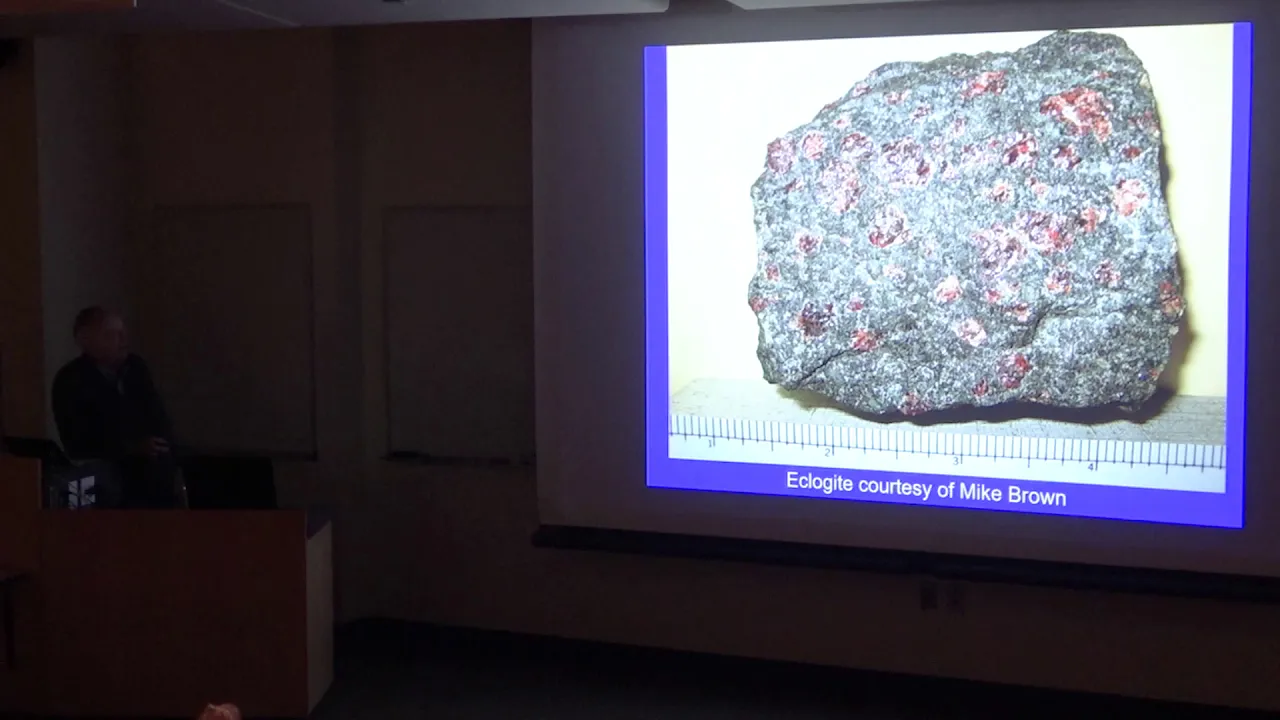
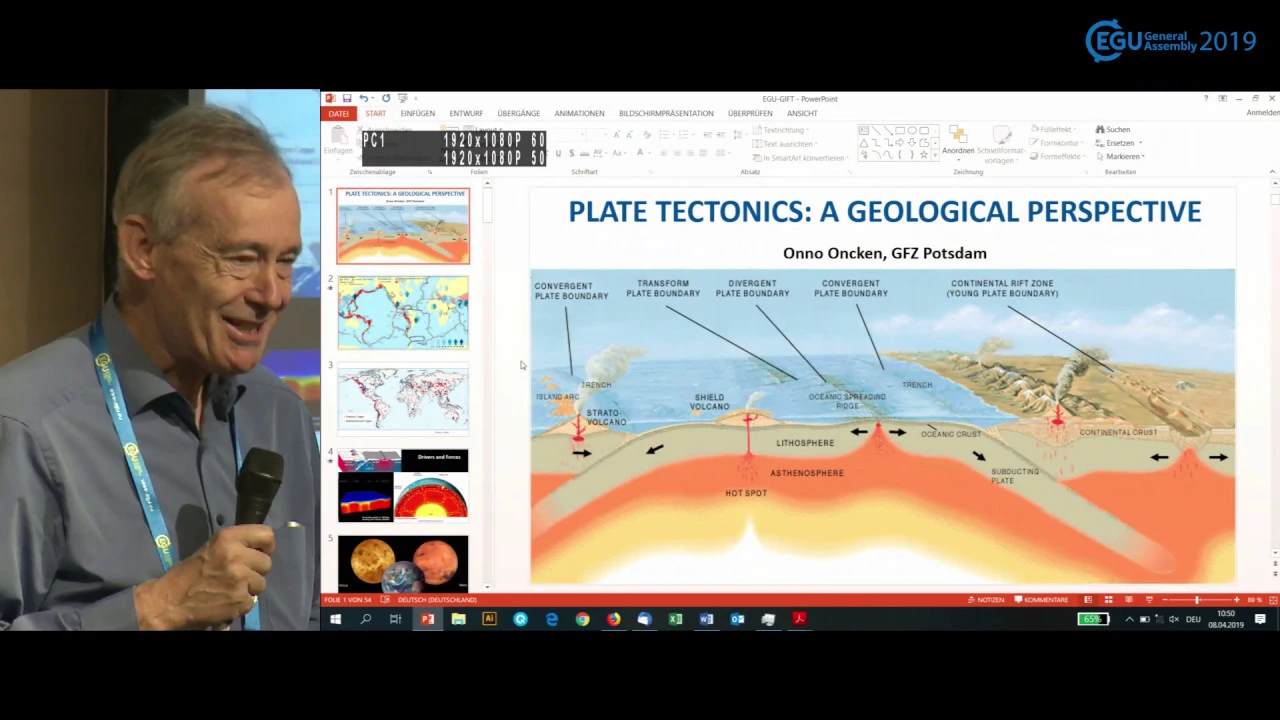


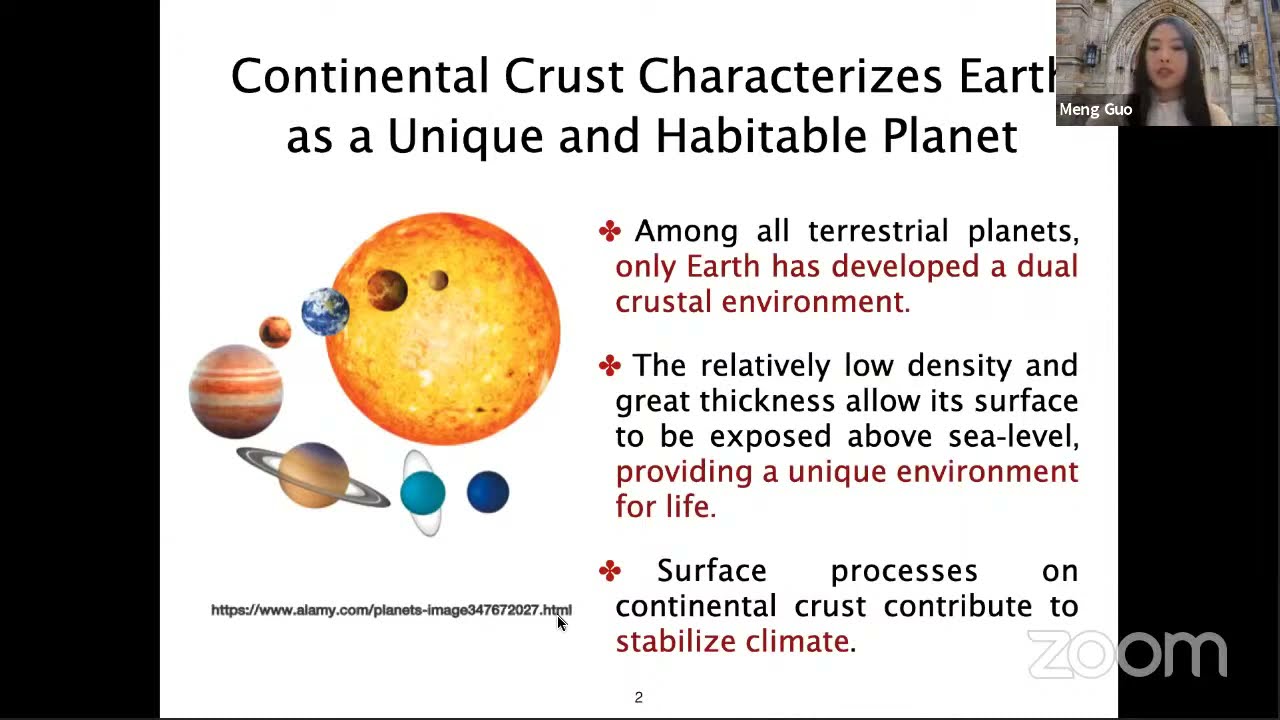


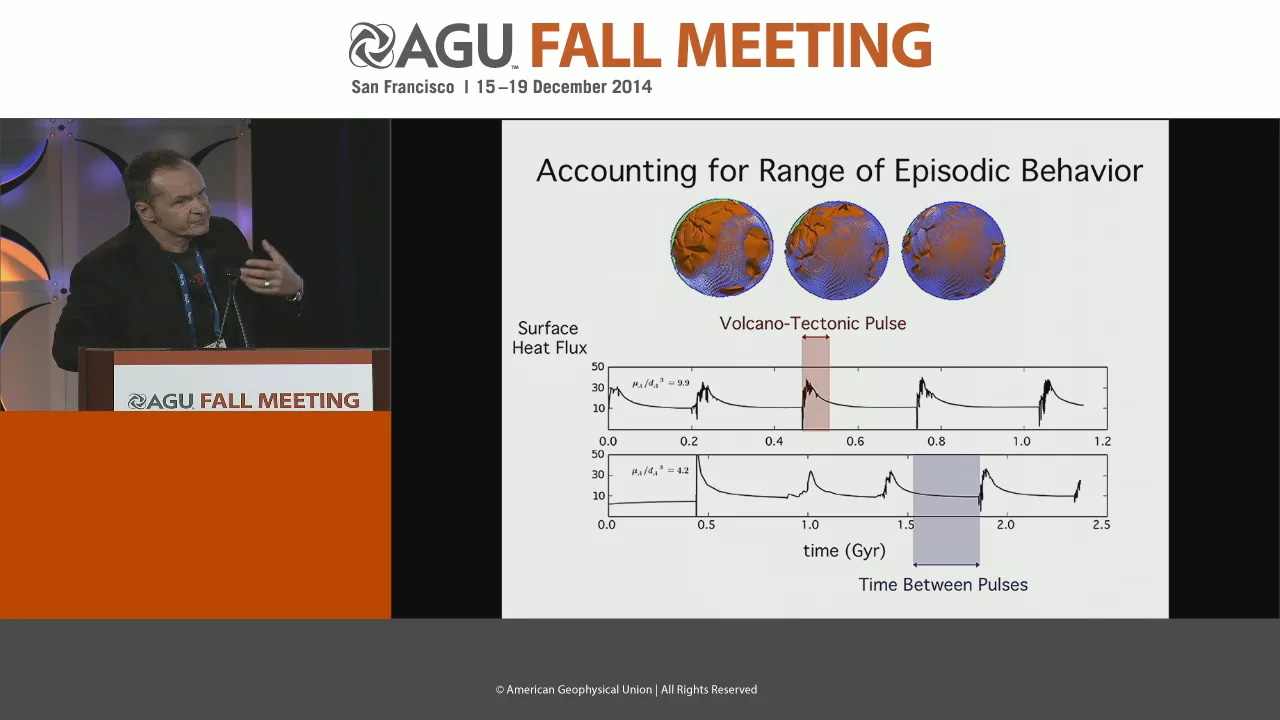




Tectonics refers to any process by which a planet loses internal heat through deformation of its lithosphere, while plate tectonics specifically requires the presence of rigid, well-defined lithospheric plates with boundaries like mid-ocean ridges, subduction zones, and transform faults. Earth has not always undergone plate tectonics; instead, it has cycled through different tectonic regimes throughout its history, including a magma ocean regime shortly after formation, heat pipe tectonics around 4 billion years ago, and drip tectonics during the Archean eon (4-2.5 billion years ago). The transition to modern plate tectonics occurred gradually between 3.2-2.5 billion years ago over approximately 700 million years, and this understanding is essential for interpreting tectonic features on other planets and moons like Europa, Io, and Enceladus, which exhibit tectonic activity but lack plate tectonics.
Tectonics vs Plate Tectonics: Earth's Evolution Explained
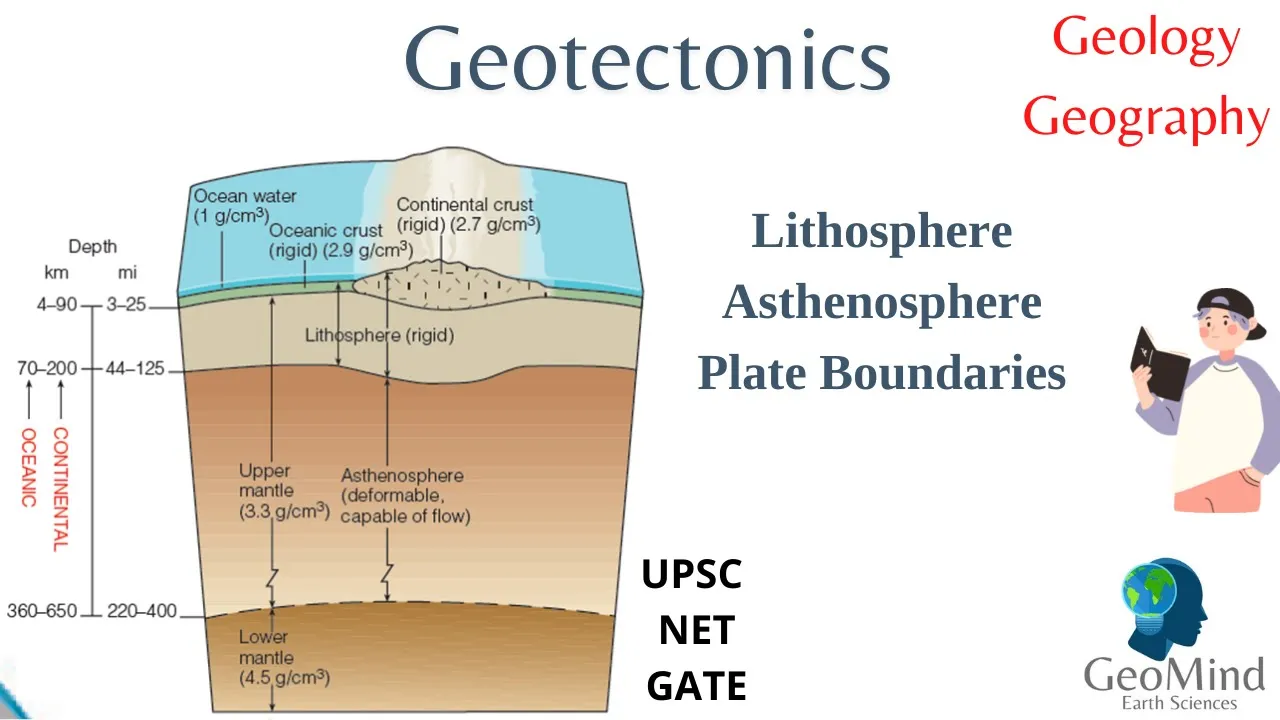
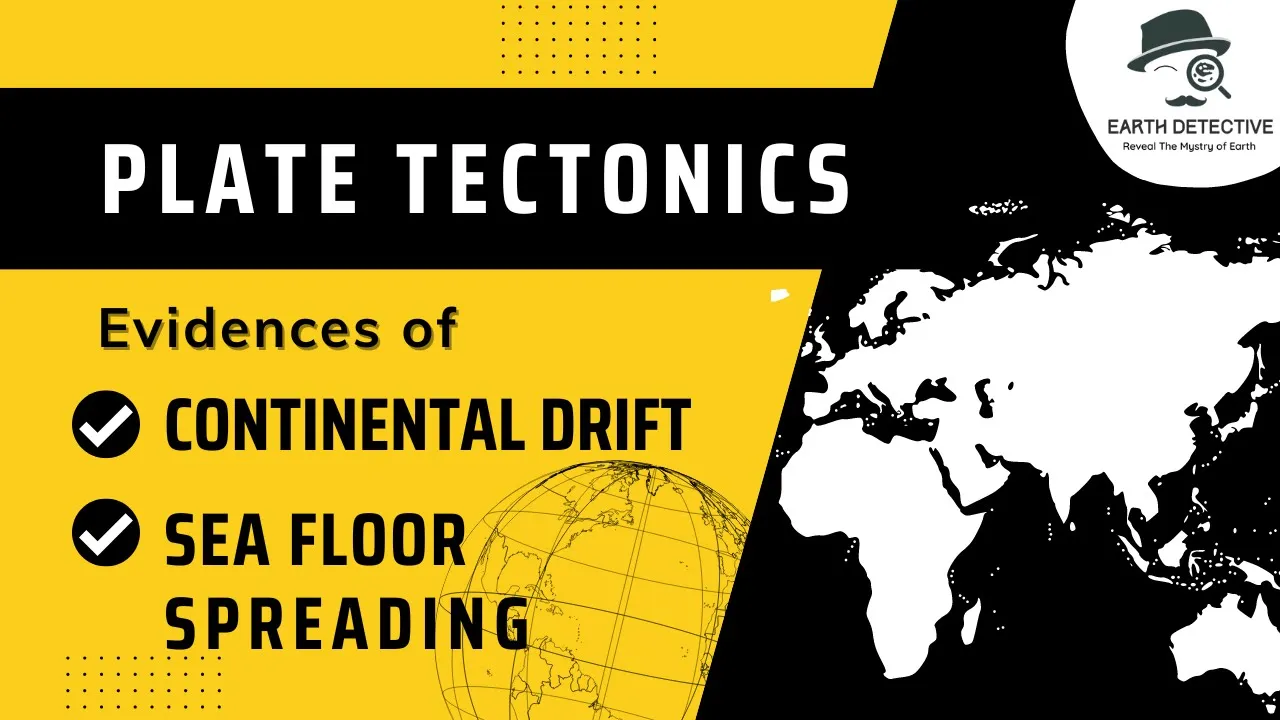
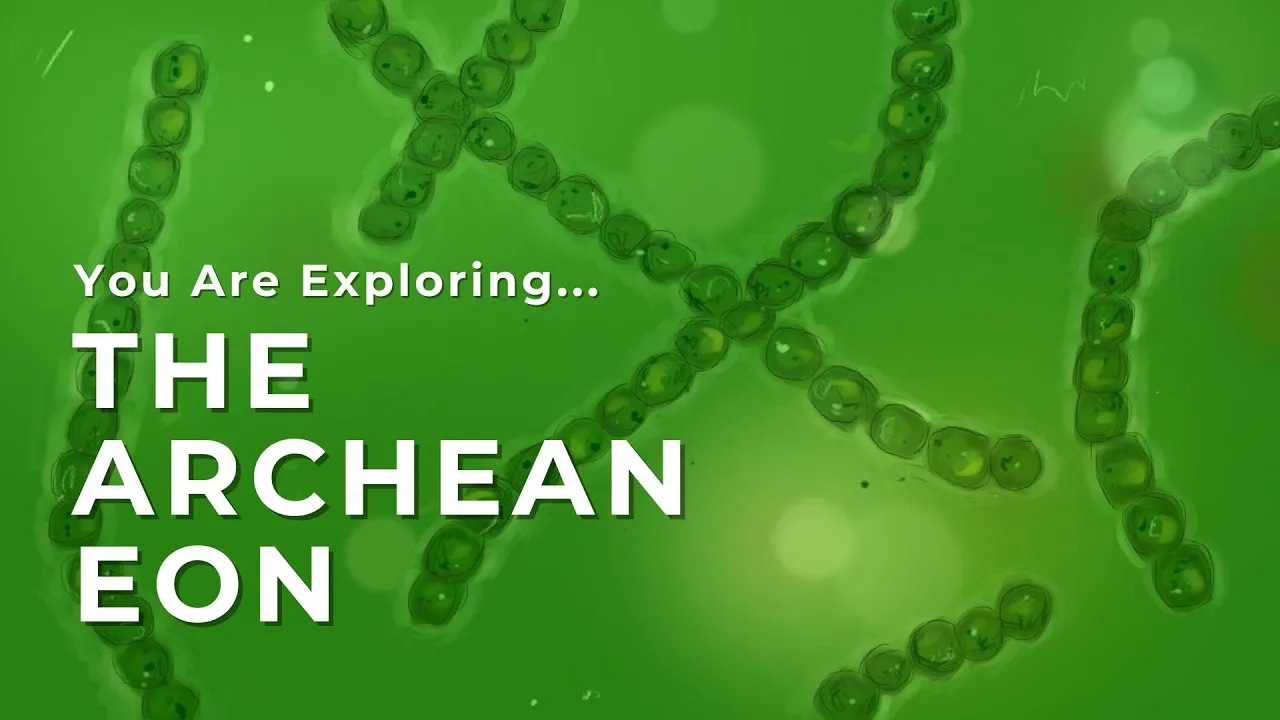
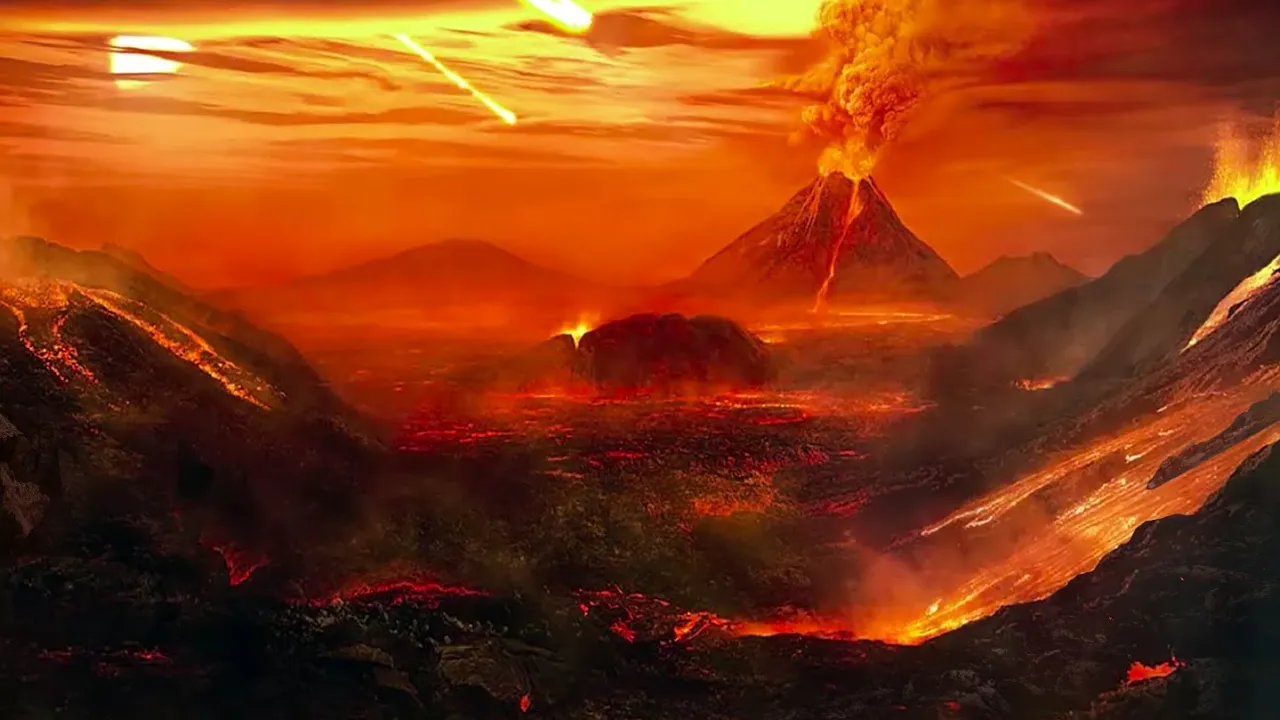
Added:we've all known for at least a few decades that Earth undergos something called plate tectonics but what if I told you that tectonics doesn't always involve plates that is plate tectonics is not the only way that a planet or Moon can undergo tectonic activity and even our own planet earth has undergone different tectonic regimes throughout its history it hasn't always undergone plate tectonic so that is what we'll be talking about in today's video the evolution of tectonics on Earth the timeline of it what kinds of tectonic regimes we think we're going on on early Earth and all of that before I jump right into the video this video is a little different than my normal sit down and talk at you videos it is me sitting down and talking at you but I have a special guest because this is not my area of expertise I invited on a fellow YouTube Creator and science Communicator step Balman to talk about some of the processes we think have gone on um tectonically throughout Earth's history especially on early Earth especially throughout the Aran 2.5 plus billion years ago and he has so much more material that goes so much more in depth on his channel so at the end of the video I'll kind of shout out some of the videos you can go check out on his channel that will take you even deeper but thank you so much Steve for coming on and talking about this stuff you are just so brilliant within this realm so thank you and we'll get started before we jump right into tectonics and tectonic regimes on Earth let me just kind of briefly introduce the basics regarding tectonic plates currently on Earth and kind of some definitions regarding the layers of Earth so that you understand the terminology as we go through the rest of the video so first things first I do actually have a video called something like tectonic plates versus crust or vice versa uh these are not the same thing as we can see on this picture it is not that the green Parts the Continental land masses move about the blue Parts the ocean um the oceans are part of the plates continental and oceanic crust make up the tectonic plates that we have on Earth today why well it has to do with um kind of the definitions of layers on Earth as I discussed in that video the lithosphere is what makes up earth's tectonic plates and the lithosphere does not equal the crust it contains the crust but it also contains the uppermost part of the mantle essentially there are two ways that you can Define layers of Earth and here's how Steve puts it to clarify things there's two different type of layers generally if you will of the earth we have compositional and mechanical mechanical layers are what tectonics and structural geology we all deal with the compositional layers there's three you basically have the crust the mantle and the core and then you have two types of crust continental and oceanic or felsic and maic but mechanical layers you have the lithosphere now the lithosphere for anyone who doesn't know is the upper part of the mantle and on top of that sits the crust and the crust is also part of the lithosphere it's one of those annoying definitions you kind of got to differentiate if you're talking about like just the mantle part or the crust part but these behave these are the plates the lithosphere behaves the same you know the lithosphere gets subducted with the crust it's not just the crust going back in the mantle it's that upper mantle as well the lithosphere so it's a little thicker than just the crust so mechanically when I talk about plate tectonics I'm talking about mechanical I'm not really talking about composition so this is why some lithospheric plates contain both continental and oceanic crust it's because the lithosphere is really that uppermost part of the mantle and whatever crust lies on top of that not just the crust therefore it's broken up differently than the boundaries of continent to Ocean so now that we know the lithosphere is the layer of Earth we're talking about when it comes to plate tectonics what exactly is plate tectonics well first let's define tectonics the definition of tectonics I just have the deformation of a planet's lithosphere caused by plan Planet losing its internal heat and that drives every terrestrial planet's tectonic system it's just how does that body get rid of its internal heat that's really all it is but what makes tectonics plate tectonics when do we call it plate tectonics well Steve says it's as simple as it must involve plates so what are tectonic plates how do we Define these well Steve says and then we have the definition of a plate physically separated segments of the lithosphere with well- defined physical boundaries for example spreading ridges subducting subducting trenches and transform contacts you know spreading centers uh convergent margins you know that kind of stuff you know a lot of people think subduction equals evidence of subduction equals evidence of PL tectonics or evidence of crustal recycling thus for plate tectonics and that's couldn't be further from the truth to have plate tectonics you have to have plates you don't have plates you don't have plate tectonics so essentially as Steve mentioned tectonic plates have to have well-defined boundaries boundaries where they're pushing together causing what we call Convergence zones on Earth um where you know if it's an ocean continent Convergence Zone the oceanic plate or the lithospheric plate containing oceanic crust subducts underneath the one containing continental crust crust just because the continental crust containing lithospheric plate is more buoyant we'll get to why that is later on um and this creates what are called subduction zones as he importantly mentioned subduction zones are not evidence for plate tectonics because we do have regimes in Earth's really early history that may point to subduction without the need for plate tectonics and I'll get to that later as well and then also some other well-defined plate boundaries are things like mid ocean ridges where plates are pulling apart causing new ocean crust to form or Continental Rift zones where the same thing is happening but in a continental crust containing lithospheric plate um and also the third type or the third major type of plate boundary is uh transform plate boundaries where plates slide against each other so push together pull apart and slide against each other are the three kinds of plate boundaries that Define tectonic plates on Earth Earth so we have tectonics which is how a planet in this case Earth loses its internal heat and we know that plates are required for plate tectonics and we talked about how plates are physical segments of the lithosphere with well- defined boundaries so do we have a good definition of plate tectonics overall well here's what Steve says plate tectonics is a tectonic theory that explains the formation of geologic features caused by how a planet loses its internal heat and the reason why I have tectonic theory is because a lot of people think plate tectonics is just continental drift and it's not continental drift just says the continents move about the globe that's really all it says but a lot of people think the continents sit on the ocean floor and slide around yeah and that's not it continents are part of these plates the planet is divided into rigid plates with well delineated boundaries he also goes want to point out the lateral nature or kind of horizontal or side to side nature of plate tectonics compared to other tectonic regimes but we'll talk more about this later and how other tectonic regimes in Earth's history have been more vertical compared to lateral like plate tectonics and how these different tectonic regimes and their more vertical nature affected the geological features forming at that time but Steve also made sure to stop before we moved on to discuss what drives plate tectonics because we can't have a good Theory without talking about and understanding the mechanisms behind it so what does Drive plate tectonics these are the three dominant mechanisms that we suspect happen slab pole which is at convergent boundary subduction zones mantle convection happens in the interior the Earth and that's the one everyone's familiar with that's the one you see in National Geographic and all that stuff of this churning mantle like it's liquid the mantle is a solid most people don't realize that it's just uh any solid will experience three General deformational experiences elastic which means it pops back to where it was you ever lift something heavy and it hurts your arms that's because you're in that elastic limit you better stop what you're doing plastic which is a permanent state of deformation once it's in that stage it can't go back elastic but eventually you ultimately get to brittle failure and it just snaps and that's what gives faults the reason why we don't get earthquakes deep into the mantle is because the mantle is plastic it's in that state of plasticity constant and it's plastic regime if you will is very large compared to any sort of brittle or elastic deoration we used to think that was the driving force and even my tectonics book kind of says that well out in the 1970s there was a couple of papers that came out about slab pull and we knew subduction happened then we just didn't think this was a thing really affecting plate tectonics well we can well first of all we can discount Ridge push Ridge push is not powerful enough those are shallow magmas you can melt rock not only by heating it but also adding water and releasing pressure that lowers that melting curve and that's essentially what's going on at the mid ocean ridges so that's not powerful enough by any means to get this system going we know that we've always known that so it's between man convection and slab pole we think slab pull like said is a concept from the 70s that as these ocean plates get old and less buoyant and thicker that eventually they experience brittle failure you get faulting and then gravity takes over gravity driven system and that starts to subduct that well inste of place are rigid something's got to happen somewhere else you can't just so it's going to experience br that formation somewhere else we think at slab pole is the number one mantle convection is number two and ridge push is kind of just like a side effect of this gravity-driven system so now we know what plate tectonics is what the plates are made of how they move and what drives their movement but play tectonics is only one tectonic regime as we talked about at the beginning of the video it turns out that Earth has not always undergone plate tectonics so when did plate tectonics begin on Earth and how do we know that it was not operating on early Earth 2.5 billion years is pretty much the beginning of when we start to see really good passive margin sequences and things that are purely signs of tectonics modern tectonics there seems to be a transition zone but it breaks down before 2 and a half billion years you start to see things in the Rock record geology structures that don't exist today you see things that aren't part of the modern tectonic regime and that's one of the biggest points well was play tectonics in operation the whole time or not this is the Katon stable platform North America now but this wasn't always Katon kraton's gotten larger over time as as the continent and parts have broken off and sailed away but this is mostly Mesozoic tertiary deposits and this looked a lot like this until the Rockies formed but we're going to leave that aside we're going to look here you come here okay Gulf of Mexico for reference Florida we come up and here you see the Illinois Basin East interior Basin this is all Paleozoic mostly and you see how this just looks you don't even need to know anything about this you just look at this and you see how these units are arranged on the map now all fanner Oak just like the stuff to the left here and we're not going to talk about the Appalachians because that's a very complex geologic history we're going to screw up and now you get to my area the Upper Peninsula here's Minnesota for you and here's Ontario and you get up here and looks looks completely different and then you get back to furoic deposits up in Hudson Bay Area James Bay Area and you see these pink Parts which are granitoids and then you see these green Parts which are kind of greenstones for the most part and these these are all greenstone belts they have different names they're all pre camri and most of them are Kean well pretty much all of them are I think there's a couple that might not be there might be a l younger but this regime yeah it's been deformed yeah there's vaults but this looks like nothing anywhere else I mean even if you go to you know the Rockies in the Appalachians it doesn't look like this and that's really bizarre because basically what we had is we have assembl of greenstone belts which are basically mic lavas with thin set on top very thin nothing like we even see in the Paleo or in the protozoic at all so from all of this Steve says that we know that something different was going on on early Earth before about 2.5 billion years ago something that wasn't plate tectonics but what exactly it was is still up for interpretation but we have some ideas essentially there is a general sequence of tectonic regimes we think have evolved over time through Earth's history and will continue to evolve and we'll talk about this in a second the first tectonic regime that we think was occurring you know very early on Earth just after formation was a magma ocean regime which is just what it sounds like essentially you have the mantle and then a magma ocean at Earth's surface because Earth was so hot um and this magma ocean was not yet yet Cooling and forming Hard Solid rigid crust uh like we have today just yet and then in the late hadian nearing 4ish billion years ago we're not exactly sure on the timeline of this these are very fuzzy numbers especially the further we go back in Earth's history but we think nearing the late hatian nearing 4 billion years ago moving into the Aran which went from around 4 to 2.5 billion years ago we had heat pipe tectonic essentially the type of tectonic regime we think is currently going on on iO the volcanic moon of Jupiter and this is a scenario in which Steve says essentially there's crust um and then a partial melt of the upper mantle but no upper manle lithosphere like we have today so the green you can see in the later diagrams are representing the lithosphere or at least the lithospheric mantle the uppermost part of the mantle we said was part of the lithosphere as is the crust but in this heat pipe scenario there is a crust but no manol lithosphere and then we get into the regime the tectonic regime where things start to get really interesting and this is called drips and plumes this is what the Aran in North America looks like where you just have a simple ocean crust or crust we'll just say crust and it's mic and then you get these felsic bodies intruding these granitoid which actually deform and push down this ocean floor CU like I said it has sediments on it but they're very thin sediments there nothing like today so whatever was sourcing that sediment was probably little tiny High areas on the ocean floor but true continents I don't know like people have postulated super continents or Continental bodies back into the deep Aran but those all need to be taken with a grain of salt but BAS basically what'll happen is you get this mantle convection and this would be a mantle driven system so that leads to things moving and colliding and instead of subduction what you get is this pull down and this pull down this drip if you will starts to pull that maic rock back into the mantle and then since you still have a hot mantle which at the time is about 200 degrees C hotter than it is now so even if we did have plates subducting into the mantle then they got very deep because the mantle is a lot hotter they would have been reincorporated relatively shallow so essentially one really important distinction between this drip tectonic regime and the current plant tectonic regime that Steve emphasizes is that plate tectonics again is the lateral movement of lithospheric plates across you know the surface of Earth due to the mantle convection and slap pull whereas the drip tectonics was more of a vertical process of the dripping down of crust back into the mantle kind of like subduction but vertically instead of laterally and the plumes of you know kind of like hot spots today like we have Hawaii Yellowstone essentially lying over hot parts of the mantle that drive plumes of you know material to rise and cause volcanism at the surface just a much more vertical process than large scale plate tectonics is today and also seemingly driven a lot more strongly by mantle convection than obviously slab pole is today because slab pole drives the lateral movement of plate tectonics through gravity and this drip tectonic regime is thought to have continued on throughout the Aran Eon and then well we'll talk about the exact timing of the transition to Modern styop plate tectonics later but it's thought that around 2.5 billion years ago is when full you know modern style plate tectonics might have finally been the global Norm um but this transition was very slow and not globally instantaneous and we'll talk later about when we think the transition occurred and how Earth might have looked like in the dript plate tectonic transition period which was a long period and then finally we have the you know final tectonic regime of Earth which which is just going to be a terminal stagnant lid essentially no tectonic activity and that will be you know far future earth when it has finally lost all its heat so what did Earth look like during this pre-plate drip tectonic period in the Aran from around 2.5 to 4 billion years ago and when did continental crust differentiate from oceanic crust so again going back to what we talked about in the first part of the video there are are two types of crust on Earth the blue parts and the green parts and essentially this is ocean and continental crust and obviously you know from this view we could just say oh well the ocean is blue cuz it's covered in water but the crust underlying the ocean and the crust that makes up continental crust that makes up land that we live on these two crusts are very different in composition and they underw tectonic processes that caused them to differentiate to become you know either oceanic crust or continental crust and their compositional differences lead to behavioral differences there's a reason that ocean crust always subducts under continental crust oceanic crust forms at mid ocean ridges and is mic and thus thinner and denser than continental crust and so it subducts under Neath continental crust which is thicker and more buoyant than oceanic crust and it forms at subduction zones and is felsic maic and felsic are just terms relating to the composition of the crust um mic means it's relatively more silica poor silicon and oxygen poor uh whereas felsic contains a lot more silica or silicon and oxygen essentially you don't really need to know what that means other than the fact that more felsic material is more buoyant is is less dense and more maic material is more dense that's why oceanic crust can subduct and continental crust does not subduct but if continental crust forms at subduction zones does this mean that there were no continents before plate tectonics well Steve says there is evidence for the formation of some early felsic crustal material around 3.8 billion years ago long before plate tectonics was the global regime moreover many studies suggest that much of the continental crust potentially a majority of the continental crust that is around today formed during the Aran before 2.5 billion years ago before plate tectonics was the global regime so how is this the case if continental crust formation necessitates subduction well remember that Steve said subduction does not mean plate tectonic subduction can occur in other tectonic regimes it's just not exactly the same thing when we think about the way that plates subduct which is a very lateral and rigid system so essentially it is possible that drip tectonics or some sort of drip to Plate transitional Global tectonic regime could have led to the formation of the first very early pods or small land masses of continental crust before plate tectonics was the global regime I had previously shown this figure in that video that I mentioned that was you know tectonic plates versus crust explaining how early continental crust differentiated from oceanic crust during the arcan Eon however as you see here this is clearly a plate tectonic regime and I now know and probably the people that made this figure now know that it was probably more likely a drip or drip plate transition tectonic regime than this rigid Global plate tectonic type of system and it's important to note when we're thinking about this that the reason subduction drives the formation of continental crust and also the reason that we originally thought that it necessitated plate tectonics is because subduction drives what we call partial melting which is exactly what it sounds like of magma which leads to the formation of more felsic material felsic continent crust why because if you take a bunch of rock that has both felsic and maic material in it and you melt it felsic material melts at lower temperatures than mic material therefore if you take a lithospheric plate that contains oceanic crust and you subduct it into the mantle and it begins to melt the first thing that's going to melt out of that crust is the more felsic components and because these materials melt out they rise they form melts and hot material in the mantle Rises Rises through the lithosphere Rises you know up to the crust and it causes volcanism at these subduction boundaries and this volcanism is releasing Fick material cuz that's the stuff that melted out you're never going to get a melt that melts evenly and all at once and releases all the material to the surface it's always going to start with the stuff that melts at the lowest temperature because that's what it reaches first the temperature rises as it sinks through the mantle and it when it hits the very first temperature that is required for any of that material to melt that material leaves the system goes to the surface and leads to the formation of felsic you know at the time on early Earth PODS of continental crust not this Big Slab here obviously this picture of is of modern Earth but you know you get the picture and so that's why we originally thought that plate tectonic specifically subduction zones were required for the formation of early continental crust however again like I mentioned earlier we now know and think that it's possible that some subduction like processes were occurring during the drip tectonic regime as well as the dript plate transition tectonic regime that we think could have driven the formation of the first Continental pods or PODS of continental crust or land so back to our original questions I asked I don't know how many slides ago what did Earth look like during the pre-plate drip tectonic period in the Aran and wind did continental crust differentiate from oceanic crust well Steve says it was likely an ocean dominated world with some maybe Hawaii like Islands here and there that popped up due to the more Hots spot-like drip and plume tectonic driven vulcanism going on during this time time again think more vertical and like individual isolated spots rather than horizontal strings of mountain building and whatnot like we have today and then as things shifted from drip to plate tectonics more Continental pods began to form and then finally as plate tectonics became the more globally continuous regime these pods began to collide because subduction between them would you know eventually allow them to meet and form larger land masses and again that happened over and over again until they could accrete into very large land masses that formed early cratons that we now have you know underneath a lot of our Continental land masses today so when exactly did this transition from drip to plate tectonics fully occur well Steve says that it was probably about 3.2 to 2.5 billion was a transition and then we got something resembling what we would recognize today now obviously there was still you know over time the lithosphere is getting thicker it didn't just get thicker overnight at 2 and a half billion and start driving BL tectonics so again he emphasizes that this transition was not at all instantaneous it marks a period of about 700 million years so it happened very slowly and heterogeneously across the globe it wasn't like one day it was drip and one day it was plate it was probably drip is in some areas and plish in some areas but not continuous and he even says that hot spot volcanism today things like Hawaii Yellowstone vulcanism driven by hot spots in the mantle rather than large scale plate tectonics might be relics of this more drip likee tectonic regime he even said that hotspots will likely go extinct in the coming year I mean not soon but will probably cease to exist in Earth's future before plate tectonics comes to an end and then eventually again again like the diagram showed earlier will come to a stagnant lid tectonic regime essentially no tectonics once Earth has lost all its heat so the take home message from my conversation with Steve which by the way was like 3 hours long I had to cut it quite down because it was you know we are geologists we get to talking um but the Takeo message is that not all tectonically active bodies have play tectonics this not only applies to early Earth but also other planets and moons like for example Europa IO Enceladus and other moons of Saturn and Jupiter Europa for example is a moon of Jupiter that has an ice covered liquid water ocean just like Enceladus and we think that these moons well we don't think we know they're tonically active I mean look at the surface of Europa we can see tectonic features and we also see plumes literally jetting out of enceladus's South Pole constantly so we know there's tectonic activity obviously they are losing heat in some way we also see on iO the volcanic moon of Jupiter the most volcanically active body in our solar system the obvious loss of heat through vulcanism going on and so it is also tectonically active but these moons don't have plate tectonics why is this an important distinction well we have to be careful when interpreting their surface tectonic features because their tectonic regimes are different than our own modern plate tectonic regime and typically our first go-to response to seeing any feature on another planet or moon is relating it to something we see on Earth which is a good first goby but obviously cannot be made as a direct comparison likewise since moons like Europa IO Enceladus and other moons of Saturn and Jupiter are heated by tital stretching the gravitational pole and stretch driven by the h huge gravity of Jupiter and Saturn rather than driven by internal heat like Earth this might heavily affect the way that heat is dissipated through their bodies and the way that obviously tectonics operates on these types of bodies and also with that comes differences in composition and size and gravity and orbit and so many other things that are probably affecting their tectonic regimes and the way that tectonics operates on them but overall you know that is to say it's important for us to understand the history of tectonics on Earth and what that might have looked like so that we can interpret um these other worlds and kind of the stage of tectonics they might be in as well as how it might progress in the future so I hope you guys enjoyed learning about the difference between plate tectonics and tectonics today as well as hearing from our fellow YouTube geologist Steve Balman thank you so much for being on again and if you want to see see more of his stuff I swear he's got like hourlong amazing lectures where he draws like diagrams and stuff of the things I was trying to explain but probably not properly um and so if you want to check out those go I will link a video up here I'm sorry if you hear crinkling right now it's because my cat is licking a plastic bag it's just something she likes to do I don't know don't worry she doesn't eat it anyway so check out Steve's video and I will see you guys in my next one bye
Up Next

Plate Tectonics Explained: Ridge Push and Slab Pull Forces
@jeffgrabow1920
97.3K views•2017-01-12

Triumph of Orthodoxy Icon: Byzantine Art & History Explained
@BenCallan
2.1K views•2024-08-06

FastAPI vs Flask vs Django: Choosing the Right Python Web Framework
@TechWithTim
302.5K views•2024-05-26

Game of Thrones Opening Credits: A Cinematic Analysis
@gameofthrones
46.3M views•2011-04-18
Related Study Plans & Knowledge Roadmaps
Structured learning paths in General & Interdisciplinary Studies