






















Phage therapy, which uses bacteriophages (viruses that naturally infect and kill bacteria) as an alternative to antibiotics, offers a promising solution to the growing crisis of antibiotic-resistant superbugs. Phages are 100 times smaller than bacteria and can specifically target and destroy bacterial infections without harming beneficial bacteria. While phage therapy was used successfully in the 1920s-1930s before being abandoned with the advent of penicillin, modern research is reviving this treatment approach. The therapy works by injecting phages that match the patient's specific bacterial infection, allowing them to multiply and eliminate the harmful bacteria. This approach is particularly valuable for superbug infections that have become resistant to all available antibiotics, including last-resort treatments like Colistin.
Phage Therapy: A Solution to Antibiotic-Resistant Superbugs
Added:When the doctors told me that my husband wasn't gonna live, I did something drastic.
He was in a coma, I wasn't even really sure that he could hear me.
And I said "Honey, I know you're fighting really hard and you must be really tired.
But if you wanna live, please squeeze my hand and I will leave no stone unturned. And I said "Honey, I know you're fighting really hard and you must be really tired.
But if you wanna live, please squeeze my hand and I will leave no stone unturned.
And I waited, and he squeezed my hand. So then I thought, "Oh my God, what am I gonna do now? But I went home and I started doing research, and that's when I found phage therapy.
Hi, I'm Steffanie Strathdee. I'm the associate dean of Global Health Sciences at theUniversity of California, San Diego, and I now co-direct the Center for Innovative PhageApplications and Therapeutics.
My husband got sick in Egypt while we were traveling on vacation. And when it was realized that he was very ill, he was medivaced first to Germany because he was too sick to get home.
And there, they diagnosed him with a superbug. But in the two weeks it took for him to get stabilized and sent back home here to SanDiego, his superbug acquired even more antibiotic resistance. It was now resistant to all antibiotics, even the last resort antibiotic, Colistin.
To be an infectious disease epidemiologist avnd have your husband dying from a superbug, it felt like God's cruel joke.
It's estimated that by the year 2050, 10 million people are gonna be dying of superbug infections.
That is one person every three seconds, every single year.
A superbug is a bacterium that has evolved to have resistance against multiple antibiotics. The first superbug, MRSA, was discovered in 1961, and it rapidly spread around the world.
And it was followed by many other types of superbugs. And this problem isn't going away. Antibiotics are not working anymore, and there's hardly any new antibiotics in the pipeline.
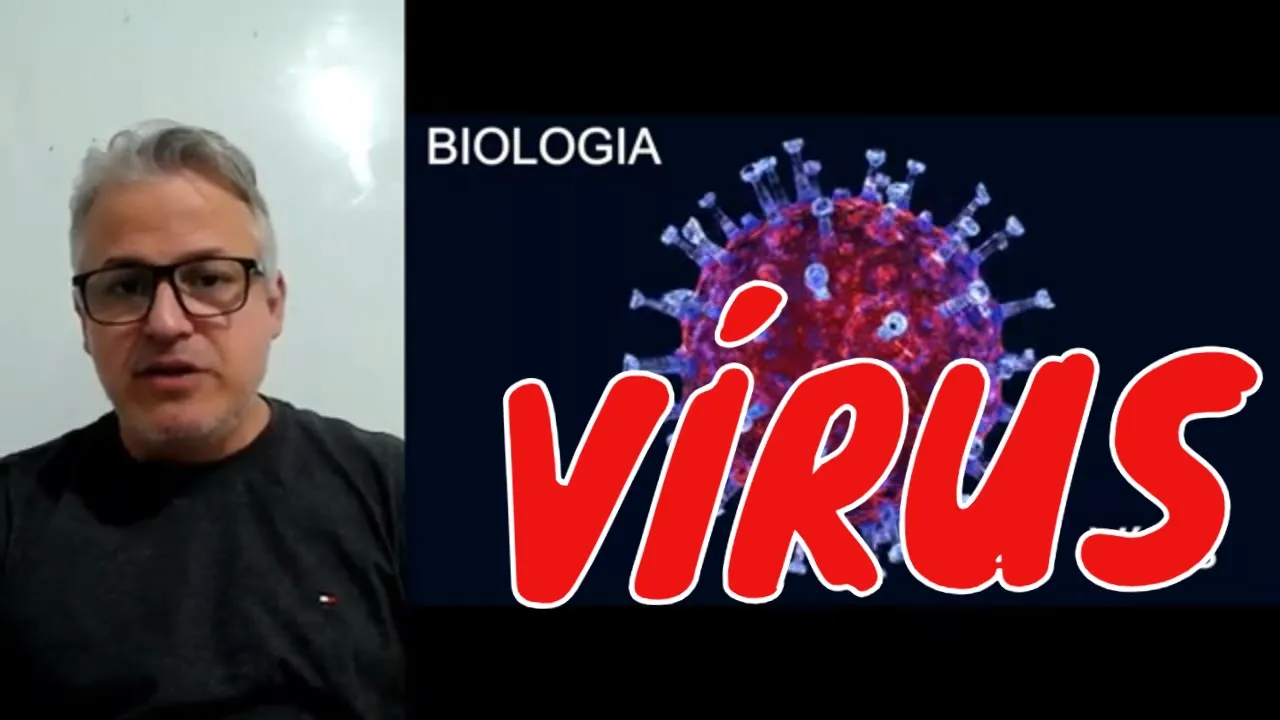
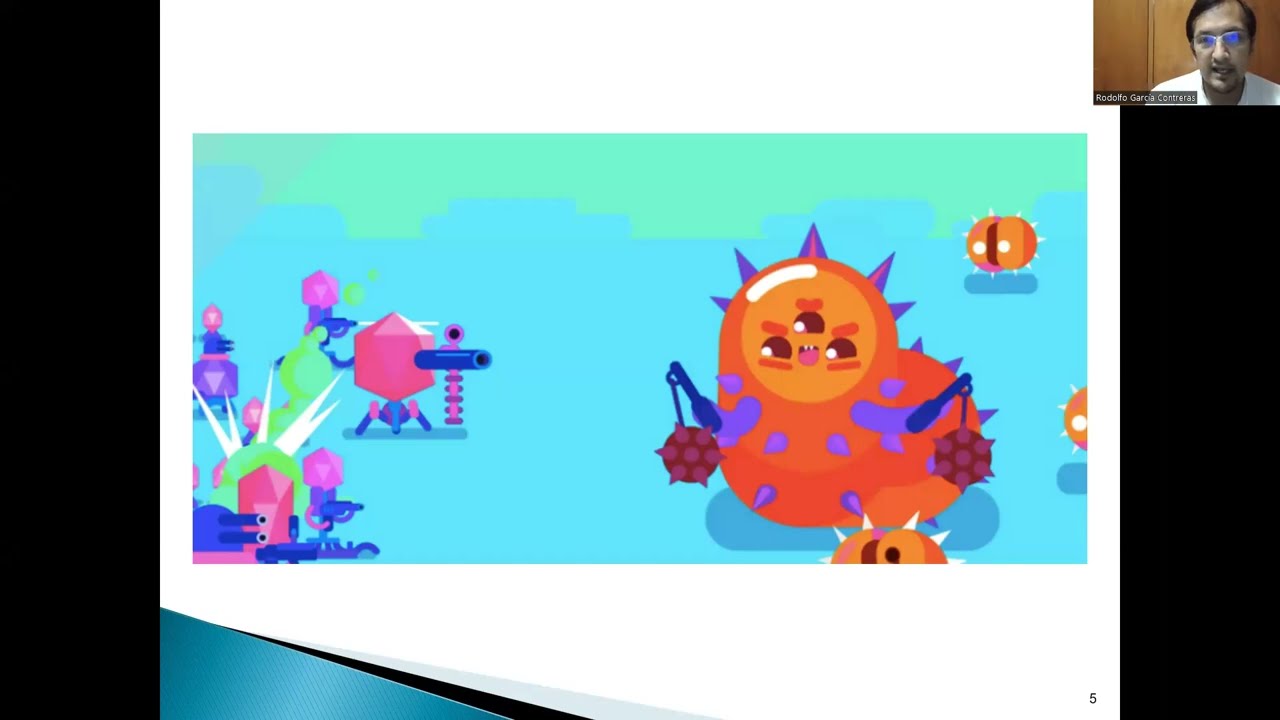
A phage is short for bacteriophage, viruses that have naturally evolved to attack bacteria.
phages are really an important part of our ecosystem, our bodies, our environment, the oceans, they're teaming with phage.
They're 100 times smaller than a bacterium, there's 10 million trillion trillion phages on the planet, and each one of them is uniquely positioned to attack specific bacteria and knock them out.
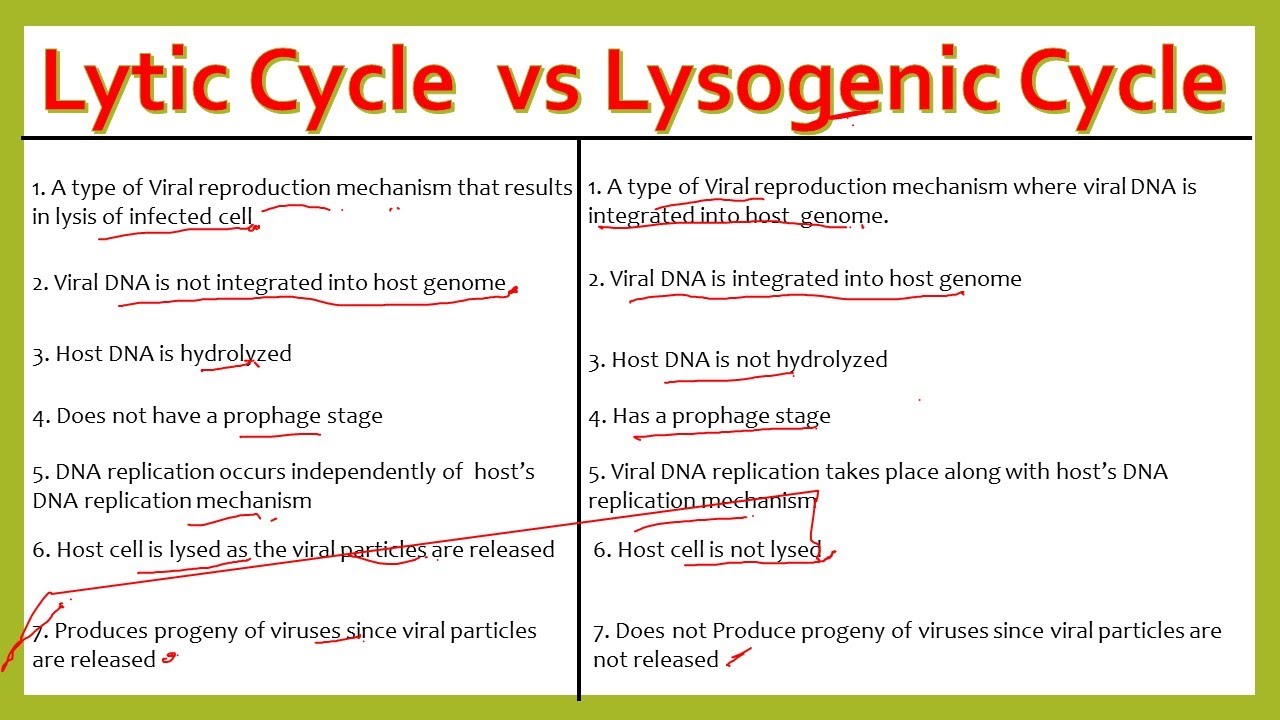
So if I'm the bacterium, I might have a little receptor and the phage comes along, and if it is a match for that bacterium, it attaches to that receptor, and it drills in, and its genetic material is taking over the whole bacterial cell.
And it turns it into a phage manufacturing plant. So it's not making bacteria anymore, it's making baby phages, burst out of that bacterial cell, killing it, and then they go on to attack new bacteria until there's no bacteria it matches to any more.
Phages were actually discovered in 1917 by a French Canadian Felix d'Herelle. He used them to treat bacterial infections and even animal infections for the 1920s and '30s, they had quite a heyday.
But when penicillin came on the scene, around the time of World War II, phages were relegated to the back burner.
So I found researchers that were studying phage and I emailed them cold, and I said, "I know that you get a lot of requests. But my husband is dying,could you please help him?
And lo and behold, total strangers said that they would, and we had researchers from Germany, Belgium, Switzerland, India, the Republic of Georgia, all offering phage.
And luckily, we got phage in time to save him that matched his isolate.
We injected the phages into his catheters, the tubes in his abdomen, 'cause that's wherethe infection was, but because he was fully colonized with these bacteria, we also had to inject the phages into his blood stream. they generally don't inject phages into the bloodstream, because it could kill the person.
Three days after we started intravenous phage therapy, my husband who was in a deep coma within hours of dying, lifted his head off the pillow and kissed his daughter's hand. Everybody in the ICU freaked out, myself included.
Tom is doing great today. He has a few dings. He can't feel the bottoms of his feet. But he's doing really well.
His case has been considered to be a breakthrough, and now we know that you can inject billions of phages into somebody's bloodstream, and it doesn't cause any harm.
In fact, it can be used to weed out the unfriendly bacteria and leaving the healthy ones behind.
we get their bacterial isolate sent to us or our partner labs, and they look to see if they have any phages in their phage banks that will match or wipe out that particular bacteria.
If they don't, we have to go to some crazy places to find those bacteria. Sewage, barnyards, crazy places like dumps. So that's where you find your perfect predator.
we take the sample from the environment we put that sample on top of a petri dish that has the bacterial colonies on it.
We incubate it for a couple of days. If it comes back looking like Swiss cheese, then we know that that phage is in there, gobbling up those bacteria.
Mallory Smith was a CF patient who was having a double lung transplant, and she had a superbug infection that was attacking her new lungs.
We managed to find some phages, but we didn't get them to her in time to save her life. It was just devastating for me. I think about Mallory every single day. But we did learn something from her case.
A little tiny microdose of phages had reached her lungs and had started to multiply.
One of the most miraculous cases was this case of a girl name Isabel, who had cystic fibrosis, who had a double lung transplant, just like Mallory Smith did.
And she was being attacked by this superbug. They were able to find phages that were sourced from a rotting eggplant in South Africa,that matched Isabel's infection.
We convinced the doctors to intravenously treat her with phages. She left the hospital within a week.
We're going to be getting the first NIH-funded clinical trial this summer. If you're watching and you have a superbug infection, or someone you know does, you can contact us at IPATH to see if we can help.
We realized that we were privileged, because we had the connections, so we had the resources to be able to find total strangers to step up to save my husband's life, and that most people dying from superbug infections don't have that luxury. That's why we decided to write our book, The Perfect Predator So we're fundraising right now to try to build an open source phage library that will have tens of thousands of phages, that would be readily available to people.
because we don't want this therapy to be forgotten for another 100 years.
Up Next
Phage Therapy: Fighting Antibiotic-Resistant Bacteria with Viruses
@DevAndResearch
120 views•2025-08-07

Graphic Medicine: Comics for Collaborative Healthcare Communication
@nationalpatientadvocate
189 views•2023-12-04

Neuroanatomy: Central and Peripheral Nervous System Divisions Explained
@AKLECTURES
136.2K views•2014-09-20
Stages of Labor and Vaginal Birth | Childbirth Animation
@nucleusmedicalmedia
52.1M views•2017-08-18
Related Study Plans & Knowledge Roadmaps
Structured learning paths in Medicine