












Profitable SaaS businesses are not automatically sellable; buyers evaluate multiple critical factors beyond revenue, including founder motivation and transparency, technical debt and code quality, product-led growth (PLG) and product-market fit, culture fit, realistic valuation expectations, and emotional commitment to the sale process.
Why Buyers Reject Profitable SaaS Acquisitions: Key Factors
Added:Core SaaS business model mechanics and key performance indicators (KPIs) such as MRR, ARR, Churn Rate, LTV, and CAC.
Fundamentals of Mergers & Acquisitions (M&A), including the standard phases of an acquisition lifecycle.
Basic corporate finance principles, specifically valuation methodologies (e.g., EBITDA multiples, revenue multiples) and how to read financial statements.
The concept of due diligence and its role in risk assessment during a business transaction.
Advanced techniques for conducting and surviving technical, financial, and legal due diligence.
Structuring acquisition deals, including earn-outs, equity rollovers, asset purchases versus stock purchases, and tax implications.
Post-merger integration (PMI) strategies to ensure smooth transition of technology, personnel, and customers.
Operational design principles for building 'acquisition-ready' SaaS companies, focusing on IP protection, clean codebases, and transferable contracts.
411 views6likes48:51Original Release: 2025-12-31
Profit isn't enough to sell you SAS.
I've I've walked away from buying companies that were making millions in ARR, not because they weren't profitable, but because they weren't sellable.
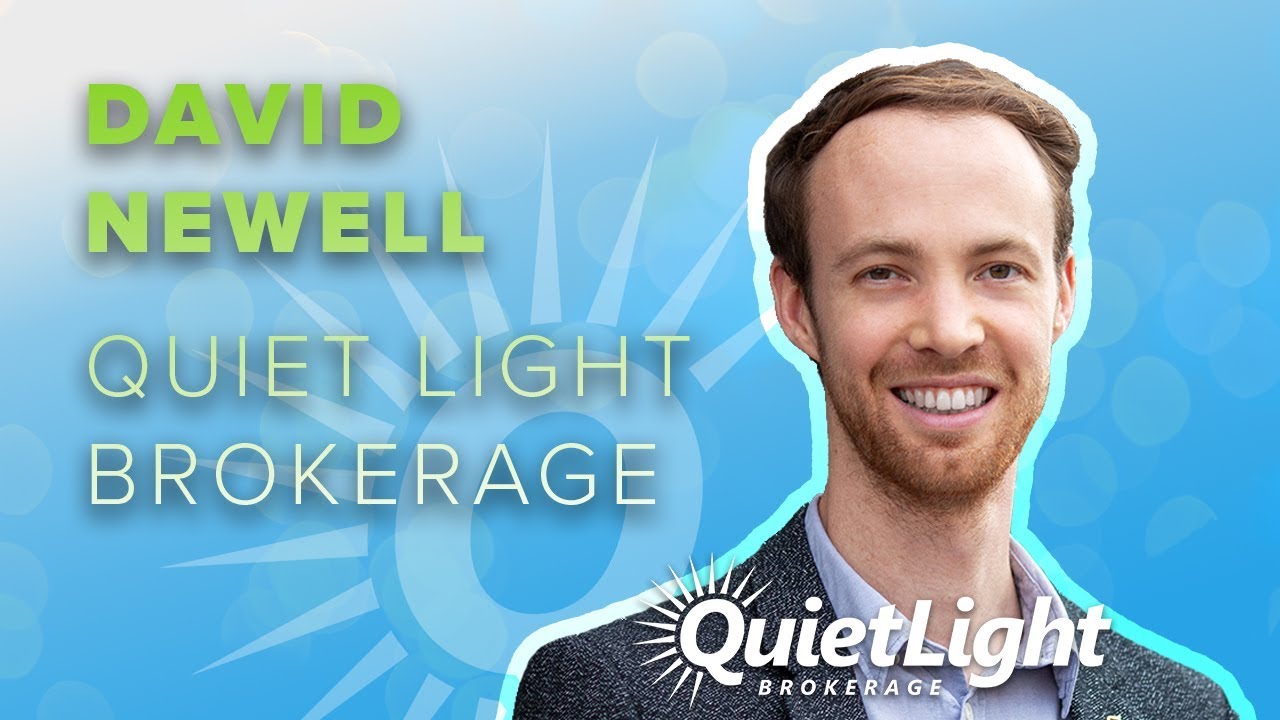
>> That's Tim Schumah, founder of SAS Group, one of the biggest acquirers of bootstrap software companies in the world. Over the past 8 years, Tim has acquired more than 25 SAS businesses, scaling them to $100 million in ARR, and knows exactly why buyers write big checks or walk away. In this episode, you will learn what make buyers like Tim walk away from a profitable SAS business.
>> Founder motivation for me is one of those factors that gets too [music] little attention. It builds the whole story, builds credibility, and the valuation mistake that sces buyers away.
>> People in SAS, but also in other areas compare themselves to publicly listed multiples. You're like, oh, you know, snowflakes gets a valuation of what and something, so I should get the same. And nothing could be further from the truth.
the lack of exit prep that makes selling slower, harder, and more stressful.
>> We look under the hood and we want to see is the code has toil stitched together. Is it efficient code? Is it well-maintained? Is it well documented?
All those sorts of things >> and the emotional mistakes >> the founders really haven't kind of thought, okay, I'm really really want to part way with my baby.
Tim, uh, so most SAS founders think that if their business is just profitable, buyers will line up to buy the business.
I mean, at SAS Group, you probably look at hundreds of deals every single month.
So, what is the one common reason that founders overlook, but that ends up killing their sale?
>> Profit isn't enough to sell you SAS.
I've I've walked away from buying companies that were making millions in AR.
uh not not because they weren't profitable, but because they weren't sellable. One of the factors that is not black or white in a spreadsheet is really founder motivation. And I I think it's super important that you're as a founder, you're honest with your motivation, what your motivation was to start the company, but also what your motivation is to sell the company. And I'm really strongly believe there's no right or wrong. It's like there are multiple reasons to sell your company.
You might be bored by your company. You might get into a fight with your founder. You might just simply need some money. You want to bring some money behind your personal firewall. Um you might just want to start something new and are more fascinating by kind of early technical things. All of this are like perfectly legitimate reasons. Just be honest, just be straight because in this way we can do a deal structure that fits perfectly and we can make an exit that's actually fun for you and not something where you later might be tied up to working years although you know you wanted to get out quickly. Um so yeah founder motivation for me is one of those factors that gets too little attention.
>> I look at decent amount of deals every single month. So whenever we look at what is the reason why they are selling everybody has almost like the same reason that is we have another venture you know so we want to take this funds and put it there but most of them never say like what the venture is or even give an idea about or you know how much funds they need nothing right so thinking from a founders's perspective like if I was a founder of course I don't want to give too much information because the buyer might use that information to like negotiate down the price right so keeping this this in mind why is it still important important to like be transparent about the motivation with the buyer.
>> It's important to be transparent because it's it it builds the whole story. It builds credibility and every information you give the other side also helps you um kind of craft a package that makes sense because selling a company and buying a company is not just about price. There's so many other factors.
It's like transition times. There is projects you need to be done as as post merger integration to make a project sellable.
um their employee factors. So team members you you you um you have to take into account. So there's so many factors and if you know the whole story and know everything that I think it's much easier for a good buyer to make a seller friendly or founder friendly exit. If if I have no information as a buyer, then I can't do that. And also I think it's a it's a common fear that like buyers would steal information of a new venture. But that's that's [ __ ] I mean, if I if I would be really good at at at putting up companies from scratch, then I probably would do that. But I'm I'm better at buying a company than taking it to the next level. So, if a founder tells me, hey, you know, I'm really bored with this SAS because I've been doing this for 10 years and next thing is I'm going to do this because I'm super excited about this new market.
I'm not going to go and start this new idea because it's like an idea isn't worth anything. Execution is worth a lot. And so um to be honest uh I think it also builds bridges. It builds common interest. Tell people what you're up to next. Um it doesn't hurt.
>> Yeah. Also I think you brought in a really interesting point. The people who wants to buy businesses they don't want to start. Especially private equity guys. I mean they're not going to go and you know start come up with an idea and then start something from scratch because that's a whole different set of problems and these guys have no idea how to handle it. So especially coming with PMF and stuff once the seller shares his motivation and stuff and you have built that trust and alignment with the buyer.
So the next step is probably for you is looking into the business fundamentals.
So I mean there are so many factors KPIs and every buyer has his own set of KPIs you know they look at. So it's hard harder to you know cover everything in this uh uh podcast. So what I did was during my research I found few interesting factors that SAS group specifically looks for uh that are so like it's common but most founders just overlook. So what I would love to do is I would love to go in depth into like one by one by one. So one of the first interesting one was technical debt. So can you tell us uh what exactly is you know that uh technical debt and you know how founders could avoid you know uh getting their uh deal killed because of that.
>> Yeah great great question. I mean technical debt is something we do at a little bit of a later stage in the due diligence. Uh first of course as you said you know we probably look at all the numbers everybody looks at ARR profitability churn um upsells uh all the the metrics um of course also the cost side uh hosting costs people costs marketing costs uh we look for synergies all of that but then yeah at a at a little bit of a later stage when we have a certain agreement we we look under the hood and we want to see is the code hastily stitched together does it basically fall together at the first uh instance or is this actually a really rockolid code? Is it is it efficient code? Is it well-maintained? Is it well documented? All those sorts of things.
Um and for one is I mean we can see do we have to refactor the code in the first year? Are we kind of busy writing new code the first year or can we basically start off scratch? But it's also the code is always a proxy for the quality of the technical talent. Um we we can see is is the team great the technical team or is it just okay? Um and last but not least the technical due diligence will give us an idea of what the projects are we need as a transition. So very often we have businesses that are that have some technical debt and that's okay. I mean everybody builds up some technical depth but then what we can do is we can say okay you know we know you you want to get out you want to transition to your next venture you you want to stay on board for the next 3 months but then very often the old founder or the old CTO unless that person stays with the business is the best person to fix certain amount or document things and then that's basically his or her homework for the for the for the uh 3 months after the acquisition and we'll make that part of the addendum of the contract. contract and we'll make it very clear that those are our expectations and then our expectations are aligned and we're like super open and it's not like the day after the acquisition we're like oh you know this is a mess now you all need to fix this but we can be super open we can okay you know we're going to pay you x millions and part of those x millions take 3 months to fix that and here's the checklist once everything is fixed um you know you'll maybe get the last chunk of the payment um and then it's a small percentage of the payment is kind of in in hold back um and then everybody's aligned and so far every every founder we had uh who have done who who had technical debt has fixed um those things. It's usually not rocket science.
It's just important to have it and to have it documented properly.
>> Do you care more about like which code it is being written on or you're more looking at like is it organized and you know is it like high quality coding or is this like a whole mess?
>> Yeah, I mean it's more the latter. I mean we have a certain preference for certain programming languages or for certain tech stack but all of that is changeable um and and we work within SAS coupoop we work with a broad variety um of programming languages and so we can work in either um sure yeah have some our favorites but it's it's none of these is a idea killer >> with the AI now booming I think it's making more universal like you know hey it doesn't matter which code you build on so let's say there is a founder who has a you know like a messy you know the codes and stuff not organized so if there is like one thing they should be working on like hey like what is like let's say the first step let's say they are looking to sell business in next door 3 years >> yeah so two things I mean for one I would start with documentation because if you need to document things then you immediately notice where are bottlenecks where do you need to simplify things and then along the documentation I would uh I would simplify certain things the second thing is really I would try to remove homegrown systems wherever possible. Um we've seen a lot of cases where for example the founders 10 years ago when the business was still super small they built like their own billing solution and those things are super hard to maintain. The founder knows everything but once the founder is out is like oh [ __ ] where is this billing?
So, so we transfer that usually to a uh to our favorite stack which is usually a combination of uh of stripe and charge B on top uh sometimes paddle. Um all of those are great systems. It really doesn't matter on which of these you are by but being on a modern well-maintained stack where uh others um get it as well.
Um and and remove any homegrown building systems. Um and and uh then last but not least is really um also kind of a clear differentiation between front ended and and and back end uh all API ready. Um uh yeah just just proper API structures and and those are probably the most important things really kind of thinking yourself is if you know if you had to hand this over to someone else in 3 months what would you need to do and ask yourself that question as a founder. Do those things then you're well prepped for a sale. So when you say documentation, like what exactly do you mean?
>> Well, it's I'm I'm not an expert in in tech documentation, but kind of what I see and read in our reports is really it it's not like documenting every line of code. Um it's it's really more kind of um putting some documents there uh that that let a third party uh or a new developer understand things without uh a lot of human interaction. kind of understand the basic architecture, understand uh the basic logic um of the code base and I think that's pretty much it.
>> I'm just looking at the LinkedIn post here. So your co-founder you know Tobias uh mentioned that SAS group you know passed on some profitable companies uh because you know they had turned into feature factories but you are really big on product focused right so like where is that line between from you know uh building a really good product and becoming a feature factory >> that's a great question and it's a it's a it's a tough line it's like as a founder you know while you grow a company you have to navigate it all the time. Um, you have to listen to your customers and your customers will always give you features. A customer rarely says, you know, here's your vision. The customer says, you know, I want to give this feature because that would um solve a pain for me. Um, customers are rightly so very selfish. I think the important thing as a founder is you always need to think okay that one feature is that also relevant for others and I think you need to have certain stage gates on killing features that are not relevant for others and expanding on features you hear from one client because you're like oh wait a minute this is actually really cool idea I can make that if I tweak this a little bit I can make a lot of people happy who haven't even thought about this feature or haven't voiced about this and so I think it's a constant battle But then sometimes yeah you you you will have a big customer who ask for a feature and you'll just build it for that customer that's also okay as long as the code is still maintainable.
But sure if you only do this you you you're becoming a a bloated company and essentially becoming a project company not a not a product company. And sometimes we have those cases where we buy companies that have become bloated over time. Um, and then we need to radically simplify things. And that's uh that's usually a very tough path, but it can also be very fulfilling because, you know, you you you kill years and years of layers you put on top of a product to simplify it back to the core. You lose some clients, but then you know, at the end, you'll have two developers shipping really cool stuff where before you had 20 developers shipping mediocre products with a lot of features. It's but that's I would say it's the holy grail of growing a company the holy grail of product management um and of technology but super hard super hard question >> there are like a couple reasons you know why founders might do that one of them is as you mentioned you know custom ask for features and they are like oh we could build it easily and you know they just start building multiple features and another thing could be like like hey this product is not growing anymore maybe we have to add another feature you know to kind of like increase the revenue M yeah it's pure necessity sometimes also pure economic necessity if your biggest customer asks for it you're like [ __ ] I'm going to lose this customer if I don't build it and then you're like uh you're you're building it almost in fear and you do this a couple times and then yeah you're you're burned out. Yeah.
>> Is there any metric you know that you could give like hey I think if this percent of customers is not requesting this don't build it. Well yeah absolutely you you should have a a decent product management process for that. There are also tools like we have actually we have a tool at sasg groupoup uh called usersnap.com uh which does a lot in in surveying users uh uh ranking feature requests sorts of things helping founders and product managers manage that process and whether you do that with user snap or with a spreadsheet uh or with your email or in your head uh but you have to have a really hard filter and as a founder you have to say no by the way saying no is probably one of the most underrated skills um uh to everything um like saying no to a lot of things is really important to stay uh to to stay course. Is there like any percentage you say you know let's say this percent of customers is not asking you know if they're not interested just you know >> it's hard to say if there's a you know there's not this one percentage I think it really depends also if those are the right customers is the big customers does it is it exactly your your your ICP who is saying yes then that's different what what's the vision you want to take a product to uh all of those things play into so you can't generalize it um but of course the more the better um but I couldn't I couldn't give you a number and say hey it's 17% then wow do it if not don't do it.
>> Yeah I mean they just have to look at from every angle and you know just try to say no as much as possible. So when the SAS gets it right and the core product is driving the growth which means it has achieved some form of productled growth right it has achieved P plg uh I mean at SAS group that is one thing your guys are mainly focusing on like hey if the business has achieved PLG or not can you give us an example of you know like what a productled growth business would look like >> I mean you could look at any of our businesses and with a very few exceptions where we sometimes have been trying things out of the ordinary all of our businesses this uh you can uh any user can go to ww.sastaster Saster Group and we have a portfolio of all our businesses but I I can pick two or three um just to to give some examples. Um so um one one example we have a lot of developer tools we have a lot of also online marketing tools some productivity tools but but a cool one for example is is scraperappi.com.
So it's a it's a scraping service. Um and as we all knows kind of scraping at scale you know um kind of maintaining proxies infrastructure all of that can be super complicated. We wrapped it into an API basically is you you tell the software this is the endpoint those are the HTMLs we want or this is the structured data we want. give us that.
And um PLG in this case means that essentially everybody who came at least in the in the first couple years of this business just signed up through uh the website, put in a credit card, started scraping um and using the service and then of course growing over time. When scraping volumes grow uh you need more credits.
Um very often then also what we say when we see when we grow a business is that then bigger customers come and they need a certain level of support. They need certain SLAs. They maybe need some asurances. They might have certain procurement processes. So you have to start making some tweaks to um uh to to to be enterprise grade. Uh but if you have a solid and and really great productled growth company, actually it's not that hard to build a few enterprise layers on top. You know, you start with an account manager, you start with a few additional processes. Essentially, it's just taking a PLG product and putting a little bit of glorified support on top.
Um that that's very often what it is.
It's much harder the other way around.
If you have an enterprise product and you're used to just catering to big enterprises in their feature requests and and and then it's super hard turning things into PLG, we've we've been doing this but it's a much harder route than the other way around.
>> I mean I have seen few SAS companies where they're making couple millions here in profits. Uh but the problem is they have been spending all like just marketing focused and you know their clients are churning every 3 4 months. I mean if you look at the piano they're like oh you know pretty good numbers but in reality if you buy the business it's like very risky if the Facebook ads not working and stuff it's just gone. So al although I if if I make this example churn isn't the only number you I think you always also have to look at the underlying business model. I'll give an example a practical example. We have a great company called Rewardful.
rewardful.com is a is a really lightweight, super smooth uh affiliate marketing software.
You plug it into Stripe, run your affiliate pro uh program on like on the like it's super easy, but it also has a has a pretty high churn because a lot of people like they start an online shop, they're like, "Oh, I want an affiliate program." They plug this in and then we know how high the rate of failures of shops and SAS services in the first couple months is. A lot of things just never get product market fit. So people tried and they churn after three or six months, but it's not because Rewardful isn't great. It's because just the whole business model doesn't fly. But that's okay. And at first we were like, oh [ __ ] this churn is actually really high. Once we understood this, we're like, it doesn't matter because all the people who have a shop, they won't they will never leave because they like the service. Um they grow their affiliate base. um it's really just the underlying churn and that's okay as long as we acquire new customers and the the existing customers uh they they keep growing. The problem with churn is really if there are no new customers coming in and the churn is imminent to the product because people aren't happy with the product then then obviously it's a business we try not to buy or some something you shouldn't get involved in but um it really is important to understand reasons uh for that. So I mean once the core products start driving that growth uh which means it has achieved some PLG at the same time it also means that it has achieved some kind of product market fit. So when you are analyzing businesses so like how do you know that if it has actually achieved product market fit or is it just some early traction?
>> Well for us it's it's very simple. It's really um uh that uh million dollar AR R mark where we're saying okay if if they if they have gotten a to to a million a AR or ideally higher then that's that's that's a pretty good sign for product market fit. Um so we don't even get involved at smaller businesses and there are enough other outlets which are also great for those businesses. things like acquire.com or flipper.com which sell a lot of those earlier businesses and that's great for an entrepreneur who is like maybe alone and like a real kind of coder getting into that and is willing to bet on achieving more product market fit. Um in our case just due to the nature and the structure to make sure it moves the needle we just need a little higher and then we you always have product market fit. The thing is you don't know if a product will keep product market fit. That's the bigger question. We've seen things where we're like, okay, it has product market fit, but then certain things change in the industry and you're like, can't really get this to grow or it's even shrinking.
Those things of course happen. Um, and uh that that's quite annoying because the fact that something has product market fit doesn't mean something has product market fit 5 years down the road, especially in a in a world of AI.
That's that's a lot of guess work.
>> Yeah. I mean that is one of the uh thing you know I kind of like uh what do you call debate with the people who buy like smaller startups and stuff putting in couple hundred grand I'm like what is the use I mean there's no product market fit there like what are you buying you know it's like pretty much starting from scratch I mean of course you have some assets but still you know you have to go in and you know test out which customer which product pricing and stuff so yeah that completely makes sense so is there any like other than 1 million ARR is there any other metrics the founders could look at and you know to know that okay I I think we have achieved some kind of product market fit.
>> Well, I think the other factor for product market fit is that you have several customers, not just a handful.
Like if you have I don't know, let's you can have a million with one customer or three customers then that is not really a product. Um and the other thing is are are your existing customers growing kind of really looking and digging into the cohorts um and seeing do you have happy customers? Are they growing with you or do they come and churn and then churn for no reason? Um, again, rewardful or scraper API. Same thing. People have scraping campaigns and then they go again. That's also fine. Then it's okay to have a certain amount of churn. If there are other businesses that shouldn't have churn, um, then it's a different thing. So, example for that we have timebutler. Timebutler.com is a uh is a time tracking software. That's something you know you either need it or you don't. And if that one would have churn, that would be very alarming uh because it's something you know you install once set and forget and you use it whenever your company runs and those aren't companies that are dying quickly uh that need time tracking software. So also in this case there is there's hardly any churn which means but that's really the difference between a product that has um yeah has a product market fit uh with a lower churn um and some with a higher churn. And it's really just not that number that you can say, oh yeah, something with 30% annual churn is bad. It really really depends on is that a mission critical software or is it something also people try out, play around um and and then uh leave.
>> You kind of have to understand the context of the business, the business model and then see if it's a good business or not. So the next factor that I wanted to cover was probably the most overlooked. It's culture fit. So like culture is like so broad. I mean people don't even care like I have a very profitable business. I mean doesn't matter how much I'm paying for my team how they work. So uh like what exactly you look for in culture uh like with the business you're acquiring.
>> Yeah that's a great question because you're right culture is uh is very often overlooked and there's a saying culture each each strategy for breakfast. Um and yeah you can dream strategies all year long if you know your your culture isn't set up for that. you're going to fail with your strategy.
And so we we look at culture from a lens of do we want to work with those people um meaning the founders and his or her employees. And at the end of the day, we buy businesses not to flip them in a year or two or three. And that's really the big differentiator of us compared to a regular PE or or a financial optimizer. Um, a lot of people buy businesses, they want to flip it as quickly as possible. Um, uh, they optimize for the short run. They are not hesitant also to kill the brand and merge it and lots of stuff. Uh, in our case, um, and I think that's really important to a lot of people who sell to us. We care for the brand. We care for the people. But we want to leave the legacy a founder created by starting this company and ideally have him or her 10 years later look back and is like, "Oh, wow. My brand is now much bigger.
I'm so proud of my brow of of my brand."
Um, and I I've been really happy that that I sold it. Um, and I think there's this emotional factor, this culture factor which is on our side, but also on the side of the founder. Um, and we want founders who really care, um, who care about the people, who care about the product, because at the end of the day, you you notice this in the way how they treated their customers, how they built their product, how they built the technology. Did they have to stitch everything together just to flip it quickly? Um, do they treat their customers and their people like [ __ ] We don't want to work with those people. We want to work with those people. Whether we do work with them in the long run or not, I think it's still they've they've planted this DNA into their company. We want to work and acquire companies that we have no hesitation of working with for the next 10 years if needed. Um it just makes everyone happier and um uh so culture is super important.
>> Uh you have given couple of know like how they treat their customer, how they treat their team and stuff. So is there anything like tangible where you know like hey whenever we look at culture this is something you know we look at and basically something you know founders could implement because so many founders I mean they might not even know that they have a problem with their culture you know they think like okay this is how we run I mean you know we don't have any issues uh maybe the team might not have told them like hey this is you know we can't deal with this or you know from a third party perspective like what are some of the things like hey these are very important like you should focus on that.
>> Yeah. So, I mean, you can sum up there's there's a lot written about culture, but you can sum a lot of this up in in uh in what we would call an asshole-free culture is, you know, treat people uh uh with respect. Treat people on eye level, treat uh humans like humans. Um sure, you have to make tough decisions as founders. I'm not neglecting that. It's like you like firing people for example if they don't perform is part of that.
But you know you can do it in a human way or an inhuman way and and I think it's just important that you know you treat people well. Um there are a lot of nuances to this. Um we actually publish quite a lot of this if if you go on our website group uh there's a lot of stuff on that. Um we also talk about this in our podcast. Uh there are a couple things uh I can recommend. So for example our head of HR go a great podcast with with Anna uh talking about this. Um also maybe I do want to highlight one of our portfolio companies their git git tower. It's a git visualization uh tool. Um very popular some some great customers including Apple and others um using that very popular with developers. And so Git Tower when we acquired them about 5 years ago it probably had the the strongest culture of all the companies we've so far acquired. very tightlyknit team, remote, but with very still very very close bounds um and and a very deliberate cultures and and so and and that's why I'm saying it because on the on the gauer.com website there's still a ton of material on how they think about team, how they think about u a good way of treating people and they've codified a lot of those things.
So actually we uh as much as as as uh brands can learn from SAS group we also always learn from our brands and one of the things we picked a lot of the things uh they did as as great work uh we picked this um and implemented it for for all SAS group um and there's lots of lots of cool things you can do >> yeah we'll make sure to you know link all of them uh in the port so people can you know go through it real quick guys each of these episodes represents over 30 hours of my personal work, not including my post-p production team themes time. I'm building this podcast to become the number one resource for business acquisitions. And the only way those are going to happen is through your feedback. So, please drop a comment with a time stamp for the parts that you found valuable or not helpful. If you're on audio platforms, you can leave a review. This will help me understand like what you like, what you don't like, so I can create exactly the content you want to see. Thanks for your support.
Now, back to the podcast.
So even if you know the founders like follow all these fundamentals we have talked about the one of the biggest you know mistake I have seen is the founders have crazy valuations you know like it doesn't even make sense right so like what are some of the common mistakes founders do when it comes to like valuing their business >> yeah no that's a that's a great question I I would say the number one mistake is that people in SAS but also in other areas compare themselves to publicly listed multiples you're like oh you snowflakes gets a valuation of what and something so I should get the same and nothing could be further from the truth.
There is a pretty established framework for valuing small companies and it's it it's usually somewhere between 4 to 8x IBIDA or that translates into somewhere between 1 and 3x revenue. And of course then it depends on a lot of factors.
It's like uh how much do you grow, how profitable are you, uh how how is your churn and all of that, but at the end it's still it is never except for very very rare occasions, it's never a 20x on revenue or 50x on ibida. You just don't get it. It's like maybe like one in a thousand there's the lucky shot of some strategic who really needs your tech, but it's like you can also play lottery if you if you like those kind of odds. Um and and and so I think that is probably the most common mistake people make that they really compare themselves with uh with uh those those big market leading public companies which is also have a liquidity premium and and lots of factors why they're uh valued the way they are and they neglect the actual um valuations um in in the market and at the end of the day people should always decide you know do I just want to continue to run my business that perfectly fine or and that's probably also the biggest neglect. Do I have opportunity costs by clinging to my business and and and not doing something else? Because it's very tempting to a SAS founder if if he collects like 100,000 in profit every every year is like just yeah, you can continue that for the next 20 years with a certain likelihood. Um but also it can be going down. You have all your eggs in one basket. Um, but the biggest thing is really the opportunity cost. If you're the best in bringing things from zero to 100,000 profit or 500,000 profit, but you really don't always get it above, then you should sell and restart something and you know, you you'll be passionate about this again. Um, you shouldn't just kind of keep going because sure you can keep it, but your biggest cost is your opportunity cost and people don't factor in their time enough. But once people realize that um then it's like okay wait a minute I should actually sell and it's great if I sell this for 5 6x even da because I can use some of that money restart something restart it faster and within 2 years get something else back to 500,000 uh profit for example which I'm not going to do with this other business um and then it just changes the equation but a lot of people are just also very comfortable with clinging to what they have and then they they keep their business and run it and that's also perfectly fine. Two key things you know founders like kind of like miss is like one is they don't understand the difference between like a strategic acquisition and like you know like a financial buyer buying a business and the second thing would be uh like you know let's say some they could have bought a business for you know let's say some SAS sold for 100 mil but that doesn't mean they got $100 million in cash right it could be like any kind of deal structure but people don't understands that and they're like oh we want you know this much multiple in cash and you know we want it today. So so I mean that kind of makes sense. So like you know as I said you know the the valuations you know changes from buyer to buyer you know strategic buyer financial buyer like the whole things as you said you know there's so many factors you know uh like that falls in when it comes to valuations. So let's say I'm a founder running a business. I don't know anything about Eida. I don't know about anything about valuation.
Rather than me just randomly applying a multiple like what do you suggest is the best way for them to get like a like a reasonable like a valuation uh so that you know they could actually use that.
>> Yeah. Yeah. I mean there are couple of valuation tools out there. I would just um I mean my first business was a um was ced.com. It was the first business I personally started and grew it and we also had the same for domains. It was always the same question. People were okay, what's my domain worth? And you also had a big spectrum. Um uh so so it feels very familiar now. And there are a lot of valuation calculators. If if I were a founder, I would just plug my numbers into three four of those calculators and see what happens. Um he'll probably also get a certain amount of R. But you you you get uh uh you get uh the picture. And I would also just read read things up. There are a lot of good things out there which uh like good materials which talk about uh private uh market SAS valuations. Um I I like with any topic if you you know as a founder you're used to to to to to getting into a lot of topics for the first time and if you're thinking about selling company just read a lot of stuff read books read uh blogs um uh and and on valuation. So, for example, my my former colleague Dirk uh with with SAS.
WTF, he he uh he has a great blog on on some valuations and and so I would um I I would just read up a lot of them and then I would I would go to to a few. I would not go to a broker in the first place until, you know, you're really uncomfortable. Uh because I I think, you know, if you have a certain sense of valuation, I would rather pick two or three SAS acquirers you really like. I mean hopefully we're part of them. Uh but I'm sure there are also two or three others uh whom you like and don't don't go to the ones who don't like because like you know you have a gut feeling on whom you like whom you don't like who you think is trustworthy um who has done similar deals in your business and then talk to those directly because a broker it'll always be the problem and we will work with brokers and we we there's some good brokers out there but but generally there's a broker always means a layer between you and the the other side and and I think you can always engage a broker later but I think it's really good to talk about some buyers directly um without a broker in between. The broker has uh his own incentive namely maximizing um not the price important broker has an incentive to maximize the the speed to sell your business because sure a little bit the price too but it's more important to turn it around quickly because like but as a as a seller you really have to understand what drives a buyer what are they like what is important to them and Price is also part of the equation, but it's it's a much bigger picture and you really want to have that conversation directly. And in particular, you want to have the conversation with the people who actually going to buy your business. Uh not just the broker will just want to sign you, get a get a get a deal and then uh flip the business. Also, it doesn't really matter to who. Sure, there are good brokers. They care for their reputation. Again, you like we review there. We have some brokers who we really like to work with, but there are also a lot of brokers out there like we don't want to work with. And so my advice to founders would be get get some direct feedback from potential acquirers first. And it needs some research, but um you you'll be better off.
>> And also in terms of the tools you said uh also like my suggestion for the founders would be like just use it as a number but just don't stick to it like hey this tool gave me this number. this is what I'll sell for you know because they will give you like an average but it's not going to be like exact you know this is how much you're worth because they're not taking into all the other factors we discussed could be culture fit and you know uh those things and yeah you are like 100% right on the broker as well it's like they're incentivized to like sell faster that's how they make money >> so another another factor uh that would probably you know kill like their opportunity to sell on day one is lack of exit preparation. So you mentioned that you know like hey reach out to buyers you know some of the buyers you like acquirers and talk to them. So like what are the documents you know you would expect for them to you know uh give it like you know at least send it over to you so that you know that if it's even worth looking at because I have seen like so many times uh some people just send screenshots of the stripe and they are like hey send me an offer and then I will send the details or some people are like they don't even send the details they are like hey this is my you know software I want to sell uh some they give some generic information and they are like put me an offer then sign an NDA and then we'll give you rest of the information. So like what are the documents you know like as an acquirer like you look for like hey these are the minimum documents you know you got to be prepared even before you like reach out to us.
>> Yeah. Yeah. Uh well that's that's a good question also glad that you mentioned an NDA because at some point you'll need an NDA but not in the first conversation.
And so my advice to founders would be, you know, the first email should be brief, just two or three bullet points, but it should be this is the software, this is what it does, here's the website, and it does that much AR and that much profit with a team of X. I think that's really the initial email and shouldn't be more than, I don't know, 10 lines. Um, get someone excited and then you don't need an NDA for that.
And in the next one, you maybe have a little teaser, a one pager, two-pager, you can also still send that. But to people who repi reply positively, you know, you can do a quick check. Um, and then after that, if someone is still interested, then it's the time for an NDA and actually exchanging maybe cohort data, whatever they ask for. Um, so, uh, there's obviously lots of things and that gets more and more detailed the more you progress in, um, uh, the the due diligence. Uh actually at this stage I I I I don't want to do a shameless plug for our M&A course. We have under under SAS.group M&A course. Um we have uh we're just launching I think in the next couple days.
>> Yeah, I think it's not live yet, right?
>> We're launching this. Oh, it's Yeah, I think we have a pre-registration online, but by >> I already signed up multiple times, so then I thought, okay, it's there still, you know, uh launching it. Yeah.
>> Yeah. Yeah, we're we're still but that's going to be a really cool course um on all the things. It also includes a section of all the documents. Uh that that would be a pretty boring podcast if I would now rattle uh rattle the the the hundreds of documents you need at the end of the day. None of that is rocket science. You should those have those things anyway. Like from your incorporation documents to bank statements to tax whatever to uh Stripe account. Um there's a lot of stuff, but it's probably all stuff you should have on your G drive anyway for your tax accountant. Um uh and uh but but yeah, you should you should be somewhat organized for that process.
>> I think to that point I think if they are doing like 1 million AR R as you mentioned I think they would have those because you know it's too many numbers and they would have an accountant you know they would have something >> you would think but we've seen a lot of cases where people don't and I'm sure you have too.
>> Selling a like in a business is a emotionheavy process right? So I mean even if you got everything right if your emotions are not in check you're going to lose the deal because we had worked on one of the like one of a seller I know we had sold two of his businesses.
So the third business we had the buyer ready on the day of closing the seller changed their mind you know thinking that they could get way better valuation. I mean this was like couple years ago I mean till now they haven't sold the business. you have done so many deals like what are the some of the common emotional mistakes you have seen that founders do that you know kind of like ends up killing their sale.
>> Yeah. So we we had a recent case I can't like can't name the company but uh we had a case where it was really a roller coaster ride emotionally I I have to say 80 90% of the cases deals are very smooth founders and I think it's very one thing is very important founders set their mind they're like okay I'm ready to sell I've made the commitment I'm going to stick through the problem is often if the founders aren't really sure themselves they enter into this process says, you know, this and sometimes those things then spiral out of control, but the founders really haven't kind of thought, okay, I'm really really want to part way with my baby, my my company baby, so to say. And then I think it's whenever there's a something that they don't like is like the buyers make requests to the founders for certain amounts of information. They question certain things. You get a lot of tough questions during DD. They feel like personally offended. They're like, "Oh, no, wait a minute. maybe I shouldn't sell and then you know becomes this roller coaster ride where they're really exhausting. Um as a buyer it's like sometimes you need to mention it.
You need you need to you manage it and be like okay you know I'm just going to calm people down and okay I I would say we're probably a lot less emotional because for us there's not no deal that really means the world. Like there are other businesses where I've had targets we really needed that target. Uh so with my other company adblock plus for example um the ad blocking business uh we bought adblock our main competitor that was really that deal was really important to us there's a different story but for SAS group like if we don't buy business A we'll buy business B and business C we're not hung up to one particular business because we uh we are not in one strategic line and there we need to I don't know buy exactly those competitors that actually makes us less emotional which is kind of pool um that we were not because also you can make mistakes as a buyer. You get really into a business and you really love that business and then you start ignoring all the red flags and and you at the end you end up paying more for something but you've kind of set yourself and and sure we've had cases where we got emotional about things but generally the sellers for the sellers is also very often the first big transaction. It changes their life. It's the it's the difference between having zero money on the bank account or a little bit and millions.
That's huge. It's like you you probably also have people in the background, the wife, the husband, the family, whatever.
Um it's like people don't operate in a vacuum. And so there's a lot of emotions in this. But yeah, again, I think the best thing is is taking some emotions out. Also having a good adviser. Um it doesn't have to be a broker. It just can be a good coach, a good sparious partner, some mentors, someone with experience who can like calm you down, try to bridge the perspectives. And and that's the one thing where good brokers can really provide value. Um but also again it can be an attorney. I had I had when I did my first transaction selling CEDO it was an attorney. It was an attorney I trusted and he he he he really I didn't ask him legal questions. I just asked him a lot of like what would you do there? What do you think? And and and he uh he gave good advice and just calmly led me through the process. Um, and I think it's it's good to just have someone to talk to because it's it's a big it's a big thing. It's really a big thing.
>> 100%. Yeah. I think like you just got to keep emotions out of the door and just like you know think like logically you know uh or else like the buyers will kind of like take advantage of them you know uh for example if they want the money now and you know they want to rush the process and you know the buyer is going to be like hey you know we'll pay less and you know get the deal done and and also in terms of you know you mentioned advisor that's really good but also I think people have to be really careful who they get their advice from.
Yeah, I mean if they're getting from their family members, you know, like, oh, you know, I saw this business, you know, it sold for like 100x, you know, maybe your business is worth more. And also another thing is you mentioned lawyers or brokers, right? Like it is also very important to know that if they are have some experience in that industry because you know they'll be trying to bring the let's say physical brick and motor business valuation to say SAS business or vice versa. I mean doesn't like you know uh make sense right. So you'd have to have that kind of experience.
>> Absolutely. And it's very important to understand always the motive of the other person the on and the underlying business model. You just mentioned brokers versus lawyers. They have fundamentally different business models which is super important to understand.
The broker it's transaction based. So the broker really wants to sell wants to sell as fast as possible as at a decent price. Um and so the motivation will always be to close the deal no matter what. Even if like the buyer is is not trustworthy and they're [ __ ] is like worst case again I'm not saying all brokers are there but the broker will always heir towards steering you into the transaction lawyer different story their business model is billable hours so they will always they'll be very happily take every transaction every conversation the good thing is they don't steer you in any direction but you have to be careful that of course you know the clock runs and they would just happily have conversations with you. But I think one of the most important things in life general, but in business life in particular, is understanding what is the business model of the other side. The business model of SAS companies is always getting you a subscription. So I think it's the same with SAS companies.
Always good to understand why. Um but really that's I think that's part of the core things. Um if if you're talking about advisors and and brokers, >> 100%. And it's like if you want to motivate someone to get something done just incentivize in such a way that you know uh they'll get it you know they get that done. Those are the exact reasons why buyers ignore even the most profitable SAS businesses. But here's the thing finding those buyers or investor is a skill of its own. That's where Natasha come in. He has helped his clients raise over $260 million by finding investors online to fund their acquisitions. And you can use the same playbook to sell your business entirely.
Up Next

6:26
Transfer Stripe Account Ownership: A Guide for Organizations
@Givebacks
362 views•2023-08-02

12:54
Triumph of Orthodoxy Icon: Byzantine Art & History Explained
@BenCallan
2.1K views•2024-08-06

9:49
FastAPI vs Flask vs Django: Choosing the Right Python Web Framework
@TechWithTim
302.5K views•2024-05-26

1:42
Game of Thrones Opening Credits: A Cinematic Analysis
@gameofthrones
46.3M views•2011-04-18
Related Study Plans & Knowledge Roadmaps
Structured learning paths in General & Interdisciplinary Studies
general-studies
Elevator Engineering: History, Physics & Cities
01From Hoists to Safety Brakes: The Dawn of Vertical Lift
02Hydraulic vs. Traction: The Engineering Physics of Elevators
03Modern Speed, Safety, and Algorithms
+ 2 more learning modules
12h5 modules
Explore Roadmap
general-studies
Rubber: Material Science, History & Geopolitics
01Origins of Natural Rubber & Mesoamerican History
02The Chemistry of Natural Rubber & Vulcanization
03The Geopolitics of the Rubber Boom & Colonization
+ 2 more learning modules
12h5 modules
Explore Roadmap
general-studies
Containerization: Evolution, Logistics & Trade
01Ancient Trade & Bulk Cargo: Amphorae to Barrels
02The Industrial Revolution & Cardboard Packaging
03The Containerization Revolution: Malcom McLean
+ 2 more learning modules
12h5 modules
Explore Roadmap
general-studies
Textile Tech: Evolution, Labor & Global Impact
01Pre-Industrial Textiles: Handloom & Cottage Industry
02Mechanization: The Spinning Jenny to the Power Loom
03The Factory System & Global Labor Transformation
+ 2 more learning modules
10h5 modules
Explore Roadmap