











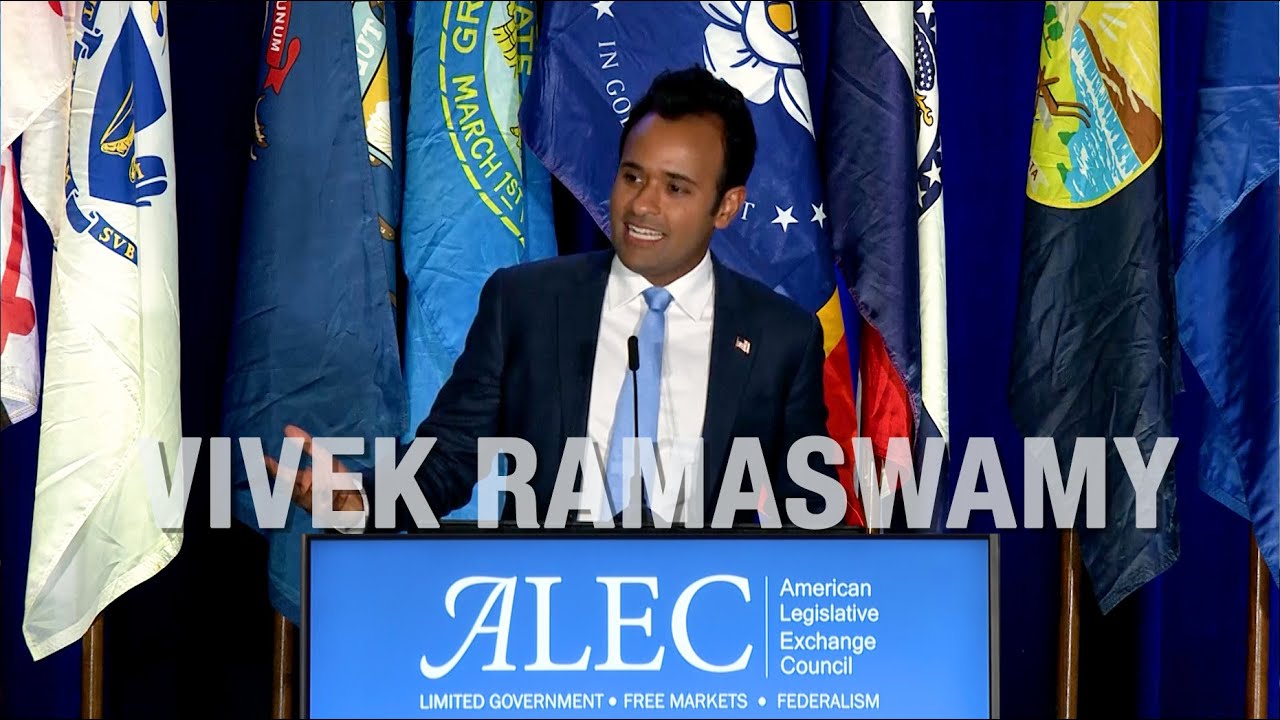
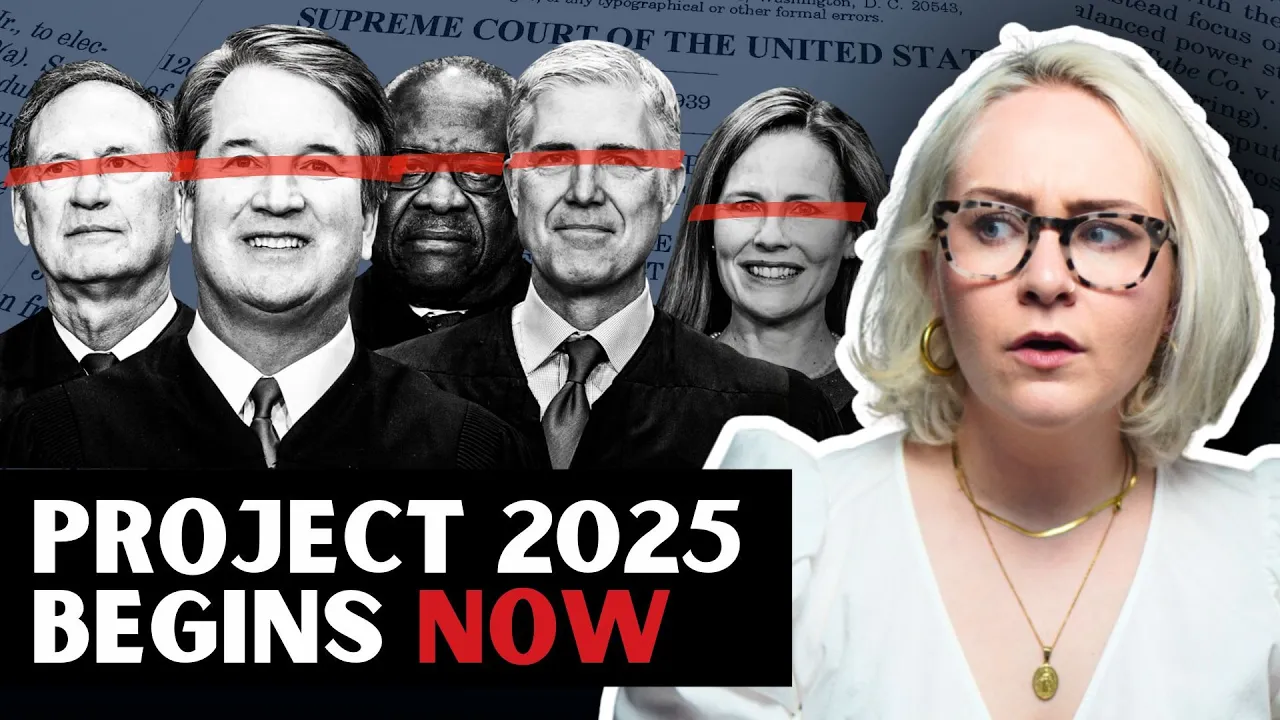

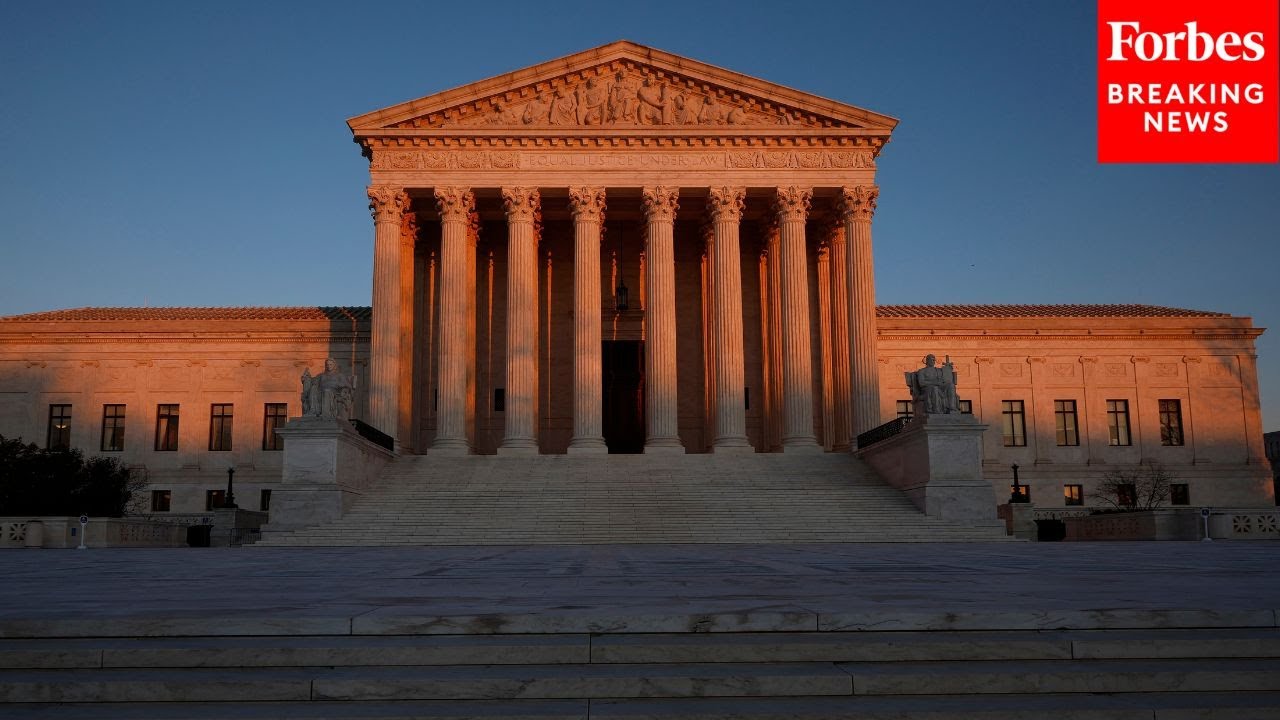




The Major Questions Doctrine is a judicial principle requiring courts to evaluate administrative agency policies using two criteria: whether the policy has major political or economic consequences, and whether the agency can demonstrate clear statutory authority from Congress; this doctrine emerged from recent Supreme Court cases including West Virginia v. EPA and applications to CDC and OSHA regulations during the pandemic, with supporters viewing it as a tool to prevent agency overreach and critics arguing it lacks constitutional basis and allows judges to impose policy preferences.
Major Questions Doctrine: Administrative Law Explained
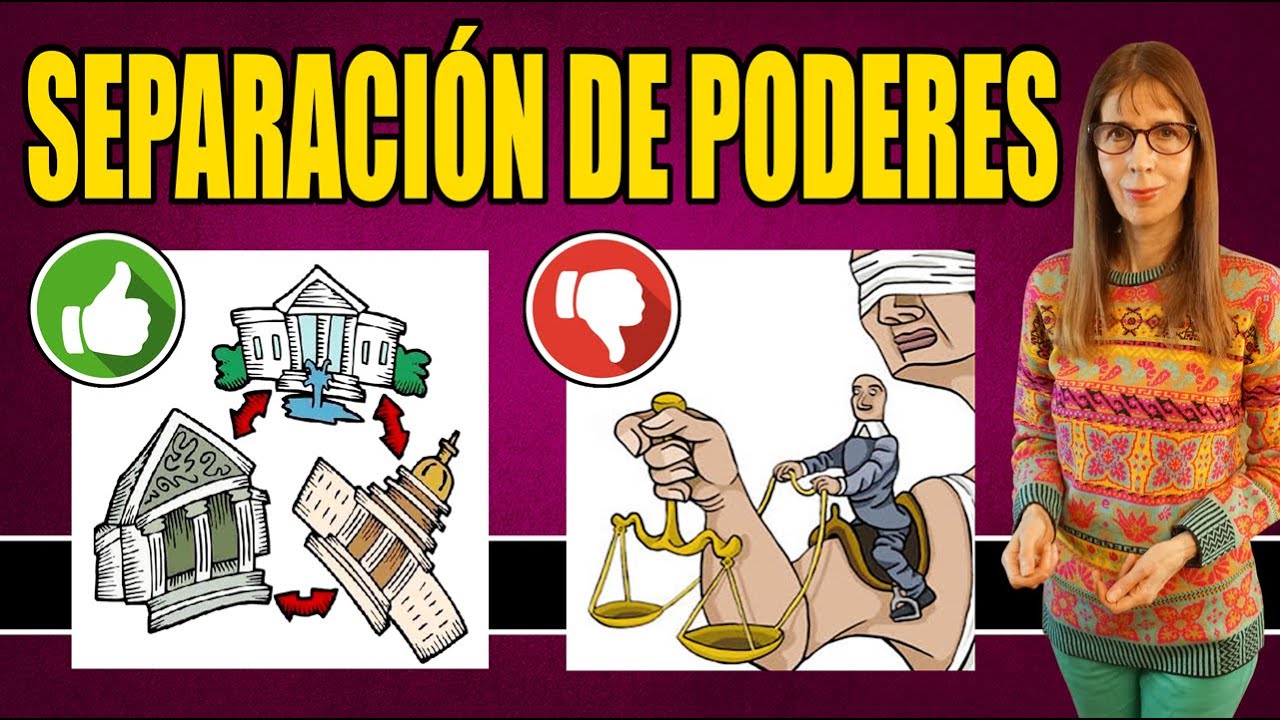
Added:The Principle of Separation of Powers: Understanding the distinct constitutional roles of the legislative branch (making laws) and the executive branch (enforcing laws through administrative agencies).
Administrative Agency Rulemaking: How federal agencies (such as the EPA or OSHA) derive their authority from congressional statutes to write and enforce regulations.
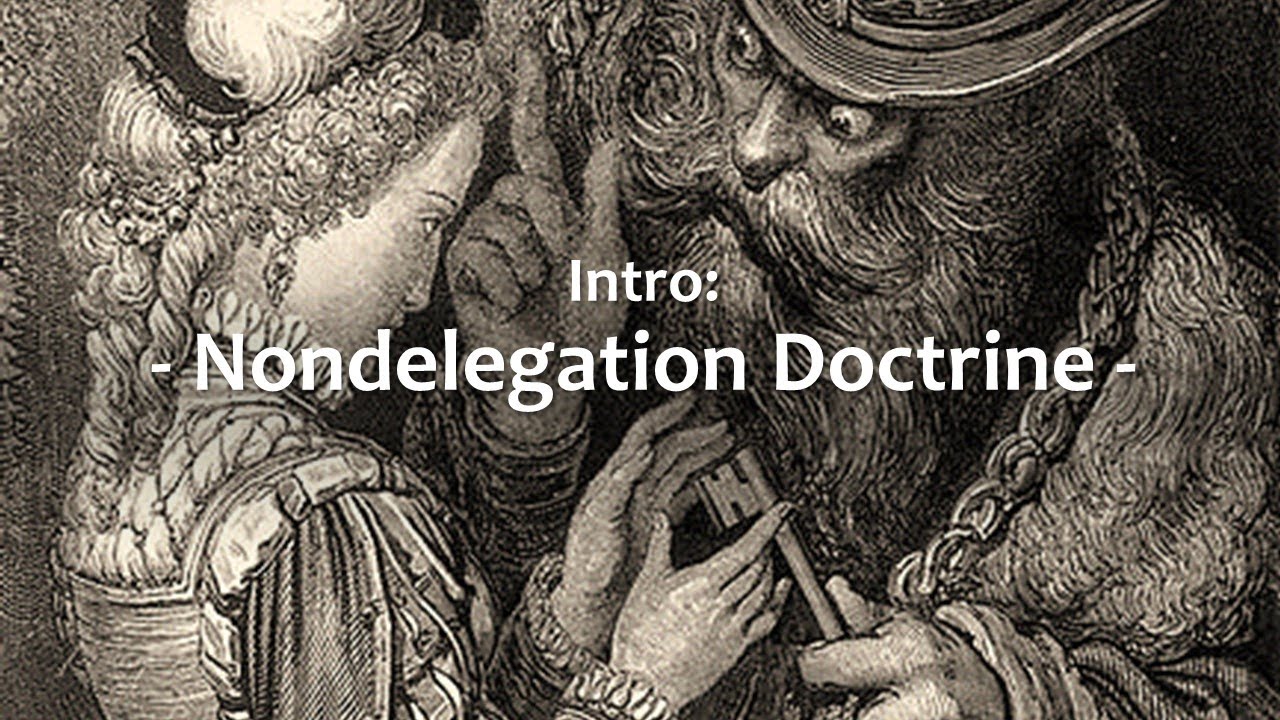
The Nondelegation Doctrine: The constitutional principle holding that Congress cannot delegate its legislative powers to other entities, specifically administrative agencies.
Chevron Deference: The landmark legal doctrine where courts historically deferred to agency interpretations of ambiguous statutes, which the major questions doctrine serves to limit.
West Virginia v. EPA (2022) and Biden v. Nebraska (2023): Analyzing these landmark Supreme Court cases to see how the major questions doctrine was applied to strike down major environmental and student debt relief regulations.
The Overruling of Chevron Deference: Exploring the Supreme Court's decision in Loper Bright Enterprises v. Raimondo (2024) and its intersection with the major questions doctrine.
Impact on Statutory Drafting: Investigating how Congress must adapt its legislative drafting techniques to provide 'clear congressional authorization' for future regulatory efforts.
The Future of the Administrative State: Evaluating the broader socioeconomic and political consequences of limiting agency power in addressing modern, fast-evolving crises like climate change and public health.
39.6K views22likes3:45Original Release: 2024-09-30
the major question Doctrine says that when courts review issues of administrative law they should start with the assumption that federal agencies do not have the power to make rules that have politically or economically significant implications unless they've been given clear Congressional [Music] authorization over the last several years several covid-19 policies have resulted in lawsuits raising important questions about agency power and in a recent series of cases the Supreme Court has used the major questions Doctrine to reign in the power of executive agencies for example the court blocked oia's attempt to impose a covid-19 tester vaccine mandate on large employers and it also vacated the stay of an injunction on the cdc's covid-19 Nationwide eviction moratorium in both cases the court reviewed the agency's authorizing statute and determined that they did not allow regulation on matters of great economic and political significance in West Virginia versus EPA the court returned to the doctrine to evaluate the Clean Air Act and the Obama era clean power plan writing for the court Chief Justice Roberts posited that Congress intends to make major policy decisions itself not leave those decisions to agencies he continued something more than a merely plausible textual basis for the agency action is necessary the agency instead must point to clear Congressional authorization for the power it claims taking together these passages propose a two-step process for courts to evaluate administrative Authority one does the regulation involve a major question of significant economic or political significance and two can the agency point to clear Congressional authorization for the regulation the major questions doctor is not entirely new as far back as 2000 Justice OK Conor wrote in FDA versus brown and Williamson tobacco corporation that in extraordinary cases it could be assumed that Congress did not Grant power to an agency to make decisions of huge economic or political significance the recent application of the major questions Doctrine go beyond this by also requiring clear statutory Authority supporters of the major question Doctrine assert that this is a necessary tool for courts and Congress to reign in administrative agency overreach as is implicit in the doctrine some regulations could have an enormous impact on society in the economy while bypassing the legislative process agencies sometimes rely on brief and vague statutes to justify their Authority and frequently reinterpret old statutes for new and broader purposes some supporters argue that the major questions Doctrine could be a way for the Supreme Court to reinvigorate the non-delegation doctrine which states that the constitution does not allow Congress to delegate away its legislative power critics of the major question Doctrine argue that the doctrine is made up that it has no basis in the Constitution or statutory law and that it is inconsistent with textualism the predominant approach the courts use today to interpret statutes critics also argue that it remains unclear what qualifies as a major question which leaves a lot of room for courts to insert their policy preferences when judging does the major questions Doctrine allow courts to block a president from legitimately enacting policy preferences through agencies or is this just a tool to deregulate generally if important policy issues are not addressed by administrative agencies will Congress be able to pass legislation to fill the void and how will new challenges to agency power citing the major questions Doctrine affect the interpretation of existing statutes and the drafting of new ones let us know your thoughts in the comments below [Music]
Up Next

59:20
Supreme Court Chevron Ruling: SSA Benefit Implications
@WinSocialSecurityDisability
320.1K views•2024-07-15

4:27
US Secondary Sanctions Impact on EU Businesses and Blocking Legislation
@Bureauvandijk
1.6K views•2019-03-20

115:43
Judicial Review vs Community Values | Federalist Society Symposium
@TheFederalistSociety
815 views•2011-04-19

24:42
Police Interrogation Tactics: False Confessions & Legal Reform
@LastWeekTonight
7M views•2022-04-18
Related Study Plans & Knowledge Roadmaps
Structured learning paths in Law
law
Self-Defense Law: Imminence & Castle Doctrine
01Foundations of Self-Defense Law
02Imminent Threat & Reasonable Belief
03The Principle of Proportionality
+ 3 more learning modules
12h6 modules
Explore Roadmap
law
Defamation Law: First Amendment & Actual Malice
01Introduction to civil torts and the First Amendment
02Elements of Defamation: Libel and Slander
03Public Figures vs. Private Individuals
+ 2 more learning modules
8h5 modules
Explore Roadmap
law
Hearsay Rule: Trial Evidence & Exceptions
01Introduction to Trial Evidence & Courtroom Basics
02Demystifying Hearsay: The Core Definition
03Non-Hearsay: Exclusions Under FRE 801(d)
+ 3 more learning modules
14h6 modules
Explore Roadmap
law
Medical Malpractice: Law, Liability & Care
01Foundations of Tort Law and Civil Liability
02The Four Elements of Medical Malpractice
03Defining and Proving the Standard of Care
+ 2 more learning modules
12h5 modules
Explore Roadmap