









![Loper Bright v. Raimondo [SCOTUSbrief]](https://i.ytimg.com/vi_webp/YLS0lW-EDYc/maxresdefault.webp)







![1987 National Lawyers Convention, Luncheon Address by William Bradford Reynolds [Archive Collection]](https://i.ytimg.com/vi/nG_OM7vfVP4/maxresdefault.jpg)
The US Supreme Court's 2024 Loper Bright Enterprises v. Raimondo decision overturned the 40-year-old Chevron Doctrine, which had allowed agency heads like the Social Security Administration Commissioner to create rules and regulations interpreting ambiguous federal laws. Under the new standard, courts must exercise independent judgment to determine the meaning of statutory provisions rather than deferring to agency interpretations. This change will likely result in more lawsuits challenging agency regulations, increased judicial scrutiny of SSA disability determinations, and potentially more favorable outcomes for disability claimants as courts will now independently evaluate whether agency rules are reasonable and consistent with congressional intent.
Supreme Court Chevron Ruling: SSA Benefit Implications
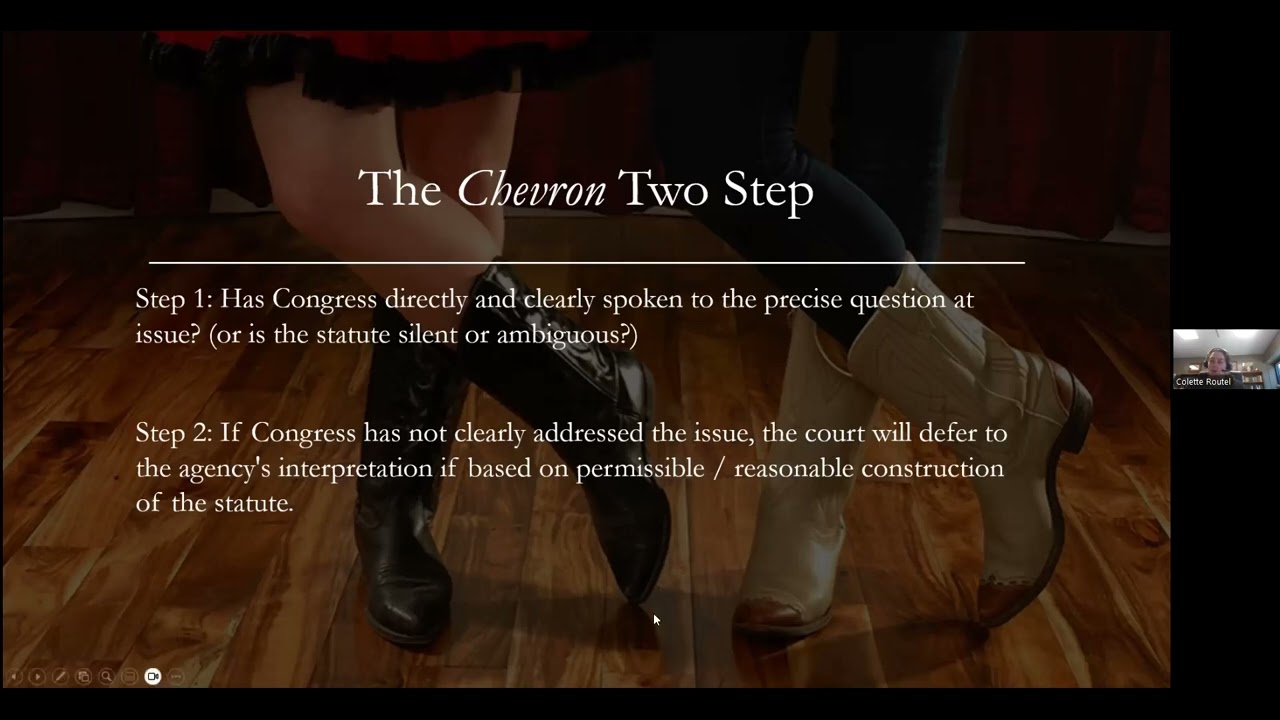
Added:so um let's get right into this video this is particularly important because I was talking with somebody during one of the live sessions that I do on Tuesday and Thursday nights you guys know what I do I go live and I answer questions related to Social Security benefits from anybody that calls in which is spicy very sassy a little bit you know drippy but very Saucy you know I'm put on the spot right there and what I realized was that an individual brought up a Supreme Court decision about how they pulled back the chevron case the Chevron Doctrine and a new one in place and what we're going to be answering today in this video is basically how the Social Security Administration is likely to change as a result of this Supreme Court decision now ultimately a mini baby summary about what this video is going to be be about is what powers will the commissioner of the Social Security Administration likely not have in the future and then as a as a result of that what things are going to change when it comes to your benefits and how courts will adjudicate them judge them in the future so just to give you a basic understanding real quick um as to what happened I pulled up this one article that I liked it was from uh White case.com US Supreme Court strikes down Chevron Doctrine what you need to know so let me go through this in detail I'm going to annotate it like I normally do so you have kind of like a more you know running on the ground understanding practical application understanding what's actually happening at the highest court level because remember you know we have we have District circuit and then the supreme Supreme Court is like that's it top of the morning that's the top right there right the Supreme Court technically is more powerful than any of the other groups in the government but at the same time it is the least powerful of all the groups in the government it's it's one of those weird things where they just they have the power to overrule pretty much anything but at the same time they can just make new rules that then have to go through the process again so super powerful or you can look it the other way they're just a waste of time you know it's either way on June 28 2024 the US Supreme Court issued a landmark decision in ler brigh Enterprises remember that word ler versus Rondo overturning Chevron USA versus national resources defense Council and the federal judiciary's 40-year-old practice of deferring to agency reasonable interpretation of ambiguous federal laws so what that means is that they would allow agency heads commissioners big bosses of these agencies like the Social Security Administration the commissioner to go ahead and figure out what the application of a rule would be when it is ambiguous so if Congress passes something and it's not like on this day at this time this is going to happen but it's more like we want to go in this direction right with the laws in this direction when you do that stuff the expectation under the Chevron claim was that the head of the agency would just create some rules and regulations that would dictate essentially how that rule was supposed to be followed now obviously when you allow the head of an agency to make rules even though they're technically not allowed to really make law what you do is you basically create a situation where the rules and regulations made in that agency tend to be pro- agency anti client or anti- beneficiary or anti you know individual that's interacting with that field which is exactly what happened okay in a 63 decision chief justice Roberts wrote that the Judiciary has the sole prerogative to say what the law is so what they're saying is instead of these highlevel Executives at the agencies deciding how that ambiguous law is going to be figured out what they're saying is well let's just let the judges figure it out in federal court that's what they're saying the demise of Chevron provides new avenues for regulated Industries to challenge their Regulators at the same time the court offered scant guidance to lower courts deciding agency rulle making challenges in a post Chevron World ler remember that's the new rule now ler thus presents both opportunities and risk for regulated Industries and may cause significant uncertainty in the near term put another way this ler the new case the new standard by the Supreme Court is essentially not well laid out out normally when the Supreme Court approaches a totally new standard they're going to give some bullet points as to what they want well not always I mean they they haven't been great at that but again in this instance they didn't put a bunch of bullet points as to how lower judges should adjudicate and figure it out so that uncertainty that you know ambiguous land of how these future judges have to figure it out instead of the heads of the agencies they just threw it on to those judges okay so that's why this is a very tricky situation for the Social Security Administration your disability benefits your retirement benefits your self security income benefits all right let's go through some background on the Chevron Doctrine remember we're talking 40 plus year old well technically 40y old uh situation where the case was decided 1984 uh the administrative procedure act APA establishes a private right of action to challenge Federal agency actions so you can sue federal agencies if you feel that you're right to be in that industry are being violated this is unlike your rights to your Social Security benefits which you technically don't have a right to it's just a tax that you paid because the entire system was codified under the tax provisions of the Constitution which to be fair is how you do it if you're not sure how to do it the right way and you just want to get it through which is kind of what they ended up in that's what they ended up in instead of giving Americans a privatized right to their social security benefits instead what they gave them was a tax with no promises because they said look if we got to change the program and you got to get less we're going to give you less and you're G to have to suck it up and that's basically the problem we have ever since 1937 when the Supreme Court ruled on your benefits all right so the APA gives you right to sue the APA empowers Courts for example to review and invalidate agency action found to be arbitrary or capricious or in excess of statutory jurisdiction Authority or limitations so put another way if they make a rule right if they make a a system if they make a thing that you got to follow and it is either arbitrary capricious or an excessive statutory jurisdiction meaning I mean it was beyond the agency's ability you know the agency was making law law that should have been actually done by the legislator the house and the senator and the president given the sign off right Diana Fernandez thank you thank you for the $10 donation that's absolutely awesome the adorable doggies will love those treats uh we got shadow on the green screen over there and sweetie is right next to the drum kit right over there so that's excellent so um so basically here's the deal final regulations issued by federal agencies through the standard notice and comment rule making are generally subject to judicial review under the APA but in reviewing those regulations courts have typically given federal agencies some degree of difference in other words what they're saying is look you got to post a rule that you want to make the actual rule right if you got a policy you want to put in place you got to post that thing so that everybody can take a look at it and figure out if they want to be with it and then as a result judges after everybody talked about it went back and forth on it all that jazz judges would go okay well everybody kind of looked at it everybody kind of was part of that discussion agency passed it through now it's the new rule we'll follow it to some degree unless we see that there's some egregious issue with it that was the standard we used under Chevron we use it with the SSA in fact one of the new rules that's basically about how they can access what you're paid instantly through payroll for their digital dollar uh sequencing you know that's that's going through the same thing right now the exact same thing most famously in its 1984 decision two years before I was born Chevron us a versus national resources defense Council the US Supreme Court set forth a two-part framework for resolving challenges to an agency's interpretation of a statute it administers okay the test was deferential to administrative agencies in other words the judges leaned back and said agencies figure your out if everybody's on board for the most part we'll go with that okay under Chron's First Step the reviewing Court must determine if Congress has directly spoken to the precise question at issue so first off when they look at this and they're looking to see okay did the agency overstep their bounds what do they do did did this agency make something that was already figured out they look to the legislature and say legislature did you already figure this thing out did you already create the big boy law at the federal upper level right did you already create law that the Administration has to follow if they don't then we go to the next step if Congress has done so that is the end of the matter for the court as well as the agency must give effect to the unambiguously expressed intent of Congress so Congress always wins well technically the Supreme Court always wins but on the little stuff Congress always wins okay but if the statute is silent right if the rule that was made the big rule is silent on something like it doesn't talk about that that little space in between the paragraphs where something popped up there was a problem and now we got to figure out what to do right if the statute is silent or ambiguous ambiguous is tricky because to be fair with you ambiguous that's a lot of different things to a lot of different people but you know a bright line version of that is like you know on this day at this time this must happen for this amount versus we want the agency to accomplish these tasks and then they cut it off at that ambiguous not ambiguous we know exactly who what when where and all that jazz we know the parties and we know the direction but we don't really know the details that's the ambiguous okay okay so but if the statute is silent there's nothing about this problem in it we don't know how to fix it from what Congress gave us or ambiguous with with respect to specific issue then the reviewing Court proceeds to ask whether the agency's answer is based on a permissible construction of the statute in other words can the agency make some some little little in between law like the law that's kind of like in between what Congress was talking about okay super thank you D to Diana Fernandez you gifted a membership which is absolutely awesome I super appreciate those memberships guys um all the all the things that you guys do are are super appreciated um a little side note just so you guys know the SSA is not doing super financially well um it's it's a sad thing I'm going to tell you something I probably shouldn't tell you the SSA hasn't paid the law firm for two months any checks of a lot of claims that we won um they're just in a very bad spot so it's one of those things where literally uh for the past month uh the law firm was actually subsidized by the YouTube channel which is just Insanity absolute insanity but when people question like where's the SSA at on how they're doing bad like very bad commissioner Martini is doing an amazing job but he was literally handed unfortunately the Titanic ship as it was like Midway down on its way to where it would rest forever kind of gig so I think he can float it though I think he can float it uh s Maguire do9 donations super appreciated um oh okay so I'm gonna do a whole thing on the 1937 Supreme Court uh decision so um let me let me answer that question that you had there when I do that video because I actually have that as a side video where I've got like a word doc that I go back to every week and um it's it's an interesting read it really is it's not an easy read either it's kind of like reading the Bible it's not an easy read okay so let's go into this in the Second Step the Court's inquiry is whether the agency has adopted a reasonable in interpretation again reasonable super ambiguous term like what's reasonable not whether the court would have adopted the same interpretation and the absence of administrative interpretation so what they're saying is the question before was did the agency do the right thing and make up a mini law that everybody was like yeah that makes sense or right could the would you know would the Court have adopted the same interpretation with the would the judges have figured this out in the same direction and done this thing because remember if the judges come up with a new Direction and a new way that the test has to be done technically they're making law even though they'll always say it's not my job to make law although the higher judges and we start to get you know right below justices and into Justice land they they make law all the time okay Chevron rests on an inference of legislative intent saying I guess that the agencies have the ability to make law which a lot of people especially when the EPA comes up people get very upset about agency's ability to make law because a lot of people feel that they don't have the well technically Constitution wise they just don't really have that you know although and that's the thing is it worked with this right because think think about it in law there's what it says and there then there's like what everybody does you know what I mean to make it work that's how it works that's and that's how that's how it worked for a long time that's how we did it you know we have that with our hearings we we have the rules and then we we do the procedure as we know it works best that's just how it is you know that judges get very very frustrated with a lot of people that are unrepresented when they walk into that hearing office because they don't know and they don't know how it's supposed to go they know some generalized rules of where it's supposed to go in a direction and then they don't follow the way it's supposed to be done based on the culture of it so it's very tricky situation okay so the Supreme Court had presumed that Congress when it left ambiguity in the statute meant for implementation by an agency understood that the ambiguity would be resolved first and foremost by the agency and desired the agency rather than the courts to possess whatever degree of discretion the ambiguity allows because you know it makes sense right you let the court figure out essentially like like you know well sorry it makes sense you if the agency has a head to it that head right the boss the commissioner whatever is probably gonna know the the system really darn well right or it could just be a figurehead but they're probably going to know what the hell they're doing and they're definitely going to have a bunch of attorney advisers telling them you could do this you could do this you could do this you could do that right so the likelihood that you're going to end up with a good you know move a good baby law out of the agency was pretty high the problem though is that they would get off track and then when they get a little off track they got greedy and then the agency kept making decisions in the direction of what's best for the agency and not what's best for those people interacting the the US citizens who are interacting with that agency and that's how we got and that's how Chevron was killed off that's literally what it was the the government the agency it got greedy very greedy Dian Fernandez thank you for the Nation that's awesome I super appreciate it that's very very cool now here's the deal the presumption is especially strong for statutes where Congress has explicitly left a gap for the agency to fill I would even say even farther than that even further rather sometimes the Senate and the house and the and the president who signs off on it will actually leave a provision in there that says you can go ahead and create agreements where you're doing this thing in that direction right like what the SSA has with their future agreements with payroll companies you know on this whole digital dollar idea to expedite the likely of knowing if you're earning over sgaa and then immediately cut your benefits off right that's that's the whole idea there and that the Congress allows them to do they wrote it into the rule okay now with that said in such cases there is an Express delegation of authority to the agency to elucidate a specific provision of the statute by regulation and any insuring regulation is binding on in the courts unless procedurally defective right so so basically if there's something legally wrong with it it can't be applied properly we can't do it the court has to step in and say whoa whoa whoa whoa whoa you made a rule we we're not going to use this because it is you know basically procedurally defective okay so if it's procedurally defective arbitrary or capricious in substance or manifestly contrary to the statute so like whatever the intent of Congress was if they come out with something that's like not in line with that courts are going to knock it down they're going to knock down the rule made by the boss of the agency is say no bad agency head you made a shitty little mini law okay the you okay so let's go talk about what just happened with the new rule is then we're going to talk about the SSA and things that could change inside the SSA the US Supreme Court's 2024 Loper decision so we had Chevron was 40 years old 1984 2024 right and now we have ler Chevron over ler the new standard all right the ler decision arises from two cases applying Chevron in the commercial fishing industry now remember commercial fishing is big money is Big Saucy money right okay now two sets of fishing companies challenged a rule issued by the National Marine fishery service okay so our agency here that did a did a bad thing they did a whoops is the national Marine fishery service okay which required vessels the ships the boats operating in the Atlantic Herring Market boats fishing for Herring to pay for a government certified Observer during their fishing trips to pay for a snitch to sit on their boat during the whole thing and the snitch wasn't cheap okay applying Chevron the district court in each case rejected the company's challenge to The Observer Rule and granted summary judgment to the government panels of the US court of appeals for the DC circuit and First Circuit affirmed it so just to clarify the district court was like voters too bad sucks for you buddy you're going to have to go ahead and let the agency just create whatever rules it likes then the Circuit Court came around said you know what we agree with the district court sucks for you you're going to have to pay for that snitch to sit on that boat and make sure you don't do anything illegal you want to go out and have fun during Herring season you got to pay our guy and feed our guy to hang out with you during that process although the feeding part is you know here there okay the US Supreme Court granted sersari now when when the Supreme Court grants sari you know it's going to get Saucy because they're looking at this thing saying h is it time do we over you know do we take the old do we change do we modify what are we going to do with this and that's where the Supreme Court can sometimes come in like this and basically create new law okay so Supreme Court granted sari in both cases on The Limited question of whether Chevron should be overruled or clarified real quick uh thank you to Tiffany Ray uh really really appreciate it putting a little star there putting a little heart there uh for the 999 donation that's absolutely amazing very very cool the US Supreme Court held that Chevron was officially overruled okay overruled writing for the six Justice majority chief justice Roberts reasoned that judicial deference to agency rulemaking under Chevron was incompatible with the Court's fundamental duty to interpret the law put another way when congress makes laws if they're ambiguous if they don't detail them enough it is not the job of the heads of the agencies of the heads of the administrations to figure out what to do in between it's not it is the requirement of the courts to figure out what the hell Congress actually wanted done now are the agencies still going to do like their thing are they still going to make stuff up and yes of course but it's going to go to the judges in the future and the judges are going to figure out whether or not the a agency is doing the right thing they won't just summary judgment this thing and say no we leave it to the agency head no we leave it to the commissioner they're not going to do that in the future in the future they're going to review it and figure out if it should be applied Diana Fernandez with the dollar donation very very cool that's awesome very very nice so the Court's traditional interpretive rule okay the role rather the courts began its analysis by emphasizing Court's traditional role to say what the law is according to the court the framers right the old people who wrote very impressive and very important documents Envision that the final interpretation of the laws would be the proper and peculiar province of the courts so the courts are the Island of Misfit laws that must be reviewed they must go to them they must turn them on their side tickle them a little bit and see if they prop ER if you don't tickle them you're not going to get all the little things out of them it's important okay so with that said in executing their traditional interpretive Duty courts accorded due respect to the executive branch interpretations of federal statutes particularly where an executive branch interpretation was issued roughly contemporaneously with enactment of the statute and remain consistent over time so put it another way just to like simplify what's happening here the court said you know what we weren't actually doing our job our job is to like figure out if these are proper rules we were just summary judgment and these things we actually need to look at them at the lower federal court system because if we don't then we're just letting the agency continue to pass laws that are beyond the agency's actual legal right to pass laws but this difference and respect were not absolute and could not supersede the judiciary's duty to interpret the law so put another way that's the legal way of putting it the agencies now cannot de facto create law when the statute passed by Congress was missing stuff or ambiguous cool you guys got it the court underscores its conclusion by pointing to the New Deal era of expanded administrative rulemaking even there the court explained courts did not defer to agencies on questions of law they instead applied the test set out in the Supreme Court's 1944 opinion in Skidmore V Swift and Company under the so-called Skidmore Doctrine a court could defer to agency interpretations of the law depending on one the thoroughness evident in its consideration and two the validity of its reasoning right did it make sense was it was it you know was it good three its consistency with earlier and later pronouncements like what was the culture before where do we want it to go and all those factors which give it power to persuade if lacking power to control all right a little bit of fanciness with the the legal mishmash there but the bottom line is they looked back in time and said you know what the courts they have a duty and they weren't doing their Duty and their duty is to interpret these you know laws and figure them out as to how things should be done so this whole thing is about does the court go ahead and automatically say no the commissioner of the SSA is always going to be the rulemaker for the in between rules when they're reasonable or do they automatically say nope we're going to look at it we're going to figure it out and we're going to see if this rule makes sense that's what this is about Do the courts shut down and say no commissioner do what you want or do they look at it and they do they do a full analysis of it Chevron cannot be reconciled with the APA this is an important part too okay we're almost to the part where we go through specifically the SSA and how it's going to change benefits and things like that and please remember to like And subscribe if you enjoy these videos where we go through them and then you understand how the SSA of all places is going to be affected by them now the court also identified an irresolvable irresolvable conflict between the APA and Chevron the apa's judicial review provision states that courts shall decide all relevant questions of law interpret constitutional and statutory Provisions constitutional big law framing law statute statutory Provisions smaller law get stuff done law practical application law and determine the meaning of applicability of the terms of an agency action so bottom line is the APA says judges you need to start working more and figuring out if the agency is trying to hurt the people thus consistent with the judiciary's Trans TR traditional interpretive role the APA requires courts to exercise independent judgment in determining the meaning of statutory Provisions now that sentence is the most important thing if you learn nothing from this video other than this I want to read it to you again and then explain really quickly why that's the most important sentence you could have in this entire video the APA requires the courts District Court Circuit Court Supreme Court the APA requires the courts the judges to exercise independent judgment in determining the meaning of statutory provisions of what Congress created that's the most important part independent judgment what is independent judgment well it's not what the commissioner or the agency head would have they're going to pass and put in place whatever they think is going to work best for the agency they're not going to pass and put something in place that is proclaiming pro beneficiary no they're going to go ahead and pass what's easy for them to apply and sucks for the American that's the problem that's why the courts have to use independent judgment in determining the meaning of the statutory provisions the court expressly disagree with chevron's presumption that statutory ambig ambiguities are implicit delegations to the agencies saying hey look for 40 years we may have been doing this wrong we shouldn't have given all that power to the agency's heads the agencies aren't really supposed to create law we got to pull back from this an ambiguity wrote the court is simply not a delegation of law interpreting power and courts routinely confront statutory and ambiguities in cases having nothing to do with Chevron more fundamentally chevron's presumption is misguided because agencies have no special competence in resolving statutory ambiguities courts do now where it gets Saucy the big problem that we're going to be going into a little bit later is that who trains the judges that work inside the SSA because you know when read this you would think wait a minute okay they're saying more fundamentally chevron's presumption is misguided because agencies right like the SSA have no special competence in resolving statutory ambiguities but yet the SSA employs a crapload of Judges so they should have to some degree some competence in resolving statutory ambiguities right what they're saying here is they don't want the agency and that agency's judges deciding what the rule should be because the agency's judges have the potential of bias that could potentially create rules and regulations not originally passed by the Senate and House that would be anti- beneficiary which is what happens which is what happens now I know what you're wondering well those judges at the SSA have to be neutral and impartial people applying for disability benefits right now a good chunk of them would say not right they would say no they're not absolutely not but I then asked you well who trains the SSA judges it used to be a neutral group it's not anymore the person who tests to see who should become a judge literally tests them gives them a physical test meets with them does interviews with them are SSA Personnel the people who test them along with the group are all overseen by SSA personnel so in other words the boss of the judges is the agency which means these SSA judges really could never be totally and completely independent judgment in determining the meaning of statutory Provisions okay now with that said Chevron undermines the rule of law in the concluding sections of the opinion the court criticized chevron's inconsistent and unworkable framework for instance the court reasoned that the defining feature of the Chevron Doctrine is the identification of statutory ambiguity but the concept of ambiguity has always evaded meaningful definition because like how the hell you gonna you can't Define ambiguity because ambiguity is like undefinable that's the whole point of it we don't like if something isn't defined enough it's ambiguous well how do you define something that's ambiguous well because there's not enough in the writing for us to know what to do we don't know what to do so you know what I mean that's that's why we can't Define it moreover the court cited it's constant tinkering with the eventual turn away from Chevron the court had not decided the case under Chevron since 2016 as well as chevron's inconsistent application by the lower courts in the Court's final analysis Chevron was a Judicial invention that required judges to disregard their statutory duties and the only way to ensure that the law will not merely change erratically but will develop in a principled and intelligible fashion is for us to leave Chevron behind accordingly the Supreme Court overruled Chevron what do you guys think do you think a agency head should have the ability to create many laws where Congress was not very detailed or potentially ambiguous or didn't write anything about that particular situation that might pop up what do you think do you want to leave that up to an impartial judge or the agency head I would say impartial judge what's next ler marks a Monumental shift remember that name ler in the respective roles of Courts and executive agencies in the interpretation and implementation of federal law while there are many unanswered questions we expect the following immediate impacts effect on other Chevron cases ler expressly refused to call into question the thousands of decisions that have relied upon Chevron to adjudicate APA challenges to Federal Regulations these decisions May rep remain in place for now but you know that there's going to be a massive massive like everybody that had a problem with one of these like the EPA or this group or that agency or whatever you know that every's going going to be suing these agencies now to get the rules changed Skidmore different survives under ler courts must exercise their independent judgment in reviewing agency regulations however the court left Skidmore Defence in place under that Doctrine courts may still defer to an agency's interpretation of a statute if the interpretation has the power to persuade in other words the judges can keep what the agency did if it does doesn't suck because if it's good and it makes sense and we're like yeah this works this is this is practical let's use this let's use this right the boat's going to go that way so we're g go that way right if it makes sense they can still use what the agency came up with a new form of deference for Express delegation of authority it is unclear the extent to which ler will impact agency regulations promulgated pursuing to express delegations of authority by Congress so in other words what they're saying is we don't know exact where this thing is going to go which which means that somebody will sue one of these old Chevron cases that was decided under Chevron and the courts will start to go ahead and chisel out how this Loper Doctrine will actually be applied you'll see decisions from district courts circuit courts but it'll make it up to the Supreme Court okay the court explained that while it is the Court's duty to interpret Federal statutes the best reading of a statute May well be that the agency is authorized to degree uh to exercise a degree of discretion so what they're saying is sometimes the court may allow the agency to create some law okay in those cases the role of the reviewing Court under the APA is as always to independently interpret the statute and effectuate the will of Congress subject to constitutional limits ler explained that courts fulfill their judicial function in cases like this by one here's element one one recognizing constitutional delegations of authority right who's supposed to decide what two fixing the boundaries of the delegated authority how much power does that person have versus that person right because in this case it was SSA Commissioner versus essentially the Supreme Court right so the the Chief Justice right okay three ensuring the agency has engaged in reasoned decision making within those boundaries okay so what they're saying is they really need to dig deep drill down and figure out what would be the best thing what would be the best mixture of how the agency could potentially apply this Rule and then also what would be the best thing for the American citizens who have to deal with this rule the court did not explain however if this is a different test than the judiciary's duty to say what the law is and if it is when it should be applied open doors to challenges we anticipate a significant uptick in new lawsuits challenge in agency regulations across sectors it remains unclear however how courts will apply ler in the context of particularly statutory schemes and without more specific guidance from the Supreme Court what they're saying is the really simple thing here is that bottom line when it comes down to it you are going to see a crapload of lawsuits started especially against the EPA because the EPA made it really expensive to go ahead and access natural resources we're talking about Oil we're talking about trees we're talking about fish it made it super expensive to access those resources and then sell them and make money so expect a ton of lawsuits to start coming down with that now with that said I want to go through some basic things here um there is an issue that I see with the SSA and I think it's a very crucial issue that I hope you understand with it there's been a movement by higher federal judges federal judges I'm going to read you the article just a portion of a very small Portion by Aragon Greg May 25th 2023 federal judges have found fault with almost 60% of disability cases that have been appealed to them in recent years the highest rate of rejections in years according to the Washington Post analysis the finding suggests that the Social Security Administration is making significant errors in its initial assessments of disability claims which can have devastating consequences for people who are denied benefits and are unable to work but we know the SSA does this because basically If you deny people at the very beginning there's not as many who are likely to appeal and if they don't appeal the claim dies we don't have to pay them benefits that's the reality here okay in many cases judges have found that the social security officials have ignored key medical evidence failed to properly assess whether claimants can work and made legal errors Bottom Line This is what Weiss had to say the system this is stepen Weiss Regional managing attorney uh for a Bay Area Legal Aid in Oak California the system is broken people are being denied benefits that they're entitled to and what this article is about just to kind of summarize it real quick is that a lot of the decisions made by these administrative law judges for social security benefits are not setting up a system that make sense to another judge down the line so when they make this decision and we're like okay this is their decision they wrote up the decision the the judges at the district court and the Circuit Court are looking at this case and saying what the hell how did they even arrive at this decision what was the systematic approach that they used for this and that's the problem that's where the breaking is the system is not definitive enough with a lot of specifically vocational allowances specifically vocation allowances all right so you guys know and this is an important part of the video that the SSA has a crapload of law a crapload a law okay Title One grants the states for old age assistance for the age title two uh that's your retirement survivors disability insurance benefits your SSDI benefits title three grants to States for unemployment compensation Administration title four grants to States for Aid and service to needy families Title Five maternal and Child Health Service block grants title six General Provisions uh sorry sorry Title 11 General Provisions peer review and administrative simplifications then we got 16 title 16 everybody knows is supplemental security income that's your SSI title uh 18 health insurance for the age and disabled right your Medicare title uh 19 grants to states for medical assistance programs that's your Medicaid right and then Title 20 block grants to States for social services Social Security Social Security Options things like that there is a crapload of law out there I mean a massive amount of Social Security Law now with that said this new rule where we switch from Chevron to Loper where we say the courts have to figure out if the agency is screwing over the American citizen what's going to happen is this we're going to see a lot more lawsuits from attorneys just like me who will basically go ahead and create uncertainty on behalf of the agency's authority to create laws that are currently in use that they created that were not you know outlined by the Senate and the house when they actually passed the statute as a result of that right what's going to happen is we're going to see a lot of new decisions coming from higher courts related to Social Security benefits which is a good thing it's a very good thing we're going to see a lot of Judges learning the system of Social Security benefits at a much higher level so instead of having individuals like judges that were like uh another disability claim at the federal district court oh another disability claim oh another one no no no no no now they're going to be forced to learn in more detail what the SSA system actually is which is a good thing having more Highly Educated judges at the higher Federal levels all the way up including basically those judges who are you know justices that's a good thing getting more education on what the SSA is doing to the American citizen at the higher Federal levels huge thumbs up huge thumbs up policy implementation challenges the ssa's ability to just do what they want to remove regulations to put regulations in those days are over a lot of the attorneys are going to be able to sue the SSA specifically the commissioner to make them answer for why they did something that was anti- claimant we are now entering that world the impact on the beneficiaries some of let's just be straight with this I'm not gonna some of you are thinking this is amazing there's no drawback there's a huge drawback and the drawback is when we let the courts decide something when we let the courts figure out what the rule should be it slows down the process when the agency wants to do a rule they set up a review Council they let people comment and then they and then they make it happen you you've seen it with commissioner Martin Mali he's he's got things that were on the the bench from commissioner kikazi and he started popping those things out when he got in he's like cool looks good everybody's on board pop it out next one next delegate okay pop it out next rule out get it out there he's getting it done quickly those days are limited because the SSA is going to be more scared with releasing ideas because they know in the future the courts are going to have to decide whether or not that rule was fair to the American citizen or just a rule that's going to promote the SSA and make the SSA happy so the goal of the SSA being more efficient internally not have to spend as much money on each claimant not have to legally give as much benefit to the doubt or of the doubt to the recipient of benefits like the days where they didn't have to do that stuff they're over they're over this is a huge decision that is very good in the direction of essentially Social Security benefits however there is one thing I'm worried about there are couple of ways four main ways to be found disabled right you got your your compassion allowance listings defines exactly what you have to have then you're found disabled then there are your listings right okay so it's a it's an impairment little bullet points you have that equivalent to that or worse than that boom you're found disabled right and those are bad remember like you know the the The Compassion allowance listings are extreme that means like bed bound you you have a clock on your head as to when you're going to pass away that kind of stuff listings you're maybe not bed bound but you're pretty bad and I always talk about the amputation one because to me severe is very bad amputation they want both hands or both feets or one of your legs and half your hip I mean that's pretty damn bad you know to be considered to say that's pretty bad that's pretty darn severe that's their standard for severe now then there's the grid outs if you're older right you don't have as much education or you don't have transferable skills that are useful into a new job you can be found disabled right that one's got a little bit of a you know block approach like you know you're in the sheets of Excel and you can see this plus this plus this plus this equals not disabled but this plus this plus this plus this equals disabled cool however the one I'm worried about the one that I think is going to be a little bit of a show if you will are the vocational allowances vocational allowances are kind of like your last resort of being found disabled it's where we know one impairment isn't severe enough it's where we know de facto that you're not old enough and you don't fit in the Grits it's where we know that that we have to look at all of your impairments totality of all your impairments and how they limit your ability to get a job that's a full-time job now you might be sitting there thinking what's the oh hey no problem here sounds pretty good to me but here's the problem every claim of a vocational allowance is very ambiguous it's super ambiguous like how the judge decides well you know yeah okay right so so some of them are not all right let me give you this some of them are not ambiguous because they have multiple RFC documents physician notes that say like what you can do and they're all consistent and everything is super cool and they're like ah easy decision easy peasy right they've got the doctor's notes they outline your lifting capacity your ability to you know get along with others you know learn new functional tasks show up on time act appropriately man it's all outlined you're good to go that's rare though because most won't fill those out and the doctors that will nowadays money money money kind of gig so they know most people can't get those which is a really weird unfortunate bias against the poor when seeking disability benefits now my point with this is why this is incredibly important is that when it comes to vocational allowances the main focus is element four and element five can you do your past work can you do other types of work now they just changed the rule right June 2 second where they don't care about what you did in the past 15 years they only care about what you did in the past 5 years so that's interesting but here's the thing I think this is important the problem is that when you get to the magic part of the decision and the magic part of the decision is with all of the medical documents that are there okay with all the administrative vocational legal financial documents that are in the file right abdf the C folder they use internally it's it's not used by everybody at this point but abdf right from that how do you figure out right if somebody is disabled enough to not be able to work a job that's full-time how do you make that a perfect every time solution where it's not ambiguous you don't the person on different categories is going to fit into uh zero to onethird of the time of a work day they could do that thing or onethird to twoth third of the time they could do that thing or 2third to you know the whole time that they're at that job they could do that thing that's the system and the system is it's not good it's it's super ambiguous so I do feel that if they go to better Define that system in the court system with the federal judges not with the SSA we might end up with something that is much more specific which means that that wiggle room where the judges who like the claim in yeah okay I think they're severe the wiggle room would slowly evaporate now let me explain to you why this is potentially going to happen and be bad back in the day go back 20 years go back 30 years Go Back 40 years the disability judges were much more liberal they didn't used to use way back in the day vocational experts they just said okay I think this person couldn't work I even had judges that were so old when I started my firm that they did not use a vocational expert it was a different world then thank you Anna hemple that's awesome thank you for the $4 donation that's absolutely amazing very very cool so the point with this is that unfortunately we have gotten more and more and more aggressive at denying claims and judges and these judges they just continuously become more and more aggressive at denying and denying and denying claims in fact we're at the point with the law firm where we're going to have a discussion tomorrow about whether or not we're going to only accept claimants that are over that are 55 and older or if they're younger they have to be VA people you know Veteran Affairs people you know prior prior you know soldiers because the SSA is becoming so aggressive at denying people that even the 50y olds are getting some weird decisions now so what's happening in this transition is that the SSA is becoming more and more aggressive at closing the doors that allow people to access those benefits supplemental security income benefits uh disability insurance benefits so what you're seeing is the numbers for disability applicants and SSI people basically for disability benefits of Those portions going down and you see over a 100,000 people on SSI benefits coming off the program they have not by the way produced any documentation as to how many non-citizens have gotten gotten onto SSI benefits since December of 2021 so you know that they're hiding something and you know that it's not good you know the amount of non-citizens going on to SSI benefits has skyrocketed which just so you guys all know comes from the general tax funds the a lot of the same funds that they were using to sometimes pay Ukraine the point is and I always love that it's like we should make sure Ukraine has a proper border and people can't get into it and then on the other side you know you got Biden he's like you know what let's get some welders we're going to weld those gates open it is time to make this good for people and his good for people is unfortunately uh allowing anybody to really cross into the border it's it's scary it's very unique it's I don't think we'll see that in the future the point is with this whole thing and I think this is incredibly important in the future it is the direction of America that wants to reduce the amount of people on disability benefits think I'm wrong how many people do you see screaming in the comments about oh I know this fraudster I know this person I don't think they're that severe I don't think they're that bad I can't see their you know impairments I can't see their conditions so surely they must not have them it is the direction of the American people which is the direction of the executives we put in place which ultimately can affect the Judiciary with deciding how open the doors are for an agency to release those benefits to grant them right Melissa y thank you thank you for the $20 donation that's absolutely amazing really super duper appreciated that's awesome so the point is with this I am worried about future courts giving very specific elements to vocational allowances because at this point we have a wiggle waggle system the judge could wiggle waggle and say yeah they could do a job the judge could wiggle waggle and say no I don't think they could do a job and that's the vocational expert portion of the hearing that's at the very end right you have the intro the examination cross examination of the claiming then you have the vocational expert portion with the hypothetical questions then you have the outro so the vocational expert portion the judge asks the vocational expert hey could this person could a hypothetical version of this person do this this this this and this vocational expert says uh no they say hey could are there any jobs exist within this hypothetical and the vocational expert goes well there's this this this job okay what if we what if we make the hypothetical person more disabled what if they couldn't do this this or this hyp and the vocational expert goes well this job was still exist but these two jobs wouldn't exist and then the judge goes what if they're 15% off task what if they're 20 you know uh 20 days missed for the year blah blah blah blah blah oh work preclusive there's no jobs there's no jobs there's a lot of wiggle room in there a lot of wiggle room how the judges can decide if somebody should be found disabled if you make vocational allowances very rigid you're not going to like it because there's no way to magically every time get it right and say okay we got this impairment this impairment this impairment this impairment this impairment this impairment take them all throw them in the pot we're making a soup the soup is the disability soup is this soup moderate in limitation or severe enough in limitation there's no way to magically make that work but if you start adding really specific Niche really specific elements that have to be met none of you are going to like that because that wiggle room is going to disappear and then all of a sudden it's going to make it significantly harder for people to be found disabled all right also just a little side note I think things are getting spicy for these judges uh Florida bar just released basically their newspaper uh federal judges grapple with escalating threats let me just read to you a real quick thing because what's happening is last year 457 federal judges were targeted with credible threats 150% incre from 2019 according to the latest US Marshal Service figures bottom line is political figures as you may have seen are in a lot more danger than they ever have been and it's very unfortunate what happened to Donald Trump um I feel terrible that this situation happened to him um and I hope that he heals up well getting hit with bullet is never an easy situation um I was personally unfortunately shot at in Colorado one time and it was a horrible horrible feeling because the bullets were literally bouncing off the bank where I was I was in this little um this little ditch thing on the side of the road because you know in Colorado the roads are built and they have like a big ditch right next to all the pieces of land and uh just you know shooting that rifle right and it was just crossing right in front of me and they were bouncing and when it happens it's a horrible experience because there's these little death things and you can't actually see the bullet it's just little puffs of of dirt that pops up from where they're shooting at you what happened was one of the neighbors over there uh who was a a chaplain for the local jail saw me with a camera where because I was just shooting some stock footage you know and he was like oh I'm gonna get this guy this guy's probably with the tax department you know shooting basically footage of me you know basically on my land my land's going to go up and I'm gonna have to pay more taxes so uh bottom line was horrible experience for me and um but it happens and with that said US District Judge Thomas Barber was impressed with some of the perks that came with his new job including a free home security system when he left the state bench to serve in Florida's Middle District 5 years ago we Al we also get a service called delete me that gets our name taken off the internet and it's paid for he said we have an an office in Washington whose only job all day long is judicial security which of course they need it because people don't always love judges because the decisions they make are not always things that they love especially in Family Court especially in Family Court last year 457 federal judges were targeted with credible threats 150% increase from 2019 Barbara and chief US District Judge Timothy Corgan say the increase is being felt in the sprawling Middle District which serves more than 12 million Florida residents with cour houses in Jacksonville alala Orlando Tampa and Fort Meyers let me just tell you this Florida specifically Central Florida got a lot of Californians it got a lot of New Yorkers it got a lot of homeless individuals it got a lot of people who basically are acting up and as a result of that we are seeing more aggression towards doctors more aggression towards attorneys more aggression towards judges difference is the judges get people who basically will go ahead and do security for them there's a bunch of provisions and things like that they're figuring out ways to give them more security because judges are unfortunately being targeted in horrific new ways but remember you don't ever want this happening because it can potentially bias the judges against the American people which you are always on the side of whether you like it or not you're stuck on that side you're stuck on the side of the American people you want them to lean in your favor based off of your needs so with that said I hope you enjoyed this video please remember to like And subscribe head on over to Google and type in disability resolution Law Firm or disability resolution Florida throw some Stars up there I always appreciate those reviews I will catch you a little bit later but please remember I go live on Tuesdays and Thursdays to go ahead and answer calls usually at night around 10 or 11 pm on YouTube where you get to call in and I answer the questions for free with that said if you need me for a full hour and this is a super popular thing I do private sessions so you can hire me for one hour the little mini contract is below a lot of people use them for preparing to transition from work to the benefit system you know LTD benefits SSDI benit benefits getting ready for a hearing because they can't get a hold of their other attorney which is always ironic or all kinds of things you know oig is chasing them down or and we have coming up some actual video footage of law enforcement officials interacting with the disabled that we're going to be posting up on this channel so a lot of those people who are like they would never do that to a disabled person we have the videos we have the body cams we have the cell phone and we're going to be posting those things on this channel so that you can actually see it for your own eyes I will catch you all a little bit later you have a wonderful night and please take care of yourself attorney Walter not I'm going to be doing one more video after this but give me about 15 to 20 minutes and we'll catch up then thank you so much all right bye- bye everybody bye bye
Up Next

Police Interrogation Tactics: False Confessions & Legal Reform
@LastWeekTonight
7M views•2022-04-18

US Secondary Sanctions Impact on EU Businesses and Blocking Legislation
@Bureauvandijk
1.6K views•2019-03-20

Forensic Phonetics: Speaker Identification in Legal Cases
@nptel-nociitm9240
539 views•2025-03-19

Trademark Law: Commercial Use of Landmarks and Legal Boundaries
@TomScottGo
6.7M views•2015-11-02
Related Study Plans & Knowledge Roadmaps
Structured learning paths in Law