























The debate over cultural repatriation centers on whether Western museums should return artifacts looted during colonialism to their countries of origin, with arguments ranging from moral obligations to return stolen heritage to concerns about preservation and universal access; the discussion highlights that unique artifacts with spiritual significance to specific communities should be returned to their original context, while other items may remain in museums for broader educational purposes, and that museums must acknowledge the colonial history behind their acquisitions rather than presenting them as neutral cultural treasures.
Cultural Repatriation: Should Museums Return Artifacts? | Debate
Added:The history of Western imperialism and colonialism, specifically how European powers acquired cultural objects during the 18th to 20th centuries.
The concept of 'provenance' in art history and museology, which refers to the documented history of ownership and custody of a historical artifact.
The historical purpose and evolution of 'encyclopedic' or 'universal' museums (such as the British Museum or the Louvre) as repositories of global human heritage.
The basic principles of international cultural heritage law, such as the 1970 UNESCO Convention on the illicit transfer of cultural property.
In-depth analysis of high-profile case studies in repatriation, such as the Elgin Marbles (Parthenon Sculptures) and the Benin Bronzes.
The legal and ethical implications of the Native American Graves Protection and Repatriation Act (NAGPRA) and its impact on domestic museums.
The emerging field of 'digital repatriation' and how technologies like 3D scanning and virtual reality are being used to share cultural heritage.
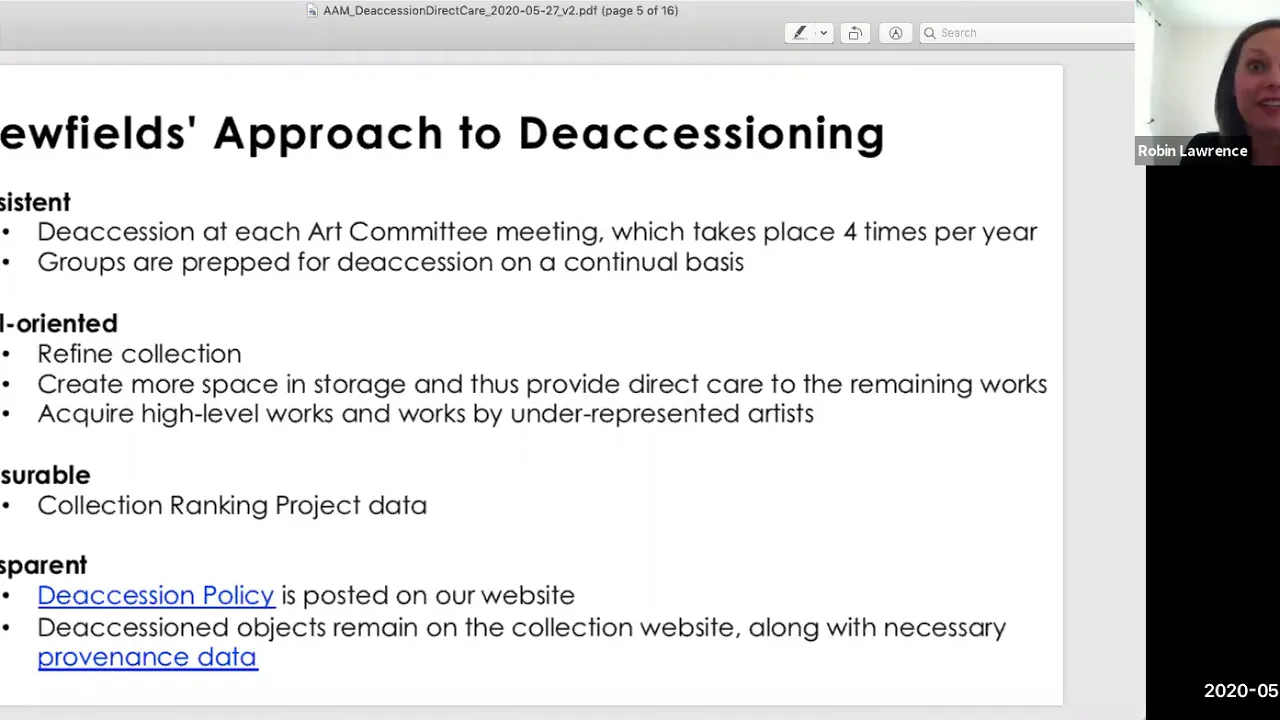
The study of institutional 'deaccessioning' policies, examining the legal and bureaucratic processes museums must navigate to remove items from their collections.
The philosophical debate surrounding 'cultural cosmopolitanism' versus 'cultural nationalism' in the stewardship of global history.
7.3K views67likes37:29Original Release: 2015-04-28
Hi, I'm Femi K and you're in the stream today. The right to own a piece of the past. We ask, should the museums of the West return cultural artifacts to their native countries?
This is a hot topic in the museum community. How is it doing amongst our community? Malikica Val, digital producer. What are people saying? It is also a very hot topic. I learned a lot doing the research for this show. So, let's test our knowledge. I I like the word let. Right. Okay. So, how many items do you think the British Museum holds that are from originally from indigenous Australian communities? Sure.
Well, I've been to British Museum. I know that what they have out on show is just a little tiny bit of what they have behind the scenes. So, I'm going to say about 3,000 artifacts. That's a good educated guess. So, we'll take a look at our app to get the answer. Of course, you can do this at home, too. The actual answer is 6,000. There are other fun facts like that in the app. And of course, we want to know what you think about all of this. Use # AJstream. Now, joining us here on the set, we have Mark Mazeroski. is an art historian who works toward repatriating looting looted artifacts. He's also the co-founder of the Holocaust Art Restitution Project.
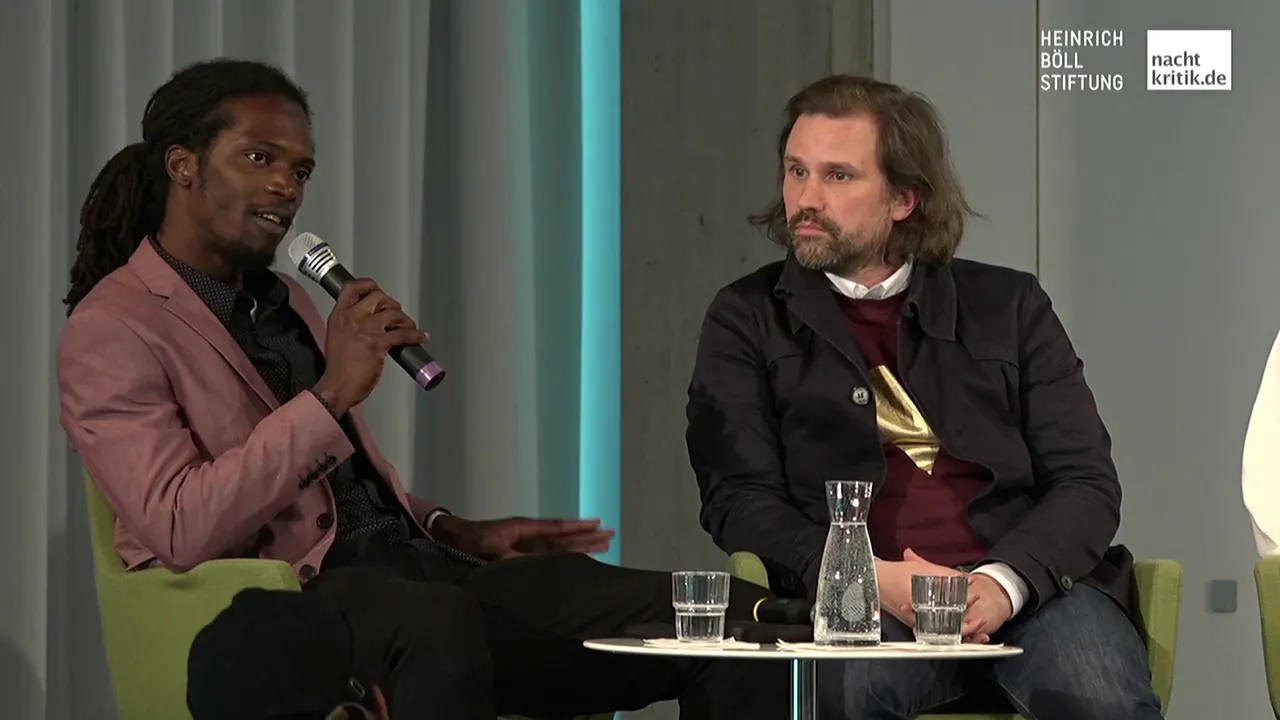
Mark, it's great to have you here. Well, thank you for having me. We're going to pick your brain in just a moment, but first, a little bit of background on this particular issue. Millions of people each year visit the world's major museums to explore cultures of the present and past. Whether you're at the Louvre, the British Museum, or the Metropolitan Museum, you're bound to see items that were looted under colonialism or Western occupation. Now, more countries and cultural groups are asking for the return of what they see as integral pieces of their heritage. In the British Museum's newest exhibit on Indigenous Australia, Aboriginal activists are demanding the return of several artifacts on display. Disputes over who should own cultural property have also involved Greece's famous Pathon marbles, sometimes known as the Elgen marbles, Egypt's Rosetta Stone, Anorax Ishtar Gate to name a few. So, should cultural artifacts return to their home countries or be left in Western museums? With us to talk about this, we also have via Skype in Victoria, Australia, Gary Foley. He's professor of history at Victoria University. Also in Victoria, Gary Murray. He's a spokesman and elder for the young belug indigenous clan in Australia and in Athens. Elena Corker is director general of antiquities and cultural heritage in Greece. She's also a member of the international council of museums. So good to have you all here on board everybody. I'm going to start on my laptop. These are particularly uh relevant here to Gary Foley and also Gary Murray. Have a listen to this little promo for what's happening at the British Museum right now.
My ancestors have been in this country for over 60,000 years.
[Music] Enduring ice ages, droughts, and colonization.
Enduring as a civilization.
Enduring for future generations.
[Music] The BP exhibition, Indigenous Australia, Enduring Civilization, opens at the British Museum in April 2015.
See, Foley, when I see that, I'm just thinking, "Wow, that that's exciting.
The visuals are amazing. This is at the British Museum in London. Not too difficult for me to get to. When you see that, what comes to mind?"
I hear I hear the term BP. Huh. Okay, that's a sponsor. But beyond that, the exhibit.
What else? Um, because of past experience with the British Museum, it I find it very offensive.
Explain the the offense. Spell it out for us.
10 years ago, um some of the items that are in that uh exhibition were seized when they were brought to Australia by Gary Murray and his um comrades and um I'm getting a terrible sound. All right, we'll come back to you and we'll fix that for you. Uh Gary Murray, your name popped up. What what's offensive? Can you pick up where where uh Foley left off?
Well, the the best museum is the one that's out on country. In this case, with the etch parks and the ceremonial emu headdress, those art pieces, those sacred art pieces, those ritualistic art pieces need to be brought back home and housed on country in the Young Balag clans area. Right? You don't take the Eiffel Tower, you don't take Big Ben, you don't take the Statue of Liberty out of their country because you devalue those art pieces. Sure. Uh uh uh there will be some practical difficulty about removing things that big. Um Mark, you kind of as a metaphor. Yeah. Yeah, I understand completely. Mark, you're you're you reacted to that immediately.
Why? Well, because I thought of the um the seizure of the two paintings by Agon Sheila at the uh Museum of Modern Art in New York in early January 1998. And it was the same kind of issue where um we felt that the museum didn't have the right to exhibit them. These were stolen property uh from the Holocaust era. I mean stolen in Austria. Yeah. In after 1938. So in a certain sense what I see is that a lot of these issues have a common intersecting point which is who has legal right to own them. Um who has the right to display them and why is the conversation not including the victims and those who are in fact directly involved by the objects. Sure. Elena I mean you have a very specific take because they're Greek artifacts all over the world. Can you relate to to this current controversy of these indigenous artifacts being in the British Museum and and on display right now?
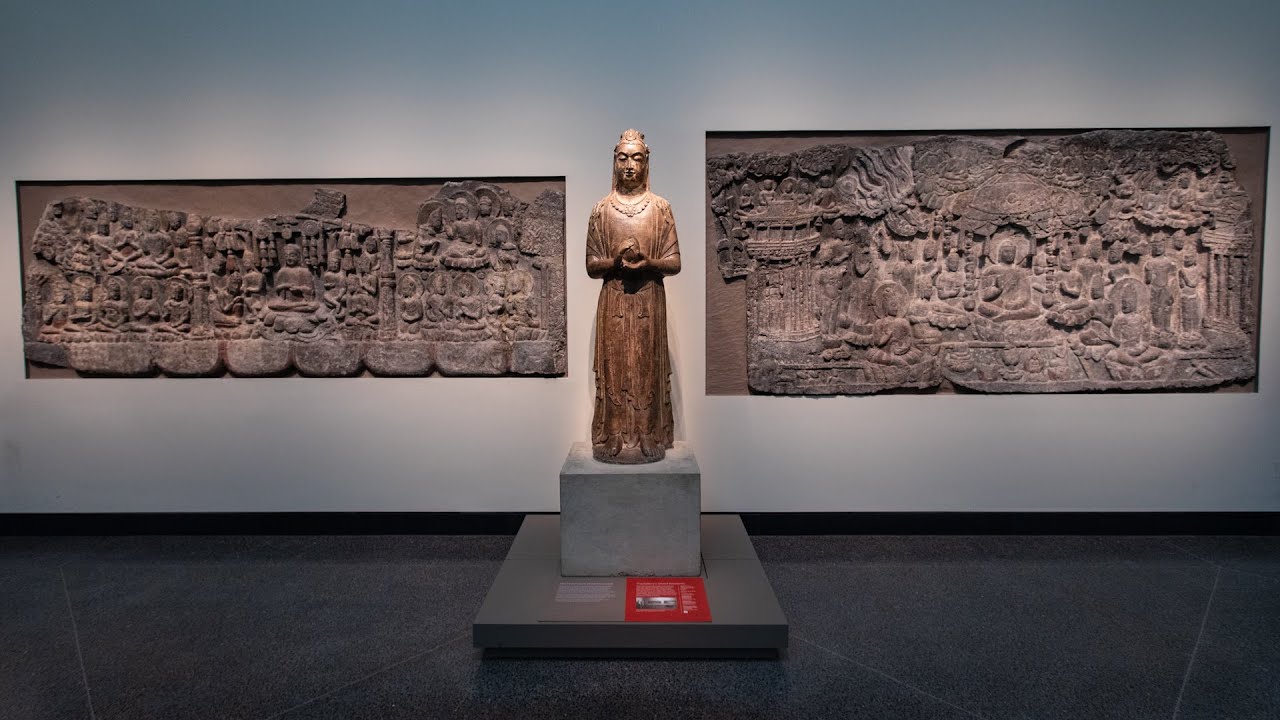
Actually, what I think is that the most important thing is to understand the essence of objects. Now if a monument, an object, a piece of art is unique, it has unique symbolic significance, then it's quite different than all the other objects which are in a museum. When a community connects to something specifically because it has spiritual value, it's very important to the community. It's different. So uh they're not all on the same standard. There are moral values which separate these unique symbolic pieces of art and these should be returned to the place of origin. The rest can be in museums to present the civilization uh which they belong to.
But important pieces which also belong to a specific context should be viewed in their original context. Sure. I I see it. tweet here from somebody who went to to this exhibition at the British Museum and Lisa Graves says two and a half hours well spent in company and powerfully beautiful art # nature culture uh Foley we can get you back here into the conversation right now. Um what what's your problem with somebody seeing this art and and loving it to bits or although they may have seen it in in London and maybe not in Victoria state in Australia?
The context should be the history of the British Museum that evolved in the era of colonialism.
Um it's all it's not good enough to to to think that it's quaint and colorful today. Um it's it's it's the wrong context. People need to understand the history history of the British Museum, the history of uh theft on the part of colonial uh authorities and also the the problem that these items were largely collected in order to prove the inferiority of indigenous peoples. uh which you know the whole exhibition is underpinned by ideas of racial inferiority and racial superiority on the part of colonial era thinking the British Museum is an anacronism in the 21st century something that your specific words that anacronism really is something that I'm also seeing online so people are sharing examples from their parts of the world and as to where this has also happened this is a tweet from Ahmed Shuja who says the British and Other museums have for decades held historic Afghan artifacts. Some were returned and it's hard to say they'll be safe when they're back. This person says, "Another example is out of uh this tweet from Shahuzak who says not in a museum but in the Queen's home is the Coenure diamond. One of the largest diamonds ever. It belongs to the Mughals and the Rajputs." And I'll show you a picture of that here so you can see exactly what we're talking about. So Mark, you hear things like this, tweets like this from around the world and it raises this point from another person who writes, "This is plain stealing. You don't steal from your friends houses and that's what the British have been doing." Though of course I think arguably the word friend might be disputed. But what do you make of that idea that this is stealing, it's theft, and therefore that has to be retributed? Well, yes. I mean, in one register it's theft, and another register it's acquisition and preservation. And I think it has everything to do with the way that these institutions, the museums see their role as stewards of culture. In other words, it's they almost run like temples. The object comes in, but it doesn't leave.
And then they become the ones who curate it. But the problem is that when they curate it, they don't tell the story the way that we would expect them to tell the story. It's almost as if they're afraid of the history. They absolutely are catatonic when it comes to explaining that in fact the objects came from a conflict area or the objects got misappropriated, jostled because of genocide, because of mass murder, because of people being oppressed and the objects disappearing under very weird circumstances. What's the best example you've seen of that or the worst example you've seen of that?
Example, I see it all the I see it in American museums and European museums when I know that I can recognize items that are definitely from the Second World War era and the signage is absolutely absent. It's almost as if that period of history doesn't exist when you walk into a museum and it's a way of decontextualizing objects so that you just sort of take their soul away and you just sort of see them as beautiful objects. But every object has a story. Mari, have you tried to have a conversation with the British Museum about uh a couple of items that you would actually like to be in Australia rather than in the United Kingdom? How did that conversation go?
Well, we are in contact with the British Museum. We've got an indigenous person working over there, been there for about 18 months. The dialogue is slow and it's not quick enough for us. You know, we we've been fighting this battle about the parks for about 11 years. Sure.
They've been in the British MU museum since 1854. They've been glossely misinterpreted in terms of what the barks represent. For example, the British say one bark's a hunting scene of a kangaroo getting hunted. Well, it's not. It's a sovereign territorial bark where troopers are actually speared head presumably dead. All right. So, Gary, just just give me a pause. Give me a pause for a moment because I'm showing this bark here and then you can tell us this. This is in this current exhibit.
on my laptop, you'll be able to see the bark. And then Gary, you can explain what it is that we're looking at here. I can see if I look very close, I can see a kangaroo.
You see a kangaroo. You don't You will not see You will not see a spear in that kangaroo. You will see a spear in the two figures down the bottom who are troopers. Our troopers because they have backpacks like the old style in the I see a figure here and a figure here. And I see another figure just above as well.
What's going on here? Yeah. And you'll see and you'll see two spears in the head of the two troopers below. Right.
How is that a hunting scene with kangaroos in it? Right. All right. So, why is this so why is this special to you?
Well, it might be used in evidence in an international court case to confirm our sovereignty. Right.
So um so that's this is a piece about this is you would like this back in Australia and it's is it going to come back anytime soon? How do these negotiations go on go on? Uh Foley this these uh barks are also important because they are the only surviving examples on the planet earth of Victorian Aboriginal bark art. And as such they they are not only incredibly significant to the Ja Rang people. Yeah.
They are part of the cultural heritage of Australia. In the same way as the partnon marbles are part of the cultural heritage of the nation of Greece. They also happen to be at the British Museum.
Elena this is your cue to jump in right now. Um this this conversation about the path marbles the Elgen marbles going on for a really long time. Where are you with it?
Never the Elgen marbles. Never. They weren't created by Elgens. Yeah. Oh. And also the British the British Museum also call them the Pathon and marbles as well accurately. So So where where are you with getting them back?
Well uh not very close I must say. uh we had submitted a request to UNESCO very recently because there is a the possibility of entering mediation uh with a state member of UNESCO and this is what Greece tried to do enter into mediation with a British museum uh also as countryto country because this is what happens in UNESCO it's an intergovernmental organization and what's the argument What's the main argument, Elena, for for not sending them back to Greece?
Well, the main argument for not sending them back, I think that on the British side, it is that they were legally acquired, that more people see them in the British Museum, and that uh the British Museum is a a lending museum, a museum of enlightenment, right? and that they they should uh be separated to tell two different stories in the Acropolis Museum and in the British Museum. Okay.
All right. Let me just take a pause here for a moment and revisit the community.
Malikica. Well, there are some people pushing back and they're giving reasons why maybe things do belong in these museums. This is Pmana who says Iraq once asked for artifacts back and then it got invaded. I don't know if that's such a good idea sometimes. There's another idea on Google+. This is from Darth who says, "So you're going to send priceless artifacts that should belong to all of humanity back to the likes of ISIL and the Taliban for them to destroy." And of course, those are specific cases. But Mark, what do you make of that idea that bringing them back to these communities is not such a great thing? Well, I think I agree only to one to a limited extent, and that is that when you're in a war zone, um it's not exactly the smartest thing to return something that's about to get destroyed.
We had this uh happen actually quite recently with some um uh Hebraic manuscripts which were uh stolen out of um the Baghdad Museum. Then they were found and brought to the United States uh restored in the US and because of the international agreements that we have they were repatriated and there's no community in Iraq to take care of them.
So you have these kind of cuff cuff moments where we have a policy to return objects but we're doing it for the wrong reasons or else we don't return them and they should be returned for the right reasons. So somehow we've kind of lost the sense of where we are with regards to culture and the way that we treat artifacts and we treat cultural objects and ritual objects also. Let me just play you a little clip. This is Maxwell Anderson. He is the head of the Dallas Museum right here in the United States.
This is his argument about repatriation.
Have a look at what he said. I think objects that were acquired in the course of the 19th century and early 20th century are where they should remain for the most part. And there might be simple examples where that might be other than uh that case. But by and large, the chaos that would ensue in the world if we were to begin saying, "Let's return the Ishtar gate, the Pergeaman altar, the the Parthonon marbles," the world would immediately and and intrinsically become a very confusing and and problematic place. So that's that's one head of a museum's take there. Uh Gary Foley, what what do you make of that? I mean, the British Museum, as Malikica told us at the beginning of the show, 6,000 artifacts from Australia just at the British Museum. How have they sent them all back to you? Would it be chaos?
I can't see how it could create chaos, right? And in response to one of the other comments there, the Taliban and ISIL are not a big problem in Australia at the moment.
um these are facious arguments, you know, uh they they are not arguments that that ought to be applicable to the uh some of the aboriginal stuff that is being sought to be returned to Australia. And I should point out that not all Aboriginal groups in Australia are seeking the return of their material from the British Museum. But in those instances where Aboriginal groups have sought their return, then the British Museum should return that material because at the end of the day, it's it's really up to the to the victims of these thefts to have the final say. And it it has to be theft when it comes to Australian stuff because this material was collected during the colonial era when Aboriginal people had no say, no power, no ability to resist the the the original confiscation anyway. So this is an ethical issue. Um uh Gary Murray, how do how do you address this? What's a practical way of addressing this? It's a a global ethical issue. Yeah. It's a moral issue and a cultural issue. It's a human rights issue and I think it's time that globally we started boycotting a British museum in order to bring them to heal because they they're holding themselves out as a world museum. Well, who authorized that? They're not a world museum. They haven't got authorization from the groups around around the world and the groups want their stuff back.
And whether it's the Greeks, the Ethiopians or young Balag clan and the Jang Nakamage group in Australia, it has to happen at some point. Otherwise, the British are seen to be a bunch of rednecks. Well, Elena, there's an idea here online that I want to post to you and get your thoughts on. Uh this person, Abe, says this is world heritage, and he's not the only one that says it. There's another one from Amu who says, "If another part of the world can ensure these pieces of arts long-term survival, then let them be the carers of them. This is collective history of humans. So what do you make of this idea of a collective history?
Oh, I totally agree that certain objects, certain monuments belong to mankind. Why not? But it's where should they be best viewed? Where are they be where are they best appreciated?
Where is scholarship benefiting from um having them? let's say like in the case of the Python and marbles reunited.
So this these are values that affect humankind all over the world. These are world issues of course uh it's it belongs to everyone but where is it best to understand context where they were created.
So I don't see any conflict there.
What's the easy way out of this Mark?
because it it seems like this has been going on for quite a long time. Um, and it's it's almost like the relics of colonialism are still with us in one way or another and sitting in a lot of museums around the world. How do we get out of this situation? Well, it's an act of will. Um, the simplest thing when a museum gets a claim is to acknowledge the claim, have a discussion, and say, "All right, we're giving it back." I mean, think about it. A museum option not to give it back. Well, they definitely exercise that option more than the option of giving it back because it seems like you're pulling teeth. You're torturing an institution by asking them to de accession. Yeah.
And then you fall into this trap of patrimony. You know what belongs to the nation. Yeah. What is culturally significant? And nobody likes to define these terms. Sure. When we talk about the Coen or Diamond for instance, which is beautiful from India, David Cameron literally says they're not having that back like not even a discussion like no there's no discussion. Mind you, it belongs to the queen. Who's going to tell the queen to give it back to the attitude? It's an attitude. It's the attitude of being extremely elitist, right? Of feeling that it is ours. Yes.
And it's like the kid with a cook, you know, with a hand in the cookie jar.
It's my cookie even though it's not your cookie. I mean it's a silly example but there's this sense of proprietariness right of appropriation that I would call misappropriation. Wow. So we still haven't had that discussion about what is culturally significant. Yeah. And what is culturally insignificant? I mean what's significant for you is completely insignificant for me. Sure. So nations define culturally significant but by default. All right. This conversation is not over yet. Would you like to be part of it? You can do by tweeting Malikica at ajamream. But first, here she is with some of the other stories we're looking at right here on the street.
[Music] Indigenous Australians are protesting for more than just historical artifacts.
Using hash SOS Black Australia, some in Western Australia are fighting for their way of life. Many are criticizing government plans to cut funding for basic services to 150 of the region's 274 remote communities. On May 1st, activists are planning protests against what they say is the force closure of Aboriginal communities. Their Facebook page has garnered more than 57,000 likes with many sharing messages of support.
Next, indigenous Brazilians are also protesting their land rights. A proposed law that redraws boundaries for indigenous land is facing fierce opposition. Many activists say the proposal gives more power to politicians with vested interests in industries.
This image shows one indigenous Brazilian burning the legislation, which is also known as PEC 215.
Moving to the US, comedian Adam Sandler is under fire from Native Americans for reported offensive jokes on the set of his latest movie. The script gave Native American characters names like Smoking Fox and Never Wears Bra, prompting anger about their betrayal in Hollywood. While after Native American actors walked off the set, many online use hashtags not your Hollywood Indian and walk off Netflix referencing the company producing the film. Morning Stars shared a sign saying, "Our people are not the punchline to your joke." For more on these stories, you can go to stream.lazer.com and let us know what you think. BY, thank you very much. Let me just tell you about our next show. On the next show of the stream, we're going to be looking at the United Kingdom's Parliament's failing to represent ethnic communities. Are they? How diverse, how ethnically diverse will the UK general election be? That conversation for the next AJ stream. See you soon.
Hello again. This is the streams online post show. We're talking about battles over cultural property in the world's major museum. So, let's get right back to this conversation. So, Gary Foley and Gary Murray, I can't work out what you're going to do next. How How do you get to an end result where you're both happy? Uh yeah, photo side.
The difficult uh problem for us is that the Australian government since we seized the barks 10 years ago and they were gained back by the British Museum.
Uh the Australian government has passed legislation that prevents Aboriginal people from ever trying to do that again. Now, this is a disgraceful situation because it's the equ it would be the equivalent of the Greek government passing legislation uh confirming the British Museum's ownership of the Pathnon marbles. So, it's a the only real weaponry we have at the moment is to try and embarrass the British Museum into into moving their position, which um seems at this stage still very unlikely. See, Murray, this is really interesting that the Australian government would support visiting museums, showing their exhibits, and not for you taking that as an opportunity to maybe um help them stay in the country. U that would be a very inviting thing to do. Why would the Australian government knock back their own artifacts coming back to Australia?
Well, they found a few indigenous people that um expressed concern about the seizure at the time in 2004 and they um got their support to bring the legislation in. But I don't think it's over yet. I think that what we need to do is get somebody like Jeffrey Robertson, the international barrister on board and we need to go to the UN and we need to get the UN to start having a dialogue about this and to do something about it. And we also need to test out domestic legislation here in Australia.
Um it hasn't been tested out in terms of whether it's legal and maybe that's one option we've got to look at domestically. All right. Um what are we missing here in this conversation so far Mark? Well I think what we're missing is the uh legal climate and the political climate surrounding all these issues.
there's a huge uh drive amongst uh in the art market, global art market that is and in countries well like in the US and in Europe and I think Australia was one of the last examples where uh governments and their museums are pressing for immunity from seizure. In other words, they believe in the global free market of artifacts and art objects regardless of how they were acquired.
And so it prevents claimments. Why why would they do that? That's like saying it's okay to steal on an international That's what they're saying because they're saying ultimately it's for us that they're doing this because not doing it deprivives us of the pleasure and the privilege of seeing these objects. Wow. Is this colonial colonialism part two? Uh yes or part three, whatever you want to call it. But this is definitely a sentiment that is anchored deeply in who's who's leading this. Well, in the US it's the uh it's some of the museum associations and in Europe uh it's the same thing. Museum associations are doing this, right? not all of them, but um you have this sort of powerful nexus of behavior that uh basically implies that people do not have a say in where objects are displayed.
Mica, that's what it comes down to. Wow, Mica. Well, Gary Murray, there's a tweet here from Natalia that I want to read to you and get your thoughts on. She says, "Imagine how chaotic it was for peoples when their culture was stolen. returning is simply reparations for an injustice.
Do you see it that way?
Yes, I do see it that way. I think um this whole question of our sovereignty has been undermined by British invasions over couple hundred years and and we suffered. We got impacted on not only in terms of our dispossession and dispersal and deculturalization, but also in the theft of our cultural heritage. And this is what we're trying to address. And I think the only way to hurt the museums around the globe is don't go there.
Don't pay the price of going to see stolen goods and start putting the pressure on. I think we had a demo last week where some young English fellas went down to the British Museum. They had a really effective demonstration and hopefully that will discourage people even going there.
We're in for the long haul. Sure. Elena, let me just bring you in here. You're part of the um an international community of of museums as well. Um which is really important in this in this conversation. Are they helping are they helping for artifacts to get back to their countries of origin or are they part of this uh maybe let's just turn a blind eye to where things originally came from? Where do they stand?
Non-governmental organizations are definitely in favor of return when it is proven uh to be illegally exported or um unlawfully removed. So they have produced charters, they produce the moral principles uh according to which museums and dealers should abide and they're helping immensely by circulating these new concepts and I believe that these should be respected by every museum organization. UNESCO which is an intergovernmental organization is also helping by promoting dialogue by prom promoting ways which in the according to which return can be achieved because return is not a negative uh sentiment.
It doesn't mean that one party loses something and the other gains. It can also be a win-win solution. It can help other agreements formulate. So, um, it's not just, you know, uh, black and white.
There's gray. There are shades of everything in between. Mica, might I might I say Yeah, go ahead. Might I say that um Melbourne is the largest Greek community outside of Greece. and in Melbourne, Australia, there's been a strong uh alliance formed uh between the Greek community and the Aboriginal community in on this question of repatriation and on this question of the British Museum. And part of the real hope I think that we have in in Melbourne anyway is uh that through forming uh strong alliances like that with other peoples who have suffered the same fate as us in terms of theft of materials our cultural materials by the British Museum. Uh perhaps uh through joint actions together we can be stronger than we might have been otherwise operating individually. Can I say something here? Um, in that light, um, we basically working on, uh, Jewish issues pertaining to the Holocaust decided to work closely with archaeologists and cultural heritage groups and also with Native American tribes like the Hopi because we realize that just staying confined on an issue like the Holocaust, which is fine, it sort of skews a little bit the discussion because the issue of plunder affects everybody. And we found that museums and also governments are a little bit more nervous when they see uh Jews and hopes and archaeologists and source countries in the same room speaking the same language. But we haven't you know it's a slow process but I think that's the future and I think that's why I I rejoin what was just said where if source countries get together in a more forceful manner and work with advocacy groups and indigenous groups then maybe we can have a solid discussion a real discussion about who controls this this debate about cultural objects and then we can have this a parley about how to manage those objects, what goes back to whom, what stays where and we can basically set up a mechanism which is a lot more sensitive to our respective histories because right now there is no discussion like you saw the British museum refused to talk about this they don't want to talk about depthon marbles American museums are have a very difficult time having these kinds of discussions also so we just need to set up a mechanism sure um there's a picture here I've got on my laptop this is this is one of your success stories Mark uh Wally Nil um as we look at this picture. What do we need to know about this story? Because we're hearing a lot of stories about about Wall-E. Yeah. Well, Wall-E is sort of a half a success. I mean, um Okay. We were involved with a seizure and um then it lingered for 12 years in litigation.
Just just just bear in mind that some people may be hearing this story for the very first time. So, start at the beginning, but do a short beginning there was an exhibit of uh it was the largest exhibit of works by Agon Sheila who's an Austrian secessionist. Yeah. In an American institution. Yeah. Uh this was in the fall of 97 and two families, one in New Jersey and one in New York spotted respectively one item. Yeah.
Which they recognized as being belonging to their families. Wow. So they contacted the Museum of Modern Art and said, "Well, we have a little problem with these objects." And Museum of Modern Art said, "Well, don't talk to us. Talk to the people who are lending the objects." And we pushed back and said, "Well, I'm sorry, but you're the ones who are displaying the objects, so you have to be part of this conversation." Museum said, "Well, sue us because the objects have to go back."
And so we turned over all the paperwork to the district attorney's office. And I think other people sort of lent their hand at this. And when the federal government failed to intervene for all sorts of ridiculous political reasons, Yeah. including siding with the Austrians on this matter, um the district attorney in Manhattan at the time, Mr. Morganthal, said, "Okay, well, there's stolen property in my jurisdiction, so I'm going to seize it."
He seized it only so that the claimants could have a right to a fair hearing.
Right. That's that was the principle.
And if it had to go back, then it would go back. So the painting stayed for 12 years in the US being litigated. Yeah.
And uh the end result was a settlement.
So I don't call that a resitution. It is a settlement. It's still in New York.
No, no, no. It's gone. It's come back to Vienna. Okay. To the place where it was initially misappropriated. So some people say it was great. Some people say it's not great. I was one of those people who said it wasn't great. But this is a kind of example where everybody dug their heels and did not have a discussion. Wow. So where the American museum refused to sort of get involved in this discussion when they're the ones who basically should have done their research and their due diligence and realize that the paint these paintings have been looted and never returned to the rightful owners. Yeah.
So there's this whole issue of how objects enter. So every museum in the world should be going through their It's called due diligence and that's the job that they're supposed to do. I think if they check they might be a bit upset about Yes. Because they will have a museum what comes in and what doesn't come in. Yeah. All right. Um this conversation could go on for a long time because I love museums and artifacts and talk about indigenous art. But it's not about me. So I got to wrap it up.
Luckily Fei, you're not the only one. So I'll just read a couple closing tweets from our community who are just as into this topic as Fei is. This is from Ahmed and he says, "These nations histories began thousands of years before the British Empire and they have a right to their heritage." And this next one is an interesting idea that I don't know all communities will get on board with, but Leto says no matter the outcome, these artifacts should be 3D scanned, high-res photographed, and made accessible online for everybody. Nice idea. Thank you very much, Gary Foley. Thank you very much, Gary Murray, Elena Corker, and Mark Mazeroski. It's been a really interesting conversation. Good luck with you uh and your restitutions and reparations and getting things back.
Good luck with that and I will come and see it wherever it is in the world or look online. All right. Uh thank you very much for being part of this conversation. Let me move on just a little bit. We're going to talk about what we're talking about tomorrow. Is United Kingdom's Parliament feeling to represent ethnic communities? We will look at the diversity in the upcoming general election in the UK. We'll be doing that on the next Aday stream. See you then.
Up Next
6:46
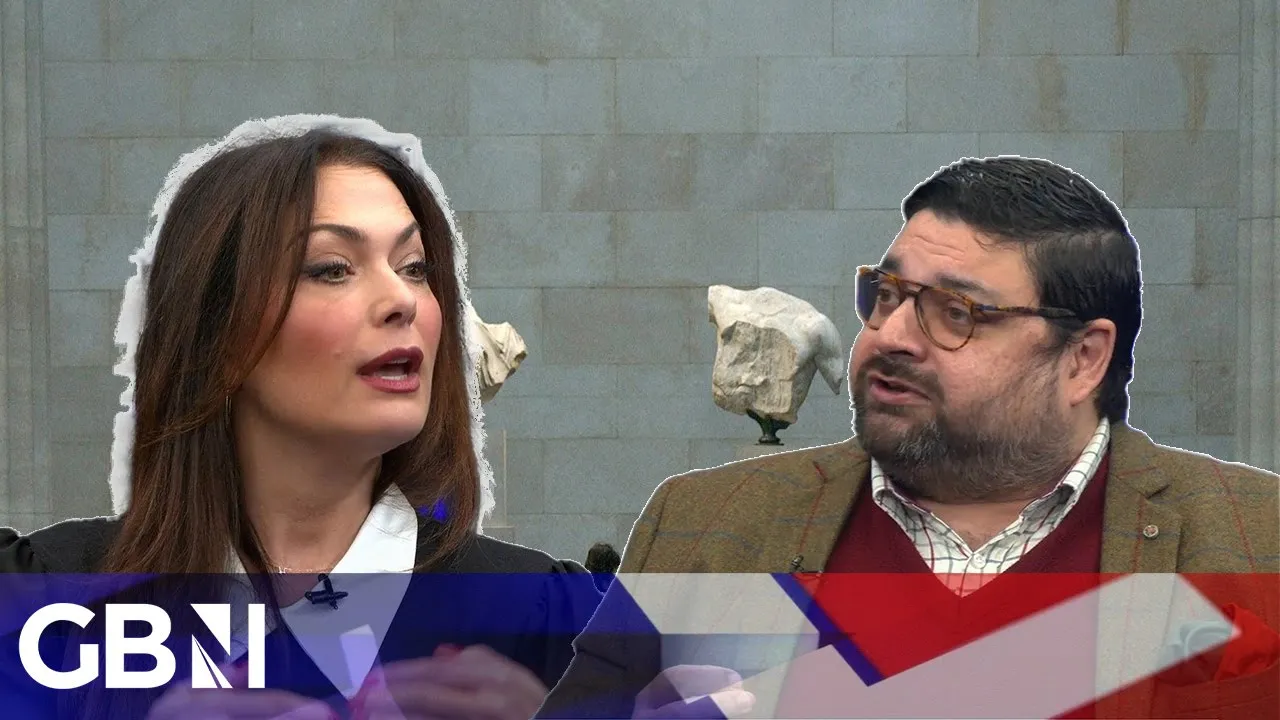
The Elgin Marbles Debate: Repatriation vs. Preservation
@GBNewsOnline
23.1K views•2023-12-02

12:54
Triumph of Orthodoxy Icon: Byzantine Art & History Explained
@BenCallan
2.1K views•2024-08-06

25:00
Why Western Muslims Join Jihadist Groups in Syria | Analysis
@aljazeeraenglish
177.9K views•2015-03-04

1:42
Game of Thrones Opening Credits: A Cinematic Analysis
@gameofthrones
46.3M views•2011-04-18
Related Study Plans & Knowledge Roadmaps
Structured learning paths in General & Interdisciplinary Studies
general-studies
Elevator Engineering: History, Physics & Cities
01From Hoists to Safety Brakes: The Dawn of Vertical Lift
02Hydraulic vs. Traction: The Engineering Physics of Elevators
03Modern Speed, Safety, and Algorithms
+ 2 more learning modules
12h5 modules
Explore Roadmap
general-studies
Rubber: Material Science, History & Geopolitics
01Origins of Natural Rubber & Mesoamerican History
02The Chemistry of Natural Rubber & Vulcanization
03The Geopolitics of the Rubber Boom & Colonization
+ 2 more learning modules
12h5 modules
Explore Roadmap
general-studies
Containerization: Evolution, Logistics & Trade
01Ancient Trade & Bulk Cargo: Amphorae to Barrels
02The Industrial Revolution & Cardboard Packaging
03The Containerization Revolution: Malcom McLean
+ 2 more learning modules
12h5 modules
Explore Roadmap
general-studies
Textile Tech: Evolution, Labor & Global Impact
01Pre-Industrial Textiles: Handloom & Cottage Industry
02Mechanization: The Spinning Jenny to the Power Loom
03The Factory System & Global Labor Transformation
+ 2 more learning modules
10h5 modules
Explore Roadmap