



















![[자막뉴스] "네페르티티 입주하실게요".. '1조 원' 박물관에 유럽 '머쓱' (MBC뉴스)](https://i.ytimg.com/vi/n074RzFEcqs/maxresdefault.jpg)


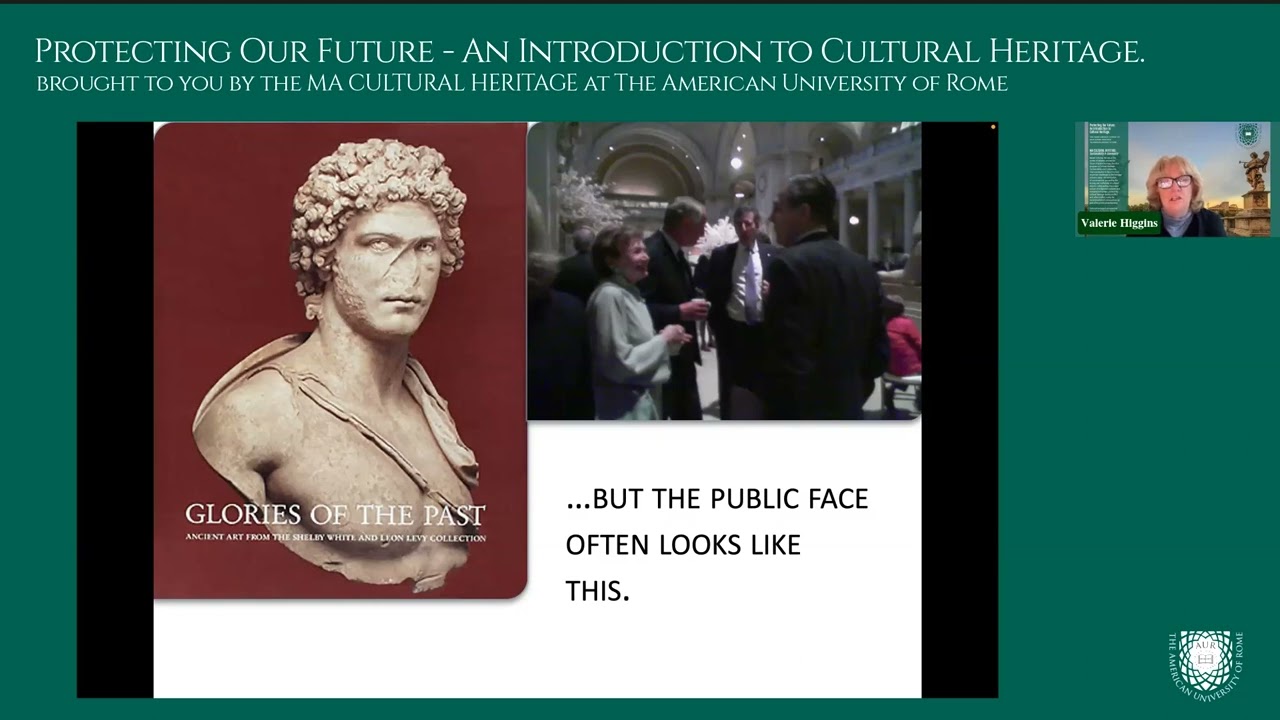


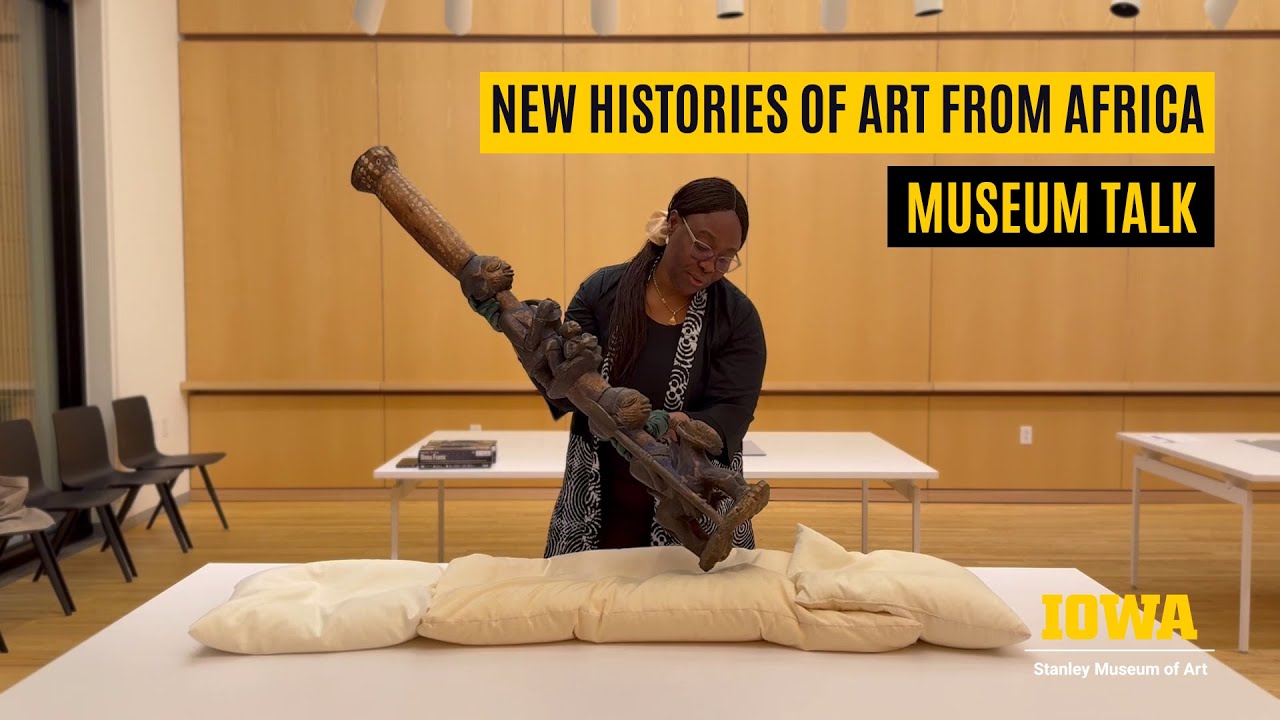


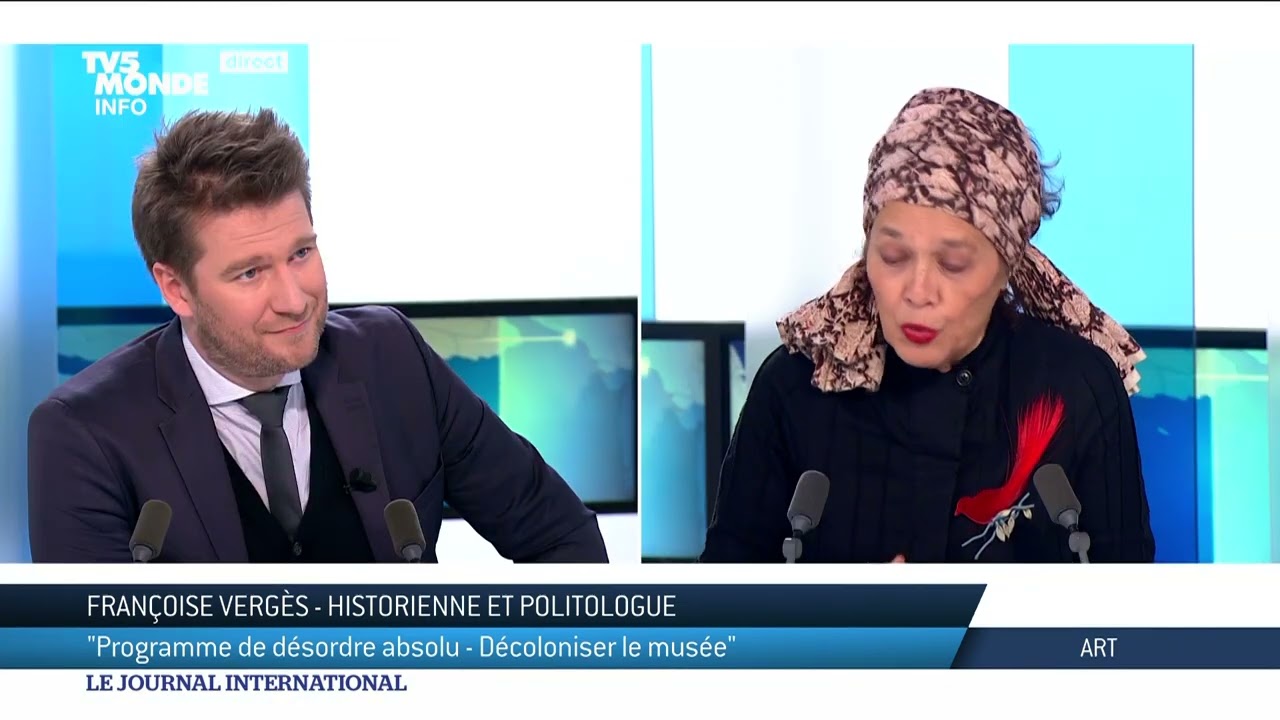



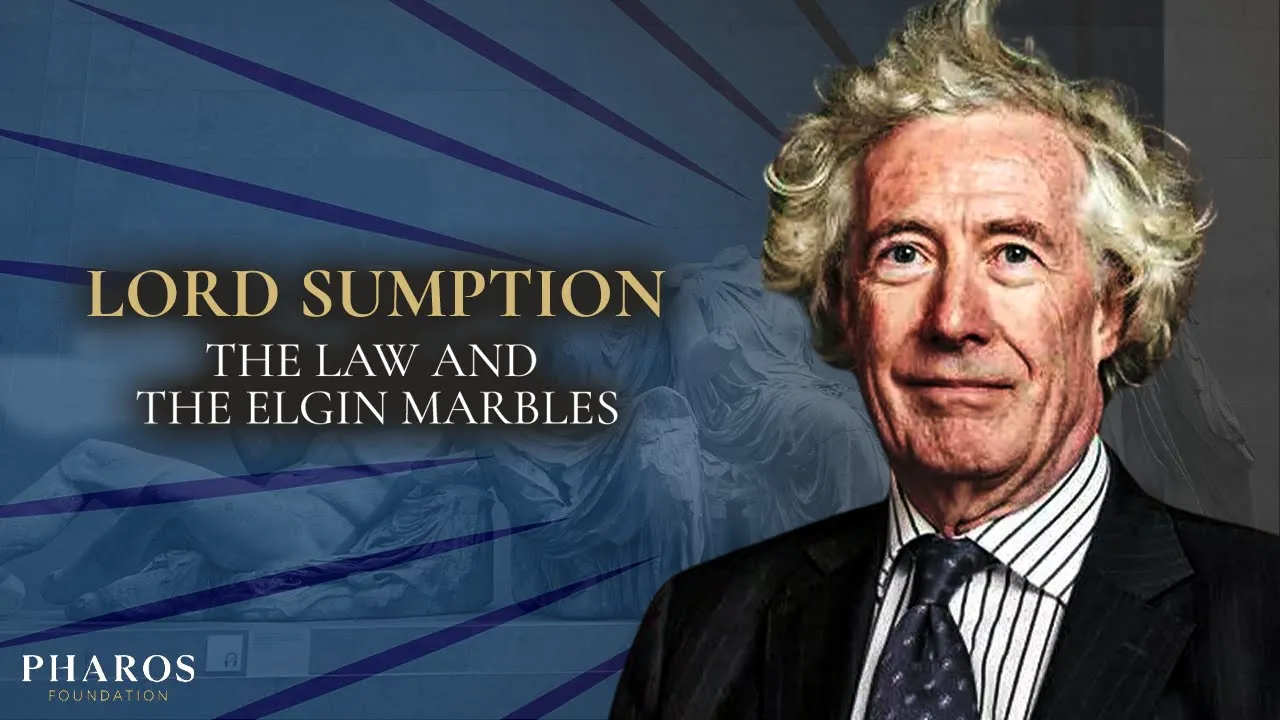
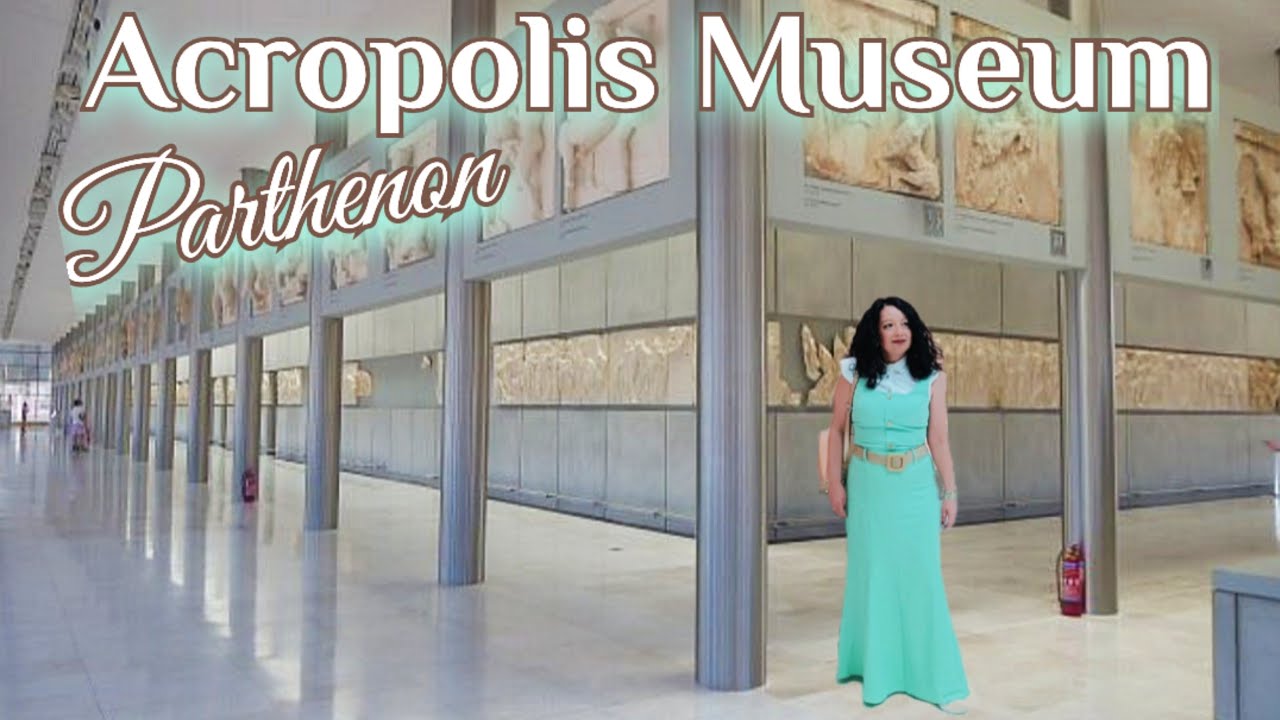
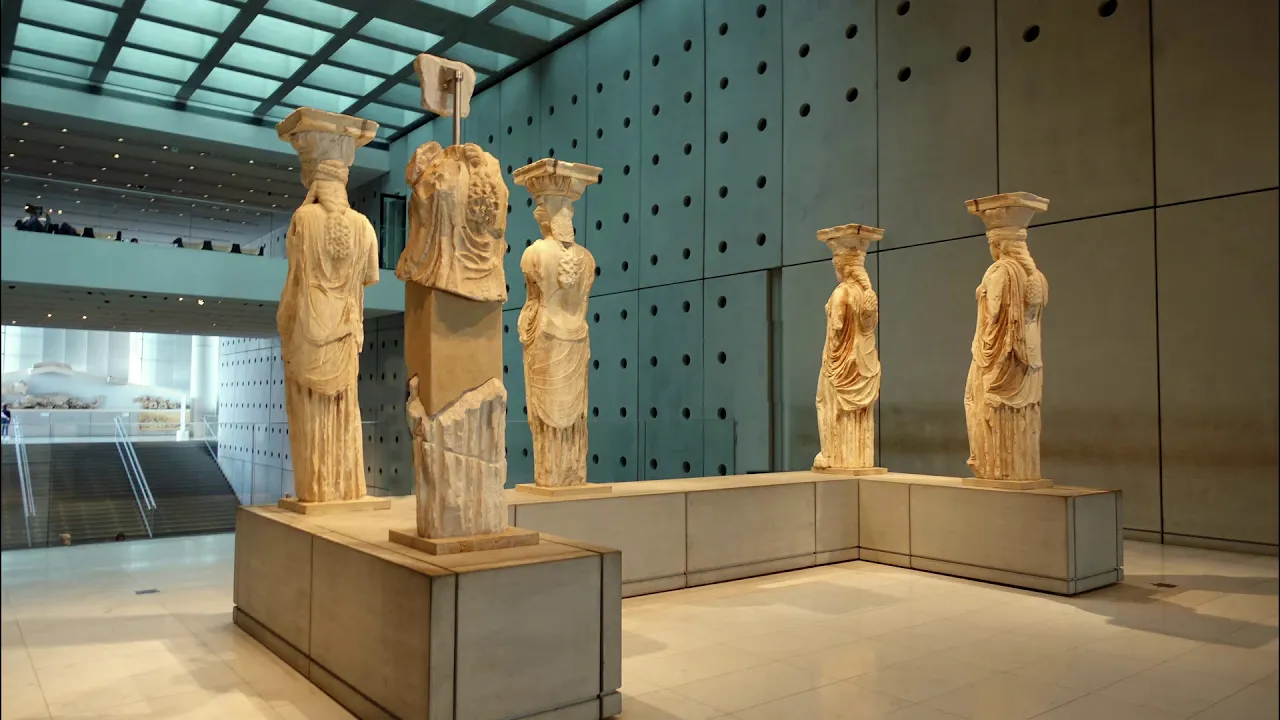
The Elgin Marbles debate centers on whether these ancient Greek sculptures should be returned to Greece or remain in the British Museum, with arguments spanning cultural ownership, preservation, and global accessibility. Proponents of keeping the marbles argue that world encyclopedic museums like the British Museum serve a vital global purpose by placing artifacts in wider context, enabling humanity to chart and compare the ascent of civilization, and that returning them would set a dangerous precedent. Opponents counter that the marbles were stolen during Ottoman occupation, that Britain saved them from destruction, and that returning them would establish a moral precedent for justice. The debate highlights the complex tension between national heritage claims and the role of international museums in preserving and sharing cultural treasures.
The Elgin Marbles Debate: Repatriation vs. Preservation
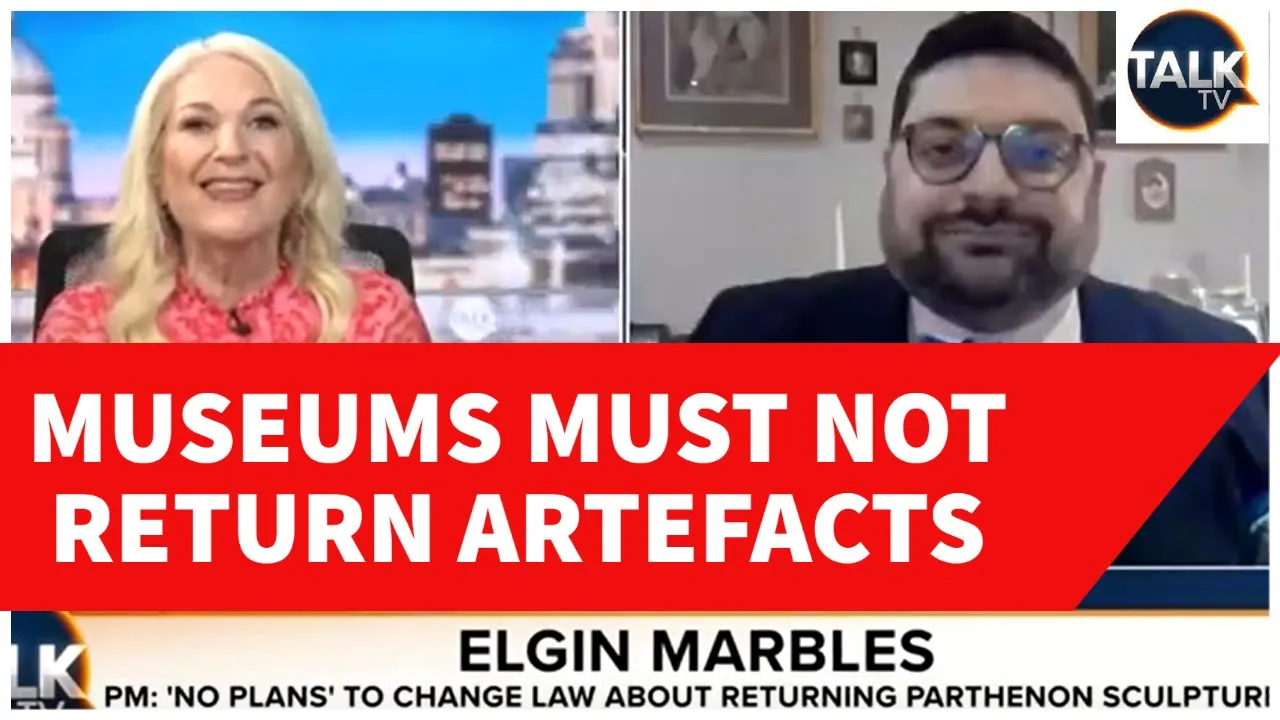
Added:right we're looking forward to this I think it's going to get Fiery so let's get straight into it shall we this is the controversial Elgen marbles or pathon statues debate we have to be very careful now with this this week rishy sunak was accused of throwing a hissy fit over the Elgen marbles uh he was due to meet the Greek pm gagos mitsis at cop 28 yeah very very good well the historian broadcaster Rafe hadel Manu is here with us and the broadcaster T Buxton they're both on the studio and Rafe you passionately believe don't you that the marbles belong in the British museum I do I'm terribly sorry um but I should say I'm also part Greek my great-grandfather Z discovered the Temple of Zeus doona and my my cousin the Greek Prime Minister George Pap andreo was one of the is one of the leading voices calling for their restitution so I understand and I'm very sympathetic to the Greek cause but it would such a terribly dangerous precedent if we were going to return the Elgen marbles you know the British Museum and the louv and the met in New York are unique are a unique group of Institutions they're what we call World encyclopedic museums they repositories for some of the world's finest Treasures in order for us to place things like the Elgen marbles or the uh all the benim bronzes in their wider Global context and that speaks to our shared humanity and it enables us to chart and compare uh the the um Ascent of man essentially and that's why and I think it's also quite retrograde to think that you know we have to return objects to where they came from it's as if you can only go to Greece or to Cairo to look at Egyptian or Greek artifacts you know most of the world will never go to Cairo or to Athens whereas London Paris and New York enables a far larger portion of the world to actually view these great items R you are you are messing with a honestly T is just about to let go I'm will just fa Bring it on Bring It On you're setting a precedent for justice and for Morality because let's let me set the example of why the pathon marbles are where they are they were stolen Greece was under ottoman occupation at the time and then the British no no no no no no I did not interrupt you charming man that you are I will have I just want to just let it out there Greece is under ottoman occupation an occupied country let me give you a little example of where it sits in so imagine that um when France Paris was under Nazi occupation uh the Nazis before the Americans came into the war decided to sell the top of the Eiffel Tower not all the Eiffel Tower just the top of the Eiffel Tower to the Americans and the Americans took it and they put it next to the Statue of Liberty would that be acceptable would anybody would you agree with that well modern Greece is a 19th century creation this whole thing about you changing the first thing we need I read and I read and write Greek and I read it and I can because I've learned modern Greek I can read ancient Greek some of the languages change but don't try to make the ancient Greeks and the modern Greeks two different things because that is completely wrong so my point is to continue my argument on this one is they were stolen they were stolen and the British government acted like handlers in stolen goods so this morality story this story is so wrong on so many levels the main thing is the main thing is is that they are part of a sequence they are a freeze there is 192 ma soldiers of marathon depicted on the freezes on the marbles so you're separating it's like catting your family p ating half and putting half here and half there there is no morality to this apart from what the British museum says no their imperialistic attitude is we've got it so everybody can come and see it not an imperialistic attitude as I was saying before I was interrupted modern Greece didn't exist in the 19th century they were purchased from mandate from the sultan and you have to remember the half of the marbles were already destroyed when the British arrived if Lord Elgen hadn't saved them for the world they probably wouldn't exist no actually I didn't interrupt you did I so much um so it was thanks to Britain bringing them over back to to the UK that they were saved actually and it was Britain that made the Elgen marbles into the globally recognized ARA rubbish that they are that's absolutely true just rubbish they were beautiful at least have more than 30 seconds to develop a point that would be lovely thank you so much very kind um and it was for the fact that they were brought to the British mum that enabled the educated World from G from Germany from France from uh Italy and Britain to actually celebrate these and make ReDiscover and ReDiscover Greek civilization and C for the world in mind no no this is I can't because it's we have to accept it's not it's a rubbish point oh the known the world civilization was discovered by the British and the French For Heaven's Sake I mean Greeks weren't the onesc discovering Greek civilization built British culture is because of the democratic system in Athens that happened during the periclean time but the ancient GRE GRE are Worlds Apart modern how rude how disgusting to say that excuse me my great grandfather was discovering GRE temples in so I do understand a bit of this we talking about I am a classical history scholar as well so I understand much of it well then you know the role that Britain played discovering GRE civilization uh Thomas Bruce was allowed to go to the marbles and to take sketches and maybe take some of the marbles that had been crushed down because the venetians threw a bomb in and some of the marbles had broken but he didn't he allowed his henchman lucier to actually hack off marbles from the phrases it's written down that even lucier stated oh we had to be quite barbarous they stole them they hacked them off and the British rum did not look after them in the 1930s they were washing the marbles with bleach and wire brushes they wouldn't exist today were it not for the fact that they are safely secured within the British museum right and there's and there's a dangerous precedent that's being set here in this era when we've had our institutions captured by the woke ideology of decolonization you can just see how we would have our Museum stripped if we let Museum curators actually Greece has promised beautiful artifacts for for you to display in the British mum that's like us an old AR is one of the great arguments is is that imagine your house is on fire Ellie and you lend your neighbor your paintings you say please can you look after my paintings cuz my house is on fire the Ottomans were ruining the paake marbles and then 3 years later you get your house fixed and you say please can I help my my my paintings back and they say no you can't have that's what Britain did arent I'm afraid we are out of time thank you so much though fiery debate were they stolen or were they saved yeah
Up Next

Developmental Milestones Ages 2 Months to 5 Years | OT Study Guide
@OTRex
64.2K views•2019-02-14

Triumph of Orthodoxy Icon: Byzantine Art & History Explained
@BenCallan
2.1K views•2024-08-06

FastAPI vs Flask vs Django: Choosing the Right Python Web Framework
@TechWithTim
302.5K views•2024-05-26

Game of Thrones Opening Credits: A Cinematic Analysis
@gameofthrones
46.3M views•2011-04-18
Related Study Plans & Knowledge Roadmaps
Structured learning paths in General & Interdisciplinary Studies