![[MVT#015] Continuous systems - rod](https://i.ytimg.com/vi/UGUa_MMRHkQ/hqdefault.jpg)

![[OLD] Multivariable calculus review](https://i.ytimg.com/vi/igOjjuEbwJQ/maxresdefault.jpg)






![The Concept of Conservation of Mass [Fluid Mechanics]](https://i.ytimg.com/vi/kBW9pTFYc90/maxresdefault.jpg)

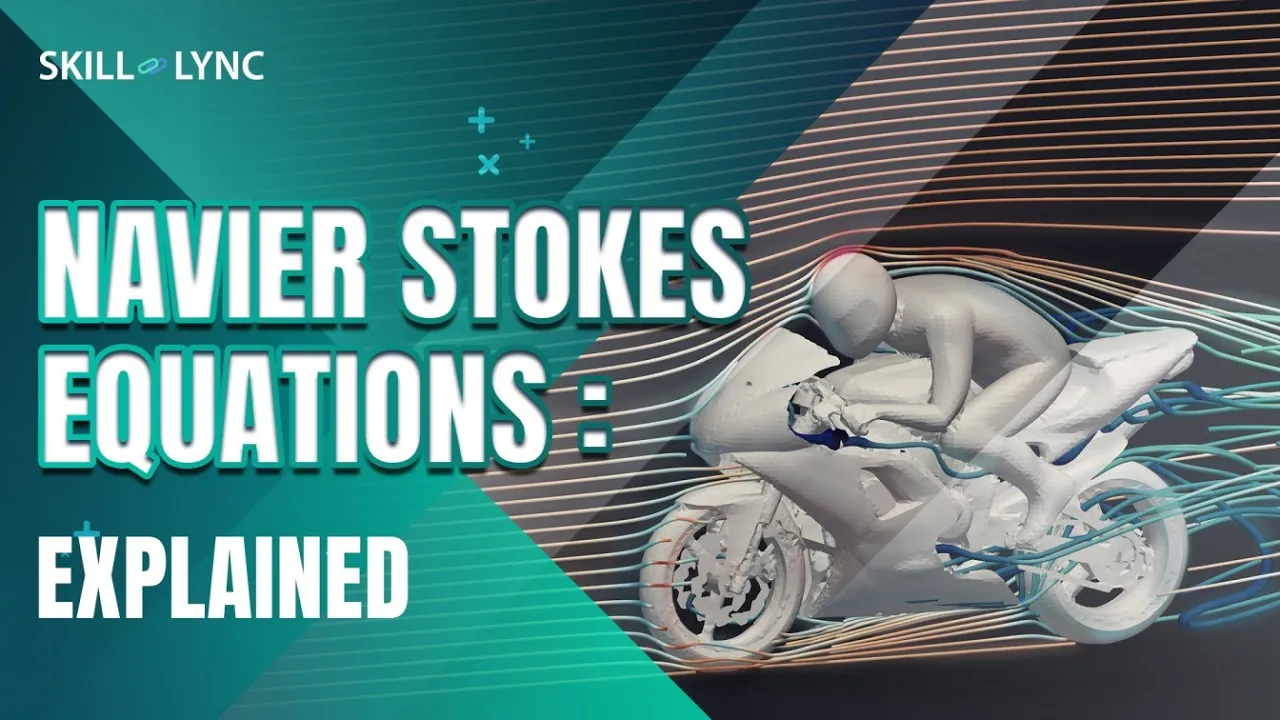








The Navier-Stokes equations are derived from Newton's Second Law of motion by transforming particle-level equations to describe fluid volume behavior, incorporating temporal acceleration (rate of change of velocity over time) and convective acceleration (velocity transporting itself), with forces including pressure, viscosity, gravity, and other volumetric forces; these equations apply specifically to Newtonian fluids (like water, air, and oil) under incompressible conditions, and form a system of four equations (three for velocity components and one for continuity) that rarely have analytical solutions, requiring numerical methods for practical applications.
Navier-Stokes Equations Explained: Fluid Dynamics and Newton's Second Law
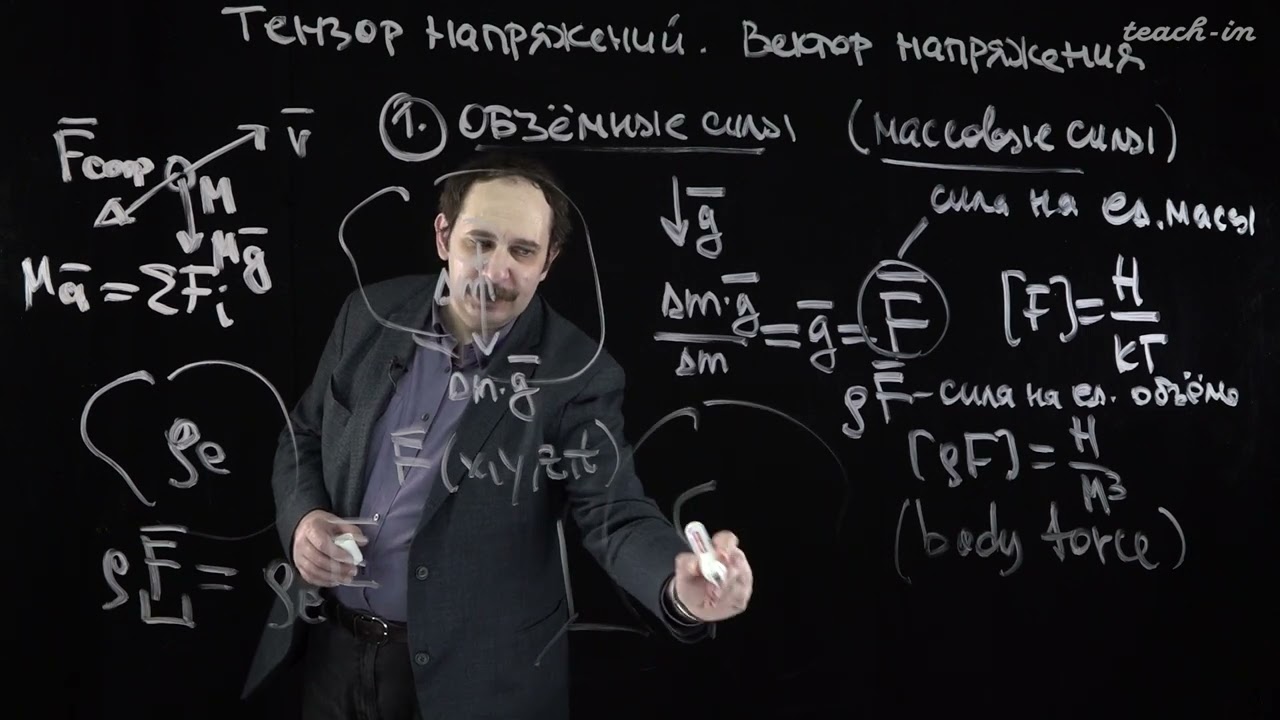
Added:Newton's Second Law of Motion and its application to continuous systems (continuum mechanics).
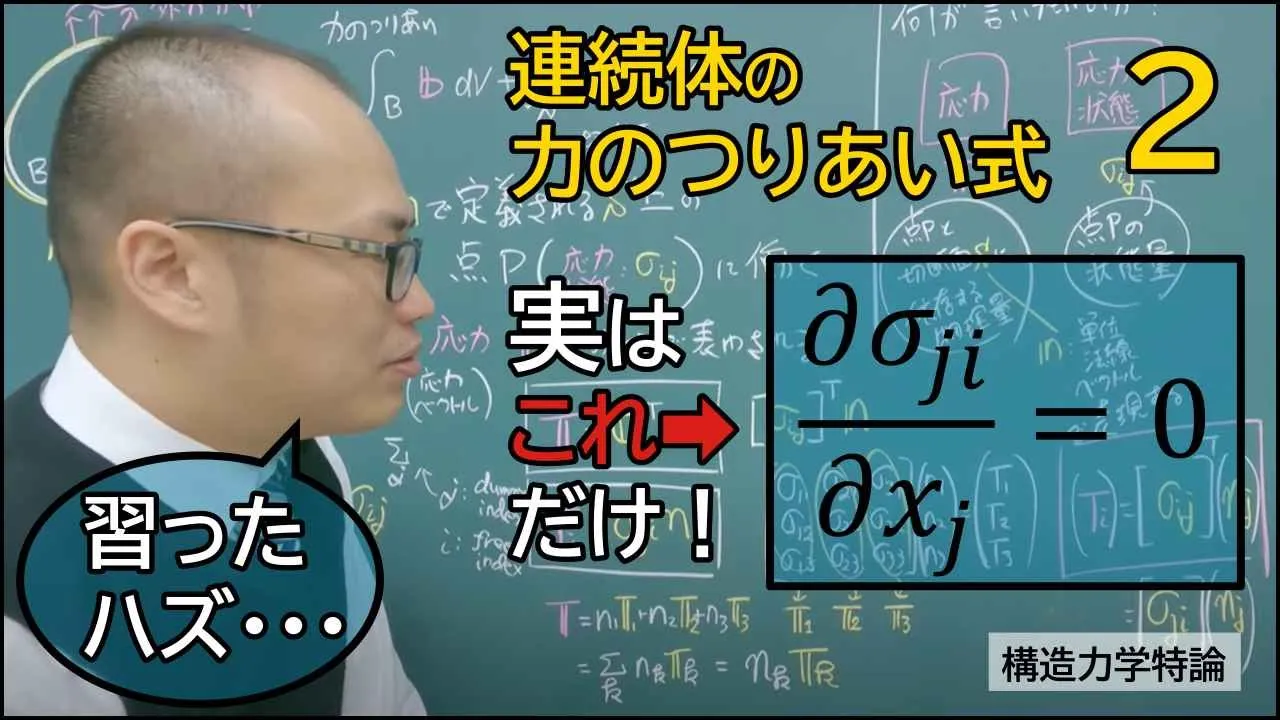
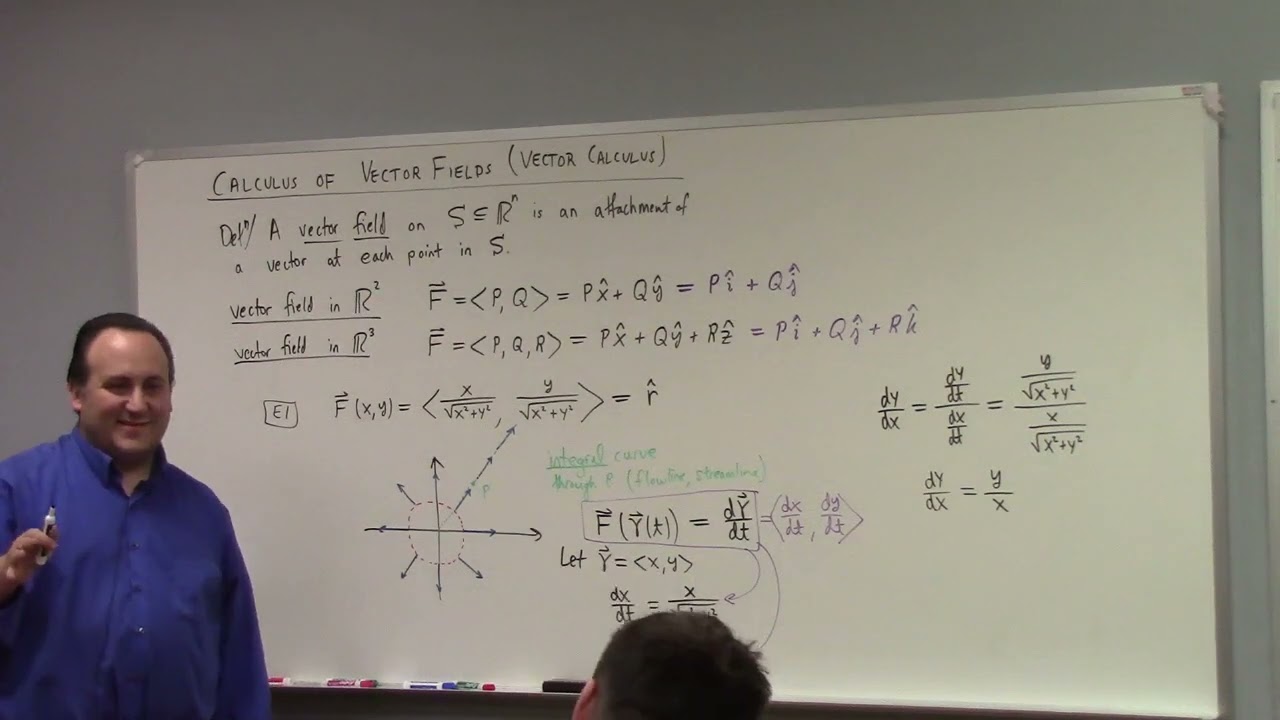
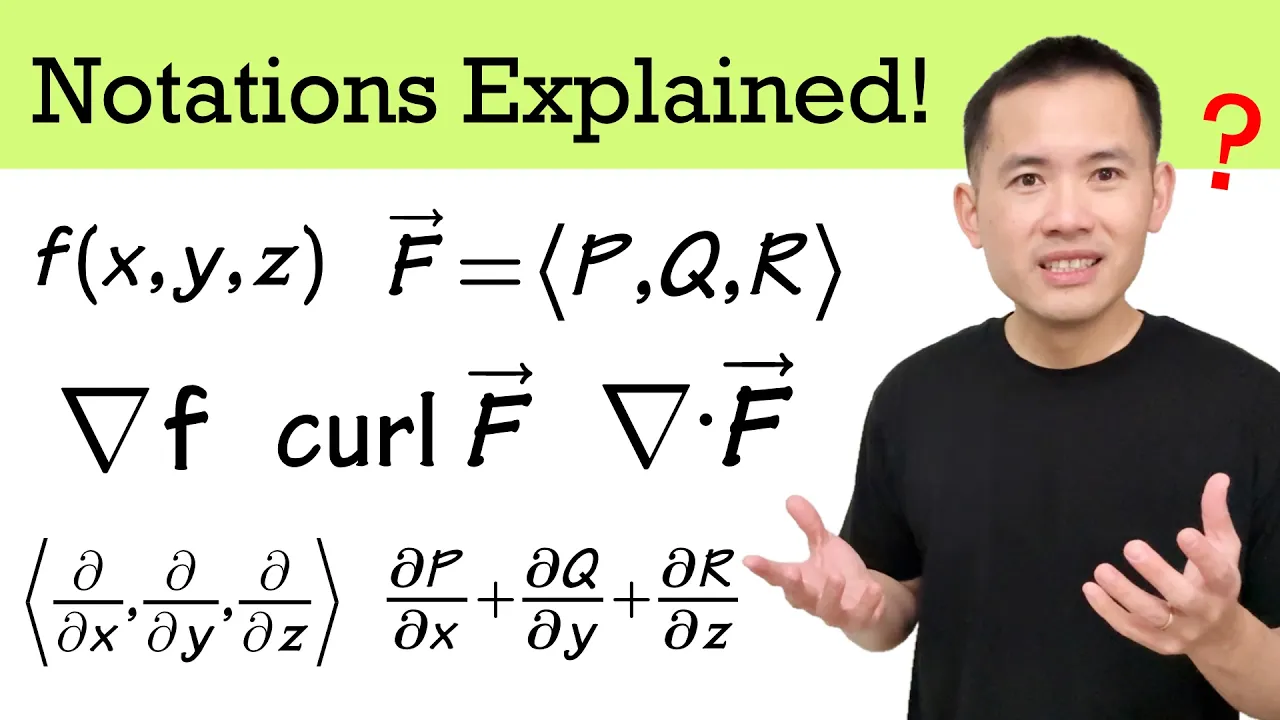
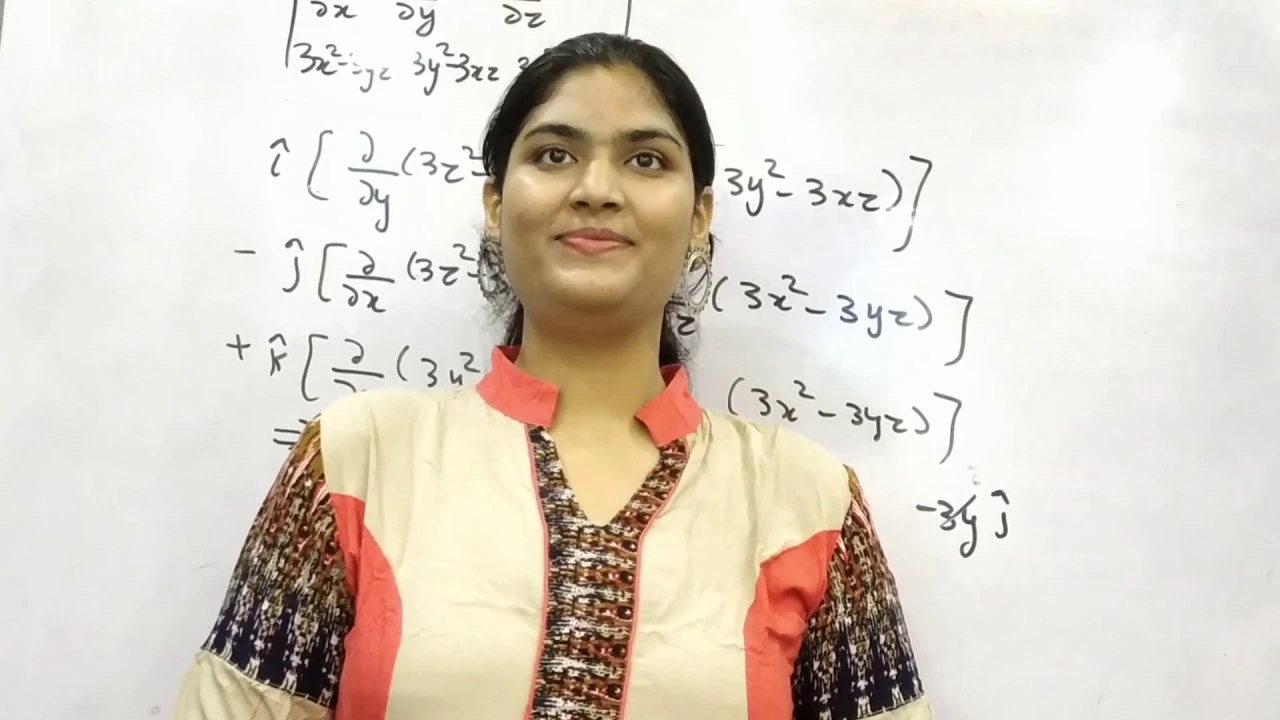
Multivariable and Vector Calculus, specifically concepts like gradient, divergence, curl, and the divergence theorem.
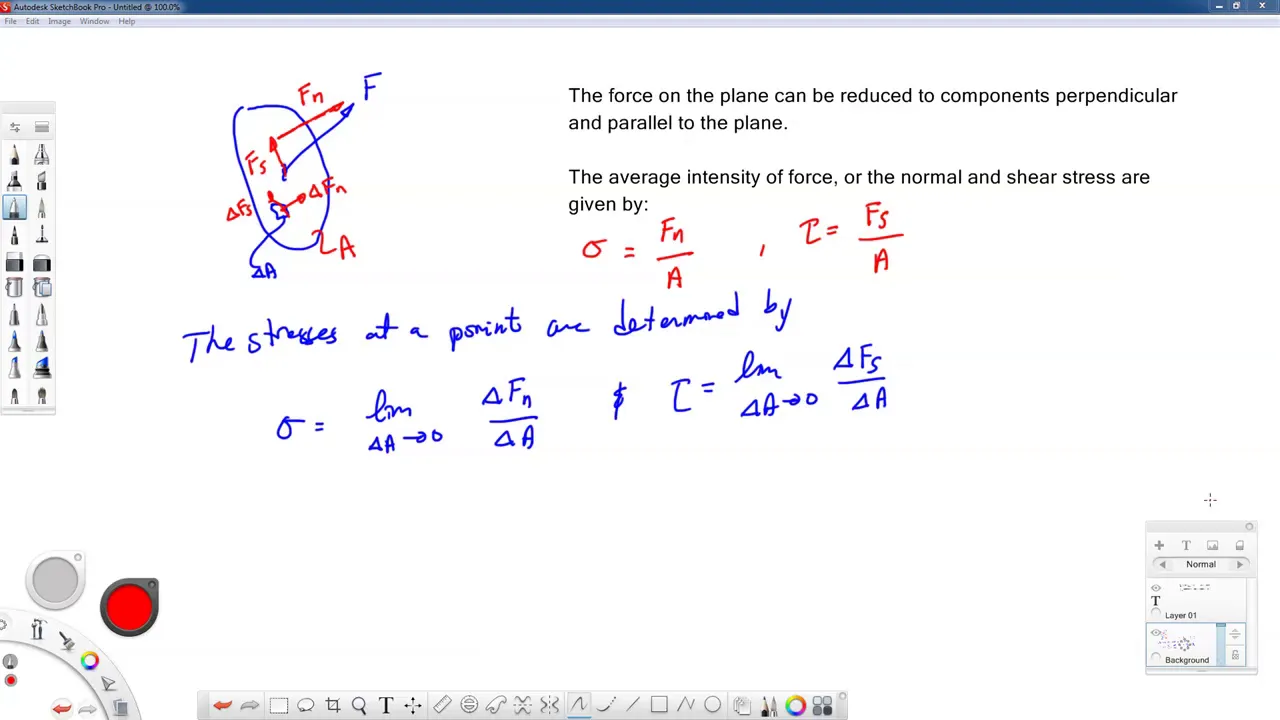
Basic fluid properties such as density, pressure, shear stress, and viscosity.
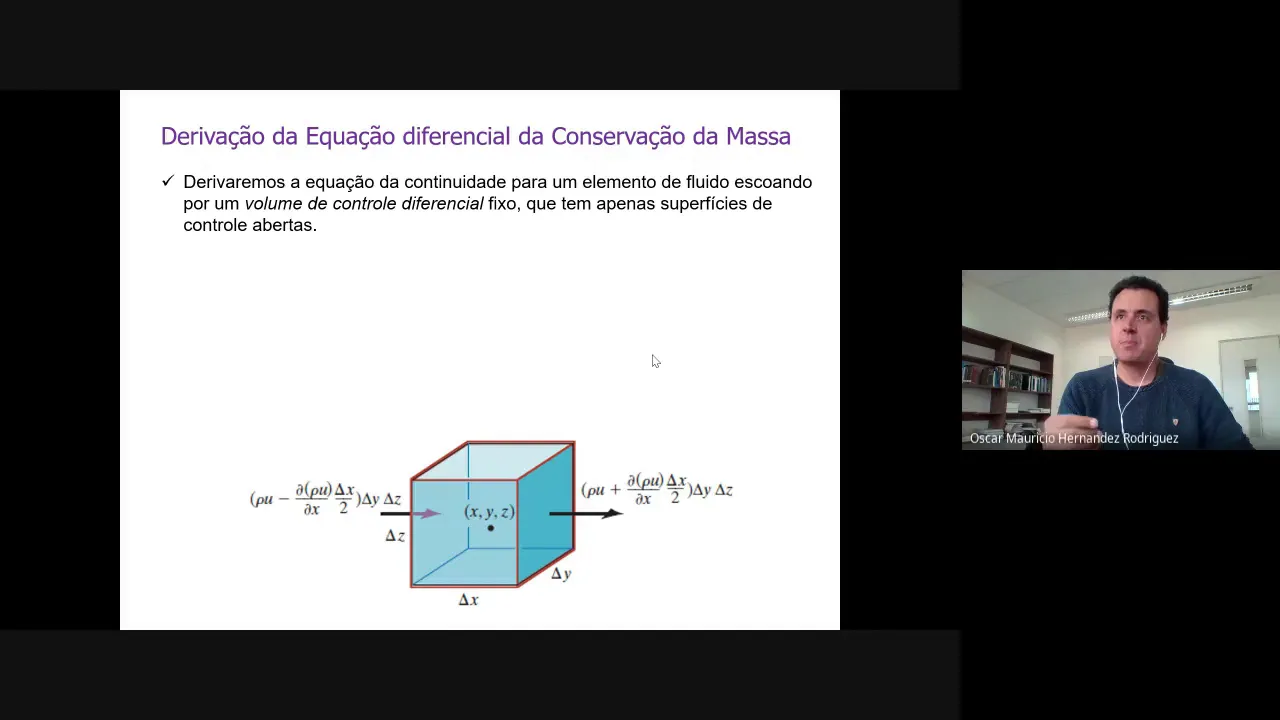
The concept of conservation laws, particularly the conservation of mass (the continuity equation).
Simplifications of the Navier-Stokes equations, such as Euler equations for inviscid flows and Stokes flow for low Reynolds numbers.
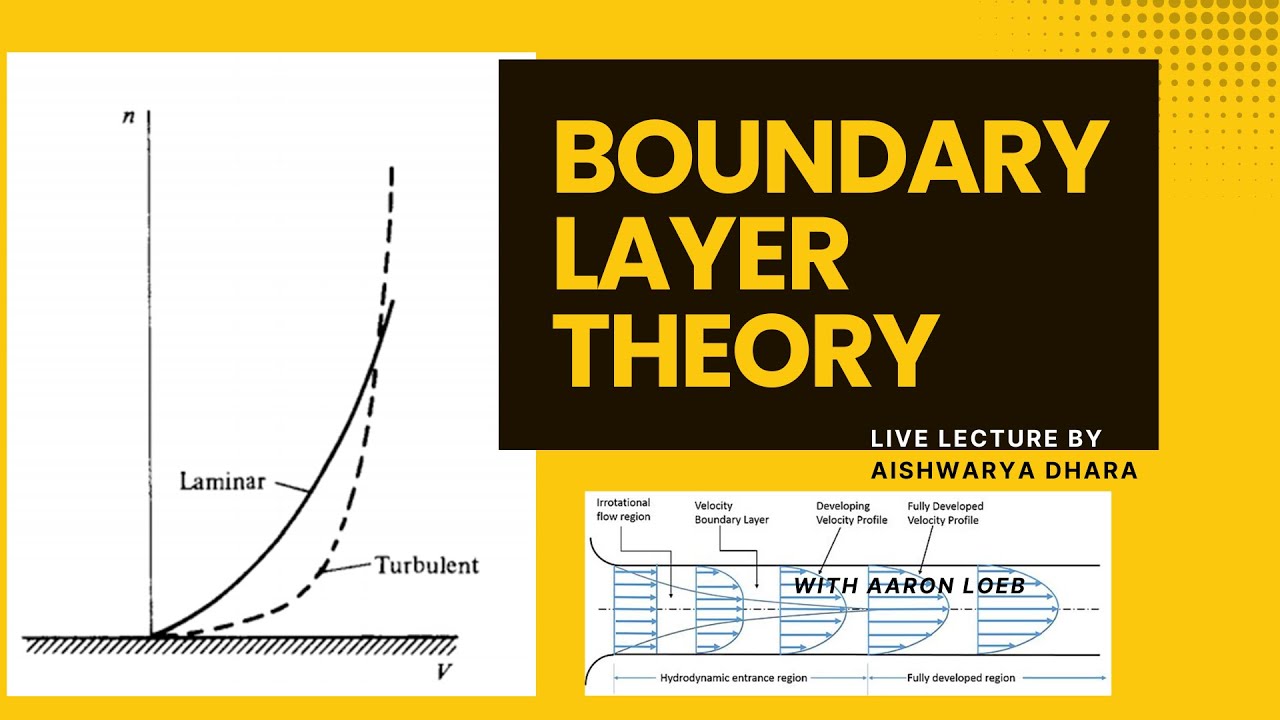
Boundary Layer Theory and the analysis of flow separation, drag, and lift over solid bodies.
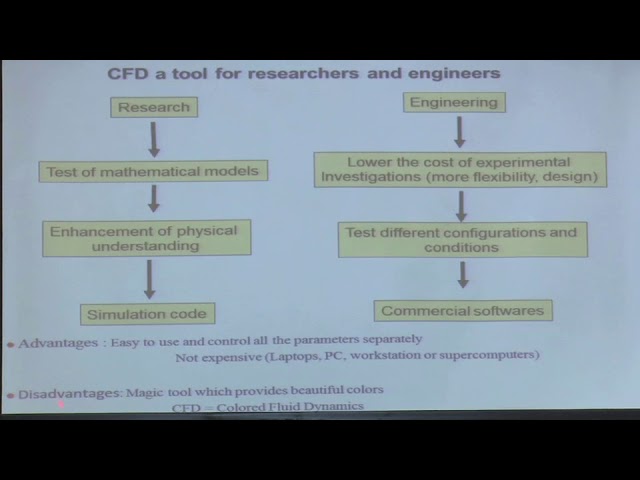
Introduction to Computational Fluid Dynamics (CFD) and numerical methods for solving the equations.
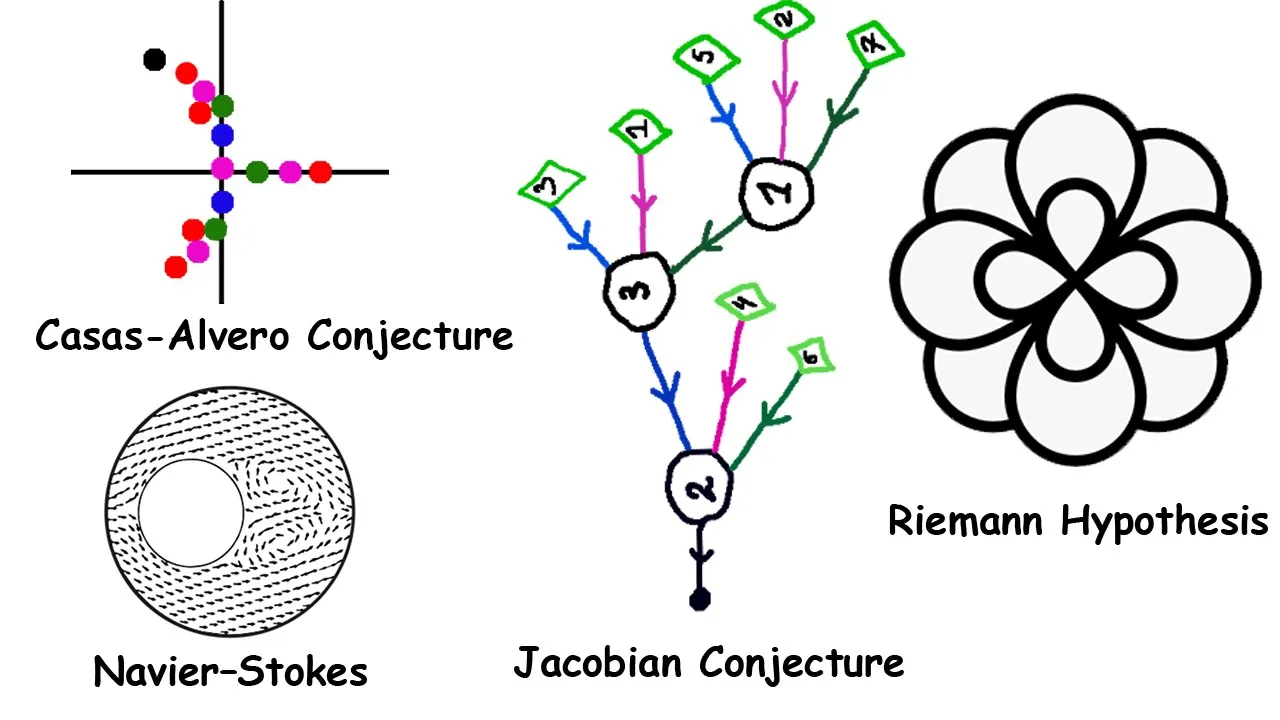
The physics of turbulence, Reynolds-Averaged Navier-Stokes (RANS) modeling, and the open mathematical question of the Navier-Stokes existence and smoothness.
57.3K views1.1Klikes31:49Original Release: 2018-03-18
well hello that are gonna start series of videos on fluid mechanics and such topics as CFD computational fluid dynamics among other topics of interests of you and me on physics mathematics and engineering etc okay so for those who don't know me my name is Leonardo I'm a civil engineer from Brazil I've worked with computation of dynamics for almost six years now I've done some research academic research and some worked on some projects as well okay so in this video we'll begin by talking about the navier-stokes equation and some common misconceptions regarding its interpretation its use and its limitations the motivation for this video was a YouTube video that I saw today in which the youtuber talked said that the navier-stokes equation were reliable to every fluid we know which is not true and we was talking about navier-stokes equation in this form which is for a Newtonian is not every fluid definitely not OK by Newton Newtonian fluid we understand we know that fluids like water air and oil in following typical conditions of Earth it obeys to Newton's law of viscosity but there are several foods which do not for example toothpaste even ketchup most most food we eat do not obey to Newton law of viscosity so we call them no Newtonian fluids okay there are several more fluids which do not obey this Newton besides that navier-stokes equation was deduced for an incompressible fluid which is a fluid in which the compressibility in the of the fluid is not relevant appreciable okay it's not it's there are not considerable variations of the density of the fluid in space and time okay so to understand this equations and where it came from we have to look back at the most one of the most basic principles of physics and mechanics dynamics and Static which is the Newton's second law everything knows everything in fluid mechanics comes from Newton's second law it's the most basic principle of physics of course it is adapted to some added some features and some mathematic treatment but it's a it's essentially the Newton's second law if you can understand that then you have done half way to understand navier-stokes equation right so Newton's second law tells us roughly that mass times acceleration is equal to the sum of forces acting on a particle so Newton's second law tells us about forces acting on a particle but in our they Stokes equations they tell us of the behavior of a volume of fluid so what essentially we have to do is to transform an equation that acts on that tells us about the motion of particle to volume of fluid not a particle of fluid this is very important so putting this in a mathematical expression we have mass which is a scalar variable acceleration which is a vector variables and forces which is also a vector the sum of forces acting on a particle right and if we recall from calculus and basic mechanics the acceleration is actually the rate of change in time of velocity so is DV DT okay here is another scoville value so M times DV DT which is the rate of change the derivative of velocity in time is equal to the sum of forces acting on this particular particle but if we want to transform this equation into an equation which regards the behavior of volume we have to divide this by D which is the volume of fluid of course here we are applying the Continuum Hypothesis which is a topic for another V right so by applying the Continuum Hypothesis dividing all this equation by V we can notice that M divided by V which is the volume of fluid we obtain the density of the fluid on this particular volume it's a very tiny volume of fluid for example in this equation in this flow here which is tronic jump on our reservoir by letting the water flow over spewing we are reducing dividing this domain of study into tiny volumes of fluid so we want to know the velocity and the pressure of this flow in every little point here which is represented by a tiny a very small volume okay so this is equal to the fluid density which will varies are not alongside this domain here in the case of water it is constant okay and here we'll we'll take another term of forces which are the volumetric force these are the forces acting on a volume of fluid so here is the note in small caps to differentiate from this okay so it is very important the force the forces term on the navier-stokes equation are the volumetric force so if you think in terms of units if newton's law of motion second law we have newton which is the unit for force here we have Newtons per meters cubic okay so we now have to determine how to write this term and how to write this term how do we get this from here we already have the density which is hope here which will be the acceleration term of the navier-stokes equation the two accelerations the temporal acceleration and the convective acceleration and the sum of volumetric forces acting on a fluid in which case it's the pressure and the viscosity force but can be much more so we'll begin by the acceleration term deducing how do we get from this term to this one okay so as you can see V is a function of the three temporal coordinates here in Cartesian form which is XY and Z 3 axis and time so it's a vector function of four variables as you know found vector calculus V we can express as UV W using the unit vectors I J ok right so when we apply the derivative in this case the total derivative we will see why we call it that way in a moment so we have to apply the time derivative of a function of XY and Z in which case XY and z are coordinates which varies in time there are some functions of time so we now have to by the chain rule here when applying the derivative of time would take the partial derivative of V DV DT and here DV DX and DX DT because of the chain rule remember that x y&z are also functions of time the rate of change of space-time is the velocity is the definition of velocity so we apply this to the four sorry the three the three components of velocity in space UV and W and now we obtain DX DT dy DT DZ DT okay because D is a function of XY and Z and T so we can write DX DT dy DT DZ DT as u V and W as you can see here so we can rewrite this all these three terms here your more compact form by using the Nabal operator if you don't recall what an operator is it is vectorial operator in which we had the the something we want to apply DX D the function scholar or factorial we want to apply D Y and the dizzy right so here we have in this part here or nabla operator as you can see and here are the three components of velocity so it is of course we can write as vector V a velocity and these we can apply as the novel operator operating on the vector function of the last so a little bit of vector calculus here no problem so we can rewrite this as this which is much more elegant and compact it's easy to work with and now we obtain our first the left side of the equation of the navier-stocks which reaches these two terms here well I do exactly they mean what do they would present well as you can see in a fluid we have two accelerations two types of acceleration we have the temporal acceleration and the convective acceleration well the temporal acceleration is very straightforward to understand it's the purely acceleration of a fluid it's the rate of change the rate of change of velocity in time is the acceleration percent but this term here is called a convective acceleration and it's the term that gives so many of us here headaches why as you can see here this term involves derivatives and this of a function of a certain function in this case V and this term is the function V so we have a function a multiplying multiplying the derivatives of this function it's the nonlinear there which on this which which makes the navier-stokes equation much more complex from the mathematical point of view and difficult to solve analytically and also americlean approximation by approximations if you recall from physics convection happens typically in fluids now when something is being transported alongside a fluid flow fluids have this interesting property that when think of a concentration of some temperature temperature of our pollution it's when you have convection of temperature the velocity of the fluid it's what transports it alongside domain but besides that velocity transports itself as you can see here the term being transported here is the velocity itself so velocity transports velocity is the convection of lost okay so moving forward we can now reduce the force term the forces the sum of forces acting on the fluid the volumetric Force it's what it's important to note that so we have this term here we will now arrive at this term okay so recalling we can have several forces acting on the fluid here we will only consider the pressure forces and the viscous force but there can be plenty more like the corioli forces the forces due to rotating motion on a rotating frame of reference the surface tension forces for example the surface tension of in the interface of water and air flow there can be many more the gravity force which pulls the fluid to the bottom and so on electromagnetic forces that there can be plenty more forces acting on the fluid okay so we have to express these forces as forces in a volume so you use the once again the nabla operator we have the nabla operator on the pressure forces which is also a negative force due to the compression okay and we have the viscous forces represented by the stress tensor well this dancer if you recall from tensor calculus it has to if we're talking about that 2d flow a two dimensional or three dimensional we will have nine component components who have four if it is a two-dimensional and nine if it is three dimensional as you can see here well what exactly is a tensile well scalars and vectors are also tensors ice color is a tensor of order zero a vector is a tensor of order one and this stress tensor here is a tensor of other two there can be higher orders but will not work here with dancers of higher orders so here we write dancer in a matrix form so if it is was a skullet variable we will have only this component here if it was vector value we will have only this row here or this column or anyone on this cone so as we have a tensor we will have at least two rows and two columns right so as you can see these are nine values we can proceed we can proceed when solving a day stokes equation with this the nine additional variables so we have to use some constitutive relation on this case the Newton's law of viscosity which is given by this expression you can see here that I only wrote this expression for the X Y component of the tensor which is by the way symmetric right but it can be deduced to the other terms of the dancer as well right so Newton's derived a law by experimenting with fluids and he observed that the shear stress on the fluid it is directly proportional to the rate of change of velocity in space and given also by this constant which is called the dynamic response casa there is the dynamic viscosity and the kinematic viscosity we'll talk about the difference between the two in another video so by using this constitutive relation we can show that this dancer can be expressed like this I'll show here how the other terms of the tensor look like for you to give the have a good idea of how does it look like and then look here is what the stress tenser looks like when applying the Newton law of the constitutive law of Wisconsin using the iceland's notation we can write this like this this rotation is very useful this will be a topic for another video and there is also another way to express the navier-stokes equation using this notation okay so this is equal to this it is very useful and compact form to express tensor so moving forward we have obtained now this equation by applying a constitutive relation or Newton's law of viscosity so by combining these two equations two operators were playing nabla square which is known as the nub laplacian operator and this is as this is constant we can put it outside the this expression now we now we obtain the volumetric forces acting on a volume of fluid so by combining these two is one in this one we now get the finally in the de stokes equation in the desired form well from a mathematical point of view this is a nonlinear partial and vector differential equation and it is this equation is composed by actually three equations because we have three components for velocity because we are dealing with three dimensional space so we have three variables for velocity and one for pressure so which make these four variables but three equations we are missing one equation so the mathematical problem be fully determined alongside the boundary conditions on the limits of our domain of study the boundary conditions will be topic for another video there are plenty of stuff to talk about the boundary conditions so in order to the mathematical problem to be fully determinant we need some other equation which in our case would be the continuity equation for incompressible fluid right so it is written on this form so the navier-stokes equation and the continuity equation these four equations combine whipped in a fully determined mathematical problem however there are some issues regarding this equation in differential equations there is much important a very important mathematical property that says if certain equations has has a solution and if it has a solution it is a unique solution so mathematics mathematicians have not yet that these two sets the sorry these four sets of equations have a solution and if they have a solution it is a unique solution in three-dimensional space but for two-dimensional space space it actually has been proven that when a Stokes equation has a solution and it is unique solution also if you can see here what we will do is isolate this term and compute calculate the velocity in the next time I integrate I'm gonna rearrange this equation here so if we do this operation by isolating this term and integrate this equation in time we obtain the fluid flow in the next time but how do we obtain pressure by knowing the initial conditions of pressure and velocity how do we obtain the pressure in the next time step we don't have an equation for pressure even if we use a continue the continuity equation it says nothing about the pressure on the fluid so in order to do that by solving numerically this equation we will have to do some tricks in the navier-stokes equation by transforming it into a Poisson equation that also will be a topic for right some other as mathematical aspects of this equation is that it rarely early has analytical solution so only for very simple flows it has analytical solution and of course there are for laminar flow laminar flow for turbulent flow there are no unknown at this point at this moment to this date analytical solutions so we have to solve them numerically this I will talk about in make a series of videos on this topic about how do we solve a navier-stokes equation merrily it's a very complex topic he has a lot of numerical methods and some rough mathematics behind it okay well I would like to know in the comments what did you think about this video suggestions some criticism and any doubts and questions you have you can send that to me in the comments don't forget to subscribe and I'll see you in the next time thank you
Up Next
9:28
Maxwell's Equations in Geometric Algebra | Multivector Form
@PeeterJoot
13.5K views•2023-10-30
73:35
Deriving Maxwell's Equations in Geometric Algebra (QED Prereqs) 11
@XylyXylyX
2.6K views•2024-09-08

32:32
NMR Spin Physics I: Zeeman Effect, Resonance Condition & Larmor Frequency
@nptel-indianinstituteofsci8064
2.3K views•2024-01-17

33:44
The Blue LED: A Decade-Long Scientific Challenge Explained
@veritasium
46.5M views•2024-02-08
Related Study Plans & Knowledge Roadmaps
Structured learning paths in Physics
physics
Medical Physics: Imaging, MRI & Radiotherapy
01Foundations of Radiation and Matter Interaction
02X-Ray Imaging and Computed Tomography (CT)
03Magnetic Resonance Imaging (MRI) Physics
+ 3 more learning modules
15h6 modules
Explore Roadmap
physics
Nuclear Physics (Decay, Fission & Reactors)
01Atomic Structure and the Binding Force
02Radioactive Decay and Half-Life
03Nuclear Fission Mechanics and Chain Reactions
+ 2 more learning modules
12h5 modules
Explore Roadmap
physics
Soft Matter (Polymers, Colloids & Rheology)
01Foundations of Soft Matter & Thermal Forces
02Polymer Physics and Macromolecules
03Colloids, Surfactants, and Self-Assembly
+ 2 more learning modules
38h5 modules
Explore Roadmap
physics
Analytical Mechanics: Lagrangian & Hamiltonian
01Mathematical Foundations: Calculus of Variations
02From Newtonian Mechanics to Constraint Dynamics
03The Principle of Least Action & Lagrangian Mechanics
+ 3 more learning modules
28h6 modules
Explore Roadmap