
























Dopamine is a neurotransmitter involved in motivation and reward circuits, not a substance to be removed; the concept of 'dopamine detox' is scientifically inaccurate because it misunderstands how dopamine receptors adapt to constant stimulation, and true intervention focuses on receptor regulation rather than eliminating dopamine itself.
The Neuroscience of Dopamine Fasting: Fact vs. Fiction
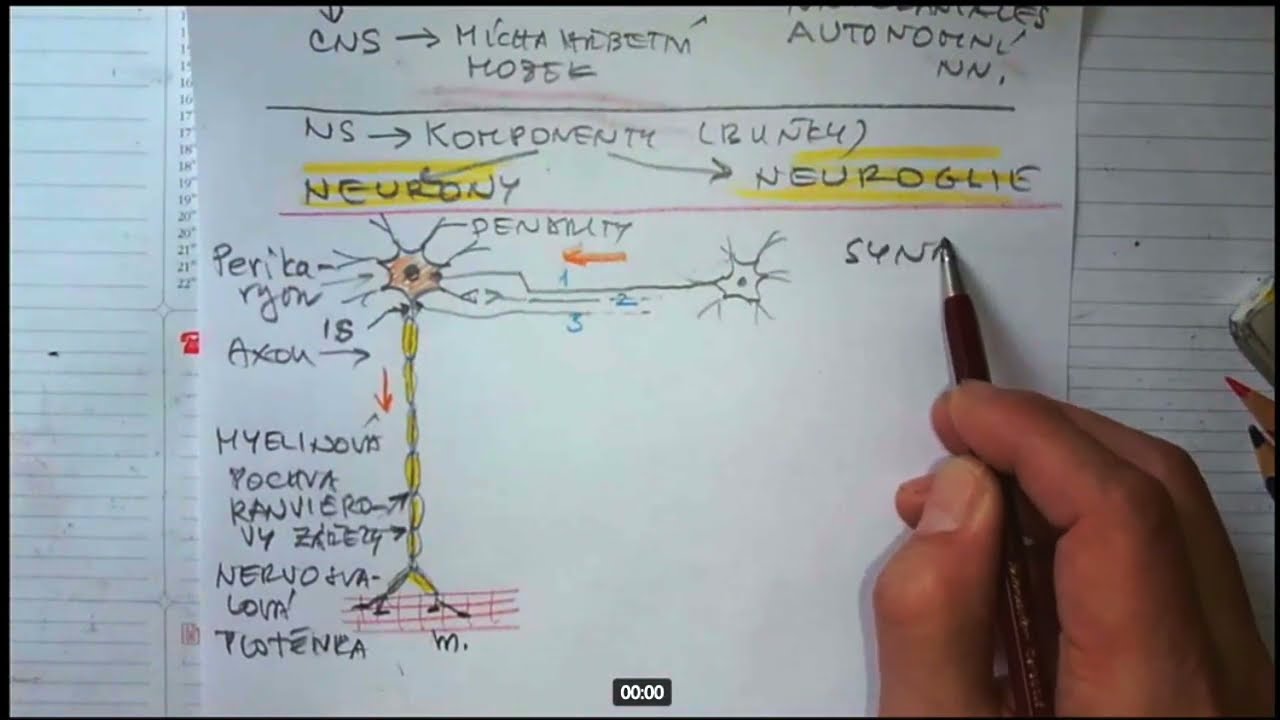
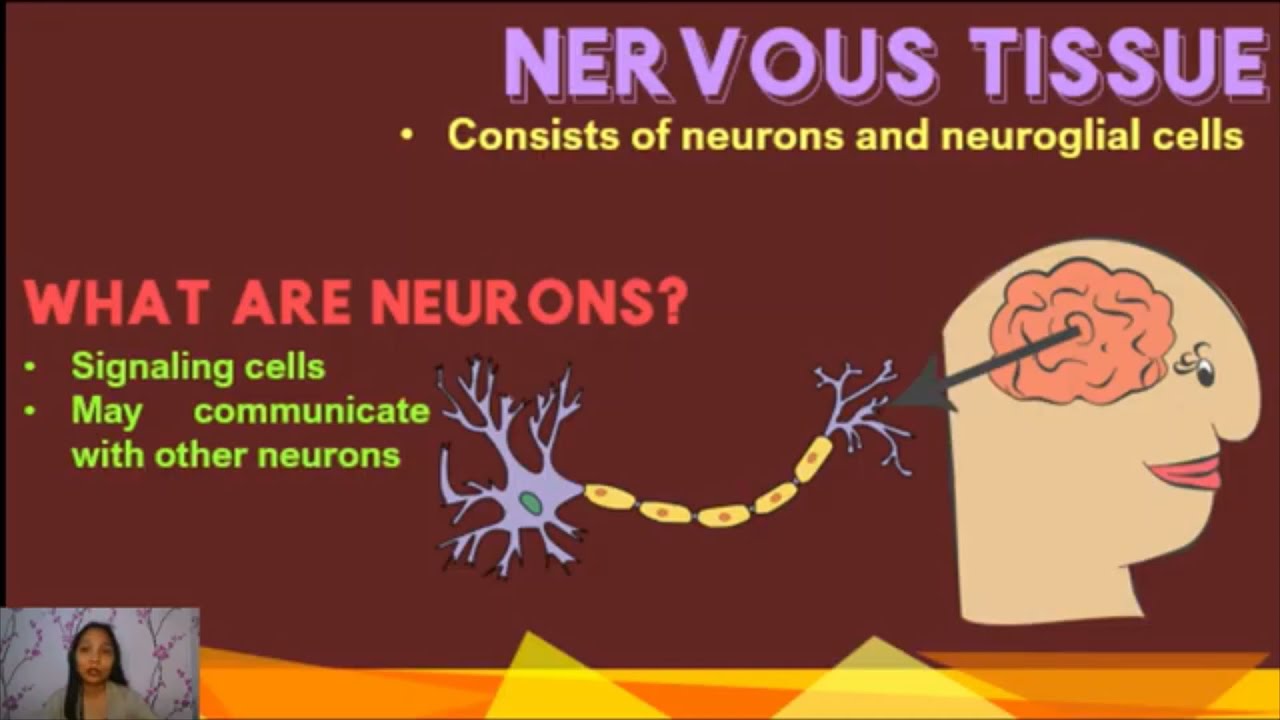
Added:Basic neuroanatomy and synaptic transmission, specifically how neurotransmitters carry chemical signals between neurons.
The physiological role of dopamine, moving beyond the pop-culture definition of a 'pleasure molecule' to its actual function in anticipation, motivation, and reinforcement.
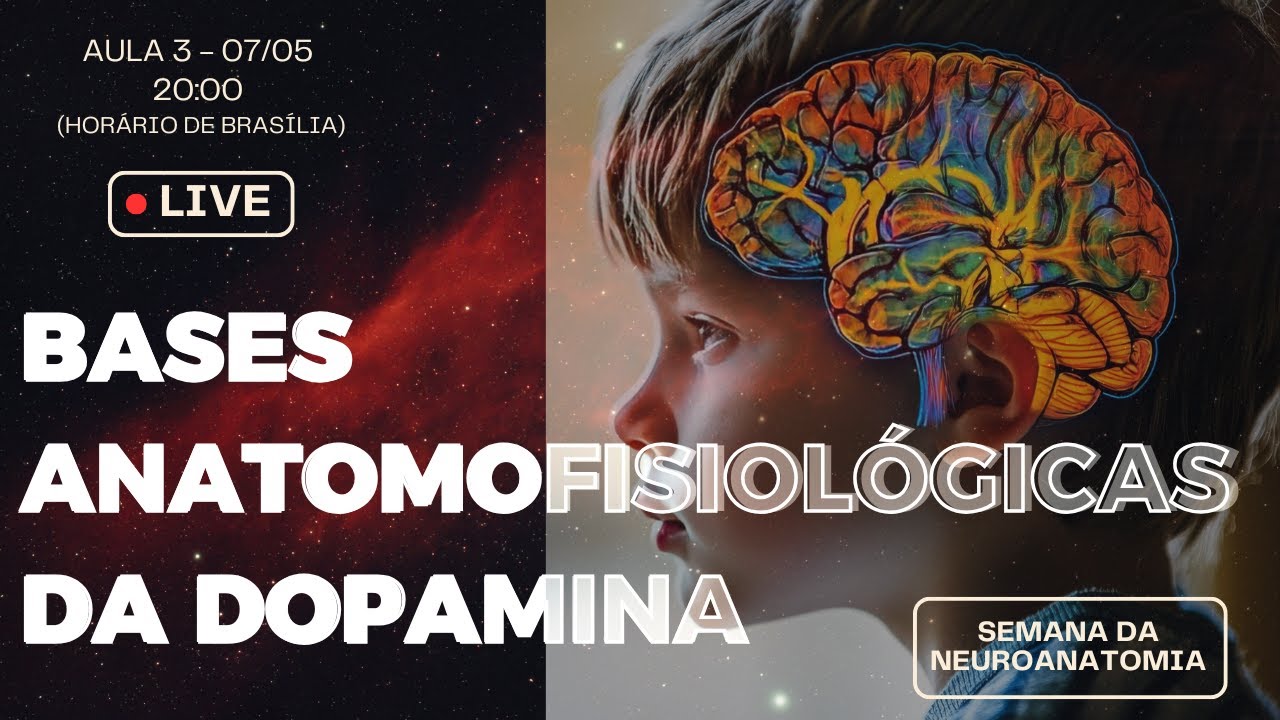
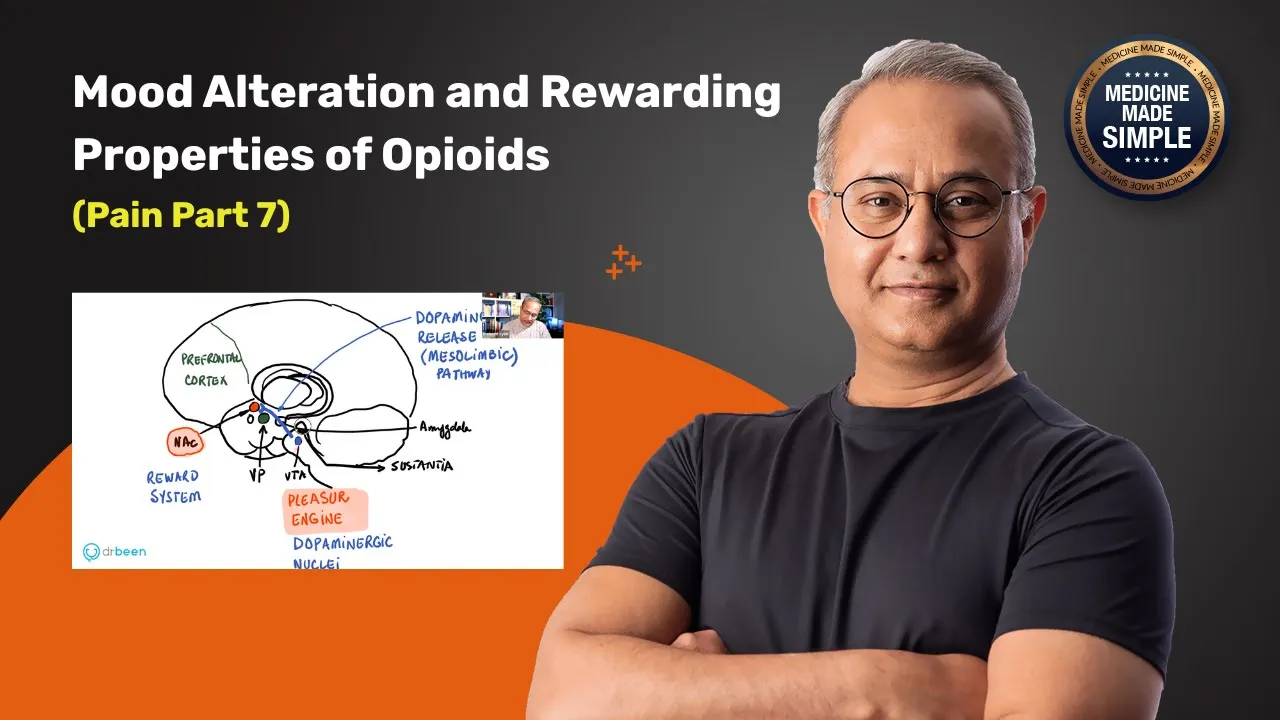
The structure of the mesolimbic pathway, also known as the brain's reward system, and how it influences behavior.
The concept of receptor downregulation and tolerance, explaining how the brain adapts to chronic high levels of stimulation.
Advanced clinical applications of dopamine regulation, particularly in the treatment of ADHD, Parkinson's disease, and substance use disorders.
The neurobiology of habit formation and extinction, exploring how cue-routine-reward loops are wired into the basal ganglia.
The physiological interplay between dopamine and other neuromodulators, such as serotonin, noradrenaline, and adenosine, in regulating alertness and mood.
Evidence-based behavioral interventions, such as Cognitive Behavioral Therapy (CBT) techniques, used to manage digital addiction and attention fragmentation.
Scientific literacy and critical analysis of lifestyle wellness trends, learning how to separate peer-reviewed neuroscience from pseudoscientific marketing.
1.3M views43Klikes34:51Original Release: 2021-06-08
just a reminder that like we're going to talk about dopamine detox today a lot of the things that people struggle with and when people have questions like how do i build confidence how do i you know let go of past resentment how do i better understand anxiety like how can i develop like a meditation program to help me with like feelings of depression or inadequacy all of those questions so what we actually did is take like the most prominent questions in our community and actually package them together in a really formal way and that's what dr k's guides are so if you guys have um you know particular issues where like you're watching stream and one day you're like oh my god like that's me i feel personally attacked sag like oh what do i do about that that's what the guides are there for i think they really cover like 70 of the introductory questions that people will have um so you guys can you know check those out they should be coming out in about a month or two so what we're going to do is we're just going to start with googling dopamine detox this is gonna explain part of the reason why dopamine detox is tough so recently i heard about this whole dopamine detox idea usually when i hear about these trends or whatever i ignore them but this time it was different not only did i become more productive but i also quit smoking wow that's really impressive so what is a dopamine detox so like what is dopamine great so he says that it is a type of neurotransmitter okay this shows a picture of it good detox is a process where you move something toxic or unhealthy out of your body this is also called detoxification this is where things get weird right because in the dopamine detox are we removing dopamine from our body so however dopamine what makes dopamine so bad is that it is is that your brain keeps looking for it over what you actually want so this is where we get into a problem so we're going to dig into the neuroscience here this is the statement is untrue so dopamine is what determines what you want so if we look at like what dopamine does in the brain it actually determines your it the dopamine reward circuitry is a circuit of motivation and behavior so like when you want something that is because of dopamine so what does a dopamine d a dopamine detox removes almost all dopamine from your body for how for however you choose to do it so this statement is so horribly incorrect that it blows my mind okay so this is like saying going on a diet is removing almost all calories from your body for however long you do it okay the goal of a dopamine detox and this is a this is a really important point which will illustrate down the road is not to remove dopamine at all we're not trying to remove dopamine dopamine is a neurotransmitter i don't know if you guys know this but like parkinson's disease is the result of destruction of your dopaminergic neurons in a particular part of your brain and so like if we removed all the dopamine from our body what we would end up with is parkinson's disease this is not true we do not want to remove the dopamine levels my point here is that people who are spreading this information do not have so this was like on the front page so i granted i used go i don't know exactly what would happen if i use google probably be influenced by my search history so i use duckduckgo in in you know in privacy mode and so like the first thing that i want y'all to understand about dopamine detox is like most of the information out there is like done sure like this person had a personal experience and i think it's great that they're sharing that personal experience but like they don't understand actually like what the goal is okay so then let's see what they say next okay so step one so how do you just remove it all yourself you just ah one of my favorites from things of the internet that involves self-help and growth growth blogs you just remove it just remove it chat what's wrong what's wrong with you dumbasses just remove it just just log out just like food none just don't eat chat anything else that gives you dopamine stop eating log out of all your devices just stop playing video games chat just stop drinking just stop doing drugs just cigarettes oh like no wonder he quit smoking he was like oh my god you just get rid of it chat for how long do you do a dopamine detox most people said for 24 hours however there were some people like alex becker who did it for much longer oh alex becker did it for march so i decided to go for 36.
wow that's so horribly incorrect because this does not understa like this person does not understand the mechanisms through which a dopamine detox works we'll get to this okay where i failed will i do it again what i don't understand most of it chat most of it wow for a fail so i don't even know let's just move on to the next one okay all right so how to reset your mind with a dopamine detox from project life mastery okay is there some stuff about world health organization okay there's a how to reset your mind dopamine detox youtube video this guy is smiling and is wearing a suit cool ready to succeed faster and master every area of your life click here to join my life master accelerator mastery life mastery accelerator program a dopamine detox can change your life okay let's look at the neuroscience dopamine functions in the neurotransmitter that is correct it affects many aspects of your behavior some of which include learning motivation mood this is also correct so this this neuroscience seems better chat your brain is addicted to dopamine and it will try to stimulate the repetition of behavior that produce dopamine in the first place technically released dopamine in the first place not produced it but close enough right we can let that slide once you get what you desire dopamine turns off as a result you end up feeling not as satisfied as you thought you would sort of okay you may end up feeling empty okay okay he talks about phenol ethyl amines here falling in love i'm not quite sure what this has to do a simple and powerful example is sugar addiction dopamine creates a craving for sugar so he talks a little bit about satisfaction which makes sense so this is actually like this is pretty good oh wow look discover the seven proven business models that made me an internet millionaire in less than three years and he's sitting on a car get instant access to free video training and get started free four-part video training and he's sitting on a b discover how to make money publishing books on amazon mastermind your way towards success i'm con hmm okay let's go back to this i'm getting i'm getting a little bit distracted by you know i guess this guy is an expert at amazon publishing or dopamine i'm confused investing for beginners supplements how to master your mind and emotions how to start an amazon fba physical products business she makes 40 000 per month on amazon and up nlp training what it's really like to be a millionaire okay i'm a little bit confused about what this guy's okay so here's where things can get messy when you stop engaging in addictive behaviors all at once you may experience withdrawal symptoms this is a dangerous way to detox your system this is also true so withdrawal from alcohol and benzodiazepines can even be life-threatening it becomes the only way that you are able to experience happiness please use dopamine people use dopamine hits as a way to mask negative emotions that they don't want to feel this is also correct you can only distract yourself for so long before those emotions rise to the surface and start affecting every area of your life sort of true best way to reset your mind is to cultivate here and now transmitters these include serotonin endorphins oxytocin and gaba okay so this is where the neuroscience once again is just way off these neurotransmitters allow you to enjoy the present moment experience connection and be at peace with yourself that's just horribly incorrect so just to give you guys an example okay so this is neuroscience 101 neurotransmitters are like letters of the alphabet they can be used for all kinds of things so for example serotonin is used in your gi system and if you get way too much serotonin in your gi system if you cultivate too much of the here and now transmitter of serotonin you will end up with diarrhea this is bad gaba is a supr suppressing or or inhibiting neurotransmitter that is activated in increased by the use of alcohol and benzodiazepines using so like alcohol literally activates your gaba receptors and and stimulates gaba production so this is the one thing that i really notice about you know people like this dude who like i'm sure that he's trying to help people and it seems like you know he's got he's actually doing a pretty good job with the science um but it seems like his expert his expertise is in mastermind your way towards success he's an internet on entrepreneur life and business coast and philanthropist right so it seems like he's not claiming to be a neuroscientist which is great um but like this is like so neurotransmitters in the brain and all over your body do all sorts of things so oxytocin for example is also what causes people to lactate if they're you know in the postpartum period so like neurotransmitters don't just do one thing they're actually like letters of the alphabet so if you think about a letter of the alphabet it's used in a lot of different words right maybe some letters may be more common in particular kinds of words but our body like it's basically a signal that the body sends and depending on where the signal is sent like in in the basal ganglia dopamine is used for like regulating motor stuff right like how i move so like for example people who have like basal ganglia problems will have like their their movement is not smooth with their arms it'll be like a ratchet movement so you cultivate these here and now transmitters by slowly starting to remove behaviors that are causing issues in your life pick one thing in your life that you're addicted to whether it's video games pornography social media coffee or sugar give your mind a rest and allow your baseline to return just just give your mind rest chat meditation is a powerful way to increase your dopamine levels naturally and reset your brain i actually don't know if it's true that's true i don't know if meditation does anything to alter your dopamine levels it may this this could be correct it's also been found to rebuild your frontal cortex this is true i don't know about rebuild but it does improve prefrontal cortical function which leads to self-control and willpower that is correct i encourage you to do some research i completely agree because this doesn't seem like a whole lot of research yes chad i encourage you to do that if you're struggling don't give up hope that's cool right that's a message of positivity are you ready to do a dopamine detox okay so i don't know exactly what this person is doing but yeah so like this is my point like so he's you know standing in a cool place and speaking to people and stuff i i just don't know so this is the problem with dopamine detox is like no one knows like what on earth they're talking about like i don't get that this person is you know he's this is great i mean this is actually pretty similar to what we do right chad it's like purpose vision spirituality like neuroscience sprinkled in like it's kind of like us right so this dude is like happy and he's successful and there he is in sunglasses with a car and oh my goodness wow this is so this guy must know a lot about you know dopamine detox and then there are testimonials great yeah so i just don't know i don't know about this stuff okay so it looks like he's got courses affiliate marketing mastery mastering book publishing the 24-hour book system amaz amazing selling machine so i i just this is my point is like people what what i think is going on right now when it comes to like information about dopamine detoxes is that like people like this who seems like he's good at selling stuff right so his expertise is in selling and he's like oh like this is great like people will search for dopamine detox my website will pop up because he knows about you know marketing stuff and then i will talk a little bit about it and then presumably he will people will purchase my products and services so this is like the problem with with a lot of the information about dopamine detox is that it seems like people just sort of like talk about it right but really don't know what they are talking about so now let's let's let's before we get too far let's look at like so let's look at the flip side right so if i were to go to pubmed and do a search for dopamine detox what would i find right so so first of all i don't know if you guys know this but you know if i do you should see a bunch of papers okay when you search things on pubmed so if i search for dopamine detox essentially i find nothing so narcotic antagonists and drug dependents pilot studies showing enhancement compliance with cin10 amino acid precursors and and keflanase inhibition therapy this is the other problem with dopamine detox which i want everyone to understand is that dopamine detox has not actually been studied okay so there are not clinical trials on dopamine detox so everything that i wanted to share with you guys today is going to be grounded in neuroscience it's stuff that i've done clinically but if we really look at like have there been randomized controlled trials on dopamine detoxes there have not right so there have not been actual studies that i've been able to find that have a specific protocol for a dopamine detox and kind of like you know how to accomplish it okay so in a sense like while i'm being critical of these people like if we want to be a little bit more fair we have to at least acknowledge that part of the reason that these people are giving crappy information is because frankly good information is not out there yet so now what i'd like to do is share with you guys my experience of like um you know when i've worked with people with dopamine detox first of all explaining to all how the neurotransmitters actually work okay um so we can still so this is where like remember that there's like the end of evidence-based medicine which is like review articles when we have a bunch of studies but before that we tend to have clinical interventions so this is where we can use our good understanding of science and we'll present with you guys with like good literature and stuff like that like this is stuff that is really grounded in a lot of science what i'm about to explain and then we can actually like based on our understanding of basic neuroscience um we can actually like elucidate okay what's going on in in like a dopamine tolerant brain like what happens in the mind of someone who's playing video games we can even hypothesize based on what's happening in the circuitry in the brain what the symptoms should present as and we'll sort of do that and then y'all tell me like okay actually yeah that makes sense this is actually what i experience and so if that's the case then we can sort of do an intervention which i've done and i'll explain how to do that intervention and clinically what i've seen okay so let's start by understanding what dopamine actually does in the brain dopamine pathway so this comes from wikipedia okay so this is a picture of a couple of important dopamine pathways in the brain the ones that we're going to be looking at are the mesocortical and the mesolimbic so and then the vta is also important so these three parts of the brain are going to be kind of where your dopamine reward and behavior and motivation circuitry are so this is important to understand about dopamine okay so dopamine is involved in not necessarily the the feeling of pleasure okay and we're gonna explain this a little bit later and this is where a lot of people get tripped up dopamine is the reward is the neurotransmitter that our brain uses to reinforce a behavior first and foremost so it's not necessarily the feeling of pleasure because as we're going to discover hedonics and motivation are actually two separate neurochemical neuro circuits okay so hedonics is the ability to experience pleasure and dopamine is involved in motivation and reward so when we engage in a behavior that rewards us in some way that reinforcement is going to be via dopamine and the two pathways we're going to be looking at the most are the mesocortical pathway and especially the mesolimbic pathway so this is where the mesolimbic pathway is in involved in reward related cognition which includes incentive salience this is huge so wanting and enjoying are actually not the same part of the brain okay which is going to become important in a second so dopamine is what makes us want stuff the liking and pleasure is involved in the mesolimbic pathway but there's actually a separate circuit that involves that more which we'll dig into once things get complicated which is how the brain works sorry to say it's not like super simple and so it also has to do with aversion related cognition and positive reinforcement what aversion related cognition means is that like basically if we avoid things so we can reward behaviors through a version as well so like if i don't go to you know if i don't ask anyone out to prom or if i don't go to prom i'm gonna be like more peaceful because you know i'm scared of going to prom i'm scared of feeling alone i'm scared of all that stuff so dopamine is involved in that kind of motivational circuitry way as well it's like the motivation of avoidance the mesocortical pathway is a little bit different because this involves executive function so what that sort of means is that our mesocortic so our mesolimbic pathway this pathway here okay which goes from the ventral tag mental area up to i forget what this part is this is the oh nucleus accumbens okay so uh this pathway is really around motivation and reward in the mesocortical pathway so remember our frontal cortices are the ones that give us a sense of control and willpower so what this means executive function is the ability to plan out a task over time and execute on those pieces so if i want to find a job that involves polishing up my resume it involves updating my linkedin profile if it involves like these other kinds of things then applying to jobs responding to emails sending you thank you notes after interviews all of those things are are essentially executive function and if we really look at it this is why it's important if we really look at it the key thing about dopamine here is that that circuit is not rewarded for each of those steps right so the mesocortical pathway is the one that allows us to take actions without being rewarded each step of the way so when i update my resume like i don't get a dopamine hit right if i apply like update my linkedin profile i don't get a dopamine hit and yet our brains ability to essentially execute long-term tasks that are not immediately rewarding are governed by the mesocortical pathway and so what we actually find is that when people get too like dopaminergic dopamine heavy when their mesolimbic pathway dominates their mesocortical pathway what we actually wind up with is people who are unable to engage in action that is not immediately rewarding so it's sort of like they can't do what they should and can only do what they want okay so like you guys let me know whether that sort of makes sense in terms of something that you struggle with because that's like this is what the neuroscience tells us right so we can look at these two different functions of executive function and like mesolimbic what it does and we can draw hypotheses based on the science of what the clinical presentation of this messed up circuitry looks like so the next thing that we're going to talk a little bit about is the anterior cingulate cortex okay so now i'm going to explain a couple of things to y'all the anterior cingulate cortex is involved in something called effort computation and what effort computation means is that there's basically any time we take an act this is the anterior cingulate cortex anytime we we are calculating an act or any time we're thinking about doing something our mind essentially has something called an effort calculation so it sort of says like okay i can do this and get this reward this requires this much energy for this kind of reward or i can invest in invest in a lot of energy for a lot of reward or i can best invest a lot of energy for a low reward or i can invest very little energy for a high reward right so i can do something like spend 10 years becoming a doctor which is a high effort high reward sometimes i can even do things that my mind will tell me like oh there's no point in asking this person out because they'll never say yes so that's a high effort low reward strategy and then even there are things that are low effort high reward strategies like i'm gonna spend all my money on dogecoin amc and gamestop right and just just i'm just gonna you know i'm gonna spend ten bucks and i'm gonna make ten thousand it's easy chat easy done okay so this the anterior cingulate cortex is involved in all of these effort computations and essentially what happens um is that when we get impaired dopaminergic neurons in the nucleus accumbens right so the nucleus accumbens is in the mesolimbic pathway what it actually does is changes the effect of our anterior cingulate cortex and when it does that what we essentially do is are unable to choose anything except for the low reward low effort option so i'm gonna draw this out a little bit okay so let's understand what we're talking about from the top dopamine is a diverse structure that does all kinds of stuff in our brain it does things like motivation and reward executive function and even things like movement so we don't want to empty our brain of dopamine that's a terrible terrible idea means we won't be motivated to do anything so when we look at motivation reward this is something called the mesolimbic pathway and we look at executive function this is mesocortical the limbic system is our emotional circuit of the brain the cortices are our frontal lobes okay so mesocortical is planning mesolimbic rewarding behavior okay so sometimes there is a tension where the mesolimbic beats the rewarding mesocorticle what that means is that we're going to choose rewarding behavior over like planning and executing tasks over long periods of time if we meditate what we can do is reverse this because we're enhancing our cortical circuits we're going to be able to take do planned actions more than like immediately rewarding actions so if we look at our frontal cortex the frontal cortex is involved with things like impulse control right so i don't know if you all remember but when we looked back at the wikipedia thing over here what we see is that adhd is deficient in both of these pathways especially the mesocortical pathway more so than the mesolimbic pathway next thing that we're going to talk about now this is where things get even more complicated the anterior cingulate cortex so this involves effort computation so what this means is that sometimes your mind is saying oh this is not worth it and when you alter the dopamine system here this actually goes and messes up the anterior cingulate cortex and messes up your effort computation so when you impair dopamine the only choice that you can make is low effort for low reward right remember we've got effort and then we can sort of do a two by ten two table reward so high effort low effort high reward low reward and basically when we mess up our anterior cingulate cortex this is the only quadrant that we can do things in we can't afford to do anything that involves high effort for a high reward and so like this is where this is going to become kind of important because what we see in a dopamine detox is essentially going to be that people sort of get stuck in this particular pattern so like what is the neuroscience correlation with like what all of these things what does this mean how is this going to present clinically okay what this sort of means like this is what i look for in people who have messed up dopamine circuits okay the things that you are motivated towards aren't fun that's a better way to put it so this is key because essentially what happens our mesolimbic pathway is sort of active but something about our reward circuitry builds up tolerance so it doesn't actually feel fun so this is the other thing that happens is that there's like remember there's this war between the mesocortical and the mesolimbic so the second feature of like when your dopamine circuits are messed up is that you should do something but you can't this like weird basal mesolimbic circuit is actually ending up being stronger than the mesocortical circuit which in turn means this part of your brain that is telling you okay these are the planned actions i need to take i need to execute them in this way is losing to the immediately rewarding behavior this is just more of a clinical observation this isn't really borne out in the neuroscience but things that's that other people are highly motivated towards are hard for you so this is not really borne out i don't understand the neuroscience of this statement but i wish i had something for you all there but i i just don't so like these are the three signs of like you needing a dopamine detox number one there seems to be a high degree of like compulsion towards a behavior that does not feel enjoyable so if we kind of think about that like what is going on there right because what's happening is that the part of your brain and this is why it's important to understand that dopamine is not just a pleasure chemical because you would think that if it was just a pleasure chemical and you no longer felt pleasure then you would no longer engage in the behavior right so like if i don't enjoy playing video games why the hell like if i play league of legends for 10 hours a day and i'm frustrated during most of it why the hell do i constantly do that crap so it's kind of weird right so we have to understand that dopamine is not a is not just a pleasure chemical because if it was a pleasure chemical and i was motivated towards a behavior and that behavior wasn't fun then i would no longer be motivated towards it so what that means is that like we have to understand that there are two different circuits going on in the brain and that like dopamine can reinforce behaviors without necessarily leading to enjoyment and it's that discrepancy which i really find people to be like uh those are the kinds of people that benefit from a dopamine detox so what's happening is your mesolimbic circuit is active and is pushing you towards a particular behavior but then like your ability to experience pleasure from it has actually developed a sense of tolerance what this means is that if so like the thing about dopamine the dopamine detox has nothing to do with your dopamine level it has everything to do with your dopamine receptors okay so basically this is what happens in my brain i have a neuron that releases a chemical signal into something called a synaptic cleft and in the synaptic cleft i have on the other side a neuron that has receptors so what happens is i essentially like you know i release neurotransmitter from one neuron and it moves over to the next neuron and activates the signal what happens over time is that if i release a bunch of signal the receiving neuron is like hey i'm getting way too much signal and down regulates the receiving end of the receptor so the way that i kind of think about this is like imagine that i have you know a speaker volume and then the computer volume if my computer volume is jacked all the way through the roof what i'm going to do is turn down the speaker volume so that like the end up like the the the sound that the volume of the music ends up being pleasant right and if my computer volume is is way down towards the bottom what i'm going to do is turn up my speaker volume so that once again i have an equilibrium of like volume that i'm listening to so our brain does the same thing with neurotransmitter signals so for those of you who use caffeine like when you start drinking caffeine it can like keep you up all night but as you drink caffeine on a daily basis you develop a chemical dependence which means that you down regulate your caffeine receptors in your brain so that if you want to stay up all night with caffeine you actually have to end up drinking more so this principle of physiologic tolerance is very well understood is the same reason that you know people can be like you know light drinkers or heavy like heavy drinkers right like you can be someone who's a lightweight or a heavyweight when it comes to drinking and that all has to do with your degree of physiologic tolerance with alcohol there are other things involved it's just not neurochemical because your liver is involved and stuff like that but basically essentially the more signal you dump into your brain the more your brain is going to down regulate that signal so this is the other important thing when that person said that you do this for 24 hours 24 hours ain't going to do crap because the the neurophysiology of what's going on is receptor adapt adaptation so receptor adaptation requires weeks to equilibrate so if you think about if you go off of caffeine for 24 to 36 hours you're not going to be detoxed off a caffeine right like you're just going to be miserable for 24 hours and you're not going to be totally fine so if you also think about alcohol addiction so for example alcohol addiction can take anywhere from like five to six days for the medical you know the medically dangerous part and then you can even have lingering effects of chronic alcohol use for weeks to months as your neurochemistry like re-adapts and your neurons start developing new cellular machinery and stuff like that it gets actually quite complicated so what we're going to do for dopamine detox the goal is to fix that receptor regulation okay so when i bombard my mind with dopamine so now we're going to get to things like video games and technology so when i use like when i when i go under reddit and i want you guys to really pay attention to this for a second okay when you go on to reddit like i know i do this when i don't even think about it right i don't think to myself oh i'm really going to enjoy doing this like wow i can't wait to hop onto reddit today it's sort of like my mind is like kind of bored or there's some sort of like you know gap in what i'm doing and my mind reflexively goes to like social media or like reddit or something like that and i get like i click on the meme and i get that quick hit that quick hit that quick hit it's not actually fun it's not like when i'm i'm you know if i go on vacation i don't like think to myself oh man it would be so awesome to spend six hours a day just like on the internet browsing memes like you don't look forward to it but it still is reinforcing in some way so you could you guys see how it's like it's not really like a craving it's like sort of like a neuroscientific behaviorally reinforced mechanism that's active and we get that quick dopamine hit we get that quick dopamine hit we get that quick dopamine hit so what we want to do through a dopamine detox is reset our levels because what happens is when i play a video game for 10 hours a day i'm getting a constant stream of dopamine that constant stream of dopamine is going to down regulate my dopamine receptors this also we don't actually hasn't been studied so this is a clinical observation based on principles of neuroscience okay and as our dopamine receptors get down regulated we will enjoy things less but something weird happens because the reinforcement circuitry the behavioral circuitry seems to stay intact and that has something to do with probably other neurotransmitters and things like that that's like the endocannabinoid system and habit formation and stuff i'm not going to go into that now but there's another interesting there's a part two to this lecture which is really fast so essentially what happens is as i get the constant stream of dopamine it's sort of like if i'm drinking sipping coffee throughout the day my brain is gonna adapt to that level and it's gonna down regulate my dopamine receptors then we wind up in this situation where now that my dopamine receptors are kind of down regulated other activities start to feel less pleasurable because if you think about the dopamine hit from let's say reading a book or going for a walk these these things start to feel less pleasurable so this is the next thing to think about when you need to dopamine detox is do activities that normal people seem to enjoy seem to like not be very enjoyable to you if the answer is yes then you need a dopamine detox okay so like just to kind of summarize like what we're looking for for dopamine detox is if your life has a constant stream of dopamine and what we're talking about is video game usage social media usage these are the things that kind of like bombard your brain with dopamine if that's the case and you wind up in this clinical presentation of feeling compelled or a compulsive behavior that does not actually lead to enjoyment so if you play video games for 10 hours a day and like don't actually have fun then you may need a dopamine detox if you spend a bunch of time on social media and don't even enjoy it you may need a dopamine detox one person is mentioning pornography that could absolutely be a part of it right so this is why we're not going to be intervention specific we're not going to be like you know addiction specific what we're explaining is the neurochemistry of the dopamine reward system and so whatever you do that results in this presentation makes uh dopamine detox potentially useful for you does that make sense like it's not about what the addiction is it's not what about what the behavior is it's about the clinical signs of a particular brain that is messed up in terms of dopamine reward system okay so you feel compelled to do something but you don't enjoy it things that other people tend to be able to do or be able to enjoy that you can't enjoy you may want to consider a dopamine detox and then the last thing is sort of like you're unable to control the part of your mind that is or there's a war between like what you know you should do but you end up just going towards the compulsive behaviors over and over and over again like that's the third sign okay
Up Next

9:14
Verbal De-escalation of Agitation: A Clinical Simulation with Scott Zeller, MD
@DBSAlliance
596.3K views•2015-07-06

48:47
Graphic Medicine: Comics for Collaborative Healthcare Communication
@nationalpatientadvocate
189 views•2023-12-04

10:28
Neuroanatomy: Central and Peripheral Nervous System Divisions Explained
@AKLECTURES
136.2K views•2014-09-20
3:05
Stages of Labor and Vaginal Birth | Childbirth Animation
@nucleusmedicalmedia
52.1M views•2017-08-18
Related Study Plans & Knowledge Roadmaps
Structured learning paths in Medicine
medicine
Abnormal LFTs: Diagnostic Workup & Pathology
01Liver Anatomy and Basic Physiology
02Introduction to Liver Function Tests (LFTs)
03Hepatocellular vs. Cholestatic Patterns
+ 3 more learning modules
12h6 modules
Explore Roadmap
medicine
Analyzing Blood Smears: RBC, WBC & Platelets
01Introduction to Blood Components & Smear Preparation
02Normal Morphology of Blood Cells
03Erythrocyte Pathologies & Morphological Variants
+ 2 more learning modules
12h5 modules
Explore Roadmap
medicine
Mechanical Ventilation: Waveforms & Alarms
01Anatomy and Physiology of Breathing
02Introduction to Mechanical Ventilation & Core Modes
03Ventilator Settings and Waveform Interpretation
+ 2 more learning modules
12h5 modules
Explore Roadmap
medicine
Neuro Exam: Localization & Stroke Syndromes
01Foundations of Neuroanatomy and Vascular Supply
02The Neurological Examination: Step-by-Step
03Principles of Neurological Localization
+ 3 more learning modules
18h6 modules
Explore Roadmap