



















Marine microbes, particularly ocean-dwelling actinomycetes like Salinispora species, produce unique secondary metabolites that serve ecological functions such as defense and chemical communication, and these compounds represent a promising but underexplored source of new pharmaceuticals, with Salinisporamide A from Salinispora tropica currently in phase 3 clinical trials for cancer treatment as the first marine microbial natural product to reach this stage.
Marine Natural Products: From Sea to Pharmacy | Ocean Science Lecture
Added:Introduction to Organic Chemistry: Understanding chemical structures, functional groups, and secondary metabolites (natural products) produced by organisms.
Basic Microbiology and Marine Biology: Familiarity with marine ecosystems, biodiversity, and the physiological adaptations of marine microbes and invertebrates.
Fundamentals of Genetics and Molecular Biology: Core concepts of DNA sequencing, gene expression, and how genetic code dictates the synthesis of proteins and molecules.
The Drug Discovery Pipeline: General knowledge of how therapeutic agents are identified, tested, and approved for clinical use.
Advanced Bioinformatics and Genome Mining: Learning to use computational tools (such as antiSMASH) to identify biosynthetic gene clusters (BGCs) in microbial genomes.
Marine Pharmacology and Mechanisms of Action: Investigating how specific FDA-approved marine drugs (e.g., cytarabine, eribulin, brentuximab vedotin) target diseases at the cellular level.
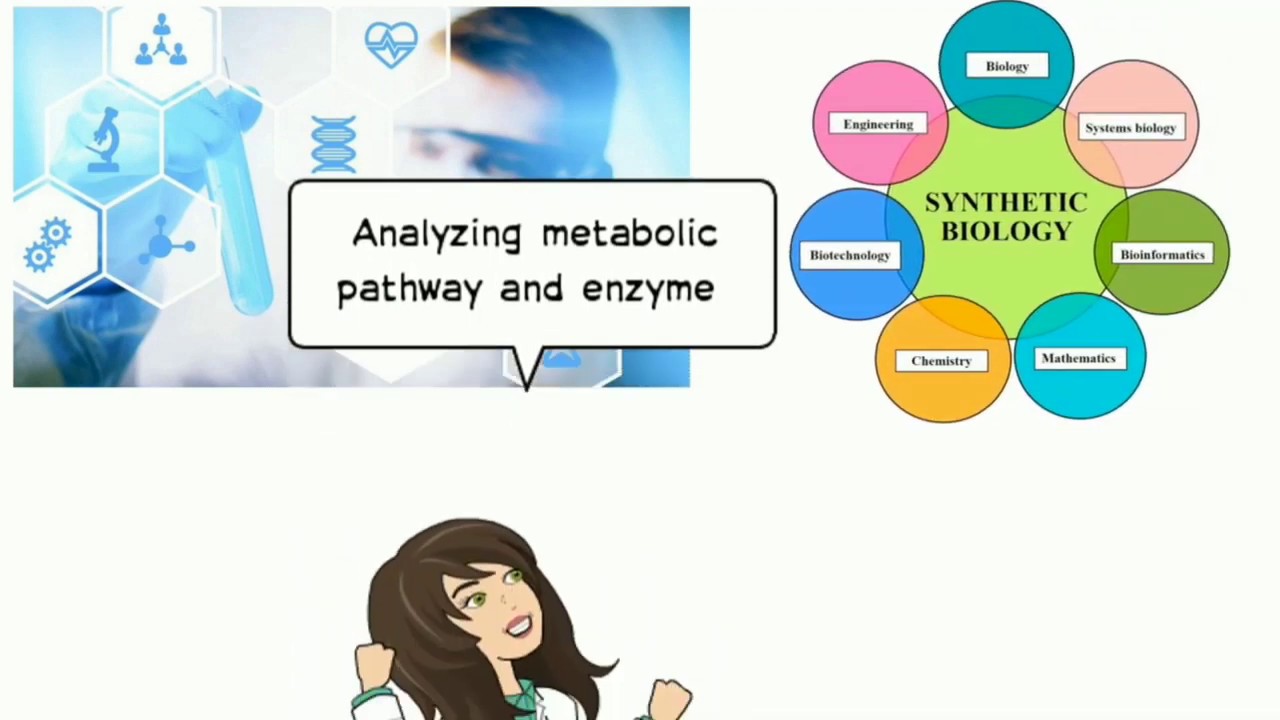
Synthetic Biology and Metabolic Engineering: Exploring methods to heterologously express silent biosynthetic pathways in host organisms to scale up production of scarce marine compounds.
The Supply Problem and Sustainable Bioprospecting: Studying the ecological, chemical, and ethical challenges of sourcing marine natural products, including the impact of the Nagoya Protocol on international biodiversity sharing.
24.4K views558likes51:10Original Release: 2019-09-03
[Music] all right good evening everybody and welcome to the Jeffrey B Graham perspectives on ocean science lecture series my name is Harry helling I'm the executive director here at the Birch Aquarium at Scripps it is my great pleasure this evening to introduce our speaker for this evening dr. Paul Jensen Paul is a professor in the marine biology research division at Scripps Institution of Oceanography the University of California San Diego he obtained his bachelor's degree from Florida Tech his master's degree from San Diego State University and his PhD from the University of California San Diego Paul currently serves in a leadership role as section head for biological research at our institution he has nearly 200 peer-reviewed publications 12 patents and nearly 20 more provisional and pending patents Paul's research group is interested in microbes in the ocean they look at the natural natural products or compounds that they produce why they make them and how to better exploit them for useful purposes this includes addressing basic questions related to species biogeography and chemical ecology while crossing over into applied research in the area of drug discovery please join me in welcoming Paul for this talk entitled marine natural products from c-2 pharmacy okay Thank You Harry and thanks everyone for coming it's certainly a pleasure to be here tonight and so so just just for fun how many people here know that Scripps is part of UCSD okay that's good that's very important for our Chancellor for everyone to know that how many people think Scripps was here first okay that's important for those of us as scripts that you know that because because yes we we were here first and we're very proud to be members of the University of California San Diego and so as Harry said we're we're a microbiology lab and I like to say that we work at the interface of marine microbiology and natural products chemistry and so we particularly are interested in in bacteria in the ocean that make these things that that I'm calling natural products and we're going to spend a lot of time talking about what those are tonight and so we're interested in which bacteria in the ocean make these these molecules and so that raises fundamental questions and in biology about things like species concept how do you know who they are and which ones are related to which other ones we're interested in where they live and that addresses the question of biogeography and if we travel around the world do we find the same microbes making the same molecules or do we find different ones making different molecules we're interested in why they make them and that relates to the field of chemical ecology and that's something that we really don't know nearly enough about but it's a very important part of this field and we're interested in how to exploit them for for useful purposes as Harry mentioned and in particular drug discovery and so it was suggested that I personally this to some extent and so I contacted my sister a few days ago and said you know I think there was this picture of me like pointing out with my father's mask and fins on and and I said you know I think somehow way back when I knew that I wanted to have a career in marine science although I grew up in New York City and didn't really have many opportunities to experience these things but you know somehow I feel very fortunate that I was able to to make a career out of doing something that I really enjoy doing and that is marine science and in particular this field of marine natural products where where I've spent most of my career working okay so you know when we think about communicating we we generally think about doing that verbally right and if you think about communicating in the ocean you might say well yeah I know some animals that make noises and maybe communicate verbally but in fact the real language of the ocean is a chemical language is not a verbal language and if we think about chemistry we can harken back to the periodic table of elements and these are all the elements that we know that occur on the planet but the chemistry that's really the basis of this language is really carbon based chemistry okay and so the the field of science that studies is carbon based chemistry we know as organic chemistry okay next question how many people was organic chemistry their favorite class there's a few weird ones out there but yeah most of us suffered through organic chemistry right me too and I'm really surprised that I spend so much of my career so close to organic chemistry but nonetheless I've learned to love it and it's a great it's a great field of science and what this slide just shows you is is the diversity of organic molecules and you know carbon atoms can form carbon-carbon bonds this shows you that some of them could be single bond some could be double bond some can be triple bond they can bond to other atoms like nitrogen and oxygen and sulfur we call these hetero atoms when we're thinking about organic chemistry and and and and there are a lot of different functional groups that are shown here but but the important part is that this diversity is what makes this language of the ocean with which organisms communicate with but we're not just talking about any organic chemistry we're talking about biochemistry cuz a chemist can synthesize an organic molecule in the lab book so we're not so interested in those we're interested in biochemistry which is really the organic chemistry that occurs within living organisms okay and so if we go back and think about biochemistry again and other lots of sleepless nights trying to learn these things for exams and biochemistry okay so yeah so so so biochemistry okay so when we think about graphics like this basically what it's describing is is when we take in complex organic molecules like carbohydrates and break them down for energy in the process of doing that there's a whole series of intermediates which are all of course organic molecules and there are these cycles that we know then and these cycles are similar across all life forms and this is really what we would call primary metabolism okay so all life forms do these processes in a very similar way and they're fundamental to life as we know it but the language of the ocean that I'm talking about is not primary metabolism is what we call secondary metabolism okay and and secondary metabolism is in effect this field of natural products chemistry okay so living organisms can make molecules outside of primary metabolism we call secondary metabolites or natural products and and these molecules are basically built by stealing these intermediates from primary metabolism and incorporating them into much more complex structures and so this graphic which again is you you can't see very well and it's very complex but basically it's just telling us that what nature has evolved to do is is steal these small molecules from primary metabolism these intermediates and build them into very complex structures using some very sophisticated enzymatic machinery and it's this diversity of chemistry that really has been nature's pharmacopoeia ok so historically this is what we've gone to in our search for drug like molecules from nature ok so we're interested in marine natural products right and so these are secondary metabolites produced by marine organisms and so these molecules can have a variety of functions they can be ecological in nature or but generally of course their ecological in nature these can be for defense or things like nutrient acquisition settlement qs is an interesting one ok so everyone can think about what an oyster bed looks like right lots of oysters living closely together well when oyster is reproduced they don't just reproduce right next to each other they produce larvae that go up into the plankton right and how do those larvae when it's time to settle know where the other oysters are okay well they respond to chemical cues released by the adults and that's how they know where to settle okay so so natural products play important ecological roles and things like settlement cues also mate recognition is a really important one and so this is pretty remarkable okay so so crabs generally mate when the female is molting and so if you take a stone and you put it in water with a thing of female crab that's molting and then give it to a male crab the male crab will immediately start to try to meet with that stone okay and so that's how you know there's a chemical cue that it's sensing and that's the stories even more complex because crabs are also cannibalistic and and the female is in big trouble that the male not only wants to mate with her but might want to eat her as well and so the female also releases a chemical that suppresses the male's feeding instincts in addition to letting it know that it's molting so this is really one of my favorite examples and this has to do with copepods okay and so cocoa pods are very small crustaceans they're shrimp like organisms they live out in the open ocean and the plankton and when it's time to meet they need to find each other and so here's a little graphic of what happens when a male copepod comes in contact with attract left by a female and so what you're seeing there on the top is the female swimming on the bottom is the male swimming and when the male encounters the female trap he takes off right after her okay and so here's another example also with a copepod but this time we can see them in real life and so what you're going to see this this line through the center here this is a scent trail that's laced with these pheromones or chemicals produced by the female copepod and what you're going to see is the male copepod when he encounters that first he goes the wrong direction and then boom he takes off right after her so I don't know what happened after this field of view but you can see how powerful these chemical cues are and of course defense is also a really important function of these molecules and its really defense where we when these molecules have these functions this is where we start to get into the kinds of molecules that we're interested as potential drugs okay so if we talk about chemical defense you might say well okay I can think of some examples things that are chemically defended and then you might say well I can also think of so maybe less obvious but you know when things are brightly colored it often means that they're producing something that's a warning right like hey stay away from me because I'm toxic one of my favorite examples in the microbial world of chemical defense has come with a leaf cutter ant okay so I think everyone knows about these ants they can cut down leaves from large areas of forests and they don't actually eat the leaves themselves but they take them back to their fungal gardens which they feed the leaves and and the fungi grow on the leaves and then the ants eat the fungus okay but there's a problem because there's a parasitic fungus that can infect their nests and and how do the ants keep this parasitic fungus out from their fungal gardens well if you look closely on the cuticles of these ants you can see this powdery material and for a long time people didn't know what this was but then eventually they realized it was a type of bacteria that was living on their surface and it turns out that these bacteria produce one of these natural products or secondary metabolites and it turns out it's a very potent antifungal agents that's selective for the parasite of their fungal gardens okay so they have their own antibiotics that they carry around they have their own antibiotic producing bacteria that they carrier on on their cuticles to keep their fungal gardens free of these parasites but we're interested in marine chemical defense and so when you look at a coral reef you see all of this complexity and you say wow it's beautiful but in fact it's a very vicious world out there of eat or be eaten and anything that you see out there has figured out a way to survive and so we know that predation is really the major driver of Reef's look like and so the big question is how do organisms avoid predation on coral reefs and so there can be some obvious answers to that and so you might say well okay we know that a sea urchin has spines and that's the type of physical defense we can go look at our beautiful leafy sea dragons on display here and they're very well camouflaged it takes you a while to find them in the tank and some there are some behavioral mechanisms that fish use to avoid predation and then we see these soft fleshy animals that are brightly colored and they have no obvious structural defenses and when you see that you can pretty much guarantee that they have a chemical defense and that's why they're not being eaten and in fact we know this because there's been a lot of really great work done where people have addressed these questions in this slide we're showing some some assays that people do to test for chemical defenses and so and so these are pieces of sponges that were collected and extracted and the organic molecules are natural products that are present in those sponges are put into food pellets and then given to fish either in an aquarium or out on the reef and you can show that these extracted materials taste bad to the fish and that when you separate those materials into their individual components it's usually just one or two molecules in those extracts that make the sponges taste bad okay and so we've learned a lot about chemical defense through these types of experiments and it also again happens in the microbial world shrimp tend to brood their embryos and these embryos are susceptible to infection by a a fungal pathogen or at least the shrimp are a susceptible to infection but it's been noticed that the embryos are highly resistant and when you look at those embryos they're covered by essentially a monoculture of bacteria and those bacteria produce an antifungal agent that defends the embryos against infection by fungi okay so there's a lot of things going on in the natural world that are that are mediated by these organic molecules and these defensive roles are you can already think these are obvious ways we can take advantage of an understanding of these ecological interactions to try to go out and discover new antibiotics and anti-fungal agents and other molecules that can have potential to treat disease okay so that takes us to the idea of marine natural product drug discovery okay and so starting really in the early 1970s people began going out and collecting marine organisms and asking what kinds of molecules do they make and do these molecules have the potential to function as new drugs can they be used for this purpose and people really have done extraordinary efforts searching high and low in the oceans including using submarines to collect from some of the deepest parts of the ocean we've had some programs these are some collaborators of mine where we were working in Fiji where we had a program for many years collecting marine invertebrates the guy on the left side here was working at bristol-myers Squibb when we had a collaboration with them through an NIH a government-funded program to look for new drugs from marine sources and in general the way these studies have worked our researchers will collect different types of these soft bodied animals and extract them and look to see if those extracts have any sort of properties that might have medicinal potential and we could even call this the Golden Age of marine natural products starting in the 1970s because basically no one had ever looked the plants or animals in the ocean to ask if they are making new molecules and basically everything that you picked up had new chemistry in it so there was this this amazing period of people finding lots of interesting new structures and studying the biological properties of those molecules and the results have been productive and so today there's a reasonable handful of molecules that are being used in the clinic now that came from marine sources a couple of these are from sponges this is from a sponge this molecules from a sponge both of these are to treat this is to treat cancer this this is another anti-cancer compound this comes from a sea squirt again an animal that lacks structural defenses this is another molecule used to treat cancer this comes from a sea hair okay so sea hares are mollusks these are snails that have lost their shells and the reason they've lost their shells is because they're chemically defended right and as these molecules that defend them that have proven to be useful for the treatment of cancer this one's pretty interesting because it if you're thinking about what I've been telling you you know this painkiller comes from the cone snail but this cone snail east now still have shells so why would an animal that has an obvious structural defense be producing one of these toxins well it turns out that these cone snails are actually predatory and they hunt fish and they use a neurotoxin to paralyze their prey okay so that's a slightly different function for these kinds of molecules it's not for defense it's for prey capture in this case but it turns out that these molecules are highly effective for for treating people who have chronic pain okay so there's been some pretty nice successful or ease in terms of finding new drugs from marine sources but you also might be thinking wow how do you go out and lacked enough of these cone snails or sea hares to actually develop something into a drug and there have been huge problems in this field in terms of supplying enough of these lead molecules and you might be saying well why not just make them in the laboratory well in some cases you can do that in many cases because these molecules are so complex they can't be synthesized in a commercially viable way and so there have been many molecules that have just their development has been stopped because they can't be obtained in sufficient yield so how do we deal with the supply problem well this is where the microbiology comes in okay if we can culture microbes in the lab we have a renewable resource and so we can in theory produce all of the material that we need and so we know that microbes from land have historically been an important source of medicines antibiotics penicillin we know these stories right and so what about microbes in the ocean and do they represent a poorly explored source of new medicines and if so which one should we choose so if we think about what types of microbes you want to culture from the ocean the first thing we did was say well which ones on land tend to be producing a lot of these interesting molecules and if we sort of summarize some data from summarizing where antibiotics have historically come from about half of all of the antibiotics discovered come from this one group of bacteria which we commonly call actinomycetes and so we looked at this information a number of years ago and said wow why don't we ask if there are any acting on my seats in the ocean and if there are are they making anything usual and so there's lots of ocean to explore actinomycetes on land tend to live in soil so we wanted to look in ocean sediments to ask if we could find these bacteria and what kind ask what kinds of molecules they might be making and if these bacteria were really different from the ones that we see on land and so for years we've been going out and collecting samples we can do that by diving and collecting them by hand in shallow water or using electric reels and and small type grab samplers like this here or we'll go out on chips including the script ship sometimes and collect deeper sea samples in this way and ask questions about whether we can isolate these bacteria and in fact we can and so and so so that was the first part of the question the second part of the question is are they different from the ones that we see on land and we can use a variety of techniques anyone send a sample of their pet to understand what breed it is or is anyone done 23andme look at their ancestry okay so we can do the same kind of thing for microbes as well and we can figure out who they are by sequencing their DNA and when we look at these Ekta know my seats that were culturing from the ocean we can recognize lots and lots of them which are circled in red here that are different from ones that have been seen on land and so what I want to do is spend a little time talking about my favorite group of bacteria which is the one with the red arrow pointing to it there we we found this group a long time ago and originally called it Marwan and we subsequently gave it the name so in a Sephora and we spent a lot of time studying these bacteria in my lab and with some of my collaborators okay so here they are this is an introduction to this genus that we've called Salinas Bora they're very photogenic as far as bacteria goes there brightly pigmented we've named three species to date or in the process of naming six more and we really got interested in these because when we tried to grow them in the lab without seawater they wouldn't grow and that suggested to us that one no one had ever seen this before with this type of bacteria but it also suggested that they were adapted to life in the ocean and maybe that means these adaptations include the ability to produce some molecules that we've never seen before so we've spent a lot of time collecting samples around the world and looking to see if we can find this group of bacteria all of those colored circles represent places where either we found them or other people have found them and reported them in the literature and so we've colored those circles based on the three species and so you can see that there's patterns in terms of where the colors occur and that gets to this question of biogeography and bacterial distributions I'm not going to spend time talking about that today you're probably probably noticing that there aren't any colored circles very far north or very far south and you're probably wondering if that's just because we don't like to go to cold places and we don't but we have taken samples from up in Alaska and also from some deep-sea sites and we've been unable so far to culture these bacteria from any of those locations nor have any of the other people that have been contributing to this data set so so for reasons that we don't understand but that we appreciate these bacteria like to live in nice warm places okay so the next question is do they make any interesting molecules okay and sure they do and so I've been collaborating with an organic chemist Scripps named Bill finical and he's one of the pioneers in this field of marine natural products chemistry he was one of the first people to think about going out into the ocean and collecting seaweeds and invertebrates and other things and looking at the molecules that they make and we've worked together for many years on this group of bacteria and this is a representation of the molecules that these bacteria produce and so once again you can see enormous structural complexity and so that's a that's a good sign we like to see that in terms of the hopes that some of these molecules may end up being useful as drugs and so when we add up all the molecules that we found more than 60% of them are new and so I think that would argue if we go to new places and find new microbes they're going to be a good source of new molecules that we can study and so I'm going to highlight in red there a molecule that's really been the most important one that we found from this group and this is a molecule that we call Salinas for amide a and so notice Bohr made a is produced by one of the three species let us borrow tropica and it's a pretty small molecule by secondary metabolite standards but it has this really unusual bicyclic ring system which is highly reactive okay and what we know about this molecule is that it's a very potent inhibitor of a structure in the cell called the proteasome and all eukaryotic cells have proteasomes they're basically the garbage disposal for proteins in the cell and proteins are very important and regulating the cell cycle and it turns out that when you inhibit the proteasome you selectively kill cancer cells because in cancer cells there they're growing out of control and there's there's no way to inhibit the cell cycle so by selectively inhibiting the proteasome you can selectively kill cancer cells and that's a proven mechanism that's been established with one other drug and so this is the worst line I'm going to show you but basically through some hard work by a lot of people we know exactly how this molecule interacts with the proteasome and how it inhibits in its function and how it does so irreversibly which what which is what makes it such a very potent inhibitor of this cellular structure what we've learned is relatively recently is that this molecule probably because it's so small that it can also cross the blood-brain barrier okay and so that's a big one we all know cancers like glioblastoma are very difficult to treat with chemotherapy and so this molecule has been developed by a number of companies and most recently it was picked up by Celgene which is here in San Diego and Celgene has taken this into phase 3 clinical trials and so I think many of you know there are three phases to clinical trial so this is the last phase and if it proves successful then we will see the first marine microbial natural product to become a useful drug so we're very excited about that prospect and so keep your eyes out if it does work we'll probably see something in the in the paper about this cost it'll be it'll be a pretty big deal so we're excited that Celgene picked this up and you know discoveries like this they they do a lot for the entire field right the the National Institutes of Health invests money in this field because they want to see new drugs discovered and so and so everyone's grant proposals that work in this field will be viewed more positively when there are examples of real drugs developed through this type of science so so we're very excited about that so so everything that I've told you so far in terms of microbial natural product drug discovery I'll say was discovered using what we'll call a traditional discovery paradigm ok so we go out we collect some sediments we isolate strains of bacteria from those sediments we culture them in the lab we extract those cultures with often with organic solvent then we'll test those extracts in some sort of bioassay like ask if they can kill cancer cells and if they can then we'll do some type of chromatography to separate those extracts into their individual components and try to isolate the molecules that are responsible for the activity hope that their new okay so that's how natural product drug discovery was done for many many decades but today we can use new approaches and so we all know about genome sequencing and the ability to sequence DNA has transformed so many different disciplines including ours in the marine natural products world and so now we can do this process that we call genome mining so we can isolate strains of bacteria and instead of growing them and hoping that they make an interesting molecule we can extract their DNA and sequence their genome and we can ask if we can predict that don't make an interesting molecule and the first time we did this this was we sequenced the genome of a strain of salinas bora tropica and then we can go around and we can look throughout the genome and identify all the genes that we think are going to make these kinds of molecules that were interested in and we can even look in more detail at these genes and believe it or not you can read these almost like a book and you can make predictions about what the structures of the molecules are going to look like from from reading these gene sequences and once we make these predictions that can help us with the discovery process because it allows us to find the molecules more easily it also allows us to ask if these are the types of molecules structurally that we really want to go after okay so so this whole genome mining process has really made this field a lot more exciting and a lot more fun because it's a lot more sophisticated now we don't have to just hope we get the right microbe and hope that it makes a molecule of interest in the laboratory we can now take a very informed approach and read its genome and make predictions about who's going to make what and so there are bioinformatics tools that can help us do this we can take our genome sequences used to have to do this manual but now you can plug these genomes into these tools and you can get a whole lot of information out that might that will tell you things like well you know this drain is going to make some molecules that we already know about so let's not study them whereas this other strain looks like it's going to make something new and interesting so let's spend all of our time on that strain and try to find what those products are so this is this concept of genome mining has really revolutionized the field of of microbial natural products research and so we can even take this to the environment it doesn't even have to be based on an individual strain okay so we can actually go to an environment and probe to see if the types of genes that we think are most important or present or not so instead of just collecting random samples and hope and hoping that we isolate the right microbe we can first ask which samples have the right microbes in them with the right genes before we even start that process okay so there's lots of really powerful things we can do now that we couldn't do before and a lot of people are taking a synthetic biology approach to this okay so when we grow bacteria in the lab they don't necessarily make all the molecules that they have the potential to make okay and so remember I said that they're making these molecules by borrowing intermediates from primary metabolism right primary metabolism is all about growth okay and so if you know it's your advantage to be able to grow and be healthy you don't want to have to divert things that you need for growth to make these toxins if you don't need to right and so we think a lot of microbes don't make these molecules unless there's some pressure that they sent and maybe something's trying to eat them or maybe they're competing with other microbes and so when we look at these genomes a lot of the genes appear to be silent okay they don't appear to be expressed in normal laboratory culture and so people can use this field of synthetic biology to try to take the jeans out and put them in another organism and make the molecules that way in my lab we're a lot more interested in what the natural cues are to make these molecules we know microbes know how to make them we just don't know what the conditions are to make them turn these processes on and that's something that we're really interested in and that relates more to this area of chemical ecology that I was talking about and so we can see really amazing things now as we sequence these genomes we can start to even see how microbes evolve to make new chemistry so once we we know what the genes look like that make these molecules we can see how they differ between related groups of bacteria so so here's our friend Sal in a spore imide a that I told you about that's in clinical trials we can predict that the ability to make this molecule was acquired by these bacteria about here in their evolutionary history and then ask these two lineages diverged from each other this species makes one version of the molecule and this species makes a different version of the molecule and when we look at the gene clusters we can see exactly which genes were lost in this species and that explains why it doesn't have the same structural features as the other one so this is really fascinating so now not only can we find new molecules but we can start to understand how they evolve in different organisms and then we can start to ask why you know why does one species make one version of the molecule and one species make another version of molecule and so these are really important questions that we're addressing in our lab now okay so what brought me here tonight was a really great program that's offered by the University of California this is called their multi campus research programs and what the university has done is that you know we have all these campuses and all these people doing interesting work but they're not really talking to each other and so why don't we why don't we offer people grant support if at least three different campuses who've never worked together before will come together with some kind of program okay so so myself and a couple others responded to this call and what we proposed to them was that here at UCSD in my lab we would do some of this genomics and microbiology stuff that I've been telling you about and I contacted a colleague at the Santa Cruz campus who's really good at the natural products chemistry part of this and I said well we need another campus and he said well I know some people that UC San Francisco who have this pretty amazing new technology they just developed for a high-throughput screening where they can predict the the targets and the functions of natural products and so we got together we put a little proposal together and we were fortunate that it was funded and part of many grants now have outreach components to them where the funding agency wants us to come and talk to people like you to tell you what we're doing and so that's why I'm here today and so I finally would like to acknowledge you know we're just so lucky to be here at UC San Diego I mean the students that want to come here and study with us I mean they did a lot better in school than I did I can tell you that it's a pleasure to work with them it's it's it's a pleasure to come to work not only do we have a great view but we have a lot of great colleagues and and we really have a nice time doing research here but if there's time I'd be happy to answer questions [Applause] do you identify the atoms first one of the time or how do you put the ballfield together yeah there's there's various techniques to solve the structure this is a very specialized feel and so there are two primary techniques that we use one is called mass spectrometry and basically that tells you the mass of the whole molecule and in some cases the molecular formula but the technique that's really most critical is called nuclear magnetic resonance spectroscopy NMR and that allows you to see the atoms and their relationships to each other and that is how organic chemists solve these puzzles by looking at NMR spectra no I didn't yes so so no I didn't mention the word Addams your your correct after the periodic table we were we were we were done with elements and moving on to molecules was that the strain of that s tropica that you referenced what kind of soft corals was that founded it actually came from a sediment and so although we have seen them in association with plants and sponges and other invertebrates and so the original strain actually came from the Bahamas although we found them in Fiji as well and we think because they live in ocean sediments and sediments often get disturbed that especially filter feeders like sponges will pick up the cells and and when we collect a sponge we can see them there but we think their primary habitat is in ocean sediments um I was curious this is there a name yet for the Celgene product that's in its phase clinical trials you know phase three and when is there a prediction as to when it might be released or put on the market yeah so so you can go on Celgene's website and they list all of their molecules that are in clinical trials and you'll see this one s as having entered phase three and so I I like to call it the name that we gave it which is lenez form 8a but it's at about four names since then that because the companies that develop it always give it other names and and this is now going under the name of Marissa mabh yeah so you'll find it there on their website and they do have some predictions i I think there's about that the phase three trials actually take quite a while and I think there's going to be at least a year and a half before there any word on the results of those trials hi could you speculate or give any results um why a marine bacteria would have something that's so powerful against a eukaryotic cell yeah thank you for that question and we think about that all the time and so you know some of the molecules they produce are antibiotics and that kind of makes sense because there are a lot of other bacteria living in ocean sediments and it would make sense that they're using antibiotics to compete but why would they make something that's not going to affect other bacteria that's going to target eukaryotes and so I didn't really go into much detail about the lifecycle of these bacteria but they tend to grow very slowly and they have they produce spores and they're non motile okay and so you could imagine a spore that that's sitting in ocean sediments and maybe there's a plankton bloom and a nutrient pulse and that sport germinates and they actually grow as in as filaments and form what we call a mycelium and when the nutrients start running out they produce more spores and those spores get distributed again okay and so when they're growing it's a little clump you know that's a little ball of nutrition for something that likes to eat bacteria and ocean sediments which there are a lot of invertebrates that do that and so our working hypothesis is that this molecule is produced for as a feeding deterrent and so just like I talked about soft-bodied invertebrates producing feeding deterrent so fish and other things don't eat them we think bacteria have those same kinds of pressures in ocean sediments and these bacteria in particular so we've been doing some tests in the lab to try to gain support for for that idea so how easy is it to work with the Salinas where it is so you said it grew slow do you clone or how do you sort of yeah we they grow slowly compared to things like e.coli but we can culture them in the lab without a problem they come up pretty slowly on our plates when we try to isolate them but if we use the right selective methods we can we can see them and so it hasn't really been a problem to to grow them in the lab for these discovery type studies I should point out that a lot of bacteria are problematic in that sense but these these aren't and what I'm really happy about is that the the material that's being produced for all these clinical trials is actually being produced by fermentation in the natural organism okay so many times you know people will tinker with the organism and engineer it or as I mentioned they might take the genes out and try to put it into another organism that might make more of it but here we actually have the native strain that's producing the molecule that's being developed through clinical trials you said that well it's supposed to fight cancer how does this molecule actually just attack the cancer and not healthy cells if it attacks eukaryotic yeah well this is a problem with really all chemo therapies and they're they're not only toxic to the cancer cells but they're also toxic to normal cells and so chemo therapies rely on the fact that cancer cells are growing much more rapidly and tend to take drugs up more quickly and are more susceptible to them then than normal healthy cells and so this is where dosage becomes very important right and this is why even with the right dose there are still usually adverse effects associated with with chemotherapy because inevitably some healthy cells are going to suffer as well but but the important thing I think is you know if you can show the right type of remission and regression of two tumors is you know especially tumors like glioblastoma which are so hard to access with chemotherapy that that there's a lot of utility there you had talked about the about sea water bringing alive some of your molecules and so much of the discoveries are within the tropical zone what about finding some of these molecules and bringing them back to life if you will in ancient seabeds are there opportunities there are they are the molecules just too deteriorated well it's an interesting question and we've actually thought about this I tried to get too excited about the the evolutionary aspects of understanding how these molecules evolve and and here at Scripps we actually have a deep-sea collection of cores and I was talking with one of my students and I said wouldn't it be amazing if we could go into some of those cores and of course as you go down into the core you're going back in time right and we said what if we could go back in time and since our bacteria are spore-forming what if some of the spores are preserved in these deeper sediments and what if we could actually culture some of the ancestors of the bacteria that we culture today and ask what kinds of molecules they were making and we tried that and unfortunately it didn't work but yeah it would be pretty neat if we could if we could do do something like that well as a geologist I love ending on a geology question so I want to thank you very much Paul that was excellent [Applause] [Music] you
Up Next

4:09
Cell Cycle Checkpoints: CDKs and Cyclins Explained
@khanacademymedicine
605.2K views•2015-07-16
50:12
Bacterial Communication: Quorum Sensing and Biofilm Formation Explained
@JHUAAP
12.6K views•2011-06-28
64:05
Improving Fruit Flavor Quality through Volatile Metabolism Research
@uctvseminars
705 views•2012-01-05
7:08
Bacteriophages: Earth's Deadliest Killers and Future Antibiotics
@kurzgesagt
34.6M views•2018-05-13
Related Study Plans & Knowledge Roadmaps
Structured learning paths in Biology
biology
RNAi: Biogenesis, RISC & Gene Silencing
01Molecular Biology Foundations: DNA to Protein
02Introduction to RNA Interference (RNAi)
03Molecular Biogenesis of miRNA and siRNA
+ 2 more learning modules
10h5 modules
Explore Roadmap
biology
Mycorrhizae: Signaling, Biophysics & Ecology
01Foundations of Mycorrhizal Symbiosis
02Molecular Signaling and Root Colonization
03Biophysics and Bioenergetics of Nutrient Exchange
+ 1 more learning modules
11h4 modules
Explore Roadmap
biology
Circadian Clocks: TTFL, SCN & Periphery
01Foundations of Molecular Biology & Gene Expression
02Introduction to Chronobiology and Actograms
03The Core TTFL: Molecular Architecture of the Clock
+ 3 more learning modules
14h6 modules
Explore Roadmap
biology
Population Genetics: Math, Drift & Selection
01Genetic & Probability Foundations
02The Hardy-Weinberg Principle and Baseline Models
03Mathematical Modeling of Natural Selection
+ 3 more learning modules
18h6 modules
Explore Roadmap