





















A pitch deck's problem slide should clearly define the problem being solved by answering five key questions: what the problem is, who faces it, why it matters, why it's urgent, and why the presenter personally cares; this framework applies universally because even businesses creating entertainment or experiences are solving problems by helping people transition from their current state to a desired outcome, and the story should be customized for different audiences such as investors (who need investment opportunity details and personal motivation), the market (who want understanding of their challenges), and internal teams (who need comprehensive details to deliver solutions).
Pitch Deck Problem Slide: Framework & Checklist
Added:Fundamental structure and purpose of a startup pitch deck in early-stage fundraising.
Concepts of customer pain points, target audience identification, and user persona creation.
Basic principles of business storytelling and narrative arc (e.g., hook, conflict, resolution).
Understanding the difference between a minor customer inconvenience and a monetizable, critical market problem.
Designing a cohesive 'Solution Slide' that directly maps to and resolves the defined problem.
Quantifying the market opportunity by calculating Total Addressable Market (TAM), Serviceable Addressable Market (SAM), and Serviceable Obtainable Market (SOM).
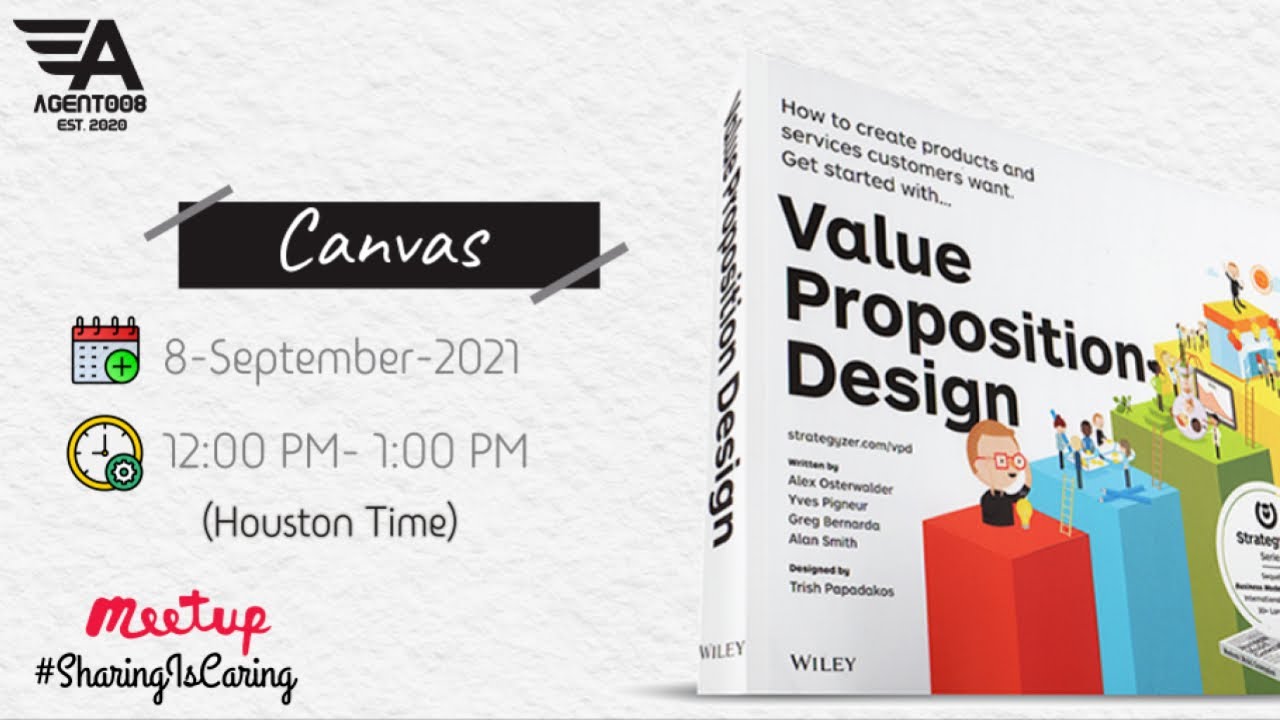
Utilizing the Value Proposition Canvas to align customer jobs-to-be-done with the product's pain-relievers.
Formulating a compelling investor-ready narrative and preparing for Q&A sessions regarding problem validation and market evidence.
612 views6likes5:02Original Release: 2024-03-31
[Music] All right now let's talk about putting all the pieces together. Now if you watched the previous videos, then you already know how to approach the problem and opportunity story. You know how to convey the urgency and how to customize your message to fit a different target market. Now, depending on your audience and context you get to decide if you want one slide, two slides, or three slides. Really there's no wrong or right way. You get to adjust the content based on the context of the conversation. Now in terms of tips I would say focus on describing the problem. This is very important. Learn how to convey the problem that you are solving. And the better you get at that story, the easier you'll find it to convey that story to others, in all different scenarios.
And the easier it'll be for people who need your solutions to come to you. Now if you're not sure how to describe that story, I would say, ask existing clients for feedback. So if you already have people who bought from you, then ask them what is the problem they're facing, and use the words that they use to describe the problem. And if you don't have any clients or customers yet, then look for people who are facing the problem that you can solve and see what stories and words they're using and use their story to create your problem opportunity story. And the last tip here I would share is be prepared to change your target market. Because you might think when you're starting that this is your market, and then you might find out that there's actually other people who need your Solutions more. And this is something I faced in my own business. And also for many of my client businesses when we're working on their slides. So be prepared to make changes.
This is right now your starter pitch deck. Your starter storyboard, that story can evolve as you get more market feedback. And once again, remember what you share will depend on who you're talking to. Investors need more overview on the investment opportunity and why you personally care. They want to know why you care because they want to know that if they give you the money you're going to stick around to solve that problem. And if you care then you're going to do whatever it takes to solve that problem. But if you don't care, you're just there for the money, then you might just lose interest if there is no money in the opportunity, or you might not put as much effort. And of course the market just wants to know that you care. The better you get at describing their problem the more likely they will ask you for a solution. And your team needs to know everything. Now if you want to help them, to help you create better solutions, create better communication tools, or create better custom support then they need to know what problem it is that they're solving.
They need to live that story and understand it so that they can also help the clients as well. Now in many cases and I get that from clients telling you, will say, well we're not solving a problem.
I am not solving a problem. I'm just creating you know fun experiences, entertainment. And my answer to that is if you take a closer look at this slide you will notice that you are actually solving a problem. Because you're helping people go from their current state, their status quo, into a desired outcome. Now desired outcome could be something just fun. And so you could be helping them with the convenience. You're making it easier for them to go to point B. Or you could be giving them that experience. Or you could be giving them their connections, or the information they need to go to that state. So in a way you are actually solving a problem even if you think you are not.
Now your action items for this section really is to come up with the problem slide. So start with one slide right now. Keep it very high level. Keep it simple. It doesn't need to be fancy or focus on the design. Just jot down these answers even if you have bullet points just like this. What is the problem that you are solving? Who is facing this problem? Just fill in these questions. Why?
Why is it important to solve this problem? Why is this matter urgent? And then the last question is why do you personally care about solving these problems? Mow just jot them down and if you're not sure how to reorganize them that's okay. You can come back to the slide later and work on it.
But for now, just keep it a high level and answer these five questions. And as you finish all the videos, you'll find it much easier to fill all of the slides and create better stories. Now once again, I created this checklist for you so that you are mindful who you share these slides with. Now of course your teams will need everything. They will need all the details to help you deliver that service and create the solutions slides. The investors might need more information on the investment opportunities in the market and the story. And of course the general market, the buyer. they just want to know that you understand what they're going through. So it's just more about high level stories when you're talking to your market. Now in the next section, we're going to be talking about Solutions and how to present your solutions in the pitch deck. So go ahead, finish what you need to do in this segment and I'll see you in the next section where we start talking about solutions. See you in the next video.
Up Next

6:28
Proving Startup Traction Without a Product: 3 Key Methods for Fundraising
@LoganBurchett
467 views•2024-03-09
46:36
Retention Habits of Top DTC Ecommerce Brands Revealed
@SendItPodcast
44K views•2026-03-03

15:23
Decoy Effect: How Pricing Psychology Influences Consumer Spending
@bobinvestsUS
90K views•2026-01-05

17:30
The Planned Obsolescence of Light Bulbs and Tech
@veritasium
25.3M views•2021-03-26
Related Study Plans & Knowledge Roadmaps
Structured learning paths in Business
business
Pop-Up Retail: Strategy, Design & Execution
01Introduction to Pop-Up Retail & Strategic Goal Setting
02Budgeting, Site Selection, and Legal Essentials
03Experiential Retail Design & Visual Merchandising
+ 2 more learning modules
15h5 modules
Explore Roadmap
business
Reg CF: Startup Funding, Marketing & Launch
01Introduction to Equity Crowdfunding & Reg CF
02Platform Selection & Legal Preparation
03Crafting High-Converting Campaign Assets
+ 2 more learning modules
14h5 modules
Explore Roadmap
business
Productized Services: Scaling Solo Freelance
01Foundations of Productized Services
02Packaging and Scope Definition
03Pricing and Subscription Models
+ 2 more learning modules
15h5 modules
Explore Roadmap
business
Gov Procurement: Find, Bid & Win Contracts
01Introduction to Government Procurement & Business Setup
02Small Business Certifications & Set-Asides
03Finding and Analyzing Contract Opportunities
+ 2 more learning modules
14h5 modules
Explore Roadmap