
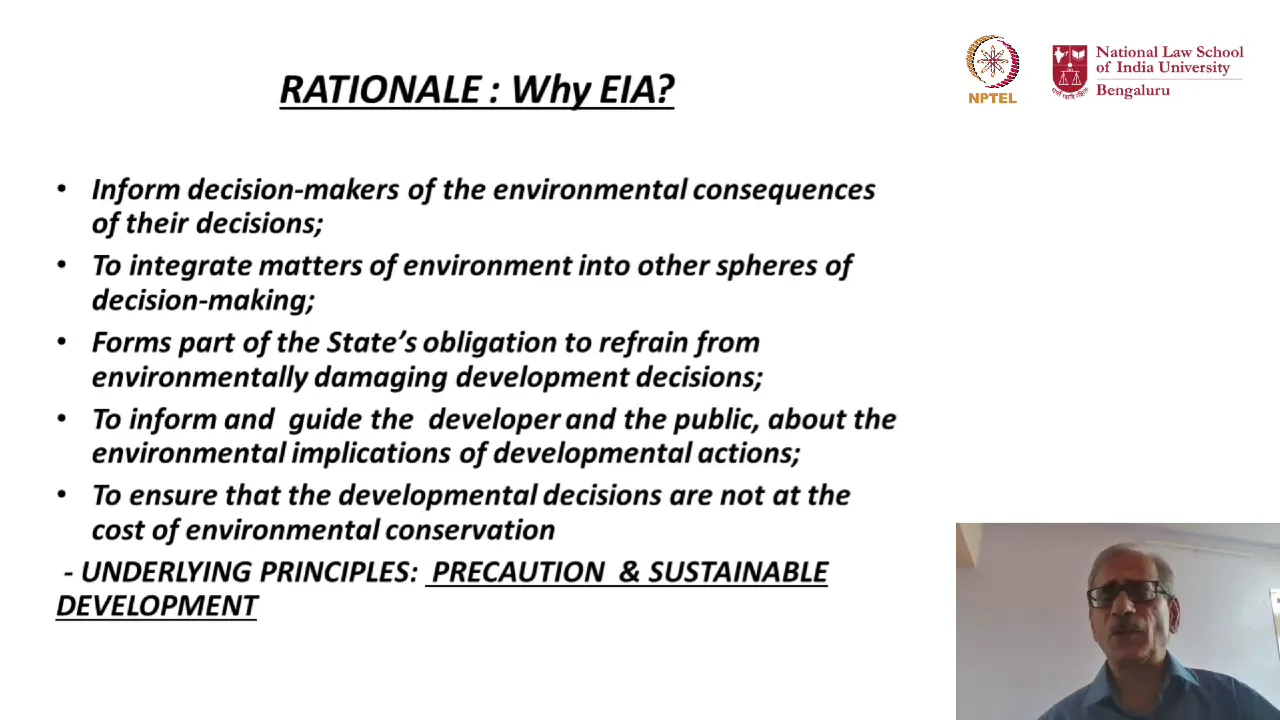


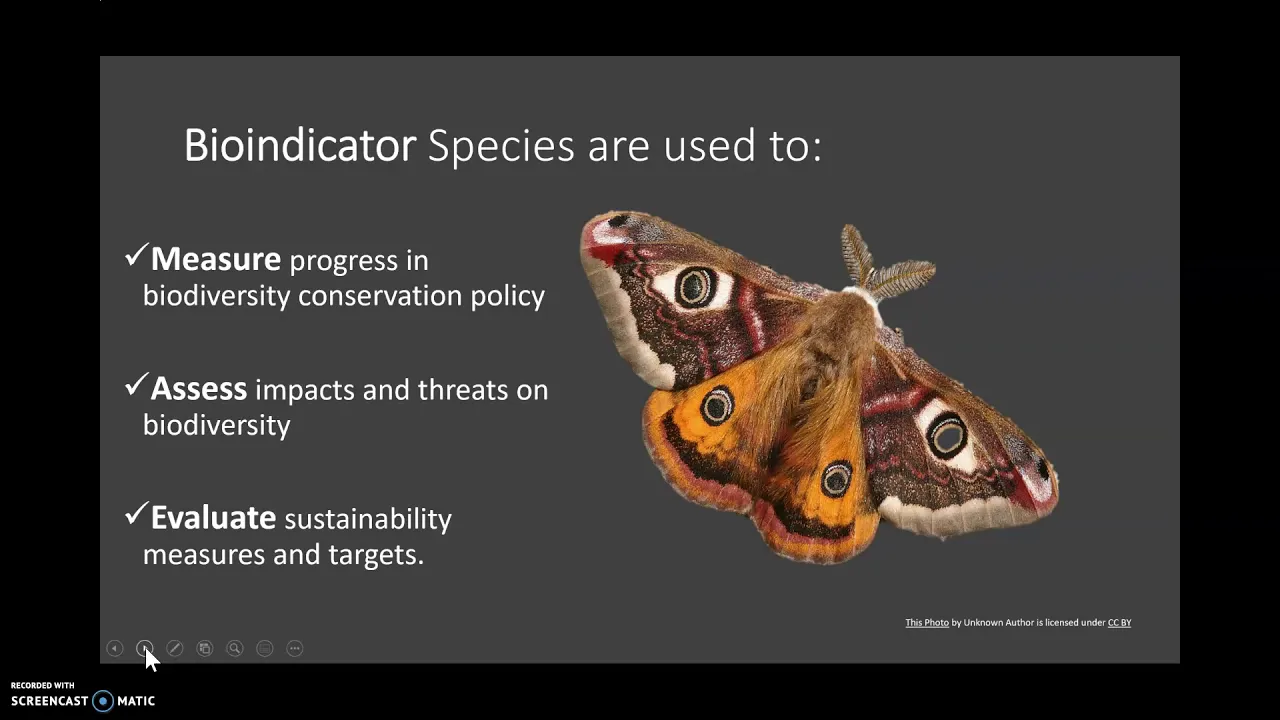














The Environmental Impact Assessment (EIA) process in South Africa is a critical tool for balancing economic development with biodiversity conservation, requiring developers to systematically evaluate potential environmental impacts of proposed projects before authorization. BirdLife South Africa actively participates in this process by providing scientific expertise, developing specialized guidelines for assessing impacts on threatened bird species, and training conservation practitioners to ensure that conservation objectives are properly integrated into development decisions. The organization emphasizes that effective conservation requires both strong legal frameworks and active citizen participation in reviewing EIAs, as well as strategic collaboration between NGOs, government agencies, and industry stakeholders to find solutions that accommodate both development needs and environmental protection.
BirdLife South Africa: Policy, Advocacy & EIA Insights
Added:hello and welcome to season three episode 23 of conservation conversations with bird life south africa i am your host melissa whitecross coming to you live from johannesburg south africa we'd like to remind all of you that our shows are recorded and available on youtube so if you miss out because the lights go dark you can always catch up later and while you're there please remember to click that subscribe button and grow support for our channel tonight we will be unpacking the environmental impact assessment process with the birdlife south africa policy and advocacy team but before we get to that just a reminder to communicate with us using the chat and q a feeds in zoom or the comment feed on facebook live and we'll be answering some of these questions at the end of tonight's webinar we are on all major social media channels and you can use the hashtag conservationconversations to let us know what you think of the show a big thanks as always to the generous contributions towards our webinars and these help us to keep these shows free for all to learn and enjoy simply visit the qriket page or eft bird life south africa directly and use the reference webinars with your name as i said earlier we have just three days to go until the african bird fair taking place on friday and saturday this week most of the event is free but space is limited so book your spot now by registering via the bird life south africa website and be part of the biggest event in african birding this year this event will include must-see speakers educational building workshops one of which i will be hosting on grassland birds a live virtual building safari art displays coloring in competitions for the kids amazing deals including the likes of accommodation wine art travel and more in our silent auction and 20 discount on bird life south african membership as well as swarovski and zeiss lens cleaning offerings at our is dollhouse in person event there's also the inaugural or the annual quiz night which is sure to be another fun event and loads more we are certainly looking forward to seeing you all later this week but i would encourage all of you to pop on over to the site early as our silent auction items are now available for bidding we're going to run the bidding a little bit longer this year so all you need to do is pop on over to the virtual african bird fair platform on the event moby link and once you have done that you can navigate your way to the silent auction tab and start perusing the amazing items on offer to make sure that you can get your bids in when they open one of the big items i would recommend bidding on is the wilderness hotel which has put up three rooms and they will be useful at next year's flock to wilderness event so if you are planning on attending next year's flock i would highly recommend trying to nab one of those wilderness hotel accommodation vouchers but our last event to promote this evening is the cycle in the bush event another not to miss one happening all you have to do is grab your two wheels and foray into the big five country at salati game reserve with the bird life south africa team your fee will include luxury economic accommodation guided activities as well as talks and interactions with bird life south africa's staff the spots are limited and and there are saddles available that you can also rent if you do not have a bicycle but the proceeds of all of this are going to be going to the regional conservation program but finally on to our main event this evening bird life south africa does a lot to conserve our country's birds and their habitats but much of this important conservation work takes place behind laptops and through high-level engagements with government the environmental sector stakeholders and developers joining us tonight to unpack some of the important conservation work being carried out in the legal space is policy and advocacy program manager dr melissa lewis and she's joined by her team members samantha ralston payton the birds and renewable energy project manager and dr kirsten day advocacy officer at bird life south africa and supporting our p a ladies this evening the rose amongst the thorns is unstratif who is no stranger to our webinar series and is birdlife south africa's spatial planning and data project manager i know tonight is going to be one of our more technical webinars but i guarantee you will learn something so stay tuned and you'll certainly leave better equipped to help us safeguard biodiversity together so mel and team i'm going to hand over to you just to say hello to everybody and then we will get into tonight's webinar thanks very much melissa thanks everyone for joining us tonight we're really looking forward to giving you a bit of an overview of our policy and advocacy work um and of course to be joined by our honorary member and strategy um yeah i'll let the rest of the team also just briefly introduce themselves sam good evening everybody thanks so much for joining us yeah i'm particularly looking forward to the discussion so um yeah i pose your questions and let's have some lively discussion at the end of it thanks um hi i'm kirsten day and i'm really looking forward to interacting with everyone out there um and i hope that we have some fruitful discussions hi everyone i'm aaron furti from our science innovation team and i'm excited to chat today about how we use data in conservation planning exciting topic for me good evening everyone and thanks so much for joining us tonight now if you have an interest in birds and bird conservation i'm sure you're all very aware that our birds and their habitats are unfortunately facing a wide variety of threats and indeed weird bird like south africa frequently receive questions from members of the public expressing concern about the threats that that are facing our birds especially those associated with various types of developments and the unfortunate reality is that these are only becoming all the more pronounced with the current push to expedite economic development and of course economic development is necessary of course social development is necessary but it's also crucial that this occur in an ecologically sustainable way so from a bird conservation perspective in addition to bird life south africa's on the ground conservation work we recognize that it's imperative that the areas that are most important to birds be properly reflected in south africa's conservation planning and that birds and their habitats receive proper consideration in government's policy making and in government's decision making especially when it comes to decisions regarding whether or where to authorize particular development activities or other activities that are potentially harmful so what we thought we'd do this evening is provide a bit of an overview of what bird life south africa is is doing to try and ensure that this happens and provide a few tips for for how you can help so just now anst is going to be providing an overview of the role of bird related data in conservation planning and then sam is going to hone in on bird birdlife south africa's policy and advocacy programs work in one particular sector namely renewable energies and then to round things off kirsten is going to be providing some tips on how you can make your voice heard in south africa's environmental impact assessment processes but before we go into all of those specifics i thought i'd just provide you with a broad overview of bird life south africa's policy and advocacy program so that you can understand where it fits into the organization and scope of our work right so if you've been following these webinars you'll be aware that bird like south africa's conservation division is divided into a number of programs two of these are cross-cutting in the sense that they provide various forms of support to the rest of the conservation division and when we're talking about policy and advocacy programs specifically this is a relatively small program only two full-time staff members one part-time staff member but we work very closely with with other staff from across the organization so our work with the seabird conservation program at prison focuses largely on trying to avert threats to the benguela coastal seabirds such as endaged african penguin um our work with the landscape conservation program concentrates on averting threats to both south africa's georgia sites and flagship species such as the critically endangered white wing flufftail our birds and renewable energy project is currently collaborating very closely with the empowering people program to develop training materials for for bird monitors and then we also work very closely with our regional conservation program to provide policy and advocacy support to birdlife partners in other african countries and that oftentimes lack dedicated policy staff and so we try to provide them with advice to share experiences um and at times to to develop joint positions and statements but what is the overarching mission of our program well essentially we endeavor to safeguard priority habitats and species by doing two things firstly trying to ensure that conservation objectives are integrated into relevant laws and policies secondly by trying to ensure that these laws and policies are actually properly implemented in practice there are a number of points that i'd like to raise about our work from the outsets and then i'll go into each of these in a bit more detail with examples but the first is that our law and policy work operates at multiple levels the second is that rather than trying to reactively tackle a large number of applications at project level we try to be more proactive in our approach by looking for ways to strengthen impact assessments and decision making in general and then where possible we try to work constructively with government and other stakeholders to find solutions rather than being purely adversarial and that's not to say that we we never challenge um particular development applications or development decisions but it is to say that we choose our battles carefully just to unpack those points in a bit more detail first of all what do i mean when i say that our law and policy work occurs at multiple levels well essentially i mean that in addition to endeavoring to influence south african law and policy uh certainly at the national level and in some instances at the provincial and even occasionally the the local level our work does also have an international dimension which is important because the conservation commitments and targets that are agreed to in international instruments um influence the conservation actions that are taken in south africa and indeed in other countries with which we share so many species of birds so we consider this engagement um with these types of frameworks to be very worthwhile and there are a number of ways in which we we go about this firstly by working as a member of the bird life partnership this is one of the benefits of being part of a global partnership and we do often have the opportunity to sit on the birdlife international delegation to various negotiations as is currently the case in the negotiation of the post-2020 global biodiversity framework which amongst other things will be setting targets that states must endeavor to achieve by 2030 um then when it comes to a migratory bird instruments specifically we've got a very strong working relationship with south african governments in fact we've got a memorandum of understanding with the south african governments in terms of which we agree to support it in the implementation of these instruments um and as a result we are closely involved in supporting governments in the preparation of its negotiating positions um as is currently the case for preparations for the meeting of the parties to the african eurasian water boat agreement which is occurring in september um and then then finally we do also play a coordinating role specifically in the contest of international species working groups and the policy and advocacy programs most direct involvements in one of these is our coordination of the lesser flamingo international working group which was recently reconstituted um and i'm currently in the process of engaging with 11 11 african countries essentially with a view to developing an implementation plan to coordinate uh conservation actions across the species full range right so swinging back to our work in south africa as i mentioned we try to be proactive and strategic in trying to strengthen the quality of impact assessments and the principle way in which we do this is through the development of guidelines and the mainstreaming of these guidelines um so sam will be discussing this in a lot more detail in the renewable energy context but i just also wanted to highlight that we have previously been involved in a collaborative project to develop a species environmental assessment guideline which supplements relatively recent legal requirements regarding specialist assessments in eias and this is closely linked to the environmental screening tool that both ants and kirsten are going to be discussing just now essentially the screening tool identifies environmental sensitivities for an area it also identifies the types of specialist assessments that are necessary as a result of those sensitivities and then the guideline in turn describes how impacts on species of conservation concern are to be assessed and reported on as part of the eia process and then at present we're also currently undertaking a a project to develop and mainstream guidelines on the mitigation hierarchy um this is a joint endeavour with endangered wildlife trust and enviro insights and basically this guideline is intended to supplement a guideline on biodiversity offsets which was recently gazetted for public comment now as i mentioned uh when it comes to trying to avert specific threats to species and their habitats we do try to engage constructively where possible and we do this by participating in various species specific or issues specific fora an example of the first type of forum is the white wing flufftail national working group which is responsible for coordinating and monitoring the implementation of the international single species action plan for the white wing fluff tail at national level and we found this to be a pretty valuable forum for engaging national governments in respect of the threats facing the species and their and its habitat in particular mining related threats and in pomelanga and then an example of an issue specific forum is the offshore operations stakeholder forum and its associated working group which brings together a wide range of stakeholders and organs of states to discuss issues pertaining to what's referred to as ship-to-ship bunkering so essentially the offshore transfer of fuel from one ship to another which which as you may be aware has caused quite a lot of controversy in recent months um and we've spent a lot of time um in the first half of this year engaging with other stakeholders on this forum in an endeavor to ensure that this activity um undergoes an appropriate environmental risk assessment specific before i'll go obey um and to try and ensure that a more robust authorization process is put in place and then finally where it makes strategic sense to do so we do submit detailed comments on the environmental impact assessments for specific development projects and if need be challenge unfavorable authorizations through the administrative appeals process and vary occasionally through the courts so the clips on the slide give you an indication of some of the more high profile matters on which we've objected um in recent years the only one that we're actually litigating over at present concerns the approvals for an underground coal mine on properties that until recently had formed part of the mobile protected environment uh which is situated in a strategic water source area in impromalanga and on that matter we're currently a party to four court challenges as part of a coalition of civil society organizations being represented by the center for environmental rights but really litigation would tend to be the exception rather than the rule um because it is an inherently risky activity and oftentimes a prohibitively expensive activity as well so on that note a massive thank you for your attention thank you also to the funders of our program and i'll turn you over to ants to hear about the role of of bird-related data in conservation planning in south africa hi everyone welcome to the short presentation where i will briefly summarize how we use different bird related data sets such as data from a southern african bird at this project to support conservation planning in south africa but let's briefly just first briefly discuss what is meant by conservation planning conservation planning can be defined as the process of locating configuring implementing and maintaining areas that are managed to promote the persistence of biodiversity or in simple terms to map areas that are important for the conservation of biodiversity the first step in any conservation initiative is to know where species and the habitats they use occur only when you know where for example threatened bird species occur can you effectively conserve them conservation planning is therefore a crucial element of sustainable development and help to conserve our natural resources we are extremely privileged in south africa to have an extensive conservation planning network this network is supported by local provincial and national government departments and various pieces of legislation for example the biodiversity act provides for the management and conservation of biological diversity in south africa there are also various guidelines and standards that accompanies these acts or valuable tools to assist with the planning process we do not have the time today to discuss the elements that make up a conservation plan but it usually consists of a map or maps showing terrestrial and aquatic futures that are critical for conservation biodiversity and maintaining ecosystem functioning these maps are then accompanied by land use guidelines for example to indicate the type of economic activity that can or cannot take place at a site so for example if an area is mapped as of great conservation value the plan will show that no economic economic developments such as a mining development can take place there but in other areas which are not environmentally sensitive the guidelines will show that economic therapies can take place in what type of economic directory activity to ask the bird loss of africa it is essential that areas that are important for the conservation of birds should be flagged correctly on these maps and guidelines and therefore we spend a lot of time providing data to support this process however currently bird data do not feature extensively in these conservation plans although things have changed a lot in recent years in addition some of the data used might be incomplete or conservation targets my targets might not be applied equally across the country our solution is to provide conservation planners for data sets which will assist them in improving their conservation plans so that the birds and habitats are given protection through various conservation planning tools we have numerous and extensive bird distribution data sets in south africa for example the excellent data from the southern african bird at this project or the point data that we get from a mobile application birth cluster however the data cannot be used as ease for conservation planning it must be adapted to comply with published standards this is one of our aims to adapt these data sets to a format that can be used by conservation planners i would just quickly want to give four examples of how we do this the first is the national web-based environmental screening tool managed by the department of environment phosphorus forestry and fisheries the site screening tool is an online tool where any member of hobbic can obtain a report of any environmental sensitivities at and surrounding the site of a proposed development this is done when an environmental impact assessment specialist or as indicated just now any member of the public even you can go on the tool indicate the footprint of a development and then request a tool to produce a pdf report bert last of africa provided spatial layers for 62 threatened birth species all the species above neophtha terrestrial birth species above near threatened we provided spatial layers for these species to the stool this means that if the area that would be impacted by development overlap with the distribution of these species the report will flag the species in the pdf report this means that there is now no excuse for any environmental impact assessment not to include birth data for threatened birth species in their vitamin impact assessments i have previously indicated that one of the main building blocks of conservation planning in south africa is critical biodiversity areas or crystal biodiversity area maps these maps indicate which indian country must be be maintained in good ecological condition to meet biodiversity targets we currently have and will in future share our fine scale habitat surely models combined with sub up to data to conservation planners to ensure that areas that are where our featured bird species occur will be considered for cba status on the mic on the bottom right you can see there's a current conservation state plan for the northern cape province the areas in purple indicate the current cba areas and the area in red is our habitat remodel for red lock as you can see very little of or basically no none no of none of that area is listed as a cba area as a critical biodiversity area we hope that in future conservation plans they will consider our red lag map and then consider those areas to become cba areas the red listing on birds is an important project as it helps the conservation sector prioritize conservation efforts fertilize of africa in 2015 published the 2015 s concrete data book of birds of south africa lesotho and swaziland to publish this publication we made extensive use of sabha 2 data to determine which pieces should be listed as for example critically endangered or endangered i'm now excited to announce that we are busy updating this book and we hope to plan to publish a new redata book in a few years this work already started in 2021 we again will make extensive use of cyber2 data and we will now also have x extensive bird class of point data and we will use these data sets in exciting ways to determine the free status of birds in south africa this is a really exciting initiative and you will learn more about this project um in the coming years in 2015 we published the imported burton by the area directory in south africa this directory listed areas that we believe are important for the conservation of birds we made extensive use of suburb 2 data and birth lacer data for this specific project currently we are assisting sandy to develop a new key biodiversity areas network now i don't have the time today to discuss the details of what kbas are all about but kbas will not only include birds but also other taxes such as plants and amphibians and mammals etc but we are using suburb 2 data and our habited pseudo-models to inform what this new kba network should look to should look like and again it just shows again the value of data such as the sepa2 data this is just four examples to show how we use existing data sets to inform conservation planning in south africa there are many more examples that i can probably refer to but we do not have the time today to discuss those but you might ask how can i help um in this process and how can we help to to support this conservation planning initiative and then my answer is that the most and the easiest way to do that is to become a citizen scientist and contribute to a project like southern african birth at this project if you're a current athlete thank you very much your data are extremely valuable and i hope i've shown today how much how extensively we use your data in various ways to con inform conservation planning in south africa the second way is the support of various courses on bird licenses such as a threatened species course we use this point data that we get from the species course extensively and it is becoming a really valuable tool so please go to birdcluster and the settings and courses and support the threatened species course convert lassen that then in short is my talk about hull we support conservation planning in south africa through the using the various data sources that are available and i want to thank ekalpa rmb and the port wildlife nation for supporting our work good evening everybody and so i'm sam roston perton i am the birds and renewable energy project manager at bird life south africa i'm going to give you a really quick overview of just some of the work that we've been doing over the past years um and at the end i'm going to share with you some suggestions about how you as bird lovers can sport a more nature friendly transition to renewable energy i always think that we can't speak about renewable energy without a bit of a reality check um south africa's electricity is at the moment amongst the most carbon intensive in the world and around 85 percent of our electricity comes from coal which i'm sure you'll agree is not a situation we want to perpetuate the good news is that wind energy in south africa is on the the increase and at the moment we have the most installed capacity of wind energy on the continent this is thanks largely to the renewable energy independent power producer procurement program which was introduced in 2011 and we can anticipate to see much more wind turbine on our landscape in the near future our integrated resources plan um has marked 11.5 gigawatts to come from wind by 2030. that's around 3 000 turbines and while this might be good for climate change mitigation and might help alleviate some of our electricity woes in the country it does present a challenge for biodiversity conservation wind turbines and associated infra infrastructure can cause habitat loss degradation and fragmentation but amongst the biggest concerns and are that birds and bats can be killed by the rapidly moving turbine blades birds of prey unfortunately and many of them threatened species are amongst the the species um most at risk of turbine fatalities so this is often tarted as a green versus green conundrum and by implication we need to choose between renewable energy and biodiversity conservation at bird life africa we don't believe this is necessary or appropriate we believe that by placing renewable energy infrastructure in the right place and managing it correctly there is certainly space for for both um biodiversity and renewable energy and that's really where the birds and renewable energy project has been focusing its attention so over the last 10 years we have been supporting the responsible development of renewable energy by promoting scientific evidence-based decisions so um one of the first problems we encountered way back in 2010 2011 when um we first started seeing a flood of wind energy proposals was um that the wind energy industry was super competitive everybody wanted to get their projects um approved as quickly as possible and so that meant that the standard of environmental impact assessments and could be inconsistent and it was often poor and because developers that were prepared to commit to longer and more rigorous eia processes were essentially um penalized because they lost the competitive edge so one of the first things that was done is that the last africa together with the endangered wildlife trust and a group of experts on the birds and renewable energy specialist group develop guidelines on impact assessment and monitoring essentially setting the the standard of of how impact assessment should be done guidelines are just guidelines and the biggest challenges actually make sure that they're implemented and that's really where the project's been focusing its attention so we promoted the implementation the guidelines um through a multi-pronged approach including um securing endorsement from from industry getting commitment from the biodiversity specialist that they agreed what was necessary and we commented on eias and where necessary we submitted a couple of strategic appeals to eia decisions as a result the guidelines have been implemented across pretty much all wind farms um in south africa since around 2012 2013 although a couple of hiccups with some of the the details and we certainly did raise the the standard of impact assessments from those earlier projects and in 2020 national assessment and reporting um protocols were gazetted essentially giving legal effect to some of our key recommendations another one of the challenges that um we face in south africa in terms of predicting impacts is that wind energy is new so there's very limited scientific literature on what the actual biodiversity impacts are um specialists need to rely on research from north america and europe one of the nice things about having our guidelines widely implemented is that post-construction monitoring and reporting of impacts has happened at pretty much all operational affairs with wind farms in south africa and these reports are sent to birth africa we're giving us a really nice bird's eye view of what's happening across all operational wind farms so we've been able to contribute to that limited scientific literature and importantly we're beginning to be able to test assumptions made in the eias and have an early warning of the potential risk of cumulative impacts on some species now the black harry is a really um nice case study of why testing assumptions and made in the eras is so really very important black hair is an endangered species it's endemic it's got a small population and because they're generally found in low numbers at proposed development sites and they tended to fly below the rotor swift area they weren't given enough attention in the eias and the assumption was that the risk of collisions was pretty low unfortunately operational phase monitoring has revealed that this assumption was flawed and we've had unfortunately fatalities at a couple of wind farms in south africa already uh being coming aware of this problem bernard sarfika teamed up with species expert dr rob simmons and we quickly developed species guidelines to try and improve the standard of impact assessments and and find out how we can best mitigate the the risk to the species and it turns out that this intervention was really timely because subsequent research has shown that if we increase the fatality rate of black carriers by just five adults a year the population is liking to go extinct in 75 years this is really worrying because at the moment even though when energy still fairly much in its infancy in south africa we're already seeing um just over one adult killed a year thanks to wind energy so clearly rapid intervention is necessary so as my previous slide probably uh alluded to um another challenge that we've encountered is that um specialist approach to assessing and mitigating impacts on threatened species in particular also varied quite a lot and sometimes recommendations weren't well over or at least clearly justified in their assessments and that just a sheer number of eras made it impossible for bird like south africa or any other stakeholder to engage in each and every eia process this is just a map of all the proposed renewable energy developments throughout south africa but last night africa we've commented on over a hundred proposed projects wind energy projects and another 50 um solar energy projects and it's just impossible to keep a handle on all of this so our response was to develop guidelines like the black harrier guidelines but we've also developed guidelines on cape archer and vero's eagle and the idea with these is that um they look at what the science says in terms of the the risk to the species as well as um mitigation measures and they essentially provide special guidance that can be used by developers in their project planning and site screening as well as advice on where we need to strengthen those impact assessments and i don't think we can claim responsibility for for this alone and our successes are thanks to input from a number of specialists our virgin renewable energy specialist group our partners and supporters but thanks to the intervention that we managed to put in place in south africa i'm confident that we've helped avoid literally hundreds of threatened bird fatalities um from wind farms every year i'm not going to lie to you our work really is cut out for us if we um can anticipate that the growth and renewable energy that that has been predicted both in south africa on the the continent we can't afford to take our finger off this pulse so we need your help so how how can you help i think erised has already highlighted how valuable your sub app data your bird ass atlasing data is in terms of providing foundational knowledge that we can then um develop resources um like habitat suitability models that can help inform site screening and impact assessments not as much fun as going birding but if you can do comment on environmental impact assessments we simply can't get to everything um and if you need us to wear in on particularly problematic projects please do alert us if you're aware of problems not biodiversity related but i do like to remind people that the greenest electricity out there is energy efficiency not wind or solar energy um and if you can please do support us you can support us by donating through our website um or if you're interested in partnering and or sponsoring some of our work please do drop me an email my contact details are in the next slide and you can support us by spreading the word making sure that people are aware of this issue and aware of the resources available to um try and resolve this issue so a big thank you and big thank you to investig and to all our partners and stakeholders who've contributed to access successes over the last 10 years and i yeah look forward to your inputs and discussion [Music] good evening everyone my name is kirsten day and i'm an advocacy officer for birdlife south africa the focus of my contribution this evening is to provide you with guidance on how to effectively participate in and comment on environmental impact assessments so in south africa we have a highly developed legislative framework for environmental impact assessments and as a result there are tremendous number of environmental impact assessments that are submitted for consideration and for making decisions on developments every year and then average of 3600 which effectively boils down to an almost eight to ten a day eras being submitted to the authorities part of the reason why they are so many is because we have a list of over 200 controlled activities in south africa which require an environmental impact assessment and whilst there are many advantages to have this relatively large number of eias being conducted in south africa compared to other countries it does mean as well that often the eia reports are more of a tick box type of assessment than a proper useful independent objective and worthwhile decision making tool so given the number of eias that are undertaken in the number of eias we receive in our advocacy inbox and we really do suffer from a limited number of resources i was recently in the uk visiting um and attending a meeting of our counterparts um in at the lodge in sandy outside london and i masaa was quite envious of the relatively high proportion of people to bird species that happen in uk compared to our advocacy team given the relative higher number of bird species in south africa and the vastness of the habitats that we are trying to protect um but the important thing to remember when participating in eis is that to be involved in environmental decision making is a constitutional right and there is also a duty on behalf of the authorities to enact and enforce legislation that prevents pollution promotes conservation and secures ecologically sustainable development and there are also a number of other rights that are complementary to this rights for example the right of access to information particularly when it affects our environmental rights the right of procedurally fair administrative justice and procedurally fair decision making the right of access to courts and equality before the courts and then also if we are unhappy about environmental decision-making we have the right to protest so against the background of those constitutional rights there are really two key areas of conformance that applies to all eras first of all they must be procedurally correct and those procedures are defined in the environmental impact regulations as well as the guideline documents that go with those regulations and complement those regulations which are available on the department of forestry fisheries and environments website then there are also a set of principles contained in the national environmental management act as well as a set of codes of practice or codes of ethics that the environmental assessment practitioners and scientists that contribute to eias need to comply with and those can be found at the environmental assessment practitioners association's website and the science south african council of natural scientific professions website and all eia practitioners have to be registered with the passer and all natural scientists have to be registered with sac nasp in order to contribute and write reports for environmental impact assessments so although the legislative framework is quite complex essentially an eia boils down to five essential steps irrespective of the location or scale of the era first of all issues must be screened in order to identify what is potentially significant then there must be a collaborative way of scoping the issues to decide on what the priorities are and such scoping must be done on the basis of public participation either through public meetings or through asking for written comment or through small group meetings and through advertising but it is essential that pub the public are involved in that scoping process there is then the process of assessing and evaluating the impacts in order to confirm their significance and then this must form the basis for identifying potential mitigation and management opportunities and insightful and wise recommendations must then be made to the decision maker which is generally the provincial department responsible for environmental affairs and in some cases the national department depending on the scale of the development and whether it crosses boundaries another essential part of the eia process is the application of the screening tool and it has recently become a mandatory part of eias it is essentially a database which contains a number of different layers including a vegetation layer various species layer an aquatic wetland layer and essentially these are all overland to determine the sensitivity of a site and ernst has already mentioned the contribution that bird life south africa makes to the screening tool and the nice thing about the screening tool is that although it is designed for environmental impact assessment it is available to any member of the public to go into the dffe's website and use this tool to identify an area that might be sensitive and once a sensitivity has been identified as being high there are certain requirements certain protocols that must be followed in order to assess the site properly and certain specialist studies that must be undertaken so just in terms of commenting on an eia and the most important things to watch out for um you don't necessarily need to know a lot about the science you don't need to know a lot about the evidence there are some very basic sort of tick box type of approaches that you can follow in order to check the credibility of an eia for example who is the applicant and do they have a track record in whichever activity they want to take is the assessment practitioner qualified and registered with the passer are the specialists qualified and registered with the south african council for natural scientific professions and do they meet the standard for being ethical independent and objective in terms of section two of the national environmental management act do you understand the language that is used in the report and this is not only about translating the report into as suitable and accessible languages but also not using overly complex terminology and providing a basic executive summary of the findings and then have you had at least a minimum of 30 days and plenty of opportunity to comment on the reports that are produced during the impact assessment process then some further things to look out for has a reference number been included and have you got the name and contact details of the case officer if not you have a right to ask for those i have all your comments and all your concerns been raised and responded to and recorded in the report that goes to the decision maker has the sensitivity of the site been assessed not only directly where the activity will have an effect but also in the surrounding areas and have the cumulative impacts been taken into account has reference been made to other relevant planning legislation relevant planning policies such as the spatial development framework and the environmental management framework and these documents will be available from the municipality and then finally have the socio-economic development sort of ambitions being balanced and seen as complementary and rather than competing with the biophysical or the environmental considerations often undue emphasis is placed on a number of jobs contribution to the economy without recognizing that without maintaining our bio physical value of the environment then we stand to lose the benefits and the services that the environment can offer present and future generations so this is just a brief example of a report that came into our advocacy inbox um about a week ago and immediately um this type of report um it's a specialist study for a proposed coal mine would bring a few alarm bells um first of all just the spinning of words which which one would think that if you are a biodiversity specialist you would know how to spell aquatic or terrestrial um the fact that the applicant is identified by a gmail address rather than a full company name which makes you wonder about the credibility of the applicant and whether they have a track record in mining the fact that there are no details about who prepared the report and what their qualifications are and then some clear copying and pasting in this proprietary information including this quite bizarre statement that the environmental assessment practitioner doesn't accept responsibility for the contents of the report which really does defeat the aims of an environmental assessment which should provide scientific credible and evidence-based information to allow the authorities to make sensible decisions so just to finish off with one thing to always bear in mind that you can approach the authorities directly you don't always have to work through the era practitioner and then also when asking for help for example from bird life south africa it is always best to be as specific as possible to refer to the procedural requirements to refer to the principles and to rather ask specific questions we always find it very difficult if bird clubs or other stakeholders simply send us an era or development proposal and ask what do we think as i've previously mentioned we see so many of these eia applications and it is really really difficult to comment on each and every one of them so we really appreciate your help in applying your own minds and also given the fact that you often know the areas better than we do it is really helpful to collaborate on commenting on these eia applications part of our strategy to encourage such collaboration is that we will be putting a helpful guideline hopefully onto our website in due course within the next couple of weeks and this will spell out exactly um cover the tips that we've provided or that i provide in the short presentation and just help give you some advice in terms of commenting and becoming involved in environmental decision making so thank you very much again for your support and also thank you to the rsbp for supporting the work of our policy and advocacy team team that was a fantastic presentation and i'm going to invite all of you to join me back on screen please if you are still there but um mal sam and and kirsten thank you so much um i certainly learned a hell of a lot and uh i spend a lot of time in this this industry so thank you guys for really distilling all of that down so clearly and kistan there was a comment in the chat feed from ray lazarus asking um if it's possible to get copies of those slides with it being so useful and maybe in the interim while you polish off those engagements um that could be something that we could put up on the policy and advocacy website a sort of quick guide to fact checking those eias that come through and yeah thank you so much and if you'd like to respond to that first i'm sure we can definitely make those available um the the guide that we are intending to to publish as well will also provide more detail unfortunately we could really only scratch the surface in such short presentation but hopefully we will put out a more comprehensive list as well a checklist of all the things that you can go through when reviewing an eia thanks kirsten i'm sure that will be enormously helpful and as the team has mentioned we certainly do appreciate all of you who go out there and register as interested and affected parties and and go that extra mile to provide those comments and it certainly is one huge way that you can make a difference as the public out there to help us in safeguarding our biodiversity um we've got a couple of questions coming through and uh thanks ansel i know you've answered a few um i'm gonna let you answer the one that you you've indicated here and this is from ingrid and ingrid it's great to have you with us um with regards to conservation planning she was asking whether bird life south africa is looking at incorporate incorporating regional considerations beyond just sights and ensuring biological connectivity through corridors at the regional scale yes thank you ingrid for that question a very interesting one and definitely so currently we focus mostly on threatened birth species for example the data that we fit into the site screening tool but on my rather long to-do list is to also create corridors or layers spatial layers for corridors but for instance between protected areas and other important sites for birds my previous colleague robin colain already published a paper on this about corridors between forest in the kaisertin province and so that's a good starting point but definitely um it's on our to-do list these corridors are extremely important and we definitely would like to see that those areas are also considered for example for critical biodiversity area maps in and other even feeding into something like the side screening tool etc absolutely and and just to to give everyone an idea these habitat suitability models have certainly been a game changer for us at bird life south africa and in south africa in general but how long roughly does it take to really craft the data needed and ultimately reach the point where we've got a usable habitat suitability model and bear in mind everyone that we've got close on 900 bird species occurring in south africa at this point so yeah i know it's quite a long process um there's various layers that you need to prepare now you only you need to do that once but there's a whole set of data layers that we prepared to run the data against but what's taking me really long is the data the point date of each birth species that you need to feed in that data needs to be really accurate um for instance we use bert lasse data but you know burtle as a point is where the birder stands it's not you know it's for instance the water birds it's not in the water so what we found in the beginning is that we can't use the data as ease we need to move those points to a place you know what what's the habitat that the specific bird is using so that takes me a lot of time to move or to edit let's say a 500 or a thousand records and then just to run the tools sometimes take between 10 and 12 hours just for one species so it's a really really long process and then also we need to validate and maybe rerun the tool and so on so it takes quite a long time but i believe spending the time and doing it right produce a better product and then one that's much more accurate and so on absolutely garbage in and garbage out as they say in the modeling world but uh thanks that's certainly a a massive task and i know how many hours it's taken you to comb through all those uh couch luggers who have logged a yellow breasted puppet when they got home from bucket strip instead of lugging it when they saw it in the field but keep at it and it certainly is a very valuable resource so thank you for the huge role that you've played in that i'm going to jump over to sam now and this links to a question that susie brownlee pitched around the sort of perception of competent authorities relying heavily on these specialist opinions and just to just sort of distill her question down um how can we get the the situation improved where um the sort of growing number of eias coming through are getting these hawkeyes checking them um so sam i know you indicated that you'd like to speak to that yeah thanks susie i think it's a really important question and i must be honest it's something that keeps me awake at night is the fact that if anything we are losing capacity amongst the competent and commenting authorities so for example cape nature no longer has an ornithologist so the pressure is increasing on ngos like bird life south africa to have those hulk eyes um and it's difficult to step back and be more strategic and build those guidelines and do things like capacity building of commenting authorities when these eias are just flying past you but yeah so so some of the things that we can do is work with the the competent and commenting authority to build a capacity and we already do work a lot with the specialists and get we consult them and get their buy-in for guidelines but it takes a while before we see them properly implemented um i think the the role of peer review um is essential um one of the big challenges that i'm seeing is that these peer reviews seem to be done with in the eia process and so i sometimes question whether they are really truly independent and i think perhaps if the department doesn't have the capacity to review um eias perhaps they need to outsource that um but yeah i struggle with stepping away and and i think ngos are always going to play an important role and then as i mentioned in my presentation the public um commenting on eias is essential and and commenting on sites that might not necessarily be in your backyard but are affecting species or in areas that you care about um super super important because as i mentioned we just can't get to it all yeah absolutely thanks sam and would you mind just elaborating a bit on barresque and what that's all about and what it stands for please yeah so the burton renewable energy specialist group is a group of consulting bird specialists so a lot of the specialists are actually going out and doing the bird specialist studies for proposed renewable energy infrastructure but because obviously and we want to balance the commercial concerns with academic rigor and we've brought a lot of um researchers and academics onto that group as well so the group's chaired by bird last africa and ewt and it's both a capacity building and a consul consulting forum really and so they review our guidelines before they go out to industry for example thanks sam um well i'm gonna fire this one at you um i was recently at the soylent dam environmental forum which is a group of people who've come together in the community to try and do better green activities within their small town and one of the points that got raised was people find things like nimba and the environmental legislation very difficult to access when they're not formally trained um could you speak to ways that joe public who is not at all trained in any sort of formal legal sense could access information about member how to interpret it how to use it in their day-to-day activities and to carry out good green um living as it were in their towns and municipalities um yes so so i find that quite a useful one-stop shop for environmental legislation in south africa just for the average public or even ourselves who um don't have access to to expensive paid legislative databases etc is the center for environmental rights websites they've got a full legislative database um they've got a lot of just interesting very easily accessible and understandable materials for the public and they also uh publish quite concise updates um on recent legal developments and why they're significant um hopefully our eia engagement guideline will also help provide some some quite useful and easily accessible and understandable information for the public and one thing we did it also means to say in that regard is that if any bird clubs or other groups would like a bit more information and engagement with us about how to work with this legislation and how to um engage in these processes please just do give us a shout because our team would be happy to um give your groups a bit of a zoom a zoom presentation and have a bit of a discussion to answer your more detailed questions about all of these these matters as kirsten said there wasn't enough time to to give detailed advice in this webinar but we we'd happy we'd be happy to to help you out in that regard thank you mel and it certainly is um i know how busy all of your plates are so that is a massive undertaking by all of you to share your knowledge and skills um we've got a question here talking about the the sort of eia process and firstly how much do eias cost sort of rough ballpark figures if we have that kind of information available and also how is this funding obtained and who's um responsible for that and that's from shashi so my if you don't mind tackling that first and the other panelists are welcome to chip in if they have an answer i think that kirsten might be better positioned to commence on the cost but ultimately the responsibility um for ensure that for ensuring that and that an eia is undertaken is that of of the applicant so the developer has to bear the cost of of the eia and all associated specialist studies but kirsten would you like to add anything about about costing of eias yeah i think it is quite a tricky issue and the fact that the developers do have to pay for the eia to be undertaken and then they also do pay a small administrative fee to the department of environment or the department responsible for environmental affairs to have that eia reviewed and for decision to be made um which obviously then begs the question of how can an eia ever really be totally independent and and yeah a very important question that is um but the as far as the costs are concerned it can re really um vary greatly the table that i showed in my presentation just showed the number of eias relative in different countries and that table is actually part of a bigger table which does show the costs and what we look realize looking at the costs um of eias in south africa versus other countries we can see that that there are many more eias taken undertaken in south africa but also at a at relatively low cost compared to other countries and the cost itself varies incredibly from just you know tens of thousand rands to millions depending on the type of development and the scale of the eia so a large strategic environmental assessment could cost in the region of millions um whereas a relatively small eia or relatively small basic assessment for a small solar plant um or something like that can cost in the region of tens of thousands but it really does vary tremendously absolutely but many of the rest of you like to chip in on that so are we good we'll get okay sam's next one i'm going to fire at you because i know you've uh dabbled in the cpd or continuous development program points with sac nest so this one's from anna lee and she's asking whether there are sort of cpd programs for what she's calling av conservation um similar to what we find in other industry professions like real estate agents accountants doctors i know when we did the learn about birds conference sam was instrumental in getting us recognized for the cpd points that that conference would hold um but sam if you wouldn't mind just uh speaking to that a little bit more please yeah so certainly um consulting bird specialists to do those specialist impact assessments i do need to be registered with sacnet and i i'm on the spot now i'm gonna i've forgotten what exactly sacnas stands for it's the council for natural scientific professions i think and they do need to earn cpd points and in fact um attending our forums and reading our guidelines and asking i'm answering a couple of simple questions do you earn a specialist cp cpd points um so i hope that answered the question properly absolutely but uh certainly there's a scope for for more to be done i'm sure but yeah sam's guidelines and and our webinars and all sorts of things have certainly been hugely valuable and potentially we could even get this one uh listed up as a cpd points earning webinar i'll put that in sam's called but um yeah let's uh let's move back to ernst and this one is from rael and uh and he's asking around the the iba kba network um and the sort of basis for integrating and combining the aspects of science and innovation policy and advocacy as we've discussed and of course empowering people at both sort of regional and landscape scales and ryle's asking what are the factors that will be needed and to be prioritized in order to maximize the benefits for birds and biodiversity but also to mitigate the threats so that we can plan good connectivity in this new network and of course which bird species both threatened and non-threatened could be our best surrogates for addressing these kinds of uh questions and lastly who is there to coordinate these kinds of efforts so a multi-loaded question there ants but i'm hoping you've had a bit of time to think about an answer yeah i'm just going to give a short answer um to say that i absolutely agree with royal as somebody that previously worked in our iba program um i absolutely loved the concept of ibas and the new kba network um i i really think that ibas is a is a good way to guard the support from local people in a in an area that lives near an iba and to help of many of these issues that we discussed today to collect data to to be our eyes on the ground for example when developments take place that this may be not handled as it should be etc so um um so definitely um the new kbi network is still a draft network and we will have to do a lot of work um in the coming years to to align our work with the the new kba network and just a question that was responsible so ibas is a berto south african initiative but so the kba network is a partnership between the number of ngos and then also currently managed largely by sandy so it is and be driven with world life and other organizations as key partners um and um yeah maybe in future we will have a webinar just on on a new kva network which is quite um quite new and um and it's exciting initiative but but yeah i definitely agree that um we should do more with ibas and kvas in future to to help with the conservation planning thank you and i'm going to hold you to that future kva webinar at some point but um kirsten i'm going to send this one to you next this is from petrus and he's asking how one deals with eias on farms that straddle two provinces so over a provincial boundary yes the answer to that is quite straightforward there is a specific regulation in the eia regulations that state that if a site straddles provincial boundaries then the default authority is the national department for environmental affairs so that would go straight then to the dffe um and then hopefully they'll be able to take a more strategic decision um because obviously it can't then go to two different provincial departments you need a single decision maker so in that case it would go to the national department thank you so much kirsten and i think we're going to finish off with this one because i am conscious of the time but uh mel this one's coming your way from annalee and she's asked what can be done to ensure training of competent staff across different organizations and areas is done continuously um thanks melissa that's a great question because i can use it to paint some of the work that we're going to be be doing later this this year um so we do recognize that there is an urgent need for training and this and this this pertains to deep specialist competence authorities commenting authorities and we have been engaging with um sambi about this um and specifically in respect of the species environmental assessment guideline um we are planning in collaboration with with sambi um and enviro insight and and ewt to in the second half of of this year develop um a series of training materials that will essentially take the form of the plan is that they're going to take the form of narrated power points that are accessible online so that they can be be be accessed not only on a once off basis but when you get new staff in your organization etc you need to um go back for a bit of a recap on how to to use these guidelines um you'll be able to do so thanks very much fantastic thank you so much mel team i think we have uh reached the end of the road tonight but all i can do is say a massive thank you to the four of you for the unbelievable amount of effort you put into synthesizing a very complex nebulous topic into a very accessible and understandable one tonight and certainly entertaining so thank you to each of you i will give you each chance just to say in closing sentiments you'd like to wrap up this evening we'll start with mel go over to sam kirsten and finish up with anst and then i will close off for the evening just a massive thank you to everyone for their participation and their questions um i think when we when we go into these kinds of presentations we're all always a bit anxious about whether anyone's going to pitch up and whether they're going to stay awake um because because the the law is often seen as something very boring um but it's great to see all of the encouraging comments and in the comments boxes and to to have a fatal of the insightful questions thanks so much thanks mom sam kirsten either of you got anything more to add um i would just like to say once again y'all thank you very much um and i know that sometimes the whole legal aspect of eias and environmental planning can seem very daunting just to say please don't hesitate to contact us with queries or if you feel overwhelmed by any particular aspect and because we are well placed to be able to provide advice on exactly how to get involved and and please feel free to contact us either through our advocacy inbox or through our personal email addresses thank you and we look forward to hearing from you in future thanks kirsten sam yeah just also a massive um thanks to everybody for their time and from my side and just a reminder i think everybody can get overwhelmed by how much that needs to be done in the world but we can all speak to our strengths do what we enjoy if you enjoy nitpicking um reports spend time reading eias if you enjoy birding garden bird do what you can to to make a difference that makes you feel good thanks sam and ants yes thank you very much and remember next time we go birding to lock that dayton vert class and somebody to sub up too thank you absolutely and and don't do it when you get home on your couch you don't make life too complicated uh thank you so much everybody i'll be back next week it's my turn in the hot seat we're going to be talking black stalks and the population status in south africa some hot new science off the press but really looking forward to another great conservation conversations with all of you as always thank you for spending your tuesday nights with us keep those eyes on the skies keep enjoying those birds and we will see you again seven o'clock next week tuesday good night everybody and thank you to our panelists this evening
Up Next

Wind Turbines vs Birds and Bats: Are They a Threat or Solution to Climate Change?
@EngineeringwithRosie
36.5K views•2023-06-23

Triumph of Orthodoxy Icon: Byzantine Art & History Explained
@BenCallan
2.1K views•2024-08-06

FastAPI vs Flask vs Django: Choosing the Right Python Web Framework
@TechWithTim
302.5K views•2024-05-26

Game of Thrones Opening Credits: A Cinematic Analysis
@gameofthrones
46.3M views•2011-04-18
Related Study Plans & Knowledge Roadmaps
Structured learning paths in General & Interdisciplinary Studies