





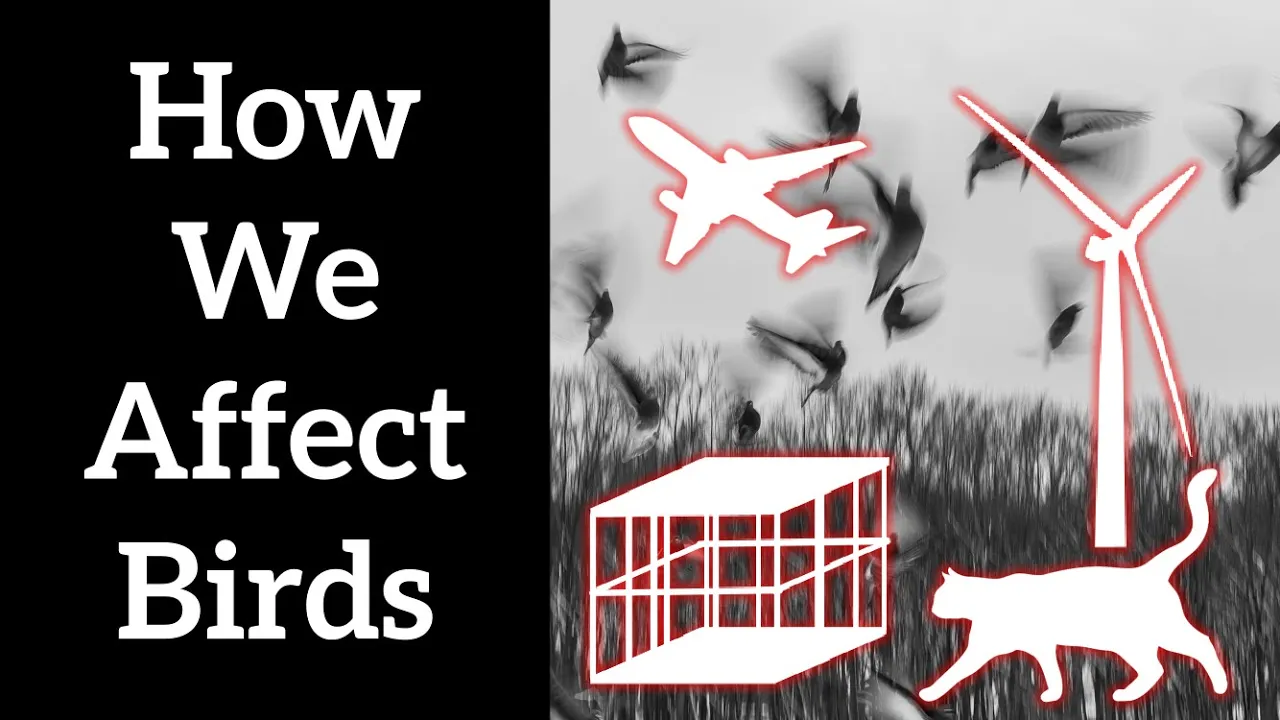






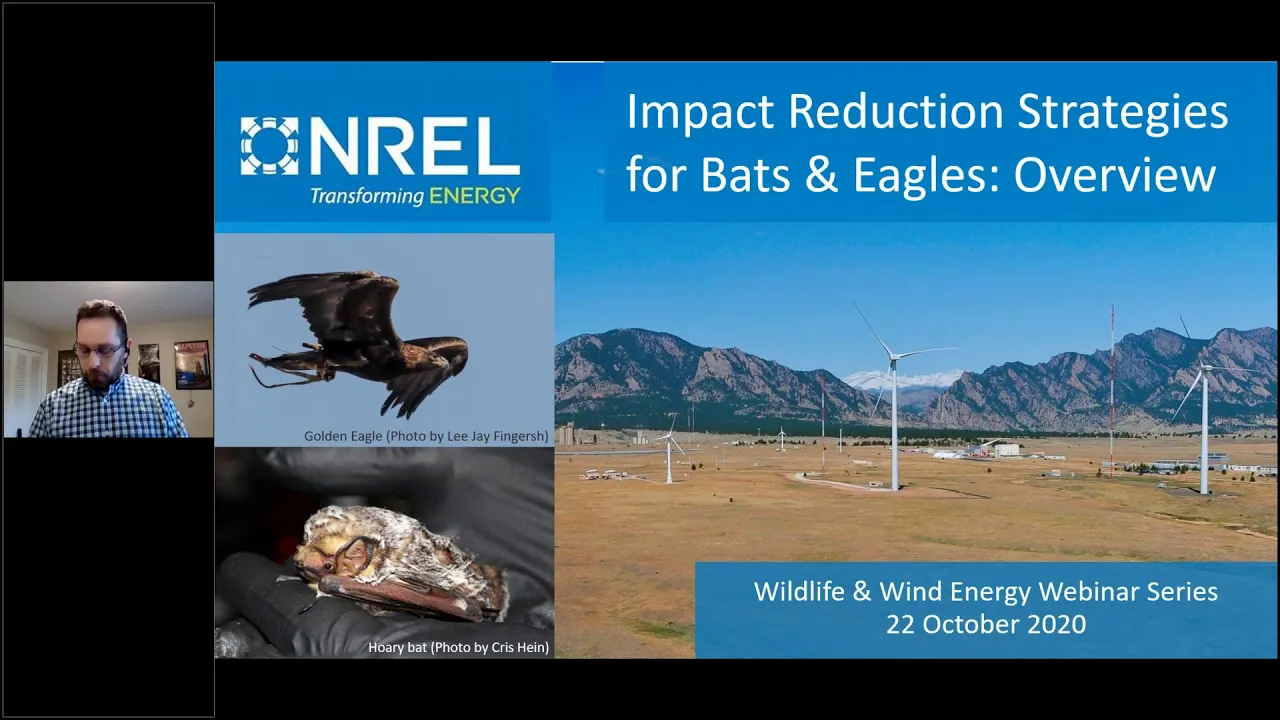











While wind turbines do kill birds and bats, primarily due to blade speed (over 300 km/h) and poor visibility during takeoff/landing, they cause far fewer deaths than other human activities like domestic cats (2.5 billion annual bird deaths in the US) or powerlines; modern mitigation technologies including black turbine blades (70% collision reduction), radar detection systems, sonic deterrents for bats, seasonal blade slowdowns, and soil tilling have significantly reduced fatalities, with newer turbines showing 66% fewer bird deaths per unit of energy generated compared to older models.
Wind Turbines vs Birds and Bats: Are They a Threat or Solution to Climate Change?
Added:Understanding the basic mechanics of wind turbines, including how kinetic wind energy is converted into electrical energy and the general scale of utility-grade wind farms.
Fundamental concepts of avian and bat ecology, particularly migration corridors, nocturnal flight behaviors, and the physiological vulnerability of bats to rapid air pressure changes (barotrauma).
An introductory awareness of anthropogenic threats to wildlife, including the statistical impacts of urbanization, domestic predators, and climate-induced habitat loss on bird populations.
The core principles of climate change and the ecological necessity of transitioning from fossil fuels to renewable energy sources to prevent mass extinctions.
Deep dive into advanced mitigation engineering, such as automated curtailment systems, acoustic deterrents for bats, and multispectral camera detection algorithms.
The methodology of Environmental Impact Assessments (EIAs) and regulatory frameworks governing the planning, micro-siting, and approval of wind energy projects.
Comparative life-cycle assessments (LCA) of various renewable energy sources (solar, hydro, wind) regarding their localized ecological footprints versus global climate benefits.
The ecological dynamics of offshore wind energy, exploring how marine wind farms affect pelagic seabirds, migratory marine mammals, and benthic ecosystems.
36.5K views2.2Klikes12:04Original Release: 2023-06-23
Are wind turbines indiscriminate bird killers as many new stories and politicians would have us believe? Or are they the renewable energy technology that's ultimately going to save birds?
Today I'm going to unravel the facts from the fiction to find out whether wind turbines really are a significant danger to birds and discover which technologies are available to allow them to coexist.
I'm Rosie Barnes. Welcome to Engineering with Rosie.
I'm a mechanical engineer complete with PhD, I've worked with renewable energy technologies for the past two decades, a lot of that designing wind turbines, also I'm a certified bird-nerd.
Australia has THE best birds in the world and I often take my binoculars with me in daily life so I can identify and check off new sightings in my bird app.
I've taken hours of video and 1000s of pictures of birds, some of which you're going to be seeing on screen in this video today.
I even named my clean energy technology consulting company after my favorite bird, the tiny pardalote.
With my dual perspective as an engineer and bird-nerd, I strive to approach the issue of birds and wind turbines with the utmost impartiality.
So let's cut to the chase. Why wind turbines killing birds?
After all, a wind turbine is a huge piece of machinery and birds have notoriously good eyesight. Why aren't they simply avoiding them altogether?
Well, one reason is that many birds, particularly birds of prey, they're looking down at the ground in search of their next meal. With their eyes focused below, they fail to notice wind turbine blades rushing down to them from above.
Then there's the speed of wind turbine blades. Yes, they look kind of peaceful and serene when they're viewed from afar. But even though the rotational speed of wind turbines is low, the blade tips actually usually traveling over 300 kilometers per hour, and even the fastest and most agile birds are going to have trouble avoiding that if they get too close.
he other reason that we've seen large numbers of bird fatalities around wind farms is location and siting of those farms.
For example, California's infamous Altamont Pass wind farm was constructed right in the middle of a migratory bird route.
The area is host to hundreds of 1000s of migrating birds passing through each year, and it's a permanent home to 1000s more birds of prey that rely on migratory birds to sustain them.
With such large numbers of birds and wind turbines all concentrated together, fatalities are probably inevitable.
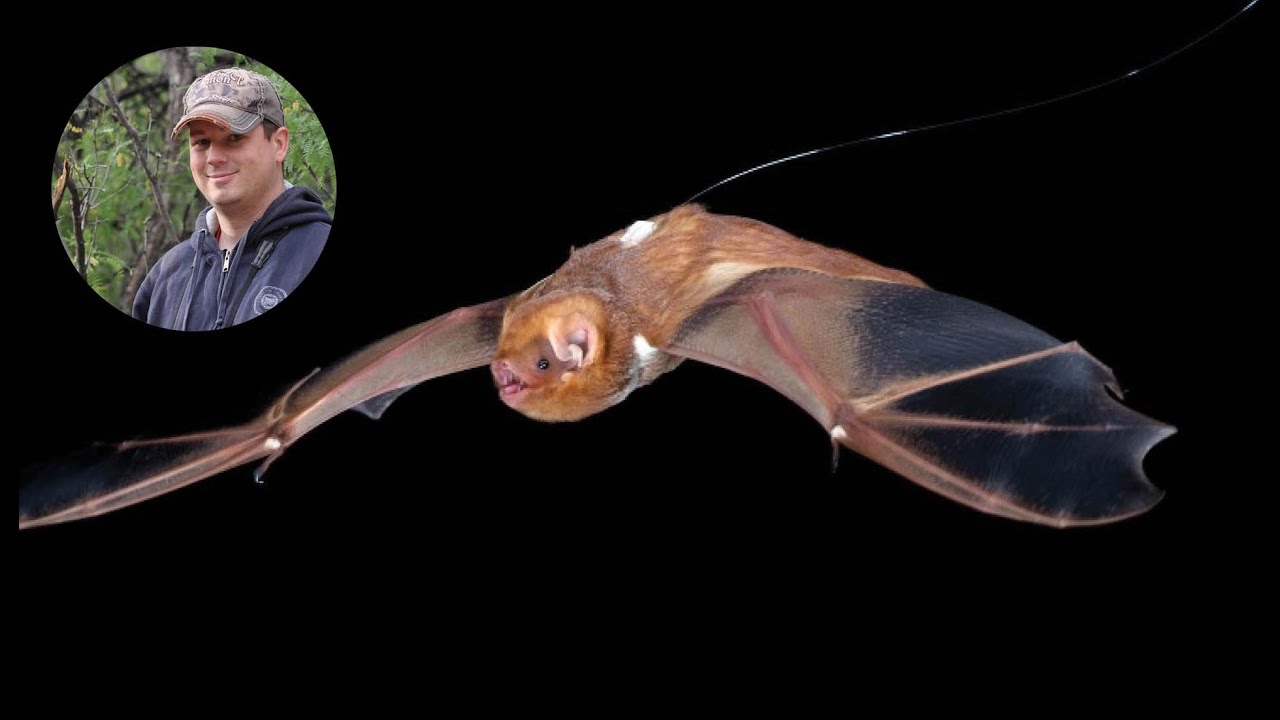
Now, it's not just birds that are at risk. Wind farms also pose an equally serious threat to bats. But bats aren't generally held in as high esteem as birds are, maybe their PR isn't as good.
So you're less likely to hear in the media about the plight of wind farms versus bats.
I personally think that bats are amazing, they're mammals like you and me, but they've managed to evolve themselves to the point where they have flight and sonar capabilities without needing to step inside a fighter jet or submarine like we do.
And I'm told bats are just as crucial to ecosystems as birds are, being an essential pollinators, seed disperses and pest controllers.
So just how many birds and bats are killed by wind turbines?
There are some good US studies on this topic, which each shows estimates of a few 100,000 bird deaths in the US attributable to wind farms They were using 2012 data and since the amount of wind energy produced in the US has just about doubled since then, we can extrapolate for that and estimate that around about a million birds are killed in the US from wind farms each year.
The number of bats killed by wind farms is similar. Although those numbers are a little bit less reliable.
Of course, the combined number of potentially upwards of 2 million birds and bats killed by wind turbines in the US each year is a vast one. And remember that that's just the US, if you think of the globe as a whole then it's going to be many times that. I mentioned I'm a bird and bat lover and as such, I think that millions of birds and bat fatalities due to wind turbines absolutely sucks.
However, this is nothing compared to the number of birds killed by other human causes each year. Powerlines, communication towers, cars and buildings each cause 10 to 1000 times more bird deaths than wind turbines do.
But even THIS is a fraction of the number of deaths caused each year by Felis Catus.
Better known to you and me as the domestic cat.
That's right, that little purring ball of fur on your sofa is responsible for around two and a half billion bird deaths each and every year just in the United States.
And there's another killer that I haven't yet mentioned. And it's a threat that's poised to kill not just millions of birds and bats each year, but potentially to wipe out entire species.
Truth is that the biggest threat to birds, bats and indeed all wildlife is climate change.
Unless something can be done to stop environmental change to the habitats and ecosystems in which wildlife lives, all animals will face massive reductions in populations or even extinction.
Of course, one of the primary methods we're going to use to bring climate change back under control is through switching to renewable energy sources, particularly wind power Every credible net-zero energy scenario includes a huge amount of wind energy in the equation, it'll be vastly more difficult, more expensive and MUCH slower to transition to renewable energy sources without wind For example, using only solar would mean we would need huge amounts of energy storage for use at night plus dramatic developments in long duration energy storage to account for less solar energy throughout the winter months.
So if wind turbines are essential to combating climate change and thus play a BIG role in protecting wildlife in general, what is the engineering community doing to ensure that wind turbines are safe for avian wildlife?
One of the biggest reductions in wind turbine bird death has been the design of wind turbines themselves.
I mentioned earlier the Altamont Pass wind farm in California, which is often cited by wind turbine critics for the high number of bird deaths it caused.
Well, the turbines at the Altamont Pass were designed and constructed back in the 1980s and were therefore much smaller than modern wind turbines.
The blades on small turbines are situated much lower to the ground and they rotate faster, so they pose a greater risk to birds and bats during takeoff and landing.
Not only are engineers now designing larger wind turbines, the designs are also sleeker.
Older tower designs were often a lot of structure similar to electricity towers and birds found that ideal for perching on. Unsurprisingly roosting directly underneath spinning blades led to many bird deaths.
Today, wind turbines are designed with monopole towers that offer a few perching places for birds or bats As the original 1980s and 1990s wind turbines at Altamont Pass, and many other wind farms around the world are getting replaced with more modern wind turbines, they're becoming safer for birds.
When bird deaths from old and new turbines operated concurrently at Altamont Pass are compared, it was found that the modern wind turbines have 66% lower bird deaths per unit of energy generated Another method engineers have looked into in order to make wind turbines safer for birds is to paint one of the turbine blades black.
When all three turbine blades are left while they kind of blend together as they rotate and they're harder to see, but the addition of black either a single blade or stripes on the blade creates a visible pattern as they spin making it easier for birds to see them.
A small study in Norway painted black blades on 4 wind turbines and over a period of three years they found the number of bird collisions to be reduced by 70% compared to control turbines.
A slightly larger trial was seven turbines owned by RWE is ongoing in the Netherlands and it's due to be completed at the end of 2024.
This solution sounds SO simple, but in reality it does create some complications with both manufacturing and function.
Wind turbine blades usually get their color from a gel coat that's put the mold before the fiberglass and other materials are laid in there It would be hard to make a third of the blades with a black gel coat because blade straight out of the factory, they don't all weigh the same, they need to be matched into sets of three blades of similar weight so that the turbine rotors are balanced.
Adding in the need to match sets by color as well as matching them by weight would make a huge pain for the factory.
Also, a black blade will heat up in the sun and become more flexible and therefore bend more against the wind. So if it's just one single black blade on the rotor that could unbalance the turbine, not to mention because it bends more there's a possibility it could hit the tower or even break from fatigue loading if the bend was severe.
So that might be the reason that 20 years after the original study into this idea was published, we've only seen a total of 11 turbine blades painted.
It only sounds simple. It's not really as easy as just getting out a can of spray paint.
Closer to home, or my home anyway, is the introduction of cameras and radar technologies to wind farms.
The Capitol Hill wind farm in Tasmania uses optical devices and AI software to detect vulnerable wedge tailed eagles and white bellied sea eagles When the system identifies either of these protected species, it initiates a brief shutdown on the turbine stopping their blades turning until the bird or birds have left the area Capitol Hill wind farm went into operation in 2018 and the final report on the effectiveness of the IdentiFlight Avian Detection System was published in 2022.
It showed a significant drop in actual eagle fatalities compared to predictions.
Also in Tasmania, the Musselroe wind farm uses a new avian specific radar technology to detect endangered birds and enable the turbines operation to be adjusted to prevent collisions The technology provides 3D coverage across a visible field from the horizon to one kilometer above ground.
Once an endangered species is detected, the radar system can initiate turbine shutdown During its first six years of operation with the radar system Musselroe wind farm experienced just a single white bellied sea eagle death and 11 wedge tailed eagle deaths due to turbine collisions.
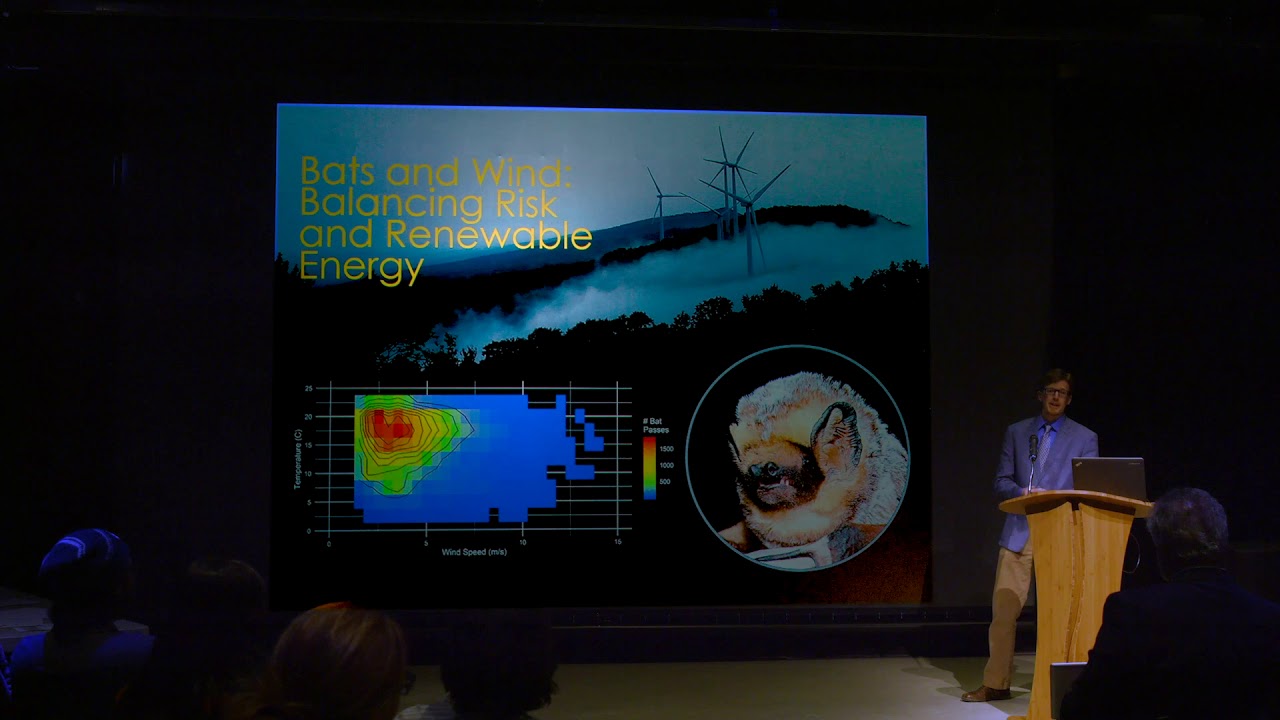
As I said at the beginning, birds aren't the only flying wildlife affected by wind turbines, bats are equally at risk To prevent bat death, sonic deterrents have been installed at wind farms for over 20 years now Speaker systems installed on top of wind turbines can emit a high frequency ultrasound that discourages bats from approaching the area without causing them any harm Being beyond the hearing limit of humans or other wildlife species, the sound is otherwise unobtrusive.
Figures show reductions in bat deaths as high as 78% thanks to sonic deterrents.
Sometimes, the simple solutions are the most effective and the Dutch government are currently trialing one such simple program.
Wind farms situated across known migratory routes will slow or halt the rotation of their blades during migratory seasons, thus reducing the chances of birds being harmed.
A model developed by the University of Amsterdam predicts up to two days in advance when birds will be migrating across the North Sea in search of warmer climates.
Using this advanced warning,, the Dutch government will require the energy companies to reduce the rotation of turbine blades or stop them completely for 12 to 48 hours, allowing birds to safely pass through specific areas.
As I said, this program is brand new and currently undergoing trials but it's believed it will significantly reduce the approximately 50,000 bird deaths caused by Dutch offshore wind farms each year.
And it's not just changes to wind turbines that can prevent bird and bat collisions.
Studies into land management suggest that lightly tilling the soil around wind farms makes the area a less attractive habitat for birds of prey to settle in Superficial tilling prevents rodents and other small animals from making the area their home and with nothing to feed on, birds of prey will look elsewhere.
A study in the Journal of Environmental Management showed that soil tilling around wind farms led to a 75 to 100% decline in collisions between kestrels and wind turbine blades over a two year period.
The ongoing study of bird behaviors has become a determining factor in the planning and construction of wind farms. From an engineering standpoint, the location dictates how much energy the wind farm is going to produce.
But the location also plays a huge role in the coexistence between the wind turbines and the surrounding wildlife.
It used to be much more the case that wind farms were constructed based nearly entirely on where the winds were strongest and most consistent, but now the environmental approvals at all wind farms are subject to during their planning and development phase include ensuring that wind turbines cause minimal disruption to birds and bats.
The Altamont Pass wind farm in California that I mentioned a couple of times is a good example of how these legislative changes based on scientific studies findings are shaping just where energy companies are allowed to construct new wind farms.
And as our understanding of exactly how wind farms affect birds, bats and other forms of wildlife improve, so new legislation will be enacted, making wind farms even better for the ecosystem and wildlife as a whole.
So as we've seen, while wind farms aren't perfect, they are nowhere near the worst threat to the safety of birds and bats.
Thanks to the work of scientists and engineers across the globe, there are now a range of solutions being implemented to ensure the safety of wildlife and especially of endangered species.
I think it's interesting that the amount of attention paid to wind turbines and birds is so disproportionate to the number of deaths that they cause You probably never thought to worry about how many birds are killed by buildings or powerlines each year. And I would suggest if you are worried about birds, then I would think about keeping your pet cat inside as a much more impactful thing to do than opposing a local wind farm.
After all, we need the wind farms to mitigate climate change which is overall the biggest threat to birds.
If you want to help me to produce videos like this, then consider joining the Engineering with Rosie Patreon team at this link. I can assure you that doing so won't hurt any wildlife and it's a great help to me in growing this channel and sharing knowledge about renewable energy engineering and other clean energy technologies.
Thanks for watching and I'll see you in the next video!
Up Next
2:53
How a Servo Motor Works: Technical Animation and Function Explained
@learnchannel-TV
1.9M views•2017-12-28

12:54
Triumph of Orthodoxy Icon: Byzantine Art & History Explained
@BenCallan
2.1K views•2024-08-06

9:49
FastAPI vs Flask vs Django: Choosing the Right Python Web Framework
@TechWithTim
302.5K views•2024-05-26

1:42
Game of Thrones Opening Credits: A Cinematic Analysis
@gameofthrones
46.3M views•2011-04-18
Related Study Plans & Knowledge Roadmaps
Structured learning paths in General & Interdisciplinary Studies
general-studies
Elevator Engineering: History, Physics & Cities
01From Hoists to Safety Brakes: The Dawn of Vertical Lift
02Hydraulic vs. Traction: The Engineering Physics of Elevators
03Modern Speed, Safety, and Algorithms
+ 2 more learning modules
12h5 modules
Explore Roadmap
general-studies
Rubber: Material Science, History & Geopolitics
01Origins of Natural Rubber & Mesoamerican History
02The Chemistry of Natural Rubber & Vulcanization
03The Geopolitics of the Rubber Boom & Colonization
+ 2 more learning modules
12h5 modules
Explore Roadmap
general-studies
Containerization: Evolution, Logistics & Trade
01Ancient Trade & Bulk Cargo: Amphorae to Barrels
02The Industrial Revolution & Cardboard Packaging
03The Containerization Revolution: Malcom McLean
+ 2 more learning modules
12h5 modules
Explore Roadmap
general-studies
Textile Tech: Evolution, Labor & Global Impact
01Pre-Industrial Textiles: Handloom & Cottage Industry
02Mechanization: The Spinning Jenny to the Power Loom
03The Factory System & Global Labor Transformation
+ 2 more learning modules
10h5 modules
Explore Roadmap