












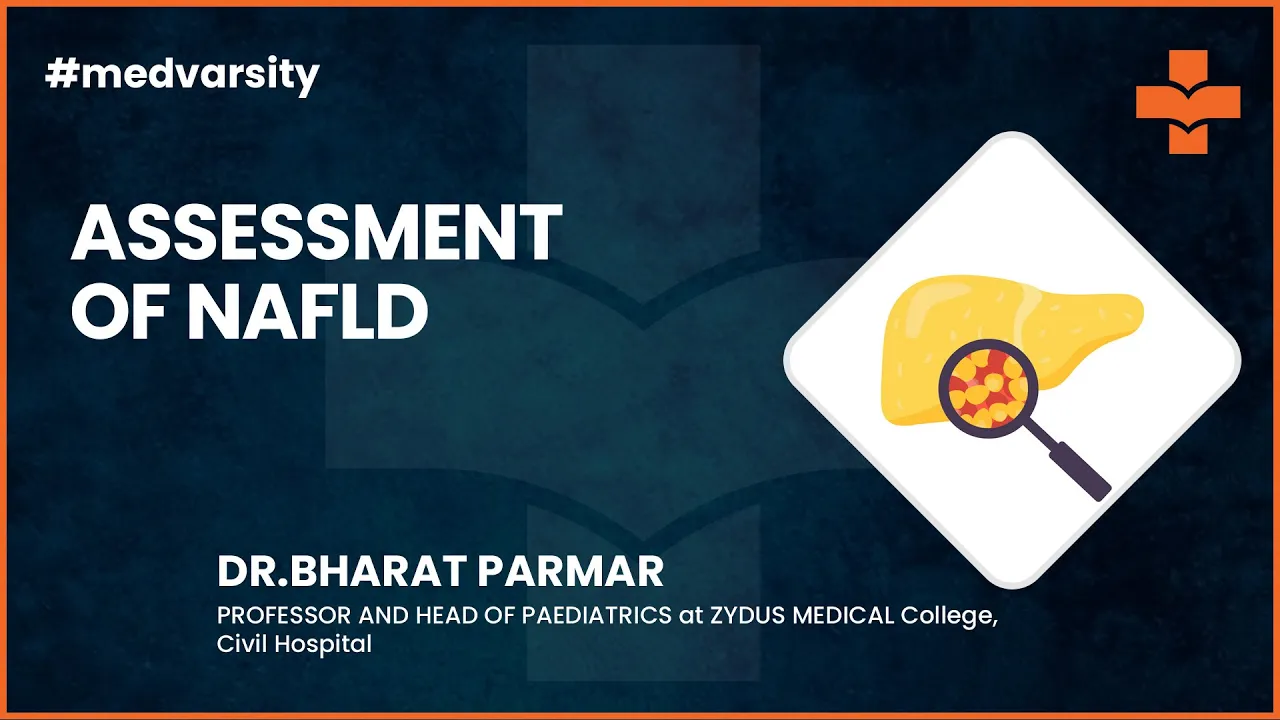





Non-Alcoholic Fatty Liver Disease (NAFLD) is the most common cause of chronic liver disease in the United States, affecting 30-40% of adults and 10% of children, characterized by fat accumulation in the liver not caused by alcohol, which can progress to inflammation (NASH) and potentially cirrhosis; management focuses on lifestyle modifications including gradual weight loss (0.5-1 kg/week), dietary changes toward whole grains and healthy fats, and regular exercise, as there are currently no FDA-approved medications for treatment.
NAFLD and NASH: Diagnosis, Risks, and Management Strategies
Added:Basic anatomy and physiological functions of the liver, particularly its role in nutrient metabolism and detoxification.
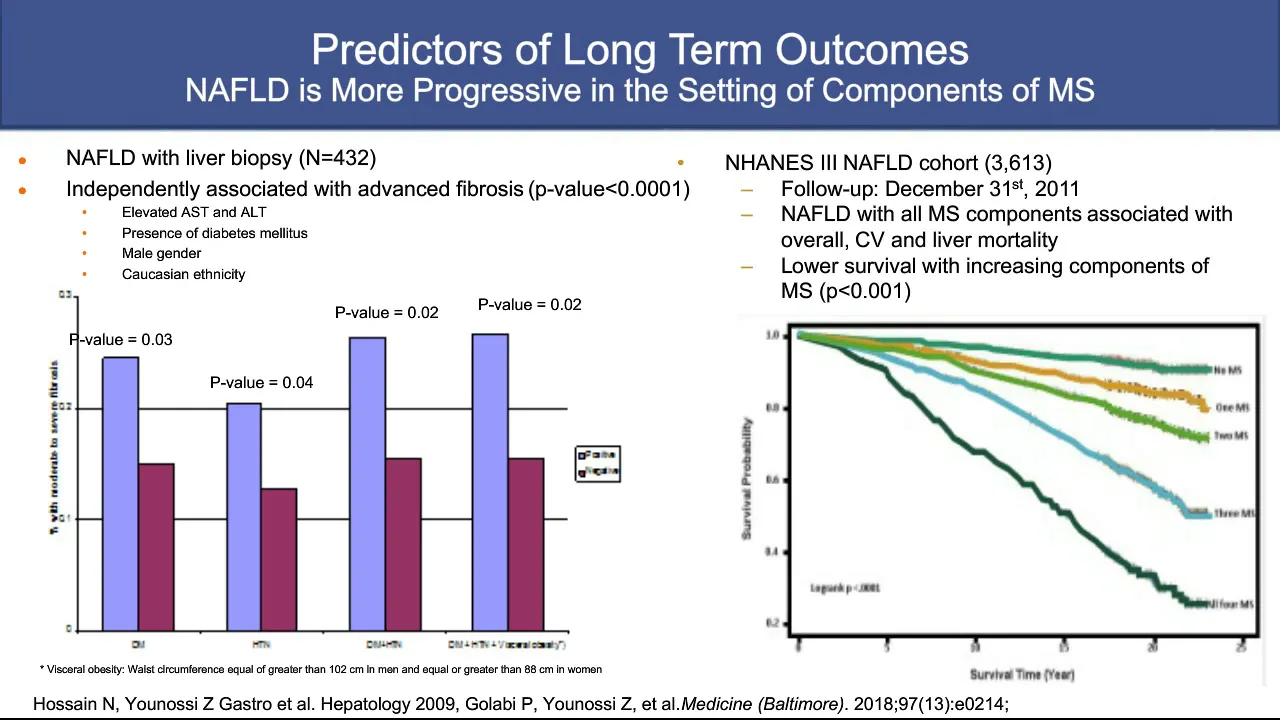
The concept of metabolic syndrome, including insulin resistance, obesity, dyslipidemia, and type 2 diabetes.
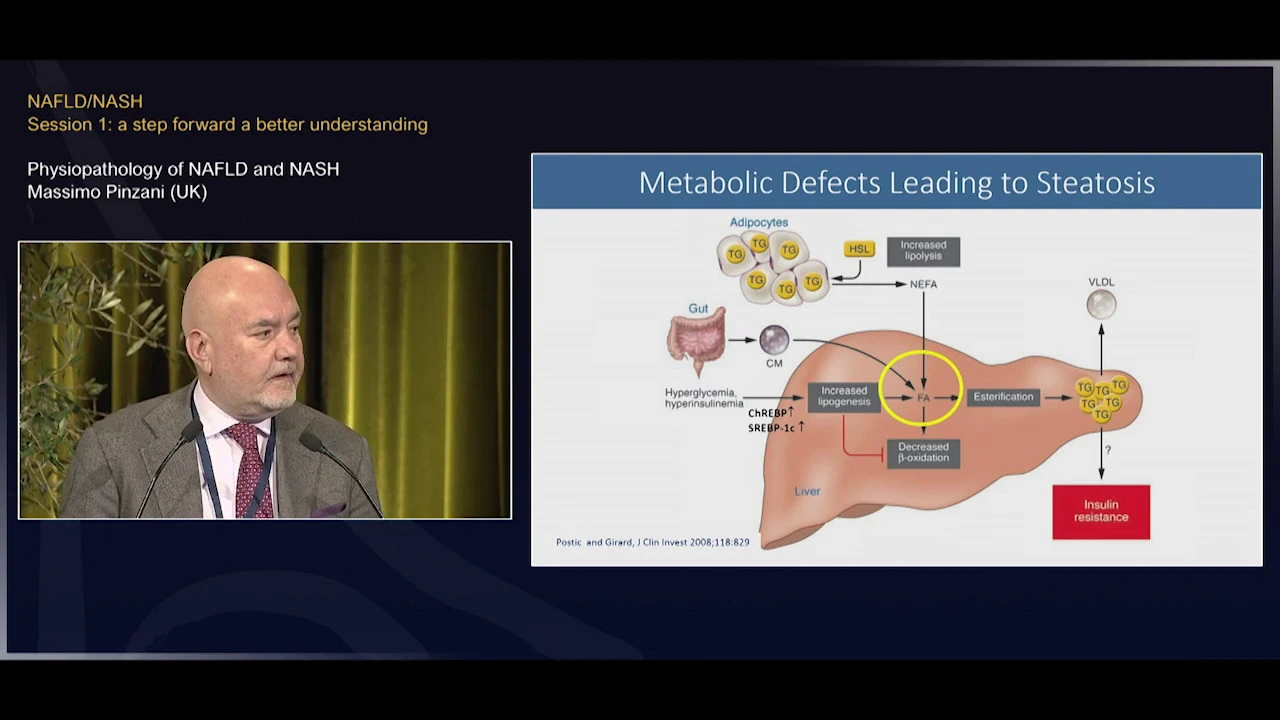
Fundamental lipid metabolism, specifically how the body stores, processes, and transports fats (triglycerides) in hepatocytes.
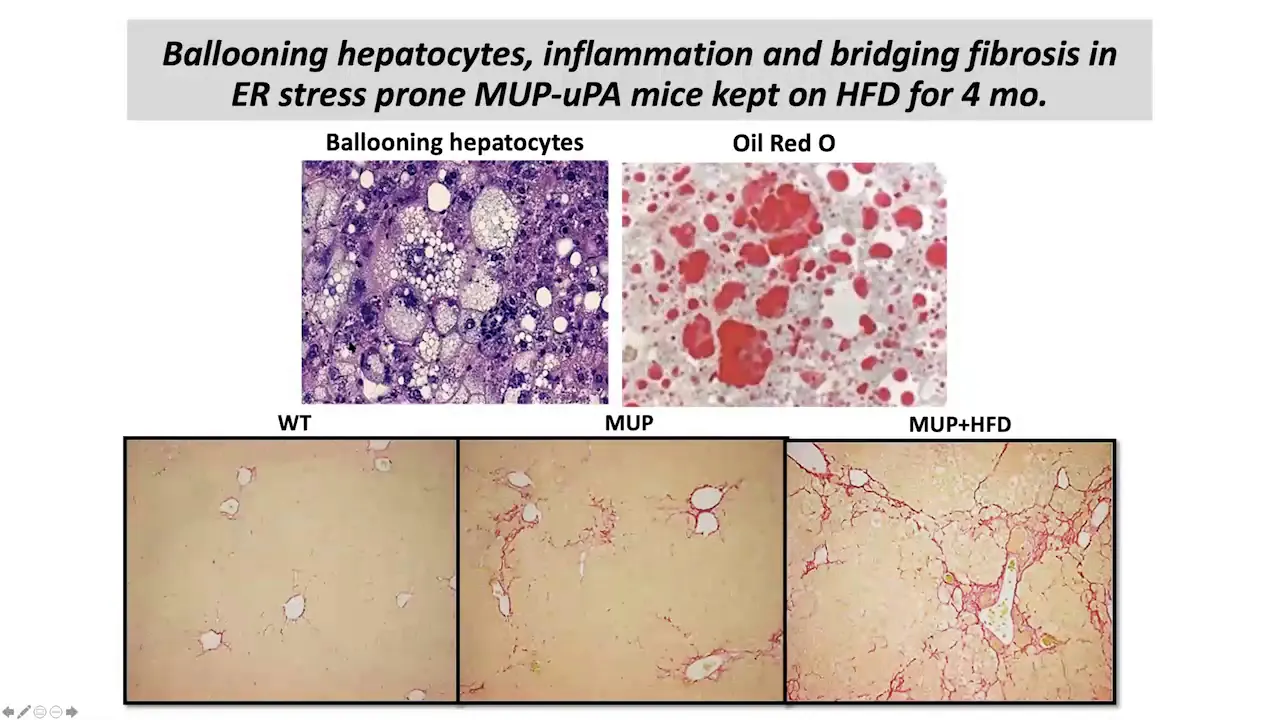
Basic pathology concepts of inflammation (steatosis vs. steatohepatitis) and the cellular response to tissue injury (fibrosis).
The progression of NASH to advanced liver disease, including liver cirrhosis, portal hypertension, and liver failure.
Emerging pharmacological treatments and clinical trials for NASH, such as THR-beta agonists, GLP-1 receptor agonists, and antifibrotic agents.
Advanced diagnostic technologies, specifically non-invasive biomarkers, transient elastography (FibroScan), and magnetic resonance elastography (MRE).
The development and pathophysiology of Hepatocellular Carcinoma (HCC) secondary to long-standing NASH.
Pediatric NAFLD/NASH, focusing on its unique epidemiology, risk factors, and pediatric-specific clinical guidelines.
12.3K views120likes37:20Original Release: 2019-06-26
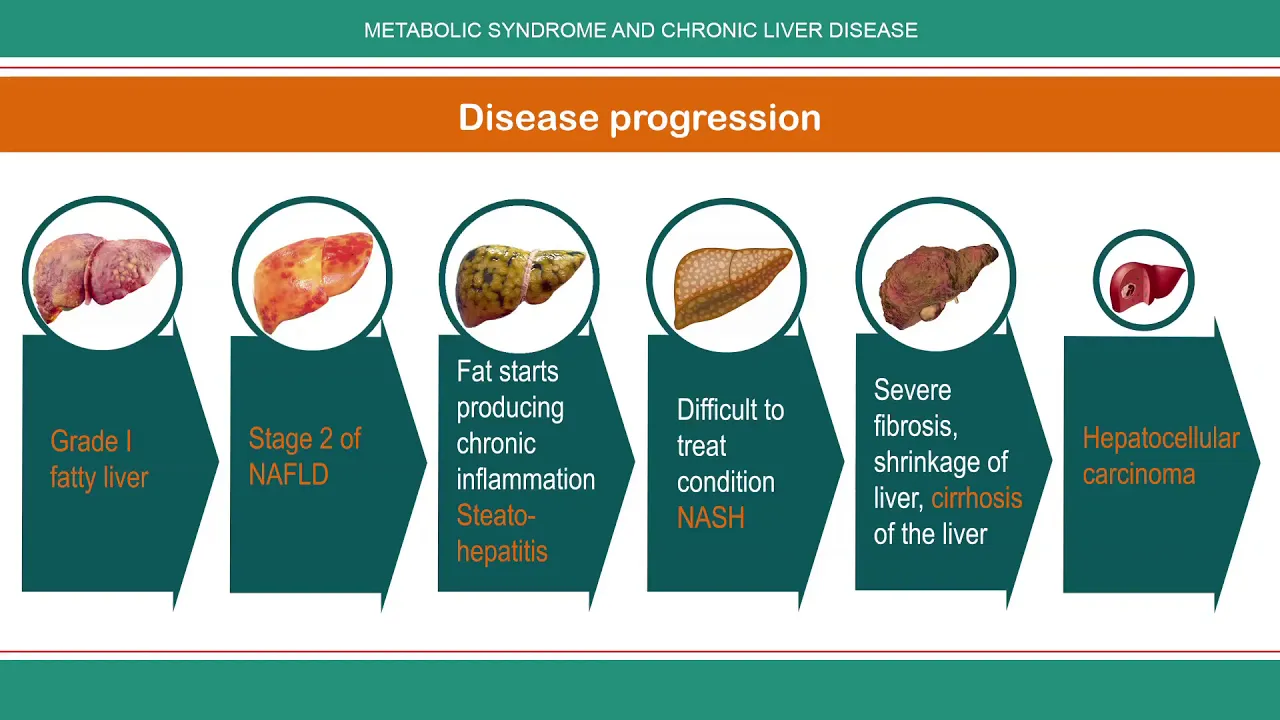
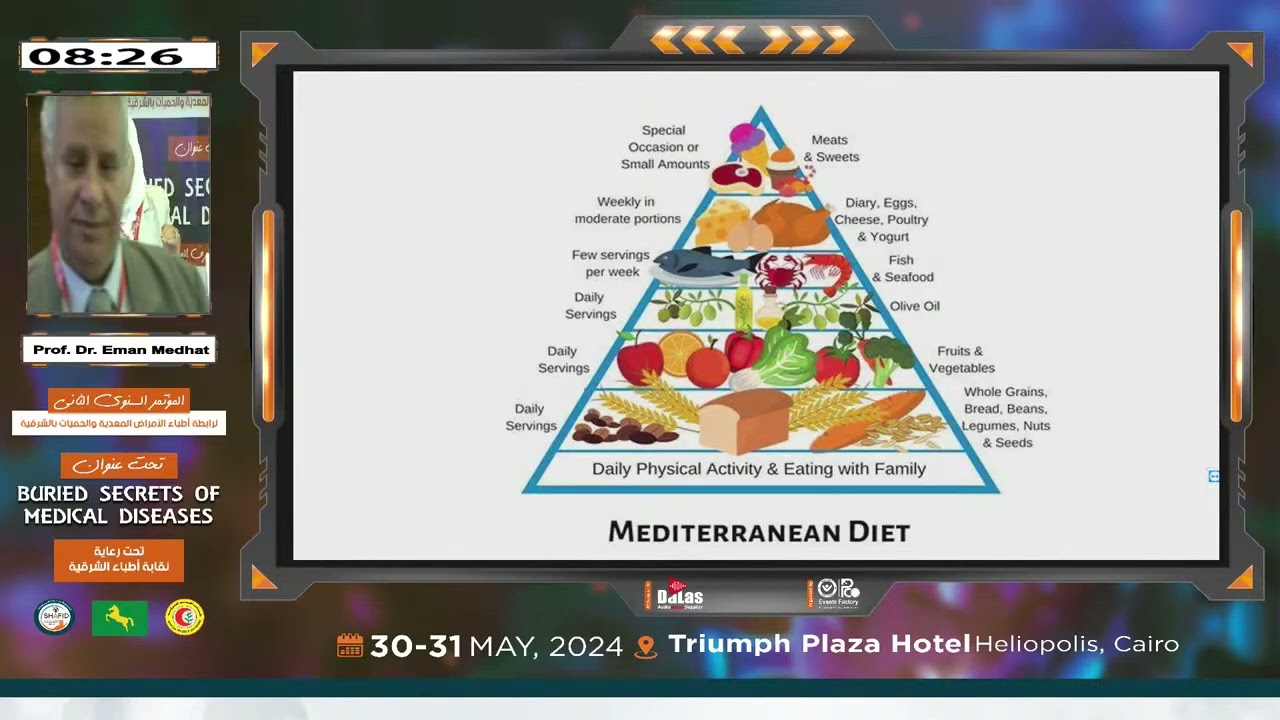
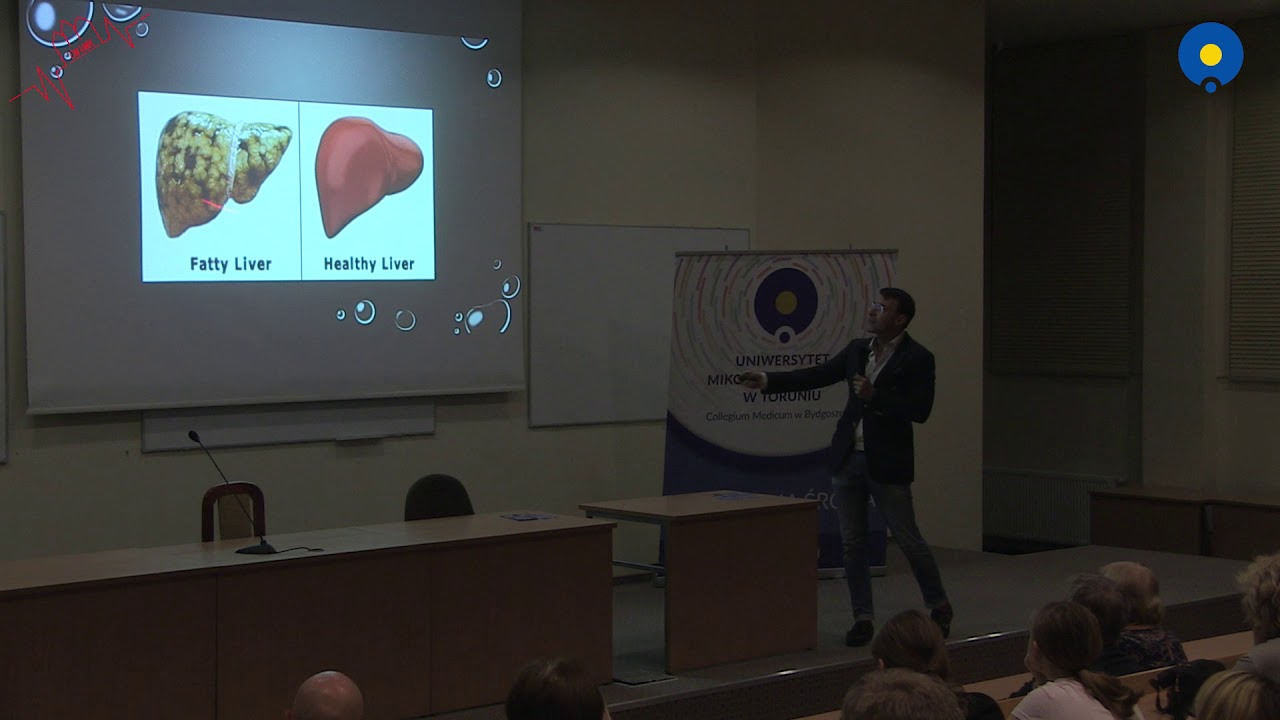
good evening everyone we're here at the New England division of the American lure foundation we're very excited to have Caroline Joe Corian dr. Caroline Jeff Orion from our Medical Advisory Committee present on Nashville Nash which is rising health concern here in the United States I understand that you might have a little trouble viewing the visual that's up behind me but we did make the PowerPoint available if you click on the link in the description below this video you'll be able to download the PowerPoint and follow along or you can just listen to our wonderful dr. provide great insights and then save the PowerPoint for later so with that I'm going to turn it over to Caroline also you'll see the ability to use a chat if you have questions as we go through feel free to send those via chat and we'll either read them out to dr. Dorian or we will answer them after the video is concluded so thank you all for being here and with that please help us welcome dr. Dorian hi everyone so as Lindsay said please feel free to ask questions at any point during the presentation and if anything needs to be elaborated upon just say just ask filet all right so I am a physician here in Cambridge Massachusetts and I'm going to talk about non-alcoholic fatty liver disease so the objectives of my talk are to first go back and just do the basics what is the liver what's its function then I'm going to define certain terms talk about the diagnosis of Nathalie and then the management thereafter so what is the liver so it is the largest clan in the body weighing at 3 pounds it's also the heaviest internal organ that we have it's divided into four lobes with seven segments and honestly the liver is pretty great you only need 20% of it to work to actually be healthy so it's when you have less than 20% of residual function that you start having symptoms of liver disease it's located in the right upper quadrant so usually the right upper side of your abdomen underneath your diaphragm and it's one of those organs that you just can't live without in terms of its function there's multiple functions I kind of consider the liver the Swiss Army knife of the body because it gets under appreciated I think what people always think about the heart but the liver actually has a lot more functions in the heart both organs are very important but the liver helps detoxify a lot of toxins that come into the body so patients who have liver disease tend to have a buildup of toxins such as ammonia which can cause confusion it is also really important in terms of nutrition and necessary nutrients that we need in the body so specifically proteins carbohydrates and fats so it helps not only create them break them down but it also helps store them and in doing so it you also need file to break down fats and so it creates file to help digest fats in the small intestine in terms of making protein some of the proteins that it's responsible for is are the proteins that help them blood clotting so liver patients liver disease can often lead pretty easily because they can't form clots also in terms of sugar regulation is important in the production and the breakdown of insulin in terms of medications a lot of the medications we use get broken down to either an active substance or broken down into two smaller substances by the liver as indicated earlier it helps stores vitamins and minerals and then one of the functions that often gets overlooked is the fact that it helps fight off infection so the livers are pretty important organ in the immune system so patients who have liver disease are higher risk for infections and one of the interesting things about the liver is unlike you know the heart or even the kidney we don't really have any sort of replacement therapy so we don't have a dialysis for the liver we haven't been able to create technology that can incorporate all these important functions to really kinda to supplement the function of the liver so I think it's really important to define terms when we talk about liver disease so there's alcohol induced liver disease and unfortunately the majority of society always thinks that liver disease is secondary to alcohol but that's actually really not the case at all it's not the number one cause of liver disease in the world so in terms of liver disease I try to look at it as a spectrum of steps so one of the terms you may hear at times is few ptosis it's actually when we say fatty liver in the medical world we use the term steatosis and that refers to the fact that fat is involved as in the liver itself so involving at least five to ten percent of the liver if not more and then hepatitis refers to inflammation of the liver and so it does not refer to actually just viruses so we often think hepatitis means hepatitis A B or C have heist in the medical world just means inflammation and we often look at bloodwork to evaluate for that and the one thing I want to emphasize is you can have steatosis with hepatitis and we call that steatohepatitis and then ongoing inflammation can subsequently lead to some scarring which initially is termed fibrosis but if the scarring starts to involve more than 80% of liver such that you have less than 20% of its function then we start calling it cirrhosis and so where does naff hold or non-alcoholic fatty liver disease fall into this picture so it's referring to two fat deposition in the liver that's not secondary to alcohol and one of the things I want to emphasize is that you can have Nathalie with other liver disease as well so what is natural like I said it's the buildup of fat in the liver not due to alcohol and then we kind of subdivide that ourselves into two categories so naphthyl so not natural D but natural which is just fatty deposition and then if we have fatty deposition plus inflammation then we call that Nash or non-alcoholic steatohepatitis the Seattle hepatitis referring to the fat build-up with the inflammation so some interesting things about natural d is that initially there's no Associated symptoms so a lot of people are walking around with Nathalie and they don't even know it really we start seeing symptoms as the disease gets worse in terms of fibrosis cirrhosis but really a lot of patients are without symptoms or they incidentally are found to have elevated liver function tests if detected early so if cirrhosis has not ensued it's actually can be reversed and it can affect people who drink little of any alcohol and you don't always have to be obese to have methyl and I'll get into more about the obesity factor in a field later on and as I stated earlier it can lead to cirrhosis so this is really interesting because as you can tell I to kind of summarize what I've just saying is that you have a normal liver then you have fatty liver or steatosis or once again that's at least five to ten percent of it of the liver has some fat deposition and that was that it can lead to inflammation so that you get steatohepatitis and with the inflammation you start getting scarring in subsequent cirrhosis what we do know is about 20% of the steatohepatitis patients of the nash patients develop cirrhosis so what we try to do is try to identify the patient's earlier on so that we can reverse because up to the fibrosis part you can actually reverse if you do the proper interventions as once we get to the cirrhosis that that becomes a little harder if not not feasible um this is a picture of a healthy liver so it's nice and smooth no yellowing to it really kind of a darker red hue to it and then here you see the fact that position so it's the yellow stuff that we see fat deposition can be seen through imaging or through liver biopsy we obviously can't see it we can't determine that through any sort of other studies and this is just to compare a healthy liver with a cirrhotic liver so healthy liver once you get smooth normal contour normal coloring and then as you get fatty build-up the yellowing droplets here and then we get this irregular lumpy bumpy's sort of texture to the liver under that's called cirrhosis and this makes it seem like the both livers are the same in size but with cirrhosis that liver actually shrinks and gets smaller um so things that I think are really important to know about NASA is that it's the most common cause of chronic liver disease in the United States not alcoholic liver related liver disease which like I said is unfortunately something that people often think about in our society it's the number one cause of abnormal liver function tests as well at you in the u.s. the incidence although we're not quite clear as exactly what the incidence is we do know it's increasing and that we know that there's at least a hundred million Americans who have natholi and of those 100 million 25 million have nash the inflammation plus the fat deposition we're also seeing kids nowadays with nash because of obesity being on the rise it's currently the fourth most common cause of liver transplant in the United States and its projected to be the leading cause by 2025 type 2 diabetes is the vers factor and we often see a lot of these patients with Nathalie and that all obese patients tend to have some form of baffled or nash as well so the incidence really parallels the incidence of obesity this figure it's a little outdated but it's looking at people who are on the wait list for a liver transplant and it ends in 2013 so we're six years out from this but as you can tell so Hep C probably has really plummeted down with the treatments that we have because we have cures that but at back in 2013 it was the number one cause of liver transplant but if you look at the slope or the how fast this is rising which is the nash so we're actually going up pretty fast and i'm sure right now it's even going up probably almost at 90 degree angle so Nathalie unfortunately is as under diagnosed and we're trying to work on that it's kind of concerned too people are starting to look at it as probably a crisis in our society and then here you have a dotted line which is the autoimmune liver diseases we're just steadily going up but not the same rate that Nash's and then down here you have hepatitis C without immune liver disease and it's kind of held steady over the course of time and then here it's looking at the demographics associated with baffled and usually seen in patients 40 or over and more common in men than females so projections for 2020 so natural d so just the fatty deposition is projected to be an at least thirty percent of adults and thirteen percent of children and the nash is thought to be will be probably found in three to four percent of all adults fifteen to twenty percent of obese adults and twenty five to seventy percent of patients who on earth want to undergo weight loss reduction surgery so bariatric surgery patients so some of the risk factors for Nathalie so as indicated earlier being a middle-aged to 40 or above male gender Hispanic ethnicity um rapid weight loss is another risk factor being overweight or obese type 2 diabetes having high cholesterol or high triglyceride levels and then certain drugs such as tamoxifen and mio terone steroids and other some some antidepressants and whatnot are can be respecters so the the diet and this is you know looked at um so the South American diet tends to be high in fatty foods and carbohydrates so they have a tendency to have more that what we call the central obesity and so as a result cholesterol tends to be high heart disease tends to be high which are all risk factors for non-alcoholic fatty liver disease and so I purposely circling overweight slash obesity diabetes and cholesterol because these are they're really known risk factors everything else is more of an association so these are really what we have to target in terms of patients with non-alcoholic fatty liver disease and so I just want to document because obesity is really one of the biggest risk factors if not the major one the trend of obesity in the US and this stops in 2014 so as you can imagine and incrementally going up the the rate of obesity is on the rise so back in 1994 you know there was a few states that had about an eighteen to twenty percent projected obesity rate by 2000 there were more than a few states that had over twenty five percent obesity rates and by 2014 the majority of the United States is considered at least 20 percent obese other than Colorado and I'm sure that's probably changed since then but you know we're projecting that that but well projecting that by 2016 which surpassed that that obesity rates will be higher than 20% which is most likely the case in every state so I want to define obesity and this is controversial you know it's a calculation of weight and height and so usually if you go other doctors to get your weight they get their height and it's documented in your chart and we need some more of a medical term in terms of your BMI ice or your body mass index and these are even numbers so if your BMI is greater than 25 you're considered overweight and if it's greater than 30 then we classify you as being obese and then there's subdivisions within obesity in terms of morbid obesity or Malibu obesity BMI like I said is a controversial calculation it fails to look at your body composition whether or not you've small bones whether how much fat versus muscle because muscle weighs more than fat so sometimes we think about perhaps looking at the waist circumference more as our marker so BMI is not great calculator in certain populations the Asian population a lot of them may have normal BMI eyes but they actually have a lot of central obesity and are at risk for now hold and so we tend to also look at the central obesity and that refers to the waist circumference and how much fat is there so how do we actually diagnose an Applebees so we don't have a great test out there we really kind of have to put everything together part of this history part of it is your blood work imaging so you know you may get a cat scan for abdominal pain and the liver may say fatty liver or steatosis which often honestly gets overlooked by a lot of people in the healthcare world and then one of the important things is we need to actually rule out any sort of other liver disease because you can have methyl D and another liver disease so we often do bloodwork to rule out other things sometimes we have to resort to a liver biopsy we're trying to move away from that to help us diagnose but it potentially could be one of the workup sticks that gets pursued and you know if you just have plain old steatosis which is fatty liver your liver tests are not going to be elevated it's when you have the inflammation that your liver tests are going to be elevated but then once you start getting scarring your liver can actually mount those liver tests so the area liver test may be normal so we actually see that liver tests are normal up to 30 pieces 30% of each that methyl D so that's not always the best diagnostic marker and it's probably why we often missed under I should say misdiagnosed but under diagnosed Apple D and why often patients were termed as having cryptogenic cirrhosis because they probably went on for a really long time with math old and then eventually developed cirrhosis and by the time we've diagnosed them we really don't have a diagnosis for them as to what caused it so what are some associated symptoms of novelty and and these are really symptoms associated with cirrhosis because the natural D doesn't have a specific set of symptoms so like I said earlier people can go on for decades of with novelty not know it until they become cirrhotic and then they start experiencing some fatigue so are having some food buildup on the abdomen some itching nausea some feeling full really fast because of the food in the belly and then confusion so there's not a really these are all really nonspecific symptoms that you can get from other things as well so even with those symptoms you may not get diagnosed with naphthyl until your cirrhotic or have end-stage liver disease so that leads us to who actually should be screened for an apple so unfortunately right now in society we do not have formal guidelines you know I'm constantly talking to PCPs about you know just paying attention you see these have a lot to pay attention to so it's it's hard and they don't always get the results from an IDI visit or anything of that sort but you know I tend to when I see patients look at their cat scans or prior imaging to see if they've had steatosis for some time but usually what really triggers any sort of workup has been abnormal liver function tests like I said 30% of these patients have normal liver function tests so you know that the patients that we kind of have to be a little more cognizant of are those who are beasts those who have high cholesterol those who have diabetes do they have a family history of cirrhosis do they have abnormal liver function tests and do they have some of these symptoms but like I said you know a lot of things can kind of present similarly and it's not necessarily mantled so why do we actually care because we want to avoid n stage liver disease and with end-stage liver disease or cirrhosis you're at high risk for liver cancer mm-hmm what's really interesting is that these patients with nash are twice as likely to have heart disease compared to the general public and about 30% of those patients don't excuse me actually heart disease takes them causes their death rather than liver disease um so heart disease is definitely something that so I'm just gonna take a sip of water tends to be something that we you know patient and that's something that you know do we need to start talking to cardiologists also to kind of take a look at these patients and wonder you know who needs to be evaluated I have a Christmas I had a little bit do I need a so you can't so that's a good question so patients with liver transplant are at risk or an apple you transcon livers just as we're at and so I think you know you you're lucky in that you probably see a hepatologist so there are oh is looking for that so you're ready you already in the system and we're on the lookout for that um some of the you know they're looking with the imaging they look for fatty liver fat deposition the problem is is a lot of people have fat deposition and so one when do they have to see me versus it's okay to just follow up this or PCP you know if that's not that's a fine line and my argument is if they have any questions or if the PCP is uncomfortable then just send them in my way I'd rather you Kate the patient to know what to look for what to do in terms of lifestyle interventions to help reverse that so you know your liver tests are being monitored you're getting imaging you that's the most you can do and then just being leading a healthy lifestyle which I'll get into as to what that means is it's hard you know especially when foods everywhere we're getting bombarded with food so in terms of treatment so there's actually no formal medication which our society wants a pill to fix everything right we want some sort of intervention we want to pill the only thing I can offer is lifestyle modifications which is really really hard especially in this day and age when people are stressed out working easier to go and get fast food eat out sometimes eating out is cheaper than even cooking so the lifestyle modifications really is is the key to the management of natural D but compliance is really an issue and in doing so we're trying to manage risk factors so the obesity diabetes the high cholesterol we tell patients to avoid alcohol obviously if you're celebrating a wedding having a glass of champagne is okay but why add another factor that could potentially aggravate the situation yes briefly touch on that so you know statins about five to seven years ago really got a bad bad reputation because there are some patients who tend to have elevated liver function test and that's a result of muscle breakdown from the sentence in fact we actually encourage statins in these patients because they usually have high cholesterol it should not be most patients do not have elevated a liver function tests on a statin they may get muscle aches and whatnot we actually encourage statins because it helps decrease cholesterol and the fat deposition so that's something I think we've kind of made a lot of headway with PCPs i still think is a concern amongst a lot of patients so lifestyle modifications weight loss so we recommend about 0.5 to 1 kilogram so 1 to 2 pounds a week not more because rapid weight loss can make things worse and we try to do we try to encourage weight loss with a combination of decreased caloric intake plus physical exercise so one alone is not as good as both combined we've looked at data looking at the liver biopsy and seen changes and also looking at blood work and so what we recommend is decreasing your calorie intake by 750 to a thousand calories per day mind you we always advise to work with a nutritionist everyone's caloric intake is different and not everyone who has natural D has obesity so someone who is not taking many calories and you reduce their caloric intake by a thousand that may mean they only get 700 calories a day which is not recommended so I'm giving this as a hypothetical but before you kind of hear that I'd recommend talking to nutritionist and your doctor in terms of physical exercise at least 30 minutes of intense cardiovascular exercise three times a week ideally we actually recommend about 216 minutes of intense are you a vascular exercise and when we say intense we're saying your blood your heart rates above 100 we're not saying a leisurely walk around the neighborhood we're saying your breaking a sweat mind you some people have physical limitations so we also advise talking to your doctor about that but what we do know is actually doing both can reverse fatty deposition inflammation and fibrosis cirrhosis like I said is not reversible so really it's hard to get patients to believe that because they're they don't have symptoms right they're not feeling anything and then like I said in society we get bombarded with food all the time foods are on commercials ads you know everything is around food and so it's real hard to have patients make these these lifestyle modifications but what we're realizing is more patients are falling into this novelty category so I think so we don't know I didn't go into what causes methyl D here we're still but something we're exploring and I think further down the road we're gonna realize are subsets and I think there are some genetic components to it we don't know routinely test patients for those things in terms of how fat is broken down in our body who gets diabetes so the big thing is that your PCP should be made aware that that had novelty and so you should be one of those patients that is on the let's check your liver function test at your annually annual physical you know and then maybe getting at some point one ultrasound just to make sure things are okay some people may say that's a little overboard but if Dad you know didn't take care of his body was overweight and you're not you may not necessarily be in the same category and if your exam that your PCP isn't as comfortable about it I don't think it's inappropriate to go see a gastroenterologist and talk to them about it and just to kind of get all your questions answered everyone's very different so I think part of it is also looking at your lifestyle and and like I said not everyone who has Nath hold is obese so so I want to kind of go over the food PM food pyramid because I think our idea of eating and Society is a little skewed these days and this was the old food pyramid and I don't know if you guys remember but when I was in grade school I'm probably ageing myself we had to know this and so you know at the top of the the pyramid was where you had to use the least amount of food so the fats oils and sweets and then as you got down you can eat more of that some bread cereals rice pasta all of that stuff and then so recently we actually made a change to the food pyramid and we don't food pyramid anymore we have a plate and this accounts for a lot of cultural diversity and kind of being a little more specific I think so the biggest part of of your diet should be your vegetables and then your grains thank you and then fruits and protein and then not water but dairy so I think this is a better way of looking at things same kind of simplifying because let's be honest did you guys remember the food pyramid despite having been tested on it so I think this is you know this is growth promoting high fiber diet vegetables decreasing amount of protein and I think it's nice to look at it as a plate because the food pyramid didn't tell you kind of they said servings but none of us really know servings I'm so looking at something in terms of a plate is an easier way of assessing the quantity in which you could have something so then in terms of what you should choose more of so we've talked about whole grain food so whole grain pasta brown rice bread those are better for it's also preventative for colon cancer actually in terms of being a high-fiber diet instead of white bread or lots of carbs as Leslie just talked about and then in terms of drinks we you know less sugary drinks more water reduced sugars natural juices avoiding junk food fast food and going for the vegetables of fruits the homemade meals so we really are trying to steer away from processed foods there's a lot we still don't know about processed foods but I think with time we've gone more towards that and they're less fulfilling we attend to eat more we tend to gain weight we recommend cooking with unsaturated fats or not saturated fats such as butter and lard but rather olive oil vegetable oil soybean oil on and nowadays avocado oil and then instead of taking vitamin and mineral supplements we actually recommend training he who this rich and and natural environments and minerals for more vegetables and produce oh well like I said we're trying to learn so I know people were very into but that is that I have to I don't remember that I so coconut oil was a big fat and years ago last year it was proven that it's not cardioprotective in any sort of way and cumin I always initially used more for like topical yes I know yeah yeah so you know I tend to not favor coconut oil I tend to favor more of the avocado oil olive oils always great the Mediterranean diet is always a great diet but really the point of all these food pyramids is to really kind of going away from these fat guys geo genic diets all these things that you know they promote high fat content and trying to just eat a more well-rounded less processed diet well you can't have it we recommend it and you can have a diverticulosis guys no brown rice Henry I'm kind of regurgitating the same thing with quinoa buckwheat folder we oat meal Oprah and barley moving away from you know the crackers the pretzels so I pasta couscous I be building couscous is healthy it's not bad but it's not great either pick the Raisin Bran over the cornflakes you know kind of just going back towards high fiber even if you've diabetes sort of certain some of these are higher are higher sugar loads so you it's important to we're kind of generalizing but just be aware that you really need to work with your doctors and your nutritionist I not give this is not a everyone fits in one one sort of pot and you can follow it so other nutritional recommendations so in terms of meat choosing lean meats rather than red meat baking and grilling your foods rather than fried foods and then foods rich in vitamin E so in certain nuts almonds are had the highest amount of vitamin E hazelnuts seeds sunflower seeds are great avocados spinach fish of sockeye salmon or white tuna free so those are things are high in vitamin E vitamin E is controversial before we used to prescribe I mini like I said if you're gonna take vitamin E tablets I would say talk to your doctor before you do that I'm just promoting high vitamin E rich foods so and then in terms of exercise all forms of exercises can be good for you so I just say get out and move I'm just you know like some people may have limitations but swimming if you're having bad joints is great um you know you guys start somewhere um baby steps so I just tell people you know just start moving do more at night after dinner go for a brisk walk with a friend uh or in the morning just try to start moving because I think once you start leading a healthier lifestyle starting exercise it's easier to eat better because you start respecting your body a little more so and then very attrex surgery and I'm not getting into many details about it but I thought it was something that's important because I think bariatric surgery is on the rise in bariatric surgery refers to any sort of surgery that causes weight loss so it can be gastric bypass can be a gastric sleeve there's now endoscopic means of doing sort of bariatric interventions I bring this up because that probably and many people's mind is the easy fix to all of us one of the things I want to say is that rapid weight loss which can be seen with bariatric surgery can actually worsen natural D I'm not saying that happens to everyone but you have to realize it there's different forms of bariatric surgery some which cause more rapid weight loss than others so it's not the end-all be-all for patients who have methyl-p and what we do know about Bariatrics that patients do better long-term in terms of sustained weight loss rather than lifestyle interventions and it's okay for people to have ups and downs in in weight loss I think the extremes is what you don't want so you know these fad diets are great for a month or two and then you get back or even a few months or half a year a year and then you get back to your eating habits and gain the weight again so we want to see more of a sustained weight loss it's okay to have variability a little bit of it it's the extremes that we don't want but in terms of bariatric surgery there's been no formal studies looking at the safety and cirrhotic patients so it's definitely not something we recommend in patients who have cirrhosis we are starting to look at more studies seeing whether or not it's effective in that fold patients but right now we don't have any great studies and so before you kind of pursue this as your fix I would talk to your gastroenterologist before pursuing bariatric surgery you can't have more of a discussion about that in one of the things I want to say is that obesity is becoming a recognized field in medicine there's people are being trained to do that including myself and so we're trying to create more of a diverse cohesive group that works with bariatric surgeons and nutritionists endocrinologists people who manage diabetes to kind of help prevent the epidemic that's gonna insu with now old so what else can you do so you know when you start having liver disease I think it's really important to protect yourself from other liver diseases and infections right because the liver is really important in terms of fighting infections so making sure you have your hepatitis A & B vaccine you know before we never really thought about hepatitis A until recently when we've had a lot of outbreaks and deaths associated and it's actually not recommended that everyone gotta have types a vaccine but you know you can go to CVS and get your hepatitis A vaccine to 300 they're free at osco as well I just found that and your hepatitis B vaccine so haven't I say he's a 2 Series vaccine hepatitis fees at 3 series you can get them combined one of the things I always emphasize is maybe this is you know making sure you get screened for it before you get the backs other things you want to look as your bone density so a lot of patients with liver disease have weak bones and then making sure you're actually following up regularly with your doctor to avoid disease progression and you know some people it's nice to have support groups I think unfortunately no liver disease has been always associated in our society to to be with alcohol and the reality is as natural these a bigger cause of liver disease in this country and we starts changing that stigma and realizing that this is the cause of liver disease in our society at this time so and then if you have more questions or need more information or some resources for you but I can take any questions that the crowd may have so I just want to remind everyone that the liver foundation has a lot of information on natural Dan Nash we will post some links in the comment section of this video and share those out also be aware that we have a Facebook support group that is well moderated by American liver foundation staff so this is a place for people to share experiences not to necessarily get medical advice but to kind of find one another in this video we'll be available to view beyond today so with that I'll say thank you to dr. Dorian and please feel free to you're watching this after this live streaming we will come back and answer questions as well so please feel free to leave your questions and comments in the comment section and we'll be sure to check it back all right thank you
Up Next
8:44
How to Interpret Liver Function Tests (LFTs) Simplified | Clinical Guide
@medicinewithfaizan
383 views•2024-08-19

48:47
Graphic Medicine: Comics for Collaborative Healthcare Communication
@nationalpatientadvocate
189 views•2023-12-04

10:28
Neuroanatomy: Central and Peripheral Nervous System Divisions Explained
@AKLECTURES
136.2K views•2014-09-20
3:05
Stages of Labor and Vaginal Birth | Childbirth Animation
@nucleusmedicalmedia
52.1M views•2017-08-18
Related Study Plans & Knowledge Roadmaps
Structured learning paths in Medicine
medicine
Abnormal LFTs: Diagnostic Workup & Pathology
01Liver Anatomy and Basic Physiology
02Introduction to Liver Function Tests (LFTs)
03Hepatocellular vs. Cholestatic Patterns
+ 3 more learning modules
12h6 modules
Explore Roadmap
medicine
Analyzing Blood Smears: RBC, WBC & Platelets
01Introduction to Blood Components & Smear Preparation
02Normal Morphology of Blood Cells
03Erythrocyte Pathologies & Morphological Variants
+ 2 more learning modules
12h5 modules
Explore Roadmap
medicine
Mechanical Ventilation: Waveforms & Alarms
01Anatomy and Physiology of Breathing
02Introduction to Mechanical Ventilation & Core Modes
03Ventilator Settings and Waveform Interpretation
+ 2 more learning modules
12h5 modules
Explore Roadmap
medicine
Neuro Exam: Localization & Stroke Syndromes
01Foundations of Neuroanatomy and Vascular Supply
02The Neurological Examination: Step-by-Step
03Principles of Neurological Localization
+ 3 more learning modules
18h6 modules
Explore Roadmap