












![Dawless Live Sets: How I Navigate & Transition [Octatrack Looper, Bridge6 & DJ Mixer]](https://i.ytimg.com/vi/SBGCbmSqKmg/maxresdefault.jpg)
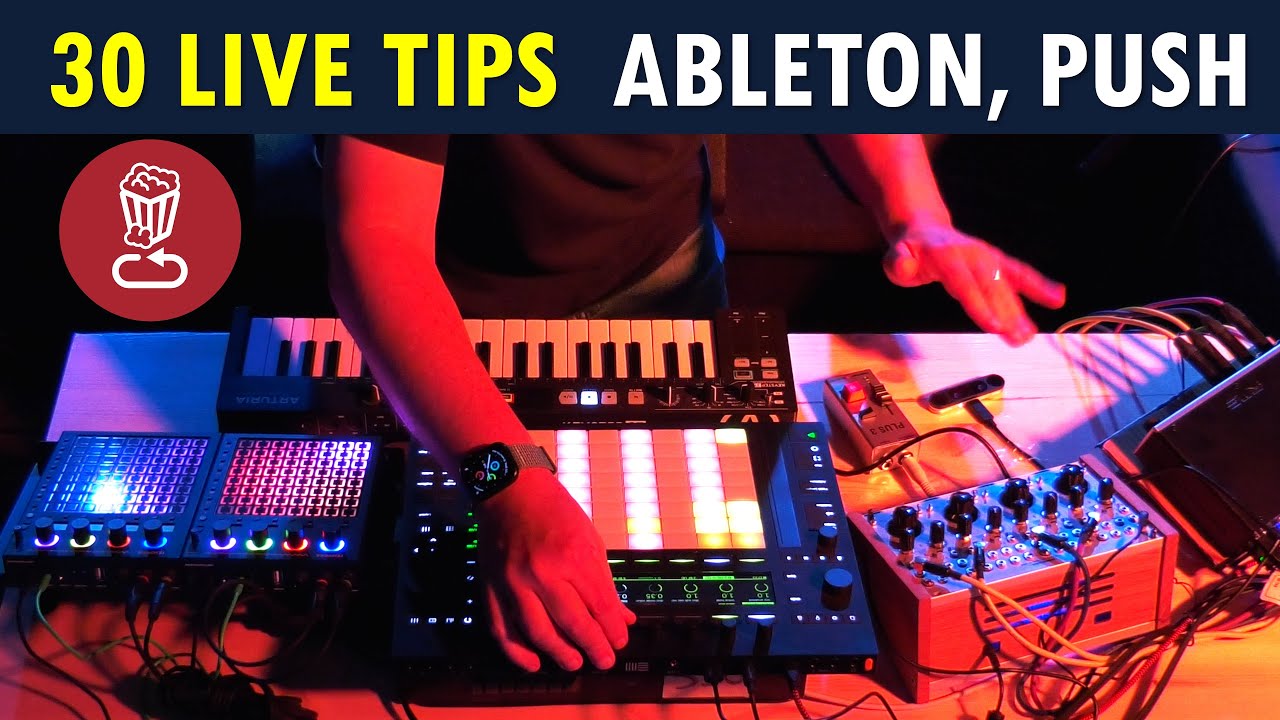


Ambient music is defined as music that fades into the background without drawing attention, though practical ambient music often includes elements that capture listener interest. The core components for creating ambient synth music include a synthesizer (preferably using subtractive synthesis with filters and slower envelopes for warmer, pad-like sounds), a sequencer for pattern generation, and time-based effects like reverb to create space and depth. A sample-based approach involves creating musical fragments using plugins like Strands (for piano) and Cells (for strings), then processing them through tools like Pul Stretch to extend and transform the material, finally performing with hardware setups that include samplers, filters, granular effects, and dedicated reverb units.
Ambient Synth Music Production: A Eurorack Skiff Setup Guide
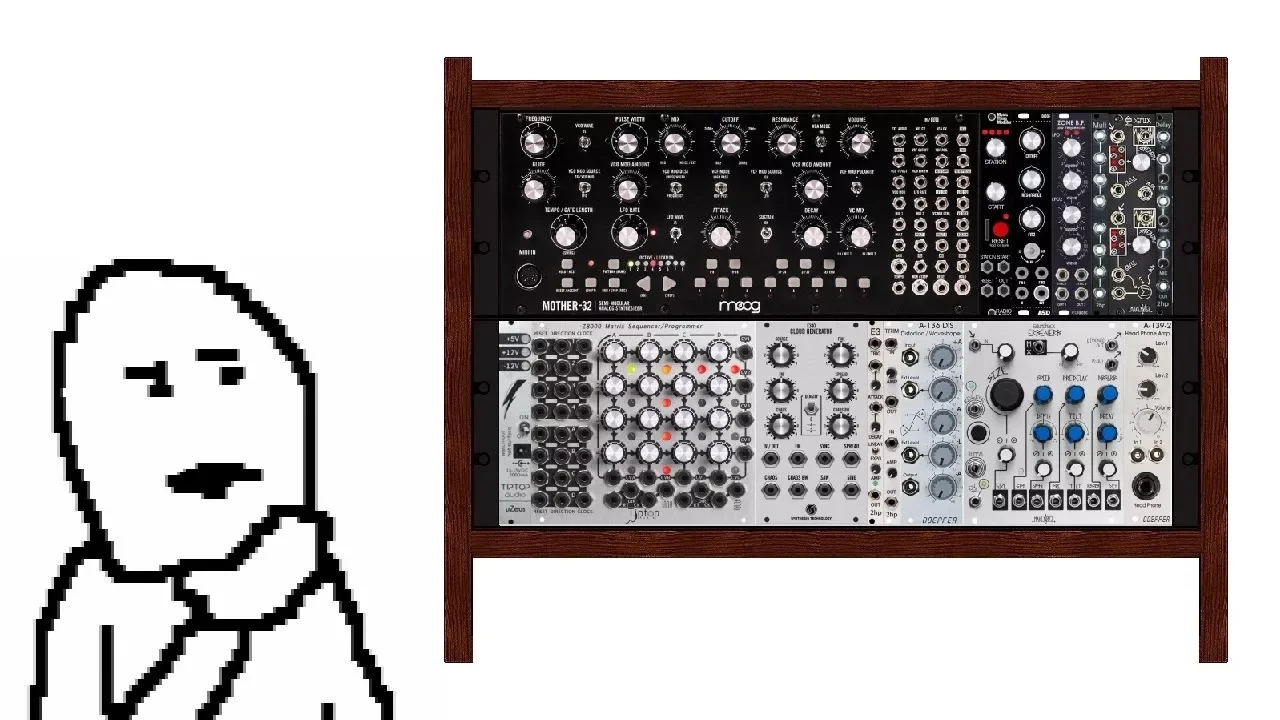
Added:hey Jay here let's make some ambient music so if you don't know me my name is Jay hosking I make music with Hardware synthesizers sequencers drum machines effects Groove boxes that sort of thing I don't normally do this talking head business I'm more of a performance guy so bear with me I get a lot of questions but uh most of all I get questions about how how I make music and especially how I make ambient music so what I thought I'd do briefly today is walk through the process of making an ambient piece from the very beginning to the very end there are lots of ways to do this so I'll talk about what ambient music is or isn't mainly I'm going to talk about how I don't care about the rules uh then I'll show you a bunch of other potential setups for making ambient music and then finally focus on one particular setup over this last year I've made a couple of albums of ambient music using a small eurox gii the eurox gii is sample based and has a bunch of effects and is capable of these very long album length performances uh so I'm really going to focus there on how I create the material that I can finally perform really moving from the the ideas and the thoughts all the way to the final piece of music so let's [Music] go so I thought we better start by very briefly talking about what ambient music is I'm not going to spend too much much time here maybe I'll do another video about this in the future um there is a formal definition of ambient music really the idea is that it's music that Fades into the background that doesn't draw your attention in psychological terms we would say it's not particularly Salient you're able to live your life without it bursting or breaking into your attention too much uh when I think of the strictest forms of ambient music I think of things like Eric sati's Furniture music or I think of U bazinsky disintegration tapes these things that kind of slip almost uh out of your conscious awareness entirely and color your experience while also not requiring too much of your conscious explicit attention at the same time so yeah that's the formal definition but in actuality the music I make in many cases doesn't satisfy those criteria it either has physical properties like brightness or loudness or volume changes uh that draw the attention or it has an emotional quality that draws the attention and pulls you away from whatever you're doing in your life I write the word ambient on there because that's the closest thing it is uh sometimes I also use the term cinematic because people recognize that what that means is soundtrack music the soundtrack of your life even if it's not a soundtrack for a movie or a TV show or a video game or something but you know what I don't worry about it that much and I don't think you should worry about it either I think getting really hung up on genre is a waste of perfectly good energy [Music] now what are the components of really good ambient music The Honest answerers anything great ambient music has been made with tape reels and fragments uh it's been made with pianos it's been made with synthesizers and so on so just use what you really like I'm going to show you two approaches the first one that's in the margins of this video has to do with uh three components a synthesizer a sequencer and a time-based effect so for synthesizer I tend to really like subtractive synthesis which is when you have a filter that is removing that high frequency content right that leaves you with a warmer sound not only that but I tend to like uh slower envelopes so a slower attack or rise in the sound a sort of smoother or longer Decay so these aren't Plucky sounds these are what we might call a pad uh a polyphonic instrument tends to work a little bit better than monophonic but you can get away with great monophonic performances in ambient music as well uh the second part is you got to sequence it to sequence it you can of course use these things your fingers so you can play a keyboard uh for many of us we love making music but we're not necessarily the best keyboard players so another approach is to use a sequencer some synthesizers have a sequencer on board like the cor vulka or something like that uh you could also have a built-in sequencer in a number of Hardware controllers like the arteria keystep and then of course um you can just use a completely separate uh sequencer like the oxy1 or even the sequencer that's baked into an electron DIY tact or something like that right and third you need some sort of time based effect like delay or probably Reverb Reverb is my go-to uh what the time-based effect really does is again smear out the sound it's interesting CU Reverb And Delay can both catch certain U aspects of the sound and amplify them or emphasize them make them sort of emerge in a way that you don't normally feel they provide a sense of space and grandeur and depth that you just can't get when an instrument is fully [Music] dry the other approach is sample-based and that's what I'll be focusing on today I like a sample-based approach because it allows me to take advantage of some really cool tools I have in my computer that I don't normally get to use in performance uh so you create these existing sound sources and then through a sampler we'll play the sound sources and then perform them using a variety of filters and effects and all sorts of other things mixing and so on and so uh let's start that process the very first thing we need to do is make an existing sample make a starting point and to do that I really just like to Noodle around in the margins of my life I have a pretty busy life so in between all that busyness I like to make little fragments of music so to to begin with I've been exploring this piano plugin called strands I mean piano is maybe not the right way to put it you play in whole notes just plon on the keyboard and what it spits back to you is this very rhythmic arpeggiated very stereo panned piano sound each of the notes is played back at different rhythms in different parts of the stereo field and even will be playback at different octaves which gives you a quite Dynamic and quite unpredictable kind of sound I really like it a lot once I had the piano part I thought I'd add some strings uh I just you know piano and strings are like chocolate and peanut butter they just go together really really well so to make these strings I used uh a plugin called cells I really like cells not only because it sounds really good but there's an element of unpredictability baked into it you play it at slightly different volumes and you get these different articulations it'll even read what key you're in and start to create this little fluctuation in the sounds that you're making uh and so it's got this really Dynamic really rich performance that I just couldn't easily reproduce by playing strings on a keyboard [Music] after I had piano and strings I thought I need something in the lower register first I tried double bass uh and that was pretty cool uh I also realized that a synthesizer might fill in the bottom end really well so I used one of my very favorite um software synthesizers which is the legend and the legend did a really great job of filling in the lower end [Music] this approach worked so well for me that actually sketched out four different song ideas uh the first one of which I liked so much just on its own that it's become the basis of a soundtrack I'm making for a short film I'll be maybe putting that up on my channel sometime in the future the other three were all quite good uh and I'm still as of this recording not sure which one I'm going to use for the live performance [Music] so once we had these sketches these musical ideas the next step is to get them ready and prepare them for the uh eurox skiff to do that we really rely on pul stretch if you've never heard of pul stretch before it's this completely free program that allows you to independently control the time stretching and the pitch of your audio I know a lot of things can do this these days but pul stretch really produces these beautiful results what I usually do is I stretch uh the time by like somewhere between five and 8 times slower than usual uh in this case I I made them all five times slower than they were to begin with and then I turn down the pitch until I get something that's just inherently pleasing to me which in this case was somewhere around half an octave lower and that meant I went from something that sounded like this [Music] something that sounded like [Music] this so now I gone from having these three pieces that were about a minute and a half each to these pieces that are about 8 and 1/2 minutes long and sound really really beautiful in and of themselves the final step is to actually start performing them so that's where I am today uh I started with three music musical sketches that were each about a minute and a half long now I've got these three samples that are each over 8 minutes long I'm going to load them all onto the eurox GI probably choose one of them and then perform it using the setup okay so here's the eurac setup I thought I'd talk about it first before we patch everything in over here is the sampler this is what's going to be playing the samples that we just created this is also a sample player um but what's interesting about it is that it will play sorts of weird old found sound so it's got a bunch of preset recordings on it um nothing that I created something that U came with the device itself and it's everything from um I don't know old recordings of the Subway or city streets to um radio programs to interviews to um number stations where where those numbers are being read off in a mysterious kind of way I really really like this what I like about it is that I don't have control over it I can set the station whether we're listening to the number Towers or the an interview or whatever else but it's just kind of always rolling in the background and that means that when I turn up the volume uh for this um found sound device I don't know what I'm going to get and that can lead to these really beautiful synergistic surprising moments where there's a a really nice match between the recording uh this this old recording and whatever's coming out of the the sampler over here musically they they often mix together I don't use this too much because I'd find it's too distracting or would grab attention too much but a little bit of this can go a really long way next here is a filter this filter's great has a low pass filter here to get rid of the high frequencies a high pass filter to get rid of the low frequencies and together you really have control over the Dynamics so even if the original sample isn't in a quiet section you can use this filter to really bring it down into a quiet section uh resonance is really nice on it because the model I'm using is based on the old corg MS2 20 which has a lot of personality to it next one over here is a granular uh effect and granular synthesizer grabs little audio Snippets and plays them back forwards or backwards in you know higher density lower density uh you can pitch them up and down so they can be really low or really high you can feed it back into itself so it sort of spirals off into Infinity with these sounds lots of cool stuff here and it's got an interesting Reverb here over in the corner for some extra Reverb if I need it this device here is a dedicated Reverb unit it's it's a really weird one it sounds weird um it has a lot of good control and has a lot of unique personality um different algorithms for Distortion versus Shimmer versus a cleaner one you can move it all the way from very delay style sounds all the way up into very clearly Reverb sounds anyway it's really nice to play one of the few reverbs I really like playing these two over here are more utilities I don't know if I'll be using them or not but I'm going to describe them now in because I use them in the original recordings those longer albums this one here is a compressor and a limiter that really allows for some color and saturation and really um Dynamics control again I find that good ambient will have kind of more even Dynamics and not pop too much in terms of the attention uh this thing here is awesome this is a recording device uh and you might be like what's the big deal but having a recording device baked right into the case means I don't have to carry around a separate recorder means I don't have to plug it into a mixer or an audio interface or a computer or whatever else I can just plug this whole chain directly into here and be recording the overall um performance right in the case which is super handy uh two mixers up here um used to to mix the different sounds together uh this VCA I probably won't even be touching but maybe maybe I'll end up using it who knows uh and then this device over here is uh a performance device that when you press on it allows you to sort of uh nicely control any of the along here I'm not sure what I'll plug it into yet we also have a couple of malts up here that let you split signals and send them in different Pathways I don't know if I'll use that or not but we'll see yeah so now what we're going to do is patch the whole thing in [Music] [Music] all right now's the time when I need to stop talking and start to explore so let's see if we can get a final performance [Music] better better good [Music] [Music] [Applause] [Music] [Music] [Music] [Music] [Music] it [Music] J he [Music] [Music] [Music] [Applause] [Music] [Applause] [Music] okay so there it is an ambient song all the way from its initial conception to its final performance again you don't have to use eurorack I could have used any sample-based device plus some effects that I like uh alternatively you could just take a completely different route use some synthesizers that you're fond of plus some time-based effects like Reverb it really doesn't matter ultimately remember that the rules can be a helpful guideline but to throw out those rules whenever they're interfering with you making something that's really meaningful to you yeah so I hope this video has been fun or useful or inspiring take care thanks for your time I'll see you soon [Music]
Up Next
Creating Ambient Granular Pads in Arturia Pigments 2: A Step-by-Step Guide
@VenusTheory
81K views•2020-05-22

Triumph of Orthodoxy Icon: Byzantine Art & History Explained
@BenCallan
2.1K views•2024-08-06

FastAPI vs Flask vs Django: Choosing the Right Python Web Framework
@TechWithTim
302.5K views•2024-05-26

Game of Thrones Opening Credits: A Cinematic Analysis
@gameofthrones
46.3M views•2011-04-18
Related Study Plans & Knowledge Roadmaps
Structured learning paths in General & Interdisciplinary Studies