



![SAAS (Software As A Service) project - Step-By-Step [ بالدارجة]](https://i.ytimg.com/vi_webp/u7y_lP_xi2o/maxresdefault.webp)





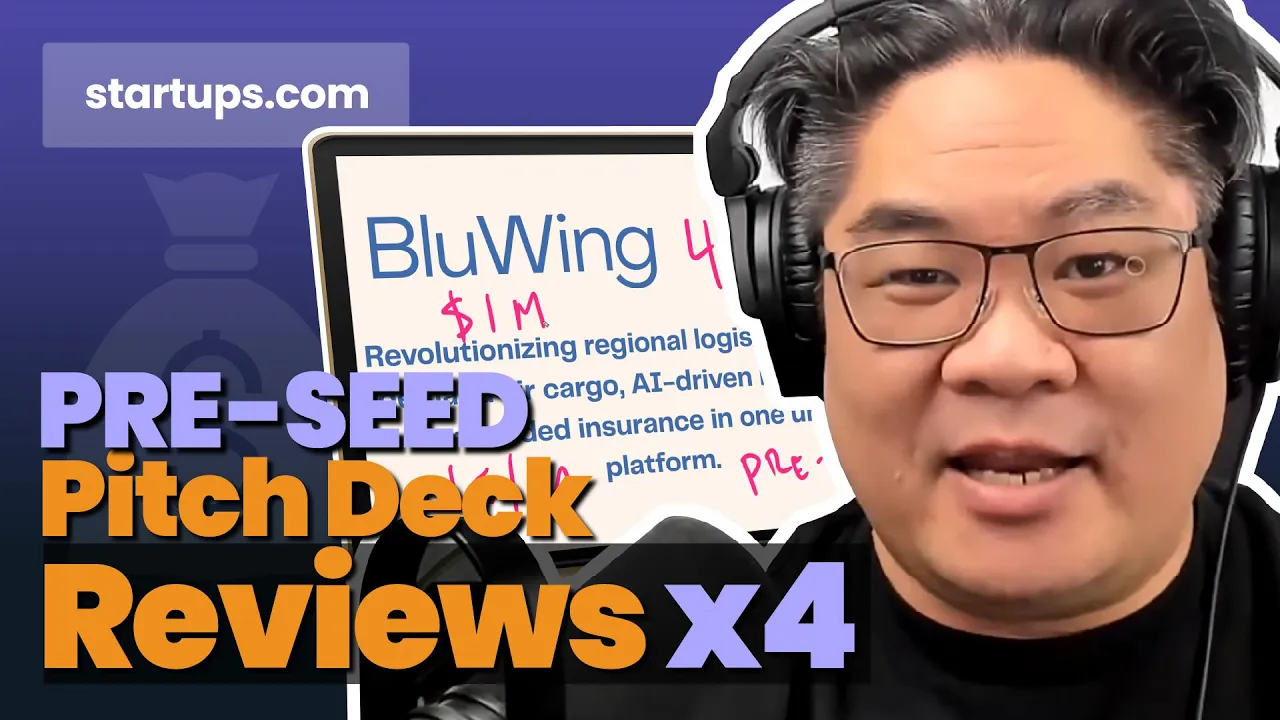












Pre-seed pitch decks require a fundamentally different approach than later-stage decks, focusing on founder credibility, problem validation, and clear value propositions rather than financial projections; key elements include a concise tagline, quantified problem statements with specific numbers, a compelling solution statement that addresses the problem directly, a realistic traction section showing concrete actions taken, and a modest funding request tied to specific milestones, while avoiding complex financial models and vague marketing language.
Pitch Deck Critique for Pre-Seed Startups: Marketing Tech
Added:Understanding the venture capital lifecycle, specifically the definitions and expectations of the 'pre-seed' funding stage versus seed or Series A.
Basic knowledge of the Marketing Technology (MarTech) ecosystem and typical SaaS business models.
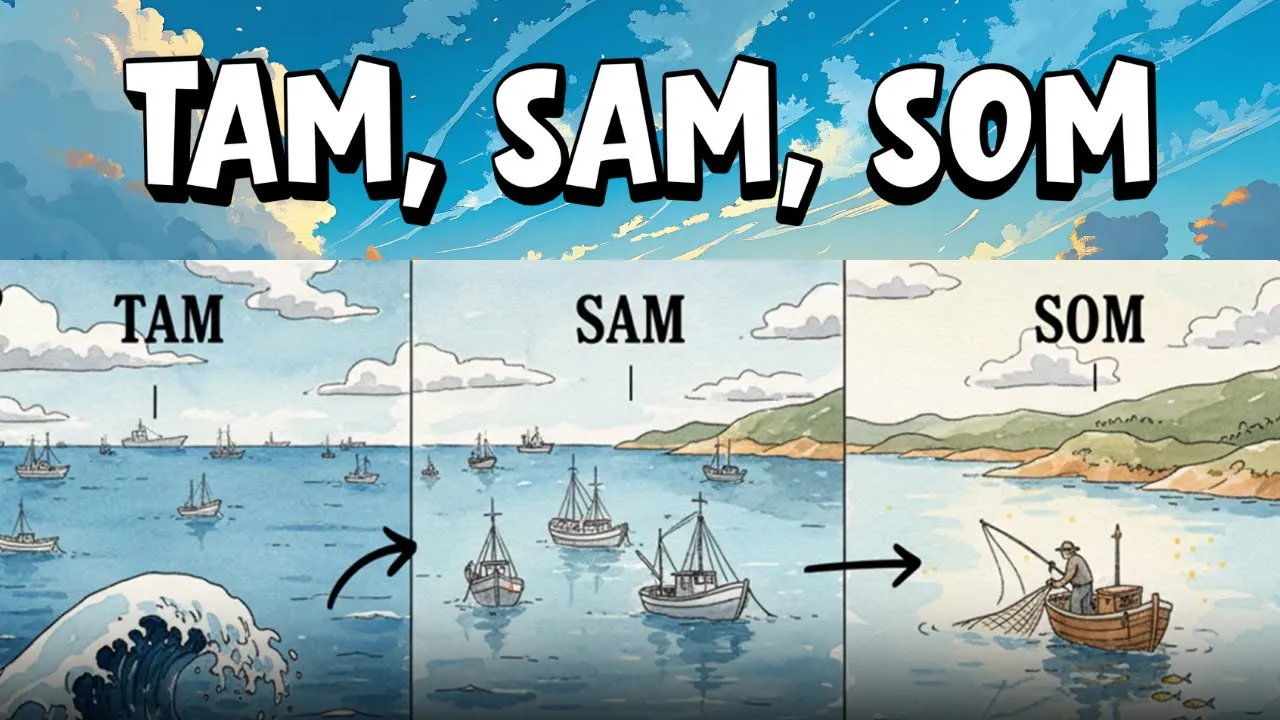
Familiarity with market sizing frameworks, particularly how to estimate Total Addressable Market (TAM), Serviceable Addressable Market (SAM), and Serviceable Obtainable Market (SOM).
The concept of 'Problem-Solution Fit' and the fundamental structure of a standard startup pitch deck.
Mastering financial modeling and pro-forma projections to back up market sizing and growth claims in investor meetings.
Understanding the mechanics of pre-seed fundraising instruments, such as SAFEs (Simple Agreements for Future Equity) and convertible notes.
Developing an investor outreach strategy, including building a target VC/angel investor list and mastering the warm introduction process.
Advanced storytelling and presentation techniques for live pitching, including managing rigorous investor Q&A sessions.
Defining and tracking SaaS-specific traction metrics (such as Customer Acquisition Cost, Lifetime Value, and Monthly Recurring Revenue) as the startup transitions from pre-seed to seed stage.
40.6K views1.5Klikes27:52Original Release: 2023-11-01
hello Founders it is time for another pitch deck critique this one comes from my buddy main man Heron and his startup is called word play sent me this deck before I start I want to highlight something very important about this deck here and that this is a pre-seed deck preed so that means we are pre-revenue pre-product pre everything this is right from a prototype initial prototype just to validate the direction but the product hasn't even started in terms of getting built nowhere close no Revenue anything like that so Heron is trying to raise money for the buildout to be able to build his MVP and it's important because when you are a preed deck your decks need to come across a little bit differently than other decks and if you're watching this it means my main man Heron has given permission for us to publish this out there totally appreciate it let me say something super clear first before we continue I do not do these pitch Deck reviews unless I believe in the founder or believe in the startup in some form or another in this case even though prece pre-revenue pre-product Heron has shown the grind the grit the hustle to get in there and start trying to learn how to use all the materials that we provide here at stars.com to start building a pitch deck that's going to allow him to raise that first check that initial money to go out and build his MVP and I want to provide feedback because this is a great learning experience because we have so many Founders in our community who are in the same situation so once again this is a preed deck and you are going to be targeting not professional investors in terms of venture capital for example an a16z is not going to look at this type of deck you're looking at friends family and Associates or Angels friends family and Associates or Angels investors maybe some accelerators Maybe some incubators but when you are preed you don't even have a product yet you're looking at people who want to YOLO a bunch of money in there and say hey here's 10K here's 20K probably not going to see that money ever again but totally interested in seeing what you can come up with because I believe in you Etc and really at the preed stage that's what happens is the investor believes in the founder and the founder can figure out hey how do I get to this next Milestone and start raising the real money necessary to build to start up that eventually becomes a unicorn and all that stuff and the reason these investors get in is because at such an early stage you are looking at a really good deal because the failure rate is extremely high and getting in at this deal you can say okay here here's my 10 grand or 20 grand I want 10% of the company which you're just not going to get that type of Deal or 20% later on because hey this is the biggest risk that I'm going to take right here so here we are working with word play now right off the bat what I want to encourage all the founders to do is figure out the tagline there so social media app 2024 doesn't mean anything to me other than it's in social media but there's so many different ways that we can couch social media and present it so I'm looking for a tagline that is just very straightforward to the point so in this case I know that this is a tool to help small businesses create short form video right so basically say short form video tool for small businesses something along those lines and you want to avoid any fluff and so you don't want to say we are transforming the way videoos done for new generation of blah blah blah blah blah you don't want to do that so that's what I'm looking for in terms of a tagline right on the cover page so as an investor I know what I'm getting into right away let's move along here and say oops just get my tools going all right so the problem right now it says short form short video has become a critical part of advertising on social media in the $227 billion Market but 20% of small businesses lack the tools and the budget to be effective and compete with bigger Brands Okay so we've got something good happening here which is Haron is trying to be a lot more explicit in terms of the size quantify the problem and the issue how bad that problem is so I like the fact that we got numbers and percentages in here but this whole line here is the size of Market I don't need this in here why because the rest of it is starting to look pretty good 20% of small businesses lack the tools in the budget to be effective compete with bigger Brands okay first of all we need to understand where does the 20% come from so you might want to put a little stat line here where you got this from right you want to say all right according to what the Census Bureau or this study Pew research all those things but then here's a tip that you can do is you can make this a lot more visceral or real in terms of how severe or how painful this problem is so I looked up and I know that there are 33 million small businesses out in the United States right now so if we take 20% of them right what is that that's 6 Milli 6.6 million so I could say something like 6.6 million small businesses lack the short form video tools necessary to compete with bigger Brands something along those lines right 6.6 million businesses can't afford to create short form video to compete with the bigger Brands you see how I've gotten very clear in terms of what the pain point is now I'm going to guess that that's a bigger number but let's just go with the 20% number I don't know where we got that from and then if we take 33 million businesses that's 6.6 million businesses all right so really hone down that problem forget the total Market size here and just go straight to the point and make it as detailed and visceral as possible so the investor goes okay I get it I understand what we're working with next word playay is a social media platform that gives small businesses effortless tools to run beautiful and effective short video ads fast and cheap to compete with bigger Brands okay there are a few issues going on here and the important principle is that a pro solution statement needs to address reverse engineer the problem statement okay so we need to go backwards now there are a few things that are occurring that are causing a little bit of friction in my brain and the key principle here is if you make the investor do too much work that they don't understand and get clarification you're going to lose the investor so first off social media platform this is not a social media platform all right I understand because I look through the rest of this deck this is a tool that creates videos it's not a social media platform so you want to just start say right away this is a tool and you want to get rid of the fluff effortless to run beautiful and you know Etc okay so here's how I would say it word play is a tool that lets small businesses create short video ads faster and cheaper to compete with bigger Brands but now I want to get more detailed so I've gotten okay it's a little B version faster and cheaper but how much and what if I could make this a 10x solution meaning that at 10% of the cost so let's try this word playay is a tool that allows small businesses to create and run beautiful short video ad campaigns at 10% of the cost of bigger Brands okay at 10% of normal cost to compete with bigger Brands 10% of the time and cost right maybe that's what we do and now we are showing hey not only is this a solution that solves the problem exactly the way that we've laid it out but it's a 10x solution H now we're getting compelling so that's what I would do here and test it out you're going to hear me say this over and over again I might as well get it out of the way right now test test test right I only have an opinion I have one opinion so you want to test it out with other people and you want to get the general feedback and get it right between the eyes don't test it with people who are going to just tell you what you want to hear test it with people who know that they're going to give you the feedback as if you're never going to get offended right they're just going to say hey I don't get it so test test test these problem statements and we've got something that we can work with moving right along word play targets a 50.1 billion Market initial focus is 150 small segment of small businesses 150 million small business segment in Nashville North Carolina and Boulder Colorado that's our initial Focus before I continue along I just want to say this all of us advisors here at startups.com and everywhere you go we're going to give you different advice because we have our own preferences and we have what works for us that may not work for you so I'm going to give you some advice here next that I hope everybody can listen to but you want to take it with a grain of salt I like to joke that 50% of my advice works I just don't know which 50% be total I hope it's more than 50% but it might not apply to you so I'm going to give you some guidance here in terms of how approach Market size when it comes to a preceed deck and there's some good things that are happening here but I have Founders that come and say you know while so and so for example the venerable will Schroeder you know my chief there at stars.com founder of stars.com and the CEO he does things a certain way so people come to me but will told me to do it this way and I go great then try it that way and then people go to Will and say but Ed told me to do it this way and he has the exact same response we're all trying to get to the same end result but what you want to do is figure out what tool works for you and adapt it because at the end of the day you're the one that has to pitch this you're the one that has to feel comfortable so use the tools that are going to work for you please and thank you let me start by saying I prefer Tam Samsung and the reason I prefer that is I want to know the founder knows how to analyze their market and do the math and show the math of Tam samsom you might see Tam Sams look like this where it's like Tam Sams right in the middle well that helps me understand where the founder is coming from and gives me an idea of where they are in terms of their capabilities and they're understanding the market now in this case we're using the um example or the methodology where we're saying okay here's the Tam or here's the Sam but I'm going to focus on the p and it's a lot easier to digest because if you don't do your Tam Sams right then what's going to happen is the friction starts to occur and Founders are or investor is going to start questioning and say how did you get to those numbers Etc but let me give you some feedback here on what you have we play targets a 50.1 billion Market I don't know how you got to that number 50.1 billion in what money spent on short form advertising or video advertising at at all like of the 33 million business small businesses are they all spending a total of 50.1 billion in short form advertising I don't know so give me some more details in terms of what this math means where it comes from next initial Focus $150 million Market of small business is Asheville North Carolina B Colorado I need to know why I need to understand why is this your Beach head right is it just geographic area you can Target and focus right and then where does this come from this is back to the question up here is is this because small businesses Nashville North Carolina bould of Colorado are spending $150 million a year in short form video advertising so we're missing some information so expand this out and I hope other people can take away from this the more that you can analyze from bottom up your Market size and for example say all right there are 2 million businesses in this geographic area and on average these businesses spend let's say $110,000 a piece on short form video advertising well then 2 million businesses that's quite a bit of money every year well how did you come to that you want to show the math and explain the logic so that investors believe that you've got what it takes so we got some work to do here but it's in the right track on the right track we're getting there and you just want to refine it a little more contining along how it works small business owner creates beautiful and effective short video add fast and easy and it's got three steps and small business owner effortless to creates compelling effective got this tagline at the bottom this little statement at the bottom if you will I don't need to see this this here is marketing fluff we don't need this beautiful effective fast and easy okay we've already established that this tool lets small businesses do things faster and easier we don't need that this all right you get marks for I like this I like this statement down here so what if we move this up here we change it it says something like small business owners effortlessly create compelling and effective short videos in in short periods of time let's refine this small business owner can create compelling effective video ads in shorter time and then you have one two three and then I'm going to add number four for here in a second I like the fact that you just got one sense okay so you pick four pictures four plus pictures and videos you had short description text for each choose fitting m music video um and so you're done or you render but here you want to publish remember you said social media this has to go somewhere so I want to say we're publishing to your Instagram reals or your YouTube shorts or your Tik Tok Etc right and then the app creates SE slideshow of each of their descriptions perfectly equally timed to the music all right so now you explain this so as far as how it works I like it all right short simple all those things and what's really great is you can actually run this by small business owners and you can explain to them how it works very simply and effectively this is pretty good because so many Founders come and they you know put like 300 steps and paragraphs of information and I say break it down in four steps and they say Bute our startup does so much more than that I go yeah I get it but I don't want to have to spend all this time understanding it just let's just get to the point as quick as possible moving along traction all right once again I'm going to highlight the fact that this is preed pred preed has to come across a little different because you're pre-revenue you don't have a product you don't have users signing up every single week Etc so now we need to get detailed in terms of what have you done before product launches and your gening rating Revenue that gives the investor confidence that you're the one who can figure this out so our early prototype is getting consistent validation positive feedback from exper exp Founders and preliminary interviews weekly all right so I'm going to take this out the reason is it's just a vague marketing statement it doesn't really give me anything and it's fluffy and I'm going to interpret this as you're kind of not doing anything other than embellishing or puffing out your chest you're trying to sound cooler or bigger or better than you actually are without the details I don't believe you so now this is better finish early prototype okay so just put early prototype type complete January 2023 I don't know if this is the case for Heron but let's just say 2023 early prototype complete positive feedback I want to know okay so for example showed it to 5,000 small business owners and 5,000 or let's say I showed it to 10,000 small business owners and 5,000 have signed up for the beta launch that's traction that tells me you're drisking the investment you know how to go out and get there and get the feedback and get to your target market monthly progress every month more successful founders with exits give us product validation this means nothing this means nothing because who knows what that exactly looks I need I need details right so this these two are great focus more on this when was the Prototype finished and how many people have shown it for and you want to get as detailed as possible I want details I want numbers I want metrics okay that's attration slide okay so just be straightforward and say this is what we've done now you may be thinking all you funders are there but I'm preed I don't have traction that's the point what this slide is going to do is going to make you go hm what do I do to go get more traction do I need a landing page Ed I don't have people actually signed up well have you actually tried that so far have you created a landing page with put in your email address and sign up for the beta all that good stuff now I'm going to give you some other ideas on traction later in the future here uh in this video as far as this startup particularly traction traction traction you're going to be exposed when it comes to the slide of what you've actually done what have you legitimately done to drisk the investment and prove to the investor that you are the founder that can figure this out and you already proving it a little bit at a time all right so that's the traction slide let's continue on here and set it up this is the almighty competition slide all right so let me just go back to saying this is just my opinion alone but there are two ways that you can do competition slides you can do the Matrix which is what we sort of see here like a grid where you got certain features and all this stuff or you can do a quadrant a magic quadrant slide or whatever you want to call it now I'm going to give you an example of each one and then we're going to come back to this here all right so I'm bringing out my trusty whiteboard and if you look what's happened is a matrix slide so this is the Matrix version is you have your benefits over on this side here and then you've got your competition so you got you and then you've got uh competitor one competitor compor 2 and competitor 3 okay here's what happens now what you've got is you got all the features ticked off and then this you know so you got some things going on here so they may have a few features ticked off but generally it's here Etc right something like that so that's your competitive Matrix slide now the issue with this is well if you don't have all your features and everything figured out and you're not far along to have any sort of real hypothesis people might not believe you all right it's great to have these features but can you actually pull that off now here's another way that you can approach a comp competition slide when you're at preed and this is the magic quadrant okay so competition doesn't necessarily have to be other programs or apps that a user could be using um that does does the same thing that you do at a pre pre-revenue stage competition might be what do your users do instead of a solution because they don't know that you exist right what do they do when they're not using a tool maybe they're doing things manually or something along those lines and so I'm going to show you how we could possibly do this for word play right here let's pick two Dimensions let's pick and let's pick slow okay labor intensive and let's do expensive because I'm riffing off what we've already said as part of solution and let's do cheap so now what happens is I know that word play is in the fast and cheap quadrant and I'm going to reserve that quadrant for me now let me just address another point of feedback that people come to me with they say Bute you basically created your magic quadrant so that you only exist in that quadrant I go yeah that's the whole point I want to quickly demonstrate how my software or my solution is differentiated from all the other things a user could be doing out there it's the same thing you're doing with your features Matrix or your benefits Matrix where you say one column got all the check marks this is what we do and the rest of my competition doesn't have all the check marks maybe they got one or two in each one you basically you know Theory crafted or you've gained your Matrix to make you look the best yeah that's the whole point but in the competitive Matrix when it comes to the competitive Matrix you're going through features I'm going to give a general overall approach to the landscape of where I'm targeting as far as differentiation when I'm using my magic quadrant what does that look like let me get back to this so we we got fast slow expensive cheap now I'm going to be looking at okay what happens let's say Tik Tok is down here well it's cheap because it's free but it's slow because users have to record edit put all the stuff there and get it all there and building campaigns is super cheap now what would be fast and expensive well maybe an agency right an agency is um someone that comes in maybe the agency is down here too expensive in yeah I know agencies they're expensive and slow but this is what small businesses could be doing but they can't afford it because it's too expensive right and so you want to look at all the different things and maybe you've got one here and one here or something along those lines and you want to establish the reason that you are in this quadrant and that you are going to be differentiating from all the rest of the quadrants so that's just a little um a little example or a suggestion that maybe you want to use especially you're if you're in in this precede stage moving along we're going to go to the team slide okay for the team slide here I'm just going to give some direct feedback and I'm going to say all right let's can this I am Heron the founder I've experienced advisor and support forget that all right team now what I want is more detail as far as the bullet points as the founder okay let's get it R of single founder don't need to know extrange information if you're an architect with uiux design experience how how long have you been doing that for 5 years 10 years exceptional code use uses and skills I don't know did you do your entire prototype using no code you know just say creator of the MVP prototype using no code Public School writings and compos music for what like give me some clear examples of why you're the one who's got this figured out and that you're starting to show you got the experience and you're developing the toolkit to go there and I'm going to say let's just put founder up here like this and then I'm going to say advisor and just make it super clear because right now I have to look a little bit and see advisor advisor and we're going to put advisor this way all right and notice how look you got details here six set profit growth multi-million dollar exits work with various clients okay um you're clear on the companies two SAS products here so the same detail we want to put in there all right it doesn't have to be perfect and you don't have to win a Nobel Prize or anything like that but but get me some detail this is how you change the team slide moving along we're raising 250,000 preed round to complete our mobile app and acquire 5,000 daily active users all right let's jump into this here I like the fact that you said all right I'm raising 250 okay preedee to launch complete so you've got a milestone in here what I don't like is you're saying acquire 5,000 daily active users how do you know you're going to get 5,000 daily active users with $250,000 it seems a stretch because I haven't seen any traction or go to market strategy where you've demonstrated for me that you can get 5,000 you can get one daily active user you don't even have one daily active user yet right and so here's where I'm going to tie in some of the traction what if you could say we're raising $250,000 to complete our mobile app and test it with 5,000 U businesses that have signed up for our beta you see how that changes that now you go back and say I don't have 5,000 people who sign up well go get it right that's where you're using traction traction traction right so I like the use of funds here which is great but again pre not really going to know if you're in there or not but you know having the breakdown is okay and then mobile app and working beta to acquire 5,000 so there's a lot of contradictions working beta acquire 5,000 daily active users you know how do you know your beta is going to actually going to achieve that right so change it to mobile app launch to our five waiting list of 5,000 users our mobile app beta will allow us to acquire more daily active users as we raise more capital okay don't want to put that in there all right there's a lot of conflicting messages raise more Capital Etc I don't want to think about that I just want to know how much do you need to get to your next Milestone I'm going to take for granted that if you're legitimately playing in the world of stups you're building a unicorn you're going to have to raise more money to grow all the time but let's narrow it down 250,000 now here's the next thing okay 250,000 that's actually a good number but um how do you know how do you know what is happening in terms of can I get a smaller investor in right so that's where this comes in play this is good for everybody to know 75,000 allows the app development to to happen right to launch the app and so a $75,000 check is going to help with all these things and get that going so you want to keep your preed raise low and you want to have investors because you're going to be looking at all these FFA investors and nobody's going to be able to write $250,000 check well maybe you're lucky if someone's going to come in that round but you want to lower what you're raising pre preed which is the reason I've seen preed people say we're raising 2 million preed that's not going to cut it okay that's very scary so I like what's going on here this is a really great start to the funding slide make those adjustments financials all right I don't want to see this slide what's the reason I don't want to see this slide is because I don't have any data you don't have any data you're not showing me like it'd be something else if the company has been making money for the last two years and can show past revenue and then how it scales up to this number up here all right on top of which you're looking at um issues where you're creating friction where someone's going to start questioning how you got to these numbers to begin with like there are so many different question marks that we don't understand so I'd rather see you take that slide out and say you know what I'm not even going to think about Revenue year 4 or even Revenue year one all I'm doing is raising money to get to my launch and then we'll figure that out so take this slide out the only reason that financials and performas and financial models all those things are important for a Founder in this situation is if I want to know a Founder can even pull that off but if a Founder at preed stage shows me a financial model I go I look at the financial model I go did the founder take all the boxes that are important in the financial model I go great I don't even look at the numbers I go the founder knows how to do this that's helpful as a data point for me the founder knows what they're doing but the numbers they're all pine in the sky they're all just complete guesses and assumptions with no data to back them up you don't need this slide in a preed deck now in a SE deck or an a round deck obviously you're going to need those because you want to get as much information out there at the traction that you already achieved moving along here's the last slide right here we're missing just one thing on this slide and that is contact information right okay so make sure that you end with a call to action and just contact me there you have it I want to say a big appreciation totally courageous if you're watching this as I said Heron has taken the step of courage to allow other people people watch this Haron I appreciate everything you're doing keep on it you are so much further along than I remember our first conversation we had when you said I want to be the a student and you're right there you're tiing all the boxes you're learning and I appreciate any founder that put in the hustle and that's the reason I want to give you as much feedback as possible for anybody else watching this if you're on our communities and you're watching this thank you so much whatever Community stars.com other accelerators other platforms that I'm a part of appreciate your support do the social media thing find me on all the socials but like comment subscribe all that feedback is really helpful and if you want your own pitch Deck review just get a hold of me and contact me if you have other questions more than happy to answer them again I just totally appreciate the community and the hard work that all the founders are putting in to their startups and raising capital or building their products it's awesome inspires me every single day that's it for this video I will see you in the next one
Up Next

5:02
Pitch Deck Problem Slide: Framework & Checklist
@MagnasMedia
612 views•2024-03-31
46:36
Retention Habits of Top DTC Ecommerce Brands Revealed
@SendItPodcast
44K views•2026-03-03

15:23
Decoy Effect: How Pricing Psychology Influences Consumer Spending
@bobinvestsUS
90K views•2026-01-05

17:30
The Planned Obsolescence of Light Bulbs and Tech
@veritasium
25.3M views•2021-03-26
Related Study Plans & Knowledge Roadmaps
Structured learning paths in Business
business
Pop-Up Retail: Strategy, Design & Execution
01Introduction to Pop-Up Retail & Strategic Goal Setting
02Budgeting, Site Selection, and Legal Essentials
03Experiential Retail Design & Visual Merchandising
+ 2 more learning modules
15h5 modules
Explore Roadmap
business
Reg CF: Startup Funding, Marketing & Launch
01Introduction to Equity Crowdfunding & Reg CF
02Platform Selection & Legal Preparation
03Crafting High-Converting Campaign Assets
+ 2 more learning modules
14h5 modules
Explore Roadmap
business
Productized Services: Scaling Solo Freelance
01Foundations of Productized Services
02Packaging and Scope Definition
03Pricing and Subscription Models
+ 2 more learning modules
15h5 modules
Explore Roadmap
business
Gov Procurement: Find, Bid & Win Contracts
01Introduction to Government Procurement & Business Setup
02Small Business Certifications & Set-Asides
03Finding and Analyzing Contract Opportunities
+ 2 more learning modules
14h5 modules
Explore Roadmap