








Enzyme biocatalysis has evolved from traditional hydrolytic reactions to sophisticated applications in organic synthesis, with enzymes serving as highly selective, environmentally friendly catalysts that comply with green chemistry principles; key industrial applications include high fructose corn syrup production, penicillin synthesis, and prebiotic oligosaccharide production, while future developments focus on protein engineering to expand enzyme capabilities for pharmaceutical and biofuel production.
Industrial Enzyme Biocatalysis: Evolution & Applications | Lecture 5 by Andrés Illanes
Added:Fundamental biochemistry concepts, including protein structure, active sites, and the basic mechanisms of enzymatic catalysis.
Basic enzyme kinetics, specifically Michaelis-Menten kinetics and the factors influencing reaction rates such as pH, temperature, and inhibitors.
Core principles of organic chemistry, particularly hydrolysis, esterification, and functional group transformations.
An introductory understanding of chemical engineering principles, specifically the differences between traditional chemical catalysts and biological catalysts.
Advanced enzyme immobilization techniques to improve thermal stability, solvent tolerance, and reusability in continuous industrial processes.
Protein engineering and directed evolution methods used to design customized biocatalysts for non-natural synthetic substrates.
Bioreactor design, mass transfer limitations, and kinetic modeling for scaling up enzymatic processes to commercial production.
Green chemistry metrics and Life Cycle Assessment (LCA) methodologies to evaluate the sustainability and economic viability of biocatalysis over traditional synthesis.
155 views0likes1:24:16Original Release: 2013-08-30
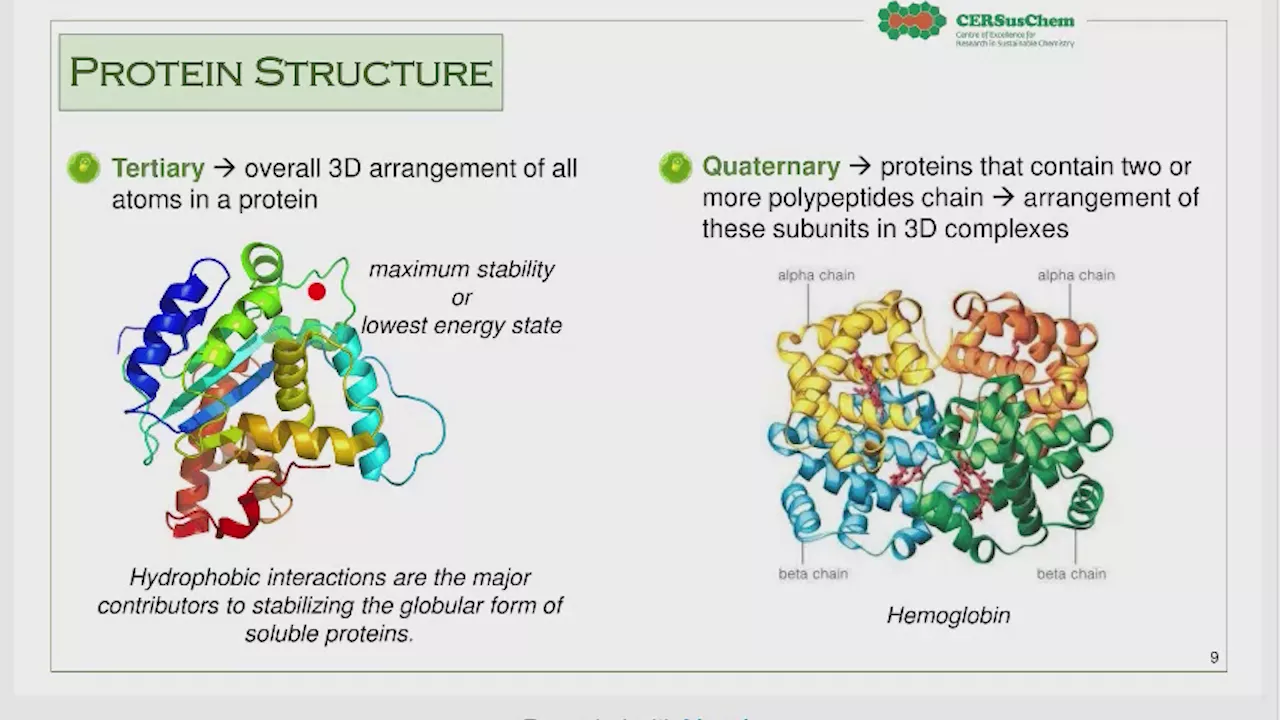
uh well first of all a word of gratitude to the organizers of this event particularly to the jordos for giving me the opportunity to share with distinguished speakers this symposium also to share with you uh my presence here uh obeys to the deliberate purpose of ruining your Sunday definitely okay so I will try to not to ruin too much uh one of the worst thing that can happen to you in a workshop is to speak after Enrique this is terrible you know Enrique Enrique is so enthusiastic and he has a very beautiful story that is really unbeatable so uh but uh a secret between you and me he's a professional actor yeah yeah late Peter Sellers will envy him you know because he's he's really he's really th okay now ER going into my talk uh as you may see by the title this will be really an overview of the subject of uh uh the evolution of the uh application of industrial of enzymes to to Industrial uh operations so uh the presentation will be divided in three points the first one is to show you precisely what is the evolution of of enzymes from traditional applications in hydrolysis to to more evolved applications in synthesis then to speak about the current applications of enzymes in industrial processes as process Catalyst and finally to give some perspectives okay enzymes are proteins good start the thing is that uh by being proteins enzymes are primary primary Gene products it means that anything to make to a gene will reflect in a uh in a structure uh change in the protein and this is very important nowadays with the modern techniques of genetic engineering and protein engineering but well enzymes are really Alo enzymes so they contain also nonprotein components and and between those nonprotein components the one which are important to us is the catalytic non components which may be co-enzymes or co-actors and this has a profound impact on the technological application of enzymes we can from that perspective divide the enzymes in in three groups the one which do not need of any enzyme or factor so the the the protein is sufficient for catalyzing the reaction there's a second group in which there is a tightly bound co-actor aactor that remains daely bound during the the the reaction this is in most cases not a very difficult technological problem but there's a third group of enzymes which are the enzymes that require of dissociable co-actor which are called coenzymes because in this case the use of such enzymes is much more complicated for some reason that will will make clear uh later on if you see the the traditional six families of enzymes you will see that the only family that do not require coenzymes or cofactors in much cases is the case of hydris so no wonder why hydrolysis have been the enzymes that have been mostly used because they are more simple to use may they are shaped to function as Catalyst outside the cell environment so so this is not surprising uh the rest of the enzymes will require either co-actors or coenzymes or both and this may complicate this their technological application the application of Einstein for industrial purposes have suffered a dramatic change in the last uh let's say 20 years from traditional uh reactions of degradation which involve a really modest added value and this was done by enzymes normally in solution catalyzing mostly hydrolytic reactions and some immobilized enzyme catalyzing hydr hydrolytic reaction and some isomerization reactions but the trend moved from this kind of processes to processes of synthesis where the potential B added value is much more significant problem is that the enzyme that do that kind of job at least from a from a physiological point of view are enzymes which require these coenzyme so they're used as Catalyst outside the cell environment have to face several CH challenges but there is another possibility which is to use the enzymes that do not require this coenzyme made mostly hydrolases but in order to use an hydras to produce a reaction of synthesis you have have to manipulate the environment because this enzyme is tuned to catalyze reactions of hydrolysis but the same enzyme can do the opposite can form that bond that in the presence of water it will break and this opens up really a fantastic opportunities for using traditional en enzymes but in non-traditional processes the first type of of of uh reaction of synthesis is Illustrated for instance this is just an example in the case of the production of a chyal alcohol from a proyal keto group using uh uh in this that case some alcohol dehydrogenase for instance but as you can see the production of this reaction which is very interesting because this chyal products can be intermediates of bunch of important products for the Pharmaceuticals and the Fine Chemicals industry but in order to do that you have to close the catalytic cycle and this means that the co-actor which is the one which is transferring the electrons in this case has to be regenerated so you have to face with the problem of regeneration of the co-actor and this will mean that you will have to have in most cases an auxil reaction in which you will involve a second enzyme I think this is not pointing second enzyme and a second substrate and your product will be contaminated with a co-product but there are several strategies that can uh tackle these problems I don't have too much time to go into detail but there are several advances in that field that are opening up the opportunities of using that that kind of enzyme despite the complexes that they uh present the other strategy which in principles looks more appealing is the use of hydrolases what hydrolases the hydrolases that have been traditionally used for well what enzymes the enzy that have been traditionally used by the industry this is proteases lipases and glycosidases but now we are using this enzyme not to break the corresponding bonds but to form them so we can use proteases For the synthesis of peptides for instance we can use lipases for the synthesis of Esters and the bunch of products lipases are very nice enzymes for for doing synthesis uh glycosidases for the synthesis of oligosaccharides and glycosides and in this kind of reaction there is much more added value involved the thing is that when you're using hydrolisis for the reaction of synthesis you should take into consideration that maybe maybe an acus medium is not enough maybe an acous medium is not enough to do that so came into see the non-conventional medium understanding by non-conventional non aquous medium and you have a lot of Alternatives maybe organic solvents have been the one which have been mostly studied even though uh there may be some problem with the concept of chemistry that we will scratch later on but you have some neoteric solvents like like ionic liquids and you can work at very high substrate concentration and and in such conditions the reaction of hydrolysis can be reverted so there's an option of manipulating the reaction medium in order to make hydrolysis do what maybe they don't want to do but we force them to do the hard job of establishing Bonds in state of breaking okay that's uh this the the introduction now some current applications of enzymes as process Catalyst uh well first of all what what are the the the presentation of enzymes uh to the industry well they have some very nice uh properties as Catalyst they are high highly selective and sometimes highly specific they are highly active at mild condition this is very important they have high turnover numbers and turnover rates compared with other Catalyst they are highly biodegradable this is interesting with respect to chemical Catalyst which are not in most cases they can be labeled as natural products this is controversial but in in general terms enzymes are considered natural entities so they do not uh contradict the natural quality of the product which is produced by enzymes but the the thing is that as Catalyst enzymes are quite complex molecules they have evolved to perform a very nice and very specific job and this has a price and the price is that enzymes are molecularly complex and this means that the production costs are high and they are in general label molecules okay so they have a low efficiency of use of course we are using enzyme for a purpose which is completely different than the purpose enzyme have in nature so we don't have to be surprised about this the things okay enzymes are usually not stable enough under process operation conditions and compared to other catalyst is there are much more uh uh expensive to produce okay okay enzymes have a lot of applications but I will focus only on the industrial application of ins but it's important to to point out that there are other applications which are in other fields which I don't I will not touch okay but industrial application of En will be the subject of uh of my of my thought okay next please well the traditional areas of industrial applications are food and feed uh detergents textiles leather uh and and uh maybe uh one example of a I would say paradigmatic application of enzyme in industry is the case of the stall process that you can see in the next slide uh this is a process which was developed in the 60s to produce glucose syrups out of uh stars from corn or from other uh vegetable products like potatoes for instance in the case of some European countries and this was nice because it was uh High tonic process which was completely antic you have a first stage of liquefaction or hydrolysis with Alpha amales followed by a saccharification step with glucas to produce a high grade glucose syrup that was developed in the 60s uh then immobilized enzymes came into play I won't talk too much about immobilizing enzyme in this talk I will talk a little bit more of immobilized enzym in in F uh but in obviously immobilized enzyme produce kind of impact on the on the biocatalysis because immobilized enzymes may be increasingly more stable they can be recoverable after use you can develop continuous processes for using this Catalyst and that means High higher efficiency of catalyst use when you immobilize an enzyme the expectation is that the efficiency of use of your Catalyst will be severely improve it and it better be because if not immobilized en will make very little sense okay they contribute to operational flexibility different type of reactor can be envisaged uh there is the possibility of a better control of of operation and something that maybe in the Academia is not very well uh uh appreciate is that when you use an immobilized enzyme your product is free of catalyst and this is very important for industrial purposes you don't have to take too much problem in inactivating and separating that that protein because the protein will stay in a different phase where your product is and this is very very important but of course this has to be counterbalanced with the additional cost of fabrication of the enzyme when you immobilize the enzy you have losses not all the activity you put in is expressed and you have to take you have to uh invest in time in reagents in supports Etc but uh by the the 70s uh came into play the immobilized glucose isomar which is kind of a paradigmatic case of application of immobilized enzymes at a high uh at high scale and interestingly enough this uh entic processes could be so smoothly Incorporated to the stylate process to transform the glucose into different high fructose syrups and this was a very strong impact uh this is even now the most important I would say process of using immobilized enzyme at least in terms of tonage about 10 million tons of high fructo are produced enzymatically each year so it's a very huge process uh in the 80s or '90s uh it will start what what Uber borer has called the first wave of enzyme biocatalysis B Sher has published a recent paper in which he speak of waves I don't know if if it's a surfer or what but he looks this in waves and he speak of a first wave a second wave a third wave what I have speak up to now is I don't know zero wave I don't know pre first wave okay because the first wave starts here okay well he's much younger than me so so he can visualize things like that and then uh this first wave of of catalysis implies the the perception that enzymes can be used for synthetic processes okay beyond the traditional uses for hydrolytic or the gradation reaction or isomerization reaction The View that now enzymes can be used for producing uh reactions of organic synthesis you have the case the example of uh penicillin amas penic acelas excuse me immobilized penicillin acelas which is an enzyme which has been used traditionally in immobilized form to produce uh nucle nucleotides that serve as building block for the synthesis of semisynthetic penicillins and calos porins and this is that's okay this is a mature technology which leave the previous chemical process the Del cleavage process completely obsolete in a matter of 10 or 15 years so now most of the amino penicillanic acid which is produced IND industrially which is more than 200,000 tons per year is produced enzymatically but the nice thing is that you can use the same enzyme to produce the semisynthetic penicillins and this is a new vision because you are using the enzyme now to construct a bond but you are using the same enzyme that you used to break that Bond and this is a very nice concept that developed in the in the in the 80s yeah the 80s or 90s another big big issue in that uh in that period was the development of the process for producing acrylamide this is interesting because enzymes now go into a bulk chemical industry acramite is produced in large amounts and this process was an alternative to the traditional chemical process for producing acrylamide acrylamide has a lot of applications you can use it for producing Plastics polyacrylamides which have a lot of applications even for mobilization of enzymes uh and well what that that process was developed by Ron mitsubichi company in which what they did these are not exactly enzymes in the sense of entities separated from the cell system because uh what what they used was fixed cells which contain that enzyme in inside the the cell structure now these are cells of rodota no rodo cus rodus rodus this uh um these cells have a very high nitr hydratase activity so they can produce acrylamide they blocked the amidase activity because it it competes with the production of acrylamide and produce acrylic acid so they block this and were able to develop an entic process for producing this uh this acry amide using this uh uh this cells uh this cells reach in in nit hydrase activity okay what was the the the advantages of of that process mild process conditions non-toxic byproducts and the possibility of attaining almost complete conversion conversion close to 100% yeld this advantages were strong enough to displace to certain extent the former chemical process so that now there's a figure of about 30,000 tons per year produc it by enzimatic technology which seems to be about 40% of the market these figures are I think something like 5 years old so they may have changed a little bit but it reflects a very interesting thing when uh an enzimatic process start displacing a former technology to do that the advantages has to be very very clear if not the thing is not going to work well this is uh uh a projection of the market of of enzymes this is very difficult to to to precise because different author give different figures the concept of Market is quite elusive what is the market is China included or not so these figures have to be taken with caution but the the thing the nice thing is the evolution you see you see that there is a rather exponential growth in the the enzy market up to 2010 that is predicted to keep on that way for the next 5 years at least from that market this black line divided what what be considered the the um I would say the the bulk industrial enzymes from the other enzymes which are used for in more sophisticated uses okay so you can see that the the bulk use of industrial enzyme represents roughly 60% or 65% of of the total next okay how's the this Market shared well uh you can see that the the division about 1/3 uh for uh for the called technical industrial enzymes about oneir used for food and feed and oneir for more special uh uses okay that's the distribution according to the use next okay another interesting point is that the the producers of enzymes H are many but the important enzyme producers are quite few and you see that from the enzyme producers almost 50% is covered by nooses about one3 by by by others and 21% by Dupont who acquire gen and core so you can see that two en two producers uh represent about 66% 2/3 of the total uh enzyme market and this is quite important no wait wait noo is a very interesting uh example nooses is the leader of course in enzyme production and the philosophy of nooses is to be the leader uh noo science is always interested in leading the field if they don't lead they don't like it too much they want to lead all the time to lead and it's interesting to to to take uh to listen what novs does nooy is now heavily involved in the production of biofuels and most precisely in bioethanol and most precisely second generation bioethanol listen to that because uh these guys knows what they're doing and you're fortunate here in Brazil because you have noo signs 10 km away in aragua this is the central headquarters of Novel science for Latin America okay next one okay some perspectives this is the situation more or less today what are the perspectives okay I I quote Willie Brandt best way to predict the future is to shape it I think this Co a little bit of what I want to say okay if you read the 11 Commandments of in chemistry which are scratched here you will see that enzymes as process Catalyst entic processes comply with these principles with all these principles so if you read it that go it's not the the moment to read it but you will see that all these 11 Commandments of green chemistry are fulfilled by enzimatic processes and this is very nice this is a very good news because it opens the enzymes and in predicted perspective in the in the in the near future okay so I will uh Focus mostly in one of these two things which in my opinion are things that are going to lead the development of enzyme biocatalysis in the near future one is the use of enzymes in organic synthesis in reactions of organic synthesis and the other is the use of enzymes in bio Fu Production next one please next one enzymes in organic synthesis M mainly for pharmacuticals and Fine Chemicals look that the if you put General figures you will see that the biotechnology Market is really a very small share of the chemistry Market but the the nice thing is that maybe in a reasonably optimistic projection the biotechnology Market by the year 202 20 will be a more significant share of this market so the opportunities for bioprocesses are really important H for the next 10 years or so when uh the enzymes knock the door of this the industry of organic synthesis they were rather reluctant to open the door enzymes as Catalyst for organic synthesis were considered too expensive they were consider that only act on natural substrates and the synthetic uh industry work normally with non uh natural substrate they were considered only efficient on their natural habitat which is aquous uh they are consider label and prone to inhibition which is something that chemists are not always uh trying to work with prot inhibition okay so this this was the the the problems that en we're facing to penetrate in the organic industry some of this have been changed I would say significantly during the last 10 or 20 years because you see as Catalyst for organic synthesis enzymes are highly specific sometimes highly selective they are highly efficient they are highly active under mild condition which is interesting for some applications in Define chemicals and pH itical industry they are quite versatile which opposes to certain extent to being highly selective but you have heard the the the the the idea of enzy promiscuity which is very interesting concept so they are quite versatile they are environmentally acceptable or friendly so this open up a lot of opportunities for enzymes in in in in the in the production of of of or organic synthesis in the the the process of organic synthesis well they can compete with chemical processes by reducing steps because they are more precise in in their chem Regio and in antio selectivity they can compete with chemical processes by producing in anomerically pure compounds which is the main issue for the pharmaceutical uh production of chiro compounds uh they can be uh they can compete with chemical processing in terms of environmental impact which is a very important issue right now uh they can be rather easily integrated with chemical steps so you can make hybrid processes in which one steps are catalyzed by enzymes and other are catalyzed by conventional organic chemistry and uh a very important issue is that you can use robust commercially available hydris to perform synthesis this is a very very nice uh characteristic so I will illustrate all of these opportunities with just one example taken from scratch just one comp compete with chemical processes by reduction the number of TI well maybe a good example to illustrate this is the synthesis the entic synthesis of aspartam aspartam as you know is a leading non-caloric sweetener which is now produced to a significant extent with with a with an enzyme conversion which has the the ni thing that the the the the entic system can allow to be more precise so it will produce the exact configuration of this dipeptide there are four possible isomers which come from two Regio isomers of aspartic acid and two enantiomers of Phil of phenyalanine but the enzyme will choose the the right uh uh the the right uh isomers to produce then the the product so this has been a very nice example of the application of enzymes in the in the theine chemicals industry well compete with chemical processes by compet by producing an anomerically pure compounds this is a very critical issue for the pharmaceutical company you have heard of the the sad story about talide where uh the the drug was sold as a ramate and one of the enantiomers the the was uh the one had produced the expected effect but the other one was the teratogen this is a very dramatic example but illustrate the point that when you're producing chyro compounds the an anic purity of the product is really something very appreciated this is not so dramatic example for example the production of IBU profine uh which also is a is a is a chyro compound in which the the S form produces the desired effect this is the utom and the the the dto is in this case is inactive so the problem is not so critical but it means that if you produce it by by by chemistry you will that with the rimic mixture you have a if you have a enzyme which is an antio selective you will produce the pure uh active form and there are Technologies to to to produce this is an example of a technology developed for the production of pure s ibuprofene starting from a rasmic eser in which the enzyme who is really a lipas which is acting as an hydras and is selectively hydrolyzing this Esther so that only the the the aom is hydroly and the the dto is uh is not hydrolized so it is racemized and recycled so at the end you will end up with a pure product with a very nice an anomeric excess of 93% or more this are other examples of of that point the production by iusa of tusin this is a chyal compound in which you do a reductive amination with a an antios selective enzyme here is a the the recycle of the of the cofactor and you end up with a a pure and GIC uh compound which is in this case an amino acid with a very nice regeneration of co-actor and a very good in anic excess compete with chemical processes in terms of environmental impact the the example here is very nice example it refers to penicillin acelas which Roberto and I loved very much because they have worked very heavily on that enzyme I I used to work in that enzyme too not so heavily not so successfully but we have shared this this line of of research well as you say as you as you know the the the this enzyme is used for the production of amino penicillanic acid formerly there was a a um chemical process which involve a lot of of environmentally hazardous substances and very strong conditions so when you move to the enzimatic process you end up with a very mild process this enzyme operates at 28 to 37° in water environment at a pH at moderate pH and you can produce the same product without all this complex chemical steps so no wonder why this technology was rapidly Consolidated and displaced the the the the the chemical process but there is another point which is related to the the environmental impact this is a calculation of the amount of of of chemicals that you need in the chemical process for producing one uh kilogram of product and you will see that you have to spend 6.6 kilg of trimethyl cyline chloride etc etc some of these compounds are very complicated in environmental terms the enatic process you only need 09 kilg of ammonia and two lit of water well okay if you calculate the famous e factor of Sheldon you will see that the amount of waste that you produce in this process is significantly lower than that nice thing is that when you use the same enzyme not for H hyding penicillin but for synthesizing second generation antibiotics this kind of analysis is rather the same so you have a definite advantage in terms of environmental uh view when you use an entic process well enatic process as I said can be integrated with chemical steps rather easily and we have several several examples of that here is one that I already show the case of a buprofen the same for Naproxin in which there is a previous chemical synthesis but the enzymes is used in this case to uh separate the the the theom from the dist use robust commercially available hydr I want to to spend a little bit of time on that uh opportunity and in this case and only in this case I will do some short reference to some of the things that we have done or are doing uh in the in the field of enzyme biocatalysis lipases protasis glycosidases uh these enzymes to act in reaction of synthesis need non-conventional medium it means organic solvents but you can also use high solids contents okay or neoteric solvents super critical fluids ionic liquids Etc okay lipases are very nice enzyme very particular enzyme because they behave quite differently from the rest of the insense because liases have been evoled to Act Naturally on non aquous or poorly aquous environment they these are enzyme that act on interfaces or definitely in more hydrophobic solvents and the most no not most but many life Paces have this particular configuration in which they have uh two alternative configuration one which is the closed configuration in which a polypeptide change closes the active site and another another open configuration in which this polypeptide change opens and leave the active site available for for the reaction and interesting thing is that you can work on that and move that equilibrium in general light Paces in hydrophobic environment or in contact with hydrophobic surfaces will go to the open configuration and will be active see that is a I would say particular characteristic of lipases which makes them very adequate for for reaction of synthesis with lipases which are enzymes that normally hydrolyses Ester Bonds in in in lipid materials can be used for esterification transesterification inter esterification uh sometime some years ago we were involved in a process in which we were looking for Selective transesterification with lipes next one what what we where after uh was a process which was uh connected Ed with one of the main uh producers of paper and PP in Chile according to the craft process in the craft process produce very contaminated residues but this which is a chemical company has very nice Technologies for fractionation so they produce different product from the different fractions coming from the from the the black liquor of The Craft and one of these fraction is called uh wood steriles which is really a mixture of steriles which has double bond here and stanel which is the uh the the the molecule which does not have this this double bond and uh what we were looking was a an enzyme which can uh discriminate these two structures okay so act upon one of those and not on the other particularly we were interested in an enzyme which will be able to stfy the stanel fraction without stfy the stal fraction why because if you do if you do that we can separate these products these product are so similar chemically that you cannot fractionate or uh use chemical steps to separate them then the idea was to make a difference so that we can now apply the conventional separation processes to to the chemical processes of separation to separate those those products the idea was to treat this this mixture of ster and stanel with an immobilized Li Pace then by uh Vapor vacuum distillation separate the unreacted fatty acid esters from the stanel and stero Esters and then by molecular distillation separate steril and stanol Esters these operations are conventional operations for the chemical industry which we we were working with so there was not much of a problem to run this uh molecular distillation processes and this allowed us to separate a steal fraction and a stanel eser fraction the stanel eser fraction goes to the neutraceutical market the steroid fraction hopefully goes to the market for steroidal drugs this is what we obtain actually the what the enzyme does is a rather kinetic resolution really the enzyme can St iify both product but it makes it at completely different rate so you can essentially stfy most of the stanel fraction with a very little stfc of the stero fraction and that was the idea okay the idea was to be able to obtain conditions in which we can do that separation this was optimized we produce Catalyst to do that uh we use also uh commercial Catalyst and uh we end up with with an enzyme from alkalinus which was the only one in a screening of more than 20 commercial lies that really worked in in this in the selection of this uh reaction of esterification this is a semi-happy story uh it it was successful in a sense and unfortunately not so successful in another but it was a problem of of of selling the the the the technology because this was sold quite nicely but we have problem the company has problem trying to to sell that that the idea of you of replacing uh soya uh stero stero stero for this kind of steril even though the product we were producing is much nicer than the steril from soy so there was some kind of of of industrial problem that in defin in in what what what what the final story was that this company opt for a a complete St ification not specific cerification they spifi the whole thing so they produce a mixture of stanel and stero Esters to sell it as neutraceutical this is pro this process is is going on but this is not so interesting from our point of view because the nice thing is the selectivity of the reaction and now you can do that with any no with any but with many Li Paces you can do a sfic which is not selective but you have a very high geld of sfic and you can formulate this this nutru well penic acelas I said is a very nice enzyme we have worked with it uh this is not relevant you say this is the enzyme that produce six amino penicillanic acid by hydrolysis but you can use it to produce uh derived penicillin or sefalosporin in this case actually the enzyme when when doing synthesis works better on amino deoxy calos oranic acid rather than amino penicillanic acid which gives you the opportunity of producing uh derived sefalosporin which are much interesting in terms of from a pharmaceutical point of you and you use this enzyme not to break the bond but to create the bond and produce then the the the antibiotic this is actually a kinetically controlled reaction because you use the asil you use the the activated ail donor so you break the the the thermodynamics of the reaction and you produce a kinetically controlled reaction which has the benefit that you can obtain conversions higher than the equilibrium and you can obtain that higher concentration in a shorter time problem is that you have to be careful not to continue beyond that because a hydrolysis will took over so it's a rather more sophisticated process but but you can get very nice uh Advantage okay we we we work for several years uh as well as the yordanos in that time in that ter in that system and we use organic medium co- solvents we tested a lot of co- solvents ethylin glyco was a very nice coolvent uh we can get higher conversions and uh avoid the the impact of hydrolysis by using this ethene glyco medium but this was done when we were using rather moderate substrate concentrations okay this is 990 Millar phen glycin for instance let the nice thing next one is that when you go to very much higher substrate concentration the hydrolytic potential gets diminished so in reality you don't need the co- solvent with with the problems associated in terms of cost and environment and environment you can avoid the the use of this solvent by working at very high substrate concentration and you can work at very high substrate concentrations we went up to concentration as high as 600 Mill Fin glycin methylester and you can see that if you compare the the the the Aquis medium with the co-solvent medium you will see that the difference are quite slight the the conversion G is a little bit lower but the productivity is much higher so the the the the the final conclusion is that you can work in a completely acous environment which is environmentally sound and produce uh the product of synthesis at comparable conditions when using a an organic medium the other benefit of working in in aquous medium is that the uh stability is much more higher it's much higher you see you can see here if you compare for instance these two values the the half lifetime of the the the the enzy in Aquis medium is 20 2,40 480 hours compared to a little bit more than 800 hours for the for the enzyme in the in the co glycosidases we have been involved for the last I would say six years in in a project which is aimed to exploit the possibilities of using glycosidase but to produce uh uh oligosaccharides and we have been uh we have been working with uh Prebiotic substances derived from lactose by using beta galacto is a very well-known enzyme which is used routinely by the food IND industry for the production of low low lactose milk and and and milk products and dairies but the idea here is to use the enzyme not to hydroly lactose but to produce uh oligosaccharides derived from lactose and among this gal oligosaccharide derived from lactose you have the galactooligosaccharides lactulose and more recently we are working on fructo galactooligosaccharides which with say simply F go well prebiotics I imagine that you're familiar with the concept prebiotics are selectively fermented ingredients that allow changes in composition and activity of the Gant intestinal microbiota conferring benefits upon well-being health and well-being that's the definition of a probiotic let's say that the probiotic is a chemical molecule that stimulates the beneficial microbi while depressing the bad micro microbiota that's that's the the idea of of a Prebiotic and you have several oligosaccharides that fulfill the requirement to be cons considered as prebiotics I put here I would say the five the five or six that are proven unambiguously that they have Prebiotic uh capacity and uh if you see this is a rather old paper published by one of the leading groups in that field which is the the work of the group of Gibson and rof in University of reading in England and they you have to two more okay no no okay if you see this Prebiotic index which is a measurement of the possible Prebiotic activity uh you see that that lacos which is here and galact oos acarid are in a very good position if compared with other probiotics that are more routinely used in the in the in the food industri like inol for instance okay next one well the the idea of of uh of incorporating these prebiotics in in in in Foods uh is to certain extent uh related to the functional food market and you can see that the functional Food Market have increased almost exponentially uh during the last years to to just to mention the the market in Japan oligosaccharides for Prebiotic action amounts about 7 70,000 tons per year from which oligosaccharides represent a little bit more than 10 15% of that figure so this is this is not merely uh a mod is is something that apparently reflects the impact uh of the modern habits of of of of uh of eating that people have so uh this maybe will last for a long time and the idea of this uh the market opportunity for this functional foots is going to be there for for some time so it is it's not just a wave it's it's more than a wave uh well these are these are the the the galactooligosaccharides lactulose and and fructo galactooligosaccharides this is a is is a kinetically controlled process in which lactose act both as donor and acceptor so the enzyme first uh separates the glucose from the lactose and the enzyme galactose complex can be then uh react with another molecule of lactose and then you are forming the the galacto saride go three goes four and so on but this reaction always will be competing with the reaction of hydrolysis okay because this enzyme galacto Sil complex can be hydrolized so in what you have is a kinetically controlled process in which you have to compete with the reaction of hydrolysis by the reaction of synthesis and in this case the way to do it is again to work at very high substrate concentration reduce the amount of water reduce the activity of water to prevent the the the hydrolysis of of of of the inent galacto Cil complex and of the products which are produced well we have worked for some time with this we have tested different enzymes enzy from aspergilus orai from Bas circulant pomus lactis and you will see that the profile uh of of of of these enzymes is completely different for instance the enzyme from aspergilus or is a very nice enzyme for producing lactose it produces very little uh disaccharides G two it produce a significant amount of G three and g four these are the product that are mostly associated with the pre Prebiotic effects the Prebiotic effects of disaccharides has not been proven so the idea is to produce as much ghost trees and ghost four than you than you than you can you see for instance that the enzyme from cisis lactis on the other hand this is a very good enzyme for doing hydrolysis but this is not a good enzyme for performing synthesis because most of the products are this disaccharides and you have a very little production of trisaccharide tetrasaccharide and in the case of the synthesis of lacos the the the capacity of producing lus is very mild the the go the case of uh of basilo circulant is rather different they produce a lot of trisaccharides some tetra saccharides little disaccharides so they are interesting enzymes for producing galactooligosaccharides but very poor enzymes for producing gcos for so each enzyme has its own pattern and this is very important to to realize well we have selected for our work in most cases the enzyme from aspergilus or iine because besides that characteristic this is a very nice enzyme is very cheap Che is available to us uh is very stable much more stable than the other enzy it's a it's a monomer which simplifies things a little bit the enzyme from basilius uh circulant is there are three ISO enzymes at least so it makes more complicated especially when you try to immobilize the enzyme and this is a final result uh that we did when we were optimizing the synthesis of galacto saccharides with immobilized data lacto a we end up with the result that allows us to produce uh about 8.5 kilos of G per gram of catalyst which is rather nice figure and this is considering only 10 sequential batches at the end of which the specific activity is still 75% of the initial so we can if we extrapolate this result we can produce about 25,000 gram of ghost per gram of catalyst so this is 25 k per kilo per gram of catalyst this is a rather nice figure we we use the models that Isabel was talking because uh the student after 10 sequential batches doesn't want to listen anymore about this so we can keep on doing sequential budget but this is impossible so we model the system and we projected this uh the the model was rather nice so we can do a reasonable projection that comes to a figure which is rather rather good figure other nice thing is that the product that we produce has a pattern which is similar to the leading products in the market in this case these products are already in the market so you have to compete in terms of cost in terms of efficiency but you see that in terms of composition our product either with the immobilized or with the soluble enzyme has a composition which is quite similar to the product c oligo a little bit different from the product from binal which has a lower amount of of of Ghost Tre and a little bit higher amount of higher oligosaccharides but as you see there are not much significant difference in the quality of product that we can produce well we are continue doing work on that this we have done some engineering work on that there's no much time to to to go into that and this is the process that we are faced we have optimized the the enzimatic synthesis step and we are now working on the purification and this is a very critical issue in the production of of this product so uh right now we are working on purification by doing different alternatives to obtain a high quality cost okay the the the the main thing is to remove uh the the monosaccharides because some hydrolysis always occur so you have galactose and you have glucose and you have for certain application you have to remove it so we are now working on that and specifically we have had very very good results in selective fermentation this is for the case of lactulose I don't want I won't go into any detail but the thing interesting in in the case of the synthesis of lactulose is is that when you add Su when you add fructose to the lactose you will produce a mixture of lactulose and galacto sacharidy and the question is is there a particular ratio among them that produces the highest preotic effect to answer that question one of our doctorate student went to the laboratory of rustal in the University of U of reading and did their the did all these experiments of testing the Prebiotic effect and we end up with a an Optimum G lack to L ratio in terms of preotic effect and the nice thing is that if you know that the thing is that you can tune your reaction to obtain precisely that ratio and the the variable which is more uh important to control is the ratio obviously of lactose to fructose so by tuning the substrate ratio you obtain a definite product ratio and you can tune it the way you want so we can produce lact toow goost of any composition by working with with the simple uh the dosificador I think John will give you his impression about that and you better listen to him than to me but in my opinion I I think these are two areas in which enzyme biocatalysis should have a much more important impact which is the field of enzyme in organic synthesis particularly in pharmaceutical but also in other Fine Chemicals and as I said enzyme in biofuel production next one I I'm not an expert in in in the field of organic chemistry and the production of of of pharmaceutical but I would like to uh present this table which is taken from from a very recent paper from a group in the university plut the Madrid when they did this kind of survey in which they simply look at processes that have been taken by companies to move to a productive stage and you will see that in in this type of processes liases play a very important role because lipases are very versatile enzymes and again they can work under non-conventional media which is very important for organic synthesis and you will see a go back yeah you will see that there are a lot of products which are considering enzymes at least in one of the steps of production and let's put let's fix our attention for instance in the case of pxel which one of the the steps can be do by an an enant selective hydrolysis or ramate precursor pxel is a very important anti-cancer drug uh well I buprofen beta blockers delas a lot of very important pharmaceutical drugs in which are produced by enzyme catalysis at least in one of the steps of production the thing is that these enzymes uh Mo most of this enzyme have been worked to certain extent by some uh protein engineering techniques and here come the second and the third wave of boner when you are using now enzymes but you are tuning their capacity to act on non-natural substrate but to do so efficiently you will have to probably change the natural uh structure of the enzyme and you can do that this right now by the modern techniques of protein engineering and I'm sure that John will speak a little bit about that subject tomorrow the other in interesting thing is that now other enzymes which are no longer hydrolytic enzy come to play okay so you can see some dehydrogenases which remember are coenzyme require enzyme so these are much elaborated processes but now now some of them are going into industrial uh application and you will see that in this case dehydrogen keto rases are necessarily enzymes that be that have been improved by protein engineering techniques which in this case is I would say necessary because the natural enzymes are no longer able to do this kind of of reaction so in this case second and third wave of enzyme biocatalysis now you need to use these techniques to improve your enzymes your natural enzyme are no longer capable of doing this you need to improve them and you will see that here there are very very important pharmaceutical products like the case of Montel lucast Montel Lucas is a drug uh which is used for for asthma uh is I think the in 2010 it was the ninth most sold drug in the world so it's very important drug and uh you will see here the case of atorvastatin atorvastatin is a cholesterol lowering drug in 2010 it was considered number one pharmaceutical drug at least Kyo pharmaceutical drug sold and now atorvastatin is considering at least one and up to three steps of entic synthesis of the precursor of that molecule so this is very nice but again you see these enzymes have to be intensively worked by uh protein engineering techniques then you can see some I would say very interesting association between pharmaceutical companies and companies like codexes which are devoted to improve Catalyst to improve enzyme catalyst so they are working on on on on a tight relationship between the the producers of the of the drug and the producers of the Catalyst for doing that such drug and you will see another other examples of products which are very very important for the pharmaceutical industry and other enzymes which are not longer hydrolases and uh there are no di hydrogenases then comes into to play transaminases transaminases are enzymes that have been very very a little exploded for for biocatalysis but right now with the with the help of this protein engineering techniques you can engineer transaminases to do this reaction of synthesis and producing for instance product like clytin which is a is a glucose lowering agent for diabetic treatment and well other products this is not properly a Pharma product the is uh monatin monatin is a very very potent uh sweetener which is uh comes from a from a tree in I guess a Tre Tree in Africa and the idea is now to produce it uh by by chemical synthesis because the the the the yield of extraction of this uh uh sweder from the tree makes no not much of a sense but now some uh this is being produced by U by chemical synthesis and in some of this there are some enzyme involved in this case very interesting they are using a proteases a protes which is subin and uh the the this enzyme is immobilized by crosslinking so it's a cck of sub subzin which is being used in the production of these drugs next one so uh some some take-home messages with respect to the use of enzyme in organic chemistry I would say that there is a great potential of enzymes as Catalyst for organic synthesis and I'm sure I hope that John will stress this this this fact tomorrow um this is because they are they are very much selective they are rather promiscuous Catalyst and this is very nice because it seems it it means that the enzyme can act on a variety of substrates and will Express a variety of activities uh they are highly active under mild condition they comply with the principles the of green chemistry so uh these are things that obviously represent a potential uh maybe the the the enzyme but will be mostly used for the production of pharmaceutical and agrochemical precursor and other find chemical products uh non-ac biocatalysis will necessarily have to be conducted in in Greener solvents than today uh mostly hydrolases will be using but no longer exclusively so now other enzymes come into play no not only hydrolases but other other enzymes as well uh what are some requirements it is needed more active and stable enzymes in non-conventional media this is something that need to be improved uh but the the tools of protein engineering and Catalyst engineering are tools that can be applied to to to tackle this problem uh cheaper neoteric green solvents are required ionic liquid liquids have proven to be very very interesting uh green solvent but they are too expensive now so we need cheaper neoteric green solvents uh maybe more effective product separation system are still required this is more or less an engineering requirement and uh well development of multi-enzyme systems is is may be required to make Cascade reactions and this is can be very nice and there's also some development needed in in that area uh maybe to to to to end up the this idea idea of organic synthesis is to stress the idea that maybe in the future the use of protein engineering techniques will become more and more important because we are trying that enzyme do what what they do not do naturally and this needs obviously the the the the to apply this this interesting techniques uh John wrote uh recently a very very nice paper is short as good paper should be I think it was published in the current opinion in biological chemistry or okay this is a very nice uh uh uh very nice paper in the sense that I would say it's to certain extent enlightening and uh I think it Focus uh the problem very nicely in the sense that the Improvement of the Catalyst needs necessarily to be done with respect to to its use so the parameters that are normally used to to to to see the progress of the of the of the protein engineering techniques should be related with parameters of operation of such enzy then Behavior under high subrate concentrations considering the the the thermodynamics of the reaction and other things that are normally not included in the that you're using are important to be considered because we will be joining together the Catalyst Improvement but looking at their application I think this is something that is I think it's very good to say to to the community which is working in in in protein engineering for me was quite quite provoking quite Enlighten just one comment to to end up my presentation is that uh well this is the Cathedral of bioethanol so speaking about bioethanol in Brazil ah I don't know I'm rather afraid to speak about bioethanol in Brazil but in Chile we are working in a in a rather ambitious project for producing bioethanol second generation bioethanol from Woody material why because Chile has no chance to produce bio fuels from other sources okay but we have huge Forestry Resources well I said I won't pronounce the word huge in Brazil because in Brazil everything is huge you know Chile is about 10% of Brazil in almost everything size population in football we are less than 1% but in the in the last one we are about 10% okay 10% of population 10% of area 10% of everything so what is huge for us maybe it's not huge for you but the the the the wood producing potential of chili is very impressive for the size of the country and uh U the technology for producing PP and paper is very well developed in Chile and there are plenty of of of technology that can be used to uh transform this this wood materials into bioethanol and other products of bior refineries so we have been working for about three year four years now in a process for producing bioethanol from Woody materials and we have studied all the the the technical operation pre-treatment enatic hydrolysis and fermentation ER distillation a little bit but also we have done some modeling to to to evaluate the process to do some economic calculation and to do some life cycle analysis of the Alternatives we are managing right now uh maybe we will finish this first step of the process in about two years in which we will have uh the demonstration plant for producing ethanol according to the process we have developed uh we already produced the first 2 liters of bioethanol from wood in Chile so and I have a bottle of 100 milliliters in my office I am in charge in the in the hydrolysis uh step of of the process uh we have been lucky enough to sign an agreement with Noyes your neighbors here in araara to use very good enzyme so the hydrolysis step is very nicely taken we are working uh with uh with PPS uh of 20% and we go can go up to 25% solids so what was talking Jonathan is true but you can do it if you had good enzymes and what what happens is that you start with a paste you cannot agitate you have to use a a mixer of of of dough to to but after one or two hours this is completely liquified so you can work as a conventional reactor but you need good enzymes to do that so the hydrolytic step has been very rewarding because we are working with very nice enzyme from uh noo sign but also from from dupon from genen cor they have very good Catalyst now and the the hydrolytic step is crucial because the enzymes are very expensive you know cellulases are complex are lazy enzymes so these new enzymes which are enzyme cocktails which are very well tuned to to hydroly U cellulosic material L cellulosic materials I think it's a step forward it's a very big step forward in the production of Second Generation bioethanol and you see what is happening in the world there are some plants already oper operating at a large scale and by 2015 I think there are 10 big plants which are supposed to be working on the production of bioethanol from l no cellulos Brazil is is very very well prepared for that and I think Brazil will be the main Challenger of the United States in the in in this in this field so to speak about bioanal in Brazil as I said is kind of complicated but uh because you are leading this this subject and uh we hope you will win the race against the United States the agencies which we work with this is Con seat fond seat Inova Chile these are all governmental agencies which uh help financially we have a very close tide with the Institute of catalysis in Madrid with the University autonoma of Barcelona we have joint pro project and also with our dear friends of Argentina Sitka in La Plata CIT also in La Plata we have a joint program project with all of them these are the main people who work in the field uh there's I think a photograph of the group you see that women's took over but we have some males also this these are two of my colleagues uh post dogs doctoral students and also Master students which is now the the the group who work in in biocatalysis okay this is the front of our school some of you know Isabel Enrique this is something interesting this is what we call nucleo deot technologia this is a center of biotechnology of our University it has two blocks it's supposed to go to four blocks and this is a very nice uh idea because this is a center which takes our results and projected to the to the productive sector so it's a linkage between Academia and the productive sector and they are very active and they help us a lot because Enrique pointed out professors are not very good for doing business so we have people who know very little about science but they're very good in doing business so this is a very nice uh relationship that we have with the nuclear of biotechnology well this is diversity in my country thank you very much for your attention I might excuse just from my other experience in mixing how do you plan to solve the mixing of the 25% solids at the industrial scale we have haven't done much engineering on the problem but we have designed a hybrid hybrid agitator in which you have a spiral mixer for solids yeah and you have a conventional Seer and you can operate them separately so during the first two hours you uh mix this mess and then when it liquefies you use the conventional agitate agitation system the thing is that we are doing two different uh process strategy with one is s sequential saccharification and fermentation and the other is simultaneous scarification and fermentation and in the simultaneous scarification and fermentation what we do is that the first step of liquefaction and a little bit of saurification we did it under one conditions in one reactor and then move to a second reactor when fermentation occurs but also uh cellulose keeps on being hydrolyzed by the enzymes you see but U there's much engineering that we have to put in that in that system but but that's the general idea we have done this at laboratory scale and uh we will move to a prepilot stage then when we will see how to deal with the the problem of mixing but the system mixed very well okay mixed very well in the sense that you can take samples and they are homogeneous in in composition so the mixing is good the mixing is seems not to be a problem the other thing is the energy you're putting in your in your mixing system but as as I said we are doing in parallel all the economic analysis and the life cycle analysis and all like that because this is fundamental so the the economics of the thing is being also considered because yeah this expenditure of energy may be uh high but it's for a very short time that's that's very nice because the hydrolysis to can take 20 hours but in 2 hours you have completely liquified your system as long as you have good enzymes you see in in a dose which is not very high and you can you can manage the the the system but yeah we will find when we scale up this maybe we will move to a a different reactor configuration your opinion is very valuable maybe we'll go to a rotary drum or I don't know other other type of of reactor when we move to a higher scale this is also being studied not for my group but this is also being studied I would like to know what means uh not very high enzyme concentration to have liquid faction full liquid in just one or two hours uh I don't have the figures in in my mind but I can tell you that we have reduced the enzyme to solid concentration significantly from the first generation of enzy to third generation of enzy we start working with the NS series of noal signs I don't know if you're well aware with that you are then with silic C2 and silic C3 and uh you can reduce theosis quite significantly I don't have numbers in my mind but I can you want to know there are not surprising figures for an ins process you always put say one gram of ins per 100 gr or more solids in this case so it's it's not different from the doses that you may have other similar process like St and what kind of a treatment do you have done in free treatment yes well we are working with three different pre-treatments one is the Organo salt which we are not longer used the other is U steam explosion that for economical reason we will not use and the other is AO hydrolysis soft acid hydrolysis which according to our results our calculation is the best system of pre treatment uh we are also using uh besides wood chips which are pre-treated we are also using cellulose refuse from the big U paper and pop producing uh companies the nice thing about that is that this project is a consortion in which the the the the academics are working together with the the this main uh PP pap Industries in Chile so we have access to all the products they are working with us in this in this in this project and uh an idea that uh we don't we didn't have at the beginning but now it's taking uh taking strengths is to use the refuse I mean the the the fins of cellulose that cannot be used for producing paper okay is fantastic because because it's almost pure cellulous it means it's very very little linging very little hem cellul so is let's say 95 or 90% cellulose and this is first class food for for the system and the other thing they will say but well this is not very important in terms of quantity the amounts that are produces are really really really big so you are solving a problem of of waste and producing an output uh which for the time being is ethanol but can be other products of Bio refiner so maybe it will make more sense for producing things different than bioethanol but this is a this is next step this is this is next step yeah but these are very big F that are produced and they are very nice the only problem is that they have a little bit high content of acetic acid so the problem is the guys who work in fermentation because the the acetic acid is rather a problem we are working now with some strains that are much more resistant to acetic acid so as long as we can use these strains for producing ethanol the problem will not be so important but uh but yes the acidic acid is the problem when you use Uh Wood you pre-treat the woods you have other compounds that make noise and you have to to take care of that this the people the fermentation group deals with that with that problem makes nothing to the enzymes the enzymes are resistant you put whatever in the enzymes work perfectly the problem when when we deliver our syrup to the fermentation they have some problems that are trying to be solved by both better strains and also some operational tricks to try to avoid but I'm not expert in the fermentation St cannot say you too much about that okay thank you okay thank you
Up Next
6:58
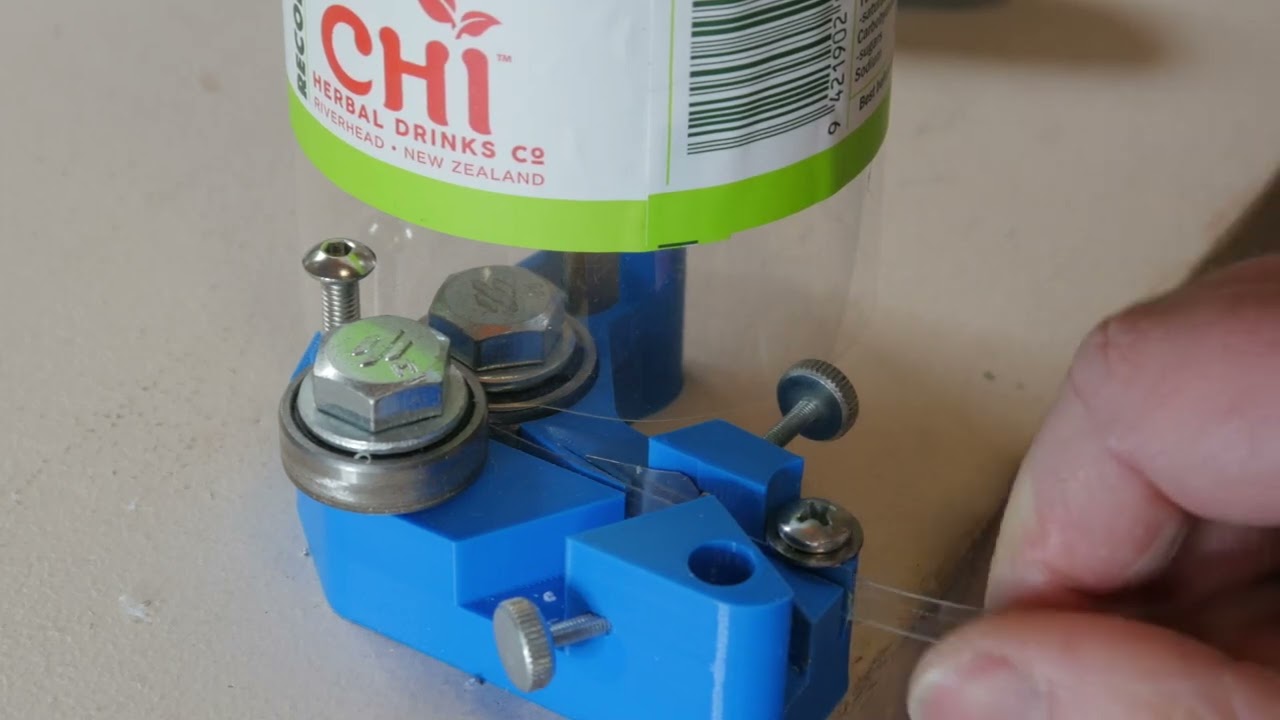
PET Bottle Cutter & Pultrusion: DIY Filament Production Guide
@3d_olympics-iq1dt
23.4K views•2023-05-15

12:54
Triumph of Orthodoxy Icon: Byzantine Art & History Explained
@BenCallan
2.1K views•2024-08-06

9:49
FastAPI vs Flask vs Django: Choosing the Right Python Web Framework
@TechWithTim
302.5K views•2024-05-26

1:42
Game of Thrones Opening Credits: A Cinematic Analysis
@gameofthrones
46.3M views•2011-04-18
Related Study Plans & Knowledge Roadmaps
Structured learning paths in General & Interdisciplinary Studies
general-studies
Elevator Engineering: History, Physics & Cities
01From Hoists to Safety Brakes: The Dawn of Vertical Lift
02Hydraulic vs. Traction: The Engineering Physics of Elevators
03Modern Speed, Safety, and Algorithms
+ 2 more learning modules
12h5 modules
Explore Roadmap
general-studies
Rubber: Material Science, History & Geopolitics
01Origins of Natural Rubber & Mesoamerican History
02The Chemistry of Natural Rubber & Vulcanization
03The Geopolitics of the Rubber Boom & Colonization
+ 2 more learning modules
12h5 modules
Explore Roadmap
general-studies
Containerization: Evolution, Logistics & Trade
01Ancient Trade & Bulk Cargo: Amphorae to Barrels
02The Industrial Revolution & Cardboard Packaging
03The Containerization Revolution: Malcom McLean
+ 2 more learning modules
12h5 modules
Explore Roadmap
general-studies
Textile Tech: Evolution, Labor & Global Impact
01Pre-Industrial Textiles: Handloom & Cottage Industry
02Mechanization: The Spinning Jenny to the Power Loom
03The Factory System & Global Labor Transformation
+ 2 more learning modules
10h5 modules
Explore Roadmap