

















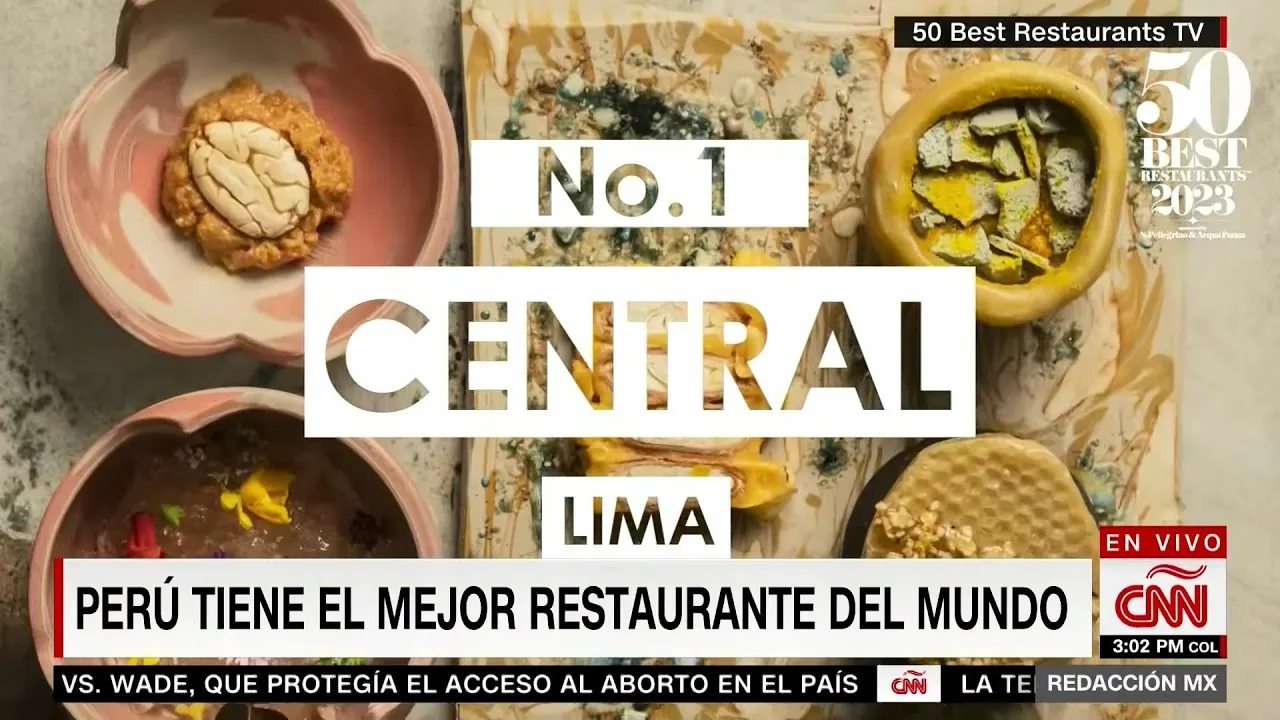





The tomato industry exemplifies how agricultural products become global commodities through industrialization, with multinational corporations using standardized production methods, genetic modifications, and global supply chains to create products that appear identical worldwide, often at the expense of local farmers and workers in developing countries.
Global Tomato Industry: Economics of Red Gold | Documentary Analysis
Added:Basic principles of global supply chains and agribusiness logistics.
Fundamental concepts of international trade, including tariffs, subsidies, and free trade agreements.
The basics of labor economics, particularly seasonal agricultural labor and migrant worker dynamics.
Introduction to microeconomic concepts such as supply and demand, price elasticity, and economies of scale.
In-depth analysis of agricultural protectionism and its impact on smallholder farmers in developing nations.
Investigation of food sovereignty, ethical consumerism, and the fair-trade movement in global food systems.
Case studies on the geopolitical dynamics of key export regions, such as the flow of tomato paste between China, Italy, and West Africa.
Evaluation of the environmental footprint of industrial farming, including soil degradation, water scarcity, and the transition to vertical hydroponic farming.
1.4M views15.3Klikes54:29Original Release: 2022-03-15
i grew up in the south of france in provence a tomato paradise one day a piece of news shocked me le cabano the jewel in the french crown of tomato sauce had been bought by a chinese investor general liu he decided to produce sauce promensal with asian tomatoes general liu was trying to conquer this sector the local deputy seemed delighted but i did not understand why a country where they do not eat tomato sauce wanted to compete with provence or italy for two years i put my life on hold to understand how this product had become a necessity to all mankind i discovered a different tomato unlike the one we see in our salads a tomato that you'll never see round and whole on your plate a tomato modified by geneticists to meet the needs of the agri-food industry these are tomatoes that are very firm fruit you can drop them and they won't burst i discovered a misunderstood and fascinating industry an industry born from the success of italian gastronomy and reinvented in the united states by a few men who turned it into red gold in california i met the biggest leader of this industry a multi-millionaire who was obsessed with productivity in italy i saw harvesters exploited in africa farmers ruined for the past two years i've been collecting sauces juices soups concentrates pulp peeled tomatoes and ketchup from around the world the story i'm going to tell you is not about a simple canned food it's an absurd story of our globalized world it's winners it's losers the men and women who feed mankind without ever seeing the fruits of their labor to discover how the chinese produce their tomatoes i needed to make a very long journey three thousand kilometers from beijing in the west of china to xinjiang long inaccessible to foreigners and under military control the region was annexed by china in 1949 it's the territory of the uyghur people a muslim ethnic group that regularly rebels against the central power uyghurs are now a minority in xinjiang this region is now populated by millions of han the majority ethnic group in china and migrants from other regions and this is all at the initiative of beijing here a third of the harvest is still manual as it was in the west 50 years ago oh foreign and his wife come from the distant region of sichuan 3 000 kilometers from here paid for what they pick they earn 0.01 euro per kilo um this difficult work with an uncertain income attracts the poorest families in the country including children foreign minimal labor costs destitute families paid for their labor i understood better why the chinese tomato was replacing the provencal tomato and the chinese workers replacing those in europe but who had the absurd idea that china should launch itself into this industry china is one of the few countries where they do not eat tomato sauce that is the whole paradox i searched for a reason in the chinese capital beijing in a neighborhood that is reserved for the rich i found the main player in the chinese tomato industry this is the first time he has agreed to be interviewed in front of a foreign camera liu yi also known as general yu a former leader of the bingtuan as explained in this official video the bing tuan is a military industrial organization founded in 1954 on the order of mao and composed of former army soldiers its mission is to populate control and develop the region of xinjiang to avoid any rebellion of the uyghur people in reality general liu never led a fighting unit but under his command battalions of chinese workers were sent into the commercial war of the tomato this is how in the early 2000s the chinese army found itself at the head of a group of tomato sauce the chalkis group a matter before arriving in china the tomato went around the world in five centuries once upon a time there was a red fruit round and fragile known only to the people of south america brought back to europe it was planted in the garden of the kings of spain in the kingdom of naples and even on the banks of the thames its red color fascinated botanists but it was feared to be toxic in the 19th century the italian industrialists embraced it and put it to good use but the tomato is still fragile in the 20th century geneticists invented new varieties which didn't get crushed before they arrived at the factory it is this new tomato that is harvested all over the planet today from the fields i followed the tomato trucks to the factories today china has become world number two in the red gold industry with the kafko tunhea group a state-owned company an agri-food giant the director's assistant at one of the largest factories in the country takes me on a tour every day five thousand tons of fresh tomatoes are delivered here unloaded with jets of water they are sent into the depths of the factory inside the principle is barely more complex than when you reduce tomatoes at home in these vats the tomatoes are sterilized and transformed into concentrate the red gold of this industry it takes six kilos of tomatoes to make one kilo of this paste i now understand where my favorite sauce comes from in 20 years china has become a superpower of the tomato industry thousands of tons of concentrate are packaged for export in these large blue barrels these barrels of concentrate are like barrels of crude oil shipped around the world they will then be refined by a multitude of brands i think ketchup sauce is a lot of products you you you consume in europe already contains uh ingredients from this factory from our fields we are selling a lot of to uk to germany uh east europe for sure we are trusted by all the international big all the international names heinz unilever mccormick nessler etc so all these big names they buy from our tomato paste it's slow so slow the biggest buyer of tomatoes in the world you all know it it's heinz this multinational is the first to have made the tomato a multi-billion dollar industry every year heinz sells 650 million bottles of ketchup in more than 140 countries i decided to go back to the very beginnings of the tomato industry to the east of the united states according to legend it was in this modest two-story house that the entrepreneur henry john heintz laid the foundations of his empire a touching story of a billionaire who started out with nothing just how they like them in the united states and that's worth a little photo souvenir how did heinz become the world's number one ketchup almost 150 years ago what you're going to discover is not written in history textbooks at the end of the 19th century pittsburgh was the world capital of iron and steel activities the carnegie factories produced a quarter of american steel pittsburgh was the symbol of the country's industrial development a city where the floods of european migrants came to find work in steel and ford car factories but it was heinz that revolutionized mass production the birth of mass production really came out of this area out of these plants heinz clearly was using the assembly line technique before uh henry four henry ford really had evolved but henry ford's first really production line was around 1915. heinz was using assembly line process here in 1890s they were a little different like i said he used a lot of gravity feed systems to make it automated he used the automated welding for his cans on a line you know way ahead of when ford was welding his car so yeah a lot of his techniques he was very into technology heinz was a pioneer in technology contrary to popular belief the bottle of ketchup preceded the car on the assembly line henry john heinz was the first to make ketchup a consumer product his slogan the world is our field of german descent he sells preserves of horseradish jam meat pickles condiments and katsum the ancestor of ketchup a puritan who was obsessed with hygiene he used clear glass for his bottles a pledge of transparency and quality he thus gained the confidence of consumers well heinz is a capitalist i mean he was a he was a pure capitalist i mean it was all about uh you know money and marketing treated his people well but the end result was he wanted to make money heinz ketchup from the 1950s ketchup became part of the american way of life it came to be one of the symbols of a triumphant america along with coca-cola rock and roll and american cars the american dream of a society of prosperity and abundance is realized through mass consumption today industry provides the bulk of our diet agrobusiness generates an annual global turnover of four trillion dollars a sector that the billionaires covet in 2013 the heinz company was bought out for 23 billion dollars by warren buffett the second richest man in the world it was the largest takeover in the history of the agri-food industry the arrival of the billionaire was not good news for the employees i found workers that heinz brutally fired the price of adjusting to capitalism in this city with a population of 28 000 nearly 1 000 employees lost their jobs when the ketchup giant decided to close its largest plant in north america a year later half of them are still unemployed that's the 20-year service award that you got at heinz yes i gave you the 20-year award there it's very nice i was very proud of that and i got that and i stayed there but they closed down yeah i was here what's that plaque i was the employee of the year two years in a row and they gave me that beautiful plaque over there no i would have got that as i stayed there have you stayed there you wish you were i would have gone no one expected a man whose fortune is estimated at 73 billion dollars to close the factory a couple things i've always heard was heinz will never close down people eat people need food and there'll never be a tornado here 2010 there was a tornado in 2014 heinz closed down so it just goes to show you that never say never cause things happen like that i understand that they they can say all they want like you know they say well it wasn't competitive enough we wasted too much space it was this it was that what it comes down to is it costs them money and they don't want to pay a decent wage they want to pay third country or third world wage and it doesn't matter if you give up you know cut your wage in half or do this or do that they're going to close it so anything that they come up with that the union can go back and say well here's here's the money saver right here too back we're getting close the plant produced 100 canadian tomato juice and ketchup it may be surprising but in southern canada the climate is ideal for growing tomatoes this culture even maintained around 40 local producers since 1909 the canadian tomato capital has grown to the rhythm of heights the families of the city provided labor for four generations when that company closed down it hurt me emotionally i think it did most people that work there we gave our life to that plant yeah and i loved working there i liked the people i worked with but it hurts to lose a plant like that all because of some money and that's the bottom line it's money and not people's lives i don't think that they they cared enough about the people here if they came here and looked at what they've done to some of these people they should be ashamed of themselves since its acquisition warren buffett has closed five plants and cut 7 400 jobs about a quarter of the company's workforce if factories are closing all over the world many more are opening in china who sold the chinese the industrial techniques to make this concentrate polo of the tomato industry is armando gandalfi in parma the gandalfi family have been tomato merchants in the industry for three generations armando is the world's largest trader in tomato concentrate opportunity is dozens of factories paid for by the chinese with a barter system ecuador foreign and it is thanks to this transfer of technology that china has become the world's largest exporter of red gold in these barrels nearly one million tons of concentrate leave the port of tianjin each year the main destination takes a crossing of several weeks to italy a thousand tons of chinese concentrate are unloaded every week in salerno the chinese concentrate is then reconditioned by the italian industry the recipe is simple take chinese concentrate dilute it in a little water add a pinch of salt and you're done these cans are then exported to africa the middle east and europe this is how you can eat chinese tomatoes while believing they were grown under the italian sun there's nothing italian here except a name and a flag so is there anything illegal here no i would say basically what you're talking about is misleading consumers so it's part of the company's responsibility or responsibility sorry to try to give an image of serious or uh seriousness and to try not to cheat consumers by telling this looks italian is not italian the spaniard juan jose amazaga is one of the biggest tomato concentrate traders in the world each year he buys the equivalent of 600 000 tons of fresh tomatoes for resale in the form of concentrate if you eat tomato sauce it's partly thanks to him the agro-business giants trust him for their supplies in the tomato industry a trader does not just stay in the trading rooms juan jose amazaga travels the planet to select the most beautiful harvests if the italians are supplied by china he prefers california today tomato is a red gold today california has been growing tomatoes for many many years and growing steadily the acreage as consumption increased and they have you know good technology they've got the highest yields in the world as a country as a region and it's always enough it's a it's always good to know what what's going on here here i am in the heart of the largest tomato field in the world it reaches further than the eye can see this is like a tomato version of silicon valley california produces a third of all the tomato sauce consumed in the world in these fields none of the fruit is picked by hand machines are used for the entire harvest yet up until the 1960s large landowners relied on mexican manual workers known as braceros two hundred thousand of them handled the harvest of tomatoes each summer for 30 cents an hour at that time cesar chavez an agricultural worker and a charismatic leader worked with his union to demand better working conditions for 40 years cesar chavez fought for more social justice in the california fields he organized strikes and demonstrations which were harshly repressed his rallying cry si se puede was echoed by barack obama during his 2008 campaign with his famous yes we can cesar chavez passed away in 1993 he was considered an icon of american civil rights his former private secretary mark grossman told me this story i think of some words that cesar chavez spoke in the late 1970s when he said capital and labor together produce the fruit of the land but what really counts is labor the human beings who sacrifice their youth numb their spirits and torture their bodies to produce the greatest agricultural wealth the world has ever known and yet these same men women and children too often do not have enough food to feed themselves he called that one of the tragic ironies of our time in 1964 cesar chavez succeeded in persuading the government to end the bracero program landowners could no longer exploit this cheap labor force rather than raising wages the owners decided to mechanize the harvest to increase their profits fifty thousand farm workers were employed in the canning tomato industry in the years before mechanization researched the two generations of mechanization in the canning tomato and essentially what happened was that over a period of about a decade the workforce was decimated and those people lost their jobs and lost their livelihoods it was a sudden and dramatic uh decimation of people's livelihoods who had relied upon canning tomatoes for many of them for generations here is one of the industrialists who prefers machines to workers chris roofer this steve jobs of the tomato industry is the boss of morning star the world number one in the industry it alone produces almost as much as china this entrepreneur methodically applies his libertarian ideas a mixture of anarchism and ultra liberalism here every movement is timed starting with those hundreds of trucks each day they offload 20 000 tons of fresh tomatoes we had to start putting water in the trailers before to save 15 seconds so when they come in here that's already pretty pretty much full of water saving 15 seconds per truck saves seven minutes per hour the equivalent of one working day per year here more than elsewhere time is money i'm paranoid i think we can do a lot better i know i see more detail and so it's a lot of things to fix a lot of things to improve so i don't consider we do that well morningstar efficient company very much because they have managed to reduce costs all through the supply chain from the field to the trucking of finished goods per dollar investment in a plant you produce much more they can produce more than six million tons of fresh tomatoes that's more than all italy in three factories it's impressive really amazing yes the man by my side produces more than all of italy each hour chris roofer transforms one million three hundred and fifty thousand kilograms of tomatoes into concentrate under the control of only two employees how's it going 44 last hour 44. they still give me this excuse i can't pump it in this factory that has been automated to the extreme many executives and workers have been removed and replaced by computers they're running the whole factory these two seasonal girls they got an issue they call they call they call jimmy or something hey jimmy get out there and do that okay they're like the plant managers the world's largest factory runs with only 70 workers per rotation chris roofer likes parables for him liberalism is a best of five sets and tough luck for the losers so if you play tennis with another person you're there you're proving your game so the competition allows you to improve your game and if you improve your game you have more fun so that's what the competitive system's all about is getting the people with better ideas better processes to to expand and and kindly telling those that aren't doing as well that maybe they should do something else maybe they shouldn't play tennis maybe they should take up golf or swimming applied to the labor market his lesson sends shivers down your spine for 50 years large companies have been increasing their profits by mechanizing production and reducing the cost of wages everywhere machines replace manpower lay off more to earn more this is companies winning formula and the more the bosses invest in technology the more production volumes increase supply stimulates demand never before have the shelves been so stocked never before has mankind consumed so many tomatoes but by concentrating more and more wealth in the hands of big companies and destroying more and more jobs how long can this system last today three great powers of the tomato industry are in fierce competition the united states italy and china in the war of red gold there are no rules even the least ethical moves are permitted this is what i discovered here at jin 2d one of the biggest chinese exporters of tomato-based products the managing director of the company agreed to show me his factory like any good entrepreneur he starts with a small guided tour of his production line until now everything seems normal the first surprise was waiting for me in the warehouses gina gina does that not remind you of anything this is gino's chinese cousin that famous brand created in italy and which actually contains chinese concentrate to compete with their former partners who hid chinese concentrate in italian cans the chinese camouflage their tomatoes in cans that are the colors of italy in the end everybody is eating chinese media the factory has a secret weapon in this trade war against italy that the director forgot to show me a miracle ingredient a white substance is added to the tomato sauce in large quantities this substance does not appear on the label no no no no can you ask me um according to my information some boxes of chinese concentrate contain up to 55 percent additives it's a method of lowering manufacturing costs since these additives are cheaper than tomatoes in reality the reason they can cut their products with soy is because of an agreement with their distributors the entire production and distribution chain is complicit in this fraud only the consumer is fooled which is what the trader juan jose amazaga condemns and one thing i must say is that these people are declaring that to the buyer they're telling the buyer that we're going to put so much of this and this and this and this is a price if we don't put this this is the price so it's normally a higher price when it's pure tomato paste then they add fiber 20 fiber three percent color whatever at it it's a little another price so the buyer knows it he's aware of it doesn't appear on the label but the buyer knows it distributing companies that buy thousands of tons of chinese paste in cans under their their own brand in the distributors brand in africa know that the product will have these things and it's not declared let's go back to china in 20 years it has gone from a tiny player to a giant of the tomato industry initially the chinese didn't care at all about tomato sauce but with their legendary charm the italians exchanged factories for five years of tomato concentrate what a beautiful chinese tomato a bargain for italy that turned chinese production into a sauce that was made in italy without anybody noticing but since then the chinese decided to take on the italians with sauces made in china the battlefield for this jewel of red gold africa where they consume the most concentrate per capita with a population of 27 million and six percent growth ghana is a dynamic economy the second biggest in west africa don't worry mama tasty talk globalization is changing eating habits the secret behind delicious meals in this part of africa in terms of vegetables the tomato is king it accounts for one-third of vegetable expenditure but the local tomato market is collapsing in favor of sauces from china and italy imports have multiplied by 30 in 15 years the conquerors of this new market i visit them 12 000 kilometers from beijing in their secure residence guess who i find there general you and his son quinton the general has been there for two months because he sniffed out a good opportunity west africa is the region which has the fastest growing consumption of tomatoes and his presence is part of a policy that is promoted at the highest state levels in china this confident talk also reflects a reality the african continent is fast becoming the next big consumer market in the world in this market that you saw there's hundreds of shops that sells tomato paste here and the brands there are 50 brands at least in the market it's 90 chinese factories who produce because they have invested so much into the machineries and they need a way out to do it so they will produce for anybody whether it's oem whether it's for their own burn that they can sell in the african market so in terms of that the chinese producers need to find a way to to to digest their own excess surplus the wheels of the economy keep on turning in ghana i arrived during a major economic change china is relocating part of its production to benefit from cheaper labor on production lines imported from their country the liu's manufacture their finished products from chinese concentrated are paid four times less than chinese workers 100 euros per month this year in china as you know the global economy is not that uh well you see a lot of factories shutting down moving to southeast asia moving to uh moving to vietnam moving to indonesia malaysia those areas and you will see especially in the tomato paste business that you see a lot of factory moving to african countries and i glad to say we're one of the first who took in this step to establish our presence more closer to the market rather than that 10 000 miles away by purchasing canned chinese tomatoes rather than fresh tomatoes from his own country the consumer weakens local producers a little more since independence thousands of ghanaian farmers have been growing tomatoes an activity that offered a future to entire families their tomatoes were processed in factories in the public sector and the canned goods were sold in the markets a sector protected by customs barriers to the delight of the farmers but under pressure from international financial institutions free trade has become the rule and imports have overwhelmed the country which has been disastrous for farmers and the local factory had to close so since nobody buys their tomatoes and the state does not help them some of them try their luck in europe in italy ironically they pick tomatoes as early as five o'clock in the morning hundreds of men head for the fields coming from africa via the mediterranean their journey ended here to survive they have no choice but to pick the specialty tomatoes of southern italy in 2011 musa siliman and mohammed suleiman traveled 3 500 kilometers in search of a better life than the one they had in sudan for several years they've been living in hardship 30 000 migrants work on the harvest on hundreds of plots that are too small to be done mechanically they have come from africa but also from india romania or bulgaria they're paid an average of 20 euros for 10 to 12 hours of work under a blazing sun supermarket foreign today he works for a cooperative es frutta zero exploitation zero which produces organic and fair trade sauces especially for the german market tomato sauce will never taste the same for me again it has the bitter taste of economic forces that concentrate profits in the pockets of a few it has the smell of liberalism which has established itself from one continent to the next and the color of migrants blood from all over the world every year world demand grows by three percent and it will grow even faster when the chinese start to eat tomato sauce foreign you
Up Next

10:05
Urban Farming and Food Justice: Karen Washington on Community Agriculture
@revolt
187.4K views•2023-11-17

26:22
Walking in the City: Urban Rituals and the Flâneur in Contemporary India
@PSBTIndia
1.9K views•2016-08-02

51:27
The Global Junk Food Industry's Double Standard | Obesity Documentary
@JavaDiscover
497.6K views•2021-09-19

1:42
Game of Thrones Opening Credits: A Cinematic Analysis
@gameofthrones
46.3M views•2011-04-18
Related Study Plans & Knowledge Roadmaps
Structured learning paths in General & Interdisciplinary Studies
general-studies
Artificial Light: History, Tech & Human Impact
01The Pre-Electric Era: Fire, Oil, and Gas Lighting
02The Incandescent Revolution and Grid Electrification
03Gas Discharge and Fluorescent Illumination
+ 3 more learning modules
14h6 modules
Explore Roadmap
general-studies
Elevator Engineering: History, Physics & Cities
01From Hoists to Safety Brakes: The Dawn of Vertical Lift
02Hydraulic vs. Traction: The Engineering Physics of Elevators
03Modern Speed, Safety, and Algorithms
+ 2 more learning modules
12h5 modules
Explore Roadmap
general-studies
Rubber: Material Science, History & Geopolitics
01Origins of Natural Rubber & Mesoamerican History
02The Chemistry of Natural Rubber & Vulcanization
03The Geopolitics of the Rubber Boom & Colonization
+ 2 more learning modules
12h5 modules
Explore Roadmap
general-studies
Containerization: Evolution, Logistics & Trade
01Ancient Trade & Bulk Cargo: Amphorae to Barrels
02The Industrial Revolution & Cardboard Packaging
03The Containerization Revolution: Malcom McLean
+ 2 more learning modules
12h5 modules
Explore Roadmap