











The ventral hippocampus inhibits the prefrontal cortex's regulation of fear responses, and reduced hippocampal function may contribute to anxiety disorders like PTSD and depression, suggesting that modulating the hippocampal-prefrontal connection could be a therapeutic approach.
Prefrontal Cortex Hippocampus Circuitry Gates Conditioned Fear
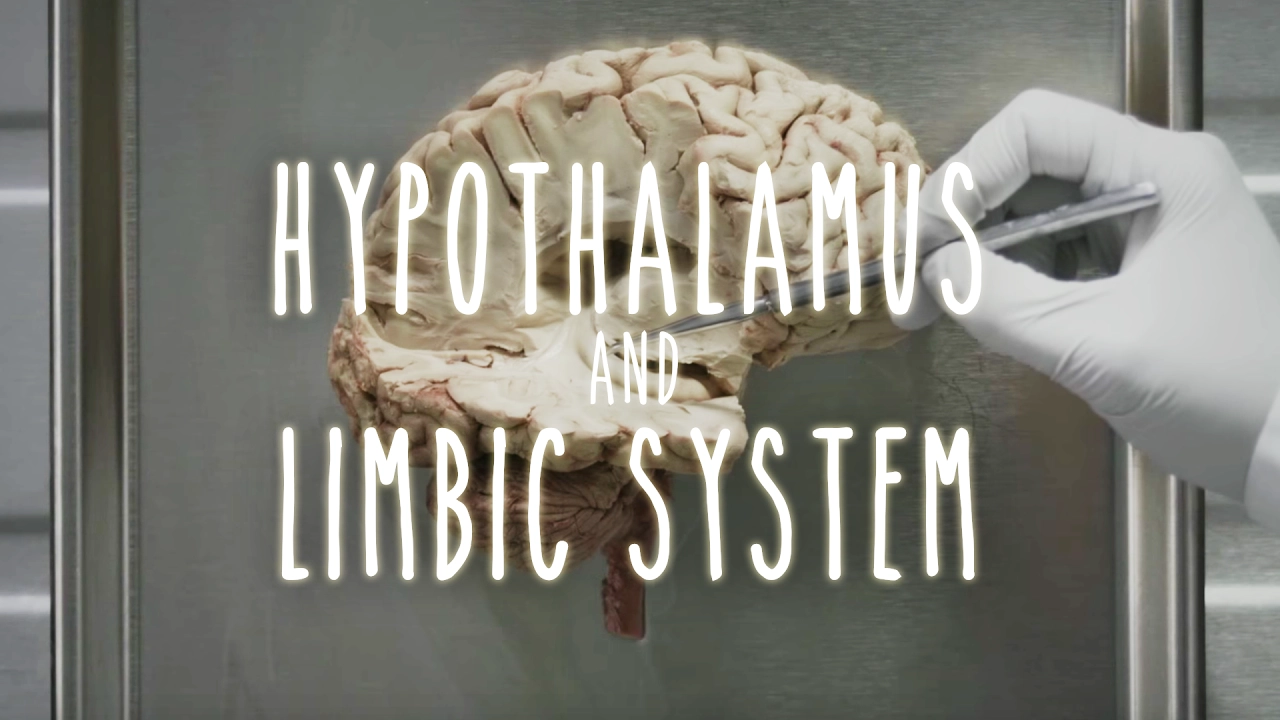
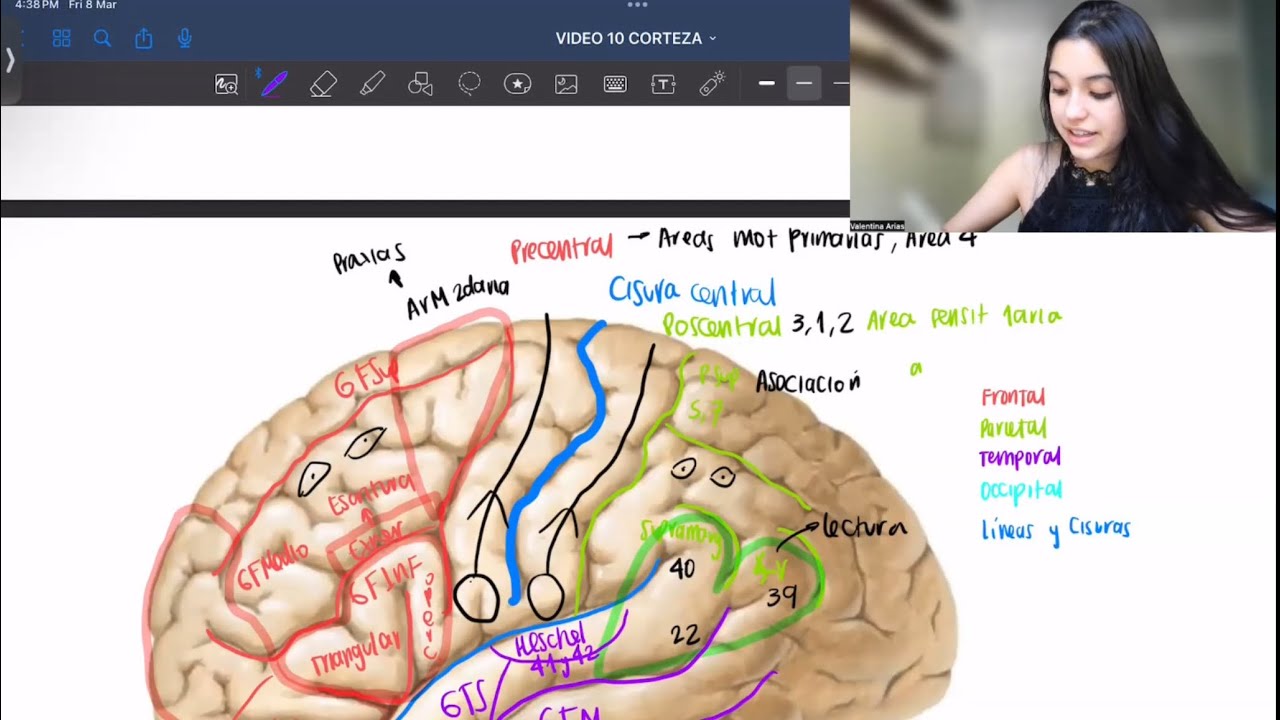
Added:Basic neuroanatomy of the limbic system and frontal lobe, specifically the anatomical structures and primary functions of the amygdala, hippocampus, and prefrontal cortex.
The behavioral paradigms of Pavlovian fear conditioning, including the concepts of fear acquisition, consolidation, expression, and extinction.
Fundamentals of synaptic transmission and neural circuitry, particularly how excitatory (glutamatergic) and inhibitory (GABAergic) projections regulate neuronal firing.
The basic neurobiology of stress and anxiety disorders, including how chronic stress alters brain chemistry and morphology.
Clinical neuromodulation techniques, such as Transcranial Magnetic Stimulation (TMS) and Deep Brain Stimulation (DBS), aimed at correcting dysfunctional prefrontal-hippocampal connectivity.
The molecular and cellular mechanisms of memory reconsolidation and how pharmacological agents like ketamine or propranolol can disrupt pathological fear memories.
Advanced neurotechnologies used to manipulate these circuits in real-time, such as optogenetics, chemogenetics (DREADDs), and fiber photometry in animal models.
Translational neuroimaging paradigms (like fMRI and EEG) that correlate animal microcircuit findings to human patients suffering from PTSD, phobias, and major depressive disorder.
2.1K views17likes4:35Original Release: 2012-12-04
[Music] Hi, I'm Greg Quirk and welcome to my lab in beautiful Puerto Rico.
Hi, I'm Francisco Sresvayon. I'm the leading author of this neuron paper and I conducted this research while I was a postoc in Greg Works lab in Puerto Rico.
I'm now talking to you from Mexico City where I'm establishing my own laboratory. Uh in the next few minutes, Greg and I will give you a brief overview of our study.
This lab studies the neural circuits of fear expression in rats that have been exposed to a tone that's paired with a shock and show freezing. Now we know the amydala is very important for this type of learning. But what our lab focuses on in is the prefrontal cortex and its role in modulating the amydala. Now the prefrontal cortex is important both for the expression of this learned fear and also for its extinction.
Now the prelimic subdivision of the prefrontal cortex is very important for the expression of the freezing.
So the key question that we addressed in this study is uh what are the inputs to the prolyic cortex that regulate its activity and thereby regulate fear itself and also how do these inputs control the response to the prolyic neurons to these tones that were conditioned or even extinguished.
So what we saw is that inactivation of the basilateral amygdala inputs to the prelimic cortex reduced the activity of principal cells.
In contrast an activation of the ventral hypocample inputs to prelimic reduce the activity of the inhibitory interurons.
This suggests that the prelimic cort that the eventual hypocample cortex inputs inhibits the response of prelimic responses to tones. Indeed we found that as you can see here responses of prolyic neurons to tones that have been conditioned and you can see that the inactivation of the basilateral amydala dramatically reduced the activity the response to the tone of those neurons whereas inactivation of the vententral hypocampus actually increased the response of these neurons to the tone. In another experiment, we were able to inactivate the two inputs to the same neuron. So, as shown in this figure, we have a cell that had no tone response to begin with despite the fact that the animal is fear conditioned.
However, when the vententral hypocampus was inactivated, a tone response was revealed. Notice how robust it is.
Then finally, when the v when the PLA was inactivated, that tone response was again eliminated. This is important because it shows that this cell had a tone response that could not be revealed until the vententral hypocampus input was turned off. So this physiological data suggests that inactivation of the vententral hypocampus should increase fear and increase prolyic activity as well. Uh so to address this uh we did exactly that. We inactivated the vententral hypocampus in rats that were conditioned and we observed indeed that after extinction inactivating the vententral hypocampus led to an increased fear response to the tongue and an increase in activity in the prolyic neurons.
So these findings may have some clinical significance because it's been known for many years that people with anxiety disorders such as post-traumatic stress or even depression have reduced volume in the hippocampus. Uh and people with PTSD have reduced activity in this vententral hippocample component. So the increased anxiety may be due to an increased regulation or increased activity of prefrontal areas that receive projections for the ventral hypocampus and perhaps modulating this hippocample prefrontal connection could be a a good clinical approach.
So thanks for listening to our video. We encourage you to read the paper and um adios de Puerto Rico from Mexico and on behalf of my co-authors the metro and Emanuel I want to thank you for your attention.
Adios.
[Music]
Up Next
16:06
Memory Reconsolidation: Barry Everitt on How Memories Change
@GatesCambridge
660 views•2014-02-14

59:49
Neuroscience and Genetics of PTSD: A Precision Medicine Approach
@UWPBSCI
221 views•2024-05-09

4:10
Vagus Nerve (CN X): Anatomy, Nuclei & Functions Explained
@Alilamedicalmedia
305.2K views•2022-10-31
13:03
How Exercise Benefits Your Brain: Science Explained
@TED
11.4M views•2018-03-21
Related Study Plans & Knowledge Roadmaps
Structured learning paths in Neuroscience
neuroscience
Appetite Regulation: Brain Circuits & Hormones
01Foundations of Endocrinology and Brain Anatomy
02Introduction to Energy Homeostasis
03Peripheral Signals: Leptin, Ghrelin, and Insulin
+ 2 more learning modules
14h5 modules
Explore Roadmap
neuroscience
Neuroeconomics: Value, Risk & Brain Mechanisms
01Foundations of Neuroscience and Brain Anatomy
02Introduction to Neuroeconomics and Subjective Value
03Dopaminergic Prediction Errors & Reinforcement Learning
+ 3 more learning modules
18h6 modules
Explore Roadmap
neuroscience
Spatial Navigation: Cells, Grids & Brain Maps
01Foundations of Brain Anatomy and Memory
02Place Cells and Head-Direction Cells
03Grid Cells: The Brain's Coordinate System
+ 2 more learning modules
12h5 modules
Explore Roadmap
neuroscience
BCIs: Neural Decoding & Prosthetic Control
01Neuroscience Foundations: How the Brain Signals Intent
02Signal Acquisition: Recording the Brain's Activity
03Neural Decoding: Translating Brain Waves into Data
+ 2 more learning modules
25h5 modules
Explore Roadmap