








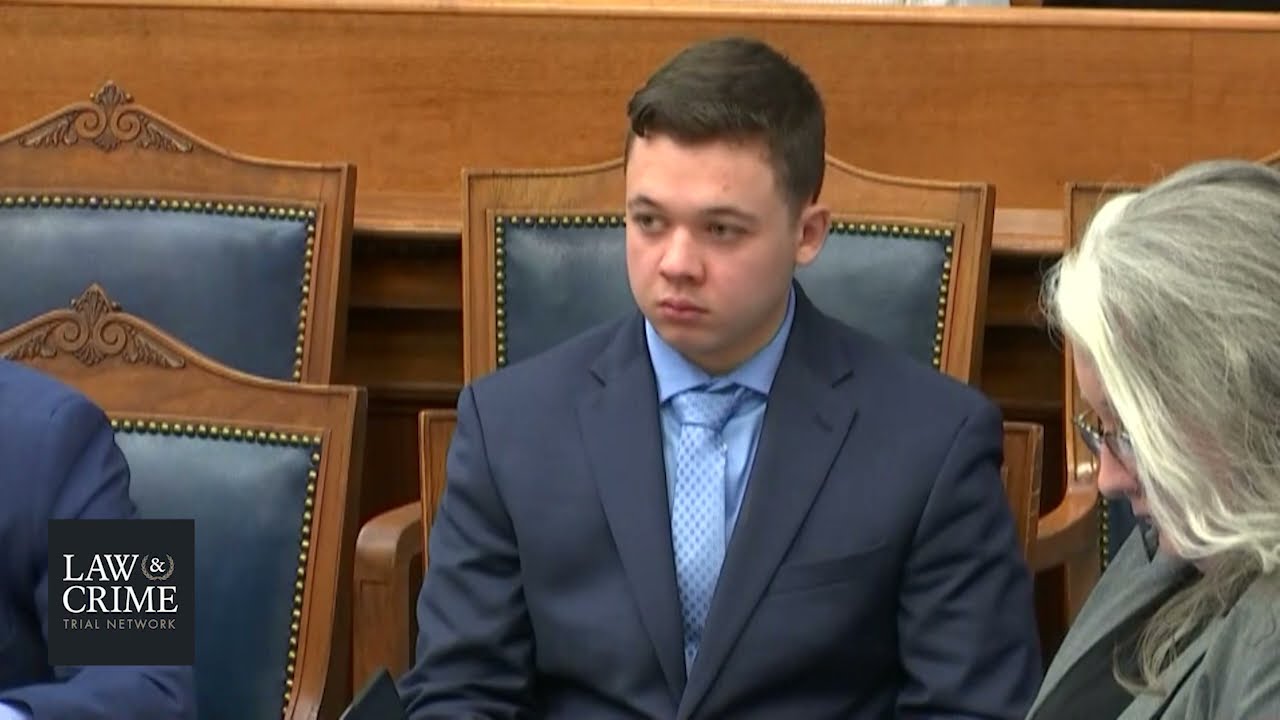




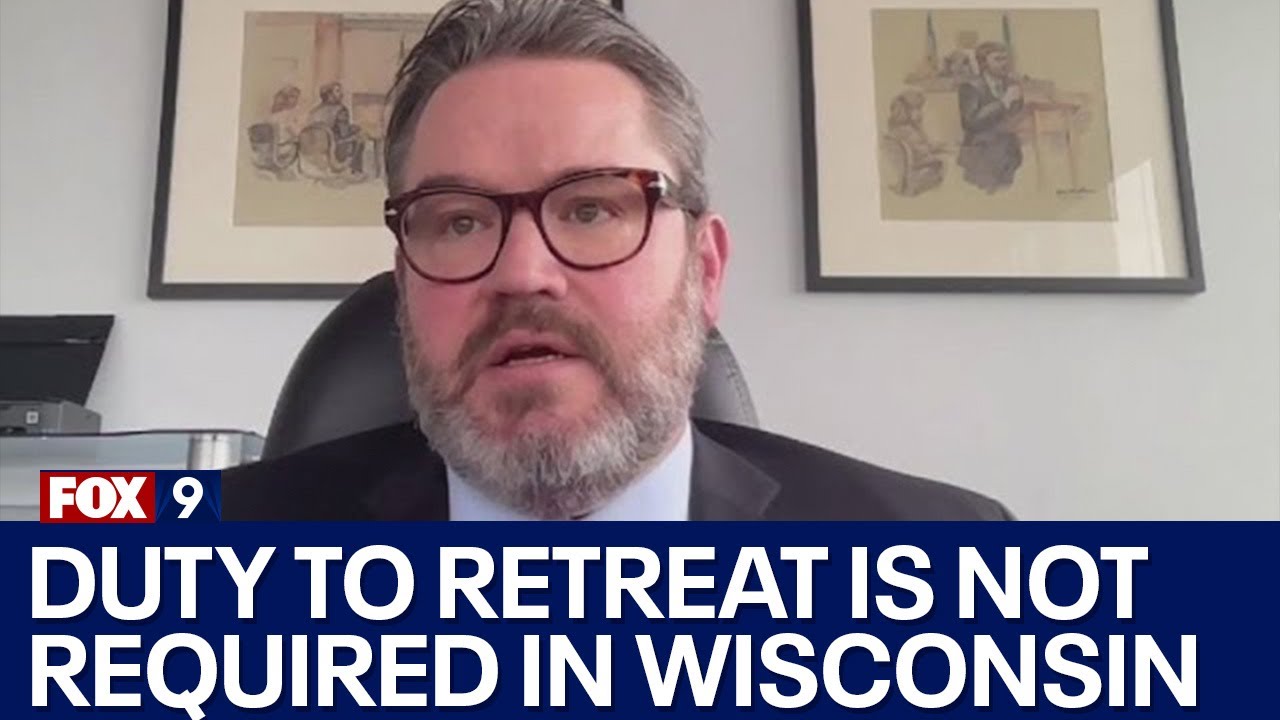







In Wisconsin criminal law, self-defense requires that a defendant reasonably believed they faced imminent unlawful interference with their person, and that the force used was necessary to prevent or terminate that interference; the reasonableness of this belief is judged from the defendant's perspective at the time of the incident, not from hindsight, and a defendant who provokes an attack cannot claim self-defense.
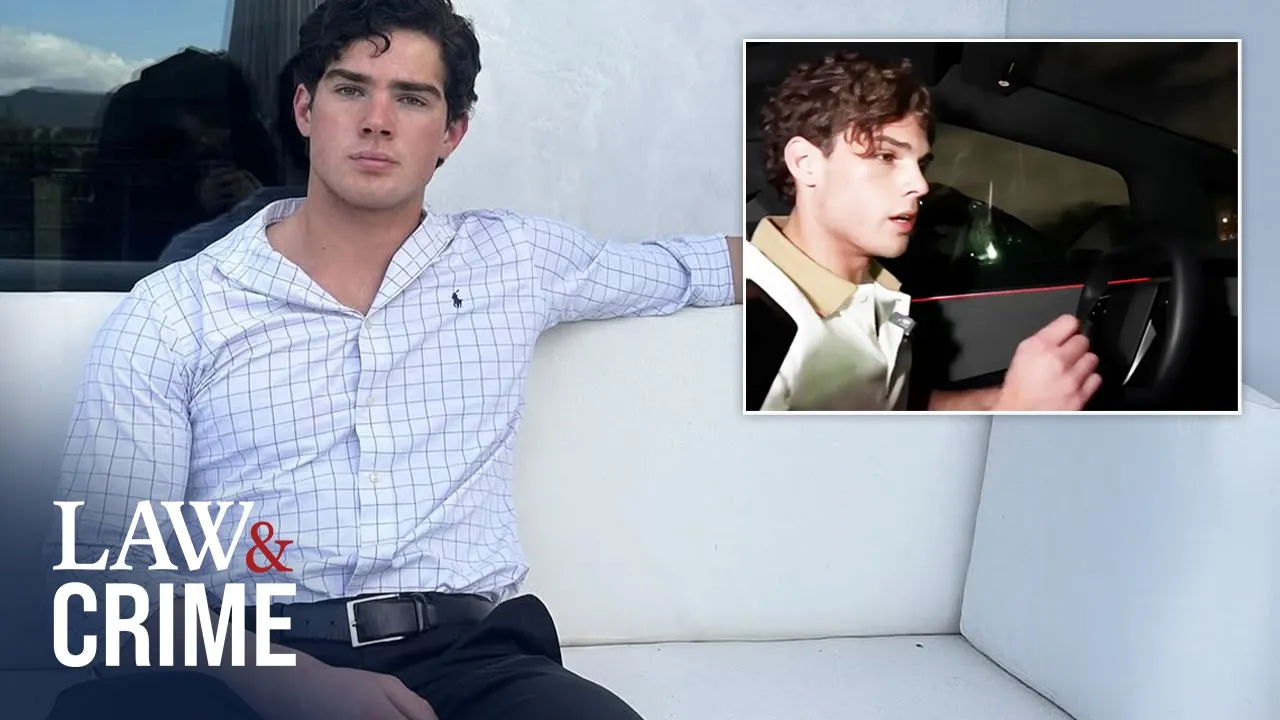
Criminal Lawyer Analyzes Apple River Stabbing Self-Defense Verdict
Added:The legal standard of 'self-defense', including the concepts of reasonable fear, proportional response, and imminent threat.
The difference between 'duty to retreat' and 'stand your ground' legal doctrines in criminal law.
Basic criminal trial procedures, including the roles of the prosecution, defense, and the jury's standard of 'beyond a reasonable doubt'.
The distinction between different degrees of homicide (e.g., intentional, reckless) and how affirmative defenses operate.
A comparative analysis of self-defense laws across different US states, focusing on statutory variations in Wisconsin where the trial took place.
The impact of digital video evidence (e.g., smartphone footage) on jury deliberation and the reconstruction of high-stress timelines.
The legal doctrine of 'imperfect self-defense' and how it can mitigate murder charges to manslaughter when fear is deemed unreasonable.
Case study comparisons with other high-profile self-defense trials (such as State v. Rittenhouse) to analyze defense strategy patterns.
545.7K views17.7Klikes51:32Original Release: 2024-04-12
[Music] [Applause] [Music] [Applause] all right now he just gets hit in the face on the river I heard about it you heard about it yeah and I've seen people gather he was not only did he hear about it he was intimately involved in it you calling each other names you know that's seen that all day when you're making up stories and you're making up facts it's definitely not good for you we know he's the guy that stabbed him and he's acting like no I was over here and I heard some people but you know I don't know anything oh me what what are you going to believe me or that video that you got as to count one of the information Isaac Schuman the jury finds Nikolai Mew he's the criminal lawyer who is he Bruce Rivers he's the criminal lawyer who is he Bruce Rivers he's the criminal lawyer and what he do and it's going to react to all the self snitching hi this is Bruce Rivers welcome to another funfilled episode of criminal lawyer reacts I'm Bruce Rivers your very own personal you know who you are your very own personal board-certified criminal defense lawyer and I'm here today with my content genius that you know is Michael Rivers today we're reacting to the uh Apple River uh stabbing that happened in Apple River Wisconsin everything happens in Wisconsin it seems like we're doing a lot of cases in Wisconsin uh but before we get to that a couple items of business first of all Keith from uh from uh Connecticut uh look at these he gave us these and you know this is just a koozie I guess it says Bruce Rivers or just Bruce criminal lawyer and Michael content genius I mean isn't that sweet not that I really want to solicit gifts but you know when we have you guys appreciate us you know it's just another way to interact with fans and and you know whether it's Amy or Keith or any of the you guys who have given us gifts our fan club in Ireland we give you a shout out uh in fact these are from we and Suns you know who those guys are uh just wanted to give you guys a shout out because you know we we do this for you guys you know this is a labor of love between a father and son because this is a father and son project it's way for us to to do something almost every day together and you know when you we get a little Rec this is this is like recognition this is positive reinforcement and we just I can't tell you how much we appreciate um just the little gestures you guys uh make towards us so um appreciate that very much okay before we get to that you know I just wanted to give you guys a heads up the Zappa River situation is not new to me I mean grandma was on the river not that long ago and uh and she was in a very similar situation uh except uh she was selling meth on the riverbed and you know when Grandma does that you really have to take control of her finances you got to because she gets taken into custody and when and so we had to get power of attorney and what do we use for that what do we use for that eforms.com eforms.com is a very effective way to avoid the high price lawyer for a legal form that you need that'll keep you out of court why will it keep you out of court because you got evidence of what the agreement is so whether it's power of attorney or a bill of sale or a business agreement or rental agreement anything that you need to solidify a legitimate agreement go to eforms.com my grandma used it and you know now she's out you know and getting rehab you know Grandma anyway uh so let's get into this so this guy by the Nam Nicola muw he's from actually Minnesota he's from uh new prag Minnesota he goes to the Apple River now the Apple River is a kind of a deal where they they drop you off up River with an iner tube and you hop in the inner tube and you float down the inner uh the river the Apple River and you drink and you drink and you drink and it's kind of Rowdy and something always bad happens there it seems like people are dying you know at least a couple a year so Nikolai was there and he was drunk and somebody lost her cell phone whether it was his wife or whoever it was so he starts out you know with a mask and a snorkel like looking for it and he's around these people I don't think he asked him have you guys seen a cell phone around here I need to look for a cell phone he's just kind of he's quiet actually and so these people start making fun of him uh one of them calls him uh a raper um they say that he's uh looking for young girls and he's going to rape young girls or something like that and then it a crowd of people starts attacking him verbally and physically he he had a knife with him um it's unclear as to why he had the knife I think it maybe because they tied the tubes together and I'm not sure exactly why he had the knife but if they tie the tubes together they need a knife to to untie him I guess um but in any event he stabs five people one person is critically injured and lost her life another one a young girl gets disembed and has to have you'll see her scar a minute she had to have surgery to put her stomach back in the place but they're drunk too you know I I never have a case that ends in in um in violence that started out with weed never never because guess what the only thing you really give a [ __ ] about after you had a bunch of weed is maybe probably getting something to eat uh but with alcohol whether it's domestic violence or whatever but there was video of this incident and now he's on the [ __ ] hook for uh Murder One intentional um Reckless homicide and and a bunch of other degrees 21 counts in all um and he is his trial's over and the verdict is um is or the jury is out now I I'll get to some things about the jury but let's let's take a look right now at the actual footage from the event itself what is he on oh God what are you talking now when when kids get together and they get a little mob like mentality you know they can get unruly and that seems like what's going on here a little bit I don't know why he's not talking to them because he he's probably just drunk and and is what it is but he's not telling them what he's trying to do what get away from us what are you what's going on with y' homie he's on camera Tri 4K 4K y the new iPhone got that good quality what do you say so one of the things they do is is you go down the apple River you have usually a tube that's and I don't do this [ __ ] because this is not my scene but they you know they they put a bunch of beer into a cool and that has its own inner tube and so it's you know it's a good time and it is what it is yeah what the hell who is this yes from the for the culture for the culture who is that for the culture who is that now they they're they're really ramping this up and he's not doing anything you know I mean he's it's suspicious that I see there so there's no reason for them I mean they're you know how kids can get right young teenagers or older teenagers especially who the hell is this doesn't matter he he looking for little girl he said he was looking for little girl you're looking for little girl that's exactly what he said we that part on camera he's not even doing anything I don't I don't know what they're so upset about and now keep in mind this I don't know what the context is before the video but he's looking for a cell phone problem see he waves over to his people because he's got and that's going to be an issue later on [Applause] [Music] oh [Applause] God so the first strike it appears to me that it comes from the group cuz he's not messing with the group the girl slaps him or does what she does and it doesn't look like he's being aggressive with them at all that's important because if you provoke if you provoke the fight you can't claim self-defense and and you'll see later on it's the allegation that he punched a girl in the face and that's why they threw him on the ground but you don't really see that [Music] here all right now he just gets hit in the face when you're on the ground in the water um that's arguably a different scenario then if you're just on the ground on land you're drunk and now they're pushing you around I think he comes up here with the knife he a woman he a woman yeah he's got the knife in his hand at this point [Applause] what the [ __ ] what the [ __ ] what the [ __ ] see how fast that happened that's also something that should be taken into consideration when the jury decides whether this was self-defense or not this isn't something like he takes his time he picks out his victim and he stabs his victim it is a chaotic scene and it happens like that so let's just rewind it a little bit and and take a look at the end he's got now at if you look at zoom in there at two minutes he's got that knife in his hand um he's not using it yet it doesn't appear but but he's got the knife in his hand at 2 minutes into the video now why these guys are continuing to screw with him when he's got a knife in his hand maybe they don't even see it because it is chaotic [Applause] what [ __ ] what the [ __ ] what the [ __ ] what the [ __ ] he's dying he's dying bro what my God oh my God oh my God oh my God so you see how fast that happened that I mean it was just seconds I mean this is not like um like he's just running around stabbing people this he was being attacked and it happened within seconds are you serious is this real oh my God who is that oh my God oh my God oh my God oh my God is this real that's not B that's not B that's not not that's not Isaac oh oh my God oh my God the real real all right so the whole thing that whole video is 3 minutes and 25 seconds long the stabbing is just a second really small part of it the the The Bullying the beating whatever you want to call it them attacking him is longer than the stabbing um if he's the provocator he can't Avail himself of self-defense and it's clear that the judge in this case has allowed the self-defense claim to go on here's what happens when you claim self-defense you know normally the burden is on the prosecutor prove their case right and when you claim self-defense it's up to the defense to prove that there's some evidence of self-defense okay so and it has to meet certain elements you can't just get selfdefense so you have to prove that there's some plausible theory of self-defense and can't be can't be the provocator provocator you can't um and and everything has to be reasonable so but it's a very low burden for it's called the burden of production is really what it's called and so it's up to the defense to prove that by just a small amount then then once you get that defense it is up to the state to prove that it uh that it wasn't self-defense let me just read to you what the law is in Wisconsin self-defense is an issue in this case the law of self-defense allows the defendant to threaten or intentionally use Force against another only if the defendant believed there was an actual or imminent unlawful interference with the defendant person and and when you're dealing with deadly force it has to be threat of uh death or great bodily harm and the defendant believed that the amount of force the defendant used or threatened uh was necessary to prevent or terminate the interference and the defense belief was reasonable a belief may be reasonable even though mistaken in determining whether the defendant's belief was reasonable the standard is what a person of ordinary intelligence and Prudence would have believed in the defendant's position under the circumstances that existed at the time of the alleged defense the reasonableness of the defendant's belief must be determined from the standpoint of the defendant at the time the defendants acts and not from the Viewpoint of the jury now in other words you got to see this see the situation as it was unfolding not in hindsight and so think about if you're getting attacked by 13 people and what that means so we're going to analyze let's just take a look at some of the testimony from some of the victims so Riley Madison um testified and she was stabbed in the stomach and were you about the same in July of 2022 maybe 115 were you tubing on the river that day with friends I was and were you drinking alcohol I was using any other substances I was smoking marijuana the testimony is that everybody was smoking weed and drinking and do you believe you're in toxicated I do [Music] yes was that your first time Tu being on the river um I've been on the river before but I've started at different points with friends so I've never really been on that part of the river okay incidentally you'll never catch me on the Apple River what do you do you remember at some point um along the river that something catching your group's attention not specifically mine I was just kind of hanging out with my friends on the tube and we had stopped um and so I kind of asked why we were stopping um and I heard somebody mention something about a group looking uncomfortable um I hadn't got off right away so did you walk over after some other folks I did um I kind of was like what's going on and then I had told Janelle like let's kind of go over there and see what's going on now to her point you wouldn't really expect to see somebody um on the river with a knife I mean that's not or or any kind of weapon really because what are you doing on the river you're just kind of you got your sandals on because it's a rocky bottom and you got your swimsuit on and you got your beer in your hand and you're laying in a in a tube that's what you're doing and it looks like they were kind of at the end end of the river I think my my guess but you wouldn't expect somebody to have a knife and what do you do you remember everything sequentially perfectly or is it CH I it's very choppy for me okay so what do you remember next um I remember getting off the tube walking up to Mr Miu um and I just remember Maddie being there and yelling at him um I remember her being punched in the face and then I remember being stabbed and that is completely it so you don't remember did did you see or don't you remember anyone else stabbed no then do you know if it's cuz you don't remember you didn't see or I just I think I was just focused on myself doing what I was doing I was not really paying attention to anybody else at all and what when you saw Madison get punch can you explain that in as much details as you remember um I I barely really remember that part I just remember him staring at us and then not saying anything and punching her and I was just like shocked like oh oh my God now what's the best evidence her recollection fueled by marijuana and alcohol or the video the videos although the video isn't all that clear either um and that I don't right after that I I literally remember being stabbed and that's it so with him punching her do you remember any more details than that like what hand he used or how the punch was not at all and what else do you remember about you getting stabbed um I just remember seeing Nick's face very blank and not lunging at me but just kind of poking me and I held my side and I was like Ow like Janelle I think he punched me um that really hurt like and I looked down and I was bleeding out and holding my stomach and it just like didn't feel real like it was just a lot of shock and sometimes when you get an injury like that you don't even you almost don't even feel it and and you don't comprehended because you I don't think she's ever been stabbed before but one of the things that happened with her is that her stomach was coming out of the injury from there I was walking around the river asking for help like just asking somebody to help me um I told q that I felt like I was dying cuz I just was losing like I was losing so much blood and every time I'd walk I just felt like I was getting weaker and weaker um so another I don't think there's any evidence that she herself was a threat physically I mean I don't think I think she's coming over to investigate what's going on and if she's in this melee um she's an innocent bystander group down the river had put me on a tube and kind of pushed me down to kind of get away away from the scene and then um they were holding my side and just kind of keeping me awake and then when the cops had showed up they took me off of the tube and put me on the ground um and I just remember like Janelle coming over you know asking me to stay away and the cops trying to ask me what my name was um and then just being put in the ambulance and going to the hospital all right can we have the screen and for the record this is 79 and Riley what are we seeing in this um that is the bigger one is the Stab Wound um and the little one is from a chest tube and how about in this one um this is the one where they had to cut me open to get my stomach put back in and so like so the first wound that you see that on the side there that's for Stab Wound and then the second wound this is not from the stabbing this this one on stomach is is actually a surgical scar but look what they had to do I mean they had to really cut her open in order to to get her stomach to where it needed to be she could have died easily here where the mouse is that's from surgery that's all from surgery and then the Staples and then on over here yep what's that the incision wound this this Stitch is right here is that the Stab Wound yep that's the Stab Wound the one we looked at prior yep okay oh and are you in the photo are you taking this in a mirror yes so the which side is the wound actually on on my left side so it's reversed in this photo yes you can turn off the screen so one of the things that happens in uh cases that involve alcohol and chaotic and and a cha and chaos is that people don't remember things you know accurately and sometimes people at this time of the the event you know oh they exaggerate and there's all kind and and so eyewitness testimony is not always the most reliable piece of evidence let's hear what this guy has to say now and you had described at least in your interview with the police that you were really kind of paying attention to what was going on yes okay um in your statement in March of 2020 4 you say tell me if you remember this I remember he had a hat on he had it he had on like he looked like he wasn't supposed to be in the water like he just came out of um he came out of the bushes he just came out you remember that yeah so is it your testimony today under oath that the person involved in this incident had a hat on and came out of the bushes no you told the police I told them that yes but I don't but I don't like you said it could be foggy I don't think that's what it was so this is important because if a witness is recalling something different with than a prior statement it it calls into question their credibility but that's really not an issue here the only there's only one issue one issue in the you know in fact that's that's how a lot of cases break down most cases break down to just one or two issues and what's the issue here the is is whether what the Mr Mew did uh was reasonable right I mean they get he's getting the self-defense instruction it just comes down was his perception of death or great bodily harm reasonable and was his use of force reasonable to prevent it yes okay and were you intentionally lying to the police no okay so where do you come up with with the idea that he came out of the bushes cuz that's why I saw him running to the bushes after the incident okay I mean he's clearly not wearing a hat he's clearly not coming out of the bushes so it kind of this cross-examination while it feels good to the defense lawyer you know because you're catching somebody in a lie that's testifying against your client not lie but you know something that isn't true who gives a [ __ ] in a sense so one of the things that happens you know especially in these kinds of cases you know the cops are on the scene and everybody's pointing to Nikolai saying he's the guy he's the guy he's the guy so they bring him into custody they put him in the back of their squad and they start talking to him now he's on the stand no he defendants don't have to testify you have the absolute right to remain silent and generally speaking if you can you keep your client off the stand however if you need to clean some [ __ ] up which they needed to do here uh then you have your client testify but let's take a look and see what he's going to testify to where are you starting from still doing it right yeah okay what's going on temperature temperature is okay in here yeah okay somebody I hear somebody got stepped um and that fit the description yes you do all right yep so we're working through that now did you see that fight on the river I heard about it you heard about it yeah and I've seen people gather he was not only did he hear about it he was intimately involved in it this is what I I what is this self snitching he doesn't have to give a statement here in fact he'd be better off you know um not just he can invoke his right to remain silent people gather around him okay all right and I went over to talk to see if somebody saw anything but that's about it okay our whole group was pretty interested in finding out what happened okay and that's your whole group over so he's sort of acting like I was just a bystander I I didn't see [ __ ] and we know that's not true jail I don't know okay well I did you see anybody injured you didn't see anybody injured did you see anybody fighting I I heard people screaming at each other yes okay screaming in anger or screaming in pain do you know everybody's drunk so I don't know I can't tell the difference but I would say screaming you know you calling each other names you know that's seen that all day we know he's the guy that [ __ ] stabbed him and he's acting like no I was over here and I heard some people but you know I don't know anything oh me what what are you going to believe me or that video that you got he just know there's a video your help we've all been drinking a lot I'm sure they're drunk I'm sure they're doing I don't 48 or 4 kids being kids kids being kids where where are you where's your problem that he's got here is he's not saying I was in fear for my life and so the these clearly false statements can be used against him and will be used against him by the jury from where did you drive from today I drove from uh um Prior Lake from Prior Lake actually I didn't didn't drive we came your wife and you and you met the group here uh yeah but we know each other okay all right as long as the temperature is good I'll check back with you in a minute okay thank you thank you so that is the statement the brief statement that he gave at the scene now let's take a look at how he testifies and explains what he says to the C to yeah what he says to the cops when you were talking to Lieutenant Hart you over here at the jail yeah I don't remember any of that conversation you don't recall pretending to not be aware that someone had died objection assumes a fact St so that question that he just asked you know when you know you don't remember pretending you know blah you know assumes those facts are true you know it's basically the prosecutor testifying and there's no facts in evidence so that's what the objection was assumes facts and not in evidence and that was sustain so he has to can't she got to withdraw that question ask something else when you're talking to Lieutenant that was about 4 hours after you had been arrested right yeah that's what I learned and then you had time to put together a story right no and he really doesn't have to put together a story you hear the tenor of the uh Prosecutor's questions you know pretending you know that you didn't know um putting together a story you know he doesn't really have to I mean the case is what it is and thank God it's on video for both sides you had 4 hours to come up with a story about what happened on the river before you were interviewed by Lieutenant Hart right no you didn't have that time I didn't put a story together okay so when you told her things like two of these boys pulled knives on me you're telling the truth no that was a story right correct and when you said that you somehow manage to grab one of the boys' arms and bend their wrist back and stab them with their own knife that's a story you made up right I told her what I remembered you remember doing that no I everything I told her is what I remembered at that time at the time you told her these things you you thought that you would grabbed someone's arm and stabbed them with their own knife as you can see I was very confused did you not testify early why were you confused CU you're drunk or you're confused because it's convenient and that's a better story and it just seems like he makes it up out a whole cloth nobody else had a knife that you lied about the knife that I I I did and then nobody nobody and here's the thing you know you got eyewitnesses that you know their memory isn't perfect in fact it's faulty you got his memory that is either faulty or untrue you know purposely untrue so what so the jury has asked for a qu has he asked a question of the judge a lot of times when the jury is in deliberation they can ask a question you know uh can we have launch or can we have a smoke break or can we see a piece of the testimony over which usually is no but can we see a piece of evidence and the evidence here they wanted to see is the video they wanted to see the video again now what happens you know in Minnesota um now they have devices in the in the deliberation room so they can play it themselves as much as they want but in Wisconsin they don't do that yet so they want to see it they got to come back into court and they have to review it in court and they can't deliberate while they're in court because they're deliberating in front of the parties they have to go take that back into the uh their deliberations back into the jury room and go from there but they wanted to see the video again so they're kind of discounting what the Witnesses are saying let's see what the actual footage is nobody else had a knife on the river except for you that I lied about the knife so it's impossible then for you to have Twisted someone's arm and stabbed them with their own knife right I saw the video no I'm asking what you said to Lieutenant Hart I don't remember the interview but I saw the video and you're aware I I know that it's not right it's not true not just a couple of little lies but lie on top of lie Lieutenant Hart right argument sustain well let's talk about some of the things you told her you said these boys took these the goggles off my head and threw them down the river right you told her that if that's what the video recorded yes all right you told them you told her that these boys tried to pull down your shorts right that's what I saw in the video but I don't remember the interview that's a detail you added for your benefit right no you said these so when you're making up stories and you're making up facts it's definitely not good for you but this is why the defense had to call him because they he he had to he's got to explain a couple things number one he's got to explain why he [ __ ] lied to the cops and number two he's got to explain what he felt because none of that is in his statement to the cops he didn't because he's acting like he didn't do it he has to say that I felt like I was in fear of great bodily harm or debt now let's take a look and see you know one of the things you know when you you have a trial you have the openings and closings you opening statements of both parties you have the direct and cross-examination of the states Witnesses the direct and cross-examination of the defense Witnesses then you have the closing argument the summations now the summations you know in your opening statement you can't make argument you know you just tell them what the evidence is going to show that's why they're a lot shorter but in the closing arguments you get the theory of the case you get this is why you should find them guilty you know here is the evidence this is what the evidence showed you know that kind of thing so let's take a look at we're going to look at the prosecution's uh closing argument and then the states then I'm going to tell you the verdict here afterwards which you probably already know but we'll tell you it in a second him the video doesn't Fade with time it's not bias it's not infl inced by alcohol as I told you in the beginning of this case the violent episode from the video is about 25 seconds from the point he punches Madison till you see him walking off after stabbing five people he's not seen Nikolai is not seen in that video for 8 to 9 seconds until the point you see him walking away you don't see him stab down some of you may have wondered why we called Lan Davis certainly wasn't for his eyewitness testimony but he took a video he took a video that captured a different angle than Jan's video it's grainy it's difficult to see but you can see enough and it shows Nikolai seeking Dante out and stabbing him when his group is in the opposite direction Nikolai walks into a crowd of people stab stabs Dante now keep in mind you have a duty to retreat we're reasonable to do so so if you're walking into a group of people I I don't know that I necessarily see him hit the woman like like the prosecutor said but if you do that and the if the jury buys that he did that then guess what you know you provoked the attack you can't use self-defense you're screwed but I don't think he meant to kill anybody I really don't before I show you that that video again I need to provide some context from Jan's video take it off yeah sensibly that's the family members of the victim who died and you know this stuff is hard to watch you know from and then all of a sudden you know when they have sentencing if there is sentencing um you know you got Victim Impact statements and those are powerful and and tough from a defense standpoint to watch and how many times you think this family has seen the [ __ ] video I mean how many times you know over and over and over again you know and and you don't get numb to it because it's like that's the last moment of their life you know so here at 2 minutes and 6 seconds this is after Nikolai has stabbed the four people that you do see parts of video he's standing next to Ariel Ariel's there Nikolai is not by himself 2 minutes 8 seconds that's the last you'll see of Nikolai tell you see him walking off in this video you see Dante or AJ the boy running back to their tubes and you see laran filming in the background laran captured what what Nikolai was doing at this point even though this video didn't and here basically the prosecution goes through this and he tries to say it's not a mistake he didn't Retreat like he was supposed to and it would be would have been reasonable for him to retreat and the amount of force that he used was more than necessary to repel any kind of attack that was perceived real perceived and you can't um you can't a he can't Avail himself of self-defense because he provoked the attack so that's kind of what the the the prosecutors argument is in a nutshell let's take a look and see what the defense argument is so now let's just let's look at the defense theory of the case you know this is where a lawyer really makes this uh Bon you know this is where all your training comes in all your work for the case comes in now it's time to you know earn your money everything here I just told you is what we know I [ __ ] hate it when people write [ __ ] on on a you know on a board like that you know you have a camera that's equ or a courtroom that's equipped with tech technology why not put it in in a PowerPoint and look really you know why because it just it looks unprofessional looks lazy doesn't look put together and I I don't think you should overuse a PowerPoint but writing stuff on a on a board like this I don't think is all that effective in the first minute and 49 seconds and why does that matter what does that's just a stylistic thing is what I'm saying I can't see the exhibit and step up and move over to the [Music] side what does that matter why does this matter because one of the things you have to consider when you consider self-defense is Nick Muse's reasonable belief that there is going to be an imminent interference with his person and when you add doesn't that seem odd that's that's the language in the in the instruction an imminent unlawful interference with a defendant person what the [ __ ] does that mean you know this is what lawyers do this is how lawyers write [ __ ] just kind of stupid but what it really means is you think you're going to get hit or you think you're going to be assaulted all of these things together he has to subjectively believe that as a jury as you sit here today we don't get to look at it and say what would an an objective reasonable person do does Nick feel that way does Nick feel with all of these things listed here that there is an imminent inter unlawful interference with his person and I would submit to you he does and I I think you I think you can honestly believe that he does feel that way there's no question about that now they've seen this video multiple times throughout the trial but the other thing is during their deliberations they asked to see it again that's the best piece of evidence that they had so they got the case yesterday afternoon they came back um today before lunch what is he on who up what are you talking about what the hell are you get away from us what what are you doing going on with Y homie it is really odd that he's not telling them what's going on the second part of the video that I think is important and attorney Anderson's talked a little bit about it is the really the one second that we don't get to see right the one second where the state is insinuating and is claiming that Madison Cohen was punched and where Nick me has testified that he raises his arm to get her out of his space so those are the two possibilities as to what happened in the video that you don't see and I am once again asking that you use your everyday experiences in life when you make this determination okay so yeah so the verdict is in and he was found guilty on just about everything we'll watch the verdict here in a second but um keep in mind you got five victims here one uh Fatality and I'll talk to you a little bit about what he could potentially be looking at here after the reading of the verdict as to count one of the information Isaac Schuman the jury finds Nikolai MW guilty of first-degree Reckless homicide as submitted question did Mr MW commit the crime while using a dangerous weapon answer yes as to count two of the information Alexander Martin the jury finds Nikolai Mew guilty of first degree recklessly endangering safety as submitted did Mr muw commit the crime while using a dangerous weapon answer yes as to count three of the information Dante Carlson the jury finds Nikolai Mew guilty of first degree recklessly endangering safety as submitted did Mr MW commit the crime while using a dangerous weapon answer yes as to count four of the information Anthony Carlson the jury finds Nikolai Mew guilty of first deegree recklessly endangering safety as submitted did Mr M commit the crime while using a dangerous weapon answer yes as to count five of the information Riley Madison the jury finds Nikolai Mew guilty a first degree recklessly endangering safety as submitted did Mr MW commit the crime while using a dangerous weapon answer yes as to count six of the information Madison Cohen the jury finds Nikolai Mew guilty of battery as charged did Mr MW commit the crime while using a dangerous weapon answer yes uh members of the jury uh I do have to verify that this is in fact a unanimous verdict so when you look at the first deegree Reckless homicide uh the first deegree Reckless homicide it basically means you recklessly causing the death of another without regard for human life essentially with a blind indifference in other words meaning you don't really give a [ __ ] you know you're not giving anybody any um consideration and that you're acting without you know any kind of regard for human life that is what first-degree Reckless homicide is now the guidelines you know he can get up to he can get up to 60 years um on a case like this so and the recklessly endangered safety you know TW is like 12 and a half years so if you add all this up now he's not going to probably get the maximum on all these because um the judge will probably give him some kind of you know 10 years in 10 years out or TW 20 years in 20 years out in other words 20 years in prison and you know here's the deal in Wisconsin you don't you your time is your time you do the time if you get 10 years in you're going to do 10 years so you know when you have multiple victims like this one of the things the court likes to do is is account for each victim in a sentence and if you give concurrent sentences you're not doing that so it's quite likely that he'll get consecutive sentence which in all honesty will ultimately wind up being a life sentence for him he and he was convicted of four counts of recklessly endangering the safety of others so we don't know exactly what the guideline calculation is going to come out to be because you know we just don't know what his criminal history is there's a whole lot of factors that go into it but that judge very well could sentence all these consecutively and a lot of times in these homicides they do so if he does that that's essentially a life sentence it's not pronounced as a life sentence but essentially is so that's been our our reaction to um Nikolai Muse's trial at the Apple River in Wisconsin I don't recommend you go there um not a fan I know a lot of people who have gone there and they think it's just a blast um That Ain't My Scene my scene's like an Irish pu that's what I like anyway but just remember when you guys go out and do something like this watch your consumption and if somebody's being crazy or if they have a weapon stay the [ __ ] away from it because somebody you know with all the drinking that goes on in the Apple River or places like this a concert or whatever you see some danger stay away from the danger don't confront the danger you want to live to see another day so that's been our little reaction to Mr Muse uh conviction but we'll see you next time here criminal lawyer reacts make sure you subscribe follow us on Instagram follow us on Twitter uh sign up for patreon and if you're a patreon member get us your address and we will uh and just put just send it to us in a message on on patreon and we will get a hat out to every single one of our patreon members right here or stop self snitching that see you next time here on criminal lawyer reacts all the charges that you about to face you ain't coming home till 208 that self snitching going to get you put away Bruce Rivers just broke down your case he know all the charges that you about to face you ain't coming home till 208 that self snitching going get you put away 23 lock
Up Next

19:49
Legal Analysis: Sgt. Daniel Perry Convicted in Self-Defense Case
@ArmedAttorneys
113.9K views•2023-04-11

4:27
US Secondary Sanctions Impact on EU Businesses and Blocking Legislation
@Bureauvandijk
1.6K views•2019-03-20

19:50
YNW Melly Trial: Legal Analysis of Jury Selection and Evidence
@CLRBruceRivers
346.9K views•2022-04-11

24:42
Police Interrogation Tactics: False Confessions & Legal Reform
@LastWeekTonight
7M views•2022-04-18
Related Study Plans & Knowledge Roadmaps
Structured learning paths in Law
law
Self-Defense Law: Imminence & Castle Doctrine
01Foundations of Self-Defense Law
02Imminent Threat & Reasonable Belief
03The Principle of Proportionality
+ 3 more learning modules
12h6 modules
Explore Roadmap
law
Defamation Law: First Amendment & Actual Malice
01Introduction to civil torts and the First Amendment
02Elements of Defamation: Libel and Slander
03Public Figures vs. Private Individuals
+ 2 more learning modules
8h5 modules
Explore Roadmap
law
Hearsay Rule: Trial Evidence & Exceptions
01Introduction to Trial Evidence & Courtroom Basics
02Demystifying Hearsay: The Core Definition
03Non-Hearsay: Exclusions Under FRE 801(d)
+ 3 more learning modules
14h6 modules
Explore Roadmap
law
Medical Malpractice: Law, Liability & Care
01Foundations of Tort Law and Civil Liability
02The Four Elements of Medical Malpractice
03Defining and Proving the Standard of Care
+ 2 more learning modules
12h5 modules
Explore Roadmap