


























A luciferase reporter assay is a bioluminescence-based molecular biology technique that uses the luciferase enzyme and its substrate luciferin to study gene expression regulation; the assay works by cloning a promoter of interest upstream to a luciferase reporter gene, then transfecting this construct into cells, allowing luciferase expression, and measuring bioluminescence activity upon substrate addition, which serves as a sensitive readout for promoter strength, gene expression analysis, transcription factor function, and drug effect studies; to account for experimental variability, researchers use internal control reporters driven by constitutive promoters and calculate normalized ratios to obtain fold changes between experimental and control groups.
Luciferase Reporter Assay: Applications in Gene Expression Analysis
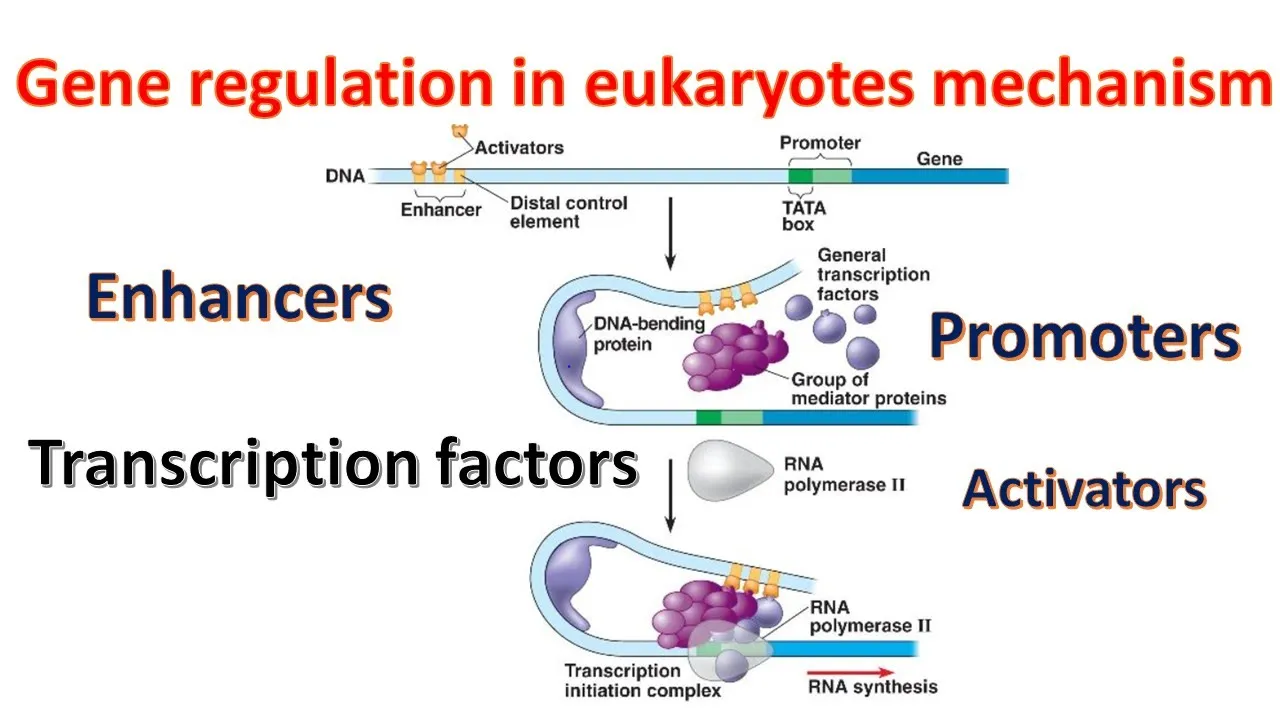
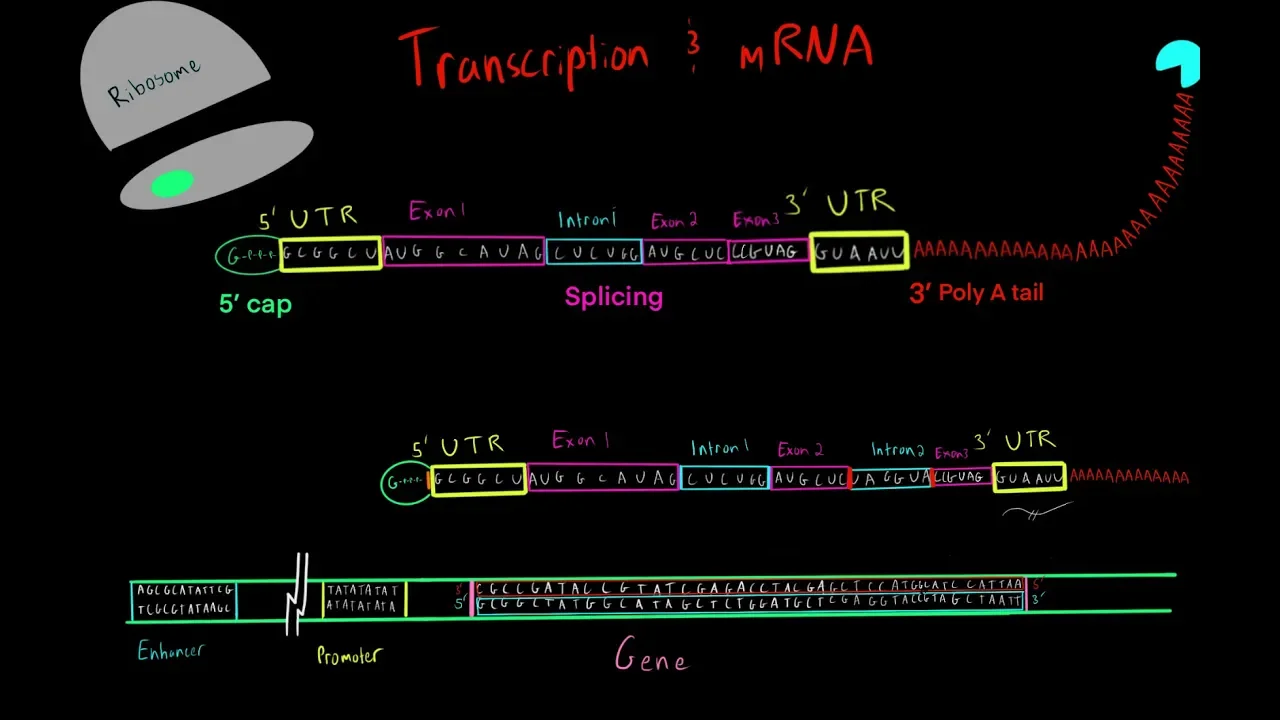
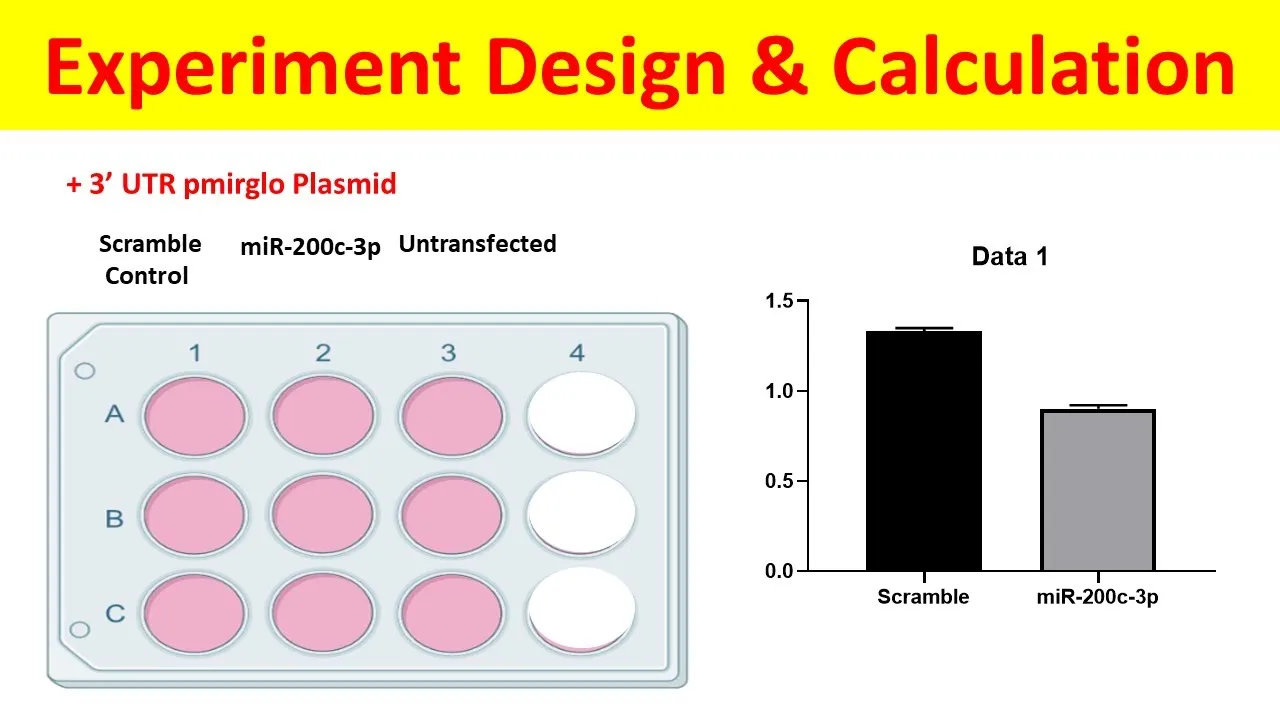
Added:in this video we'll talk about luciferase reporter assay luciferase reporter assay is a bioluminescence-based assay in molecular biology which utilizes luciferase enzyme and its substrate luciferine to study gene expression regulation it has wide variety of applications like gene expression analysis promoter strength analysis micro rna regulation analysis and many more it has several advantages like it is highly sensitive and it is reproducible in this video we'll talk about what is luciferase reporter assay what is the advantage of luciferase reporter assay applications and how the data is analyzed and how we can account for the variabilities and what things we should keep in mind while analyzing the data so stay tuned till the end of this video and use a headphone for better quality so let's talk about what is luciferase luciferase is an enzyme which give rise to bioluminescence and it is pretty common in fireflies so firefly luciferase enzyme actually converts substrates like luciferin into oxyluciferin luciferase enzyme actually oxidize luciferin and in this process light is generated and this is the bioluminescence phenomena this phenomena is utilized in this particular assay as a readout so let's see how it works so first we need to check whether a particular promoter is active or not in order to do that we have to clone a promoter upstream to a luciferase reporter sequence in this case you can see the luciferase reporter sequence in green and promoter sequence in red so if this particular promoter is active then mrna for luciferase would be produced and eventually it would be translated into luciferase enzyme now when we put substrate this luciferase enzyme will show bioluminescence so these expression vectors has to be transfected into a cell we have to allow them for some time such that the expression of these luciferase enzyme can happen and then the cells are homogenized and then substrate is added so once substrate is added then the lucif the luciferase would convert luciferin into oxy luciferin and bioluminescence activity should be visualized using a detector so this is the principle which is used in a luciferase reporter assay now let's talk about the applications of luciferase reporter assay there are wide variety of applications like gene expression analysis promoter structure analysis and strength analysis snp analysis it is also used in the field of antiviral research and therapeutics it is also used for drug discovery and analyzing the effect of a drug on transcription so let's talk about some of these examples with uh in in much elaborated fashion so first let's say we want to understand whether a particular gene is expressed in a tissue specific manner or not so we cloned our gene of or our promoter of interest upstream to a luciferase reporter gene and then we would transfect it into different cell types and we would check the bioluminescence activity here the bioluminescence activity works like a readout which tells us whether the gene is expressed in that particular cell type or not in this case bioluminescence was observed from the epithelial and fibroblast cell not from the neuronal cell that means this particular gene of interest is epithelial or neuron or fibroblast specific and it is not expressed in the neuron let's take another example we might ask whether a promoter is strong or weak so this is a promoter so under the promoter there is gene body and in the promoter rna polymerase is recruited so when the gene is getting transcribed we would see mrna is produced so this particular promoter is cloned upstream to a reporter sequence and the reporter activity would tell us about the strength of this promoter so bioluminescence is a readout for strength of the promoter so let's take the example here we have promoter a and here we have promoter b in underneath both this promoter we have the luciferase reporter gene now we would transfect it into same cell same number of cells as well and then measure the luciferase activity by putting substrates in this very example we can see promoter a is much stronger than promoter b that's why bioluminescence activity is much much stronger in promoter a compared to promoter b so now we understand how we can use luciferase reporter assay to ask questions in molecular biology we can also understand whether a particular protein of interest is repressing the transcription or activating the transcription here this particular protein is possibly activating the transcription so we have to kind of co-transfect the cells with the expression vector containing the protein and also a luciferase reporter construct if we see a lot of luciferase reporter activity that means this particular protein is a transcriptional activator in contrast if the after transcription after transfection if we see negligible luciferase activity that means that particular protein is a repressor of transcription these kind of questions can also be asked using a luciferase reporter assay now while performing a luciferase assay we need to understand few precautions so first of all there could be many variability that can affect our results for example we take less amount of cells or there could be variability in terms of transfection efficiency also there could be variability during cell handling question is how one can account for all these variabilities and overcome these variabilities in their assay question is i mean the answer is we can use a internal control an internal control is kind of a luciferase which is driven by a constitutive promoter and many luciferase can be used for example rhaenyla luciferase firefly luciferase and each of these luciferase has their own purposes now a normalized ratio is obtained for each well by calculating the experimental reporter activity divided by the control reporter activity so here experimental reporter means where luciferase is driven by a experimental promoter divided by control reporter means the luciferase is driven by a constitutive active promoter now this particular normalized ratio can account for all the variabilities in transfection efficiency cell number or let's say variability in detection now let's say we have a experiment in this experiment we have a sample a where we have we want to understand the expression of a particular gene and in sample b we have added a drug and we want to understand what happens to the same gene expression after adding this drug so question is does drug x change change the transcription from promoter a or not here we are using a dual luciferase reporter setup that means we have our experimental luciferase vector another is the control luciferase vector both has to be transfected at the same time then obviously from the wells we have to measure the bioluminescence activity and then we have to represent the data in terms of fold change and the fold change is actually calculated by the normalized ratio that we have mentioned earlier for sample b which is a treatment situation divided by the normalized ratio for sample a that means the control situation and the data can be analyzed and represented like full change so from this data we can understand that transcription activity from promoter a has increased after the exposure of drug x so these kind of conclusions can be drawn using these reporter assays so let's talk about the overall advantages it is extremely sensitive reproducible compatible with internal control and reporters so with these kind of internal controls the variability is taken care of so it is highly highly sensitive and reproducible and lastly this doesn't use any radioactive substances so it is hazard free in summary we can say we have learned what is reporter assay how uh reporter assay is advantageous what are the applications of this assay and what are the variables that can affect our as a result and how to overcome that so thanks for watching if you like this video give it a quick thumbs up don't forget to like share and subscribe and also support me on patreon or by clicking on the super like you can support my channel thank you
Up Next
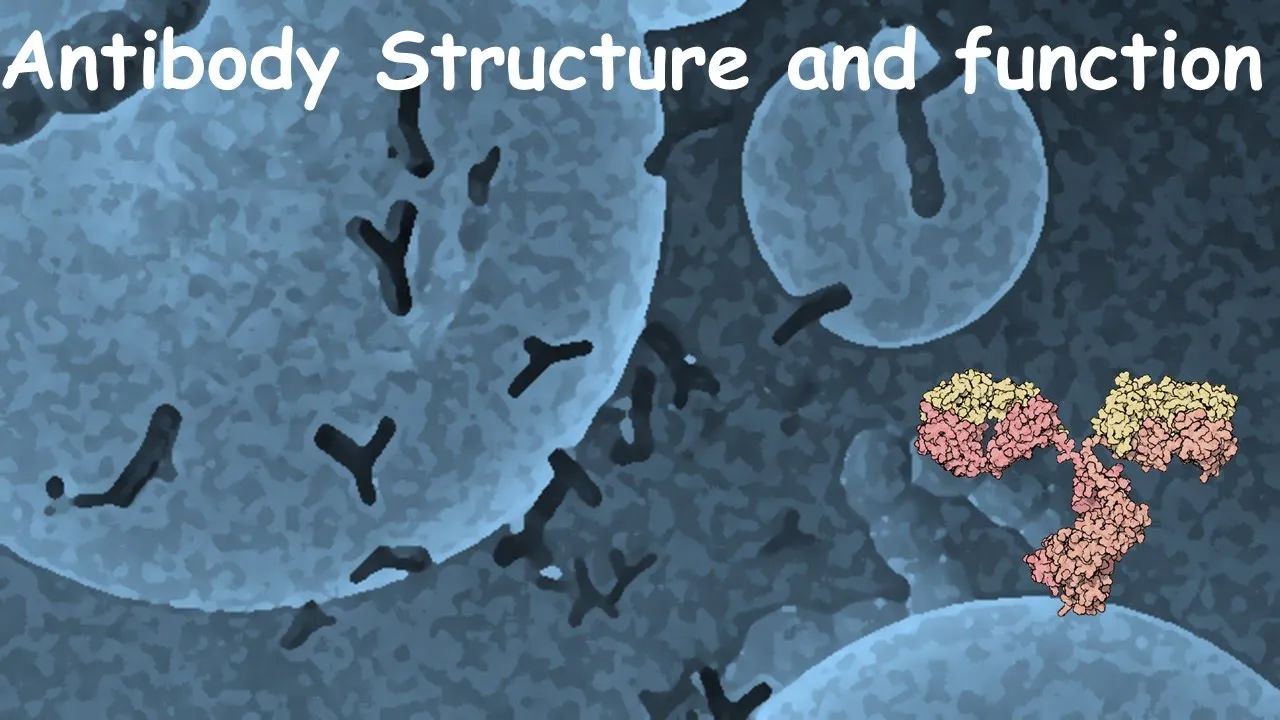
Antibody Structure & Function: Immune Response Explained
@animatedbiologywitharpan
18.6K views•2018-06-09

Bacterial Communication: Quorum Sensing and Biofilm Formation Explained
@JHUAAP
12.6K views•2011-06-28
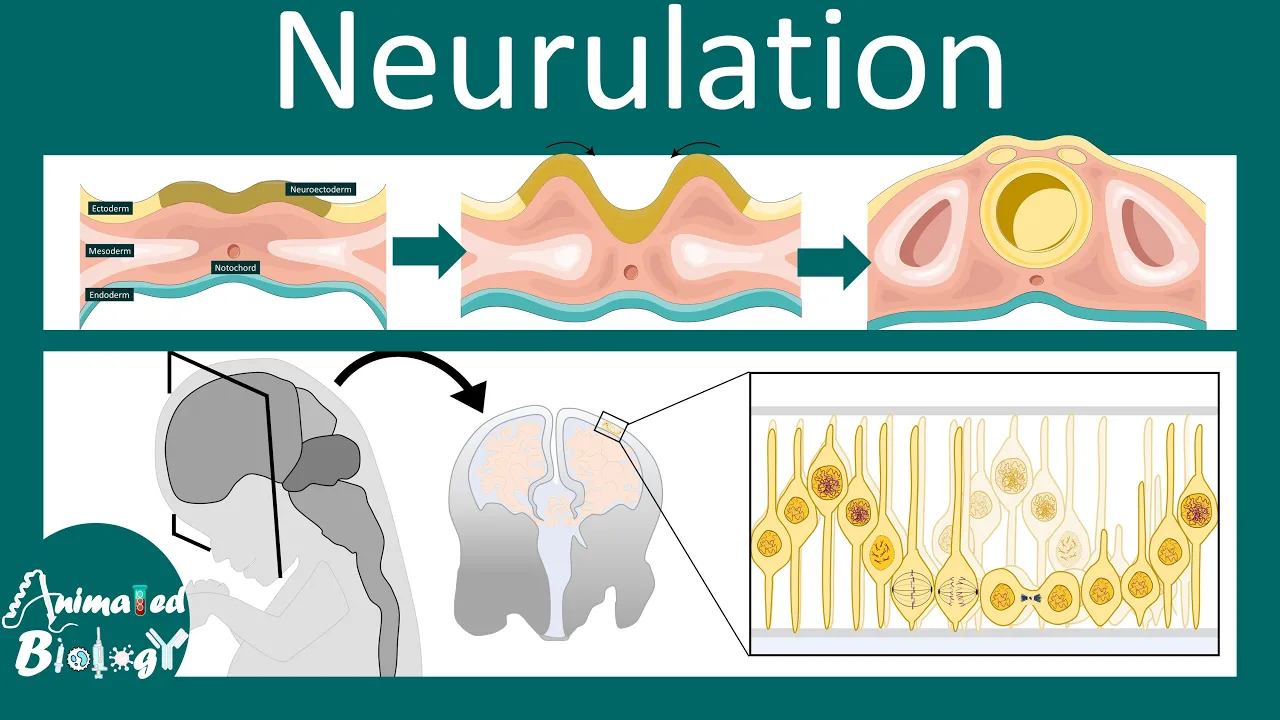
Neurulation and Neurogenesis: Neural Tube Formation Explained
@animatedbiologywitharpan
52.4K views•2023-10-18

Bacteriophages: Earth's Deadliest Killers and Future Antibiotics
@kurzgesagt
34.6M views•2018-05-13
Related Study Plans & Knowledge Roadmaps
Structured learning paths in Biology