










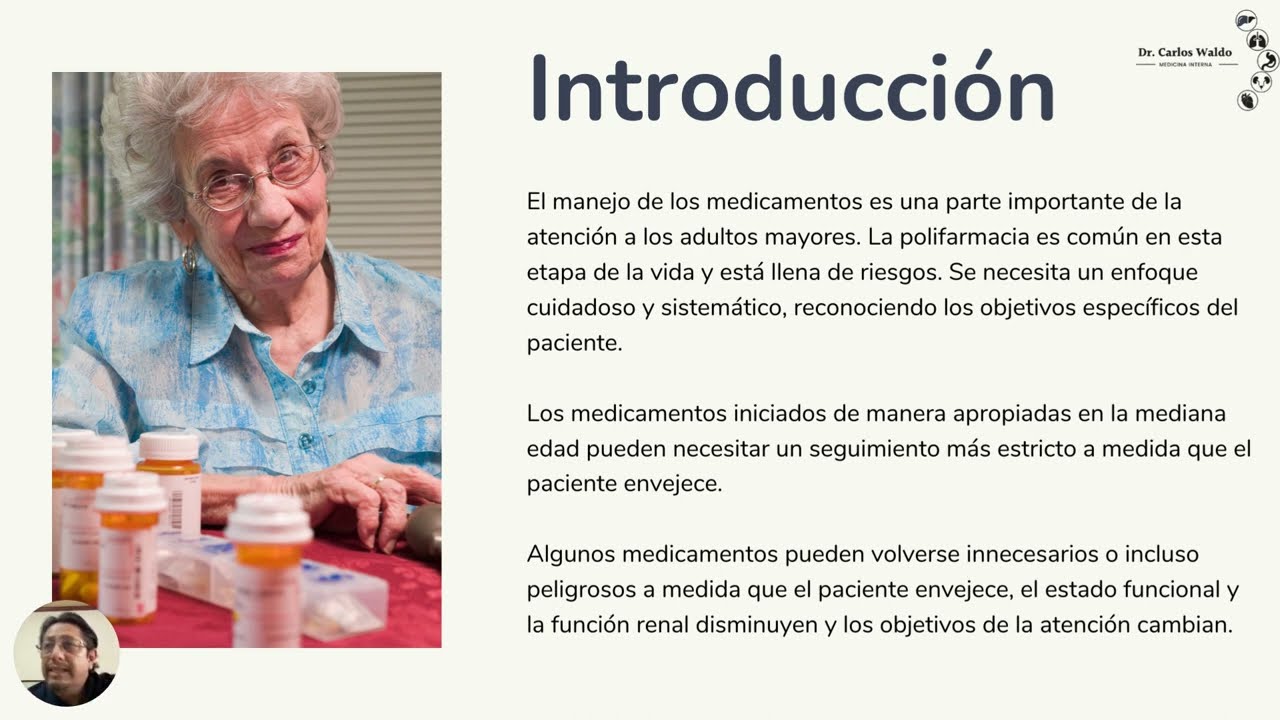










Evidence-based deprescribing guidelines are systematically developed tools that help healthcare professionals safely reduce or stop medications that may no longer be needed or are causing more harm than benefit, particularly in older adults who are at higher risk for medication-related harm due to changing health conditions, increased sensitivity to side effects, and reduced drug elimination capacity; these guidelines use the GRADE approach to assess evidence quality and provide actionable algorithms for dose reduction or discontinuation while maintaining patient safety and quality of life.
Deprescribing Guidelines: Managing Polypharmacy Safely
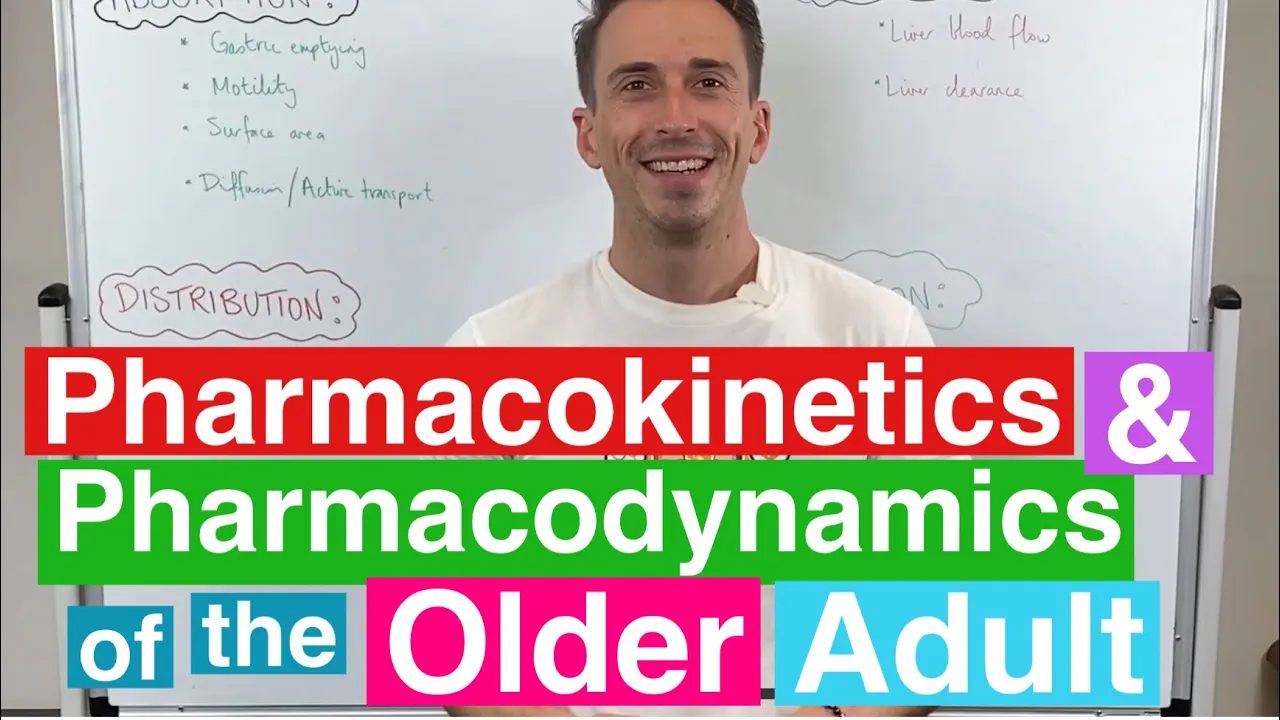
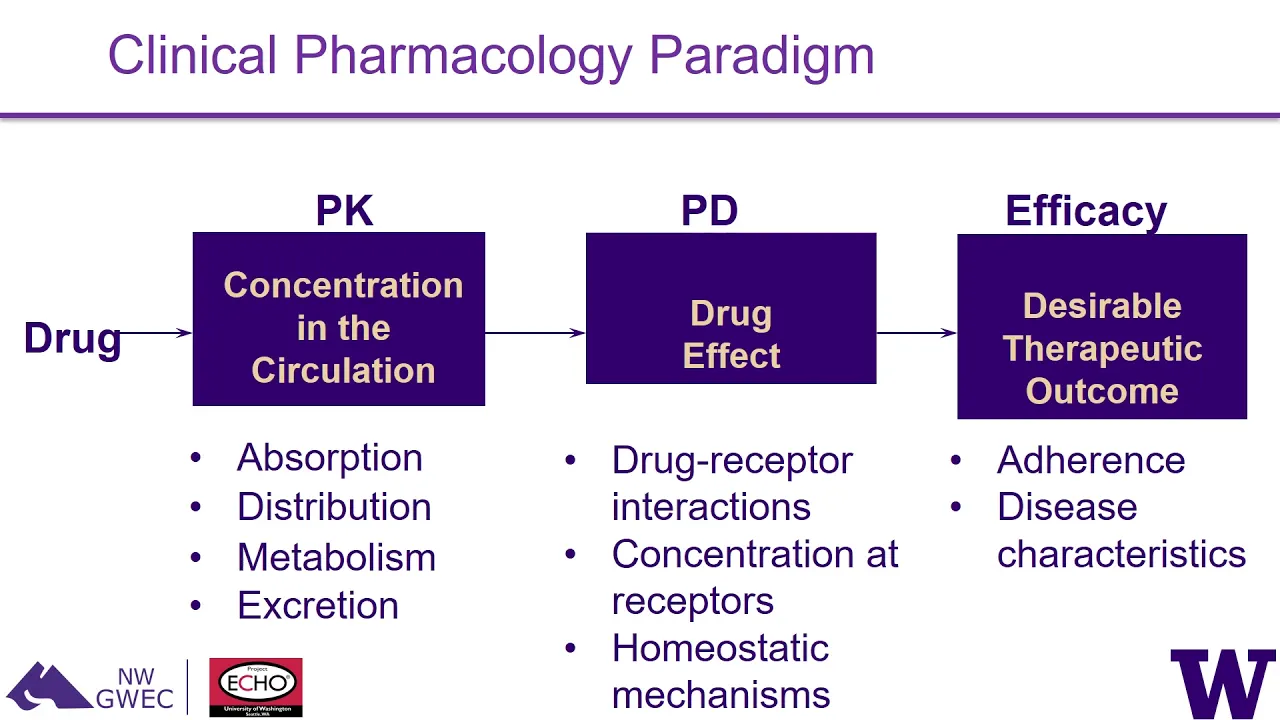
Added:Basic principles of pharmacology, pharmacokinetics, and pharmacodynamics, particularly how drug clearance and metabolism change in older adults.
The clinical definition of polypharmacy, including its common causes, risks, and its association with adverse drug events (ADEs).
Familiarity with common drug classes frequently prescribed to patients with chronic conditions (e.g., proton pump inhibitors, benzodiazepines, antihypertensives).
The concept of clinical risk-benefit analysis, specifically how a medication's therapeutic value may change over a patient's lifespan.
In-depth application of validated clinical screening tools for inappropriate prescribing, such as the Beers Criteria and STOPP/START criteria.
Strategies for effective patient communication and shared decision-making to address patient anxiety or resistance regarding medication tapering and discontinuation.
Protocols for monitoring patients post-deprescribing, including recognizing and managing drug withdrawal syndromes or the re-emergence of symptoms.
Implementation of interprofessional collaborative care models (such as pharmacist-led Medication Therapy Management) to audit and optimize drug regimens in clinical settings.
39.8K views155likes8:14Original Release: 2017-05-17
[Music] hello my name is barb farrell i'm a pharmacist working in the geriatric day hospital at priera continuing care in ottawa canada and one of the leads of the d prescribing guidelines program of research at the brier research institute in my clinical practice i see many older people taking multiple medications that are sometimes no longer needed or causing more harm than benefit while medications are started because they're intended to control symptoms prevent or slow the progression of a disease not all of them are always needed lifelong medical conditions may change as people age and the same medication that worked well before may not be the best one anymore drugs may also cause more harm with time older people are at more risk for harm because they respond to and handle drugs differently they can be more sensitive to side effects and have a harder time eliminating drugs from the body as they acquire more medical conditions they get started on more medications and are at risk for additive side effects and drug interactions sometimes side effects of drugs go unrecognized and new drugs are started to treat the side effects side effects can contribute to many problems we see in older people like falls and confusion when the risks of medication use start to outweigh the benefits we call this problem polypharmacy polypharmacy is especially problematic for older people who are frail this brings us to the concept of de-prescribing this term was coined in 2003 to help highlight its importance in the overall prescribing approach we define de-prescribing as the planned and supervised process of dose reduction or stopping of medication that may be causing harm or no longer be providing benefit in other words reducing medication safely to meet life's changes the goal of deep prescribing is to reduce medication burden and harm while maintaining or improving quality of life but reducing doses or stopping medications can be difficult sometimes the original reason for the medication is unknown especially if it was prescribed many years ago or by a different prescriber or in a hospital sometimes prescribers are worried about what might happen if they stop a drug they're not sure if a drug can be stopped abruptly or needs to have the dose lowered slowly and many disease guidelines recommend adding drugs but they don't address when or how to stop them our research team decided to help address this problem by rigorously developing evidenced-based guidelines that help clinicians make decisions about when it's appropriate to reduce or stop medications and then how to do so safely first we surveyed family physicians geriatricians nurses and pharmacists across canada to find out what drug classes they needed to have guidelines for to help them de-prescribe we conducted scoping reviews of the literature to find out which of those high-priority drug classes had published studies comparing continuing versus reducing or stopping them then we formed an interprofessional guideline development team for each drug class each guideline development team carefully identified the scope of their guideline what medical conditions would be considered or excluded and how would other treatment approaches for the condition be handled each team generated key clinical questions to explore for the guideline these included considering the impact of de-prescribing the medication in the targeted conditions the harm of continuing the medications patient or caregiver values and preferences regarding the medication and cost of both continuing or de-prescribing the medication essentially we wanted each guideline to help answer questions about when a medication should be continued reduced or stopped whether it would hurt a person to de-prescribe how to de-prescribe safely and effectively and what to monitor while de-prescribing members of the teams conducted systematic reviews of the literature to rigorously evaluate the evidence for deep prescribing the plan was to provide health care providers with the evidence for d prescribing so they could consider it in the same way they considered evidence for prescribing each team used the grade approach to make recommendations about d prescribing grade stands for the grading of recommendations assessment development and evaluation it considers four factors in determining the strength of a recommendation the quality of supporting evidence certainty that the desirable benefits outweigh the undesirable harms certainty or variability in values and preferences of individuals uncertainty about whether the medication or de-prescribing the medication utilizes a wise use of resources after developing the main recommendations about when it's appropriate to de-prescribe the medication each team used its clinical experience as well as information in the deep prescribing studies to provide advice about how to safely de-prescribe when to reduce the dose slowly and how often or when it was safe to just stop the drug clinical considerations for each guideline included documenting what factors warrant continued use how can patients be engaged in the de-prescribing process how should tapering be approached what should be monitored and how often and how to manage recurring symptoms next each guideline was reviewed by independent healthcare providers and then by organizations that might consider endorsing the guideline all reviewers used a method called agree 2 which stands for the appraisal of guidelines for research and evaluation this method allowed reviewers to evaluate the process of guideline development and the quality of the reporting a full description of our de-prescribing guidelines methods are published online in the journal plos one to help healthcare providers use the recommendations outlined in the d prescribing guidelines each team developed a two-page de-prescribing algorithm for each of the guidelines one side of the algorithm illustrates the de-prescribing decisions recommendations monitoring and management plans to carry out the process safely it also includes the conditions for which de-prescribing should not be considered using the guideline on the other side of the algorithm we've included information about the dosage availability for each medication in the targeted class patient engagement strategies information about the side effects of the drug class and information about non-drug management of conditions to help reduce reliance on medications in our research using these algorithms healthcare providers have told us how useful they have been to aid decision making each of the currently available d prescribing algorithms can be found at dprescribing.org our future research will focus on how these guidelines and algorithms can be integrated into usual practice and the impact of using them on patient care you can check in on the progress of our research at dprescribing.org and by following us on twitter in our next series of videos i will show you how to use each of the de-prescribing algorithms for different types of situations the deep prescribing guidelines project was initially funded by the government of ontario through the ontario pharmacy research collaboration with recent funding through the canadian institutes of health research i'd like to thank our team of investigators and staff as well as those who contributed to developing and reviewing each of the de-prescribing guidelines and algorithms included in this important initiative you
Up Next

55:28
Deprescribing Steps: Shared Decision-Making with Patients
@deprescribing
3.4K views•2018-06-27

48:47
Graphic Medicine: Comics for Collaborative Healthcare Communication
@nationalpatientadvocate
189 views•2023-12-04

10:28
Neuroanatomy: Central and Peripheral Nervous System Divisions Explained
@AKLECTURES
136.2K views•2014-09-20

3:05
Stages of Labor and Vaginal Birth | Childbirth Animation
@nucleusmedicalmedia
52.1M views•2017-08-18
Related Study Plans & Knowledge Roadmaps
Structured learning paths in Medicine
medicine
Abnormal LFTs: Diagnostic Workup & Pathology
01Liver Anatomy and Basic Physiology
02Introduction to Liver Function Tests (LFTs)
03Hepatocellular vs. Cholestatic Patterns
+ 3 more learning modules
12h6 modules
Explore Roadmap
medicine
Analyzing Blood Smears: RBC, WBC & Platelets
01Introduction to Blood Components & Smear Preparation
02Normal Morphology of Blood Cells
03Erythrocyte Pathologies & Morphological Variants
+ 2 more learning modules
12h5 modules
Explore Roadmap
medicine
Mechanical Ventilation: Waveforms & Alarms
01Anatomy and Physiology of Breathing
02Introduction to Mechanical Ventilation & Core Modes
03Ventilator Settings and Waveform Interpretation
+ 2 more learning modules
12h5 modules
Explore Roadmap
medicine
Neuro Exam: Localization & Stroke Syndromes
01Foundations of Neuroanatomy and Vascular Supply
02The Neurological Examination: Step-by-Step
03Principles of Neurological Localization
+ 3 more learning modules
18h6 modules
Explore Roadmap