
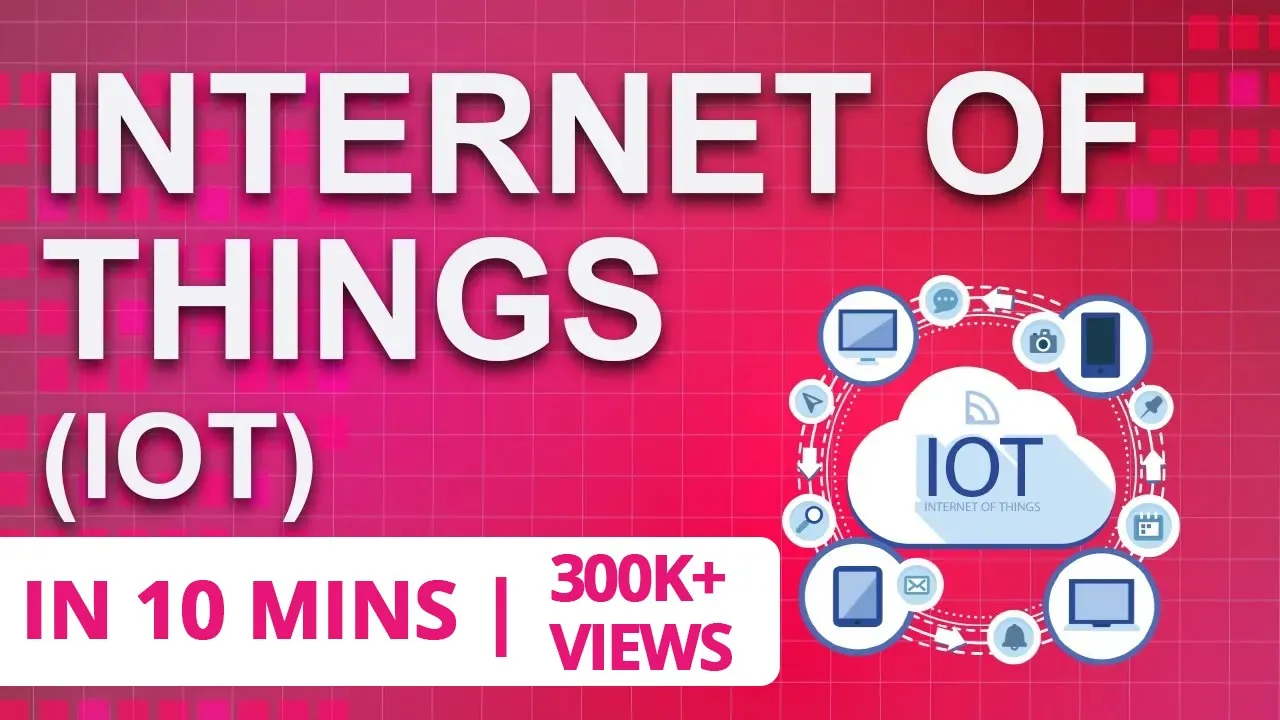
![The Basic of Internet of Things (IoT) [Dev Concepts #24]](https://i.ytimg.com/vi_webp/2-VwTQ4nNsA/maxresdefault.webp)






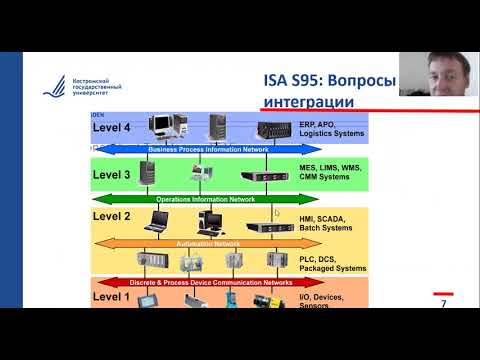




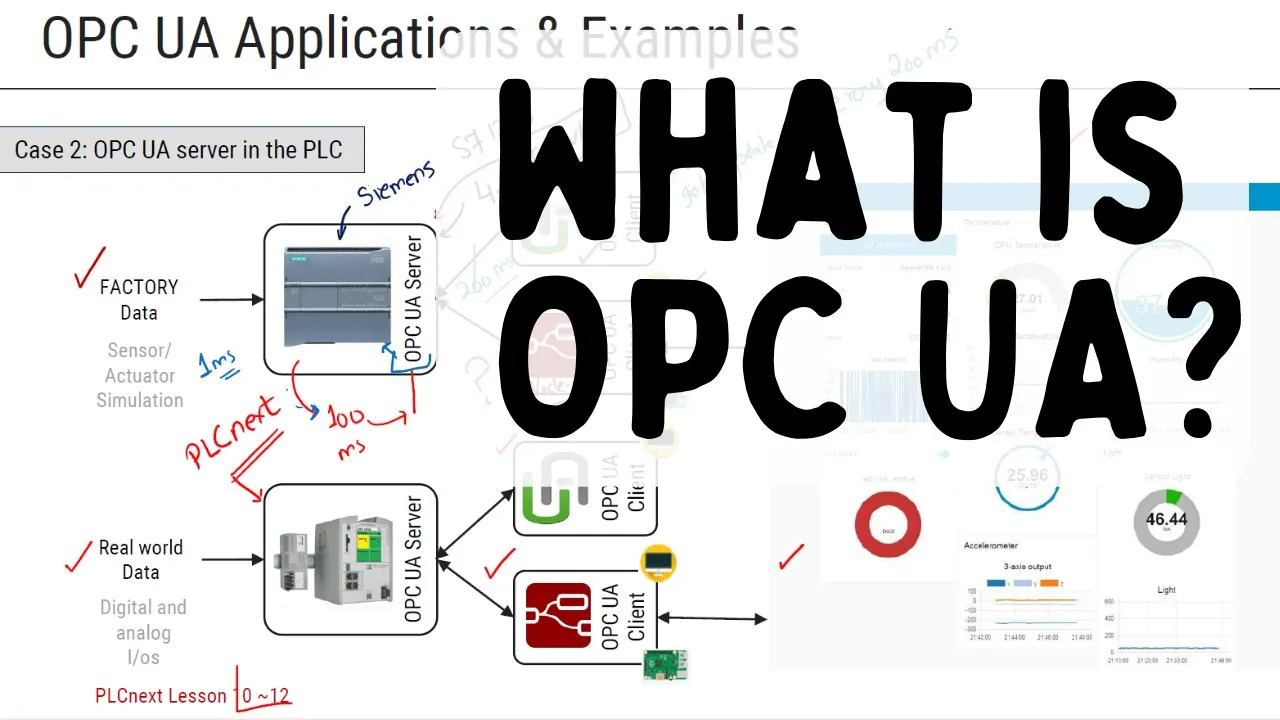


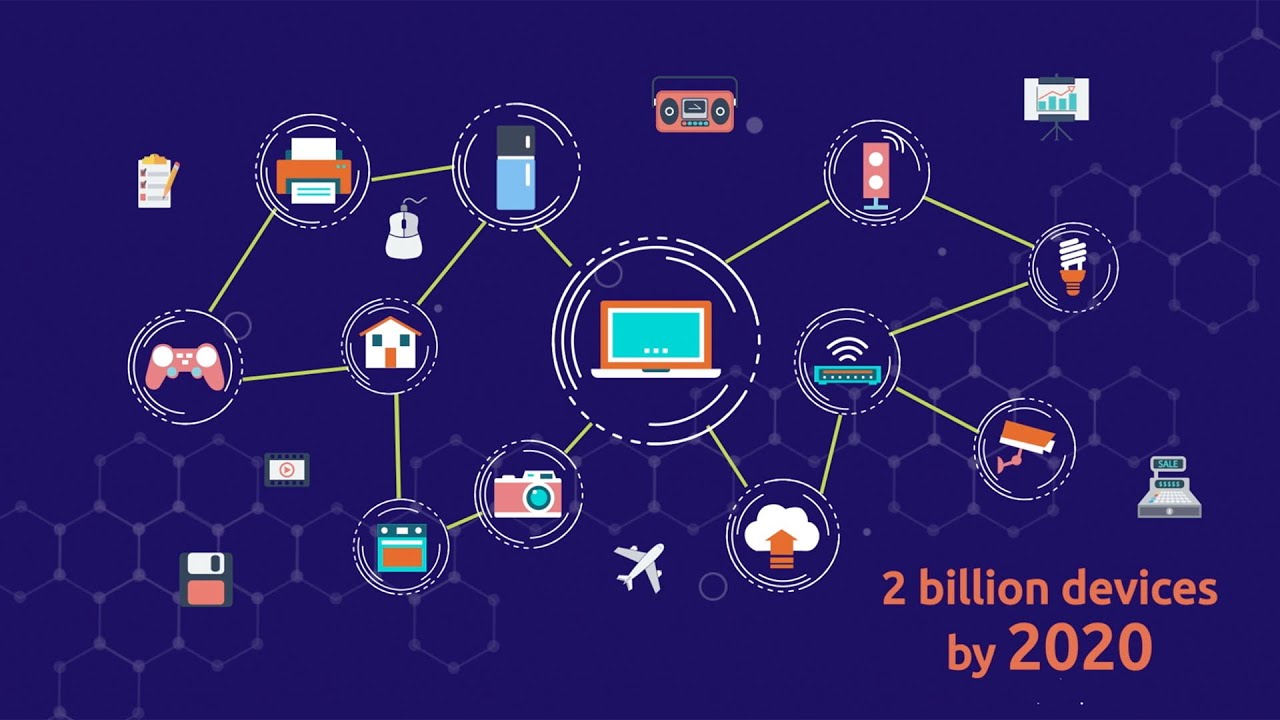









The Industrial Internet of Things (IIoT) is a specialized subset of the Internet of Things (IoT) designed for industrial environments, requiring higher standards of security, cross-compatibility, precision, resilience, consistent connectivity, automation, and serviceability compared to consumer IoT devices; IIoT applications include condition monitoring, predictive maintenance, automated industrial processes, smart robotics, logistics management, industrial security, and energy monitoring.
IIoT vs. IoT: Key Differences and Real-World Applications in Industry
Added:Basic understanding of the Internet of Things (IoT) concept, including how everyday smart devices collect and exchange data.
Fundamental knowledge of computer networking, including cloud computing, wireless communication, and basic data transmission.
Familiarity with the concept of industrial automation, including the basic role of sensors and controllers in manufacturing.
In-depth study of industrial communication protocols such as Modbus, OPC UA, and MQTT used for machine-to-machine (M2M) communication.
Implementation of Edge Computing architectures to handle real-time, low-latency data processing at the industrial site.
Advanced cybersecurity strategies specifically tailored for Operational Technology (OT) and securing critical industrial control systems.
Application of Predictive Maintenance and Industrial AI models to forecast equipment failures using sensor telemetry.
36.1K views192likes3:55Original Release: 2024-02-20
hello Tech enthusiasts I'm Ryan Chan the CEO and founder of upkeep in today's informative video we're going to unlock the complexities of technology and shed light on the differences between the internet of things also referred to as iot and the industrial internet of things also known as iiot if you've ever wondered what sets these two apart you're about to find out we'll delve into their unique characteristics what makes one more robust than the other and the demanding requirements of industrial settings so stick around till the end because we'll also be exploring real world applications of the industrial internet of things that might just surprise you now let's dive into the world of technology and explore the difference between the internet of things and iiot the industrial Internet of Things The Internet of Things is all about connecting devices to the internet this could be anything from something as complex as your smartphone to something as simple as a toaster now let's talk about iot the the industrial internet of things this is a subset of iot that applies specifically to Industrial settings it's similar to iot but there's a little more to it than that considering the specific demands of industrial settings iiot needs to be more robust and flexible than most iot devices let's look at some characteristics that set I iot apart from iot first we have high levels of security industrial security needs to be Rock Solid to maintain reliability we can't have any unauthorized persons hacking into industrial processes next there's cross- compatibility iot devices need to coexist with numerous other operations Technologies and operating systems often this requires the software to be fully programmable and scalable then there's absolute Precision industrial iot devices need to function in an environment where the slightest milliseconds difference can disrupt entire processes resilience is another key characteristic indust industrial settings require high levels of durability and reliability iot devices have a harder time failing than consumer iot devices consistent connectivity is crucial there's much less tolerance for latency in industrial settings than other environments data needs to be transmitted quickly and reliably at all times automation is another important factor for the sake of maintaining efficiency the less human interfacing needed the better finally there's serviceability consistent maintenance is key in cluding for software the system needs to be accessible enough to allow regular servicing in essence iiot is held to much more rigorous standards than conventional iot it's designed for higher risk applications now let's explore some of these applications we have condition monitoring and predictive maintenance on critical assets automating industrial processes such as assembly lines or Supply chains smart robotic systems that perform numerous tasks Logistics management Industrial security Airline monitoring and energy usage monitoring and believe me we are just scratching the surface as the technology develops we will probably see more and more iiot applications at every level of industrial processes that concludes our discussion on the differences between the internet of things iot and the industrial internet of things iiot we've covered their unique characteristics the demanding requirements of indust settings and their real world applications thank you for watching if you enjoyed this video and found it informative don't forget to subscribe to our channel for more insightful content to learn more about how upkeep can help your maintenance and reliability teams be more successful visit us at upkeep tocom stay tuned for more exciting developments in the world of the industrial Internet of Things
Up Next

28:56
Extended Kalman Filter Implementation for Sensor Fusion | STM32 C Tutorial
@PhilsLab
72.2K views•2022-08-22
30:32
Ultrasonic Transducers: Resonant Frequency Measurement and Horn Design
@imajeenyus42
229.9K views•2017-02-22
54:16
Polymer Environmental Degradation: Mechanisms & Stabilization
@iit
1.8K views•2012-07-10

33:39
How a Student's Question Saved a NYC Skyscraper from Collapse
@veritasium
22.8M views•2025-04-26
Related Study Plans & Knowledge Roadmaps
Structured learning paths in Engineering
engineering
Building Acoustic Levitators: Physics & Arduino
01The Physics of Sound and Standing Waves
02Piezoelectric Transducers and H-Bridge Drivers
03Arduino Programming: Generating 40 kHz Signals
+ 2 more learning modules
14h5 modules
Explore Roadmap
engineering
Building Peltier Cloud Chambers: Particle Tracks
01Cosmic Rays & Cloud Chamber Physics
02Thermoelectric Cooling (TEC) Fundamentals
03Custom Liquid-Cooling Loop Design
+ 2 more learning modules
18h5 modules
Explore Roadmap
engineering
Yagi-Uda Antennas: Modeling, Build & VNA Test
01Introduction to RF and Antenna Fundamentals
02Yagi-Uda Antenna Design Principles
03Antenna Modeling and Simulation in 4NEC2
+ 2 more learning modules
18h5 modules
Explore Roadmap
engineering
ECG Monitor Design: Op-Amps, Filters & Noise
01Electronics & Breadboard Basics
02Op-Amps and Instrumentation Amplifiers
03Bioelectricity and ECG Fundamentals
+ 2 more learning modules
18h5 modules
Explore Roadmap