











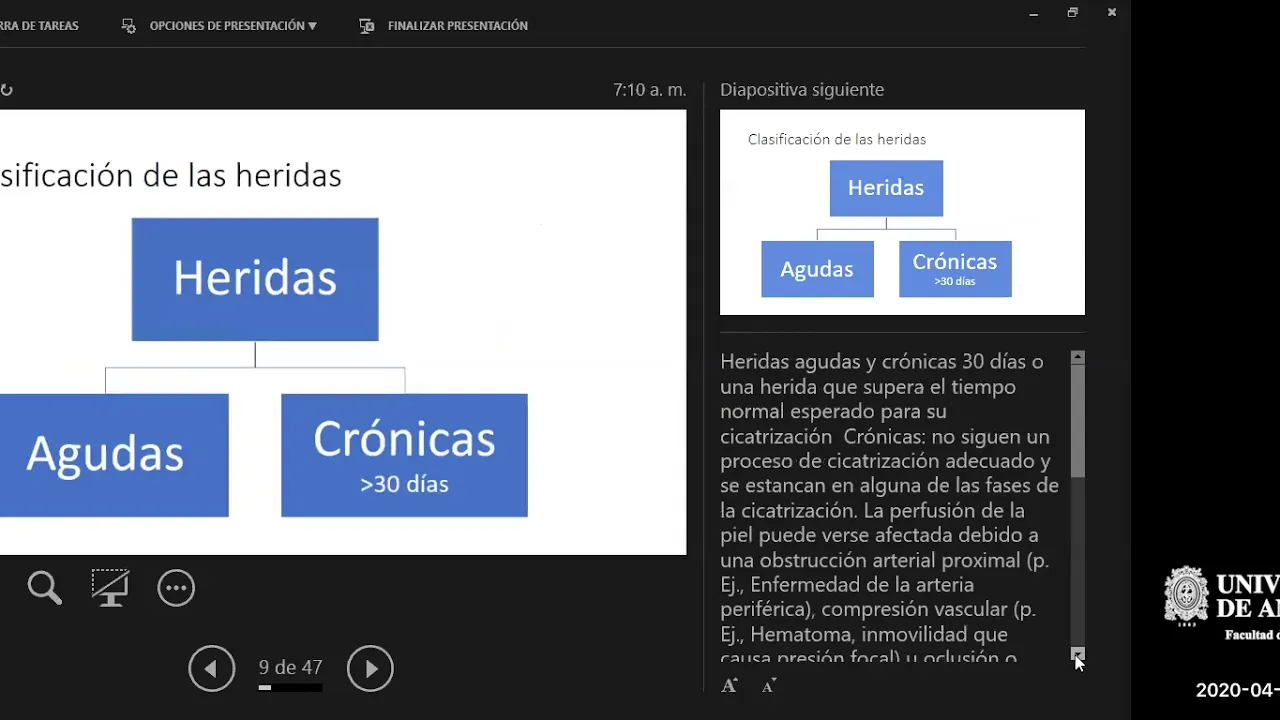









Wound healing occurs in three overlapping phases: inflammation (where blood clotting, vasodilation, and immune cells clear debris), proliferation (where fibroblasts form granulation tissue with collagen and new blood vessels, myofibroblasts contract the wound, and keratinocytes restore the epidermis), and remodeling (where type 3 collagen is replaced by stronger type 1 collagen with cross-linking, strengthening the tissue over 2-3 weeks to a year).
Wound Healing Phases Explained | Animation Overview
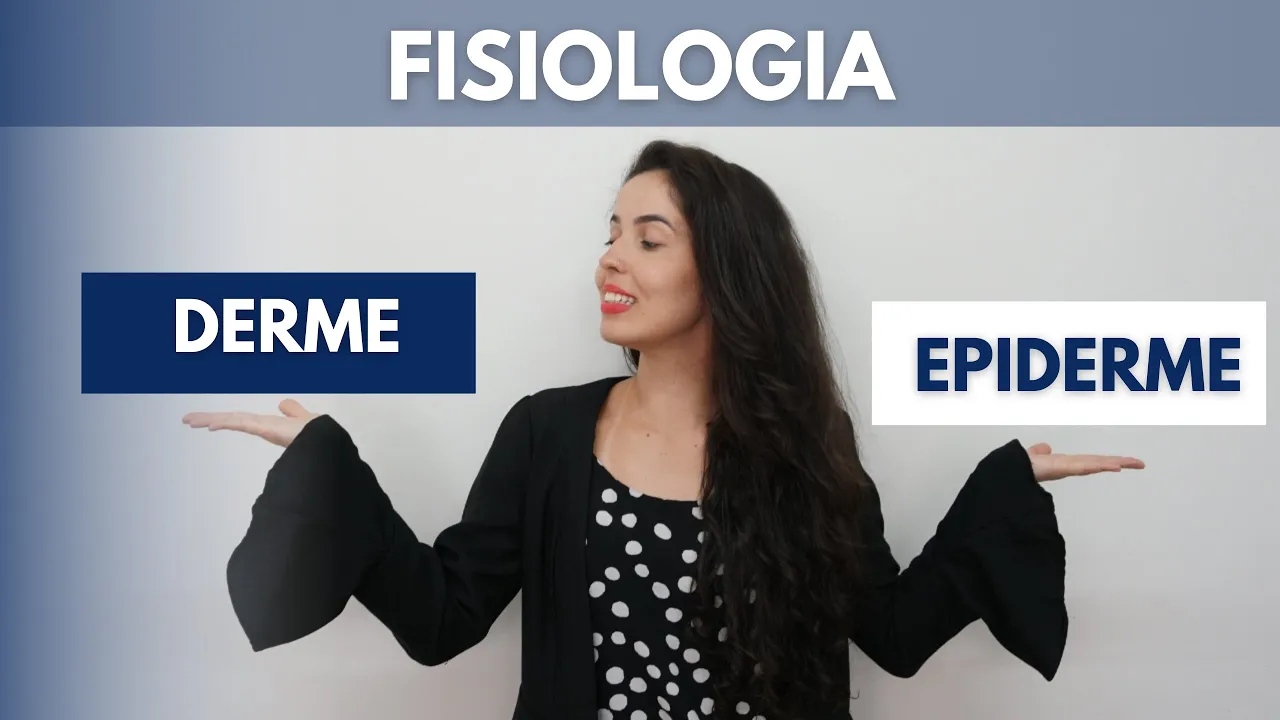
Added:Basic anatomy of the skin, specifically the structural differences between the epidermis and dermis layers.
The fundamentals of cellular biology, including the basic functions of fibroblasts, platelets, and epithelial cells.
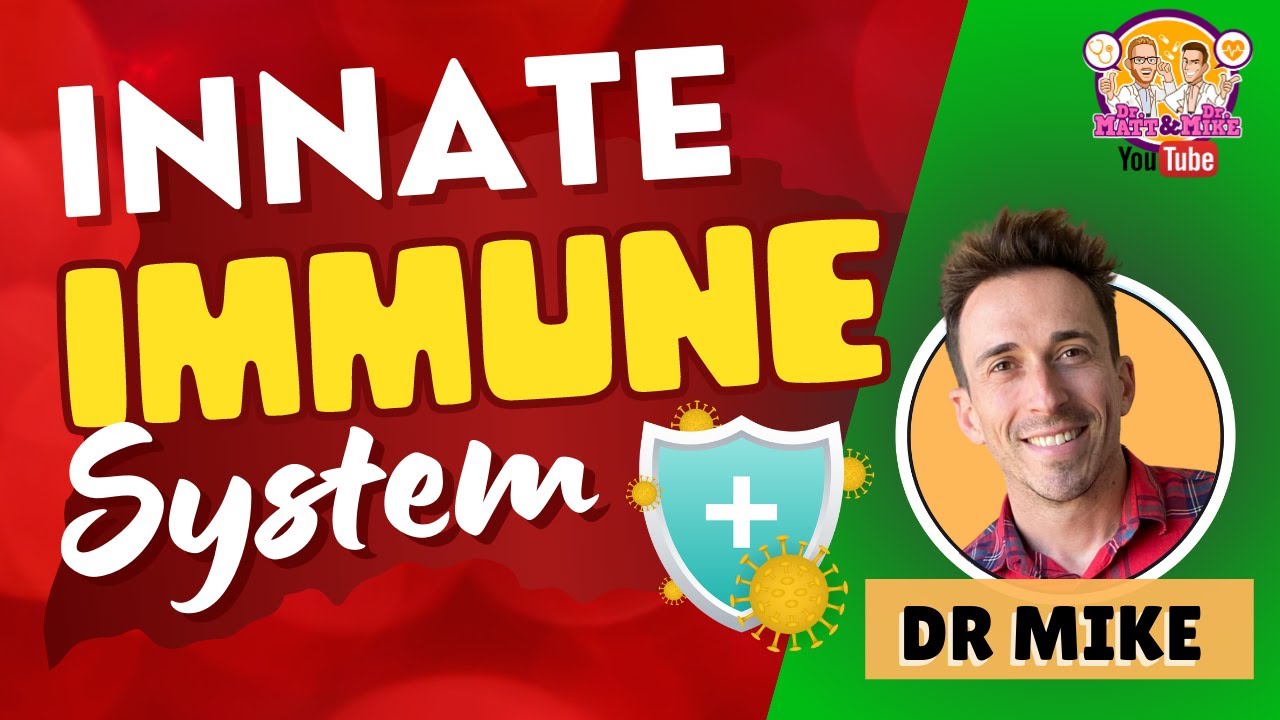
An introductory understanding of the innate immune response, particularly the roles of neutrophils and macrophages in defending against pathogens.
The concept of hemostasis, including how the coagulation cascade and platelets initiate blood clotting immediately after injury.
The systemic and local factors that delay or impair wound healing, such as diabetes, malnutrition, advanced age, and infection.
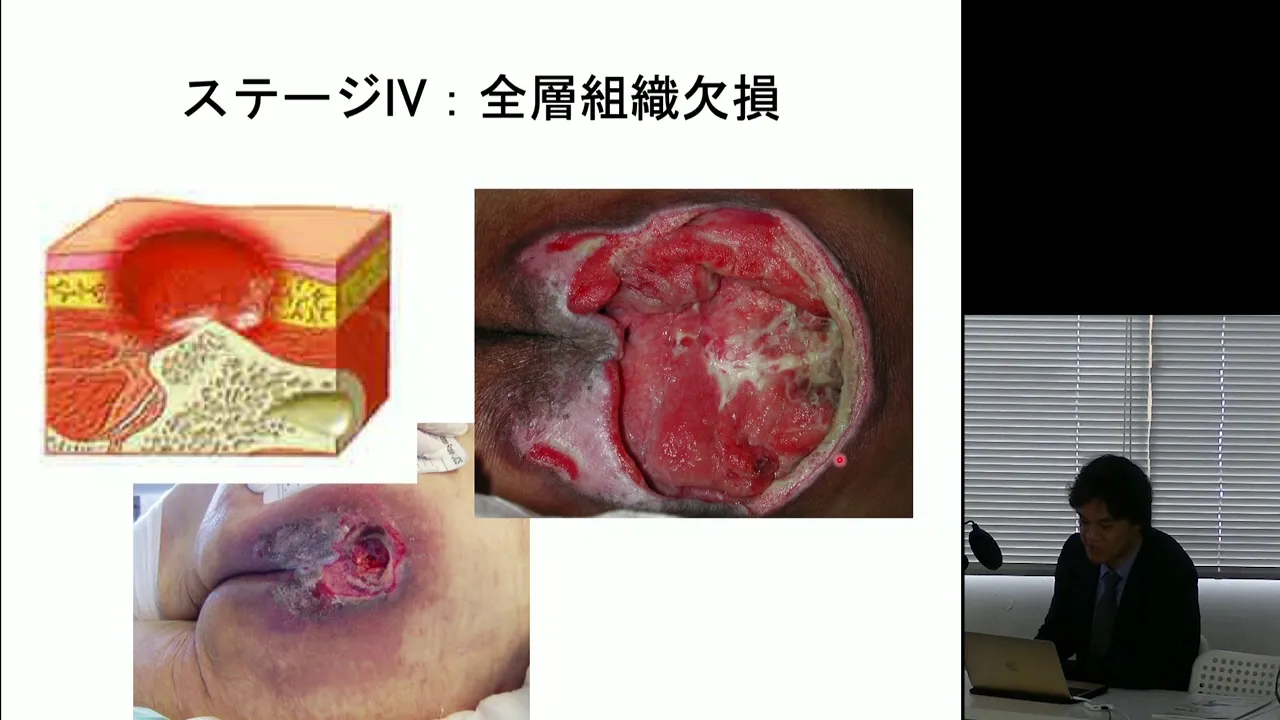
The clinical distinction between acute wound healing and the pathophysiology of chronic, non-healing wounds (e.g., pressure ulcers, venous ulcers).
Advanced medical interventions in wound care, including the use of negative pressure wound therapy, biological dressings, and growth factor therapies.
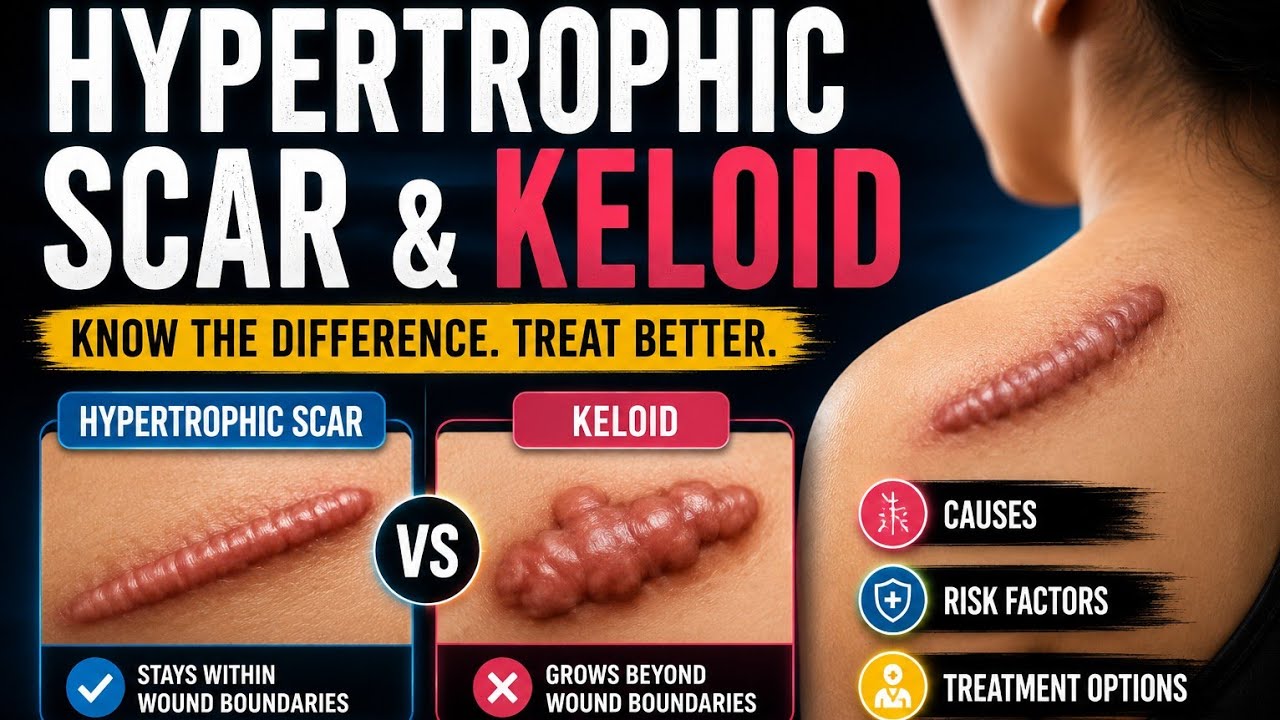
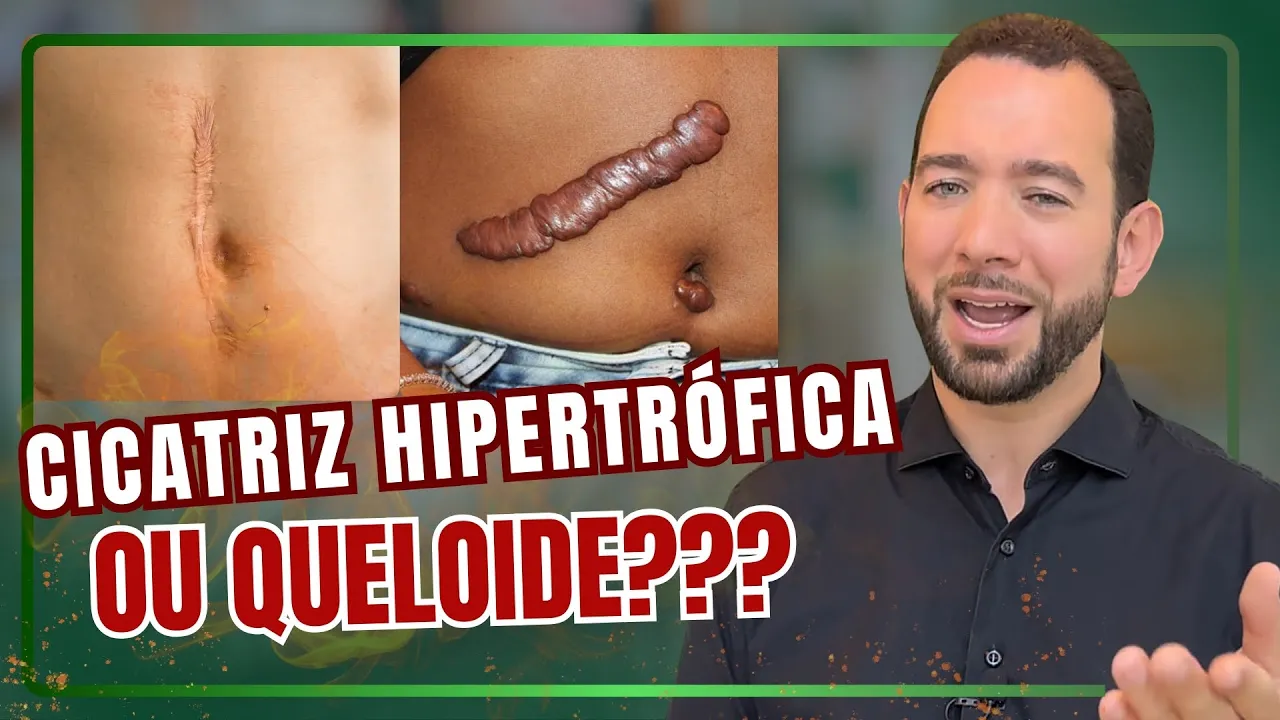
The biological mechanisms behind abnormal scarring, such as the formation of hypertrophic scars and keloids, and the field of regenerative medicine.
2.5K views30likes4:18Original Release: 2024-04-23
Wound healing is a complex process that occurs in three phases. Inflammation, proliferation, and remodeling.
These take place one after the other, but overlap in time.
In this animation, we see a small injury that reaches into the second layer of skin. A relatively simple and common injury.
In addition to the pain, the wound also becomes noticeable through the discharge of blood. This flushes out foreign particles.
However, the bleeding does not last long. The body reacts just a few seconds after the injury by constricting the affected blood vessels.
Blood clotting also sets in. This is followed 20 minutes later by vasoddilation.
The excretion of histamine by mass cells causes the blood vessels to dilate again and the capillary walls become more permeable. This facilitates the migration of urgently needed white blood cells.
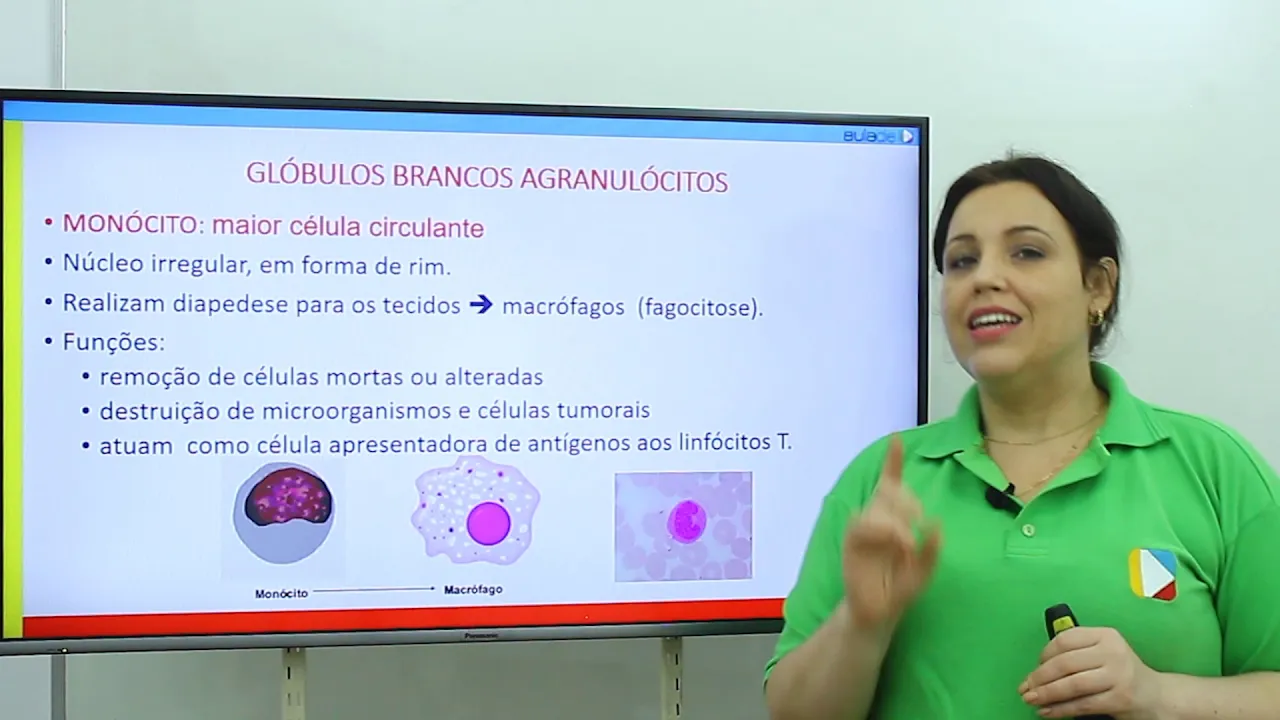
Once in the wound area, monocytes develop into fagosytes.
In the inflammatory phase, they remove or digest dead cells and eliminate viruses and bacteria.
In the next phase, they stimulate the cell division of fiberblasts via messenger substances and promote the formation of new blood vessels. The fagosites literally orchestrate wound healing.
In the second phase, the proliferation phase, granulation tissue is formed.
This young and still less resilient connective tissue fills the wound cavity.
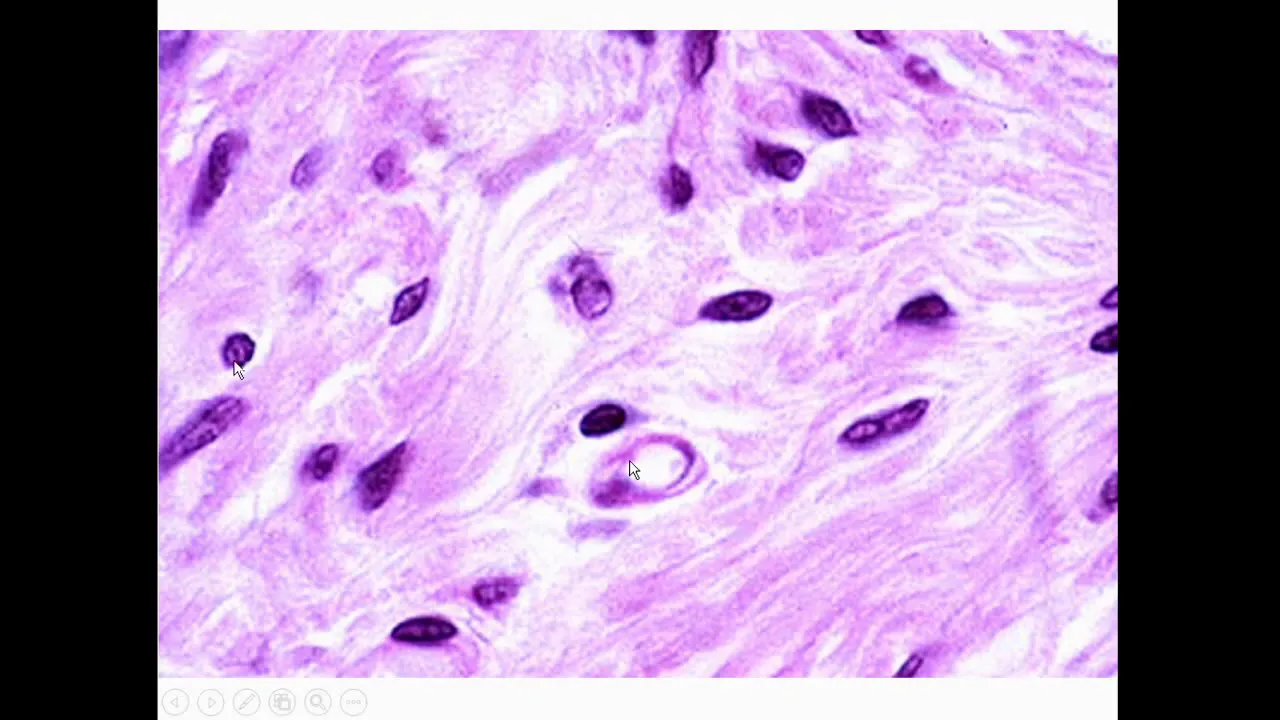
The soft and reddish replacement tissue consists of cells, tiny blood vessels, and collagen fibers.
The collagen fibers are produced by the affforementioned fibrolasts.
After reaching the wound, these cells divide rapidly and begin to produce collagen to form the granulation tissue.
They use the fibbrin network that was formed during blood clotting. At the same time, tiny blood vessels sprout which supply the working cells with oxygen and building materials.
Wound contraction also begins during the proliferation phase. In other words, the wound begins to shrink.
The myofibrolasts are responsible for this. Some of the fibrolasts develop into this cell type. Just like muscle cells, myophibiroblasts have the ability to contract.
The contraction brings the wound edges closer together.
This also benefits epithelialization.
The top layer is damaged and must be restored. And the smaller the defect, the faster this can be done.
The epidermis consists mainly of keratinoytes which are formed by cell division in the basil layer.
On their way up, the cells become increasingly keratinized and flatten out.
During epithelialization, keratinocytes from the basil layer colonize the wound starting from the wound edge towards the center.
Unlike the surrounding skin, the new tissue does not contain melanocytes.
These cells produce the pigment melanin and release it to the surrounding skin cells.
These cells thus provide the natural skin color. Their absence explains why mature scars are paler than normal skin.
The final phase begins 2 to 3 weeks after the injury and can last up to a year.
During this time, extensive remodeling processes take place. The proportion of type 3 collagen decreases and is replaced by type 1. There is also a strong cross-linking of the collagen fibers.
This makes the new tissue more resistant.
Wound healing is not always so unproatic.
For example, excessive collagen synthesis causes noticeable scars.
However, I will deal with this in another video.
Up Next
4:29
Chromatin Organization Animation: Nucleosome Structure
@RethinkBiology
121.4K views•2021-04-22
41:46
Venom Biochemistry: Therapeutics from Nature's Toxins | Expert Interview
@TheSheekeyScienceShow
1.3K views•2024-08-31

5:35
Enteric Nervous System Explained: The Gut's Brain | Neurobiology Lecture
@alumniu6029
438 views•2018-09-12
7:08
Bacteriophages: Earth's Deadliest Killers and Future Antibiotics
@kurzgesagt
34.6M views•2018-05-13
Related Study Plans & Knowledge Roadmaps
Structured learning paths in Biology
biology
Analyzing Animal Venoms: Genetics & Pharma
01Molecular Biology & Physiology Foundations
02Venom Evolution & Toxin Gene Recruitment
03Neurotoxins & Ion Channel Pharmacology
+ 2 more learning modules
18h5 modules
Explore Roadmap
biology
RNAi: Biogenesis, RISC & Gene Silencing
01Molecular Biology Foundations: DNA to Protein
02Introduction to RNA Interference (RNAi)
03Molecular Biogenesis of miRNA and siRNA
+ 2 more learning modules
10h5 modules
Explore Roadmap
biology
Mycorrhizae: Signaling, Biophysics & Ecology
01Foundations of Mycorrhizal Symbiosis
02Molecular Signaling and Root Colonization
03Biophysics and Bioenergetics of Nutrient Exchange
+ 1 more learning modules
11h4 modules
Explore Roadmap
biology
Circadian Clocks: TTFL, SCN & Periphery
01Foundations of Molecular Biology & Gene Expression
02Introduction to Chronobiology and Actograms
03The Core TTFL: Molecular Architecture of the Clock
+ 3 more learning modules
14h6 modules
Explore Roadmap